Vue lecture

Putin-Trump meeting currently not on the table, Kremlin says
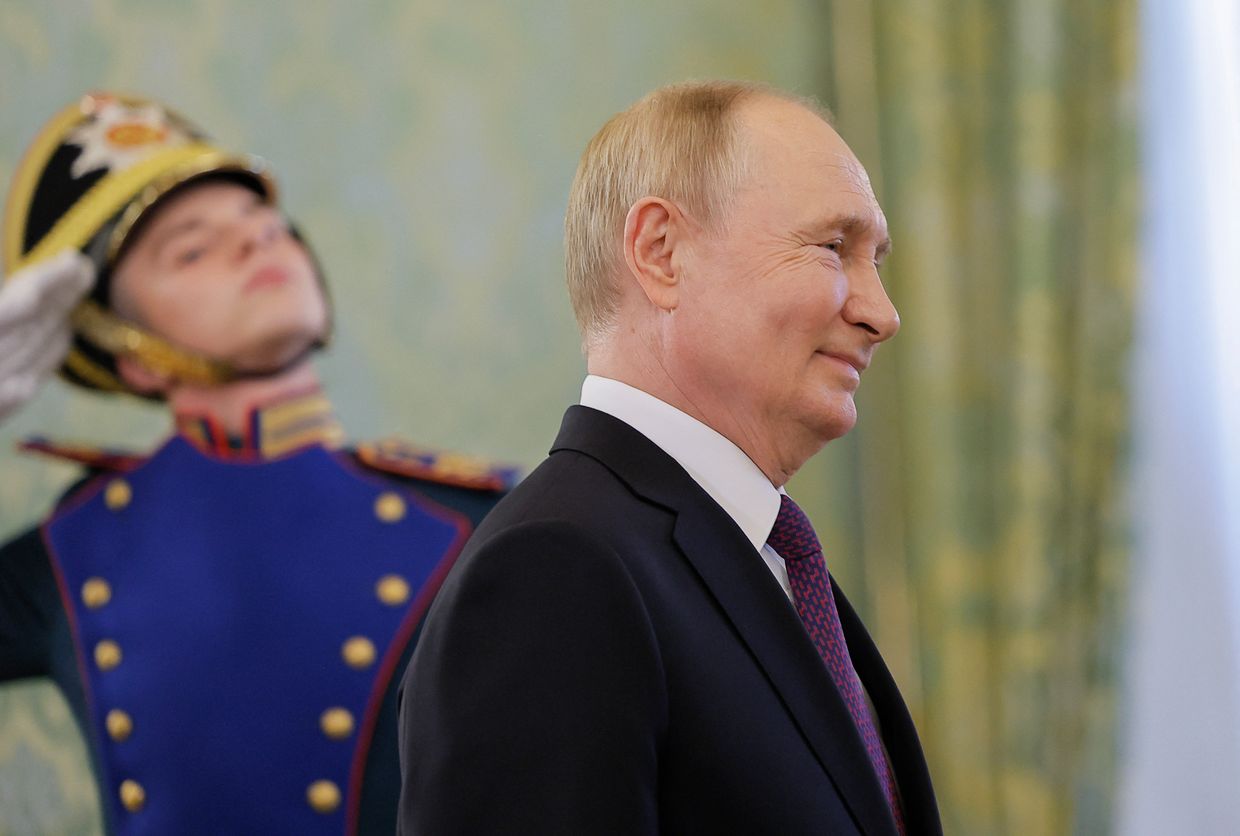
Putin-Trump meeting currently not on the table, Kremlin says

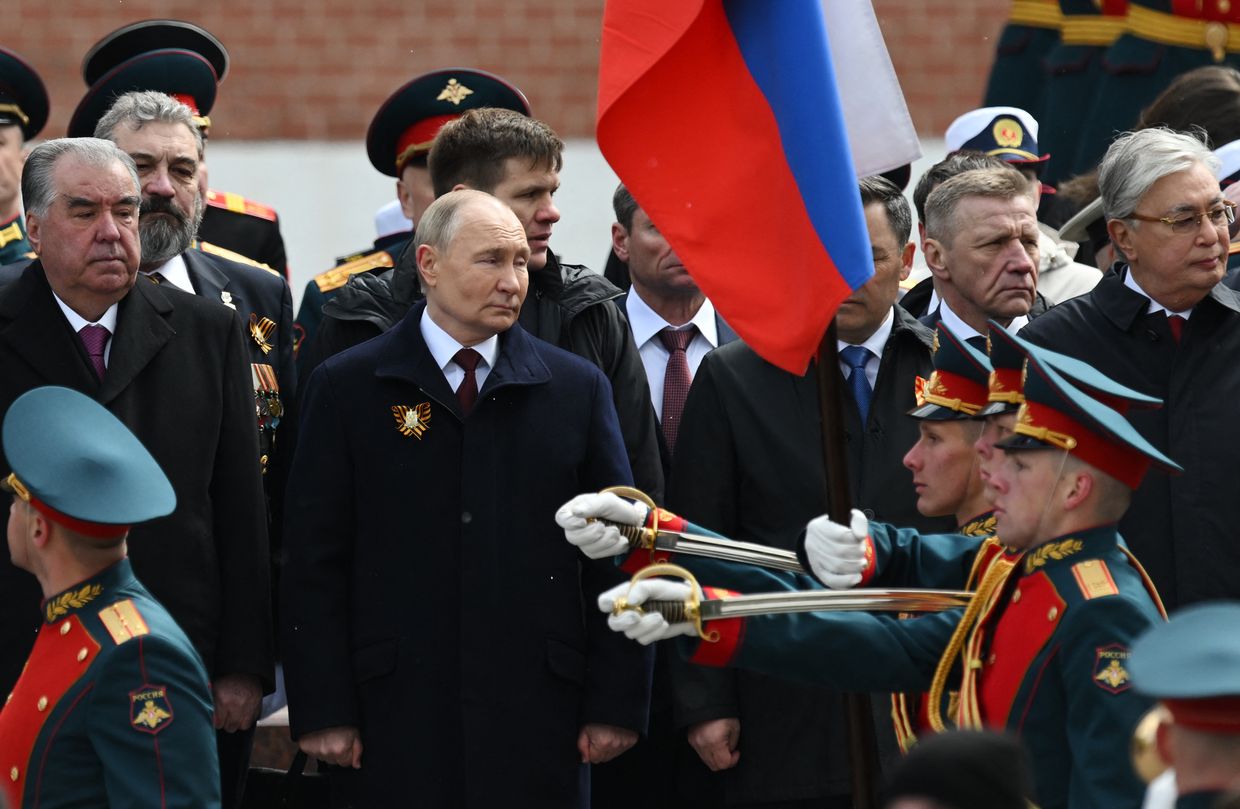
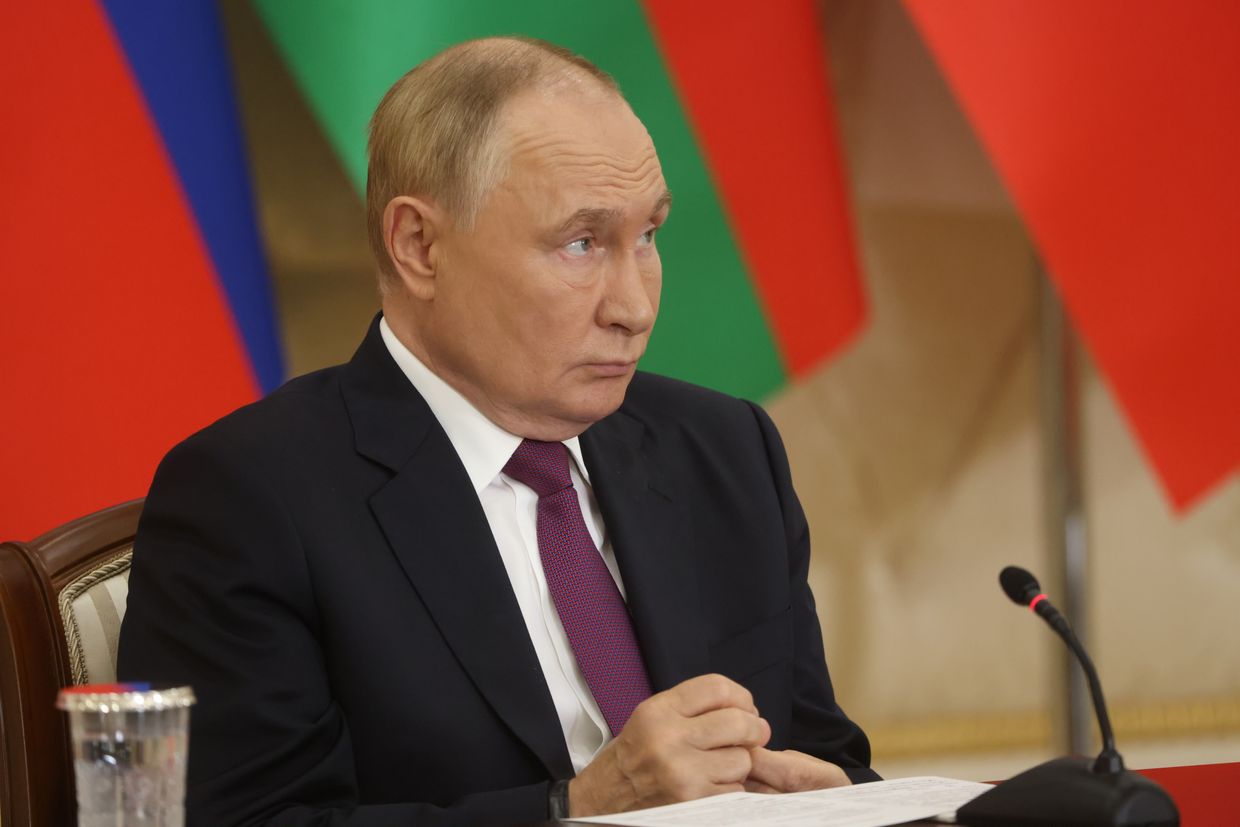
A meeting between Russian President Vladimir Putin and U.S. President Donald Trump is not currently on the table due to unresolved tensions in bilateral relations, Kremlin spokesperson Dmitry Peskov said in an interview with Russian state-controlled newspaper Izvestia on June 19.

The U.S. president has repeatedly floated the idea of meeting Putin, saying the Russia-Ukraine war cannot be resolved without them talking face-to-face. Nevertheless, the two have not met since Trump returned to the White House this January.

While Trump has adopted a more amicable policy toward Russia than his predecessor, U.S. ex-President Joe Biden, he has taken a more critical tone toward Moscow recently as Putin continues to reject a truce in Ukraine.

"Until the necessary 'homework' is done to remove the irritants in our relations with the United States, it makes no sense to organize a meeting," Peskov said. He added that while talks aimed at resolving these issues had begun, progress remained minimal and the key obstacles were still in place.

His remarks come just days after the Russian Foreign Ministry claimed that Washington had canceled the next round of talks to restore diplomatic relations between the two countries.

The meetings, which were expected to take place in Moscow, were part of a broader dialogue to address ongoing disputes, including Russia's war against Ukraine, and improve the functioning of each side's diplomatic missions.

Russian Foreign Ministry spokesperson Maria Zakharova said the planned round was intended to "eliminate irritants," such as staffing restrictions and banking issues for embassies. She expressed hope that the U.S. pause in talks "will not become too long."

The last two rounds of discussions, in Riyadh in February and Istanbul in April, marked the first formal diplomatic contact between the U.S. and Russia since Moscow began its full-scale invasion of Ukraine in 2022. Both sides described the Istanbul round as "constructive," though it focused largely on technical matters.

The Trump administration has so far refrained from introducing new sanctions against Russia, despite pressure from Kyiv and growing alarm in Europe over Moscow's continued refusal to agree to a ceasefire.

President Volodymyr Zelensky has repeatedly urged Washington to take a firmer stance, warning that "America's silence... only encourages Putin."

After a deadly Russian attack on Kyiv that killed 28 and injured over 130 people, Trump remained silent, with the U.S. Embassy only issuing a late statement denouncing the attack.

’100 days of Russian manipulations’ — Ukraine blasts Moscow over disregarding US ceasefire effort
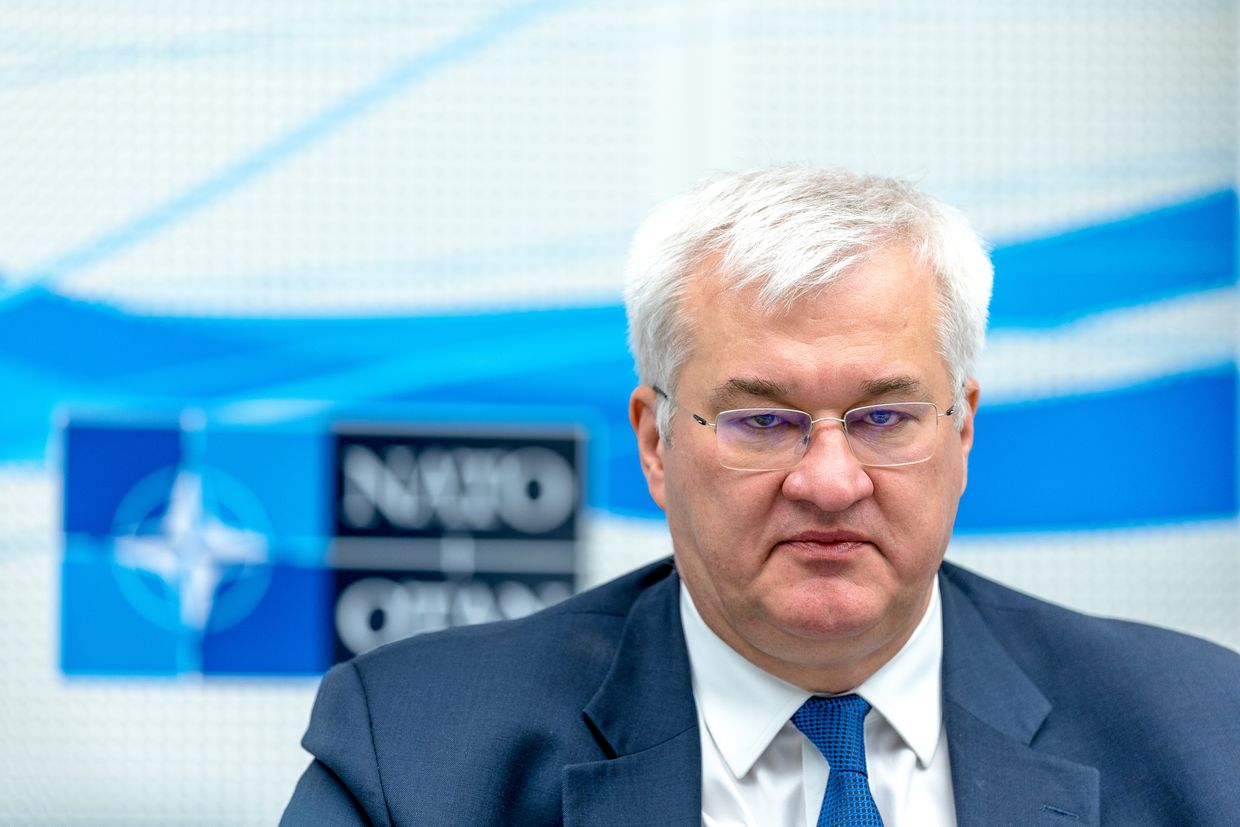
A hundred days since the U.S. and Ukraine agreed on a ceasefire, “Russia continues to choose war,” Foreign Minister Andrii Sybiha said on June 19, urging international pressure to push Moscow toward peace.
Putin-Trump meeting currently not on the table, Kremlin saysThe Kyiv IndependentMartin Fornusek
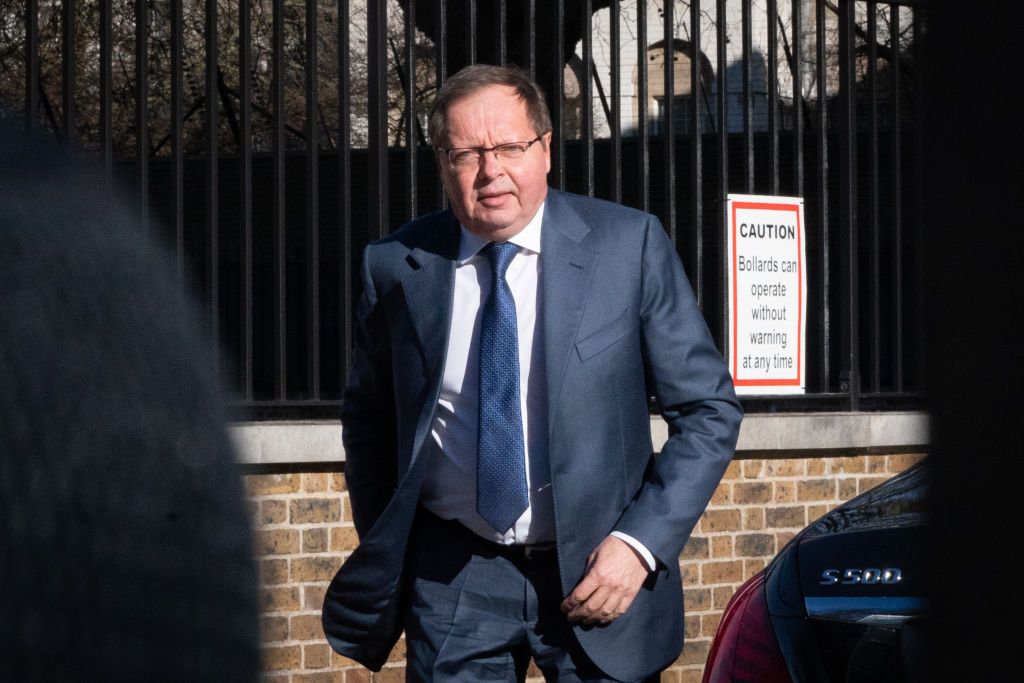
Putin-Trump meeting currently not on the table, Kremlin says
c
  •  

EU reportedly eyes riskier investments for frozen Russian assets to boost Ukraine aid

EU reportedly eyes riskier investments for frozen Russian assets to boost Ukraine aid

The European Union is developing a plan to generate more revenue for Ukraine by shifting nearly 200 billion euros ($215 billion) in frozen Russian assets into higher-yield, riskier investments, Politico reported on June 19, citing unnamed sources.

The assets, largely held by Belgium-based clearinghouse Euroclear, have been immobilized since 2022 under EU sanctions imposed following Russia's full-scale invasion of Ukraine.

Under the current framework, the funds are invested conservatively with the Belgian central bank, generating low but steady returns. In 2024, this approach yielded around 4 billion euros ($4.3 billion) in windfall profits, which the EU allocated to help service a G7-backed 45-billion-euro loan for Ukraine (around $50 billion).

Now, with that loan largely disbursed and concerns mounting over future financing, especially amid signals from U.S. President Donald Trump that American support could be scaled back, EU officials are under pressure to find new funding streams.

According to Politico, the proposed plan would redirect the frozen Russian assets into a special investment fund under EU control, allowing for higher returns without confiscating the assets — a move designed to sidestep legal and political opposition.

As part of the current G7-led funding framework, Ukraine has already received 7 billion euros ($8 billion) from the EU under the Extraordinary Revenue Acceleration (ERA) initiative, which uses profits from frozen Russian sovereign assets to fund loans.

Prime Minister Denys Shmyhal confirmed on June 13 that a fifth tranche of 1 billion euros ($1.1 billion) had been disbursed to support Ukraine's state budget. The ERA mechanism, part of the broader $50 billion G7 program, aims to ensure stable financing for Kyiv while making Russia shoulder the cost of its aggression.

According to Politico, finance ministers from all 27 EU countries are expected to debate the idea during an informal dinner in Luxembourg on June 19.

Poland, which currently holds the Council of the EU's rotating presidency, emphasized the urgency of the discussions, writing in an invitation letter seen by Politico that "further steps regarding the sanctions regime" and the potential use of frozen Russian assets "must be addressed."

The European Commission has also been holding informal consultations with a group of member states, including France, Germany, Italy, and Estonia, to explore legal options for keeping the Russian assets frozen in case Hungary exercises its veto power during the semiannual sanctions renewal process. So far, no workaround has been finalized.

Hungarian Prime Minister Viktor Orban has repeatedly threatened to block sanctions extensions as a gesture of goodwill toward Moscow, raising concerns the assets could be unfrozen and returned to Russia by default.

By now, much of the EU's 50-billion-euro ($57 billion) Ukraine Facility, agreed in 2023 and intended to last through 2027, has already been spent. The bloc's broader 1.2-trillion-euro ($1.37 billion) budget is stretched thin, and any additional top-ups would also require unanimous support.

Russia just accidentally admitted to its staggering troop losses in Ukraine
A senior Russian official on June 19 inadvertently confirmed the staggering troop losses incurred by Moscow’s forces during its full-scale invasion of Ukraine. In an interview with CNN, Russian Ambassador to the U.K. Andrey Kelin was asked about Moscow’s maximalist intentions in Ukraine and its ability to recruit enough
EU reportedly eyes riskier investments for frozen Russian assets to boost Ukraine aidThe Kyiv IndependentChris York
EU reportedly eyes riskier investments for frozen Russian assets to boost Ukraine aid
  •  

Finland votes to withdraw from landmine treaty, citing Russian threat

Finland votes to withdraw from landmine treaty, citing Russian threat

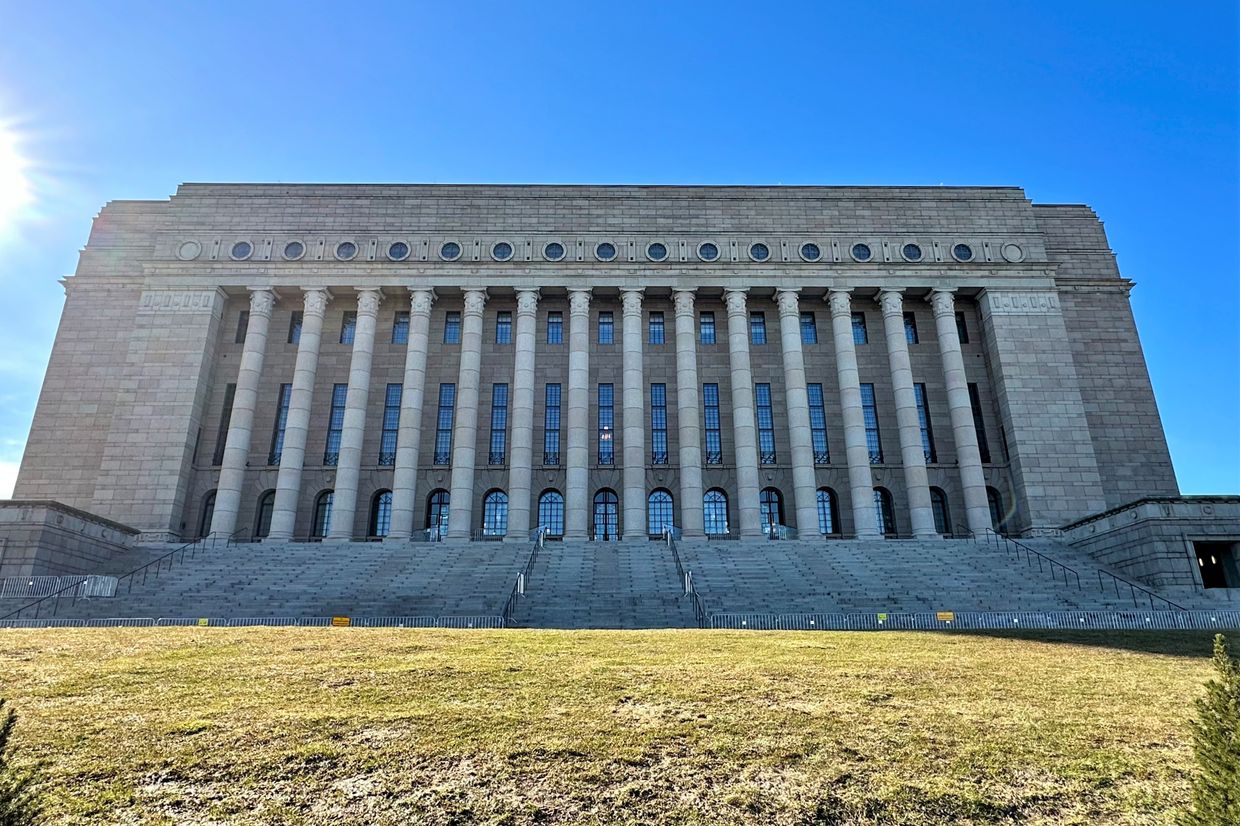
Finland's parliament voted on June 19 to withdraw from the Ottawa Convention banning anti-personnel landmines, citing growing security concerns from Russia's aggressive posture and the threat it poses to the region, Reuters reported.

The vote aligns Finland with its Baltic allies, Estonia, Latvia, and Lithuania, whose parliaments have already approved similar exits from the treaty.

Defending the decision earlier this week, Finnish President Alexander Stubb said the security reality along Finland's 1,300-kilometer (800-mile) border with Russia had changed dramatically since the full-scale invasion of Ukraine, according to TVP.

"The reality in the endgame is that we have as our neighboring country an aggressive, imperialist state called Russia, which itself is not a member of the Ottawa Treaty and which itself uses landmines ruthlessly," Stubb said.

Russia has widely deployed landmines across Ukrainian territory since launching its invasion in 2022, a tactic condemned by human rights organizations and Western governments.

Finland, which joined NATO in 2023, has significantly ramped up its defense posture amid growing concern over potential Russian provocations. The country closed its border with Russia over a year ago, accusing Moscow of orchestrating a "hybrid operation" by directing asylum seekers toward Finnish territory. Helsinki claims such hybrid tactics have intensified since it joined the alliance.

The Finnish Border Guard completed the first 35 kilometers (22 miles) of a planned 200-kilometer (124-mile) fence along its eastern frontier on May 21. The move came amid growing evidence of Russian military infrastructure expansion near the Finnish border.

Finland is "closely monitoring and assessing Russia's activities and intentions," Finland's Defense Minister Antti Hakkanen told AFP on May 22.

"We have excellent capabilities to observe Russian operations. As a member of the alliance, Finland holds a strong security position."

Russia's Defense Minister Andrei Belousov said in December 2024 that Moscow must be ready for a potential conflict with NATO within the next decade. Western officials have repeatedly warned of the possibility that Moscow could target NATO members in the coming years.

Diplomacy in crisis: G7 letdowns reveal limits to Western solidarity on Ukraine
KANANASKIS, Canada — The Group of Seven (G7) Leaders’ Summit ended on June 17 with no joint statement in support of Ukraine, no commitments to provide desperately needed U.S. weapons, and no meeting between President Volodymyr Zelensky and U.S. President Donald Trump. The Ukrainian delegation headed into the summit,
Finland votes to withdraw from landmine treaty, citing Russian threatThe Kyiv IndependentDmytro Basmat
Finland votes to withdraw from landmine treaty, citing Russian threat
  •  

Ukraine must accept Moscow's demands or 'surrender,' Russia’s ambassador to UK says

Ukraine must accept Moscow's demands or 'surrender,' Russia’s ambassador to UK says

Ukraine must accept Moscow's terms for ending the war or face further military advances and eventual "surrender," Russia's ambassador to the United Kingdom, Andrei Kelin, said in a June 18 interview with CNN.

Talking to CNN host Christiane Amanpour, Kelin said Russia is continuing its offensive and sees no need to stop hostilities, publicly acknowledging Moscow's disregard for U.S.-backed ceasefire efforts.

The comments come as Russia continues to reject a U.S. truce proposal backed by Kyiv and only intensifies both ground operations and aerial strikes against Ukrainian cities.

"We are now on the offensive and Ukraine is in retreat," Kelin said. "In May, we have taken about 600 square kilometers (230 square miles) of the territory of Ukraine, and we continue to gain more ground."

According to the open-source intelligence group DeepState, Russian forces occupied approximately 449 square kilometers (173 square miles) in May, the highest monthly figure this year, but still well below Kelin's claim.

Kelin outlined an ultimatum for Kyiv: either agree to a permanent ceasefire on Russia's terms or face worse consequences.

"For Ukraine, there is a choice: either they will take our conditions right now… or we will continue this drive and Ukraine will have to surrender under much worse conditions," he said.

In the most recent peace talks with Ukraine in Istanbul on June 2, Russia again pressed its longstanding maximalist demands, including recognition of Russia's annexation of Crimea, as well as Kherson, Donetsk, Zaporizhzhia, and Luhansk oblasts — none of which are fully under Moscow's control.

The Kremlin also insists on Ukraine's complete military withdrawal from these regions.

The ambassador's remarks come amid reported preparations for a third round of negotiations with Ukraine after June 22, though no date has been officially confirmed. Kelin described the talks as "stage by stage," citing prior agreements on prisoner exchanges and humanitarian issues.

Kelin also reiterated long-standing Kremlin demands for Ukraine's neutrality and the prohibition of NATO membership, calling the alliance "very threatening to us."

The ambassador insisted on "reestablishment of normal human rights" for ethnic minorities in Ukraine, including Russians, Hungarians, and Poles, a claim Kyiv and Western officials have repeatedly dismissed as a false pretext for invasion.

CNN's host challenged Kelin on whether such terms amounted to capitulation rather than negotiation. Kelin denied the characterization, maintaining that talks are ongoing and involve "important agreements."

When asked about Russia's capacity to sustain its military campaign, Kelin claimed Moscow is spending "only 5–7%" of its budget on the war and recruiting up to 60,000 volunteer soldiers monthly, figures Western analysts have not independently verified.

"Only 5–7%" of the budget accounts for around 13.5 trillion rubles ($126 billion). Russia's spending on war and law enforcement agencies exceeds expenditures on education, healthcare, social policy, and the national economy combined.

Russia just accidentally admitted to its staggering troop losses in Ukraine
A senior Russian official on June 19 inadvertently confirmed the staggering troop losses incurred by Moscow’s forces during its full-scale invasion of Ukraine. In an interview with CNN, Russian Ambassador to the U.K. Andrey Kelin was asked about Moscow’s maximalist intentions in Ukraine and its ability to recruit enough
Ukraine must accept Moscow's demands or 'surrender,' Russia’s ambassador to UK saysThe Kyiv IndependentChris York
Ukraine must accept Moscow's demands or 'surrender,' Russia’s ambassador to UK says
  •  

Argentina says it uncovered Russian spy network linked to late Prigozhin's group

Argentina says it uncovered Russian spy network linked to late Prigozhin's group

Argentina has uncovered a Russian intelligence operation working to spread pro-Kremlin disinformation and influence public opinion, Argentine presidential spokesperson Manuel Adorni announced on June 18, citing the country's intelligence, according to AFP and Infobae.

The La Compania network, which is allegedly linked to the Russian government and the Kremlin's Project Lakhta, was led by Russian nationals Lev Konstantinovich Andriashvili and his wife Irina Yakovenko, who are both residents of Argentina, according to authorities.

The U.S. Treasury Department has previously accused the Project Lakhta, reportedly formerly overseen by late Russian oligarch Yevgeny Prigozhin, of election interference in the United States and Europe.

Prigozhin led the Russian Wagner mercenary group that was deployed in some of the deadliest battles in Ukraine, like the siege of Bakhmut. The oligarch was killed in a plane crash under suspicious circumstances in August 2023, around two months after leading a brief armed rebellion against the Kremlin.

Andriashvili and Yakovenko are accused of receiving financial support to recruit local collaborators and run influence operations aimed at advancing Moscow's geopolitical interests.

Their objective was to "form a group loyal to Russian interests" to develop disinformation campaigns targeting the Argentine state, Adorni said at a press briefing.

The spokesperson added that the alleged operation included producing social media content, influencing NGOs and civil society groups, organizing focus groups with Argentine citizens, and gathering political intelligence.

"Argentina will not be subjected to the influence of any foreign power," Adorni said, noting that while some findings have been declassified, much of the investigation remains a state secret.

Since Russia's full-scale invasion of Ukraine in February 2022, there has been a significant uptick in Russian migration to Argentina, some of which officials fear could be linked to covert intelligence operations.

Authorities reportedly said these espionage activities are often facilitated by a 2009 bilateral agreement between Argentina and Russia allowing visa-free travel, a deal that remains in effect despite growing security concerns.

In response to the threat, Adorni announced the creation of a new Federal Investigations Department (DFI) within Argentina's Federal Police, modeled in part on the U.S. FBI. The agency will focus on countering organized crime, terrorism, and foreign espionage, with investigators trained in advanced techniques and bolstered by experts in law, psychology, and computer science.

’100 days of Russian manipulations’ — Ukraine blasts Moscow over disregarding US ceasefire effort
A hundred days since the U.S. and Ukraine agreed on a ceasefire, “Russia continues to choose war,” Foreign Minister Andrii Sybiha said on June 19, urging international pressure to push Moscow toward peace.
Argentina says it uncovered Russian spy network linked to late Prigozhin's groupThe Kyiv IndependentMartin Fornusek
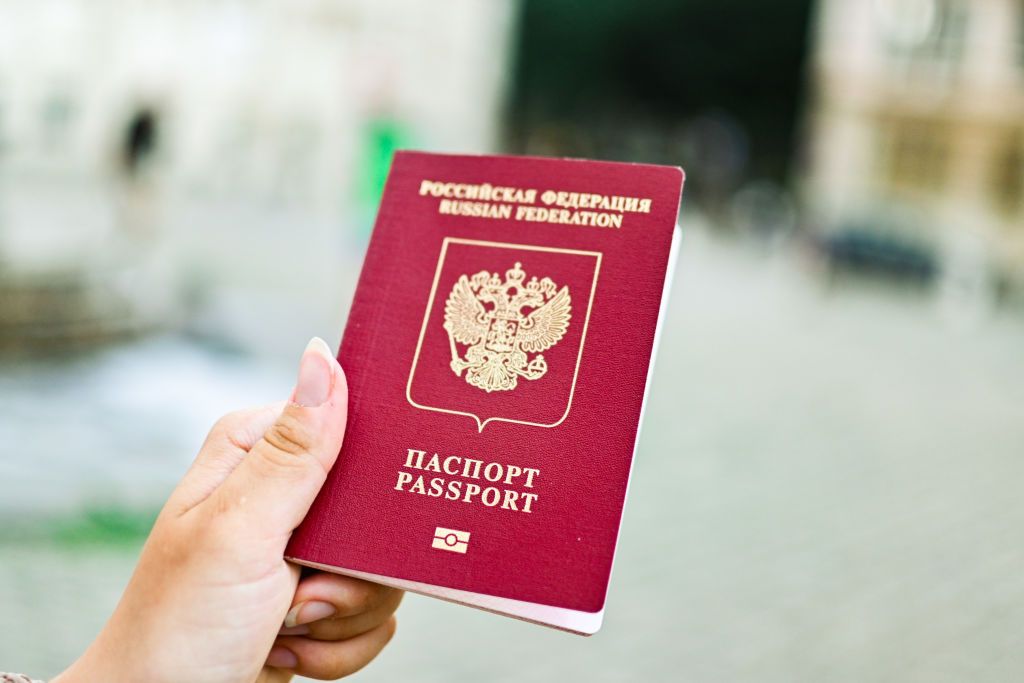
Argentina says it uncovered Russian spy network linked to late Prigozhin's group
  •  

'If we don't help Ukraine further, we should start learning Russian,' EU diplomacy chief says

'If we don't help Ukraine further, we should start learning Russian,' EU diplomacy chief says

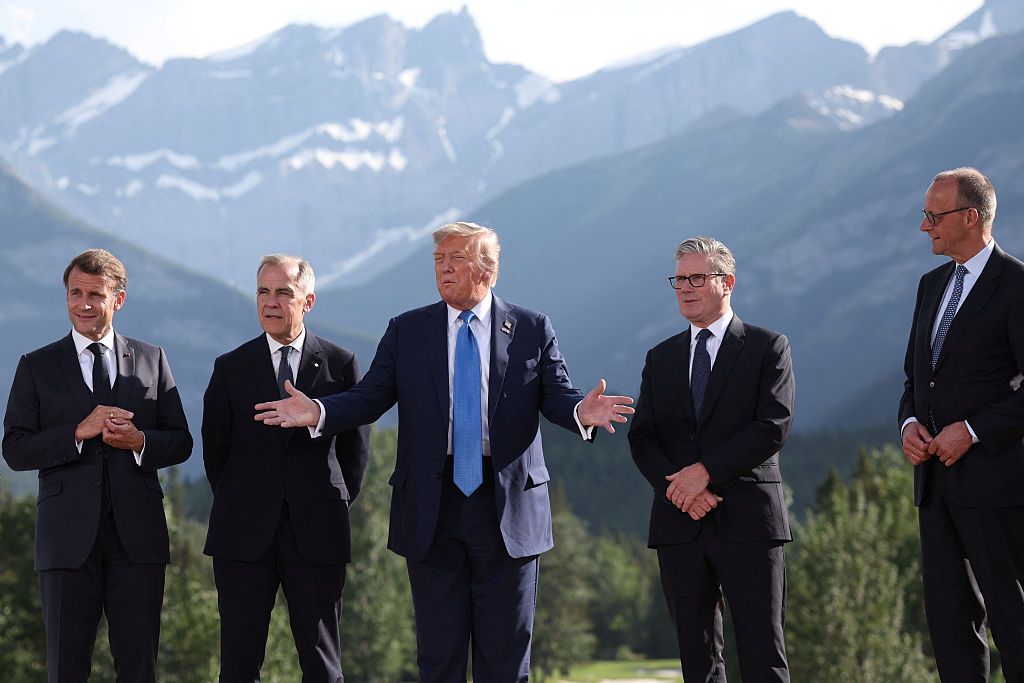
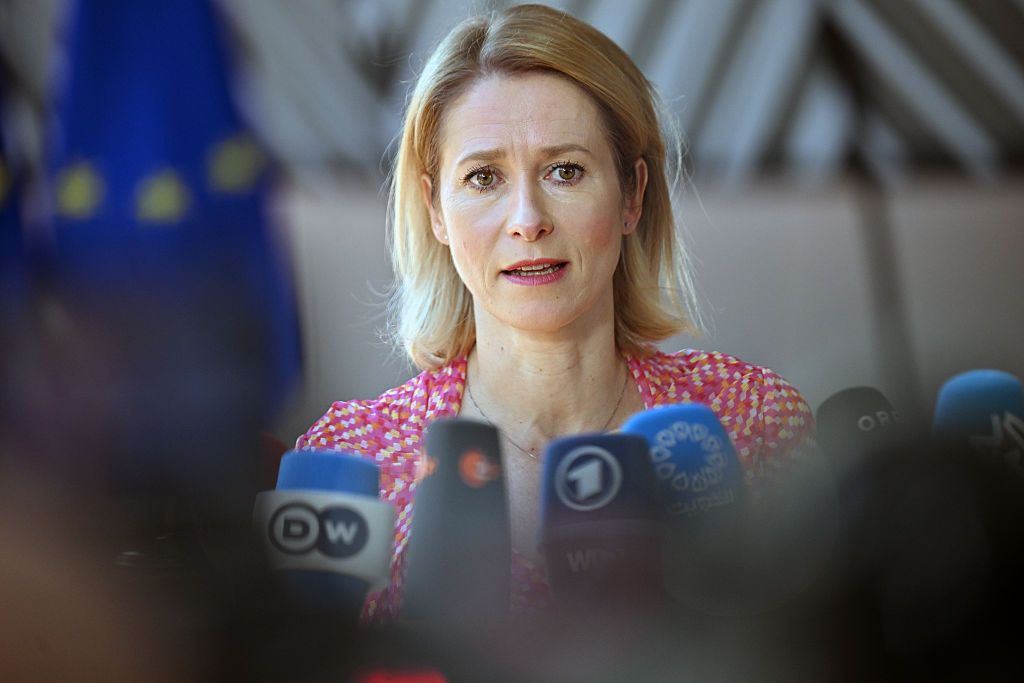
Failure to provide stronger military and financial support for Ukraine could leave Europe vulnerable to growing Russian influence, meaning Europeans might have to "start learning Russian," the EU's top diplomat, Kaja Kallas, said, the Guardian reported on June 17.

"We know that Russia responds to strength and nothing else," Kallas said. She called Ukraine "Europe's first line of defense" and emphasized the need for continued sanctions against Russia and more aid to Kyiv.

The comments come as Russian forces are intensifying their attacks on Ukrainian cities and the Kremlin continues to reject a push by Kyiv and its Western allies for an unconditional ceasefire.

"To quote my friend, NATO Secretary General Mark Rutte: if we don’t help Ukraine further, we should all start learning Russian," Kallas said.

Kallas cited a sharp increase in Russia's military spending, noting that Moscow is now allocating more money to defense than the EU combined, and more than its own health care, education, and social policies put together.

"This is a long-term plan for a long-term aggression," she said.

In light of this, Kallas urged governments to adopt NATO's new target of spending 5% of GDP on defense, warning of Russia's hybrid warfare tactics, including airspace violations, attacks on critical infrastructure, and covert sabotage operations within EU borders.

The 5% defense spending target is expected to be formally adopted during the upcoming NATO summit, which will take place on June 24 and 25 in The Hague. U.S. President Donald Trump has insisted that the European allies increase their defense budgets.

Earlier, Kallas said Russian President Vladimir Putin "cannot be trusted" to mediate peace while continuing to bomb Ukrainian cities and civilians, as Moscow suggested to mediate negotiations between Israel and Iran amid growing escalation.

"Clearly, President Putin is not somebody who can talk about peace while we see actions like this," she said during a June 17 briefing, after a massive Russian missile and drone strike on Kyiv killed at least 28 people and wounded over 130.

Kallas also reiterated her call for the EU to move forward with tightening the oil price cap on Russian exports, even without U.S. backing. She warned that the ongoing Israel-Iran crisis could cause oil prices to spike, boosting Russia's war revenues.

The EU is currently preparing its 18th sanctions package against Moscow, targeting energy, defense, and banking sectors. The 17th round of sanctions came into effect in May.

Putin says he’s ready to meet Zelensky if West ‘stops pushing’ Ukraine to fight
Russia wants to end the war in Ukraine “as soon as possible,” preferably through peaceful means, and is ready to continue negotiations — provided that Kyiv and its Western allies are willing to engage, Vladimir Putin said.
'If we don't help Ukraine further, we should start learning Russian,' EU diplomacy chief saysThe Kyiv IndependentOlena Goncharova
'If we don't help Ukraine further, we should start learning Russian,' EU diplomacy chief says
  •  

Russia kills 1, injures at least 27 across Ukraine over past day

Russia kills 1, injures at least 27 across Ukraine over past day

Editor's note: The story was updated after one of the injured victims died in the hospital.

Russian attacks killed at least one civilian and injured at least 27 over the past 24 hours in Ukraine, regional officials reported on June 19.

According to Ukraine's Air Force, Russian forces launched 104 Shahed-type drones and decoy unmanned aerial vehicles (UAVs) overnight from Russian territory and occupied Crimea.

Ukrainian air defenses shot down 40 drones, while 48 disappeared from radars or were intercepted by electronic warfare.

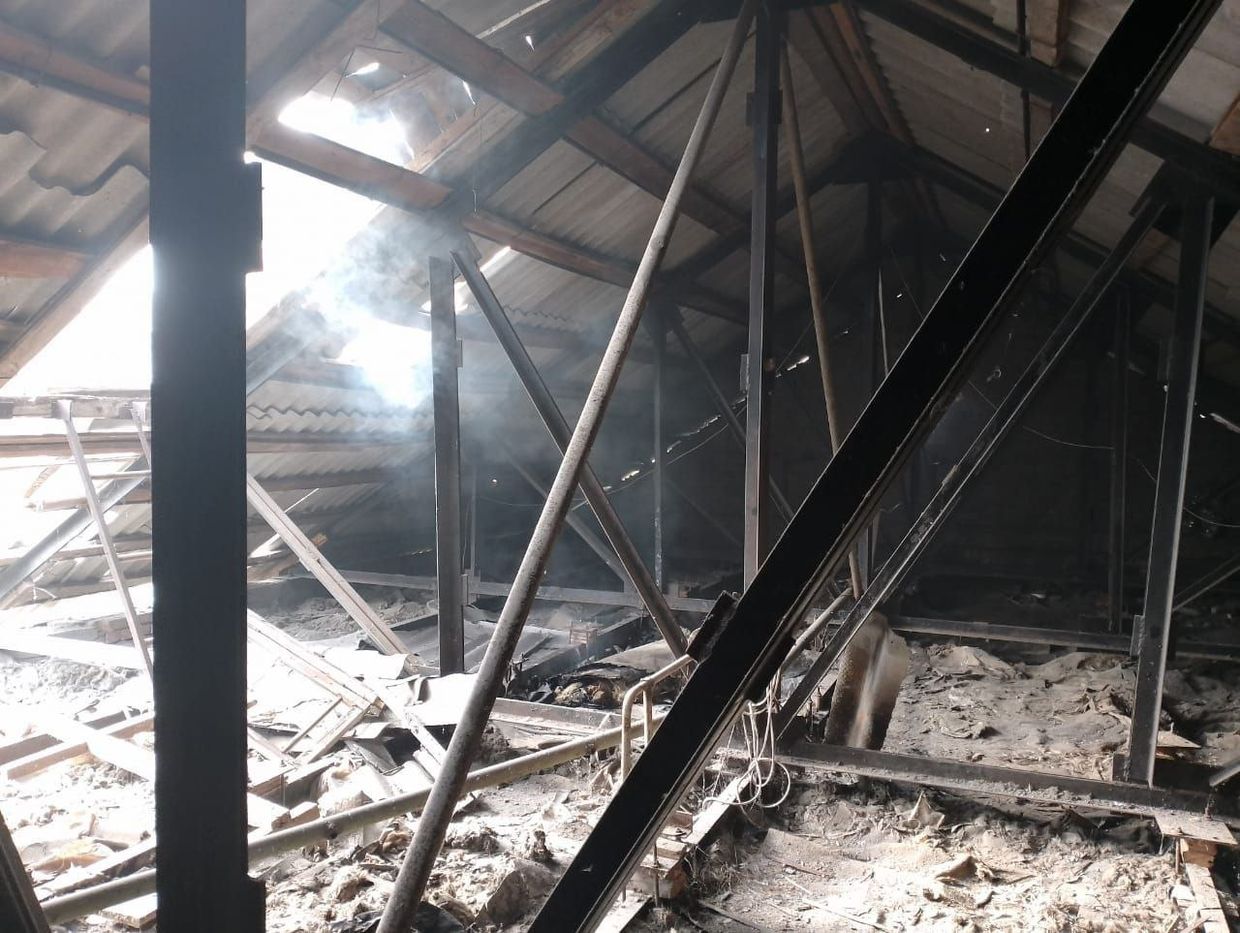
In Kherson Oblast, nine people were injured amid heavy shelling and drone attacks on dozens of settlements, including Kherson city, Governor Oleksandr Prokudin said. Russian forces struck social infrastructure facilities, three apartment buildings, and 10 houses. A gas pipeline, an ambulance base, a fire station, and several vehicles were also damaged.

In Donetsk Oblast, 13 people were wounded in Russian strikes across the region, Governor Vadym Filashkin said.

In Dnipropetrovsk Oblast, five people were injured in morning attacks on the Nikopol district, including an 11-year-old child, Governor Serhii Lysak reported. One of the victims, a 59-year-old man, later died in the hospital, Lysak said.

In Zaporizhzhia Oblast, one person was injured, Governor Ivan Fedorov said. Over the past day, Russian forces carried out 410 strikes on 12 settlements in the oblast, including 10 air strikes and 264 drone attacks. Additional shelling from artillery and multiple launch rocket systems damaged at least 94 houses, vehicles, and infrastructure sites.

‘Do me a favor Vladimir, mediate Russia first’ — Trump roasts Putin over Israel, Iran offer
“I said, Vladimir, let’s mediate Russia first. You can worry about this later,” U.S. President Donald Trump said.
Russia kills 1, injures at least 27 across Ukraine over past dayThe Kyiv IndependentTim Zadorozhnyy
Russia kills 1, injures at least 27 across Ukraine over past day
  •  
❌