Vue normale

  • ✇Euromaidan Press
  • Russians are buying seaside apartments built on the ruins of the Mariupol homes Russia bombed—DW
    Russians moving into occupied Mariupol are buying apartments built over Ukrainian homes destroyed during Russia’s 2022 siege, German broadcaster Deutsche Welle (DW) reported on 15 August 2026. Ukrainians who lived on the sites received none of the new units, a source told the outlet. The construction is part of Russia’s wider Russification of occupied Mariupol. Occupation authorities have separately listed nearly 900 apartments for redistribution, including properties b
     

Russians are buying seaside apartments built on the ruins of the Mariupol homes Russia bombed—DW

17 août 2026 à 11:53

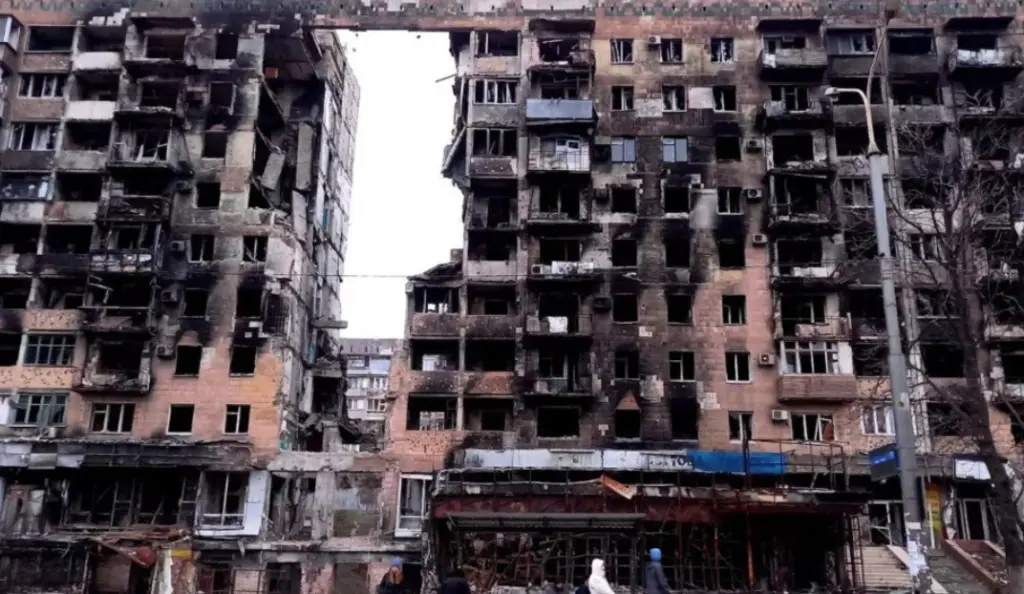
War-damaged apartment blocks in Mariupol with burned facades, shattered windows and exposed interiors.

Russians moving into occupied Mariupol are buying apartments built over Ukrainian homes destroyed during Russia’s 2022 siege, German broadcaster Deutsche Welle (DW) reported on 15 August 2026. Ukrainians who lived on the sites received none of the new units, a source told the outlet.

The construction is part of Russia’s wider Russification of occupied Mariupol. Occupation authorities have separately listed nearly 900 apartments for redistribution, including properties belonging to residents forced out by the siege.

Economist Vyacheslav Shiryaev said the new apartments are being bought primarily by newcomers, including Russian security personnel, officials, and military logistics workers. Some simply want to live by the sea but cannot afford property in occupied Crimea or Sochi, a Russian Black Sea resort, he said.

In Russia-occupied regions, borrowers with Russian citizenship are offered mortgages at 2% annual interest, DW reported.

Occupation authorities also ordered some residents out of apartments that had survived the attacks. Some were sent to hostels or accommodation on Mariupol’s outskirts instead of receiving replacement apartments, a source told DW.

Unable to enter occupied Mariupol, DW based its investigation on former residents’ accounts, satellite imagery, and online research.

Homes erased, residents pushed out

For former residents, homes destroyed in the siege are being replaced with apartments for newcomers.

Halyna Artemova, an English teacher, lived in one of the demolished apartment blocks for almost 40 years. A Russian missile struck the building in March 2022. Wounded by shrapnel, she escaped with her mother and son. A new high-rise now stands where her home once did.

Yevhen Sosnovskyi, a photographer, and his wife had lived in a neighboring building for 20 years. It caught fire during the attack, and Russian troops drove residents out without allowing them to take food or clothes.

Sosnovsky photographed his apartment before and after the attack, preserving a record of the home they lost. A parking lot now covers the site.

They’re building on human bones, and fast, to eradicate the traces of their crimes,” Sosnovsky told DW.
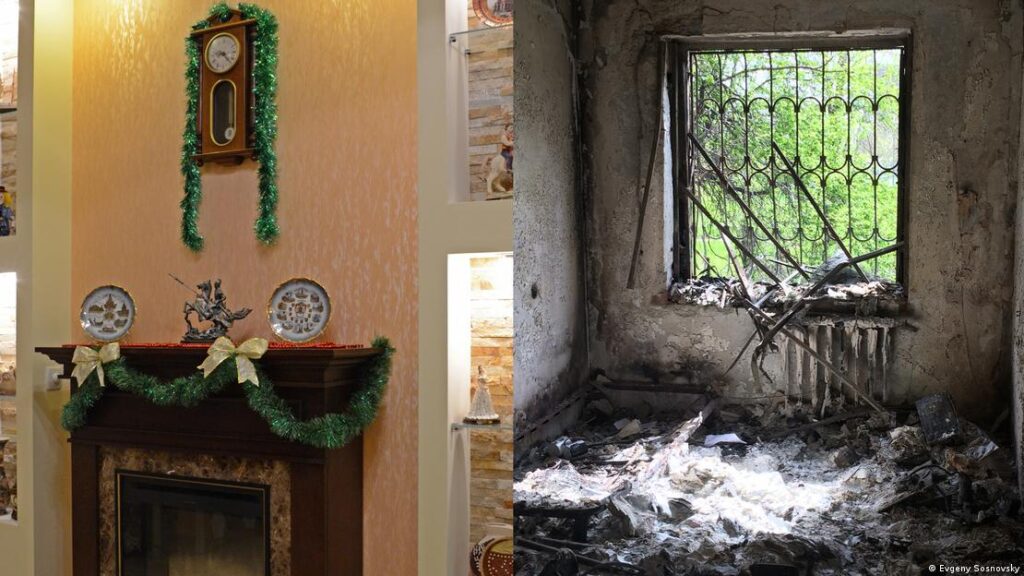
Photographer Yevhen Sosnovskyi documented his apartment before and after the Russian attack. Photo: Yevhen Sosnovskyi via DW.

Russia remakes a city it destroyed

The new housing is part of a wider Russian effort to reshape Mariupol after its forces destroyed and occupied the city. The UN assessed that up to 90% of the city’s residential buildings were damaged or destroyed.

On 16 March 2022, Russia bombed the Mariupol Drama Theater, where civilians sheltered beneath a large “CHILDREN” sign. An eyewitness described chaos, blood, and survivors using torn blankets as bandages.

In the wake of its destruction of the city, Moscow plans to move about 114,000 of its citizens into occupied Ukraine, with Mariupol as one of the main destinations.

  • ✇Euromaidan Press
  • Ukraine let young men leave to keep teenage boys home. Restaurants now struggle to hire
    Entry-level employers are finding it harder—and more expensive—to recruit young men. On Work.ua, one of Ukraine’s largest job platforms, the number of male candidates aged 18 to 22 who responded to vacancies fell 19% between July 2025 and July 2026, Lesia Prymakova told Ukrainska Pravda. The decline reached 29% in hospitality and retail. At the same time, advertised entry-level pay moved close to Work.ua’s overall median. The median salary for vacancies open to students
     

Ukraine let young men leave to keep teenage boys home. Restaurants now struggle to hire

17 août 2026 à 10:08

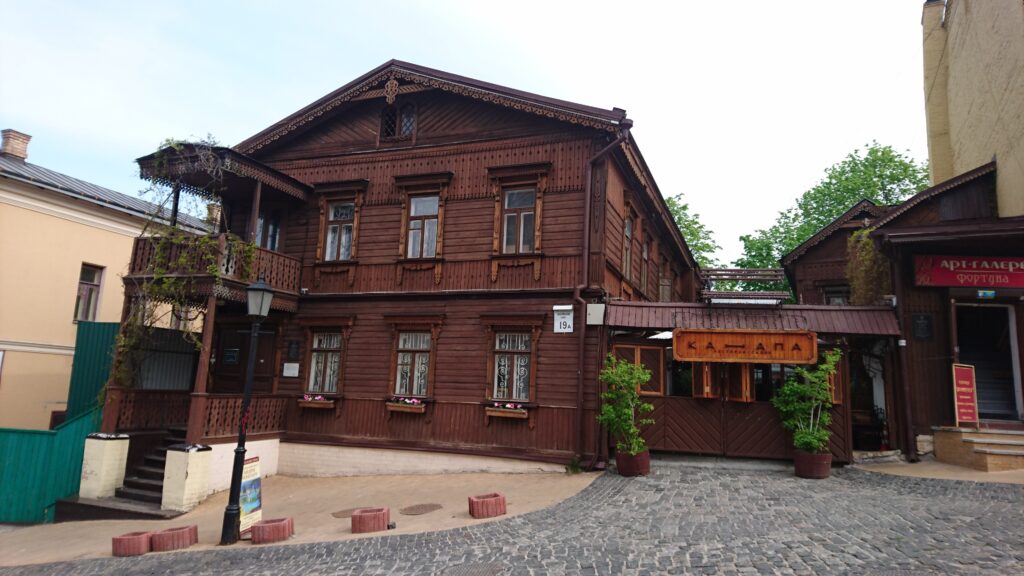
restaurant kanapa in kyiv

Entry-level employers are finding it harder—and more expensive—to recruit young men. On Work.ua, one of Ukraine’s largest job platforms, the number of male candidates aged 18 to 22 who responded to vacancies fell 19% between July 2025 and July 2026, Lesia Prymakova told Ukrainska Pravda. The decline reached 29% in hospitality and retail.

At the same time, advertised entry-level pay moved close to Work.ua’s overall median. The median salary for vacancies open to students rose 24%, while pay for jobs requiring no experience increased 23%.

No reliable count shows how many young men remained abroad.

The candidate pool shrank after the government eased wartime travel restrictions for men aged 18 to 22 last summer, following an initiative by President Volodymyr Zelenskyy. The government said the change was intended to discourage families from taking boys abroad before their 18th birthdays, when the previous rules would have prevented them from leaving.

ukraine’s workforce
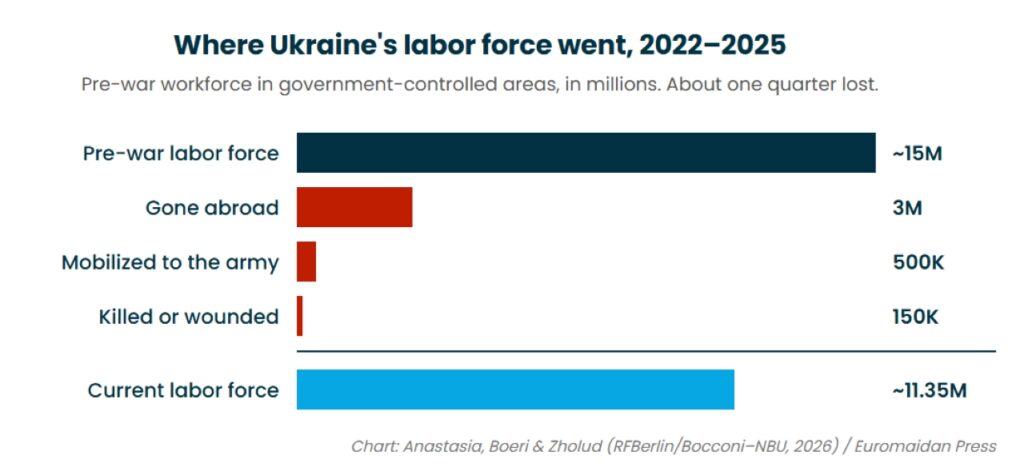
Ukraine’s pre-war labor force has shrunk by about a quarter. Three million went abroad, hundreds of thousands more to the front. What remains is older. Chart: Anastasia, Boeri & Zholud (RFBerlin/Bocconi–NBU, 2026) / Euromaidan Press

Hospitality and retail feel the squeeze

Restaurant owners tied the decline in young applicants directly to the eased travel rules. Sommelier Oleh Kravchenko, who owns Kyiv wine bar Win Bar, said two of his staff, a bartender and a cook, were preparing to leave the country, and that the bar had begun hiring more women, whereas server positions had earlier been held only by men.

He said his payroll had risen 5 to 10% and that he now raised wages at least every six months, even as rent, utilities, and food costs also climbed. Olena Borysova, who owns the GastroFamily group behind the Bilyi Naliv chain, said young applicants had become rare over the past year.

Ukraine’s labor shortage extends far beyond this age group. Ukraine’s full-time workforce fell from 7 million in 2021 to 5.3 million by late 2025, while the National Bank expects the net outflow of workers to continue into 2027.

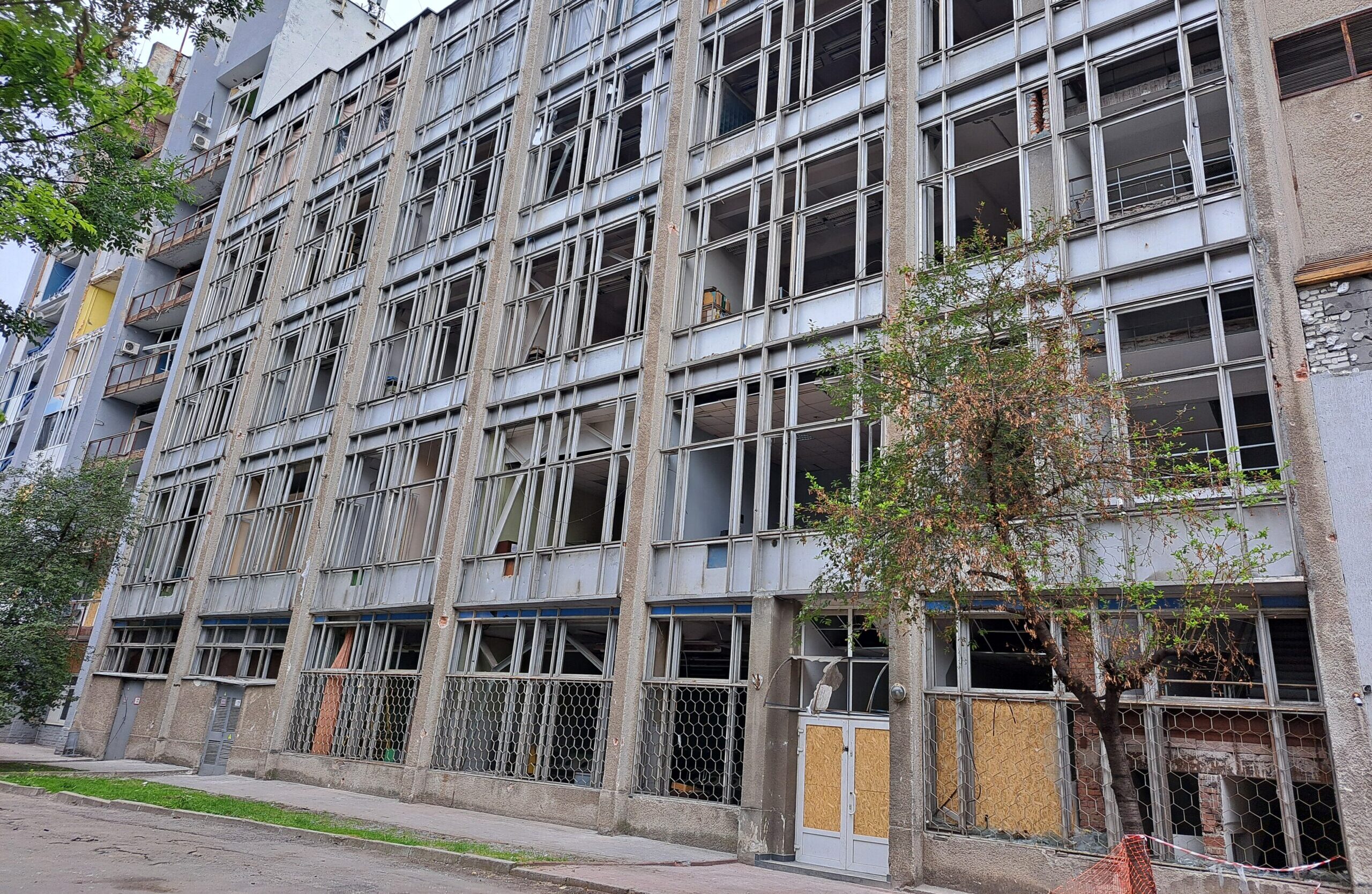
damaged building of elektron in lviv
Explore further

Ukraine’s economy posted its sharpest contraction since the wartime recovery began

Against that backdrop, 48% of companies reported labor shortages in a survey cited by Ukrainska Pravda, without attributing them specifically to the travel change, and Work.ua put the overall median advertised wage up 20% year on year. These are nominal advertised salaries; annual inflation stood at 7.7% in July, so the real increase is smaller.

No one knows how many stayed abroad

No reliable count shows how many young men remained abroad. Social Policy Minister Denys Uliutin cited an estimate from European partners that some 400,000 men aged 18 to 22 left Ukraine between August 2025 and April 2026. However, the estimate does not identify unique individuals or subtract those who later returned, Vasyl Voskoboinyk, head of the NGO Office of Migration Policy, told Ukrainska Pravda.

Voskoboinyk estimated that around 300,000 men in this age group had been working, equivalent to about 2% of Ukraine’s labor force, and said their departures had not caused a broader labor-market collapse.

Available education data show no comparable decline. The Education Ministry recorded a 28% year-on-year rise in university applications, while Kyiv-Mohyla rector Serhiy Kvit said the academy had not seen mass withdrawals. Applications count submissions rather than enrolled or retained students, so the increase indicates continued demand for places rather than a settled outcome.

Voskoboinyk said it was still too early to determine whether the policy had reduced departures among 16- and 17-year-old boys, its stated long-term aim.

Employers widen who they recruit

Employers are recruiting more broadly to fill the gap. Olena Kolesnikova of the Federation of Employers said firms were increasingly willing to hire from groups they had previously overlooked, with 94.4% open to internally displaced people, 91% to veterans, and 88% to people with disabilities.

Keeping young people in Ukraine, she argued, would take more than pay. "The right question is not how to keep young people from leaving, but how to make it worthwhile for a young person to start a career and build a life in Ukraine after they finish studying," she said.

  • ✇Euromaidan Press
  • Slovakia resumes BMP-1 hull production after 36 years. The secret customer may be Ukraine
    Slovak company STV Machinery has produced the first two prototype hulls for the BMP-1 infantry fighting vehicle after a 36-year break in production. The plant in Dubnica nad Váhom began developing an updated design in 2024, and a contract with an unnamed foreign customer was signed in late 2025, with serial production scheduled for 2026 to 2027. The Slovak outlet Future Army reported this on 15 August, citing STV Group's director of special projects, Pavel Be
     

Slovakia resumes BMP-1 hull production after 36 years. The secret customer may be Ukraine

17 août 2026 à 09:27

slovakia resumes bmp-1 hull production after 36 years secret customer ukraine · post manufacturing slovak company stv machinery 2025 slovakia_bvp_productionjpg3 news ukrainian reports

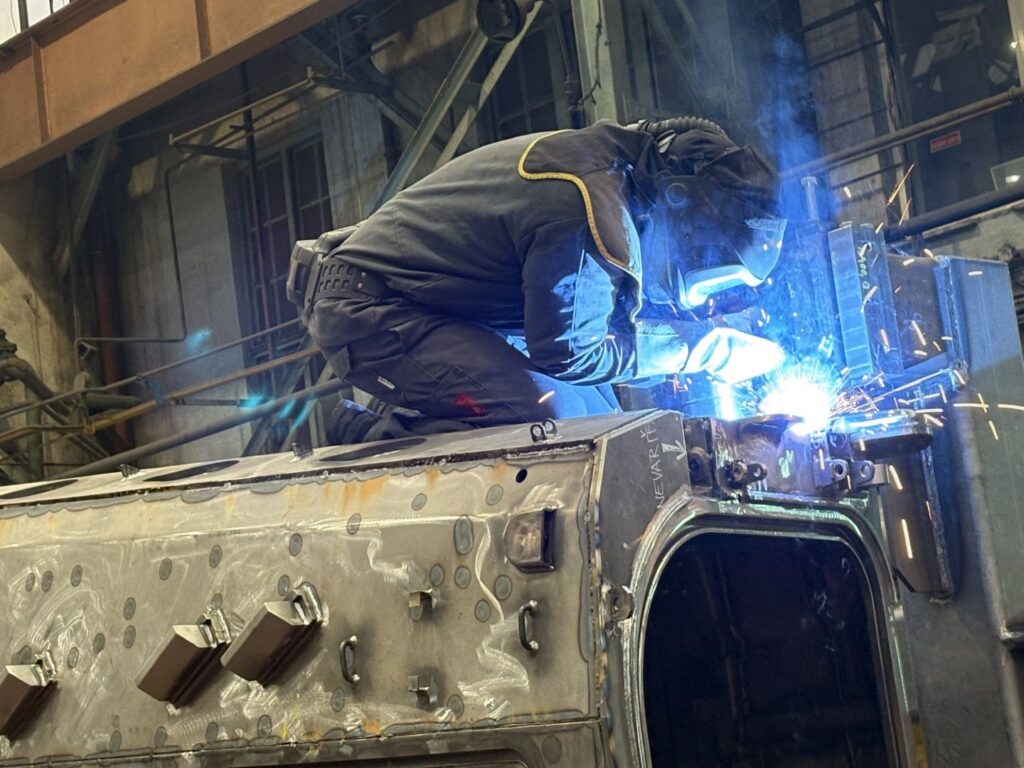
Slovak company STV Machinery has produced the first two prototype hulls for the BMP-1 infantry fighting vehicle after a 36-year break in production. The plant in Dubnica nad Váhom began developing an updated design in 2024, and a contract with an unnamed foreign customer was signed in late 2025, with serial production scheduled for 2026 to 2027.

The Slovak outlet Future Army reported this on 15 August, citing STV Group's director of special projects, Pavel Beran. He said one prototype is being used to test final assembly and the integration of weapons systems, while the second is undergoing physical and stress testing. The company will not disclose the customer's identity, citing security and business-ethics considerations.

Ukraine has a substantial need for armoured vehicles. Its forces already use and modernise the BMP-1, and cooperation with Western manufacturers could help replenish the fleet faster. In 2024, for example, Ukraine and Germany's Rheinmetall agreed to produce the Lynx IFV and to expand defence cooperation.

Digitised BMP-1 project. Photo: STV Machinery

The Slovak plant has returned to BMP-1 production

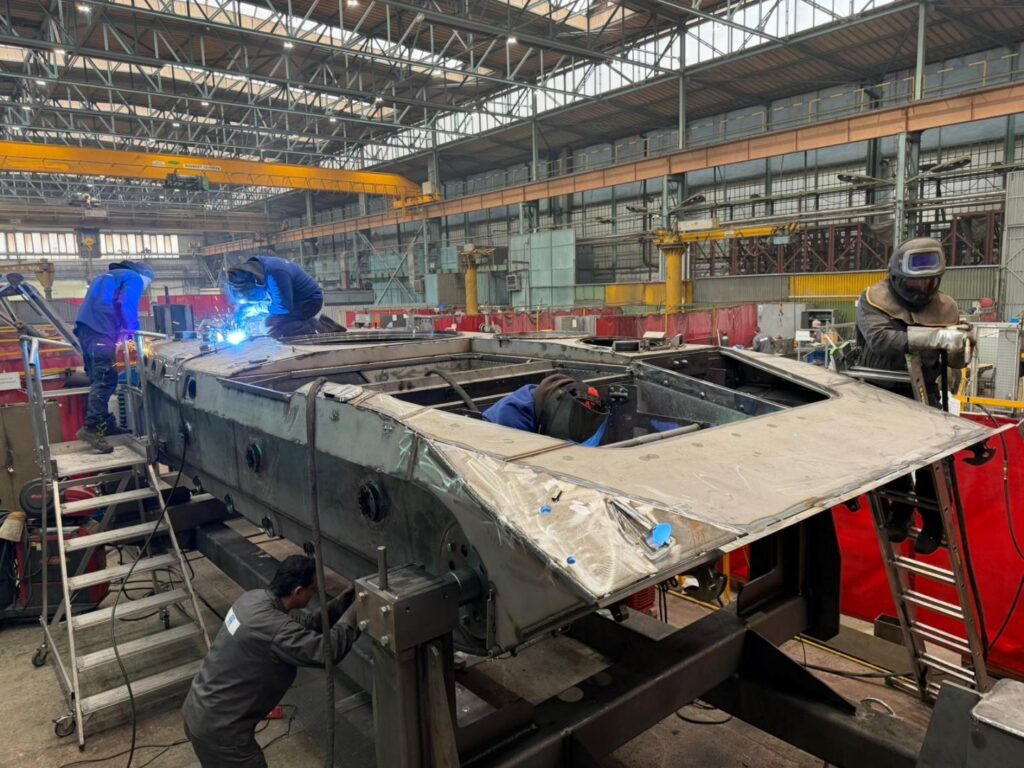
According to Militarnyi, the new hulls remain outwardly similar to the Soviet BMP-1 design but have been reworked to more modern requirements. STV Machinery revised the design to meet NATO standards for ergonomics and materials, and strengthened the armour using more modern materials.

Future vehicles will offer a choice of powerplant, with Western-made engines among the options. STV Machinery, the Slovak firm, will produce the hulls and other components, after which its Czech sister company STV Group will carry out full assembly and testing.

The exact size of the order is not yet known, though earlier reports suggested production could eventually reach up to 100 hulls a year.

The company has not named the customer. Defense Express suggested as early as December 2025 that it could be Ukraine. One scenario the outlet floated was the supply of hulls or turretless vehicles, which would allow other combat modules to be fitted.

Production of the BMP-1 hull by the Slovak company STV Machinery. 2025. Photo: STV Machinery

Why Slovakia is building the BMP-1 again

The Dubnica nad Váhom plant previously built licensed versions of the BMP-1, known locally as the BVP-1. Serial production there ran until 1989, after which the plant went more than three decades without making new hulls for the vehicle. The site is the same, but the manufacturer is not: the original vehicles came off the ZŤS Dubnica nad Váhom line in the Czechoslovak era, while today's hulls are made by STV Machinery.

At the same time, the BMP-1 remains a vehicle of the 1960s. Even a modernised hull does not change the platform's fundamental limitations, particularly its level of protection. So if Ukraine really is behind the order, it is likely more a way to rapidly increase the number of armoured vehicles than a long-term replacement for modern Western IFVs, Defense Express noted in 2025.

Also Defense Express stressed that the customer's identity remains only speculation, adding that the buyer could turn out to be another country that operates or once operated the BMP-1, and that firmer detail will have to wait for the company.

How Ukraine’s Satellites Help Drive Its War Drones

17 août 2026 à 16:38
Ukrainian drone teams have a powerful new tool: near real-time information on troop movements and locations.

A Ukrainian soldier preparing a drone for a strike on a Russian target in the Zaporizhzhia region of Ukraine last month.
❌