❌

Vue normale

Modern war that the US is not ready for: For the price of one American cruise missile, Russia builds 20 “poor-man” drones and missiles
14 septembre 2026 à 12:17

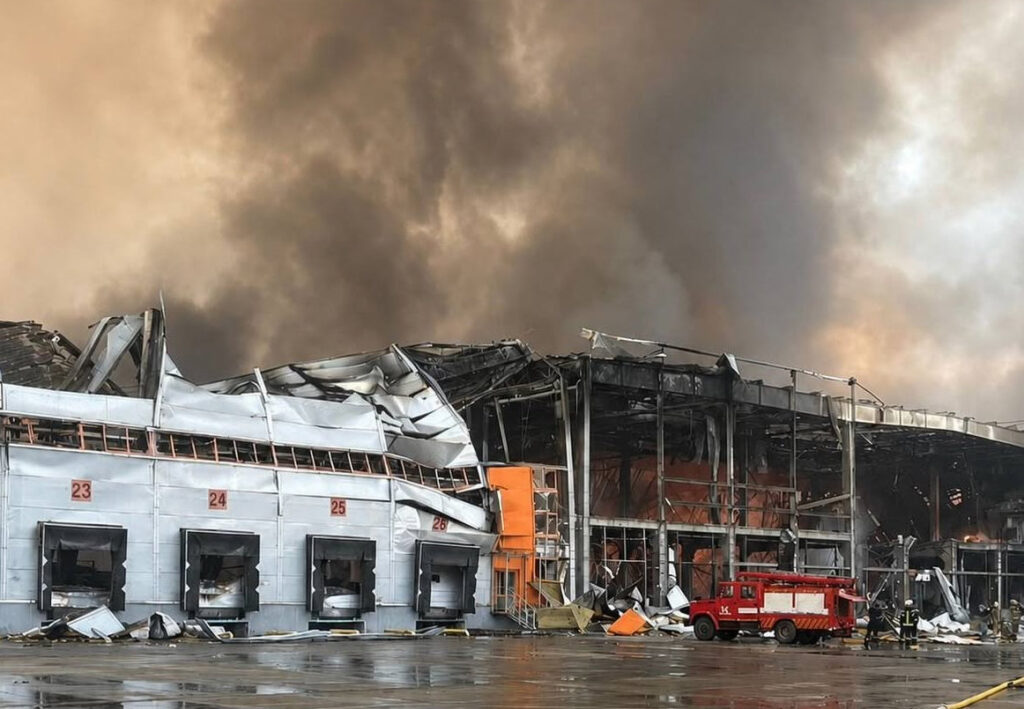
Firefighters beside a heavily damaged warehouse holding Bosch products as smoke rises from its collapsed roof.

Russia has fielded a new generation of cheap, jet-powered drones and cruise missiles faster than Ukraine or the US can build defenses against them, according to The Wall Street Journal. The weapons run on Chinese parts that slip past Western sanctions, and they are already getting through air defenses designed to stop slower drones. Analysts say the West underestimated how fast Moscow could move from an idea to a full assembly line.

Russia now leans on cheap, mass-produced drones to swamp Ukraine's air defenses with sheer numbers night after night, and its factories keep growing to keep the attacks coming. The bigger lesson reaches past this war: in a long fight, cheap weapons in large numbers can beat a small stock of expensive ones.

A cheap weapon that gets past Ukraine's defenses

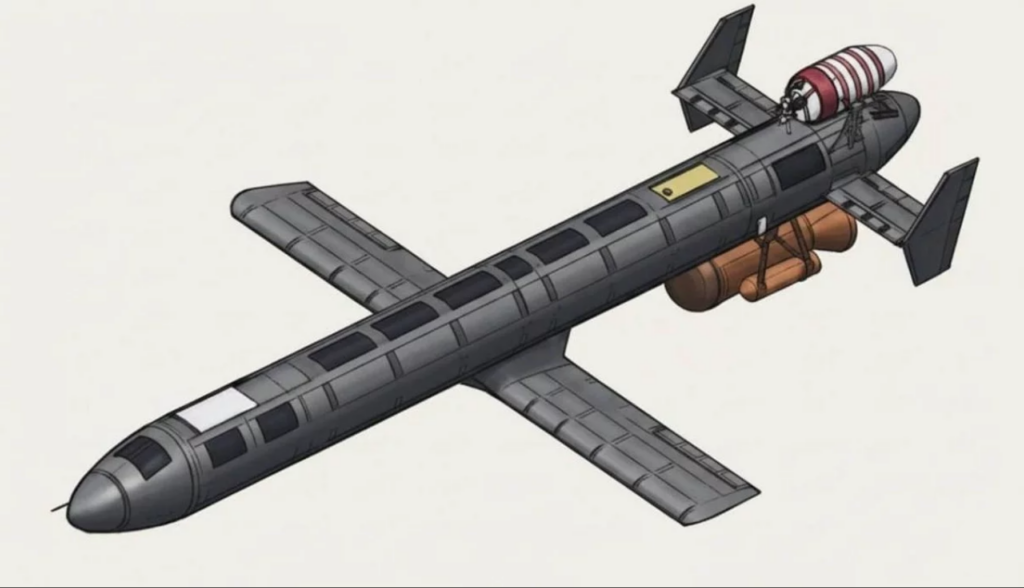
Ukraine had learned to shoot down the Iran-designed Shahed drones Russia was launching. Then Moscow moved the goalposts. The newest model, the Geran-5, looks more like a missile than a drone—Mike Monnik, head of the drone-threat firm DroneSec, called it "essentially a poor-man's cruise missile," and it forced a rewrite of Ukraine's counter-drone playbook. The Geran-5 and the Banderol cruise missiles are each estimated to cost about $100,000. A US Tomahawk costs more than $2 million.
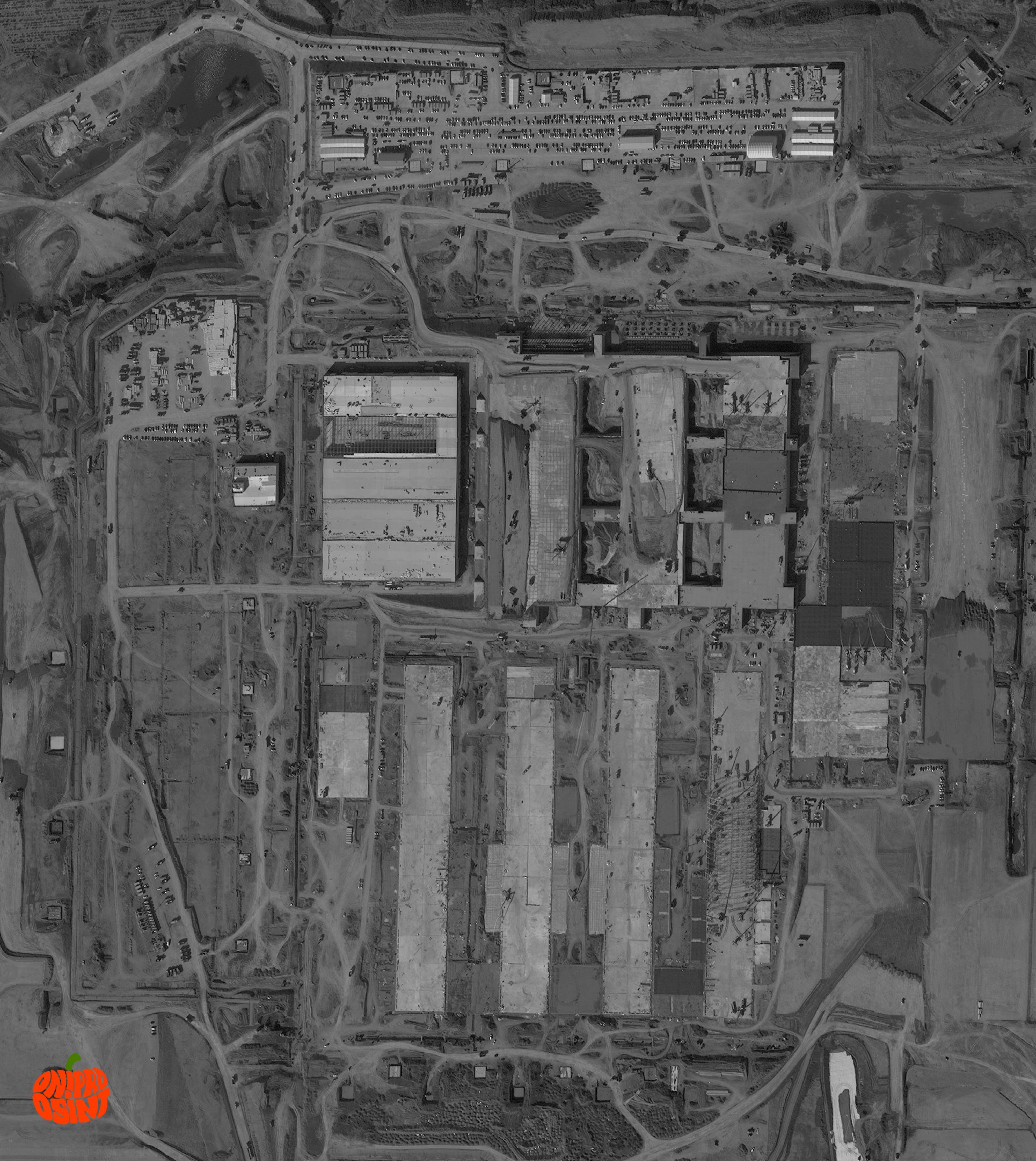
satellites caught russia expanding its shahed drone plant moscow already holds 6000 drones reserve · post satellite southern part alabuga special economic zone tatarstan newly built production halls published 14
Explore further

Russia built five more halls for the drones it assembles using Chinese parts to hit Ukrainian cities

Built fast, with China's help

Moscow needed only about two years to take each weapon from the drawing board to the battlefield, reworking earlier designs, testing them in combat, and pushing them into serial production. Ukrainian assessments, echoed by the drone-intelligence firm DroneSec, trace the leap to Chinese parts—the turbojet engines, the navigation computers, the radios—most of them off-the-shelf, dual-use gear anyone can buy. The weapons are aimed at Ukrainian cities and infrastructure—a Banderol struck a residential area of Kharkiv in July.

An expensive problem for the West

US forces and NATO have knocked down cheap drones with costly Patriot interceptors and fighter jets, often firing several interceptors at a single weapon. Western firms that built interceptors for slow drones are now scrambling to make faster, jet-powered ones. Kateryna Bondar of the Center for Strategic and International Studies said the West keeps underestimating how fast Russia turns experiments into production, and that Kyiv had years of warning yet was still caught off guard.

"I'm surprised everyone is surprised," she said.

At NATO's July summit in Ankara, members committed more than $40 billion to counter-drone defenses over the coming five years.
  • ✇Euromaidan Press
  • Iran armed Russia with Shaheds. Now it wants the jet-powered Geran-5 remake back to fight Israel and the US
    Russia has upgraded the Iranian Shahed it fires at Ukraine into jet-powered drones that Iran now wants back, the Financial Times reported. Tehran plans to use them in its own war against Israel and the United States, the paper reported, citing Western intelligence. Russia now fights with weapons it churns out and revises mid-fight, a homegrown production model fast enough to turn a cheap imported airframe into something its original supplier now wants back. From a 185 km/h propeller
     

Iran armed Russia with Shaheds. Now it wants the jet-powered Geran-5 remake back to fight Israel and the US

14 septembre 2026 à 08:05

geran-5

Russia has upgraded the Iranian Shahed it fires at Ukraine into jet-powered drones that Iran now wants back, the Financial Times reported. Tehran plans to use them in its own war against Israel and the United States, the paper reported, citing Western intelligence.

Russia now fights with weapons it churns out and revises mid-fight, a homegrown production model fast enough to turn a cheap imported airframe into something its original supplier now wants back.

From a 185 km/h propeller drone to a jet that looks like a missile

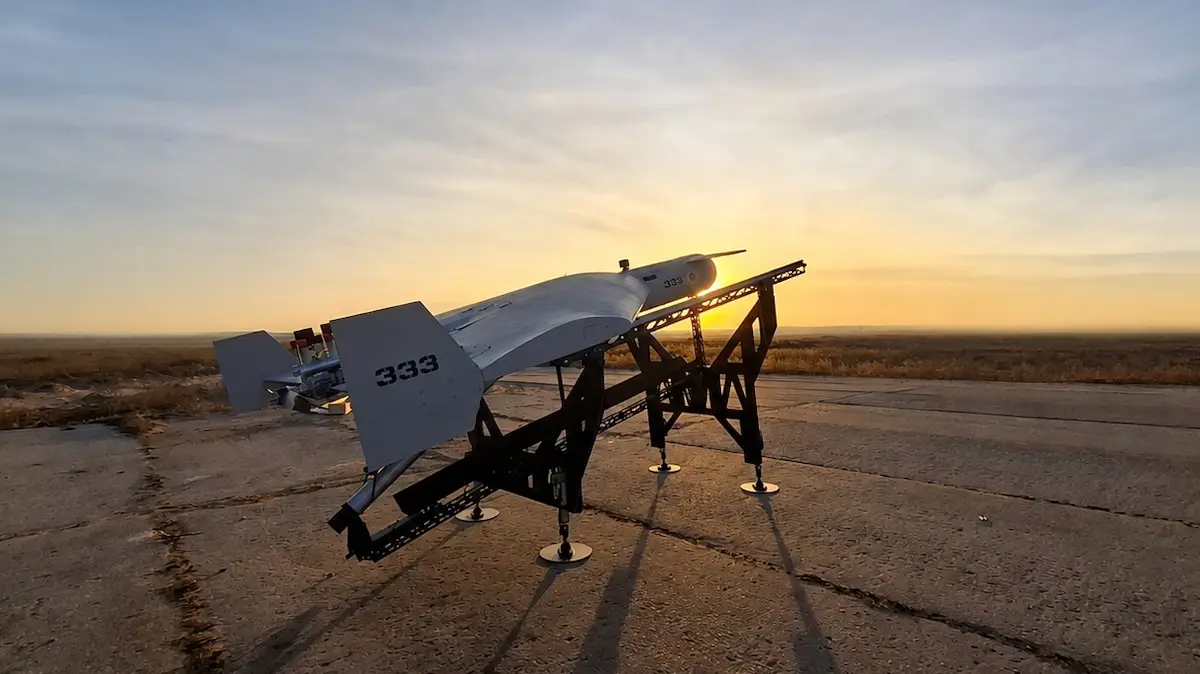
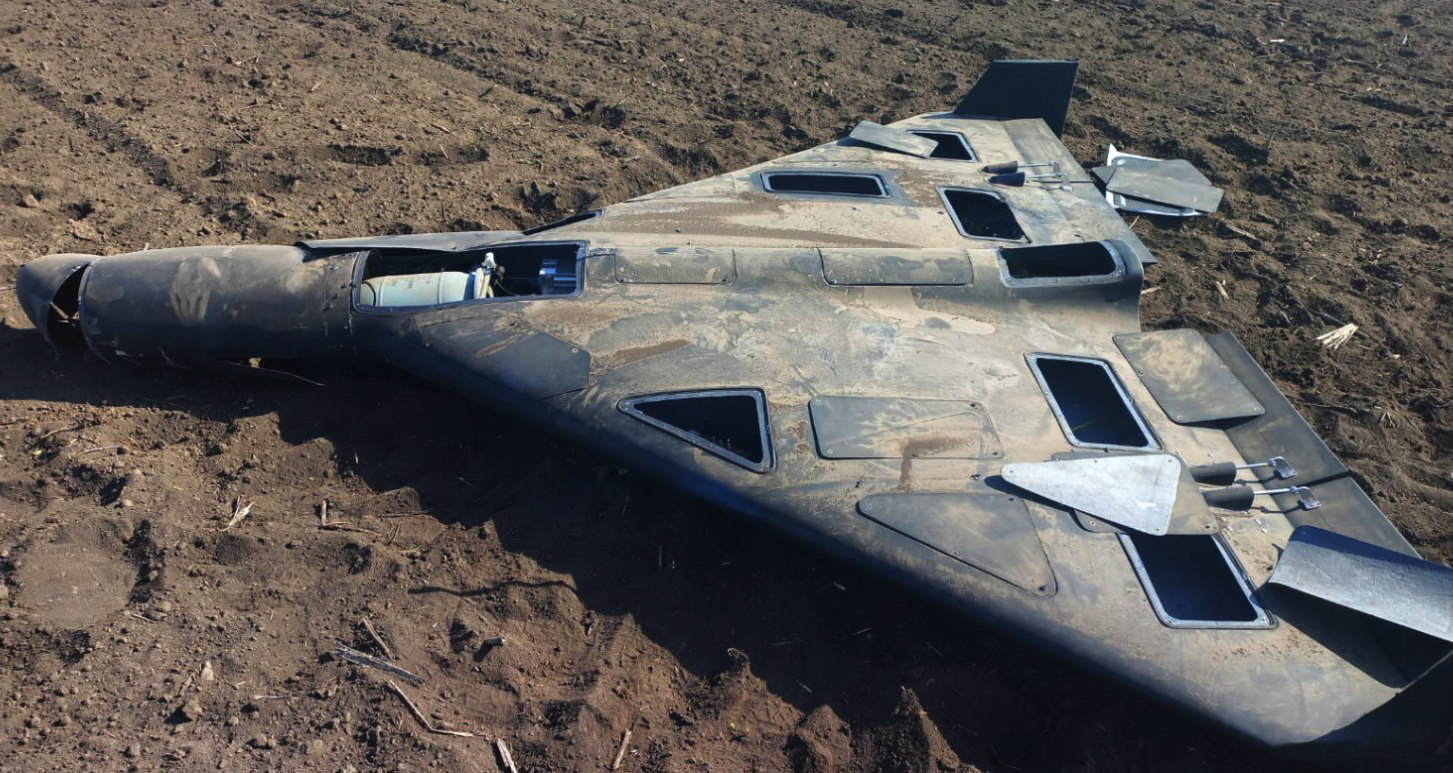
Russia started building the Geran, its own version of Iran's Shahed, in 2023. The first Geran-1 flew at up to 185 km/h with a 20-kilogram warhead. The newest Geran-5 flies at up to 600 km/h, carries a 90-kilogram warhead, and has a range of up to 1,000 km. Newer models add thermal cameras, AI-assisted guidance, Russian anti-jamming antennas, and Chinese mesh modems.

Serhii "Flash" Beskrestnov, a non-staff adviser to Ukraine's president on defense technology, has described how such drones work:

"A Russian operator flies at an altitude of 2–5 km, spots the target, locks onto it using the camera, and then the Shahed automatically attacks the target."

Almost all of Russia's jet drones used against Ukraine carry such a camera, he added.

Skipping the testing, straight to combat

Centralized production lets the Kremlin redesign fast and fold in combat lessons.

"The reason Russia was able to create a major new production line from scratch was because it's technologically a lot simpler than making something like tanks, which require enormous, unique and costly machine tools," said Ruslan Pukhov, who heads the Moscow-based Center for Analysis of Strategies and Technologies.

He added that they essentially skipped the long testing period that usually accompanies any military development process, with changes going straight into production and being checked in combat.

  • ✇Euromaidan Press
  • China calls itself neutral—but its fiber ends up in the drones that hit Ukraine
    Shipping documents show how a Chinese state company kept supplying Russia's drone factories with the raw material used in its long-range attack drones, Politico reported. Chinese parts have been recovered from downed Russian drones before. These records are the first to show the raw material shipped straight to the factory—a sanctioned arm of Russia's nuclear giant Rosatom. Russia's mass-produced attack drones run on parts sourced worldwide that keep slipping past Weste
     

China calls itself neutral—but its fiber ends up in the drones that hit Ukraine

7 septembre 2026 à 09:42

Flags of Russia and China.

Shipping documents show how a Chinese state company kept supplying Russia's drone factories with the raw material used in its long-range attack drones, Politico reported. Chinese parts have been recovered from downed Russian drones before. These records are the first to show the raw material shipped straight to the factory—a sanctioned arm of Russia's nuclear giant Rosatom.

Russia's mass-produced attack drones run on parts sourced worldwide that keep slipping past Western export controls, and Ukrainian cities take the hits almost nightly. Kyiv has spent the war naming the foreign suppliers behind that hardware, one component at a time.

What the documents show

The papers trace 46 metric tons of carbon-fiber chemicals from Jilin Chemical Fiber Group to Alabuga-Volokno, a Rosatom subsidiary in Tatarstan. The exporter disguised the cargo under a customs code meant for civilian fibers like nylon, said weapons expert David Albright, who studies Russia's drone production. That precursor, polyacrylonitrile, is the raw ingredient for the light carbon fiber in Russia's Shahed-type attack drones.

The MICH 2000 drone can fly up to 2,000 km and carry a warhead weighing up to 60kg. Photo courtesy of the manufacturer
Explore further

Ukraine’s new Tu-95 killer is a $48,000 copy of a drone China refused to sell

Drones of that type killed at least 15 people at a shopping mall in central Ukraine in August. Albright estimated the load could yield enough for as many as 1,300 kamikaze drones. The Kyiv-based Ukrainian Security and Cooperation Center, a think tank close to Ukraine's government, gathered the documents and shared them with Western governments. The US House Select Committee on China judged them legitimate, and Ukraine confirmed their authenticity.

Why Beijing can't plead ignorance

Alabuga-Volokno has faced Western sanctions since 2023 from the US, UK, EU, Ukraine, and others. Jilin faces none. Albright said the documents would let the State Department sanction the Chinese supplier. Serhii Kuzan, who heads the Ukrainian center, called China arguably the main and only source of these composite materials.

Former US officials rejected any idea that Beijing was unaware.

"The idea that Chinese state-owned enterprises can hide things from the Chinese government just doesn't wash," said Dennis Wilder, a former CIA deputy assistant director for East Asia and the Pacific.

Explore further

Russia’s jam-resistant drones run on a Chinese modem no one has sanctioned

Denials and a summit

Rosatom claimed it works in full compliance with the law. China's embassy in Washington called the evidence an attempt to "smear and scapegoat China," saying Beijing has never supplied lethal weapons.

The disclosure lands as US President Donald Trump prepares to meet Xi Jinping in Washington this month. In late August, Xi told Vladimir Putin their ties were set to strengthen.

❌