Vue normale

  • ✇Euromaidan Press
  • Russia’s planes probed NATO’s eastern flank so often this July that scrambles jumped more than 250%
    NATO scrambled fighter jets to intercept Russian planes far more often over its eastern flank this July than a year earlier, the alliance's Allied Joint Force Command in Brunssum announced on 5 August. Each scramble is a launch to intercept an unidentified aircraft. The command linked the surge to Russian military planes repeatedly probing the edges of allied airspace. Russian pressure on NATO's eastern edge has built for years, but this summer the alliance changed how
     

Russia’s planes probed NATO’s eastern flank so often this July that scrambles jumped more than 250%

6 août 2026 à 12:56

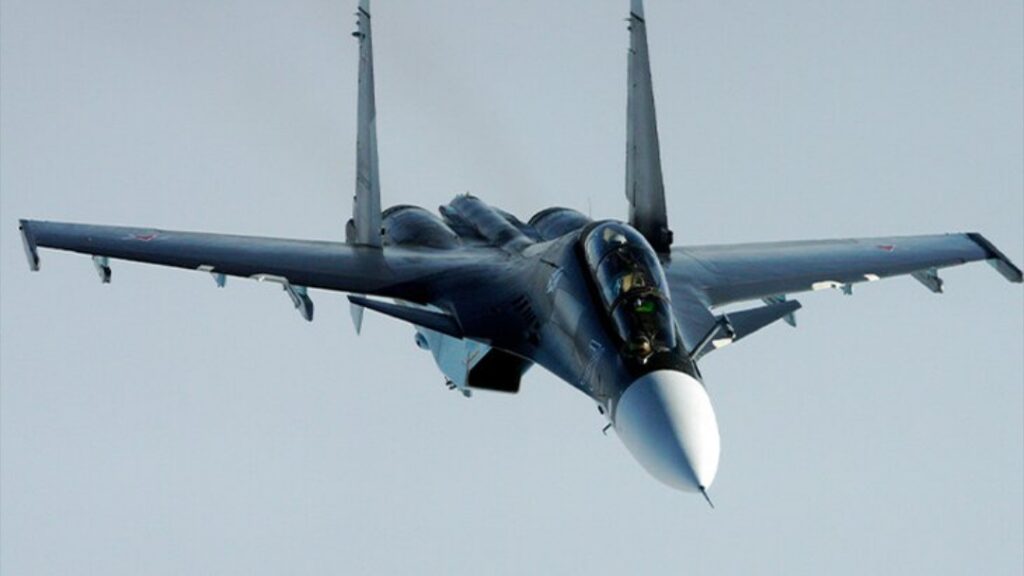
A Russian Su-30SM multirole fighter jet

NATO scrambled fighter jets to intercept Russian planes far more often over its eastern flank this July than a year earlier, the alliance's Allied Joint Force Command in Brunssum announced on 5 August. Each scramble is a launch to intercept an unidentified aircraft. The command linked the surge to Russian military planes repeatedly probing the edges of allied airspace.

Russian pressure on NATO's eastern edge has built for years, but this summer the alliance changed how it answers: it gave pilots authority that includes destroying "objects that pose a threat," ending a peacetime escort format that had held since 2004. More probing now meets a harder line.

The Numbers Don't Lie !
Compare July 25 with July 26 and the picture is impossible to ignore: Alpha Scrambles along @NATO's Eastern Flank increased by more than 250%.
The reason? Russian 🇷🇺 military aircraft repeatedly flew close to NATO airspace without a flight plan and… pic.twitter.com/YEPlddV8ST

— NATO Allied Joint Force Command Brunssum - JFCBS (@NATOJFCBS) August 5, 2026

Compared with July 2025, these scrambles rose by more than 250%, the command said.

"Russian military aircraft repeatedly flew close to NATO airspace without a flight plan and transponder signal, leaving our fighters to launch, intercept, and identify them," it added.

Polish jets keep meeting Russian spy planes over the Baltic

The report landed amid a run of intercepts near the Baltic Sea. Poland's Defense Ministry, under Minister Władysław Kosiniak-Kamysz, reported its fighters intercepted a Russian Il-20 reconnaissance plane on 4 August, 56 kilometers northwest of Koszalin in West Pomeranian Voivodeship.
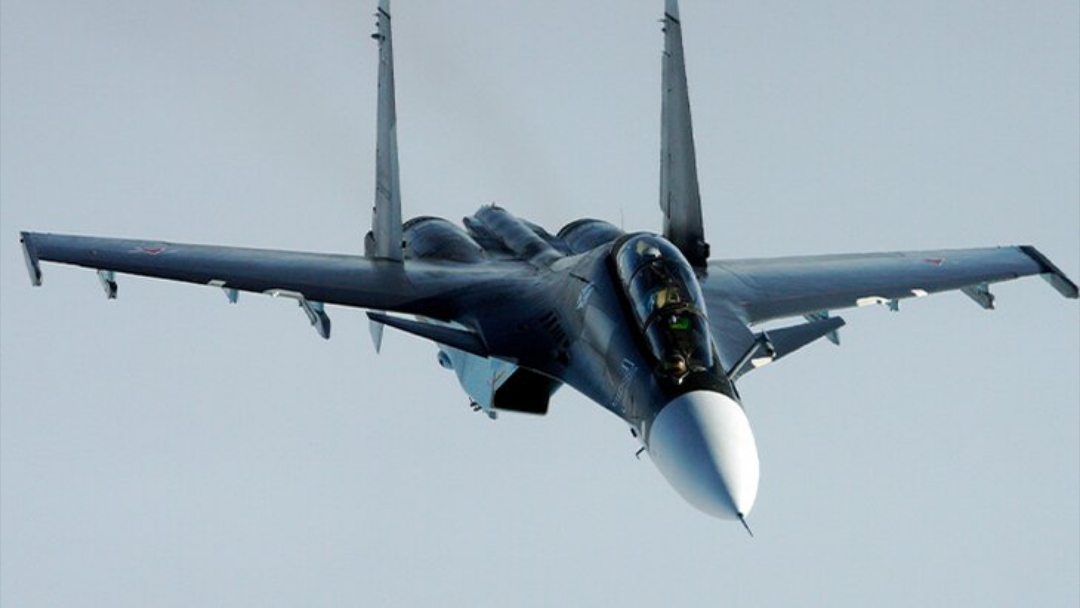
A Russian Su-30SM multirole fighter jet
Explore further

NATO fighters intercept six Russian military aircraft over the Baltic in a single day

A day earlier, the minister reported, Polish crews had caught another Russian reconnaissance aircraft over the Baltic near Łeba, its transponder off. Allied pilots have run similar missions for months: French and Swedish jets met six Russian aircraft over the Baltic in a single day in June, and crews scrambled through last fall to track flights between mainland Russia and the Kaliningrad exclave.

What are the surge forces on the alliance

Every unannounced flight burns allied flight hours and holds interceptors on standby. NATO members have already fired on Russian drones crossing their skies this summer, and the more often crewed planes go dark near the border, the higher the odds a close encounter escalates. The odds of a close encounter that escalates.

  • ✇The Kyiv Independent
  • Poland establishes July 11 as National Day of Remembrance for Volyn massacre victims
    Polish President Andrzej Duda has signed legislation designating July 11 as the National Day of Remembrance for Poles who were victims of Volyn massacres, the Polish outlet RMF24 reported on July 2.The law passed both houses of Poland's parliament with reportedly near-unanimous support. Lawmakers said victims of the massacres deserve a permanent place in the nation's collective memory.The law states that from 1939 to 1946, members of the Organization of Ukrainian Nationalists (OUN), the Ukrainia
     

Poland establishes July 11 as National Day of Remembrance for Volyn massacre victims

3 juillet 2025 à 03:05
Poland establishes July 11 as National Day of Remembrance for Volyn massacre victims

Polish President Andrzej Duda has signed legislation designating July 11 as the National Day of Remembrance for Poles who were victims of Volyn massacres, the Polish outlet RMF24 reported on July 2.

The law passed both houses of Poland's parliament with reportedly near-unanimous support. Lawmakers said victims of the massacres deserve a permanent place in the nation's collective memory.

The law states that from 1939 to 1946, members of the Organization of Ukrainian Nationalists (OUN), the Ukrainian Insurgent Army (UPA), and other nationalist groups carried out mass killings of Polish civilians in the Volyn region, now part of modern-day Ukraine.

The Volyn massacres remain a deeply sensitive and divisive issue in Polish-Ukrainian relations. In April, a team of Polish and Ukrainian researchers resumed the first exhumation in western Ukraine since 2017 — a symbolic breakthrough following years of tension. The moratorium had been imposed by Ukraine after a wave of vandalism targeting Ukrainian memorials in Poland.

The excavation began at the destroyed village of Puzhnyky in Ternopil Oblast, where UPA fighters are believed to have killed between 50 and 120 Poles in February 1945.

In recent months, the Polish and Ukrainian governments have made efforts to resolve the issue of the Volyn exhumations, with Poland's Prime Minister Donald Tusk announcing a "breakthrough" in January.

Last year Polish officials, including Deputy Prime Minister Wladyslaw Kosiniak-Kamysz and former Deputy Foreign Minister Pawel Jablonski, warned that Ukraine's progress toward EU accession could be blocked unless Kyiv fully addresses the legacy of the Volyn massacre and allows further exhumations of Polish victims.

Poland's Institute of National Remembrance estimates that approximately 100,000 Poles were killed during the Volyn massacres. Ukrainian historians argue that thousands of Ukrainians were also killed in retaliatory actions and insist that the conflict be viewed as mutual ethnic violence rather than genocide.

In 2016, the Polish Parliament officially recognized the events as genocide. Ukrainian and many Western scholars, however, classify them as ethnic cleansing, and debate continues over both the terminology and historical responsibility.

Despite close cooperation in defense and diplomacy since Russia's full-scale invasion of Ukraine, the legacy of Volyn remains a potential stumbling block in Ukraine's integration with Europe.

July 11 will now be commemorated annually in Poland.

Ukraine’s Constitutional Court appointments: A test of EU commitment
As Ukraine continues its path toward European integration while defending itself against Russian aggression, the strength of its democratic institutions remains paramount. Among these institutions, the Constitutional Court plays a unique role in protecting citizens’ rights and maintaining the rule of law. Yet today, this crucial judicial body still lacks
Poland establishes July 11 as National Day of Remembrance for Volyn massacre victimsThe Kyiv IndependentTetiana Shevchuk
Poland establishes July 11 as National Day of Remembrance for Volyn massacre victims
  • ✇The Kyiv Independent
  • Norway to deploy F-35 fighter jets to Poland to protect Ukrainian aid hub
    Norway will send F-35 fighter jets to Poland in the fall to protect the Rzeszow-Yasenka airport, one of the key transportation hubs for NATO military aid to Ukraine, Norwegian Defense Ministry announced on June 30.The news came as Russia has escalated attacks against Ukrainian cities over the past weeks, launching record 400-500 unmanned aerial vehicles (UAVs) per night.Norway is thus strengthening its contribution to NATO's air and missile defense, while the main goal of the mission is to suppo
     

Norway to deploy F-35 fighter jets to Poland to protect Ukrainian aid hub

30 juin 2025 à 15:23
Norway to deploy F-35 fighter jets to Poland to protect Ukrainian aid hub

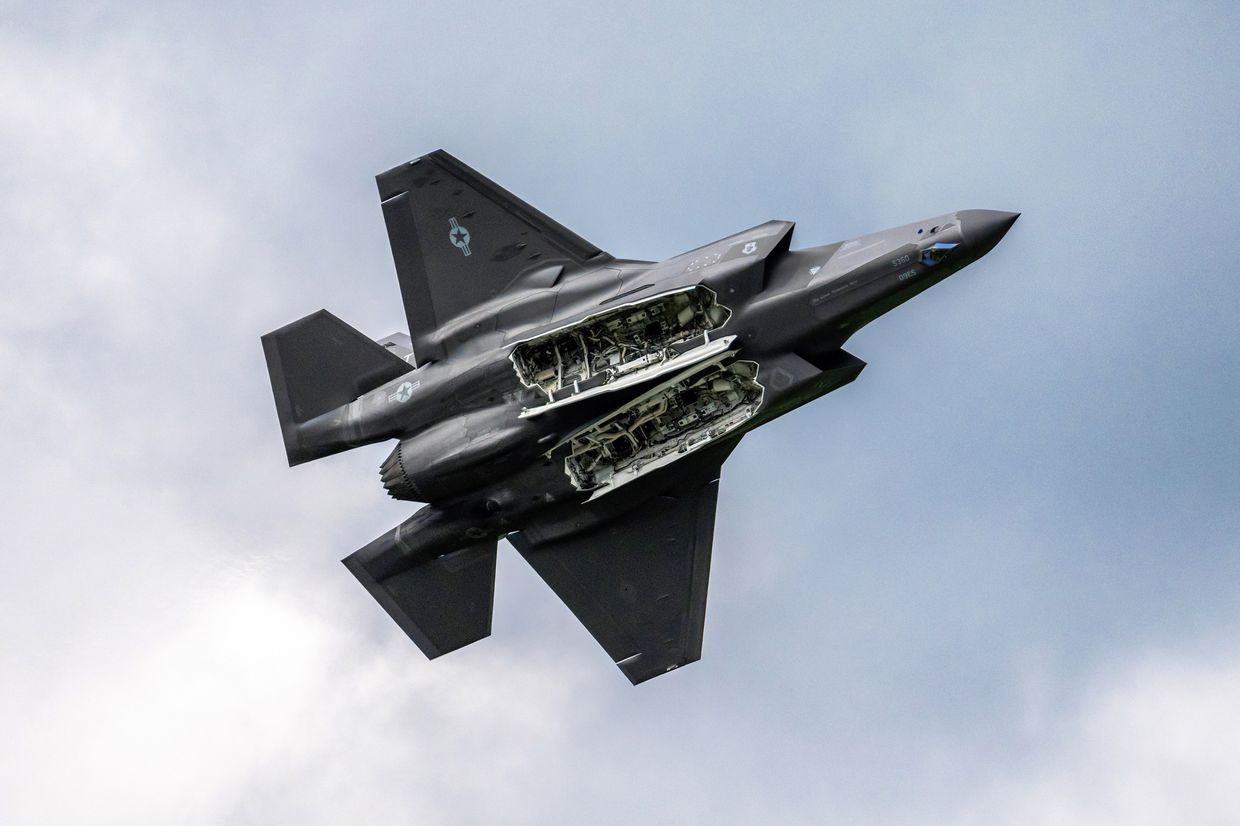
Norway will send F-35 fighter jets to Poland in the fall to protect the Rzeszow-Yasenka airport, one of the key transportation hubs for NATO military aid to Ukraine, Norwegian Defense Ministry announced on June 30.

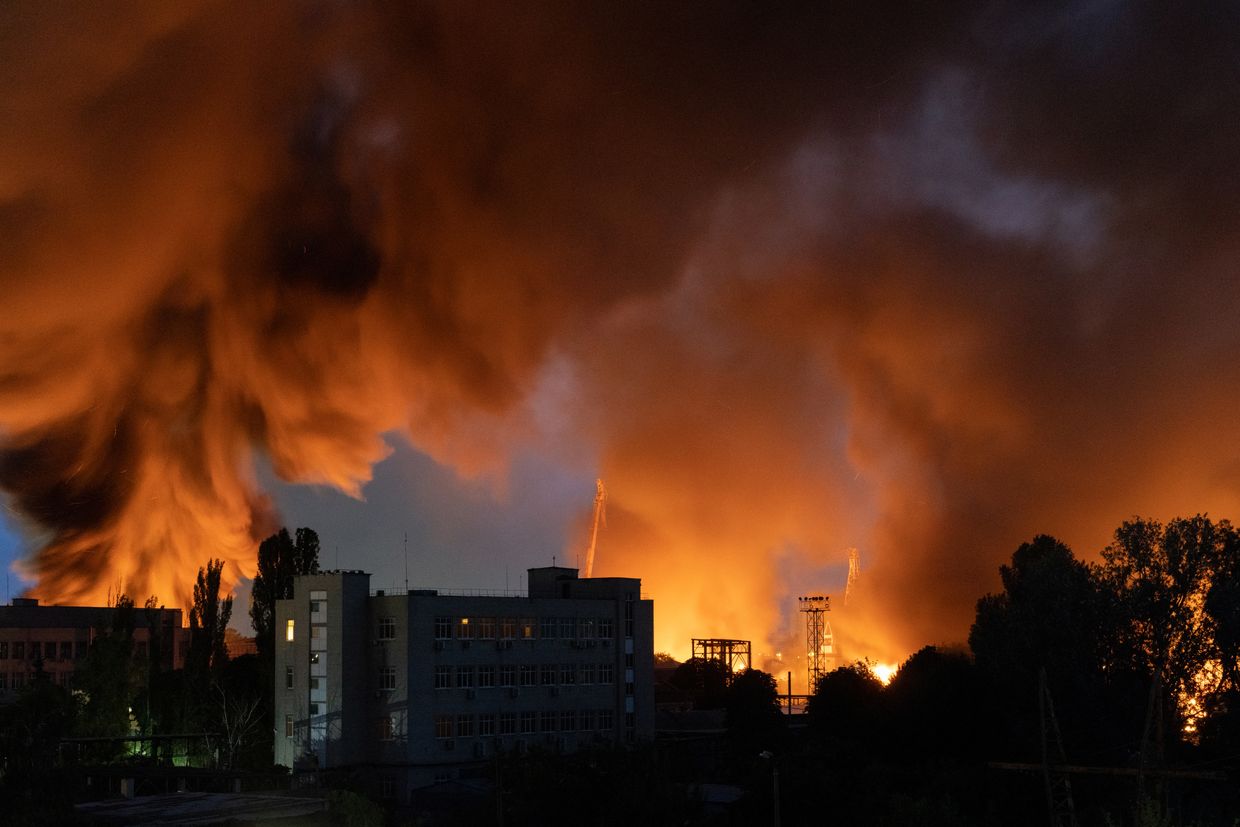
The news came as Russia has escalated attacks against Ukrainian cities over the past weeks, launching record 400-500 unmanned aerial vehicles (UAVs) per night.

Norway is thus strengthening its contribution to NATO's air and missile defense, while the main goal of the mission is to support the protection of Polish airspace and a key logistics center for assistance to Ukraine, the statement read.

"This is a vital contribution. We are helping ensure that support to Ukraine reaches its destination, and that Ukraine can continue its fight for freedom," Norwegian Defense Minister Tore Sandvik said.

The Rzeszow-Jasionka airport is located less than 100 kilometers (62 miles) from the Ukrainian border and transports a significant percentage of Western materiel bound for the front lines in Ukraine. Polish Prime Minister Donald Tusk said that 90% of aid for Ukraine was going through the airport in Rzeszow as of Novermber 2024.

It is also a main stopover point for foreign leadership traveling to Kyiv on official visits.

In January, German Defense Minister Boris Pistorius announced that Berlin will deploy the promised Patriot air defenses around the Polish airport to protect it.

Smashing previous monthly record, Russia launches 5,337 kamikaze drones against Ukraine during June
Russia launched a record 5,337 Shahed-type drones against Ukraine in June, according to data from the Ukrainian Air Force and Dragon Capital, smashing the previous record of 4,198 set in March. Russia’s bombardments, a fact of life after three years of full-scale war, have intensified dramatically in May
Norway to deploy F-35 fighter jets to Poland to protect Ukrainian aid hubThe Kyiv IndependentYuliia Taradiuk
Norway to deploy F-35 fighter jets to Poland to protect Ukrainian aid hub
  • ✇The Kyiv Independent
  • Poland's Duda arrives in Kyiv to meet with Zelensky
    Outgoing Polish President Andrzej Duda arrived in Kyiv to meet with President Volodymyr Zelensky as part of a farewell gesture ahead of his departure from office in August, Duda announced on social media."President Duda has stood by Ukraine's side during the most difficult times of Russia's full-scale aggression," Foreign Minister Andrii Sybiha said on X on June 28, which is also Ukraine's Constitution Day.  "We are grateful to him and all Poles who have shown true solidarity with Ukraine."Upon
     

Poland's Duda arrives in Kyiv to meet with Zelensky

28 juin 2025 à 04:06
Poland's Duda arrives in Kyiv to meet with Zelensky

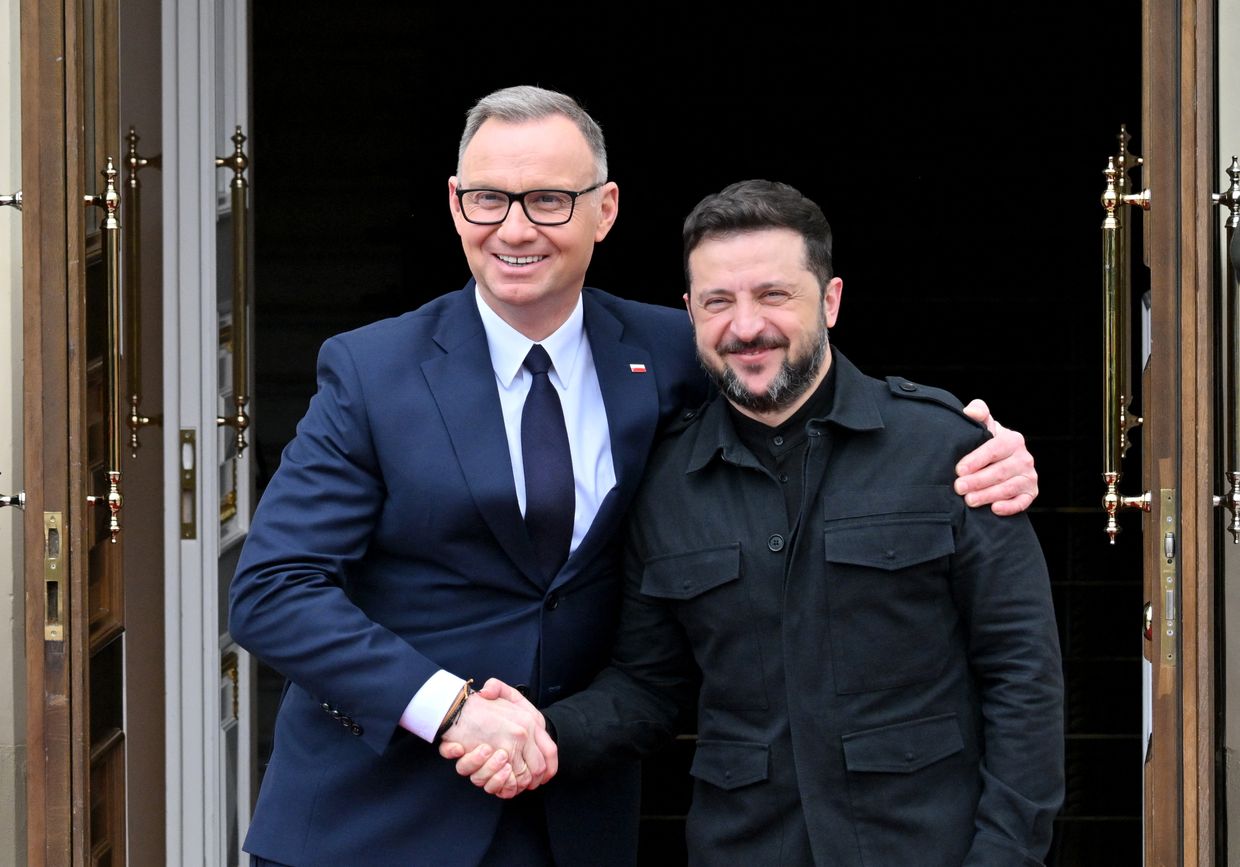
Outgoing Polish President Andrzej Duda arrived in Kyiv to meet with President Volodymyr Zelensky as part of a farewell gesture ahead of his departure from office in August, Duda announced on social media.

"President Duda has stood by Ukraine's side during the most difficult times of Russia's full-scale aggression," Foreign Minister Andrii Sybiha said on X on June 28, which is also Ukraine's Constitution Day.  

"We are grateful to him and all Poles who have shown true solidarity with Ukraine."

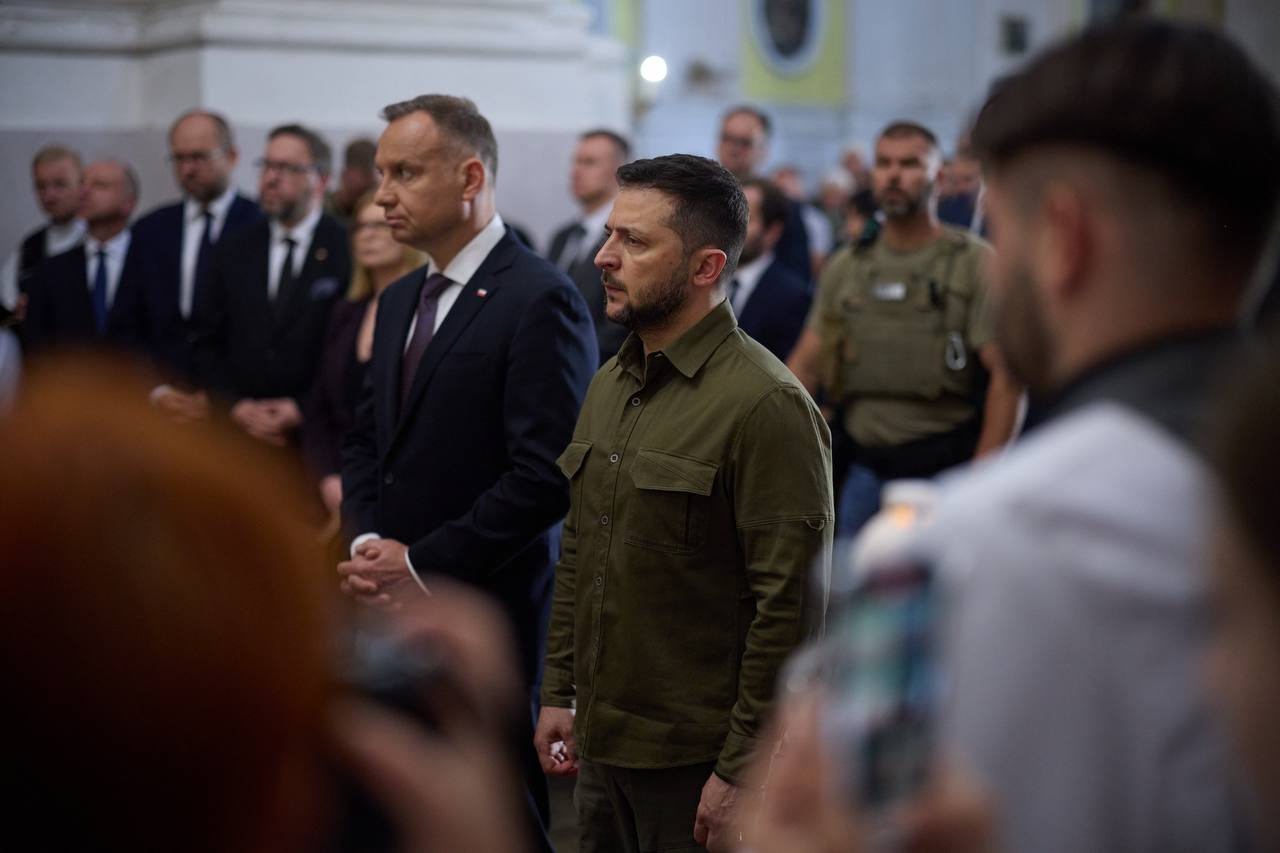
Upon his arrival, Duda joined Zelensky in a wreath-laying ceremony honoring fallen soldiers at an event marking Ukraine’s Constitution Day.

The two leaders discussed the further development of relations between Kyiv and Warsaw at the EU level and in coordination with NATO partners.

Poland's Duda arrives in Kyiv to meet with Zelensky
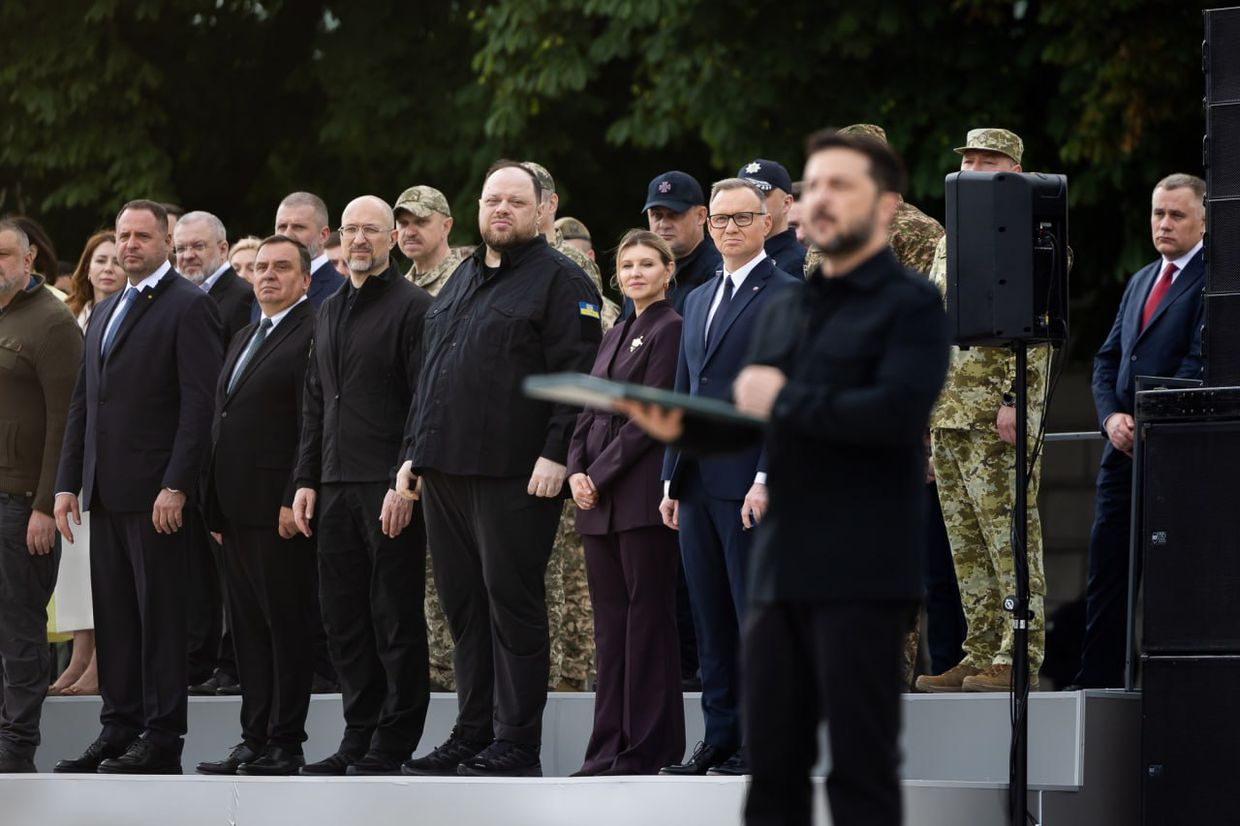
President Volodymyr Zelensky, Polish President Andrzej Duda, First Lady Olena Zelenska, and Ukrainian officials are seen during an official event marking Ukraine’s Constitution Day at Sofiyska Square in Kyiv on June 28, 2025. (Volodymyr Zelensky/Telegram)

"In recent months, we have been implementing some fairly substantial Ukrainian-Polish agreements on defense cooperation," the Ukrainian president said.

Zelensky also awarded Duda the Order of Freedom, one of Ukraine’s highest honors.

"Andrzej has been with Ukraine since the first days of the war, always side by side, a reliable ally and a true friend. This is undoubtedly the level of relations we want to preserve and strengthen with Poland," Zelensky said.

Since Russia launched its full-scale invasion in 2022, Poland has emerged as one of Ukraine’s most committed allies, providing weapons, sheltering millions of refugees, and rallying international support.

Over time, the relations between the two countries has faced strains due to political disagreements, economic fatigue, and disputes over grain imports and historical grievances.

In early June, conservative historian Karol Nawrocki won the second round of the Polish presidential election with 50.89% of the vote.

He has previously voiced opposition to Ukraine's membership in the EU and NATO, despite supporting Ukraine's sovereignty.

From unity to uncertainty: Central Europe reconsiders its Ukraine stance
In the fourth year of Russia’s full-scale war against Ukraine, the decisive support Kyiv found among its neighbors to the west is beginning to show cracks. Once resolute Poland is seeing rising skepticism toward Ukraine, underscored by President-elect Karol Nawrocki’s election victory. Slovakia’s pro-Ukrainian government was ousted by Russian-friendly populists
Poland's Duda arrives in Kyiv to meet with ZelenskyThe Kyiv IndependentMartin Fornusek
Poland's Duda arrives in Kyiv to meet with Zelensky

  • ✇The Kyiv Independent
  • Baltics, Nordics, Poland propose Schengen ban for Russians who fought in Ukraine
    Editor's note: This story has been updated to include the joint statement issued by the ministers of the Baltic states, Nordic countries, and Poland.A coalition of European Union countries is pushing to bar Russian citizens who participated in the war against Ukraine from entering the Schengen Area, citing serious security concerns,  Estonian broadcaster ERR reported on June 19.The call comes as Russia increased its hybrid operations targeting the European Union. EU security agencies have repeat
     

Baltics, Nordics, Poland propose Schengen ban for Russians who fought in Ukraine

20 juin 2025 à 04:23
Baltics, Nordics, Poland propose Schengen ban for Russians who fought in Ukraine

Editor's note: This story has been updated to include the joint statement issued by the ministers of the Baltic states, Nordic countries, and Poland.

A coalition of European Union countries is pushing to bar Russian citizens who participated in the war against Ukraine from entering the Schengen Area, citing serious security concerns,  Estonian broadcaster ERR reported on June 19.

The call comes as Russia increased its hybrid operations targeting the European Union. EU security agencies have repeatedly warned of Russian-linked sabotage operations, including arson attacks, orchestrated by Moscow as part of hybrid warfare strategies.

Interior ministers from the Baltic states, Nordic countries, and Poland met in Tallinn on June 19, where they issued a joint statement confirming their intent to prevent entry into the visa-free Schengen zone for Russians who took part in the war against Ukraine, ERR reported.

"There are hundreds of thousands of Russian citizens who have fought against Ukraine," Estonian Interior Minister Igor Taro said following the meeting. "We must take a clear stance; these individuals cannot freely travel across Schengen."

"We will not issue them residence permits or visas," he added. "This group, which has been killing and destroying, poses a very significant security threat to all of us."

The ministers emphasized that this restriction should remain in place even after active hostilities cease in Ukraine.

"Member States should take all necessary measures to ensure that individuals who are or have been contracted by the Russian armed forces or other armed groups acting on behalf of the regime are not allowed to undermine our security or move freely within the Schengen Area," the joint statement read.

The high-level meeting also included European Commissioner for Home Affairs and Migration Magnus Brunner, as well as representatives from the EU border agency Frontex.

The Schengen Area allows for visa-free travel across 29 European countries for up to 90 days in any 180-day period. While several EU member states have imposed national restrictions on Russian travelers, others continue processing applications, keeping access routes open.

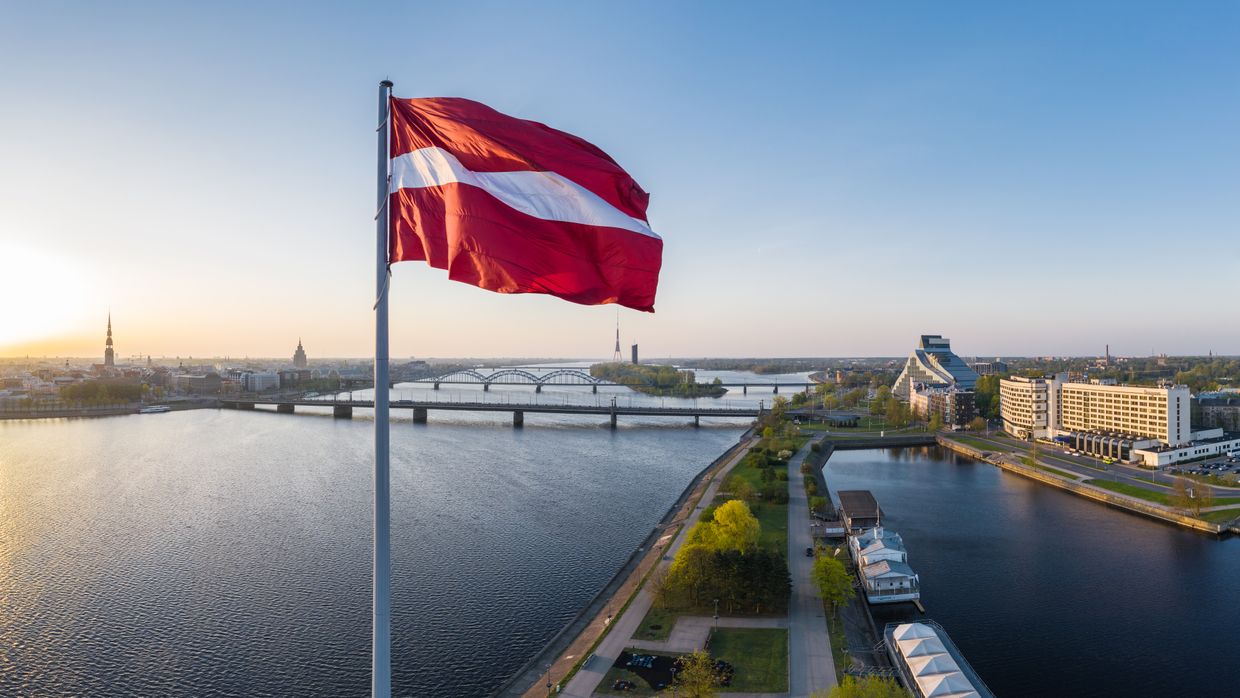
Latvia has been among the most vocal proponents of stricter visa policies for Russian nationals. Latvian Foreign Minister Baiba Braze urged on May 25 all EU countries to suspend visa issuance to Russians, citing escalating security threats from Moscow.

"Latvia calls on the EU countries to halt visa issuance for Russian citizens, citing security concerns," Braze wrote on X. She noted that Schengen visa approvals for Russian nationals had surged by 25% in 2024 compared to 2023.

Latvia imposed entry restrictions in September 2022 as part of a coordinated effort with Lithuania, Estonia, and Poland. Czechia followed suit in October 2022.

Concerns over the abuse of Schengen visas and diplomatic privileges have intensified amid a wave of suspected Russian sabotage and espionage on EU soil. Polish and Czech authorities have recently led an effort to limit the movement of Russian diplomats within the bloc, targeting individuals allegedly working under diplomatic cover for Russian intelligence services.

Latvia prohibits Russian, Belarusian citizens from purchasing real estate
The bill — which carves out exceptions for EU and Latvian permanent residence holders, Belarusian refugees, and repatriates — establishes the new restrictions under the pretenses of protecting the country’s national security.
Baltics, Nordics, Poland propose Schengen ban for Russians who fought in UkraineThe Kyiv IndependentDmytro Basmat
Baltics, Nordics, Poland propose Schengen ban for Russians who fought in Ukraine
  • ✇The Kyiv Independent
  • British jets intercept Russian spy plane over Baltic Sea, Poland calls it NATO readiness test
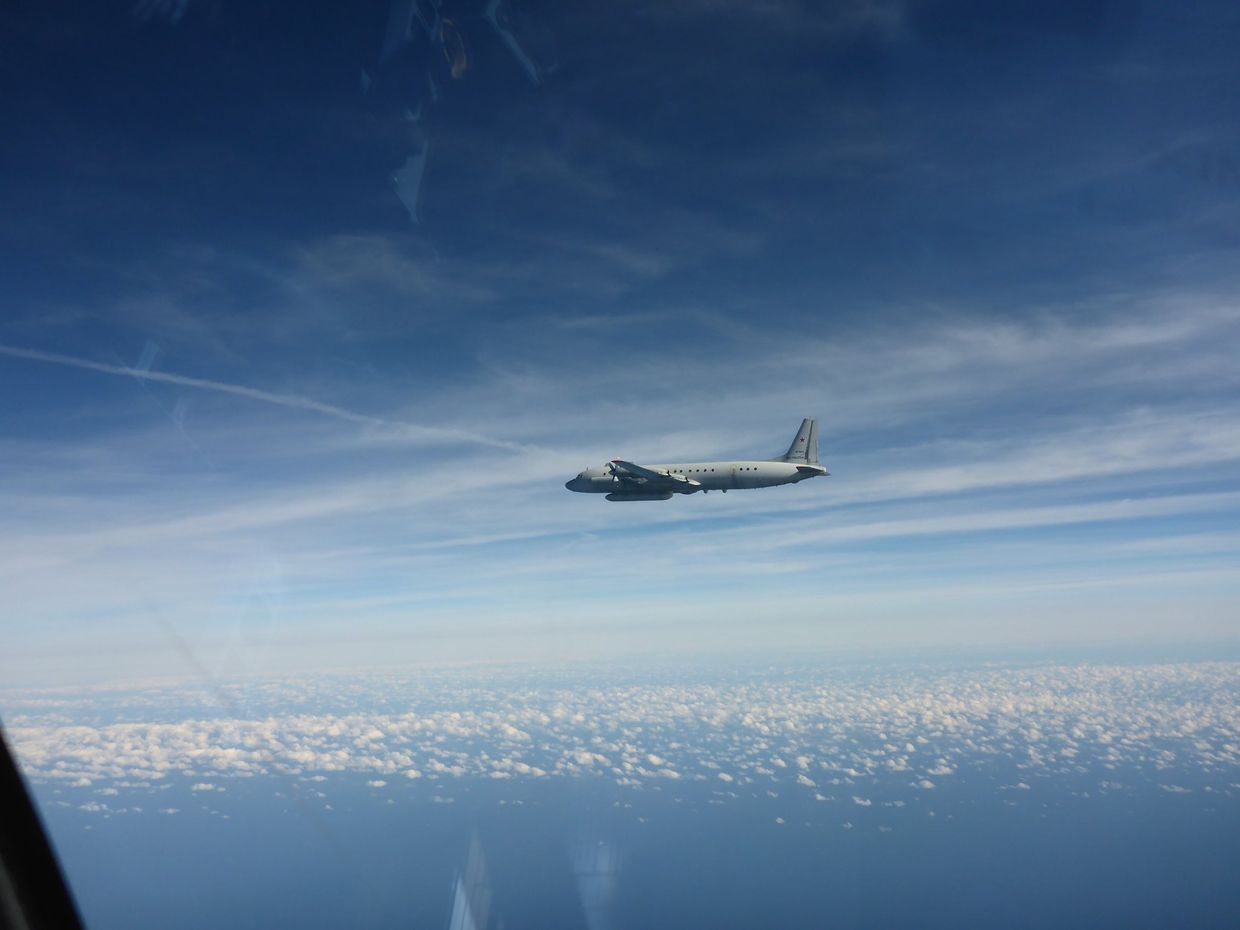
    British fighter jets intercepted a Russian Il-20 reconnaissance aircraft that violated airspace over the Baltic Sea on the morning of June 13, Poland's military command reported. "This is another case of provocative testing of the readiness of NATO countries' systems," the statement said, adding that NATO command structures are now analyzing the incident.The Russian Il-20, based on the Il-18 transport aircraft, is used for electronic surveillance and reconnaissance missions. It is equipped with
     

British jets intercept Russian spy plane over Baltic Sea, Poland calls it NATO readiness test

13 juin 2025 à 13:37
British jets intercept Russian spy plane over Baltic Sea, Poland calls it NATO readiness test

British fighter jets intercepted a Russian Il-20 reconnaissance aircraft that violated airspace over the Baltic Sea on the morning of June 13, Poland's military command reported.

"This is another case of provocative testing of the readiness of NATO countries' systems," the statement said, adding that NATO command structures are now analyzing the incident.

The Russian Il-20, based on the Il-18 transport aircraft, is used for electronic surveillance and reconnaissance missions. It is equipped with radar and signal intelligence gear designed to collect information on military infrastructure and communication networks.

According to the military command, the aircraft entered Baltic Sea airspace at approximately 10:50 a.m. and was promptly intercepted by two British fighter jets operating out of Poland.

No further details were disclosed about the exact location of the encounter or how long the Russian aircraft remained in restricted airspace.

The incident adds to a series of aerial provocations reported by NATO allies since the start of Russia's full-scale invasion of Ukraine in 2022. Poland has repeatedly scrambled jets in response to Russian missile and drone attacks near its border.

On Feb. 11, a Russian Su-24MR reconnaissance aircraft flew into Polish airspace over the Bay of Gdansk for more than a minute. Moscow attributed the incursion to a navigational error, but Polish officials dismissed the claim as implausible.

Poland shares a long border with Ukraine and a northern coastline along the Baltic Sea, where Russia's militarized Kaliningrad exclave is located.

Warsaw has repeatedly warned that Russia's ongoing aerial provocations could lead to a dangerous escalation if not firmly countered.

How an Israel-Iran war could help Russia’s economy — and deprive Ukraine of weapons
Israel’s “preemptive” strikes against Iran targeting the country’s nuclear program and killing top military officials could have far-reaching implications for Ukraine and could boost Russia’s ability to continue its full-scale invasion, experts have told the Kyiv Independent. Iran has been one of Russia’s staunchest allies throughout the war, providing thousands
British jets intercept Russian spy plane over Baltic Sea, Poland calls it NATO readiness testThe Kyiv IndependentChris York
British jets intercept Russian spy plane over Baltic Sea, Poland calls it NATO readiness test
❌