C’est l’amende la plus lourde que la Commission européenne ait imposée en vertu de la loi européenne sur les marchés numériques.
La Commission reproche à Google d’avoir:
favorisé ses propres services commerciaux dans les résultats de son outil de recherche;
empêché les développeurs présents dans son magasin d’applications, Play Store, de diriger leurs usagers vers d’autres magasins d’applications où ils pourraient acheter leur produits, souvent à plus bas prix.
La Commission e
C’est l’amende la plus lourde que la Commission européenne ait imposée en vertu de la loi européenne sur les marchés numériques.
La Commission reproche à Google d’avoir:
favorisé ses propres services commerciaux dans les résultats de son outil de recherche;
empêché les développeurs présents dans son magasin d’applications, Play Store, de diriger leurs usagers vers d’autres magasins d’applications où ils pourraient acheter leur produits, souvent à plus bas prix.
La Commission exige que Google corrige ces pratiques.
L’entreprise a 60 jours pour se conformer à cette exigence, sous peine d’amendes supplémentaires qui pourraient atteindre 5% de son chiffre d’affaires mondial.
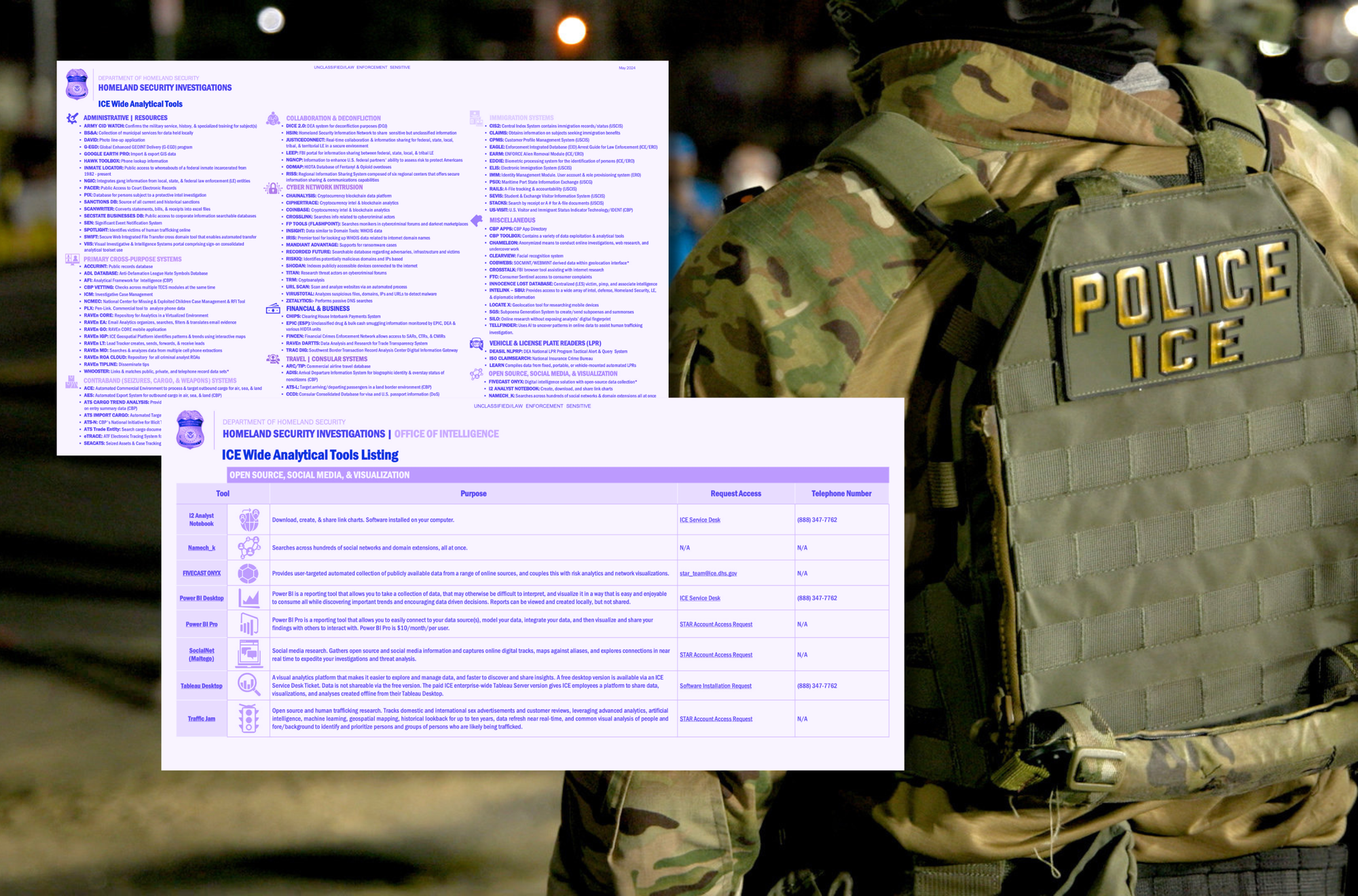
From phone location data, to social media monitoring, to online undercover tools, a document obtained by 404 Media lays out the surveillance tech available across ICE agency wide.
From phone location data, to social media monitoring, to online undercover tools, a document obtained by 404 Media lays out the surveillance tech available across ICE agency wide.
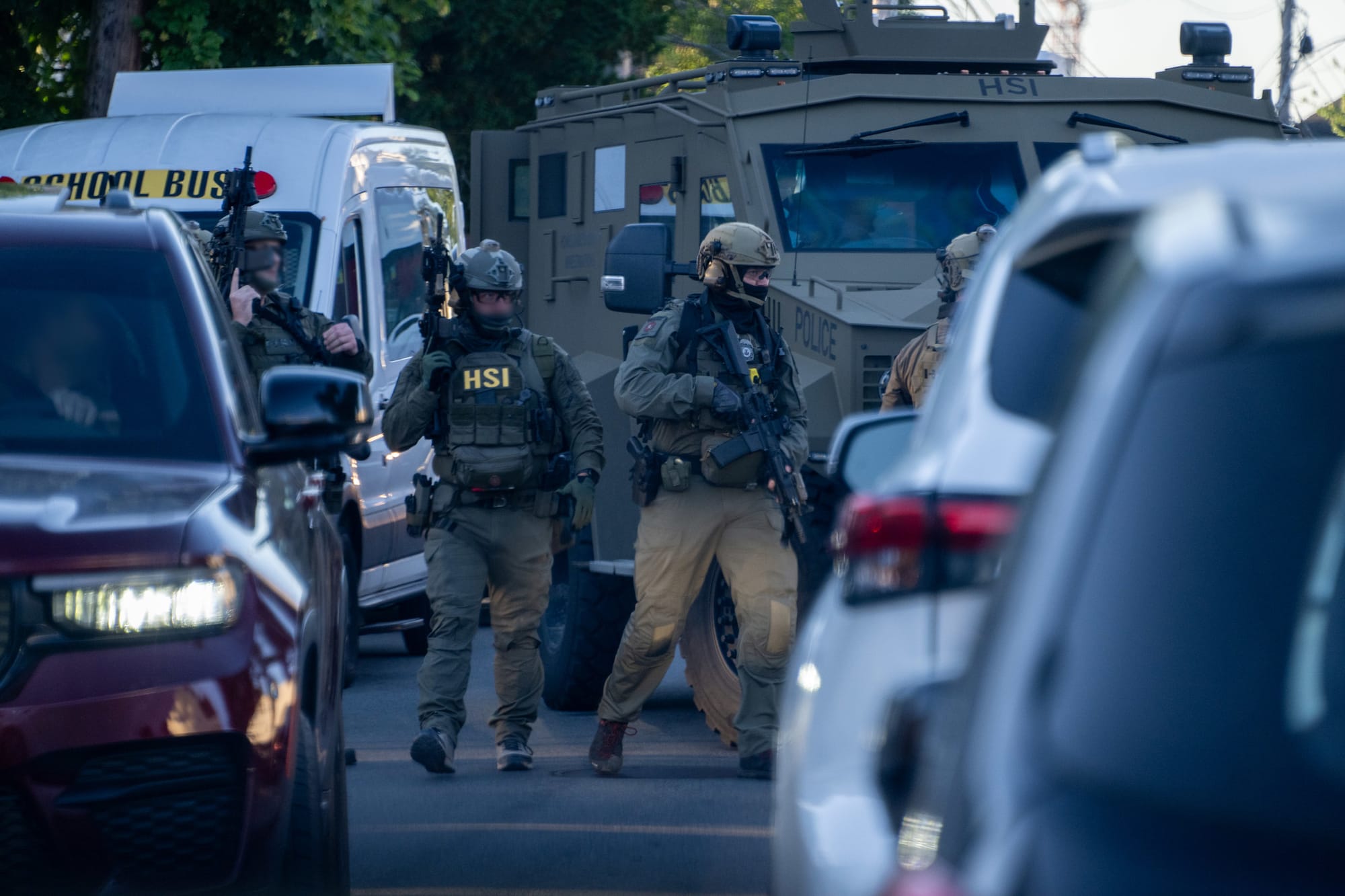
When you open a new credit card, you necessarily give the credit card company your address. You probably expect that information to remain with your bank.But when you open a new credit card or change your address on file, your address leaves your credit card provider, travels through a web of middlemen companies, and ends up with Immigration and Customs Enforcement (ICE), which can then search, analyze, or pair that data with other pieces of information about your life without a warrant.404 Medi
When you open a new credit card, you necessarily give the credit card company your address. You probably expect that information to remain with your bank.
But when you open a new credit card or change your address on file, your address leaves your credit card provider, travels through a web of middlemen companies, and ends up with Immigration and Customs Enforcement (ICE), which can then search, analyze, or pair that data with other pieces of information about your life without a warrant.
404 Media has mapped out this supply of data by reviewing U.S. government procurement records and internal documents from companies providing the information. It highlights the sometimes unexpected ways ICE is gaining access to peoples’ personal information as the agency continues to acquire and leverage all sorts of data.
“No one signing up for a credit card thinks they're giving data brokers a thumbs-up to sell their personal information to ICE. Not only is it an outrageous violation of our privacy, it's impossible for Americans to opt out,” Senator Ron Wyden told 404 Media in a statement.
Ukrainian prosecutors have charged five individuals in connection with a massive explosion at an industrial site in the Zhytomyr Oblast that killed two people and injured more than 80, including eight children, the Prosecutor General's Office said on July 7.The blast occurred on July 2 at a warehouse facility in the village of Berezyna, near the highway outside the city of Zhytomyr. The explosion damaged over 100 homes, three gas stations, and around 20 vehicles, local officials said.Two company
Ukrainian prosecutors have charged five individuals in connection with a massive explosion at an industrial site in the Zhytomyr Oblast that killed two people and injured more than 80, including eight children, the Prosecutor General's Office said on July 7.
The blast occurred on July 2 at a warehouse facility in the village of Berezyna, near the highway outside the city of Zhytomyr. The explosion damaged over 100 homes, three gas stations, and around 20 vehicles, local officials said.
Two company directors and three employees have been formally charged with violating safety rules regarding explosives and other related crimes. The charges include illegal handling of explosives and violations leading to severe consequences under several articles of Ukraine's criminal code.
According to prosecutors, one of the company directors had established illegal production of explosive materials and involved unqualified personnel without the necessary training or certification. The business reportedly operated without permits, licenses, or regulatory oversight, and in close proximity to residential housing.
Investigators said the explosion followed a fire sparked by improper handling and storage of explosives, which led to a series of powerful detonations.
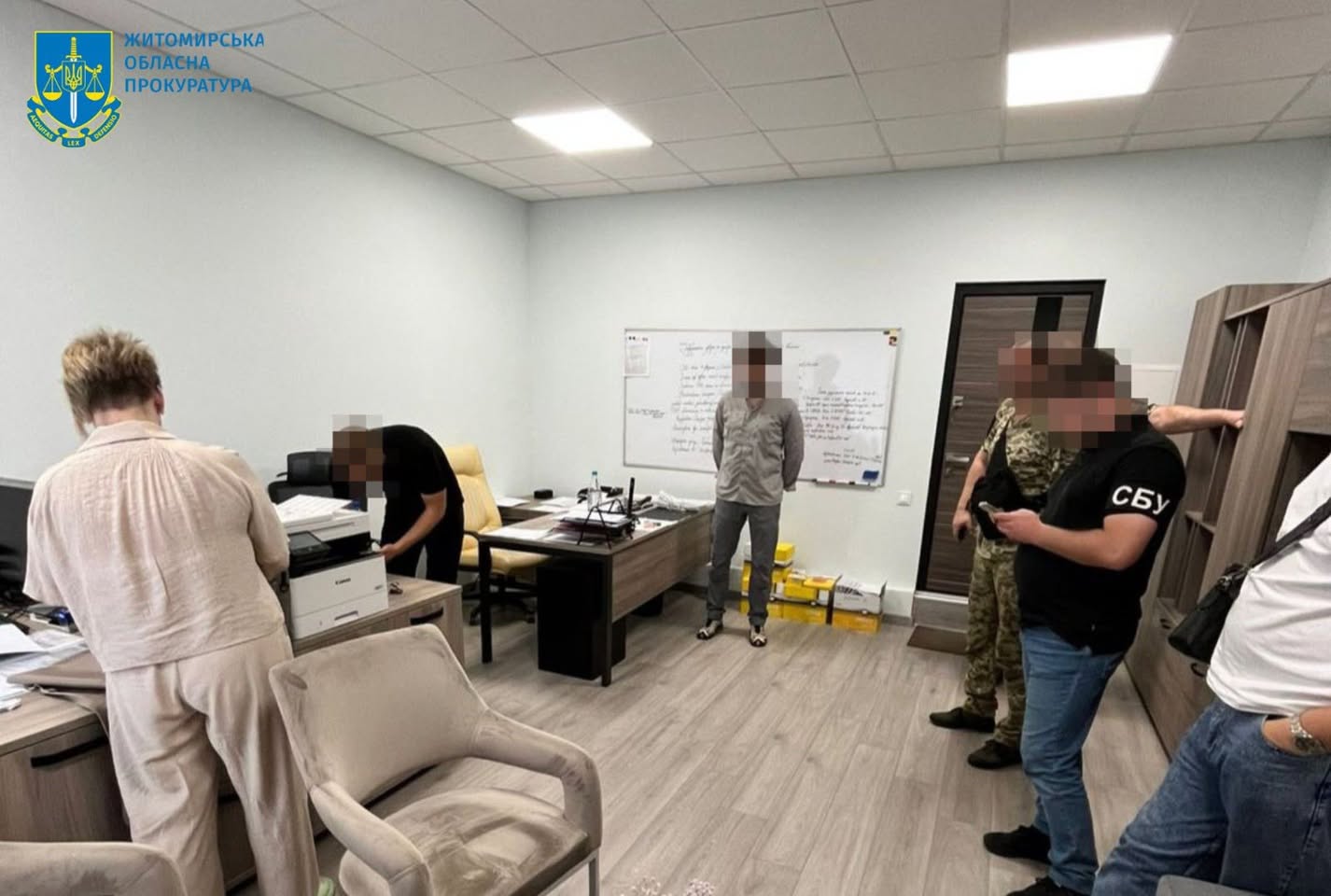
Law enforcement officials are conducting searches at the homes of company executives and founders of the businesses believed to be involved.
The prosecutor's office has filed motions requesting that all five suspects be held in pre-trial detention.
A former deputy mayor for Kharkiv is facing multiple charges related to creating and leading a scheme that allegedly embezzled 5.4 million hryvnias ($130,000) of budget funds allocated for fortifications, law enforcement agencies announced on June 28.Ukraine's military as well as public officials has seen several corruption scandals since the start of Russia's full-scale war, related to illicit enrichment, money laundering, bribery, and misconduct of the command.A total of four people, including
A former deputy mayor for Kharkiv is facing multiple charges related to creating and leading a scheme that allegedly embezzled 5.4 million hryvnias ($130,000) of budget funds allocated for fortifications, law enforcement agencies announced on June 28.
Ukraine's military as well as public officials has seen several corruption scandals since the start of Russia's full-scale war, related to illicit enrichment, money laundering, bribery, and misconduct of the command.
A total of four people, including two company heads and two entrepreneurs, were arrested alongside the former official, the National Police said.
The scheme allegedly involved a shell company procuring purchased materials for fortifications at prices over 30% above market value.
While authoritiesdid not name the former official, Ukrainska Pravda reported, citing law enforcement sources, that the suspect in question is Andrii Rudenko, Kharkiv's Deputy Mayor for Housing and Communal Services between 2015 and 2024.
Authorities did not publicly release the identities of the remaining suspects.
The five suspects are currently facing charges under 17 articles of Ukraine's Criminal Code, with motions filed to impose pre-trial detention without bail.
It was not immediately clear as to the maximum sentence the suspects may receive if found guilty, however, Ukraine's Prosecutor General Ruslan Kravchenko said that he will seek for "stolen budget funds must be fully returned to the state."
Law enforcement agents have previously arrested Kharkiv officials with corruption related charges.
In April, authorities charged a total of eight individuals, including local officials and entrepreneurs, accused of colluding with contractors to supply firewood to the military at prices significantly above market value. Several officials and entrepreneurs of housing and utilities departments in several regions, including Kharkiv, were allegedly implicated.
Ukrainian authorities have arrested a 66-year-old U.S. citizen who had been on the run for more than three decades, wanted for multiple child sex crimes committed in Arizona in the 1980s and early 1990s, Ukraine's Office of the Prosecutor General said on June 25.The man — who has not been named — was detained in Kyiv Oblast in a joint operation coordinated by Ukrainian prosecutors in cooperation with Ukraine's Cyber Police Department, the FBI, and Ukraine's Ministry of Justice. He had been livin
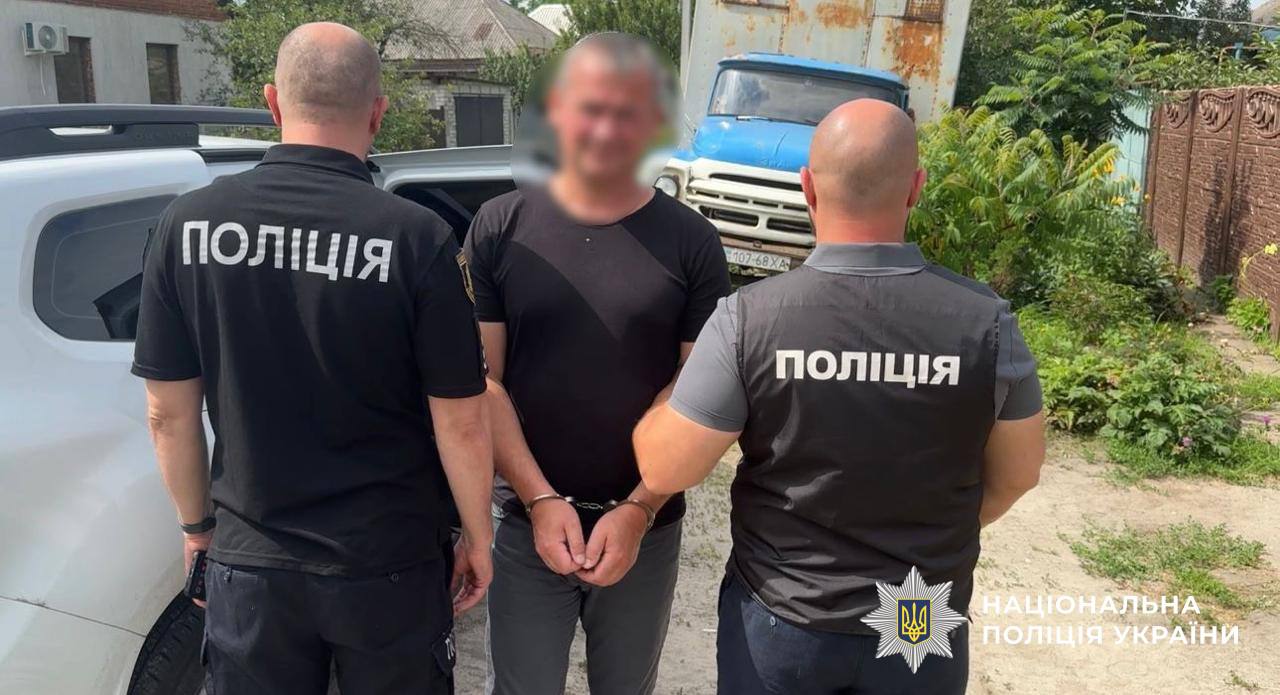
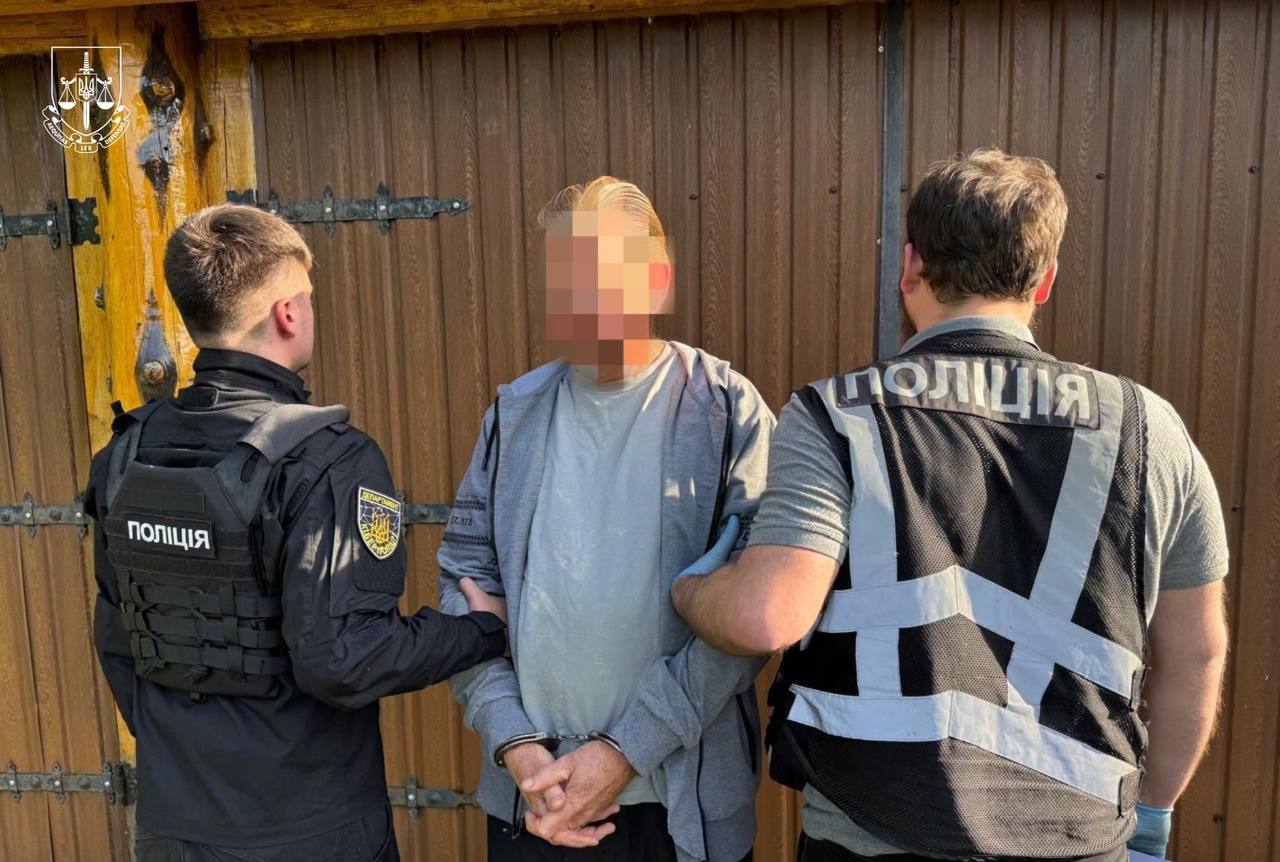
Ukrainian authorities have arrested a 66-year-old U.S. citizen who had been on the run for more than three decades, wanted for multiple child sex crimes committed in Arizona in the 1980s and early 1990s, Ukraine's Office of the Prosecutor General said on June 25.
The man — who has not been named — was detained in Kyiv Oblast in a joint operation coordinated by Ukrainian prosecutors in cooperation with Ukraine's Cyber Police Department, the FBI, and Ukraine's Ministry of Justice. He had been living in Ukraine under a false identity, using forged documents under the name of a Mexican citizen.
According to U.S. law enforcement, the suspect worked as the director of a preschool in Pima County, Arizona, and committed a series of sexual offenses against four children aged 4 to 9 between 1984 and 1991. Before sentencing by the Arizona Superior Court, he reportedly fled the U.S. and avoided prosecution for more than 30 years.
Ukrainian authorities located him using digital tools, including open-source intelligence analysis. He was found living in a house in Kyiv Oblast.
Following his identification, law enforcement carried out a search and arrested him at his residence. Prosecutors are currently preparing a request to a Ukrainian court for temporary arrest pending extradition.
According to U.S. officials, the man faces 15 counts under criminal law related to the sexual abuse of children.
Ukraine's Office of the Prosecutor General said it remains committed to international cooperation in criminal justice, particularly in extraditing individuals accused of grave crimes, including those involving the sexual exploitation of children.
Italy has pledged 1.5 million euros (approximately $1.6 million) to support humanitarian demining efforts in Ukraine, deepening its partnership with the United Nations Development Programme (UNDP) and the Ukrainian government. The agreement was formalized during a high-level ceremony in Kyiv on June 23 attended by Italian Ambassador Carlo Formosa, UN Assistant Secretary-General and new UNDP Administrator Haoliang Xu, Jaco Cilliers, Resident Representative of the UNDP in Ukraine, and Ukraine’s Fi
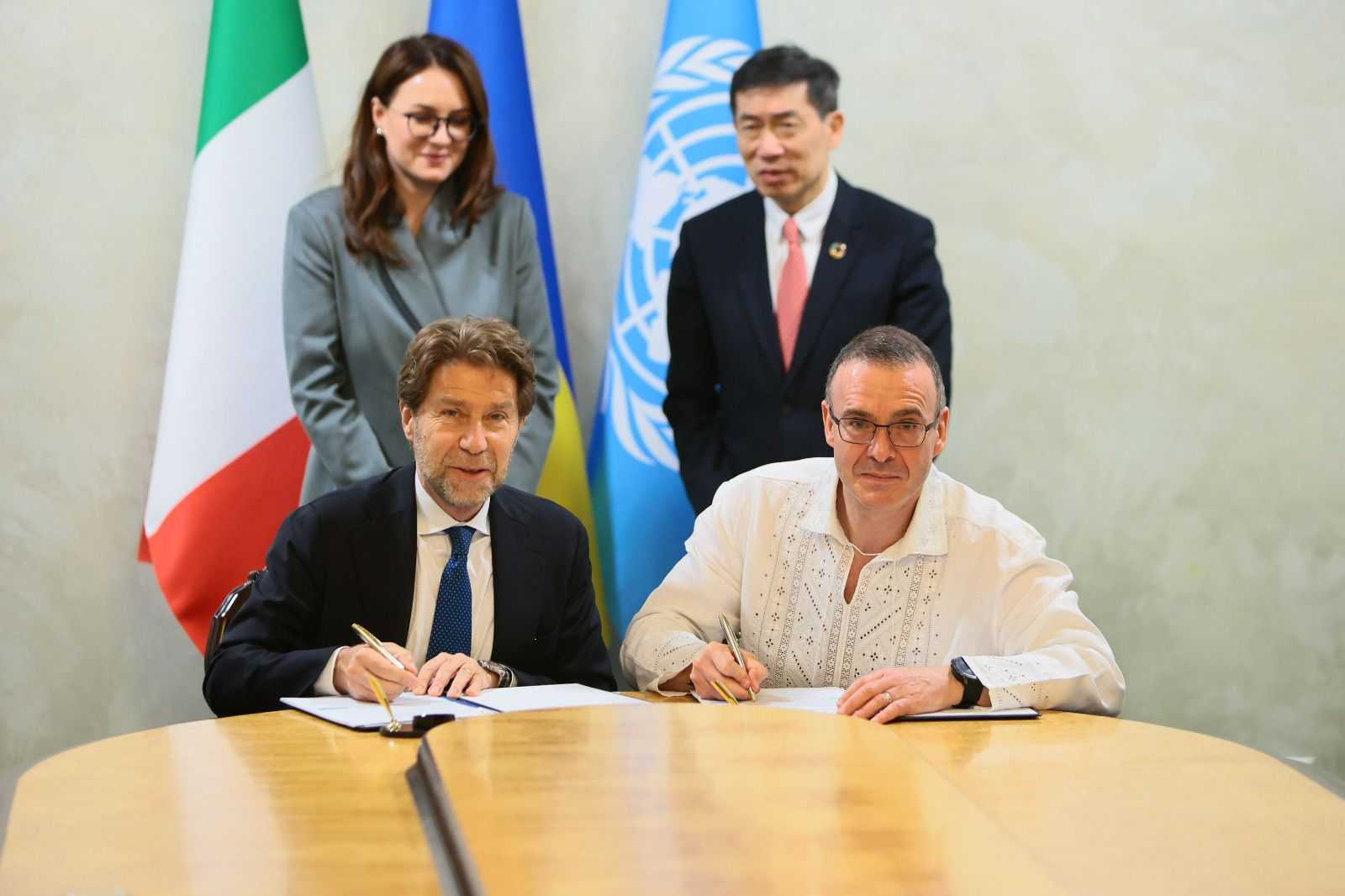
Italy has pledged 1.5 million euros (approximately $1.6 million) to support humanitarian demining efforts in Ukraine, deepening its partnership with the United Nations Development Programme (UNDP) and the Ukrainian government.
The agreement was formalized during a high-level ceremony in Kyiv on June 23 attended by Italian Ambassador Carlo Formosa, UN Assistant Secretary-General and new UNDP Administrator Haoliang Xu, Jaco Cilliers, Resident Representative of the UNDP in Ukraine, and Ukraine’s First Deputy Prime Minister and Economy Minister Yuliia Svyrydenko.
"Demining is not just a technical operation; it is a deeply humanitarian act that combines cooperation and innovation to restore hope in Ukraine," Ambassador Formosa said. "This project is not only a response to the emergency — it’s a step toward recovery. It’s about returning land to farmers, playgrounds to children, and safe roads to families."
The funding will support UNDP’s mine action program, which focuses on clearing land contaminated by mines and explosive remnants of war, ensuring the safe return of land to Ukrainian communities.
The initiative comes as Ukraine continues to grapple with one of the world’s largest demining challenges. According to the State Emergency Service, the total area of potentially mined land has been reduced by over 20% since late 2022. However, approximately 137,000 square kilometers (52,900 square miles) — much of it farmland — remain contaminated. Demining operations are carried out by the emergency service personnel, National Police, Ministry of Defense, and non-governmental organizations.
Currently, 112 certified demining operators, including eight international groups, are active in Ukraine, the State Emergency Service reported on June 24. Their combined capacity includes more than 9,000 personnel, 278 specialized vehicles, and over 13,000 metal detectors.
While significant progress has been made, Ukrainian officials stress that continued international support and funding are critical to accelerating clearance efforts.
As of June 2025, Ukraine has documented 366 cases of sexual violence committed in connection with Russia's full-scale war, the Foreign Ministry reported on June 19, citing data from the Prosecutor General's Office.The statement was published on the International Day for the Elimination of Sexual Violence in Conflict, marked every year on June 19. The victims include 231 women, 134 men, and 19 children. The documented crimes span rape, sexual torture, forced nudity, and other violent acts, many o
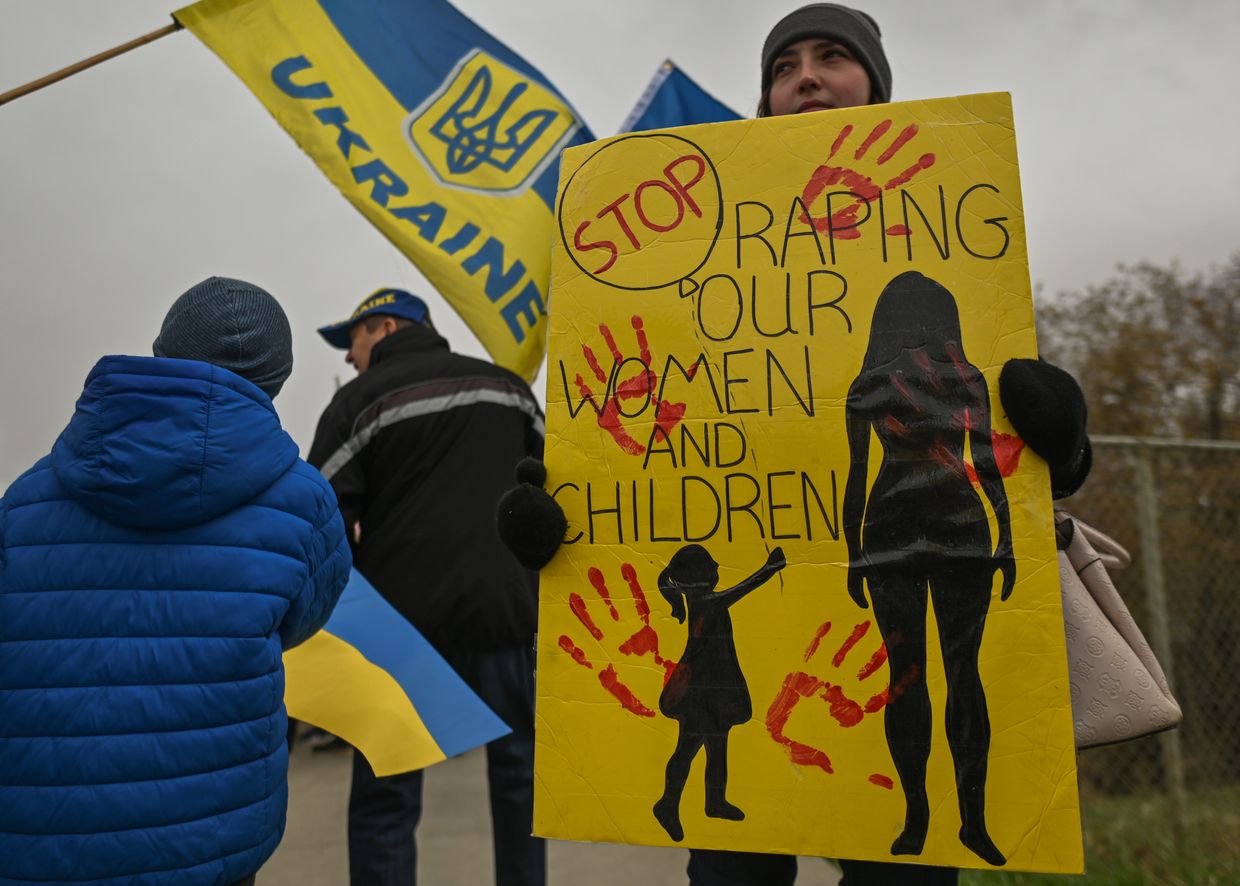
As of June 2025, Ukraine has documented 366 cases of sexual violence committed in connection with Russia's full-scale war, the Foreign Ministry reported on June 19, citing data from the Prosecutor General's Office.
The statement was published on the International Day for the Elimination of Sexual Violence in Conflict, marked every year on June 19.
The victims include 231 women, 134 men, and 19 children. The documented crimes span rape, sexual torture, forced nudity, and other violent acts, many of which occurred in occupied territories or during the early stages of Russia's invasion.
Sexual violence in conflict is prohibited under the 1949 Geneva Conventions and their additional protocols, which mandate the protection of civilians, especially women and children. It is also recognized as a war crime under international law.
Ukraine's Foreign Ministry said Russia is "grossly violating international humanitarian law" and the legal framework established by multiple U.N. Security Council resolutions.
The ministry said that Moscow has employed sexual violence "as a weapon of war" to terrorize civilians, destroy communities, and weaken resistance.
Ukraine's Permanent Representative to the United Nations, Sergiy Kyslytsya, raised the issue at the Security Council in April 2024, warning that such violence is being used against both civilians and prisoners of war.
In June 2024, the Kyiv Independent identified two Russian soldiers implicated in the rape of women during Russia's occupation of parts of Kyiv and Kherson oblasts in March 2022.
One of them, Mykola Senenko, was formally charged by Ukraine's Prosecutor General's Office for a rape committed in Kherson Oblast.
Ukraine's parliament on June 17 approved President Volodymyr Zelensky's nomination of 35-year-old Ruslan Kravchenko as the country's new prosecutor general, making him the youngest person to ever hold the post.Kravchenko, a former military prosecutor and most recently head of Ukraine's tax service, replaces Andrii Kostin, who stepped down in October 2024 following a scandal involving fraudulent disability claims by dozens of prosecutors in Khmelnytskyi Oblast.Lawmakers supported Kravchenko's app
Ukraine's parliament on June 17 approved President Volodymyr Zelensky's nomination of 35-year-old Ruslan Kravchenko as the country's new prosecutor general, making him the youngest person to ever hold the post.
Kravchenko, a former military prosecutor and most recently head of Ukraine's tax service, replaces Andrii Kostin, who stepped down in October 2024 following a scandal involving fraudulent disability claims by dozens of prosecutors in Khmelnytskyi Oblast.
Lawmakers supported Kravchenko's appointment with 273 votes in favor, according to Yaroslav Zheleznyak, an MP from the Holos party.
A native of Sievierodonetsk in eastern Ukraine, Kravchenko served as a military prosecutor in Crimea before leaving the peninsula after Russia's annexation in 2014. He was one of the prosecutors in the case of fugitive President Viktor Yanukovych.
Kravchenko will now lead the Prosecutor General's Office amid war, reforms, and heightened scrutiny of law enforcement bodies' work. His predecessor, Kostin, resigned after the media revealed that at least 50 prosecutors had allegedly received disability status fraudulently — a scandal that sparked widespread criticism.
The Prosecutor General's Office has played a central role in documenting Russian war crimes and enforcing anti-corruption efforts, especially since Russia's full-scale invasion began in February 2022.
Public trust in President Volodymyr Zelensky has dropped by 11 percentage points since May, according to a poll published by the Kyiv International Institute of Sociology (KIIS) on June 16.The survey found that 65% of Ukrainians currently trust the president, while 30% do not, yielding a trust balance of +35%, the lowest recorded since March. Zelensky's still rating remains above the February 2025 low of 57%. Sociologists can't pinpoint a specific cause for the short-term decline but highlight
Public trust in President Volodymyr Zelensky has dropped by 11 percentage points since May, according to a poll published by the Kyiv International Institute of Sociology (KIIS) on June 16.
The survey found that 65% of Ukrainians currently trust the president, while 30% do not, yielding a trust balance of +35%, the lowest recorded since March.
Zelensky's still rating remains above the February 2025 low of 57%.
Sociologists can't pinpoint a specific cause for the short-term decline but highlight factors such as increasing pressure for a ceasefire and the weakening of the surge of popular support seen earlier this year during tense relations with U.S. President Donald Trump.
Zelensky's approval had spiked briefly in early May to 74% following the signing of a minerals agreement with the U.S., seen as a diplomatic and economic win. That boost proved short-lived.
The poll shows a stark regional divide. Trust is highest in western Ukraine at 73%, while in the country's south and east, areas more frequently targeted by Russian strikes, only 61% express confidence in the president.
The data also shows a sharp contrast in attitudes toward territorial concessions. Among those who trust Zelensky, 55% are strongly opposed to any such compromise. Among those who distrust him, 46% are willing to cede territory, while only 43% are firmly against concessions.
The survey was conducted between May 15 and June 3, using a random sample of 1,011 adult residents across Ukraine, excluding occupied territories. Respondents were interviewed by phone.
President Volodymyr Zelensky proposed to the Verkhovna Rada the appointment of Ruslan Kravchenko as Ukraine's next Prosecutor General, Parliament Speaker Ruslan Stefanchuk said on June 16. Kravchenko, 35, currently heads the State Tax Service and is expected to be formally introduced to lawmakers during a faction meeting of Zelensky's Servant of the People party on June 17. A vote on his confirmation is expected the same day, according to lawmaker Yaroslav Zheleznyak.The nomination ends a six-mo
President Volodymyr Zelensky proposed to the Verkhovna Rada the appointment of Ruslan Kravchenko as Ukraine's next Prosecutor General, Parliament Speaker Ruslan Stefanchuk said on June 16.
Kravchenko, 35, currently heads the State Tax Service and is expected to be formally introduced to lawmakers during a faction meeting of Zelensky's Servant of the People party on June 17. A vote on his confirmation is expected the same day, according to lawmaker Yaroslav Zheleznyak.
The nomination ends a six-month vacancy at the top of Ukraine's prosecution service, following the resignation of Andriy Kostin in October 2024. First Deputy Prosecutor General Oleksiy Khomenko has served in an acting capacity since.
Kostin resigned amid a scandal involving prosecutors illegally obtaining disability status, which was discussed during a National Security and Defense Council meeting chaired by Zelensky.
Kostin later admitted to "many shameful facts of abuse" within the prosecutor's office.
Kravchenko, a native of Sievierodonetsk in Luhansk Oblast, has held several senior roles in law enforcement and regional government. He previously served as head of the Kyiv Regional Military Administration and led the Bucha District Prosecutor's Office.
He is best known for serving as the lead prosecutor in the treason case against exiled pro-Kremlin former President Viktor Yanukovych, who was convicted of aiding and abetting Russia's war against Ukraine.
If confirmed, Kravchenko will take over an office tasked with overseeing wartime prosecutions, including war crimes investigations and anti-corruption efforts linked to Ukraine's ongoing reforms.
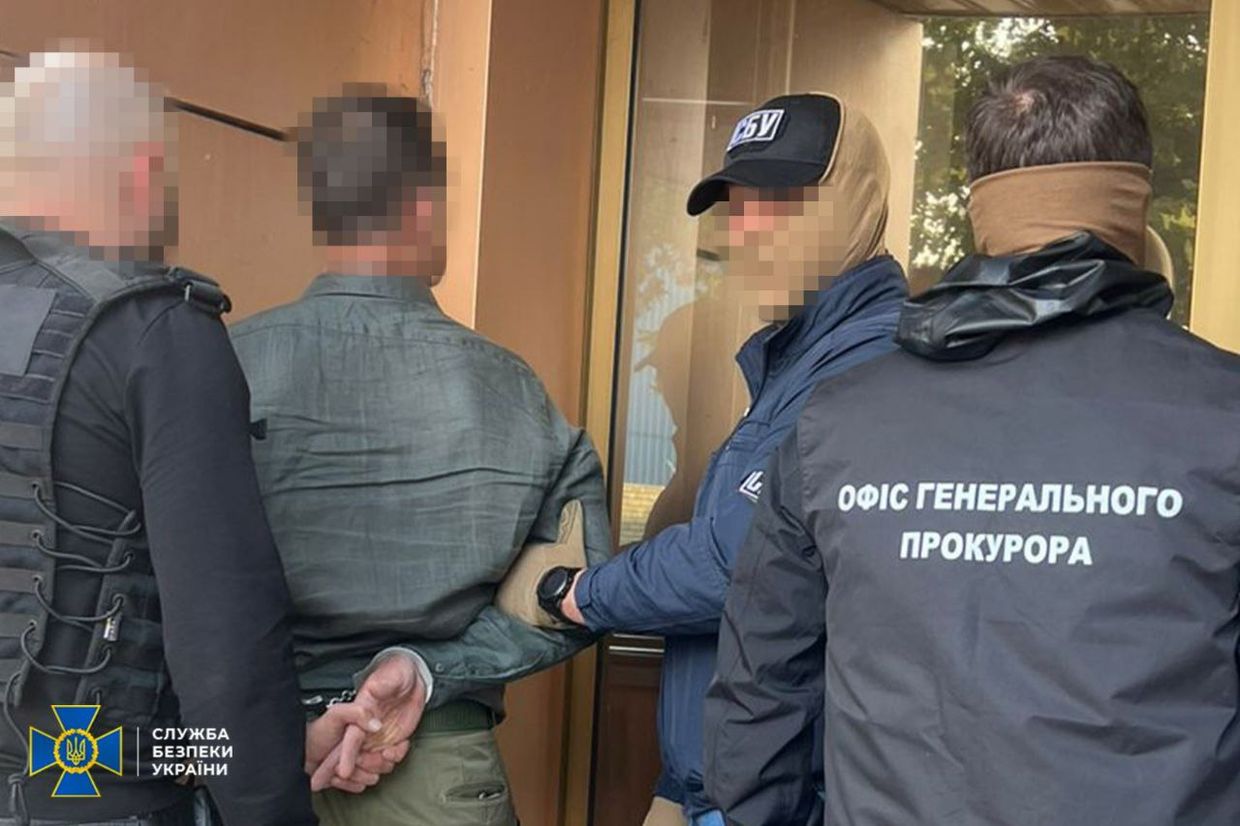
The Security Service of Ukraine (SBU) has arrested two individuals in Kyiv accused of attempting to extort $200,000 from a European defense company, potentially jeopardizing the delivery of electronic warfare (EW) systems to Ukraine's military, the SBU reported on June 14.The suspects allegedly demanded the payment in exchange for facilitating the successful testing and adoption of five radio electronic warfare systems provided to Ukraine at no cost, according to statements released by the SBU a
The Security Service of Ukraine (SBU) has arrested two individuals in Kyiv accused of attempting to extort $200,000 from a European defense company, potentially jeopardizing the delivery of electronic warfare (EW) systems to Ukraine's military, the SBU reported on June 14.
The suspects allegedly demanded the payment in exchange for facilitating the successful testing and adoption of five radio electronic warfare systems provided to Ukraine at no cost, according to statements released by the SBU and the Prosecutor General's Office.
The devices, supplied by a private foreign manufacturer, were financed by Ukraine's international partners. The producer had already delivered five systems to Ukraine, with additional contracts possible if the equipment performed well in combat conditions, the SBU said.
According to investigators, the suspects falsely claimed to have influence within Ukraine's Defense Ministry and promised to use their connections to ensure positive evaluations of the equipment.
"Under the guise of having contacts within the ministry, the men demanded $200,000 from the company in exchange for ensuring no obstacles during official trials of the equipment," the Prosecutor General's Office said in a statement.
Both men have been formally charged under Ukraine's Criminal Code for alleged obstruction of the Armed Forces and receiving unlawful benefits through influence peddling. The charges carry a possible sentence of up to eight years in prison and asset confiscation.
The arrests were made as part of a broader investigation led by the SBU and conducted under the procedural oversight of the Specialized Defense Prosecutor's Office. Authorities say the investigation is ongoing to identify all individuals involved.
Ukraine continues to rely heavily on international military assistance as it defends against Russia's full-scale invasion, now in its fourth year. Ukraine uses EW systems during Russian attacks on its cities and on the front line.
Kyiv and its Western partners launched an electronic warfare coalition in April, which consists of 11 countries and comes on top of other eight Western coalitions to support Ukraine. Other similar initiatives include an artillery coalition, a fighter jet coalition, and a demining coalition, organized within the framework of the Ramsteinformat.

 Connexion