In CNN Interview, Woman Details Alleged Sexual Assault by Graham Platner

© Sophie Park for The New York Times


© Sophie Park for The New York Times


© Eric Lee for The New York Times


© Sophie Park for The New York Times


© Eric Lee for The New York Times


© Sophie Park for The New York Times


© Emily Elconin for The New York Times; Nick Hagen for The New York Times


© Andrew Testa for The New York Times


© Jose Juarez/Associated Press


© Haiyun Jiang for The New York Times


© Matthew Hinton/Associated Press


© Jenn Ackerman for The New York Times


© Paul Sancya/Associated Press


© Nathan Howard/Reuters; Kenny Holston/The New York Times


© Tierney L. Cross/The New York Times


© Philip Cheung for The New York Times


© Alex Kent/The New York Times


© Rebecca Slezak/Associated Press


© Edison Wu/The New York Times


© KC McGinnis for The New York Times


© Allison Robbert for The New York Times


© Chet Strange for The New York Times


© Chet Strange for The New York Times


© Cheney Orr for The New York Times


© Brice Tucker/The Greeley Tribune, via Associated Press


© Antranik Tavitian for The New York Times; Callaghan O'Hare for The New York Times


© Sophie Park for The New York Times; Tierney L. Cross/The New York Times


© Elizabeth Frantz/Reuters


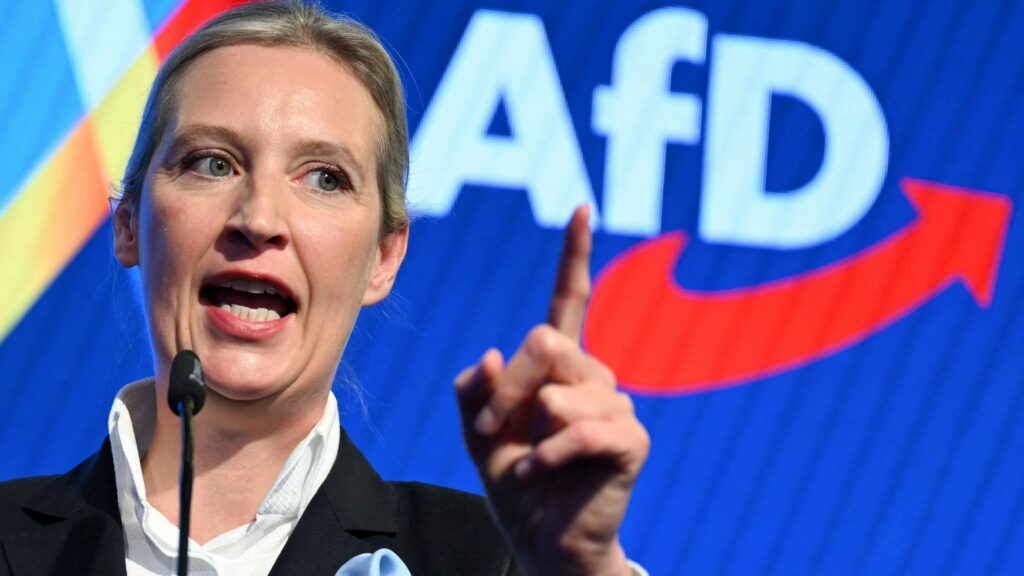
Alternative for Germany (AfD) leader Alice Weidel pledged to end Germany's boycott of Russian oil and restore ties with Moscow if she becomes Chancellor. Her statements came ahead of two East German state elections in September that her party is currently expected to win, and after over 12 years of the war Russia has waged against Ukraine, Reuters reports.
Weidel's pitch positions cheap Russian oil and gas as the centerpiece of an AfD recovery plan. She told Reuters she sees AfD in the Chancellery "either at the next elections or the ones after," with September votes in Saxony-Anhalt and Mecklenburg-Western Pomerania as the springboard.
The AfD currently leads polls in both East German states. The party also remains under-documented scrutiny by German intelligence for pro-Russia ties.
"The loss of this energy set us back by years. Hundreds of thousands of jobs were lost. It made us dependent on the US, which sells us energy at much higher prices," Weidel said.
The AfD leader's framing reverses Berlin's official position that Russian energy dependency was the strategic vulnerability the country needed to eliminate after Russia's 2022 war against Ukraine.
Germany's pre-war reliance on Russian gas, around 55% of total gas imports, was repeatedly named by federal officials as the cause of Berlin's slow initial response to the war.
Weidel told Reuters that the AfD victory in the September state elections would be a milestone on the path to national governance.
"If we win in Saxony-Anhalt, Mecklenburg-Western Pomerania will likely follow. I see Alternative for Germany in the Chancellery either at the next elections or the ones after," she said.
Germany's Federal Office for the Protection of the Constitution (BfV) officially classified the AfD as a right-wing extremist organization in May 2025, though the classification was suspended pending a court challenge, per Euromaidan Press. AfD lawmakers have separately been suspected of feeding sensitive Bundeswehr data to Russian intelligence.
In April 2026, the AfD endorsed the restoration of Russian-language teaching in German schools, per UNIAN.


© Edison Wu/The New York Times


© Katie Holmlund/Associated Press; Eric Lee for The New York Times


© Chet Strange for The New York Times; David Zalubowski/Associated Press


© Anthony Nino De Guzman/Agence France-Presse — Getty Images


© Stephen Speranza for The New York Times


© Kenny Holston/The New York Times


© Chet Strange for The New York Times


© Ash Ponders for The New York Times


© Edmund D. Fountain for The New York Times


© Toby Shepheard/Agence France-Presse — Getty Images


© Cheney Orr for The New York Times

Viktor Orbán, Hungary’s prime minister since 2010, faces an election dogfight. Behind in the polls, he has been effectively endorsed by both the Kremlin and the White House, and a host of conservative world leaders. As wars in Iran and Ukraine exacerbate the fissures that have weakened NATO, as well as the U.S.’s relationship with the European Union, this is an election that is being followed with bated breath in Washington, Moscow, Kyiv and Brussels.
Before the elections on April 12, a scandal engulfed the Hungarian government. On leaked recordings, foreign minister Péter Szijjártó can be heard deferentially acquiescing to his Russian counterpart Sergey Lavrov and passing on information from EU meetings. Szijjártó appeared willing to help the Kremlin’s cause in Brussels, to remove oligarchs and their relatives from the EU blacklist, and to block efforts to aid Ukraine. Hungary’s advocacy for the Kremlin’s agenda culminated in its recent veto of fresh sanctions on Russia and over $100 billion in loans to Ukraine. On X, Polish prime minister Donald Tusk wrote that while “Hungary is and will be in the European Union, Victor Orbán and his foreign minister left Europe long ago.” And the Irish taoiseach Micheál Martin described Szijjárto’s calls with Lavrov as both “sinister” and “alarming.”
Szijjárto alleged that “foreign intelligence services, with the active involvement of Hungarian journalists, have been intercepting my phone calls.” It is a plot, the Hungarian government claims, to influence the upcoming polls. Orbán directly blames Ukraine for seeking to unseat his government. The opposition, led by Peter Magyar, has a healthy lead in the polls and describes the Hungarian government’s closeness to the Kremlin as “treason.” According to European intelligence reports, Moscow sent a three-person team to Hungary, overseen by Putin confidant Sergei Kiriyenko who ran an operation to interfere in the Moldovan election back in September. His tactics encompassed “vote-buying networks, troll farms, and on-the-ground influence campaigns.” A Kremlin-linked media consultancy, facing EU sanctions, was hired to dismiss Magyar as a Brussels stooge and portray Orbán as the only candidate strong enough to to be treated as an equal by world leaders, as evidenced by the strength of his relationship with Trump.
Despite a war with Iran that doesn’t appear to be going entirely to plan, the U.S. president took time out to back Orbán with enthusiasm and at considerable length on Truth Social. Trump said Orbán was “a true friend, fighter, and WINNER.” JD Vance, the vice president, is scheduled to visit Hungary on April 7, just five days before the election. And secretary of state Marco Rubio went to Hungary in February. It is now part of the U.S. National Security Strategy to work towards “cultivating resistance to Europe’s current trajectory within European nations.” To that end, notes the U.S. government, “the growing influence of patriotic European parties indeed gives cause for great optimism.” Orbán speaks MAGA’s language on immigration, traditional values and the Christian essence of Western societies. He is, like Putin and Trump, in MAGA’s view, an implacable opponent of secular, progressive, globalist politics as symbolised by Brussels.
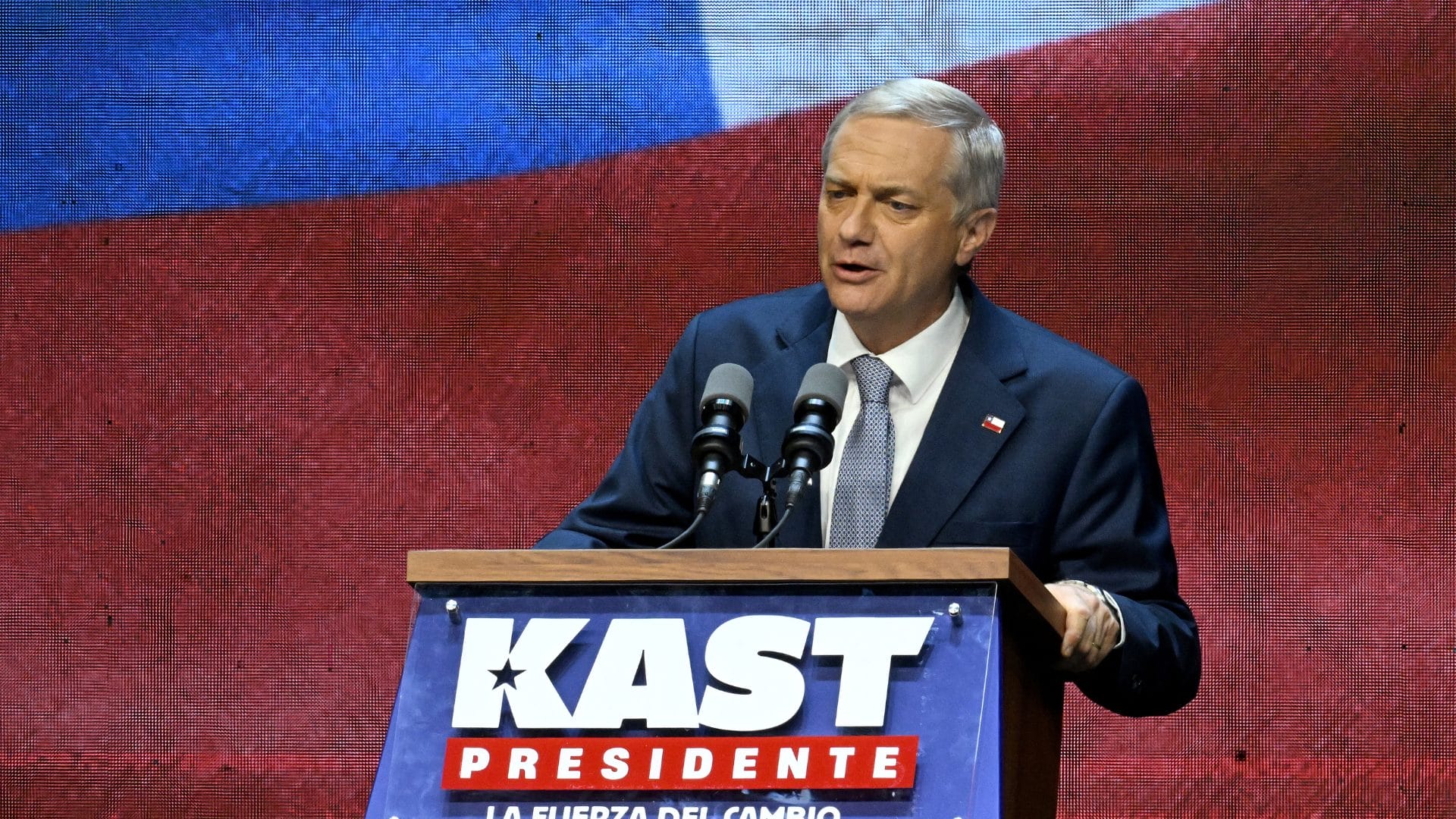
Orbán, the longest serving current head of government in the EU, has become a figurehead for populist, nationalist movements across the world. The recent CPAC Hungary summit was attended by several of these leaders including France’s Marine Le Pen, Italian deputy prime minister Matteo Salvini, and the Netherlands’ Geert Wilders,who called Orbán “a lion on a continent led by sheep.” Latin American leaders close to Trump , including Javier Milei of Argentina and Jose Antonio Kast of Chile, also attended. Milei, who gave the longest speech at the summit, said Orbán was “a beacon for all… who refuse to accept that the West's destiny is one of managed decline.” This international network, with the United States and Russia included, has a vested ideological interest in seeing Orban continue to remain a thorn in the EU's side.
But what can Brussels do? The answer, it appears, is not much. The EU is consensus driven; it needs all its parts to act in concert, giving holdouts like Orbán considerable power to hold the whole bloc hostage. But given Orbán’s prominence as an ideologue, when Hungary blocks sanctions or delays support for Ukraine, it is more than a single nation going rogue. Alice Weidler, co-chair of the far-right AfD, the largest opposition party in the German Bundestag, was among those who spoke at the CPAC Hungary conference last month. Robert Fico, prime minister of Slovakia, is an Orbán ally. On April 19, Bulgaria will have its eighth general election in just five years. Former president Rumen Radev’s new Progressive Party leads the polls and shares Orbán’s pro-Kremlin, anti-EU inclinations.
So polarized is the Hungarian election, that right wing groups are deploying their own observers from Argentina, Austria, the Czech Republic, Kenya, Poland, Germany, Italy, Spain, Serbia, Tanzania and the United States to monitor proceedings. EU observers have said the Hungarian government controls the national media and a recent documentary alleges that a desperate government is resorting to vote-buying, gerrymandering and intimidation tactics. It’s hard to see how either Orbán or Magyar will accept the election result without protest, unless the margin is crushing. But, given Trump’s disdain for NATO allies and the EU, an Orbán election defeat would be a much-needed victory for European unity.
A version of this story was published in this week’s Coda Currents newsletter. Sign up here.
John Shattuck
Phineas Rueckert
Katia Patin
The post How much longer will Orbán be Putin and Trump’s man in Brussels? appeared first on Coda Story.

I like writing about the huge consequences of tiny details: a compromise made at a G7 meeting in 1989 by people who didn’t know what they were doing that now defines all anti-money laundering work; an opportunist deal among London bankers in the mid-1950s which created the globalized financial system; things like that (read my books if you want more.)
Few tiny details are more consequential than the rules around democratic processes, and particularly those that define who pays for them: just look at the effects of the U.S. Supreme Court’s decision in a dull-sounding case in 2010. A lot of other democracies are looking at the U.S. right now and thinking they’d like to avoid replicating this experiment with endless money, which is one reason why the UK has a new ‘Representation of the People Bill’.
As it stands, it looks like a big missed opportunity.
Much of the requirement for the tighter rules proposed in the bill is the need to tackle foreign interference, a concern stoked by suggestions that the Kremlin helped secure victory for both Brexit and Donald Trump in 2016. Although I can see why we don’t want Vladimir Putin near our political systems, I’ve always thought these concerns missed the point: home-grown oligarchs dislike democracy as much as Russian ones do and, since they are more numerous, richer and far better-connected, we should worry about them more.
So, it is a great shame that the UK’s new bill hasn’t imposed a cap on political donations to prevent the kind of funding arms race that has infected the United States, and which is gearing up in the UK too, or stripped away a lot of the unnecessary complexity in the existing regulations that create the kind of loopholes exploited in the Brexit referendum. Most importantly, it has failed to address the growing threat of cryptocurrencies and impose the same kind of ban on crypto donations that Ireland has.
A democracy is sovereign, and a crucial defence of that sovereignty is ensuring only actual voters fund its operations. British law enforcement agencies acknowledge that they already don’t have the resources they need to keep up with what bad actors are doing with crypto, so why would politicians take the risk of allowing crooks to buy influence by making it easier for them to hide what they’re doing?
“If you put an element of crypto in what is already a complicated and sometimes lengthy trail to hide the true source of the funds, you are just adding another layer of complexity. Anything we can do to take away that friction is good,” said Rachael Herbert, director of the National Economic Crime Centre, to a parliamentary committee.
It is not too late to close this gap in the bill, and to prevent it from becoming one of those little details with huge consequences. Blocking cryptocurrencies will not solve the problem caused by oligarchs’ assault on democracy, but at least it would help not make it worse, and it is always easier to mend things before they break.
On that note, credit to Daniel Lobo-Lewis for trying to use some of the mechanisms of the unregulated U.S. political funding system for a good cause (“Give us money to get money out of politics. It makes sense if you don't think about it too hard”) by creating the political integrity project. He’s built a tracker so you can see how much cash different candidates have raised, and which of them have pledged to try to get money out of politics, and it’s a lot of fun to play around with.
Here’s what it looks like when there is unfettered money in politics. Lobbyists for crypto firms are planning to spend $263 million on the midterm elections this year. That is not only more than the entire oil and gas industry spent in 2024, but more than double the total spent by all parties in the UK’s last general election. This is not healthy.
I’ve largely avoided writing about the Jeffrey Epstein revelations, because I don’t feel like I have anything to add to what everyone else has already said, but they do spectacularly demonstrate the size of the threat posed to girls in particular and society in general when the political, cultural, financial and economic elites of a country become entangled, give each other money, do each other favours, and generally take over the world.
Preventing this kind of collusion is why it’s important to keep big money out of politics, so at least there is a source of power in society that’s independent of the oligarchs.
While on the subject of human trafficking, Chainalysis has produced this alarming report on how crypto helped traffickers move their profits last year, including from child sexual abuse material (CSAM), with a staggering 85% increase in them dong so over 2024.
“CSAM networks have evolved to subscription-based models and show increasing overlap with sadistic online extremism (SOE) communities, while strategic use of U.S.-based infrastructure suggests sophisticated operational planning,” the report notes.
The report gives more evidence for how Chinese money laundering networks based in Southeast Asia are using cryptocurrencies to expand their influence globally (as they also are in fraud), with business deals coordinated via the encrypted messaging app Telegram, and laundered via sophisticated techniques beyond the reach of law enforcement even at the best of times.
And this is not the best of times, what with the United States having abdicated its traditional role as the only country serious about investigating, prosecuting and convicting financial criminals.
“Enforcement is now solely in Washington’s hands, allowing politically driven cases to proceed or be stifled,” noted John Lothian in this scathing commentary contextualised by the FT. “Given the pardons issued by President Trump, there has never been a better time to be a crook. This chaotic formula for enforcement is a disaster or a cluster of disasters waiting to happen, given the explosive growth in retail futures trading, prediction markets, and legitimized crypto trading… ‘God help us’ is the last defence.”
A version of this story was published in this week’s Oligarchy newsletter. Sign up here.
The post Why we must make elections cheap again appeared first on Coda Story.


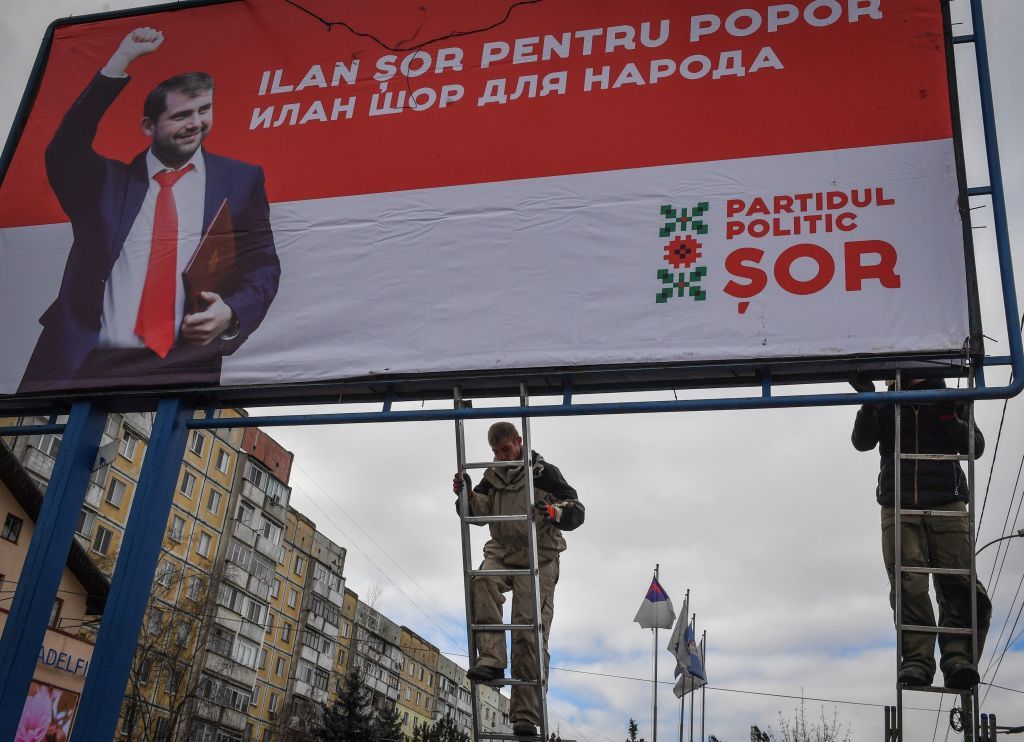
Moldova's Victory bloc, a pro-Russian political alliance, plans to participating in the country's September parliamentary elections, the bloc's founder Ilan Shor announced on July 6.
Shor, an exiled pro-Kremlin oligarch, established the Victory bloc in August 2024. The bloc includes his own Shor party, which is banned in Moldova.
Victory will submit documents in the coming days registering the bloc for participation in the September vote, Shor said.
"Our main goal in these elections is to overthrow the fascist regime and hold early democratic elections within the next six months," Shor said.
The candidate list will be headed by Evghenia Gutul, the head of Moldova's Gagauzia region, who is currently on trial for illegally funding the banned Shor party. Gutul maintains ties to Moscow and is currently under U.S. sanctions.
The upcoming September elections carry high stakes for Moldova, one of the pooerest countries in Europe. Moldovan President Maia Sandu said on July 4 that Chisinau's European path rests on the outcome of the vote.
European Commission President Ursula von der Leyen pledged on July 4 that the European Union will help Moldova defend itself against hybrid threats by "agents of autocracy" as elections approach.
Moldova was granted EU candidate status in 2022. Sandu's ruling Party of Action and Solidarity aims to maintain its parliamentary majority and move the country closer to full membership by 2030.


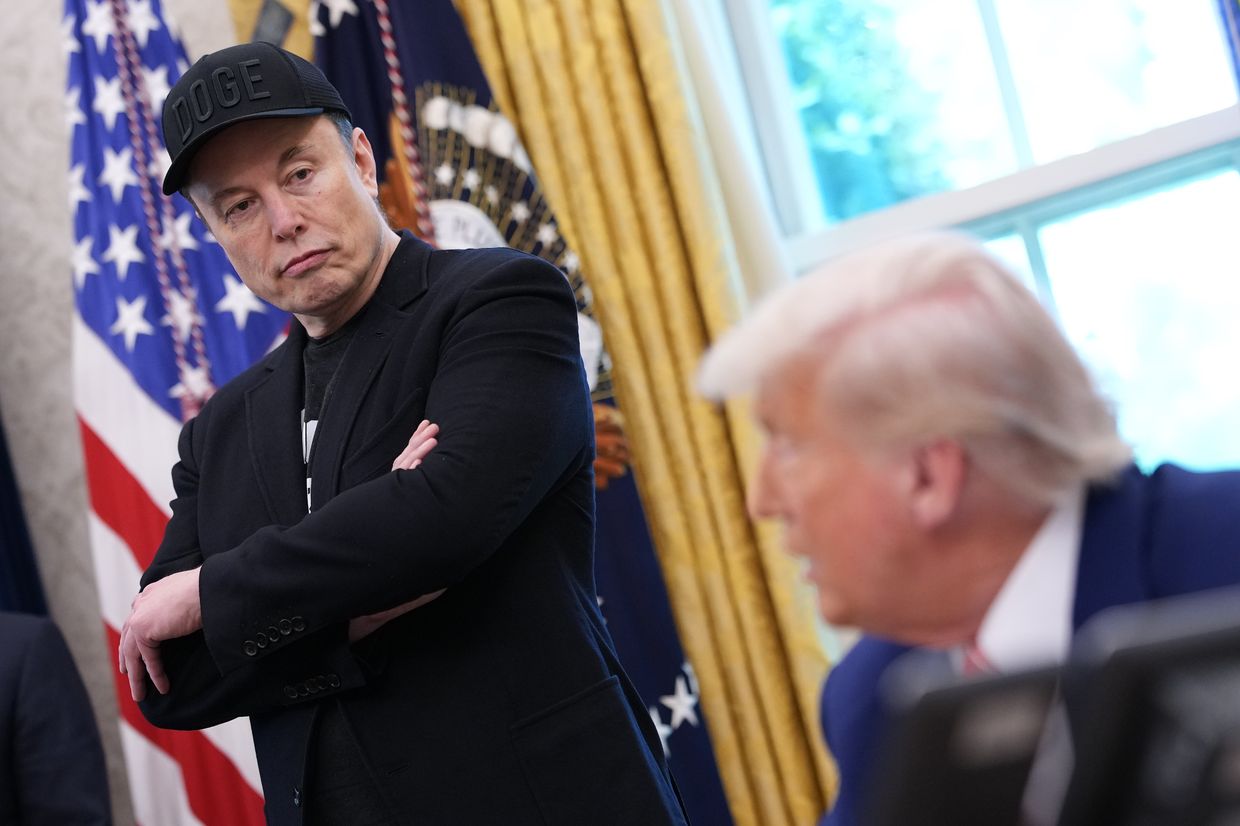
Weeks after a high-profile public falling out with U.S. President Donald Trump, tech mogul Elon Musk announced the creation of a new political party in the United States, dubbed the "America Party."
Musk said on July 5 that the party's aim is to "give you back your freedom" and challenge the traditional two-party Republican and Democratic system.
The announcement came a day after Trump signed his sweeping tax cut and spending bill into law, a legislative act that Musk has fiercely opposed. It remains unclear if the America Party has been formally registered with election authorities, but Musk indicated it would launch "next year."
Musk's decision follows a poll he conducted on X on July 4, asking his followers if he should create a new political party.He cited the overwhelming support, writing: "By a factor of 2 to 1, you want a new political party and you shall have it! When it comes to bankrupting our country with waste & graft, we live in a one-party system, not a democracy."
The strained relationship between Musk and Trump began to deteriorate significantly after a period where Musk publicly supported Trump's re-election bid and held a high-profile role in the U.S. government's Department of Government Efficiency (DOGE).
In May, Musk announced his departure from DOGE, citing the end of his "scheduled time." Initially, Trump praised him as "one of the greatest business leaders and innovators the world has ever produced."
However, tensions escalated sharply on May 22 after the U.S. House of Representatives passed the "One Big Beautiful Bill Act," a significant tax-cut and spending bill that Trump signed into law on Friday.
Musk vehemently condemned the legislation, calling it a "massive, outrageous, pork-filled Congressional spending bill is a disgusting abomination." He argued that the bill's spending would exacerbate the "already gigantic budget deficit" and "burden American citizens with crushingly unsustainable debt."
Adding to the friction earlier this week, Trump threatened to cut off billions of dollars in federal subsidies to Musk's companies and even hinted at the possibility of deporting the South Africa-born entrepreneur.


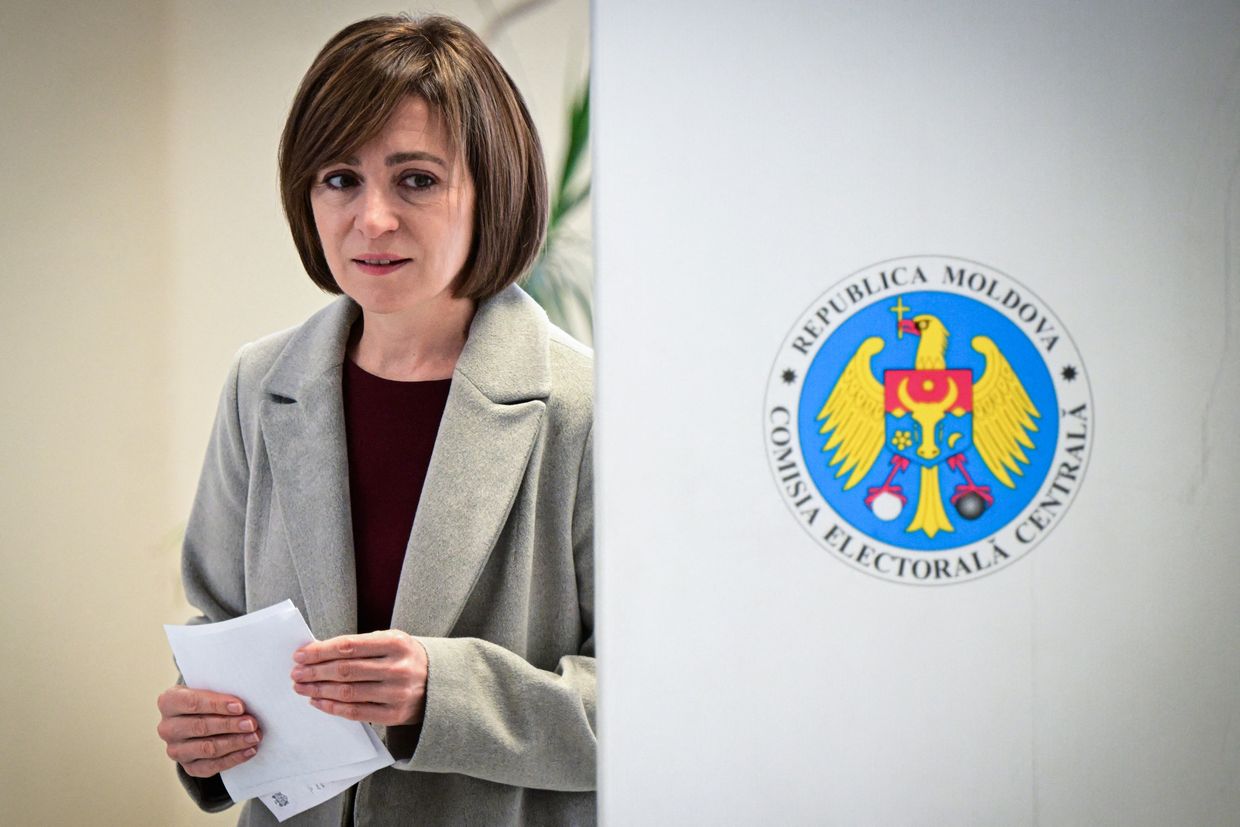
Moldovan President Maia Sandu said on July 4 that her country's European Union aspirations depend on Moldovan citizens as a crucial September 28 election approaches.
Sandu hopes her pro-European Party of Action and Solidarity (PAS) will retain its parliamentary majority, paving the way for Moldova, one of Europe's poorest nations, to join the EU by 2030.
Sandu made her remarks at the conclusion of the 27-nation bloc's inaugural summit with Moldova. Her PAS party faces a challenge from the pro-Russian Socialist Party and its allies in the upcoming election. Sandu secured re-election last year by a narrow margin against a Socialist challenger in the ex-Soviet state, located between Ukraine and Romania. A referendum seeking public backing for EU membership also just barely surpassed a 50% majority.
"Prosperity and peace do not occur for nothing, you have to build them. With collective effort and unity. When citizens are united and choose the correct path and proceed along it," Sandu told a news conference after the summit. "The European Union is already happening here. The only risk is if we stop. If we decide this autumn that nothing will stop us, then everything is possible."
Sandu and her party have condemned Russia's invasion of Ukraine and accuse Moscow of destabilizing Moldova. Russia, in turn, claims many Moldovans desire to maintain ties with Moscow and accuses Sandu of fostering Russophobia.
Opinion polls suggest that no single party will likely secure a parliamentary majority. If no majority emerges, pro-European parties would need to engage in coalition talks.
At the summit, which included European Commission President Ursula von der Leyen and European Council head Antonio Costa, the EU announced the disbursement of the first €270 million ($318 million) tranche of an Economic Growth Plan for Moldova.