Vue normale

  • ✇Euromaidan Press
  • Kazakh refinery deal could ease Russia’s front-line fuel pressure—but it covers just 0.3% of demand
    Kazakhstan’s privately owned Kondensat refinery will process Russian crude and return about 70% of the resulting petroleum products to Russia, Kazakh Energy Minister Yerlan Akkenzhenov said on 25 August, Radio Liberty reported. Based on figures reported by Radio Liberty, the roughly 70% of Kondensat’s maximum gasoline output bound for Russia would amount to about 0.3% of the country’s daily summer gasoline demand. That makes the arrangement a limited stopgap rather than
     

Kazakh refinery deal could ease Russia’s front-line fuel pressure—but it covers just 0.3% of demand

2 septembre 2026 à 14:04

Kazakh President Kassym-Jomart Tokayev and Russian President Vladimir Putin walk past an honor guard in Astana, Kazakhstan, on 27 November 2024.

Kazakhstan’s privately owned Kondensat refinery will process Russian crude and return about 70% of the resulting petroleum products to Russia, Kazakh Energy Minister Yerlan Akkenzhenov said on 25 August, Radio Liberty reported.

Based on figures reported by Radio Liberty, the roughly 70% of Kondensat’s maximum gasoline output bound for Russia would amount to about 0.3% of the country’s daily summer gasoline demand. That makes the arrangement a limited stopgap rather than a solution. John Roberts of the Atlantic Council nevertheless told the outlet that even small additional supplies could help during an acute shortage, including at the front: “It helps, but it doesn’t solve the problem.”

Ukrainian drone strikes have knocked dozens of Russian refineries offline in recent months, forcing Moscow to restrict fuel exports and reimpose rationing, Radio Liberty reported. Gasoline caps returned to Moscow and St. Petersburg in August, while Rosneft reportedly limited fills to 30 liters per car at every station nationwide.

Kondensat has processed Russian oil before. The refinery began handling supplies delivered through Tatneft’s TANECO refinery in 2024, when Kazakhstan and Russia agreed to permit exports of fuel produced from Russian feedstock back to Russia. The arrangement was renewed in 2025, according to Radio Liberty.

Central Asia has no spare refining capacity that could materially change Russia’s situation, Ukrainian energy analyst Hennadiy Riabtsev told Radio Liberty’s Schemes project. Possible contributions from Kazakhstan, Kyrgyzstan, India, China, and Belarus would remain a drop in the ocean for the Russian market, he said.

Prospective suppliers also understand that Russian fuel demand supports the war effort and that assisting Moscow could carry sanctions risks, Ukraine’s presidential sanctions commissioner, Vladyslav Vlasiuk, told Schemes. Kyiv therefore does not expect a queue of countries willing to supply Russia with petroleum products, he said.

Russia’s fuel shortage gives Kazakhstan room to bargain

Russia’s shortage has spread from gas station queues to farming and public transport, with fuel-sale restrictions officially covering more than 40 regions by July, Euromaidan Press reported, citing The Moscow Times. Moscow’s export restrictions have also raised prices and tightened supplies across Central Asia.

Yet Russia’s growing dependence gives Kazakhstan additional bargaining room. Ukrainian strikes have previously prompted Russian retailer Wildberries to expand its warehousing operations in Kazakhstan, while Astana has promoted domestic competitors.

Summit With Russia, India and Iran Shows Leverage Wars Have Given Xi of China

31 août 2026 à 16:11
A two-day conference of the 10-nation Shanghai Cooperation Organization in Kyrgyzstan shows the limits of U.S. economic warfare.

© Pavel Mikheyev/Reuters

Xi Jinping, the Chinese leader, center, and the Kyrgyz president, Sadyr Japarov, left, during a welcoming ceremony in Bishkek, Kyrgyzstan, on Monday.
  • ✇Euromaidan Press
  • Ukraine’s refinery strikes push Russia’s fuel crisis into Central Asia
    Gasoline prices have risen roughly 10–13% in Tajikistan, Kyrgyzstan, and Uzbekistan as Russia restricts exports after Ukrainian strikes on its refineries, Kazakh economist Aidar Alibayev estimated in a 20 August interview with Current Time. He did not specify the comparison period. Earlier Ukrainian attacks disrupted Kazakhstan’s crude exports through Russia’s Black Sea ports. Strikes at refineries are creating a different kind of squeeze: Russia has less gasoline avail
     

Ukraine’s refinery strikes push Russia’s fuel crisis into Central Asia

20 août 2026 à 10:54

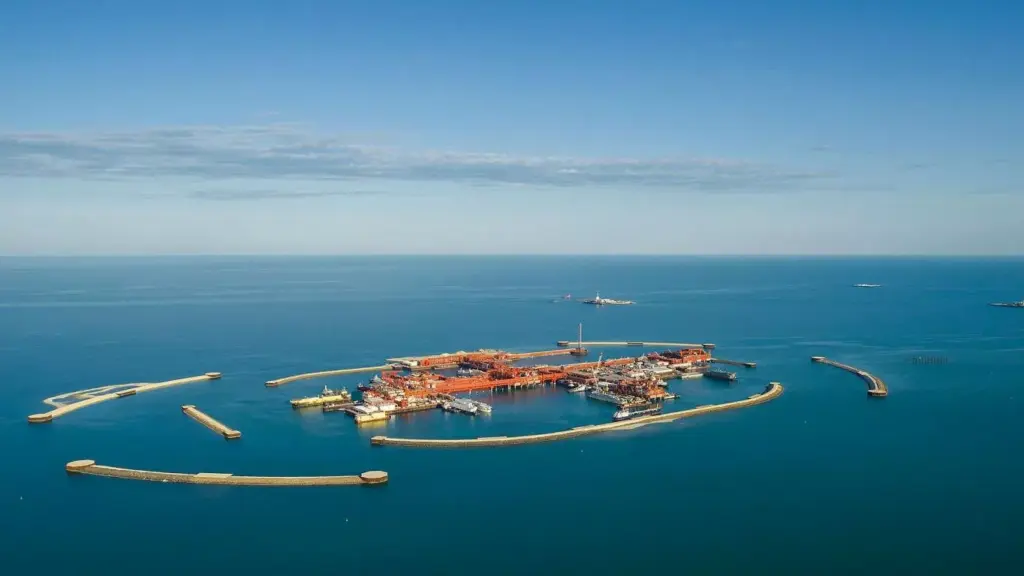
Aerial view of Kazakhstan’s Kashagan offshore oil field, surrounded by breakwaters in the Caspian Sea.

Gasoline prices have risen roughly 10–13% in Tajikistan, Kyrgyzstan, and Uzbekistan as Russia restricts exports after Ukrainian strikes on its refineries, Kazakh economist Aidar Alibayev estimated in a 20 August interview with Current Time. He did not specify the comparison period.

Earlier Ukrainian attacks disrupted Kazakhstan’s crude exports through Russia’s Black Sea ports. Strikes at refineries are creating a different kind of squeeze: Russia has less gasoline available to dependent neighbors. Tajikistan and Kyrgyzstan are seeking other suppliers, while Kazakhstan could face growing pressure if the shortages persist.

Tajikistan has been hit hardest because it depends heavily on Russian fuel and has the region’s most difficult delivery routes, Alibayev said. He estimated gasoline prices there had risen 12–13%. Current Time reported that Tajikistan is exploring supplies from China; Alibayev said it was also turning to Iran.

Kyrgyzstan, which sources more than 90% of its gasoline from Russia, asked its neighbors, Azerbaijan and Kazakhstan, as well as other countries, for help. Current Time reported that a deputy prime minister said its reserves would last about six weeks. Alibayev estimated prices had climbed around 10%, compared with 11–11.5% in Uzbekistan, which he estimated gets half its fuel from Russia.

In Uzbekistan, Alibayev estimated that fuel prices had risen by about 11% and said the country gets about half of its fuel from Russia.

Russia extended its gasoline and diesel export restrictions through 31 January 2027 as shortages mounted. Intergovernmental and humanitarian shipments remain exempt, while diesel producers regain some export rights from 1 September. Current Time also reported that Russian companies had begun buying gasoline from Belarus.

Kazakhstan is better insulated than its neighbors because its refineries in Atyrau, Shymkent, and Pavlodar produce enough fuel to meet most domestic demand, Alibayev noted. Motorists from Russia and neighboring states are crossing its borders to refuel. He attributed Kazakhstan’s price rises mainly to domestic taxes and the end of an export moratorium—not Russia’s shortage alone.

Central Asia looks for routes beyond Russia as war drags on

Ukraine’s Black Sea campaign has repeatedly struck oil infrastructure around Novorossiysk, where the Caspian Pipeline Consortium terminal handles about 80% of Kazakhstan’s crude exports. Separate tanker attacks cut CPC loadings by a fifth and forced Kazakhstan to reduce production. In contrast, disruptions at the terminal forced Kazakhstan to send Kashagan crude to China for the first time.

Kashagan oil field near Atyrau. CPC disruptions have prompted Kazakhstan to reroute crude to China. Map: Euromaidan Press / Datawrapper

At an informal summit of Central Asian leaders in Cholpon-Ata in early August, Tajik President Emomali Rahmon proposed building a refinery to serve the whole region. For now, Alibayev said, the decisive factor is how long Russia’s troubles last: the longer Ukraine’s strikes continue, the more they will weigh on prices across Central Asia.

  • ✇The Kyiv Independent
  • Oil tanker damaged by blast weeks after visiting Russian ports
    Editor's note: The article was updated with a statement from Ukraine's military intelligence agency.A tanker carrying 1 million barrels of oil experienced an explosion near Libya, its operator, TMS Tankers, said on June 30. The vessel, Vilamoura, is now being towed to Greece, where the extent of the damage will be assessed upon arrival. The blast caused the engine room to flood due to water intake, though the cause of the explosion remains unclear, according to a company spokesperson.The spokesp
     

Oil tanker damaged by blast weeks after visiting Russian ports

30 juin 2025 à 16:50
Oil tanker damaged by blast weeks after visiting Russian ports

Editor's note: The article was updated with a statement from Ukraine's military intelligence agency.

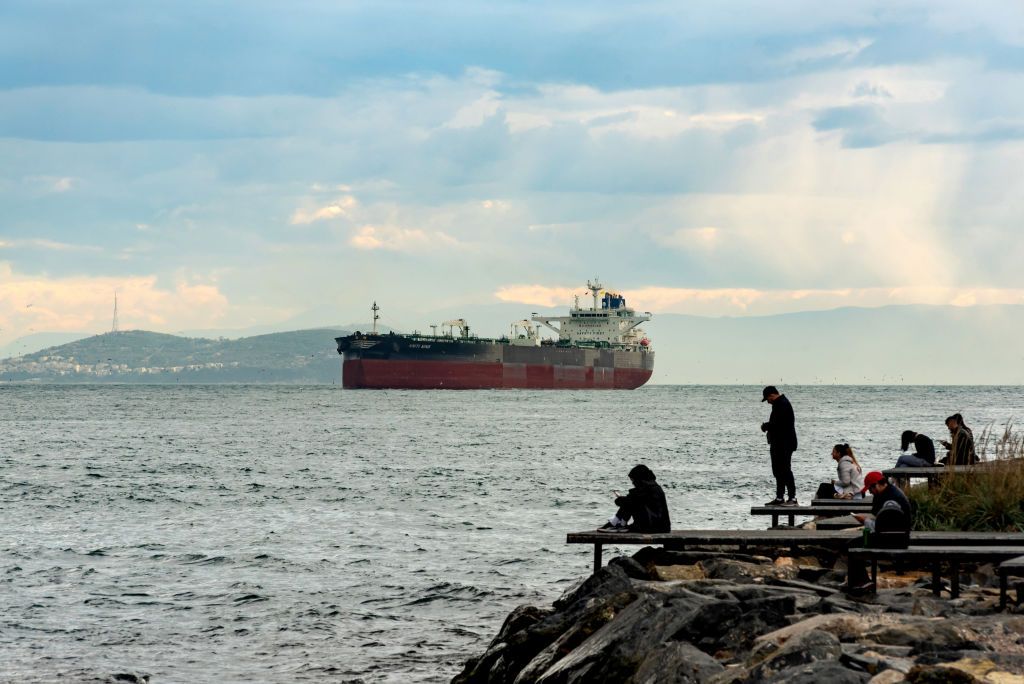
A tanker carrying 1 million barrels of oil experienced an explosion near Libya, its operator, TMS Tankers, said on June 30. The vessel, Vilamoura, is now being towed to Greece, where the extent of the damage will be assessed upon arrival.

The blast caused the engine room to flood due to water intake, though the cause of the explosion remains unclear, according to a company spokesperson.

The spokesperson confirmed that the crew is safe and no pollution has been reported.

The explosion occurred on June 27 as the vessel was departing the Libyan port of Zuwetina, some 150 kilometers (90 miles) northeast of Libyan territorial waters, Ukraine's military intelligence reported.

The incident comes amid a series of unexplained blasts targeting oil tankers that had previously visited Russian ports. In response, shipowners have started inspecting their vessels for mines using divers and underwater drones.

Vilamoura had visited Russian oil terminals twice since April, loading Kazakh-origin crude rather than Russian oil. According to Bloomberg vessel-tracking data, the tanker called at the Russian port of Ust-Luga in early April and at the Caspian Pipeline Consortium (CPC) terminal near Novorossiysk in May. Both terminals primarily handle Kazakh crude exports.

Maritime risk consultancy Vanguard Tech reported that four other vessels have been damaged by explosions since the beginning of the year. Each had recently docked at Russian ports, the firm said.

Ukraine has targeted Russian energy assets throughout the full-scale invasion, including a drone strike in February on the CPC pipeline, a route responsible for moving roughly 80% of Kazakhstan’s oil exports.

Russia-Iran alliance wavers as Tehran suffers major blows
Tehran, Russia’s main ally in the Middle East, has been dealt a heavy blow as Israel dismantled its network of proxies and then struck targets in Iran. The recent Iranian-Israeli war, which ended with a ceasefire on June 24, showed that the regional balance of power has shifted in Israel’s favor. This could have a major impact on Russian-Iranian relations as Moscow will have to recalibrate its approach to the region. Russian-Iranian cooperation is likely to continue but Iran’s ability to help
Oil tanker damaged by blast weeks after visiting Russian portsThe Kyiv IndependentOleg Sukhov
Oil tanker damaged by blast weeks after visiting Russian ports
❌