U.S. Strikes May Have Targeted a New Type of Iranian Naval Mine

© Reuters


© Reuters

Outsourcing the industry to China cannot continue, but Europe knows it can no longer count on the US for a solution
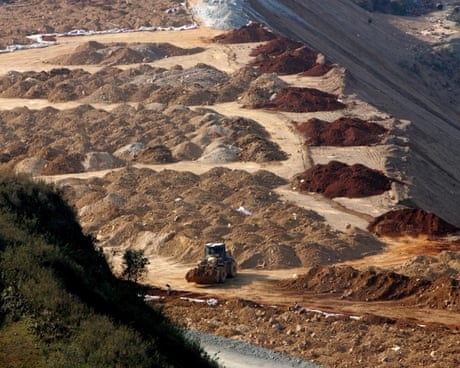
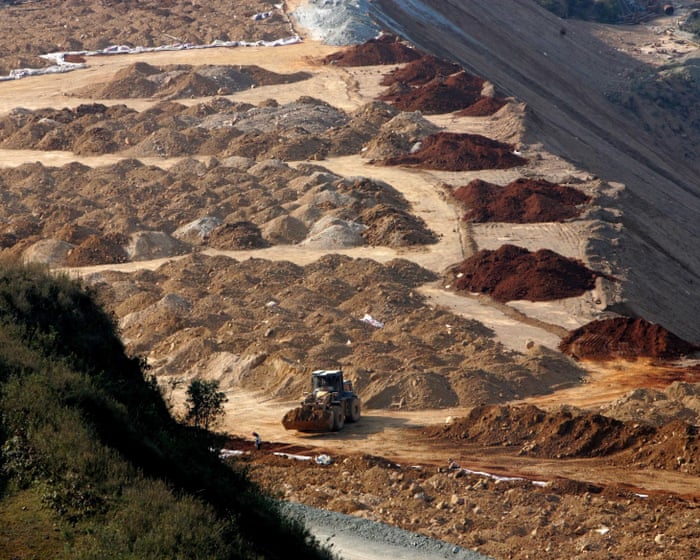
The alarm sounded 16 years ago. In 2010, China blocked exports of key rare earths to Japan in a row over disputed islands in the East China Sea. The critical minerals are essential to everything from advanced weaponry and iPhones to electric vehicle batteries and wind turbines, so the rest of the world took note. But it didn’t take much action. China still accounts for about 70% of rare-earth mining globally and 90% of separation and processing.
Then, last year, Beijing forced Donald Trump to back away from his trade war – not with its retaliatory tariffs, but the curbing of rare-earth exports. A scramble for new supplies began in earnest. The year-long trade truce is due to expire in November. The price of erbium, an element essential to communications infrastructure, has already jumped because of fears that export controls will soon be renewed.
Continue reading...
© Photograph: Imaginechina Limited/Alamy

© Photograph: Imaginechina Limited/Alamy

© Photograph: Imaginechina Limited/Alamy


Sweden will transfer 10 coast guard boats to Ukraine, the Swedish government announced on 27 August 2026. Stockholm will also direct additional funds to multilateral defense programs for Kyiv.
Russia's full-scale invasion added to some 13,500 km² of Ukraine's rivers, lakes, and Black Sea coastline now potentially contaminated with explosive remnants of war, in the world's most mined country, and emergency service divers had cleared 190 km² of it by November 2025. Allied nations have committed billions in military support to Kyiv since 2022, from fighter jets to anti-drone systems.
Ukraine's State Emergency Service will receive the work and high-speed vessels in their current condition, after the coast guard removes their markings and equipment. The agency will use them for waterborne rescue operations, including clearing mines from river channels.
Sweden's Civil Defense Minister Carl-Oskar Bohlin said Sweden is further strengthening Ukraine's maritime capabilities. He described towage, mine clearance, and transport as important capabilities that can now increase further. Sweden's Civil Defense Agency will handle transporting the boats to Ukraine.
The donation follows Sweden's broader naval support for Kyiv. In January 2025, Stockholm doubled its pledge of CB90 assault boats for Ukraine's navy to 32 and added 23 naval combat modules to arm them. The coast guard vessels serve a different purpose—rescue and utility work for a civilian agency, not combat operations.
Sweden will also channel 270 million Swedish kronor (about $28 million) to multilateral defense funds supporting Ukraine, mainly for air defense. Of that sum, $14 million goes to the Prioritized Ukraine Requirements List (PURL), to which Sweden contributed $108 million in June. Allies and partners fund high-priority American materiel through the US-led, NATO-administered program, and this package covers advanced air defense systems and ammunition for Kyiv.
The government said this marks Sweden's fifth PURL contribution. With the new payment, Stockholm's total PURL funding reaches $552 million.
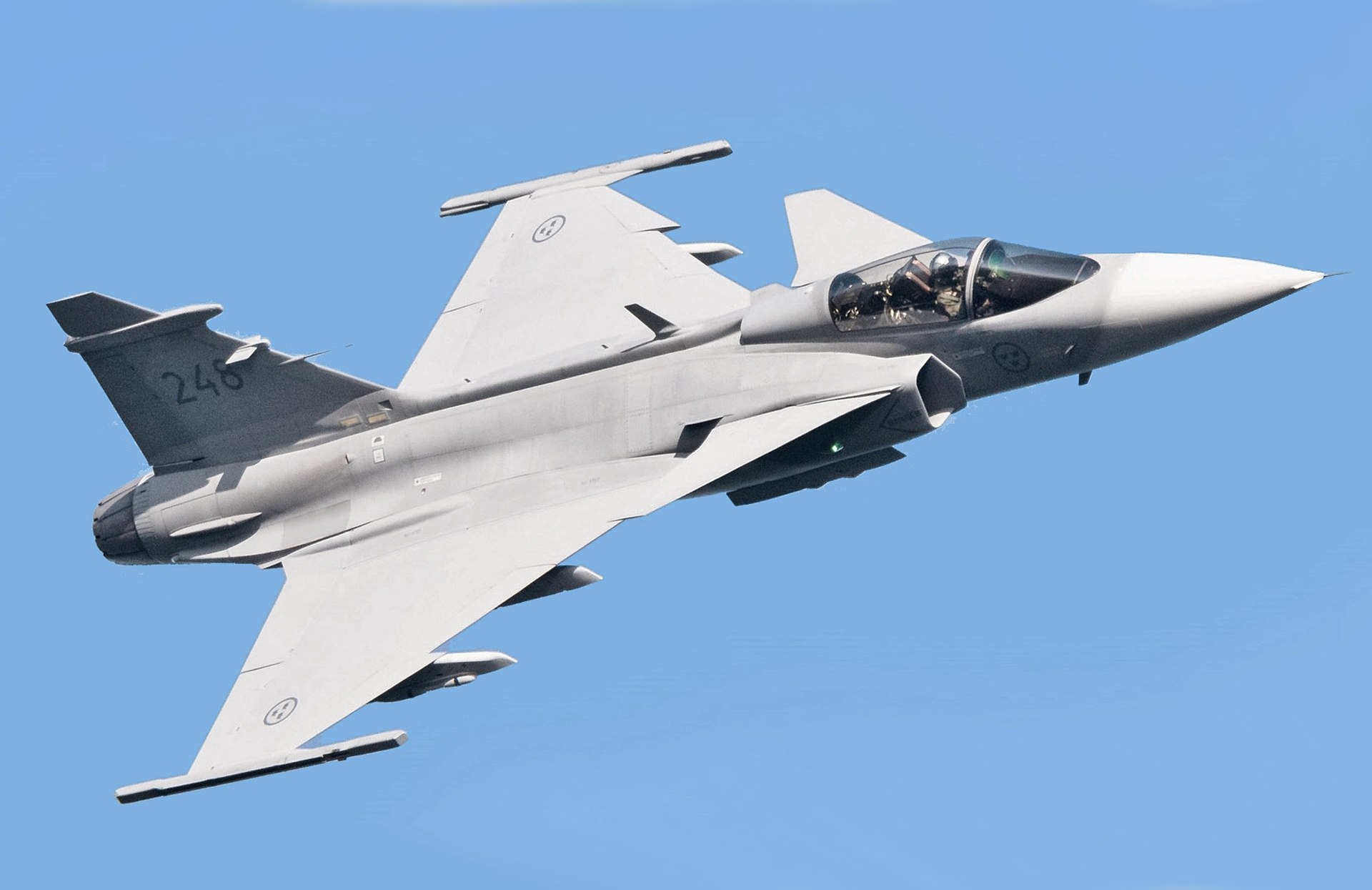
In July, Sweden's defense minister confirmed Ukraine may use the Meteor missiles promised with its Gripen fighters against Russian aircraft over Russian territory.


© Thierry Bresilion/Anadolu Agency, via Getty Images


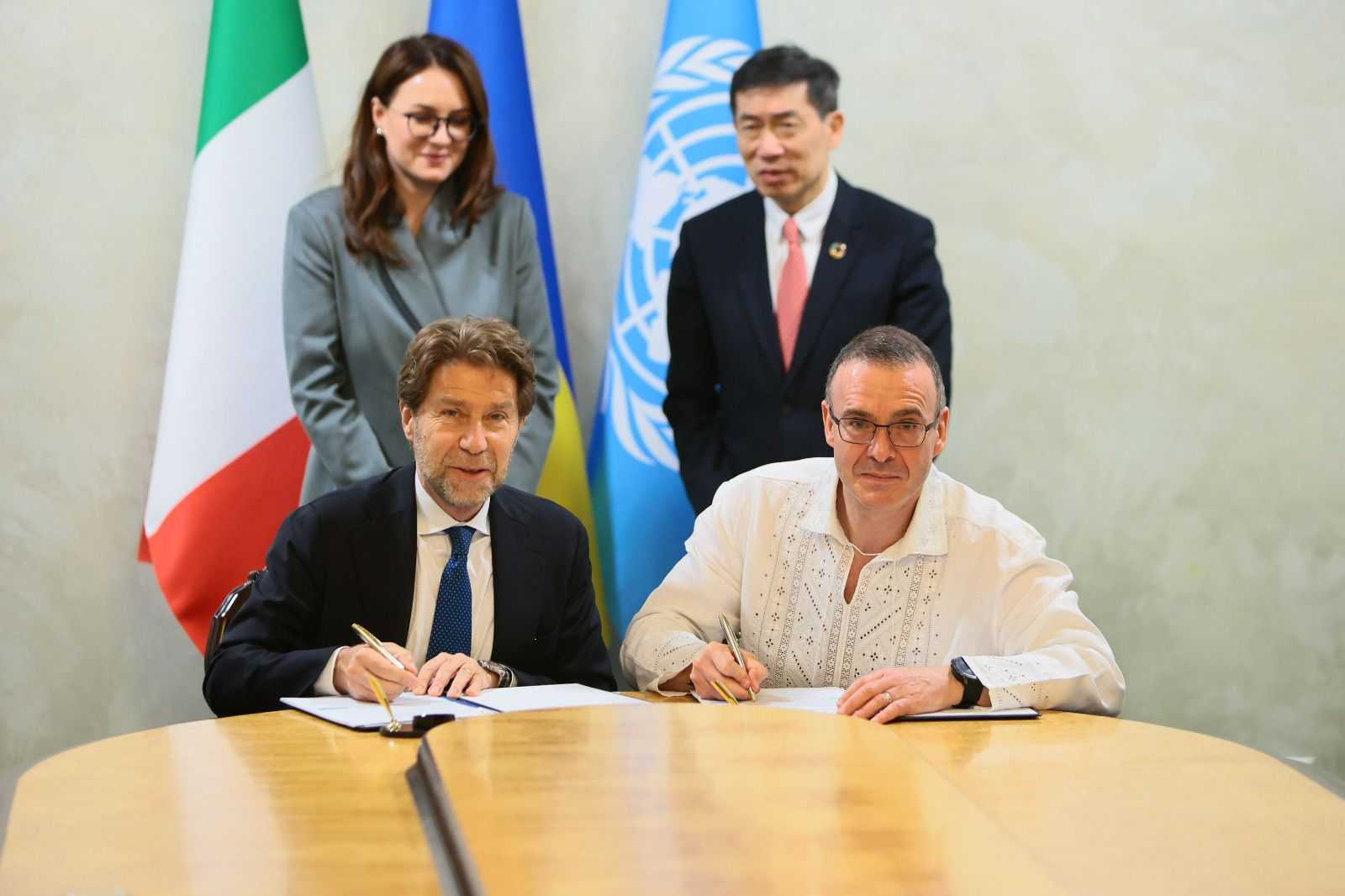
Italy has pledged 1.5 million euros (approximately $1.6 million) to support humanitarian demining efforts in Ukraine, deepening its partnership with the United Nations Development Programme (UNDP) and the Ukrainian government.
The agreement was formalized during a high-level ceremony in Kyiv on June 23 attended by Italian Ambassador Carlo Formosa, UN Assistant Secretary-General and new UNDP Administrator Haoliang Xu, Jaco Cilliers, Resident Representative of the UNDP in Ukraine, and Ukraine’s First Deputy Prime Minister and Economy Minister Yuliia Svyrydenko.
"Demining is not just a technical operation; it is a deeply humanitarian act that combines cooperation and innovation to restore hope in Ukraine," Ambassador Formosa said. "This project is not only a response to the emergency — it’s a step toward recovery. It’s about returning land to farmers, playgrounds to children, and safe roads to families."
The funding will support UNDP’s mine action program, which focuses on clearing land contaminated by mines and explosive remnants of war, ensuring the safe return of land to Ukrainian communities.
The initiative comes as Ukraine continues to grapple with one of the world’s largest demining challenges. According to the State Emergency Service, the total area of potentially mined land has been reduced by over 20% since late 2022. However, approximately 137,000 square kilometers (52,900 square miles) — much of it farmland — remain contaminated. Demining operations are carried out by the emergency service personnel, National Police, Ministry of Defense, and non-governmental organizations.
Currently, 112 certified demining operators, including eight international groups, are active in Ukraine, the State Emergency Service reported on June 24. Their combined capacity includes more than 9,000 personnel, 278 specialized vehicles, and over 13,000 metal detectors.
While significant progress has been made, Ukrainian officials stress that continued international support and funding are critical to accelerating clearance efforts.