
 Connexion

Ukraine’s and Russia’s human rights commissioners agree to keep working on regular humanitarian missions after the Oleshky evacuation
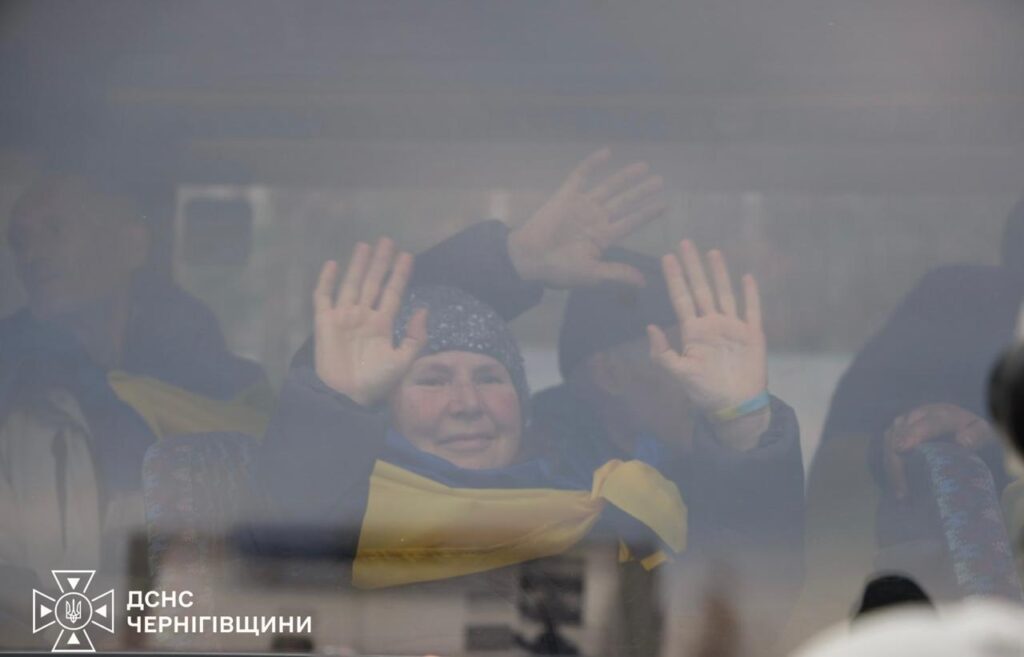
Ukraine’s and Russia’s human rights commissioners have agreed to keep working on regular humanitarian missions after the evacuation from occupied Oleshky, Ukrainian ombudsman Dmytro Lubinets said on 31 October. A day later, the ceasefire that made the evacuation possible ended.
Without a new truce, the people left behind are back where they were. In July, the Institute for the Study of War concluded that Russia was effectively blockading Oleshky, which lies across the Dnipro from Ukrainian-held Kherson. In May, journalist Zarina Zabrisky said the existing route out, through occupied Crimea, Russia, and Belarus, did not work: only three of 20 people who recently tried it got through.
Oleshky as a first step
Lubinets wrote that he and Russian ombudsman Yana Lantratova had agreed to continue work on regular missions. He said Oleshky should be the first step, since people living near the front line need constant support.
Lantratova claimed the same day that the sides had agreed to hold regular missions.
The truce had been coordinated by US First Lady Melania Trump. On 1 November, Lubinets said both sides had kept their commitments. He added that the two were working through the possibilities of continuing such steps.
Who stayed behind
On 30 October, Lubinets wrote that some buses were heading to Ukraine and others to Russia. About 700 to 1,000 people may remain in Oleshky, The Insider correspondent Tatiana Popova estimated on 31 October. Many feared a provocation or did not want to leave their homes.
Meanwhile, Ukrainian troops used the truce to evacuate 167 civilians, 22 of them children, from Ukrainian-held riverside settlements that came under daily Russian shelling, Ukraine’s General Staff reported on 1 November.
Bodies moved to Henichesk
On 1 November, Ukrainian journalist Oleh Baturin wrote that Henichesk residents had told him dozens of civilians’ bodies were brought there from Oleshky. Volunteer Kseniia Arkhipova confirmed it, he said. By her data, 47 bodies had been kept in the basements of Oleshky’s hospital since May.
How these people died remains unknown. In September, Tetiana Hasanenko, head of Oleshky’s Ukrainian military administration in exile, said more than 100 bodies lay in the basement of the hospital, which had had no electricity for four years.
Read also
-
Ukrainian officials reach Russian-held Oleshky. The question now is where its residents can go
-
Russia may not give Oleshky evacuees a free choice to return to Ukraine, ISW warns, after Putin called the town a “Russian settlement”
-
European Parliament vice president launches hunger strike demanding a truce and evacuation for Russian-occupied Oleshky
