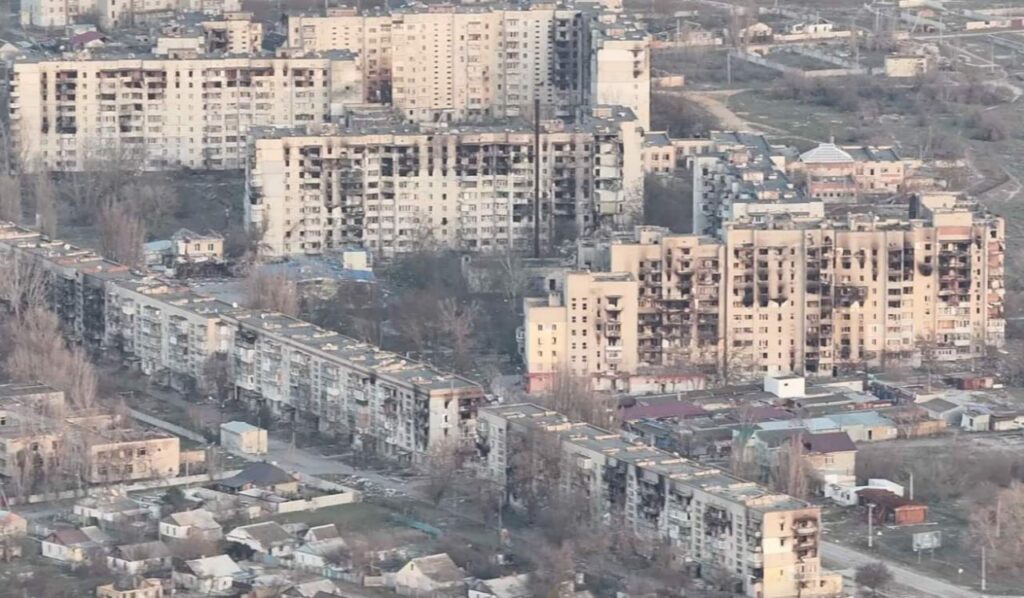
US First Lady Melania Trump has secured an agreement for a localized ceasefire between Russia and Ukraine in the Russian-occupied city of Oleshky, Kherson Oblast, to allow humanitarian aid deliveries and civilian evacuations to begin on 29 October, the White House announced on 23 October.
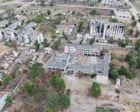
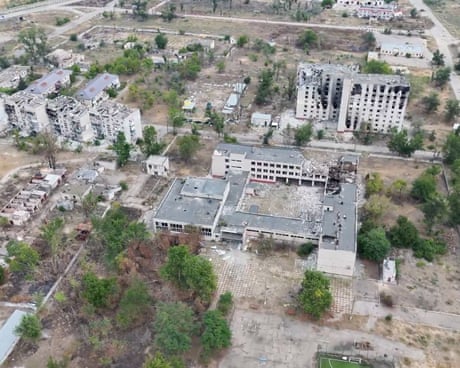
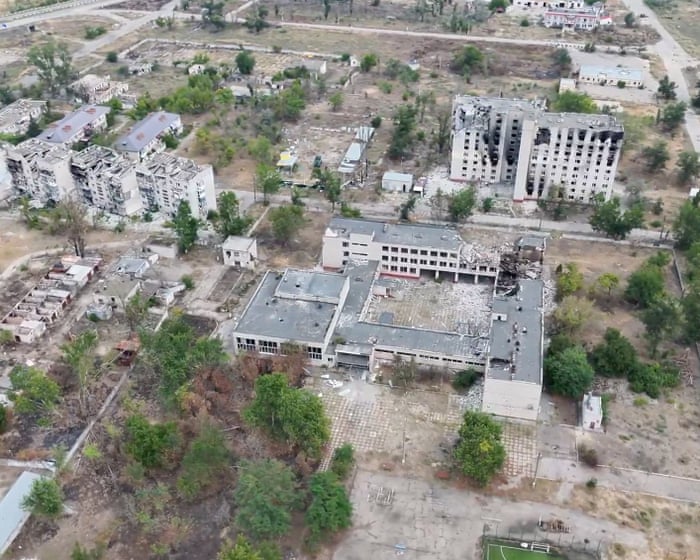
The proposed truce comes after months of worsening conditions in Oleshky, where Russian restrictions have left residents without reliable access to food, drinking water, medicine, and medical care. Ukrainian officials and international monitors have called for a humanitarian corridor as civilians face hunger, landmines, and regular attacks, with residents unable to leave safely.
Update: Ukraine launches humanitarian mission to occupied Oleshky after US-mediated agreement
Update 21:31: Ukraine’s Human Rights Ombudsman Dmytro Lubinets announced the launch of a humanitarian mission to Russian-occupied Oleshky in Kherson Oblast, saying an agreement had been signed following negotiations coordinated by the US side, with mediation by US First Lady Melania Trump.
The agreement provides for several stages, including preparations for a ceasefire, clearing routes of mines, delivering humanitarian aid, and unblocking evacuation routes.
Lubinets said his office had been raising the alarm about the looming humanitarian catastrophe in Oleshky since late February 2026 and would report on each stage of the mission.
Ceasefire aims to open evacuation route
According to the White House, Trump and her representative worked directly with Russian and Ukrainian leadership to agree on the ceasefire's terms, timing, and procedures. Civilian representatives from both countries are expected to visit residents to assess their needs, while those wishing to leave will receive transportation to their preferred destination.
The White House said an American media organization would accompany the teams to document the process and help ensure families' wishes are respected.
Trump said she initiated discussions after learning about the crisis during a private conversation at an event in New York during the 81st United Nations General Assembly. She said the agreement also involves technical preparations, including demining.
Explore further
Russian troops seize drone-dropped food in occupied Oleshky, accusing recipients of cooperating with Ukraine. Some people go missing, a local official says
Oleshky residents face hunger and isolation
Oleshky, on the Russian-occupied left bank of the Dnipro River, had around 24,000 residents before Russia's full-scale invasion. Recent estimates put the remaining population at roughly 1,700 to 2,000, including about 50 children.
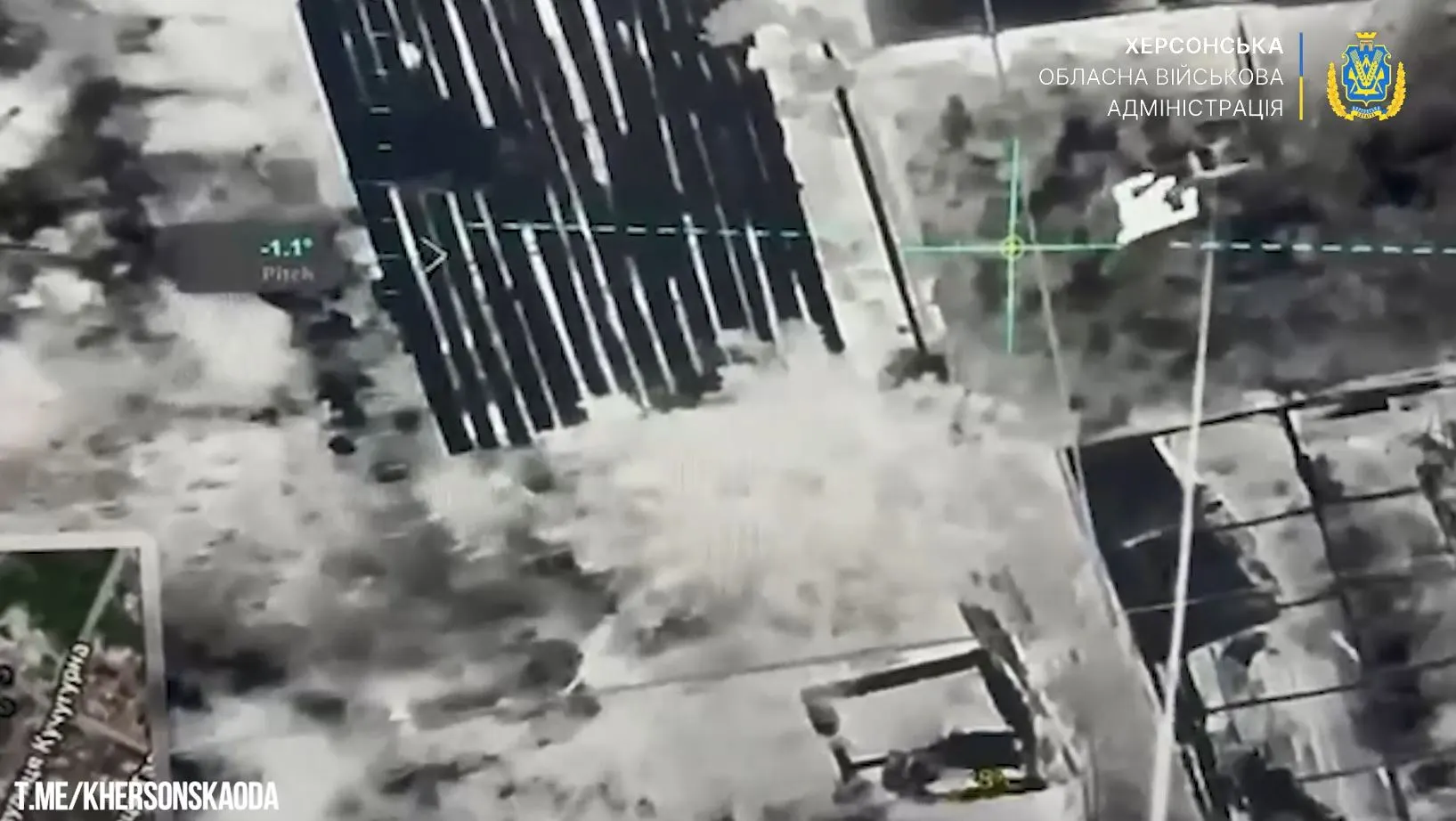
Residents face severe food and medicine shortages, while Russian forces have restricted movement and attacked vehicles attempting to deliver humanitarian supplies. Ukrainian officials have also said Russian troops have seized food parcels delivered by Ukrainian drones and detained or beaten some residents who received them.
Explore further
Russian troops enter homes and threaten starving Oleshky residents for food and alcohol, officials say
The crisis has drawn growing international attention. Pope Leo XIV appealed to Russian leader Vladimir Putin for a truce to allow aid deliveries and safe civilian evacuations, while Ukraine's human rights ombudsman, Dmytro Lubinets, said on 18 October that negotiations over a ceasefire and evacuation had advanced to the stage of agreeing on final details.
The White House announcement sets 29 October as the start date for the localized ceasefire. Its implementation will determine whether aid can reach residents and civilians can leave safely after months of isolation.

 Connexion