❌

Vue lecture

Some European diplomats doubt Seoul over what they see as a tilt toward Russia during Moscow’s war on Ukraine, but Seoul says it backs ending the war, FT reports

Panstar-Acro-reaching-Rotterdam-after-NSR-passage---Panstar-Group.jpg

Some European diplomats in Seoul are weighing whether they can still trust South Korea as a like-minded partner if it grows closer to Russia, the Financial Times reported on 28 October, according to South Korea’s Financial News. One European diplomat also told the FT that Seoul wants to resume trade with Russia as soon as the war ends.

As Russia presses its war against Ukraine, Kyiv’s partners count on each other to keep up the pressure on Moscow. The doubts about South Korea now come from its European partners, not only from Kyiv. The report lands eight days after Seoul said it would withdraw about half its staff from Kyiv over a dispute about two North Korean prisoners of war.

An Arctic voyage, a new adviser, and signals from Moscow

According to the FT, European diplomats saw a South Korean pilot voyage along Russia’s Arctic sea route as a sign of a tilt toward Russia, since the voyage required extensive cooperation from Moscow.

Meanwhile, on 1 October, South Korean President Lee Jae-myung appointed Song Young-gil, a six-term lawmaker and former chair of parliament’s foreign affairs committee, as his special adviser on peace diplomacy. Song once served as a special envoy to Russia, the FT noted.

On 20 October, Russian Deputy Foreign Minister Andrei Rudenko said Seoul had signaled it wants to normalize relations but says full normalization can come only after a change in the geopolitical situation, which he said means the end of the war in Ukraine.

Fuel for Russia loaded at South Korean ports, but Seoul denies direct exports

The FT also cited reports of fuel shipments to Russia. A Guardian analysis published on 6 October found that more than 176,000 tons of fuel, mostly diesel, were loaded at South Korean ports in July and August. The fuel went onto seven tankers bound for Russia’s Far East, three of them under UK and EU sanctions. The Guardian said the trade does not appear to breach South Korean law.

On 8 October, South Korea’s foreign and trade ministries and customs service said no diesel, jet fuel, or gasoline had been exported to Russia through customs. They said they would examine the tankers’ routes and any divergence from their declared destinations before judging whether the law had been broken.

Ukraine’s sanctions commissioner Vladyslav Vlasiuk said the shipments helped Russia offset refinery losses caused by Ukrainian strikes. South Korea’s presidential office called the claim inaccurate and inappropriate, saying the key facts of the transactions had not been verified.

Seoul rejects the criticism

In a statement to the FT, South Korea’s Foreign Ministry said concerns in some quarters that the country was leaning too far toward Russia were not based on fact. It added that Seoul supports international efforts to end the war in Ukraine.

Seoul cuts its Kyiv embassy staff over the POW dispute

At the same time, relations with Ukraine have deteriorated over the transfer of two North Korean prisoners of war to South Korea, which Zelenskyy disclosed at the UN General Assembly in September. Seoul says the disclosure broke a confidentiality understanding. Dmytro Lytvyn, Zelenskyy’s communications adviser, wrote in a Facebook comment on 25 September that “there was no such agreement.”

On 20 October, Seoul said it would withdraw roughly half its diplomatic staff from Kyiv, citing Kyiv’s failure to take “positive steps” on the POW dispute and continued Russian airstrikes, Yonhap reported. A chargé d’affaires and all consular staff will stay.

  •  

From “bad-guy fleet” to “good-guy fleet”: US will let investors buy sanctioned tankers and return them to legal trade

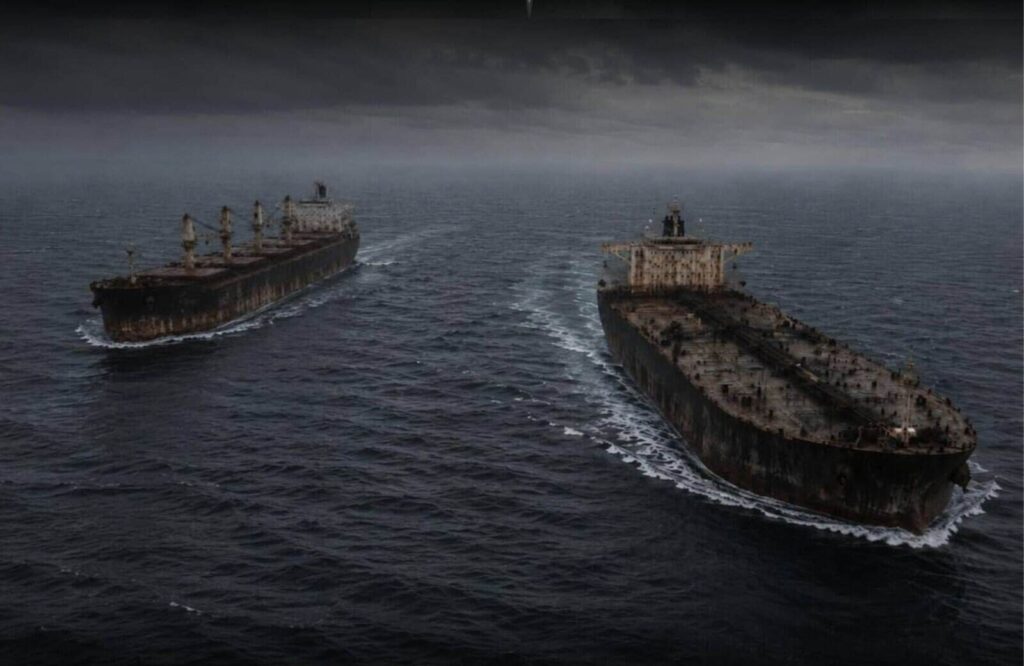
Two weathered cargo ships sail across a dark sea beneath heavy storm clouds.

Investors who buy idle sanctioned tankers and refit them could put the ships back into legal oil trade, US Energy Secretary Chris Wright said on 19 October, Bloomberg reported. He laid out the plan five days after a US official described it to Reuters.

That official said the aim was to cut record tanker freight rates. The Energy Department added that any relief would not help Russia move its oil. The plan comes weeks before the 3 November midterms, with voters worried about fuel costs after gasoline and diesel prices surged in the Mideast conflict. Yet the shadow fleet is also how Russia sells oil past sanctions, and those sales fund its war against Ukraine. In December 2025, Ukraine’s foreign intelligence counted more than 1,100 tankers serving Russia alone, 226 of them under US sanctions.

An approval process Wright didn’t detail

Many sanctioned tankers sit idle, Wright told Bloomberg’s Annmarie Hordern, and buyers keep approaching the administration offering to fix them up and carry only legal oil.

“We’re going to move some of the ships from what I call the ‘bad-guy fleet’ to the ‘good-guy fleet,’” he said. “They will not carry sanctioned oil anymore.”

The ships must go through an approval process, Wright said, but he gave no criteria. He insisted “there is no removing of sanctions.”

He put the global dark fleet at about 1,600 ships, a count covering vessels that hauled Venezuelan, Iranian, and Russian oil. Dozens or even hundreds could turn legitimate, he said. The ships are no longer needed for Venezuelan oil, Wright said, and no Iranian oil is moving. Russian oil exports, he added, “are certainly not growing.”

Diesel, a waiver, and the tankers

Earlier, on 9 October, the Treasury issued General License 135, allowing some deals in Russian diesel until 7 April 2027. On 16 October, US President Donald Trump waived sanctions and tariffs under the Graham Act, leaving earlier sanctions intact. That law had directed him to review and sanction shadow-fleet vessels. Trump defended the waiver as a way to keep Moscow at the negotiating table.

House Speaker Mike Johnson told Fox News host Larry Kudlow on 18 October that he had asked the White House team to “carefully consider the unintended consequences,” The Hill reported. He added that he thought “the right decision will be made” in the end.

  •  

US weighs relief for sanctioned shadow fleet tankers, days after freeing Russian diesel

Kremlin welcomes Trump National Security Strategy as aligned with Russian vision on Ukraine

The Trump administration is weighing looser sanctions on shadow fleet tankers that have hauled oil from Russia, Iran, and Venezuela, a US official said on 14 October, Reuters reported. An industry research group expects the change to do little for freight rates.

With Reuters calling high fuel prices a risk for Trump before the 3 November midterms, Washington has already eased sanctions on Russian oil and diesel this year and is now looking at the ships blacklisted for hauling sanctioned cargoes. In March, Treasury Secretary Scott Bessent said a waiver on Russian oil at sea would bring Moscow no significant financial benefit, yet Russia’s seaborne oil income jumped by $890 million in the week to 15 March, Bloomberg data showed.

“Legal oil” on blacklisted ships

The talks center on letting “legal oil” sail on previously sanctioned vessels, the official said. Only crude or fuel free of US sanctions would qualify, not Russian or Iranian oil. Washington wants more crude and refined products moving out of the Gulf, the official added. Companies would need US Treasury approval to use the ships.

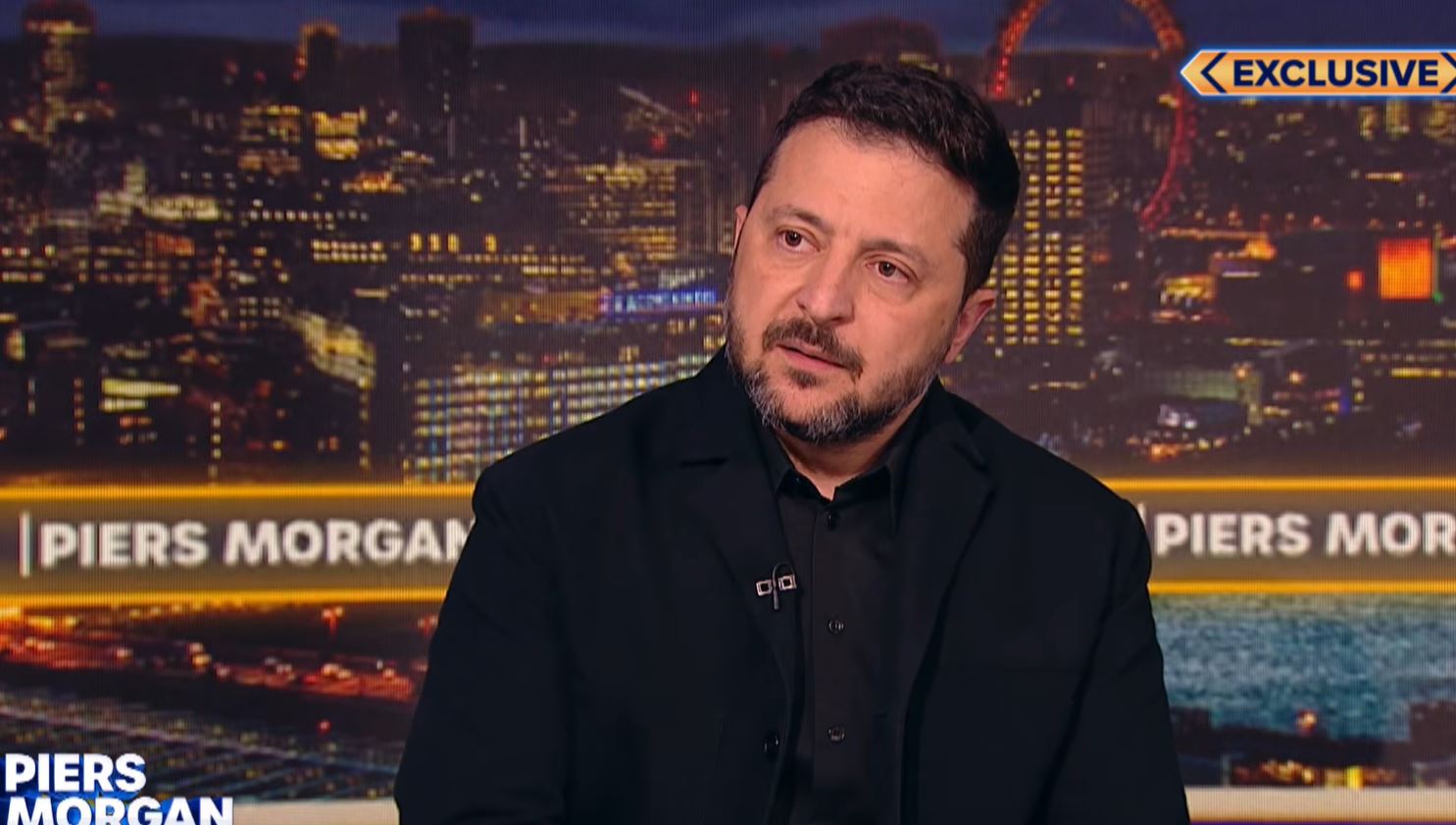
ukraine goes back hitting russian oil after its trump-forced pause left kyiv without warnings incoming ballistic missiles · post ukrainian president volodymyr zelenskyy during interview piers morgan london 14 2026
Explore further

Ukraine is going back to hitting Russian oil after its Trump-pressured pause, during which Kyiv got no US warnings of incoming ballistic missiles

Research group Energy Aspects said US Energy Secretary Chris Wright, in a video to the World Petroleum Congress in Riyadh, tied the easing to record freight rates. Those rates hit records after the Iran and Ukraine wars drove up inflation and left US crude too costly for Asian refiners, Reuters said. Energy Aspects itself expects the easing to do little for freight rates, since most tankers sanctioned over Russian or Venezuelan links have kept trading for the past three months.

The Energy Department said any relief would do nothing to help Russia ship its oil or refined products. Treasury referred questions to the Energy Department. Yet Reuters noted that both departments could face pressure to let these vessels carry Russian diesel, given Trump’s push to get it onto world markets fast.

Britain is pushing the other way. UK finance minister John Healey urged counterparts at International Monetary Fund meetings in Bangkok on 15 October to keep tough sanctions on Russia, “especially a tighter ban on shipping services” that keep Putin’s shadow fleet operating.

Diesel license criticism and an unconfirmed ceasefire

On 9 October, the US Treasury issued a license clearing Russian-origin diesel trade until 7 April 2027. Ukrainian President Volodymyr Zelenskyy told reporters it was a weak decision unworthy of Ukraine’s partners. Democratic Senators Jeanne Shaheen, Chuck Schumer, and Elizabeth Warren called it a “total betrayal of Ukraine.” Republican Senator Thom Tillis said there is “a legitimate case for saying the president’s not following the law.”

The White House in Washington DC, USA. Illustrative image: Wikimedia Commons.
Explore further

“He thinks Ukraine is a weak link and that it needs to be squeezed into giving in”: diplomat on why Trump pressures Kyiv, not Moscow

Trump then pressed Kyiv to spare Russian refineries and declared an “energy ceasefire” on 11 October. A White House official told Axios it covers only oil refineries. Neither side confirmed a similar announcement Trump made in mid-September, AAP reported.

Kremlin spokesperson Dmitry Peskov told reporters on 13 October that contacts on the ceasefire were continuing and referred further questions to Trump, Russian newspaper Vedomosti reported. He claimed the diesel deal was “a very mutually beneficial item of Russian-American cooperation” that serves the interests of Russia, the US, and world energy markets, Russian newspaper Kommersant reported.

  •  

EU imports record 12.18 million tons of Russian Arctic LNG in nine months, 9.5% more than year earlier — research group

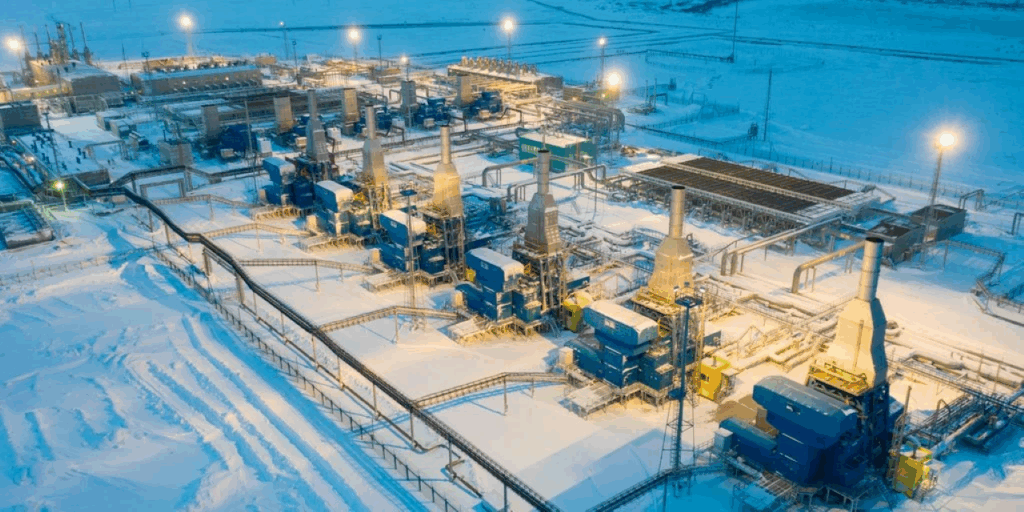
yamburg gas field in the yamalo-nenets ao in russia

Europe keeps buying record amounts of Russian gas even as it plans to punish its war machine against Ukraine. The EU ports took in a record 12.18 million tons of Russian liquefied natural gas from January to September, 9.5% more than in the same period of 2025, according to a study by the German group Urgewald based on Kpler tracking data.

Europe spent about 7.88 billion euros on that Russian gas in nine months, revenue that helps fund a war Russia wages with daily missile and drone strikes on Ukrainian cities. The flow continues even as the EU prepares its largest-ever package of sanctions against Russia’s military industry.

The gas comes from Russia’s Yamal project, which sent 167 cargoes to EU ports over the nine months, roughly one every 1.6 days. Europe took 85% of the project’s recorded deliveries by volume, remaining by far its biggest market, Urgewald reports.

Europe’s share grew even as Yamal’s worldwide deliveries fell 1.3%, so the EU absorbed a larger slice of Russia’s Arctic output. In September alone, EU ports received 792,440 tons worth an estimated 818 million euros, nearly three-quarters of it going to France.

Washington could pull the plug by 18 October

The imports run up against a looming US decision. The Trump administration has until 18 October to complete its first review under the Lindsey Graham sanctions act, signed into law on 18 September, which allows Washington to sanction this gas trade at any time, the group notes.

However, after the US allowed Russian diesel to enter the US and global market, the decision will likely remain stalled.

Originally, the law covered Yamal’s leadership, foreign vessels that knowingly carried Russian LNG, and foreign ports that serviced US-sanctioned ships. Yamal depends on specialized Arc7 ice-class tankers and on nearby European ports where they can unload and quickly return, so closing that route would make the Arctic trade far harder to sustain.

Europe’s own ban is still months away

The EU’s measures so far have barely dented the trade. A ban on short-term LNG contracts took effect in April and has had no visible effect, while the full import ban under long-term contracts only starts on 1 January 2027, Urgewald says.

Every month of largely uninterrupted trade means more revenue for Russia while Ukraine suffers daily attacks, sanction campaigner Sebastian Rötters says. The next EU package should close the remaining loopholes, above all those keeping the Arc7 tanker fleet running.

  •  
❌