Vue lecture

Ukraine receives 5th tranche of EU aid from frozen Russian assets, PM confirms
Ukraine receives 5th tranche of EU aid from frozen Russian assets, PM confirms

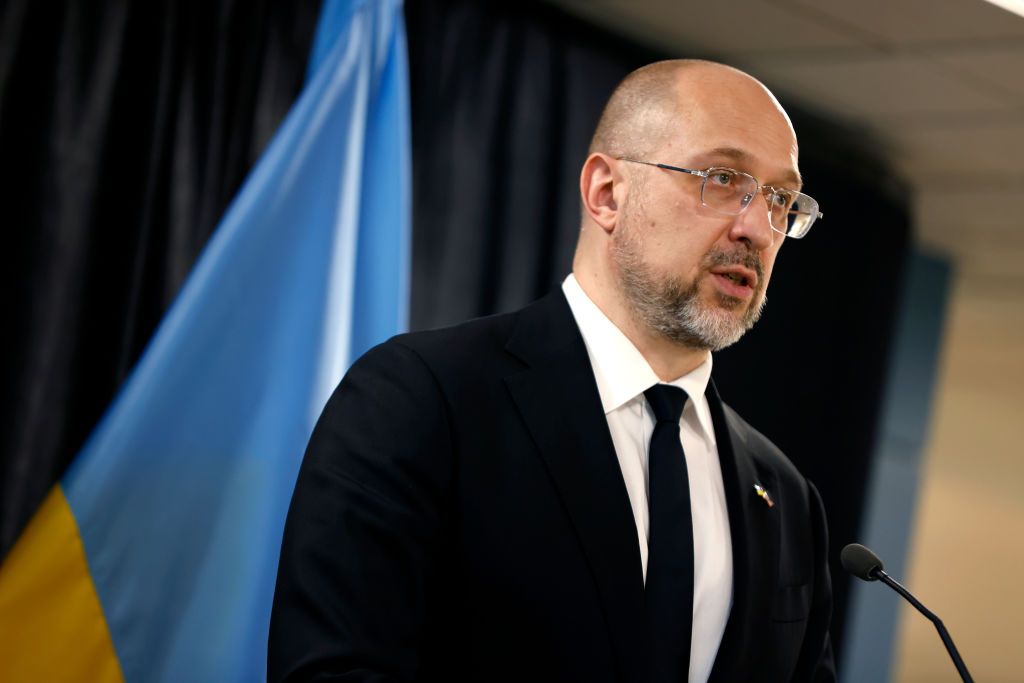
Ukraine has received another 1 billion euros ($1.1 billion) in macro-financial assistance from the European Union as part of a G7 loan, Prime Minister Denys Shmyhal announced on June 13.

"This is the fifth tranche of macro-financial assistance from the EU under the ERA Extraordinary Revenue Acceleration) initiative," Shmyhal wrote on social media. "The funds will be directed toward key expenditures of the state budget."

Shmyhal thanked Ukraine's partners for their "consistent and reliable support," adding, "Together, we will make (Russia) pay for all the damage caused to Ukraine."

According to Shmyhal, Ukraine has received a total of 7 billion euros ($8 billion) from the European Union under the ERA initiative, which is funded by the windfall profits generated from immobilized Russian sovereign assets.

The ERA mechanism, launched by the G7 and backed by the EU and the United States, is a $50 billion program designed to support Ukraine through loans repaid using future income from frozen Russian assets. Since Russia's full-scale invasion in 2022, G7 countries have frozen around $300 billion in Russian sovereign assets.

Ukraine received the previous 1-billion-euro tranche on May 8 as part of the fourth installment of EU aid under ERA.

EU provides Ukraine with $1 billion tranche under G7 loan covered by Russian assets
This is the fourth such tranche from the bloc, which is secured by proceeds from frozen Russian assets.
Ukraine receives 5th tranche of EU aid from frozen Russian assets, PM confirmsThe Kyiv IndependentKateryna Hodunova
Ukraine receives 5th tranche of EU aid from frozen Russian assets, PM confirms
  •  

Oil prices surge after Israeli strike on Iran

Oil prices surge after Israeli strike on Iran

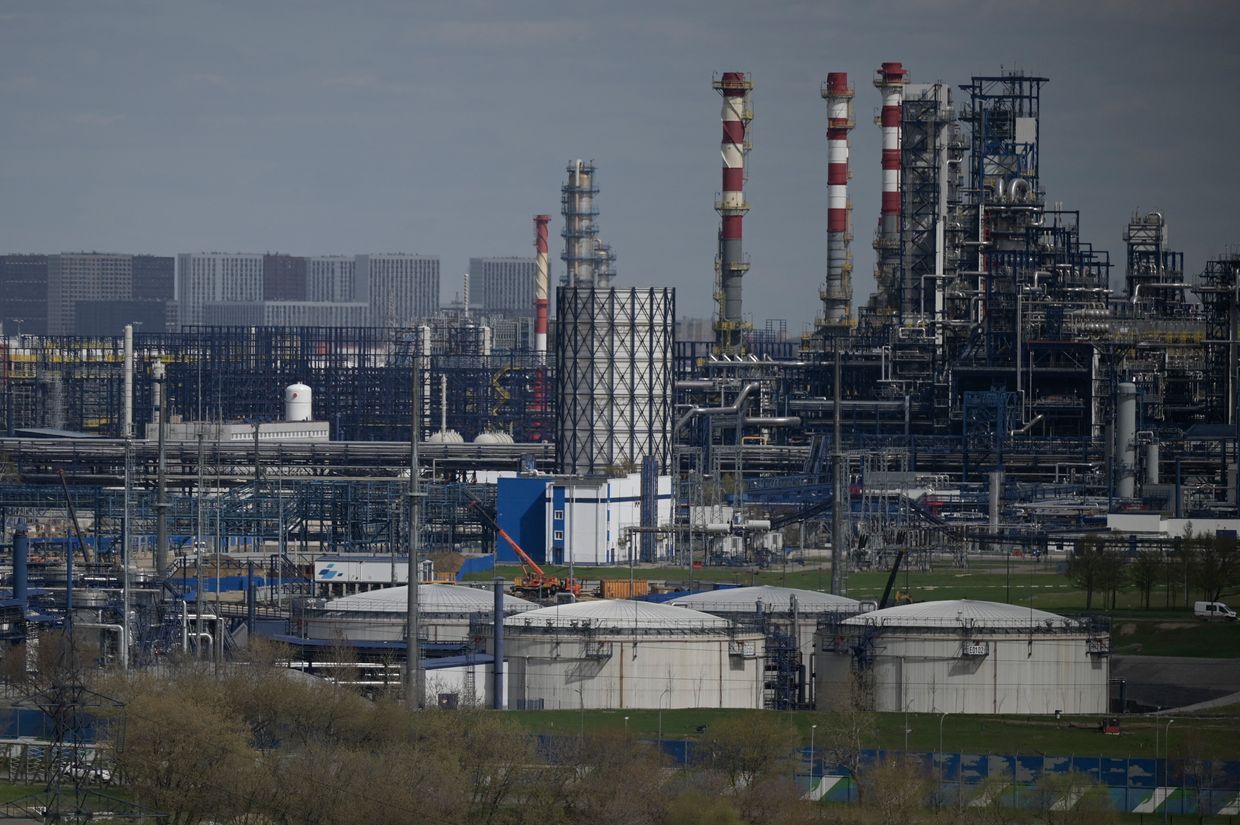
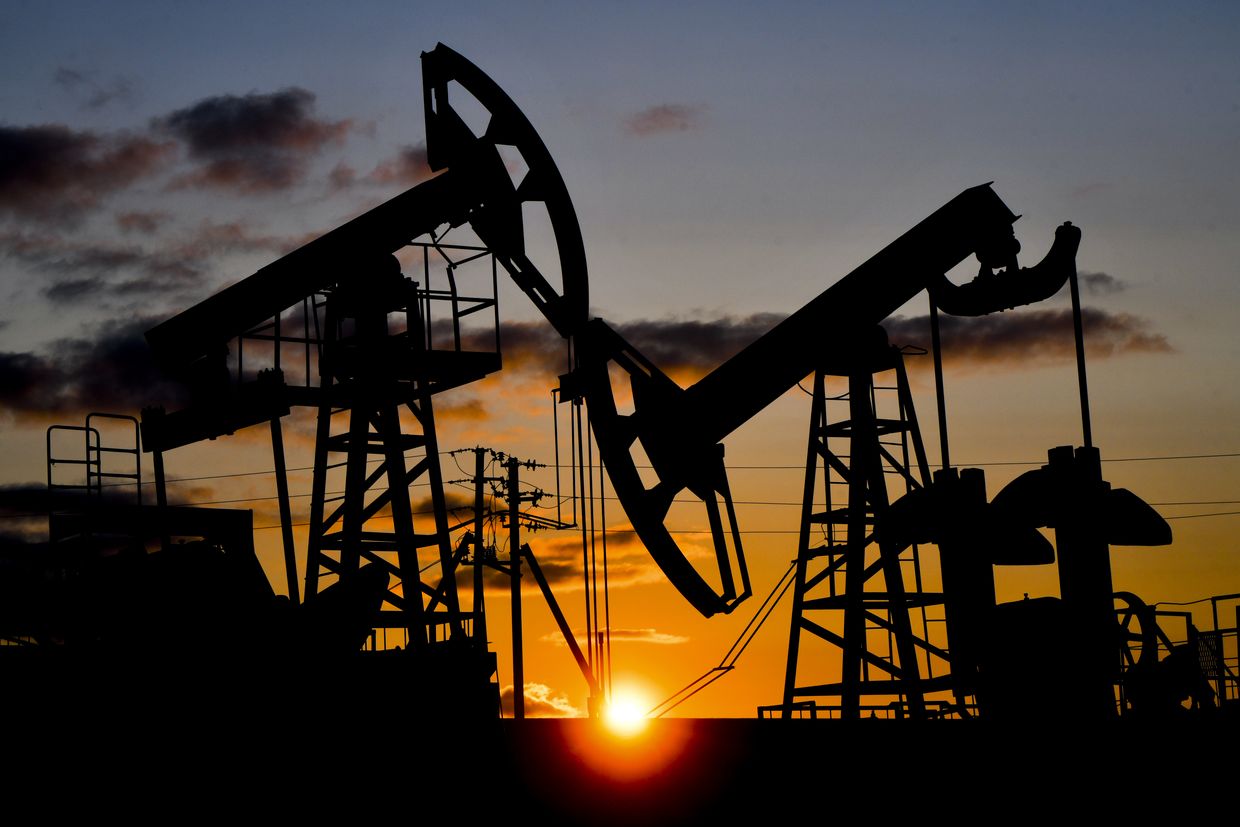
Global oil prices soared on June 13  after Israel launched a strike on Iran, triggering fears of a broader conflict in the energy-rich Middle East that could disrupt global supplies, the BBC reported.

The spike threatens to undermine Western efforts to choke off a vital revenue stream for Russia, which relies heavily on oil profits to sustain its war in Ukraine.

According to the BBC, Brent and Nymex crude prices jumped by more than 10% following the Israeli attack, reaching their highest levels since January. Prices later stabilized but remained about 7.5% higher, with Brent at $74.50 a barrel and Nymex at $73.20.

The price surge comes at a crucial time for Ukraine and its Western allies, who are intensifying efforts to minimize the Kremlin's oil revenues — the backbone of Russia's wartime economy.

President Volodymyr Zelensky urged the European Union on June 11 to impose tougher sanctions on Russia, including a more aggressive price cap on oil exports.

"A ceiling of $45 per barrel of oil is better than $60, that's clear," Zelensky said at the Ukraine-Southeast Europe Summit in Odesa. "But real peace will come with a ceiling of $30. That's the level that will really change the mindset in Moscow."

The EU's current $60 per barrel cap, introduced in December 2022, prohibits Western companies from shipping, insuring, or servicing Russian oil sold above the threshold. While this measure has curtailed some of Russia's profits, the Kremlin continues to earn significant revenue, especially when market prices rise.

European Commission President Ursula von der Leyen said on June 10 that the EU is considering lowering the cap to $45, a move that will be discussed at the G7 summit in Canada between June 15 and 17. According to Reuters, most G7 countries, excluding the U.S. and Japan, are prepared to proceed with the reduction regardless of Washington’s stance.

Israeli Prime Minister Benjamin Netanyahu said early on June 13 that Israeli forces had launched "Operation Rising Lion," a preemptive strike targeting Iran's nuclear program. In a televised address, Netanyahu claimed Israeli forces struck Iran's main nuclear enrichment site in Natanz and targeted key nuclear scientists.

Key to Russia’s defeat lies in its economy
As the war in Ukraine grinds on, attention remains fixed on the battlefield. But Russia’s most vulnerable flank is not in the trenches — it’s in the treasury. The West, and especially the United States, holds economic levers that could push Vladimir Putin toward serious negotiations or even collapse
Oil prices surge after Israeli strike on IranThe Kyiv IndependentWojciech Jakóbik
Oil prices surge after Israeli strike on Iran

  •  

EU approves new tariffs on Russian, Belarusian agricultural goods

EU approves new tariffs on Russian, Belarusian agricultural goods

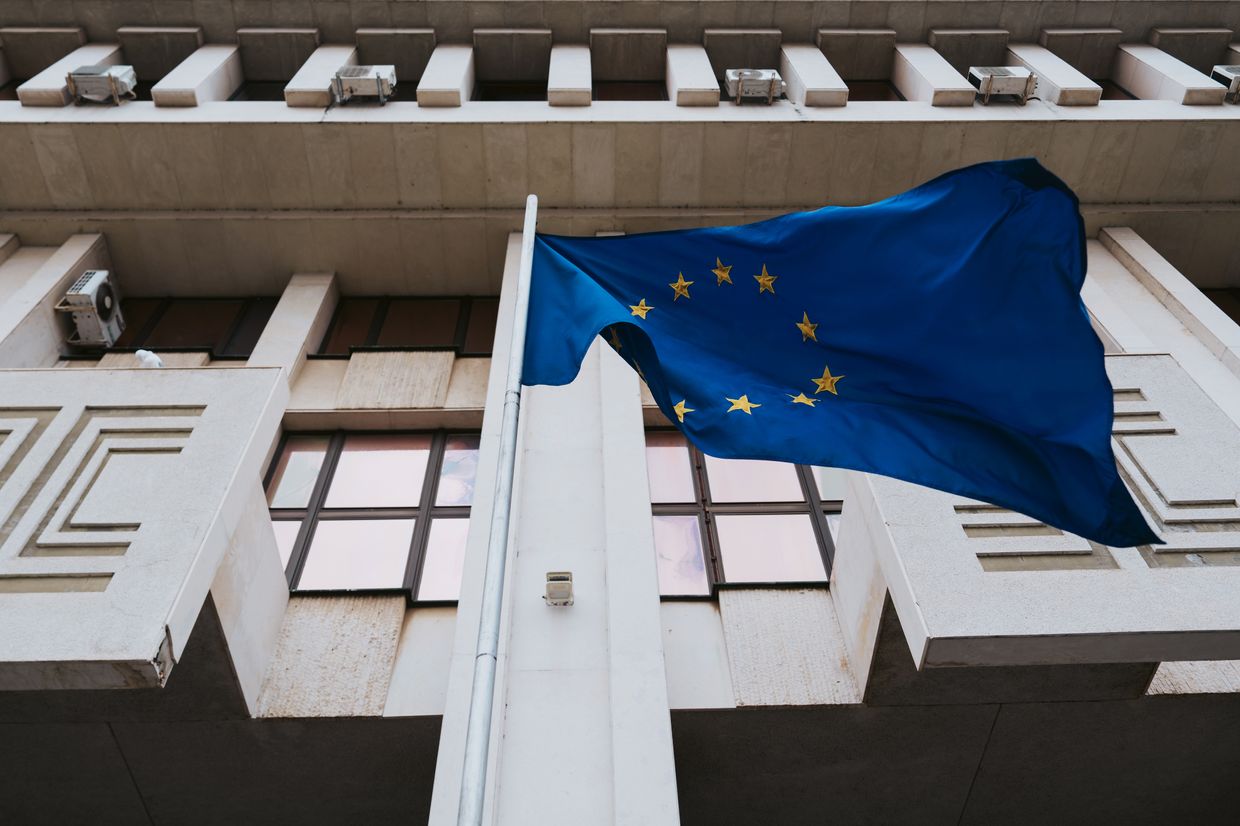
The Council of the EU on June 12 approved fresh tariffs on fertilizers and remaining agricultural goods from Russia and Belarus, aiming to reduce Russian export revenues.

The measures target those goods that have not yet been subject to additional customs duties and will enter into force on July 1. The tariffs on fertilizers will increase gradually over the next three years.

The step comes as the EU readies additional sanctions against Russia as it continues to wage its all-out war against Ukraine.

"Polish Presidency motto is 'Security, Europe!' and these measures increase our economic security by reducing dependencies from Russia," said Michal Baranowski, the trade undersecretary at the Polish Economy Ministry.

"We are further reducing Russia’s export revenues and therefore its ability to finance its brutal war. This is united Europe at its best," he said in a statement.

The new tariffs will apply to goods that made up around 15% of all agricultural imports from Russia in 2023. Fertilizer tariffs will focus on certain nitrogen-based products, the Council said in a statement.

Russian fertilizers accounted for more than a quarter of all of the EU's imports in this sector in 2023, worth almost $1.5 billion.

Apart from stifling Russia's trade revenue, the step also aims to reduce the EU's dependence on Russian and Belarusian goods, protect European farmers, and diversify the supply.

The EU adopted higher tariffs on cereals, oilseeds, and some other products from Russia and Belarus in May 2024. Earlier this year, the European Commission proposed imposing similar measures on all remaining agricultural products from the two countries.

Putin’s suspected daughter found working in anti-war galleries in Paris
Nastya Rodionova, a Russian writer and artist who has been based in Paris since 2022, had only met gallery manager Luiza Rozova in passing at events before she learned who the 22-year-old’s parents were. Described by a number of people as a “very nice and well-mannered girl,” Rozova is
EU approves new tariffs on Russian, Belarusian agricultural goodsThe Kyiv IndependentKate Tsurkan
EU approves new tariffs on Russian, Belarusian agricultural goods
  •  
❌