❌

Vue lecture

Russia hit a Zaporizhzhia bridge, then Kyiv’s bridges by midnight—civilians died in both cities

Rescuers and medics help a man injured in a Russian attack in Kyiv's Obolon district, Ukraine, 17 November 2026

Russian ballistic missiles hit Kyiv's Northern and Southern bridges late on 16 November, Mayor Vitali Klitschko said in a preliminary report. Both crossings over the Dnipro are closed, and parts of the capital lost water and heat. Russian strikes overnight and into the morning also killed civilians in Kyiv and Zaporizhzhia Oblast, hours after Russia hit a bridge in Zaporizhzhia.

Russia fights its war on Ukraine along the front and with missiles and drones aimed at the cities behind it. This autumn, those strikes have gone after power plants, homes, and the bridges over the Dnipro. Russia wants to split Ukraine along the river and make life as hard as possible for people, President Volodymyr Zelenskyy has said. In Kyiv alone, about 600,000 vehicles cross the river every day, according to Ukraine's infrastructure ministry. Overnight, shortly after Russia's attack on Kyiv's bridges, Ukraine's second strike in two days sent the road span of Russia's Kerch bridge into the sea. Russian ruler Vladimir Putin opened that bridge to Russian-occupied Crimea himself in 2018, and Russia moves fuel, ammunition, and troops over it.

Ballistic missiles close two of Kyiv's bridges

Kyiv came under ballistic missile attack at 23:34 on 16 November, Klitschko wrote, and he reported the bridge hits 11 minutes later. The attack damaged critical infrastructure and cut water and heat in some districts, he said. By morning, the city administration confirmed damage to both bridges and closed them.

Before dawn, at 05:36, Kyiv's red alert sounded again. The night's attack damaged the metro's surface infrastructure, and the city halted the green line between Osokorky and Chervonyi Khutir on the left bank. Trains now run only on the underground section. Klitschko later posted video from the closed Northern Bridge, where specialists are assessing the damage.

In Kyiv's northern Obolon district, the attack damaged residential buildings and a non-residential one. It killed two people and injured one, the State Emergency Service reported. Rescuers pulled a man from under the rubble and handed him to medics.

Residents stand outside a high-rise building in Kyiv after a Russian ballistic missile attack, 26 October 2026
Explore further

Russian ballistic missiles hit a Kyiv university campus, then return before dawn for the Southern Bridge again

The Southern Bridge carries cars and the metro's green line, and green-line trains had already stopped crossing it. On 14 November, Minister for Restoration, Infrastructure, and Transport Mykola Kalashnyk told journalists that restoring metro traffic over it would take an estimated two to three months if Russian attacks did not damage the bridge again. Russian drones had cratered the Northern Bridge's roadway in early October.

Russia keeps hitting Zaporizhzhia's bridges

Russia struck Zaporizhzhia's Preobrazhenskyi Bridge on 16 November, geolocated footage shows. Russia is continuing its campaign against the city's bridges, the US-based Institute for the Study of War assessed. Moscow likely aims to disrupt Ukraine's military supply routes toward Orikhiv and southern Donetsk Oblast, as well as civilian life in the city, ISW wrote.

A kiosk burns after a Russian strike in Zaporizhzhia, Ukraine, 16 November 2026
A kiosk burns after a Russian strike in Zaporizhzhia, Ukraine, 16 November 2026. Photo: Zaporizhzhia Oblast Military Administration

The oblast administration closed the bridge to all traffic. Earlier that morning, a Russian drone hit an infrastructure site in the city's Khortytskyi district, setting a vehicle on fire. The strike killed a woman and injured two people.

That evening, a Russian FPV drone killed a 70-year-old man in Kushuhum, just outside the city. In Zaporizhzhia, a Russian strike injured a 57-year-old woman, according to preliminary information, and set a kiosk on fire. Late that night, another FPV drone hit a car with its driver inside, and his condition was still being established.

In the morning, a combined Russian attack hit industrial sites in three districts of the city. It killed a man and injured nine people, and the number of injured later rose to 11. Later, a Russian strike on the Dniprovskyi district damaged trucks and injured one person, according to preliminary information.

Missiles hit Smila and Kharkiv

In the middle of the night, Russia struck Smila in Cherkasy Oblast with ballistic missiles, oblast head Ihor Taburets reported. By morning, he said Russia had fired eight missiles at the town in two waves. They hit industrial facilities, damaged a vocational school, and blew out windows in residential buildings nearby. Six people are in hospital in moderate condition.

In Kharkiv, Russia hit the Kholodnohirskyi district with several missiles just after midnight, Mayor Ihor Terekhov said. Oblast head Oleh Syniehubov initially said no casualties had been reported there. Earlier in the evening, a Russian drone injured a 43-year-old woman in another district of the city.

Firefighters put out a blaze after an overnight Russian attack in Dnipropetrovsk Oblast, Ukraine, 17 November 2026
Firefighters put out a blaze after an overnight Russian attack in Dnipropetrovsk Oblast, Ukraine, 17 November 2026. Photo: State Emergency Service of Ukraine in Dnipropetrovsk Oblast

In Dnipro, overnight Russian strikes damaged transport infrastructure, an enterprise, and a house. Russia kept launching drones into the morning, including jet-powered ones heading for Kyiv again, Ukraine's Air Force warned.

  •  

One arch left standing: Ukraine’s second strike in two days sends the road span of Russia’s Kerch bridge into the sea

The Kerch bridge after the road section’s arch collapsed into the sea following a Ukrainian strike, occupied Crimea, 17 November 2026. Top left: the moment of one of the overnight strikes. Bottom right: the bridge seen from Kerch in the morning, with only the rail arch standing

The arch over the shipping channel on the road section of the Kerch Strait Bridge, which Russia built illegally to Russian-occupied Crimea, collapsed into the sea overnight on 17 November after a repeat Ukrainian attack with cruise missiles and drones, unofficial Ukrainian sources say. Morning photos posted by Ukrainian Telegram channels Exilenova+ and Supernova+ show the road span in the water, with only the rail arch still standing.

Since October, Russia has been firing ballistic missiles at Kyiv's bridges over the Dnipro, and the capital's mayor reported preliminary hits on two of them less than an hour before Crimea's occupation head reported this attack. Russia's own 19-km bridge across the Kerch Strait, built after it seized Crimea in 2014, is the main road and rail link from Russia to the peninsula. In June, Ukraine's drones knocked out the land crossings into Crimea from the occupied mainland but left the Kerch bridge standing, the peninsula's way out. The bridge has now been struck two days in a row, and its road span is in the sea.

What happened overnight

At 00:35 Kyiv time, Russian-installed Crimea governor Sergei Aksyonov said the bridge had been attacked again, and traffic was suspended. Crimea was under missile danger warnings three times during the night, Ukrainian military outlet Militarnyi reported. Shortly after 01:00, Ukrainian Telegram channel Dnipro Osint posted video of the moment of impact, a hit "straight into the arch." By morning, the arch was in the water.

Ukraine's former Interior Ministry adviser Anton Gerashchenko shared footage he described as a Ukrainian FP-5 Flamingo cruise missile seconds before it struck. Denys Shtilierman, co-founder of Flamingo maker Fire Point, dedicated the strike to the memory of two late colleagues. Russia's Defense Ministry claimed it downed 1,441 Ukrainian drones overnight, including over occupied Crimea, and mentioned no missiles. Ukraine's military had not commented by the morning.

Dnipro Osint later claimed the rail track was also damaged and that road traffic, rail traffic, and shipping through the Kerch Strait were halted. Four trains bound for Crimea were running 2.5 to 4 hours late as of 08:30 Moscow time, Russian Telegram channel Astra reported. Aksyonov claimed that a drone attack killed two people in Leninskyi district, the area around Kerch.

The bridge is the artery Russia uses to move fuel, ammunition, and troops onto the peninsula and onward to its forces across Ukraine's south. Russia began building it in February 2016 and opened the road section in May 2018 and the parallel rail section in December 2019. Ukraine had struck it three times before this week, with a truck bomb in October 2022, sea drones in July 2023, and underwater explosives in June 2025. "It all essentially comes down to the so-called Crimean Bridge," Navy spokesman Dmytro Pletenchuk said in June of Ukraine's campaign against Russian logistics in Crimea, using Russia's name for the Kerch Strait Bridge.

ukrainian strikes on 17 nov 2026 - kerch kursk salavat

The first strike, on 16 November

On 16 November, Aksyonov said the bridge had been struck and traffic would be limited until about midday. Later he said cars were moving in alternating directions and trains were running. A satellite image Exilenova+ posted that afternoon showed the deck damaged in at least two places and the arch deformed.

The satellite image of the Crimean Bridge following a Ukrainian strike on 16 November. The bridge's arch is damaged and deformed. Source: Exilenova+
Satellite image of the Crimean Bridge following a Ukrainian strike on 16 November. The bridge's arch is damaged and deformed. Source: Exilenova+

A before-and-after comparison from Ukrainian Telegram channel Krymsky Veter now shows one arch where there were two.

Undated view of the Kerch bridge, with smoke and a water plume beside it, before the 17 November attack (left), and the bridge on the morning of 17 November 2026 with its road arch gone (right)
Undated view of the Kerch bridge, with smoke and a water plume beside it, before the 17 November attack (left), and the bridge on the morning of 17 November 2026 with its road arch gone (right). Collage: Supernova+

Russia keeps hitting Kyiv's bridges

About an hour before Aksyonov's post, Kyiv Mayor Vitali Klitschko reported preliminary hits on the capital's Northern and Southern bridges during a ballistic missile attack. Since 1 October, Russia has been striking Kyiv's Dnipro crossings, the first such attacks since the full-scale invasion began.

Crimea's way out in summer

Between 7 and 13 June, Ukrainian drones hit the Chonhar bridge, the Henichesk–Arabat Spit crossing, and four bridges near Armiansk. Russian-installed officials then said no intact bridges remained at the peninsula's land entrances. At the Kerch crossing, Ukraine's drones targeted fuel and transport sites at both ends and the air defenses guarding the bridge. The bridge itself stayed standing, and on 26 June people queued at the strait to get off the peninsula over it.

Russia overnight

In Salavat, Bashkortostan, the Gazprom Neftekhim Salavat petrochemical complex was attacked and caught fire in several places, Exilenova+ said, and Supernova+ posted photos of the smoke. In Kursk, the 330 kV Sadovaya substation caught fire after explosions, Astra's OSINT analysis found and Exilenova+ reported. Moscow Mayor Sergei Sobyanin said about 800 drones flew toward the Moscow region overnight, with 321 downed near the city.

  •  

Jamming doesn’t stop Russia hitting bridges. A Ukrainian expert points to the Iskander’s last-second radar scan

An Iskander-M short-range ballistic missile launcher with its missile raised, at the Army-2016 military expo near Moscow, Russia, 8 September 2016

Russian Iskander-M ballistic missiles can still hit bridges when satellite navigation is jammed, because onboard seekers correct their course in the final seconds, Ukrainian radio-technology expert Serhii “Flash” Beskrestnov wrote on 9 November. Ukraine’s military intelligence database lists both seekers he names, though not how they perform under jamming.

Since 1 October, Russia has been striking Kyiv’s Dnipro crossings, the first such attacks since the full-scale invasion began. Jamming is one of Ukraine’s defenses against guided weapons. If it can’t throw these missiles off course, the bridges have to rely on interceptors and repairs, with backup crossings still being built.

The last seconds of the flight

Navigation is suppressed over the whole country during air-raid alerts, Beskrestnov wrote in a Telegram post. That makes it hard for an Iskander to hit within a meter of its target, and an inertial system alone won’t give that accuracy, he added. Russia, he wrote, wants its hits.

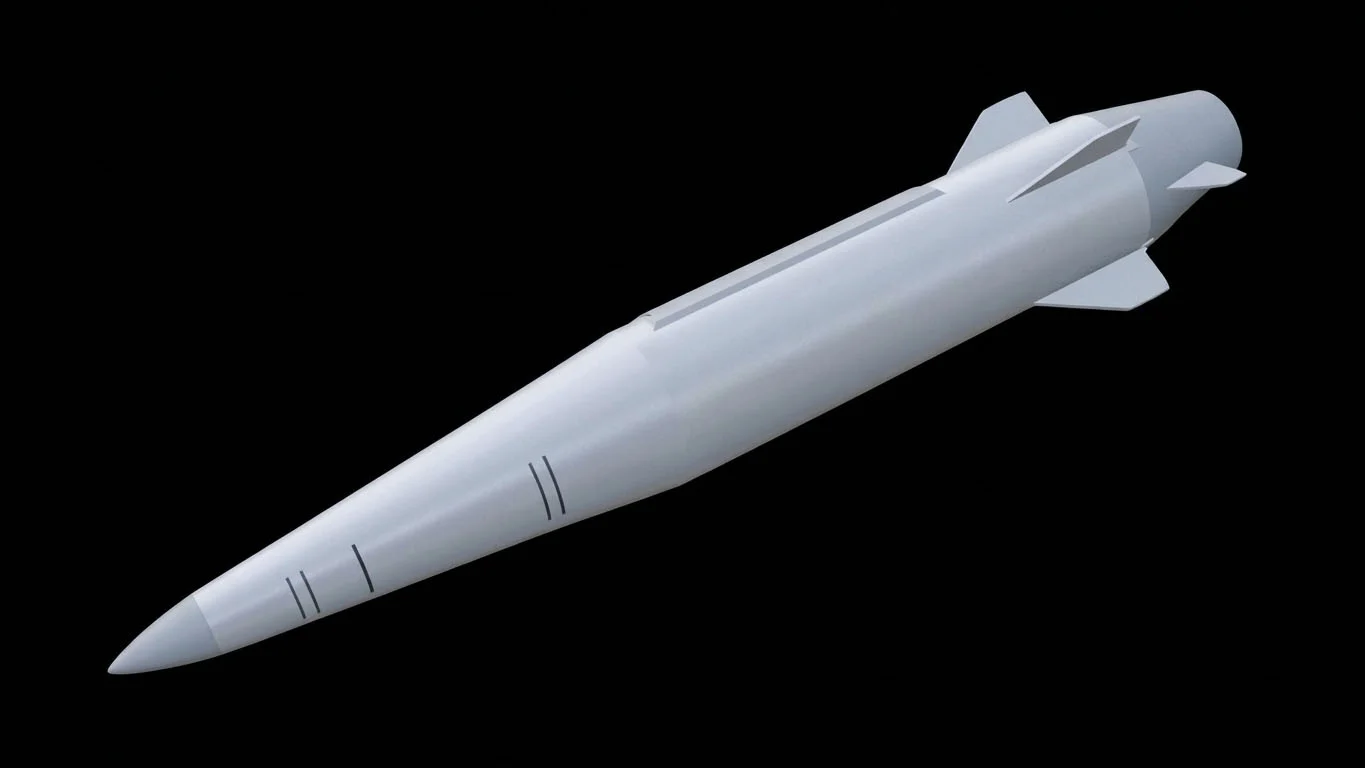
3D model of the Kh-47M2 Kinzhal missile. Photo: Ukraine’s Ministry of Defence
Explore further

Kinzhal is 90% identical to Iskander-M: Ukraine’s intelligence identifies 58 companies in production chain

That’s why, according to Beskrestnov, Iskanders carry optical homing heads or more expensive radar-guided ones. As the warhead falls, radar scans the terrain for a few seconds, and a correction goes into the missile’s guidance system, he explained.

What the intelligence database shows

Beskrestnov linked to War&Sanctions, a portal run by Ukraine’s Defense Intelligence (HUR) that catalogs components found in Russian weapons. One entry lists the 9E436 optical correlation homing head for the 9M723 Iskander-M. It names Russia’s TsNIIAG as the manufacturer and the NII Televideniya institute as an involved company. Another lists the 9B918 active radar homing head, made by the Russian company Radar MMS.

Russian drones first hit Kyiv’s Southern Bridge on 1 October, and the strikes continued the next day. Days later, a strike cratered the Northern Bridge. Then, overnight on 27 October, a ballistic attack damaged the Southern Bridge. Mayor Vitali Klitschko said traffic across it was closed and metro trains between Osokorky and Chervonyi Khutir stations were suspended. On 7 November, six ballistic missiles targeted the Northern Bridge and four hit it, Zelenskyy said. Traffic across it was closed in both directions, Klitschko reported.

The Proton electronics plant in Oryol, Russia, after a Ukrainian missile strike on 23 October. The facility reportedly produces electronic components used in Russian weapons systems, including Iskander-M ballistic missiles. Photo: Exilenova+
Explore further

Russian plant supplying components for Iskander missiles reportedly struck by Ukrainian Storm Shadow missiles

Meanwhile, Infrastructure and Recovery Minister Mykola Kalashnyk said on 30 October that Ukraine plans 21 alternative crossings over rivers, including the Dnipro, with the first in Kyiv due in early 2027. Bridges have been targets in both directions. In June, Ukraine struck the Chonhar bridge to occupied Crimea, and a Ukrainian commander told Army TV the strike left a Russian brigade waiting for fuel.

  •  

US delays the Patriot missiles Ukraine needs against ballistic strikes but keeps sending older PAC-2s

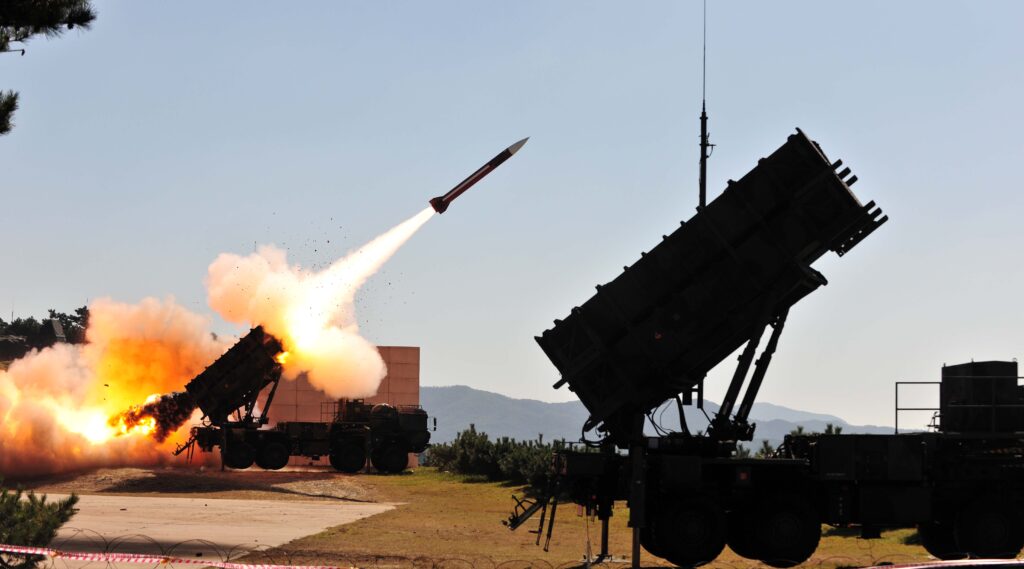
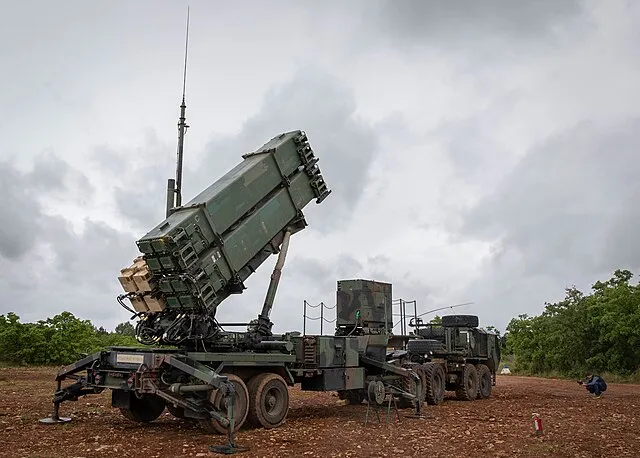
A Patriot air defense missile launcher. Photo: South Korean defense ministry.

The US is delaying PAC-3 interceptors for Ukraine’s Patriot air defense systems while older PAC-2s keep arriving, a NATO source told Radio Svoboda on 29 October. PAC-3 is the Patriot missile built mainly to stop ballistic missiles.

The delay comes as Russia leans on ballistic missiles against the capital. In two weeks, Russia launched more than 100 at Kyiv and Kyiv Oblast, President Volodymyr Zelenskyy said in his 27 October evening address. “And above all, we do not have enough missiles for Patriots,” he added. On 29 October, Zelenskyy said Ukraine has intelligence that Russia is preparing new ballistic missile attacks. Kyiv is “awaiting the relevant decisions” on interceptor packages, “primarily for Patriots,” he said.

A question for politicians

The PAC-2s, used mostly against aircraft and cruise missiles, arrive through PURL, the NATO mechanism under which allies pay for US weapons for Ukraine. The PAC-3 delay is under discussion at a high political level, the NATO source said. It is unclear when the situation will change.

What Washington said before

On 20 October, Hegseth said in Wisconsin: “We haven’t changed our posture in any way toward the Ukrainians, but certainly with things like interceptors, we want to make sure our guys have the most possible as well.”

“We haven’t changed our posture in any way toward the Ukrainians, but certainly with things like interceptors, we want to make sure our guys have the most possible as well.” Hegseth said in Wisconsin

The same day, Secretary of State Marco Rubio conceded that some interceptors bought for Ukraine through PURL may not have been delivered, Reuters reported. “There’s nothing being deliberately denied to Ukraine,” he said, adding: “We have our own needs, too.”

  •  

Russia’s sanctioned top diplomat heads to the US to campaign against the sanctions on its war

russia’s sanctioned top diplomat heads campaign against sanctions its war · post russian foreign minister sergei lavrov addresses un general assembly new york united states 24 2022 photo/cia pak un7955720

Russia's sanctioned Foreign Minister Sergei Lavrov is heading to a G20 meeting in the US, Russian Foreign Ministry spokeswoman Maria Zakharova stated. Moscow plans to use the trip to argue against sanctions, days after Russian ballistic missiles hit Kyiv. Ukraine, meanwhile, is still waiting for Washington's sign-off on the air defense missiles it needs.

Ukraine is fighting Russia's air war while its main ally squeezes it too, from capped Starlink links to missing US warnings of incoming ballistic missiles, leaving Kyiv weaker before any talks. A new round of the US-Russia-Ukraine trilateral talks is expected in Abu Dhabi in November.

Moscow's sanctioned minister plans to argue against sanctions

Lavrov will lead the Russian delegation at the G20 foreign ministers' meeting, which the US hosts in Atlanta on 30–31 October. In his speeches, he will denounce “the use of economic ‘weapons’ to fight opponents, including sanctions,” Russia's Foreign Ministry stated. The US Treasury sanctioned Lavrov on 25 February 2022, the day after Russia launched its full-scale invasion of Ukraine.

The ministry claimed its delegation ran into American red tape over visas. Journalists in Lavrov's press pool still received US visas without movement restrictions, Russian state news agency TASS reported.

The State Department's announcement of the meeting doesn't mention Russia or say whether Lavrov got a sanctions waiver. Republican Congressman Don Bacon told RFE/RL that Russian leaders “should not be welcomed in any of these forums.” “They lead a pariah state,” he said.

Moscow's demands arrive days after its missiles hit Kyiv

Lavrov will also stress “the cornerstone importance of indivisible security” as the basis of multipolarity, the ministry stated. Ukrainian President Volodymyr Zelenskyy has ruled out neutrality and limits on Ukraine's army.

Residents stand outside a high-rise building in Kyiv after a Russian ballistic missile attack, 26 October 2026
Explore further

Russian ballistic missiles hit a Kyiv university campus, then return before dawn for the Southern Bridge again

A day before the trip was announced, Lavrov called the US-Russia diesel deal a purely business arrangement. “There were no strings attached,” he claimed.

Lavrov brings these demands days after Russian ballistic missiles hit a Kyiv university campus and the Southern Bridge, killing a 46-year-old woman, the Kyiv City Prosecutor's Office reported. Kyiv has waited almost a month for US Defense Secretary Pete Hegseth's signature on Patriot and NASAMS missiles, Zelenskyy wrote.

Moscow keeps collecting from Washington

The visit adds to a run of US moves in Moscow's favor. This month, the US Treasury cleared Russian diesel blocked by sanctions. US President Donald Trump then waived tariffs on buyers of Russian oil. US Energy Secretary Chris Wright also said investors could buy sanctioned shadow-fleet tankers and return them to legal trade. Russia, for its part, kept striking Ukraine's energy sites during the truce Trump announced.

Russian officials are also back in G20 rooms in person. In late August, Russian Finance Minister Anton Siluanov attended a G20 finance meeting in Asheville, North Carolina. It was his first in-person G20 appearance since 2022, and European officials refused to join the group photo with him. The State Department has stated that Russia is welcome at all G20 meetings, and a senior US official said Russia would be invited to the leaders' summit in Miami in December.

Western ministers used to push back at those tables. When Lavrov spoke at the G20 meeting in Johannesburg in February 2025, then-British Foreign Secretary David Lammy said he saw no appetite for peace.

In Atlanta, Obama accuses the White House of selling out Ukrainians

Former US President Barack Obama campaigned in Atlanta on 28 October, two days before Lavrov's meeting there.

“And while we're alienating key allies like Canada, the White House is bending the knee to Vladimir Putin of Russia and selling out Ukrainians who are fighting for their freedom and democracy,” Obama said.

He also likened Trump's self-enrichment in office to “what dictators in other countries do.”

  •  

“Above all, we do not have enough missiles for Patriots”—Zelenskyy after 100+ ballistic missiles

Ukrainian President Volodymyr Zelensky visits a Patriot battery in Germany in 2024.

Russia has fired more than 100 ballistic missiles at Kyiv and Kyiv Oblast since 14 October, President Volodymyr Zelenskyy said in his evening address on 27 October. He said partners’ air defense packages are being delayed.

Ukraine’s front-line positions are stronger than they have been in a long time, Zelenskyy said. If partners’ support for Patriots and other air defense remained just as strong, he argued, Ukraine would be in a much better position diplomatically as well. He expects trilateral talks with US and Russian representatives in November. The US, on which, he said, “almost everything concerning Patriots depends,” will be one of the three sides.

Delays and the war on logistics

Overnight on 27 October, Russia launched 16 ballistic missiles and more than 280 drones, in what Zelenskyy called a serious escalation of Russia’s campaign against Ukraine’s logistics. The strikes hit the State University of Trade and Economics campus and the Southern Bridge in Kyiv.

Residents stand outside a high-rise building in Kyiv after a Russian ballistic missile attack, 26 October 2026
Explore further

Russian ballistic missiles hit a Kyiv university campus, then return before dawn for the Southern Bridge again

A 46-year-old woman was killed and 15 people were injured, among them dormitory residents and two medics, the Kyiv prosecutor’s office said on the morning of 27 October.

Zelenskyy wrote that artificial and lengthy delays in interceptor packages for Patriots and NASAMS directly help Russia achieve the goals of its terror campaign. In his evening address, he added:

“And everyone hears, everyone sees that right now, it is difficult for us to defend against Russian ballistic missiles. And above all, we do not have enough missiles for Patriots.”

A month waiting on Hegseth

Earlier, on 26 October, Zelenskyy wrote that Ukraine had waited almost a month for US Defense Secretary Pete Hegseth’s signature on missiles for Patriots and NASAMS. Kyiv is also working with Europe and other partners, he added.

ukraine raises its stalled patriot request washington again after almost month without hegseth’s signature · post air defense system’s launcher 21051 9-a-so154-750_-_patriot_missile_system_operates_in_croatiajpg news ukrainian reports
Explore further

Ukraine raises its stalled Patriot request with Washington again after almost a month without Hegseth’s signature

Separately, The Washington Post reported on 19 October that some transfers come from allies and need Hegseth’s approval, because the US must sign off on re-transfers. Zelenskyy’s post does not say whether his wait concerns those transfers.

Before Zelenskyy’s latest statements, US officials rejected claims of a deliberate hold. A US government official called Ukraine’s claims “not true,” the Kyiv Independent reported. On 20 October, Secretary of State Marco Rubio said there was “nothing being deliberately denied to Ukraine.” Hegseth said the US had not changed its posture toward Ukraine but wants “our guys” to have as many interceptors as possible.

  •  
❌