
 Connexion

Jamming doesn’t stop Russia hitting bridges. A Ukrainian expert points to the Iskander’s last-second radar scan

Russian Iskander-M ballistic missiles can still hit bridges when satellite navigation is jammed, because onboard seekers correct their course in the final seconds, Ukrainian radio-technology expert Serhii “Flash” Beskrestnov wrote on 9 November. Ukraine’s military intelligence database lists both seekers he names, though not how they perform under jamming.
Since 1 October, Russia has been striking Kyiv’s Dnipro crossings, the first such attacks since the full-scale invasion began. Jamming is one of Ukraine’s defenses against guided weapons. If it can’t throw these missiles off course, the bridges have to rely on interceptors and repairs, with backup crossings still being built.
The last seconds of the flight
Navigation is suppressed over the whole country during air-raid alerts, Beskrestnov wrote in a Telegram post. That makes it hard for an Iskander to hit within a meter of its target, and an inertial system alone won’t give that accuracy, he added. Russia, he wrote, wants its hits.
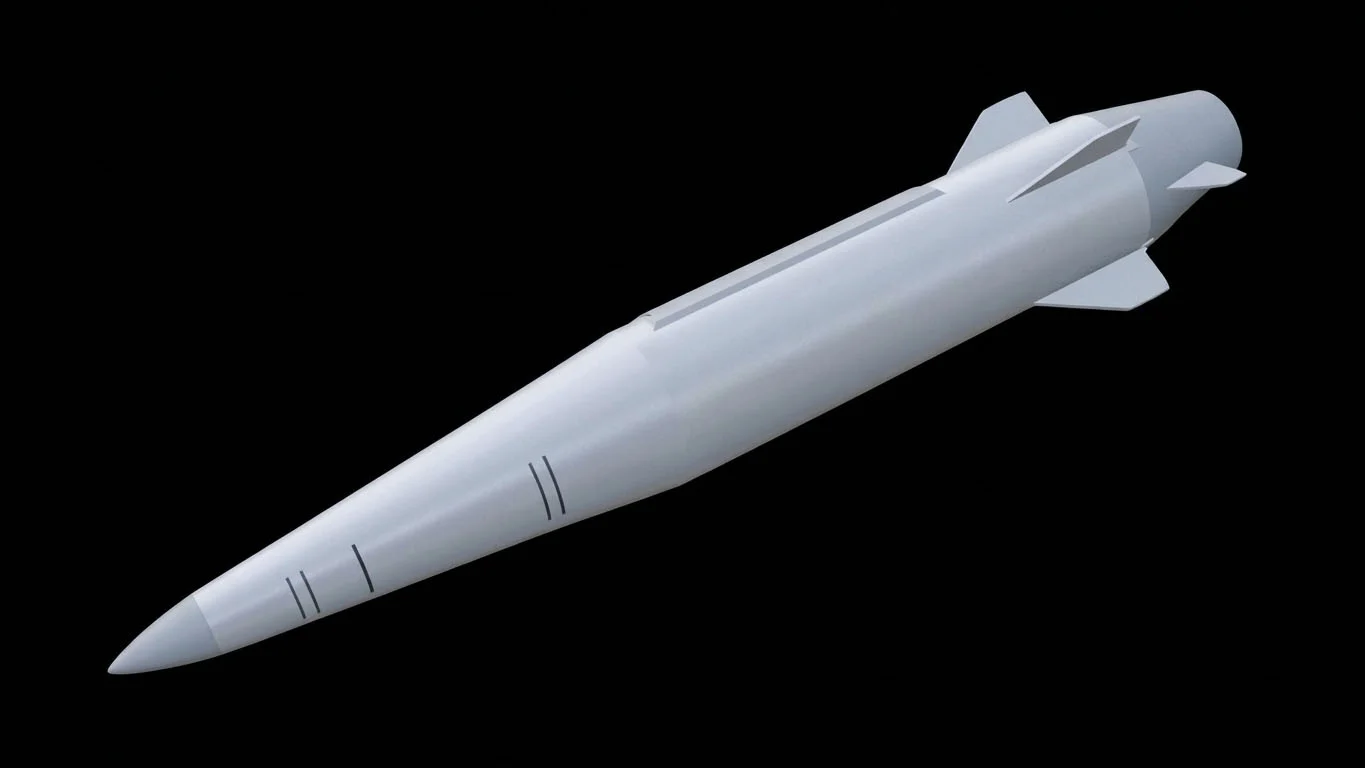
Kinzhal is 90% identical to Iskander-M: Ukraine’s intelligence identifies 58 companies in production chain
That’s why, according to Beskrestnov, Iskanders carry optical homing heads or more expensive radar-guided ones. As the warhead falls, radar scans the terrain for a few seconds, and a correction goes into the missile’s guidance system, he explained.
What the intelligence database shows
Beskrestnov linked to War&Sanctions, a portal run by Ukraine’s Defense Intelligence (HUR) that catalogs components found in Russian weapons. One entry lists the 9E436 optical correlation homing head for the 9M723 Iskander-M. It names Russia’s TsNIIAG as the manufacturer and the NII Televideniya institute as an involved company. Another lists the 9B918 active radar homing head, made by the Russian company Radar MMS.
Russian drones first hit Kyiv’s Southern Bridge on 1 October, and the strikes continued the next day. Days later, a strike cratered the Northern Bridge. Then, overnight on 27 October, a ballistic attack damaged the Southern Bridge. Mayor Vitali Klitschko said traffic across it was closed and metro trains between Osokorky and Chervonyi Khutir stations were suspended. On 7 November, six ballistic missiles targeted the Northern Bridge and four hit it, Zelenskyy said. Traffic across it was closed in both directions, Klitschko reported.

Russian plant supplying components for Iskander missiles reportedly struck by Ukrainian Storm Shadow missiles
Meanwhile, Infrastructure and Recovery Minister Mykola Kalashnyk said on 30 October that Ukraine plans 21 alternative crossings over rivers, including the Dnipro, with the first in Kyiv due in early 2027. Bridges have been targets in both directions. In June, Ukraine struck the Chonhar bridge to occupied Crimea, and a Ukrainian commander told Army TV the strike left a Russian brigade waiting for fuel.
Read also
-
Russia was widening this bridge to four lanes for its Crimea road. Drones have now closed it
-
Russia replaces its missiles as fast as it fires them, Ukrainian intelligence says. Its drone order this year tops 100,000
-
Why Ukraine’s new Patriot deal won’t solve its biggest air defense problem? Expert explains
