❌

Vue lecture

Moldova plugs into Romania and buys zero Russian gas as its president warns Russia will try harder to shake the country

Moldovan President Maia Sandu and EU Enlargement Commissioner Marta Kos with officials in hard hats at a substation of the new Vulcănești–Chișinău power line, Moldova, 8 November 2026

Moldova has switched on a power line that links it directly to the Romanian market and the European grid, the Moldovan presidency said. The route avoids Transnistria, its Russian-backed breakaway region. The country, which is not in the EU, already buys no Russian gas and plans two more lines to Romania. Its president expects Russia to keep trying to destabilize it.

Russia has spent years turning energy into a weapon against its neighbors, and its war has made Ukraine's power grid a constant target. A strike on Ukrainian substations can ripple across the border to countries wired into the same system. Russian gas has not stopped flowing into Europe either. The EU imported a record volume of Russian Arctic liquefied natural gas (LNG) in the first nine months of 2026. A country that breaks both kinds of dependence takes a lever out of Moscow's hands.

Moldova's first new power line since independence

The 400-kilovolt line runs 158 km, the presidency said, from Vulcănești in the south to the capital, Chișinău, with two modernized substations. It went live on 8 November in the presence of EU Enlargement Commissioner Marta Kos. That gives the country “an additional route for transporting electricity and a lower risk of disconnection,” the presidency said.

Moldovan President Maia Sandu, EU Enlargement Commissioner Marta Kos, and officials walk to the launch of the Vulcănești–Chișinău power line, Moldova, 8 November 2026
Moldovan President Maia Sandu, EU Enlargement Commissioner Marta Kos, and officials walk to the launch of the Vulcănești–Chișinău power line, Moldova, 8 November 2026. Photo: Moldovan Ministry of Energy

It is the first power line Moldova has built since independence, Radio France Internationale (RFI) reported. Moldova can now import electricity straight from Romania, avoiding Transnistria. Romanian broadcaster Digi24 said the line cuts reliance on the Cuciurgan power hub in the breakaway region.

Map of Moldova and its Russian-backed breakaway region of Transnistria

The World Bank lent €61 million for the project. The loan was approved in September 2019, when Sandu headed the government. Construction ended in November 2025, and testing followed. Moldovan Energy Minister Dorin Junghietu said the war next door complicated deliveries, logistics, and the works.

Sandu says Moscow can no longer use energy to blackmail Moldova

Moldovan President Maia Sandu marked the launch with a post on X. She said Moldova buys zero Russian gas and two more lines to Romania are on the way.

“For decades, Moscow used energy to blackmail us. No more,” Sandu wrote.

At the ceremony, she said energy independence lets Moldova choose where it buys energy “without being vulnerable to pressure and blackmail.” She recalled that the country was threatened with losing light and heat whenever it chose differently from Moscow. The last such disconnection came in autumn 2021, she said. She also said wars have pushed up prices on foreign markets and the government will again look for ways to ease bills for vulnerable families this winter.

Russian strikes on Ukraine have already cut Moldova's key link to Europe

Moldova's grid is tied to Ukraine's, which Russia attacks almost daily. On 23 March, Russian strikes on Ukraine knocked out the Isaccea–Vulcănești line, Moldova's key connection to Romania. Sandu said Russia bore sole responsibility. Earlier this year, a fault in Ukraine's grid left parts of Moldova without power. The attacks go on. On 8 November, Russian strikes cut power to more than 600,000 customers in Dnipropetrovsk Oblast.

Moldova is also building links with Ukraine and investing in renewables, the presidency said. The Bălți–Suceava line to Romania, worth about €77 million, has money from the European Bank for Reconstruction and Development, the European Investment Bank, and a €15 million EU grant. US grants will pay for the Strășeni–Gutinaș line. Moldova is also negotiating to buy up to 50 million m³ of gas from Ukraine, according to RFI.

Sandu expects more Russian attempts to destabilize Moldova

Two days before the launch, Moldova's National Security Council approved cybersecurity measures after an October cyberattack. After the meeting, Sandu said that “Russia does not want Moldova to advance.” She said some Moldovan politicians align with Russia's efforts and expected more attempts to destabilize the country in the coming months.

The pressure has come on several fronts this autumn. In October, Moldova expelled a Russian diplomat after a Russian Geran drone crashed on its territory. Moldova and Ukraine are also both waiting to open their next blocks of EU accession talks.

  •  

Moldova's pro-Russian political bloc to participate in upcoming elections

Moldova's pro-Russian political bloc to participate in upcoming elections

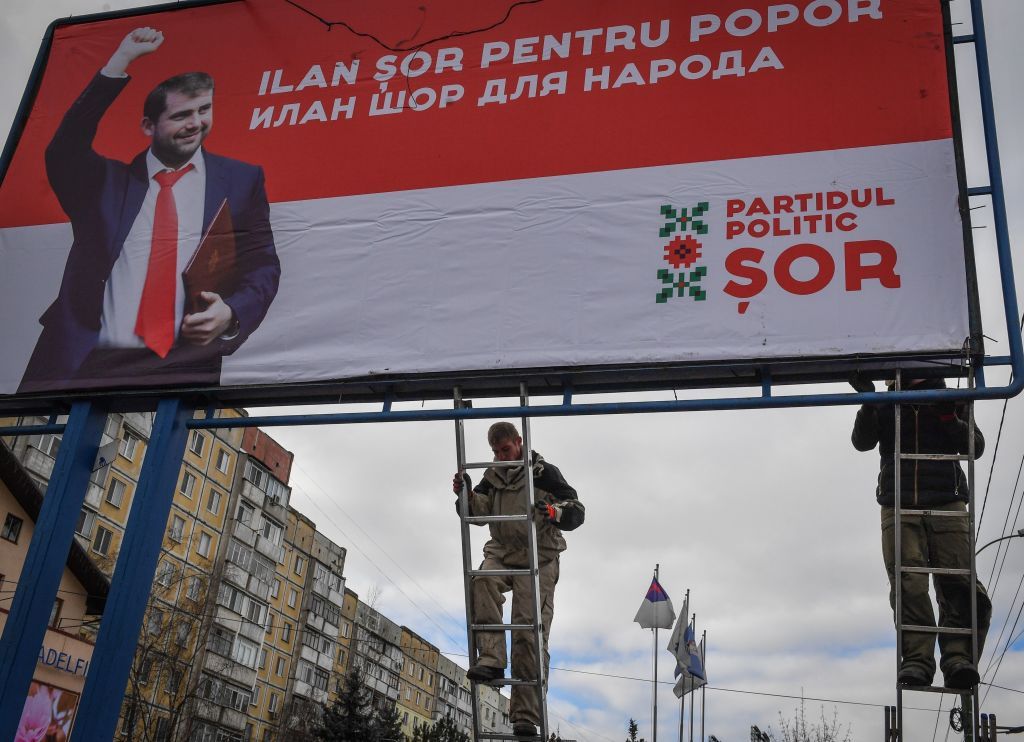
Moldova's Victory bloc, a pro-Russian political alliance, plans to participating in the country's September parliamentary elections, the bloc's founder Ilan Shor announced on July 6.

Shor, an exiled pro-Kremlin oligarch, established the Victory bloc in August 2024. The bloc includes his own Shor party, which is banned in Moldova.

Victory will submit documents in the coming days registering the bloc for participation in the September vote, Shor said.

"Our main goal in these elections is to overthrow the fascist regime and hold early democratic elections within the next six months," Shor said.

The candidate list will be headed by Evghenia Gutul, the head of Moldova's Gagauzia region, who is currently on trial for illegally funding the banned Shor party. Gutul maintains ties to Moscow and is currently under U.S. sanctions.

The upcoming September elections carry high stakes for Moldova, one of the pooerest countries in Europe. Moldovan President Maia Sandu said on July 4 that Chisinau's European path rests on the outcome of the vote.

European Commission President Ursula von der Leyen pledged on July 4 that the European Union will help Moldova defend itself against hybrid threats by "agents of autocracy" as elections approach.

Moldova was granted EU candidate status in 2022. Sandu's ruling Party of Action and Solidarity aims to maintain its parliamentary majority and move the country closer to full membership by 2030.

Ukraine war latest: Drones attack Russia’s Black Sea Fleet; Russian pipelines explode in country’s Far East, HUR says
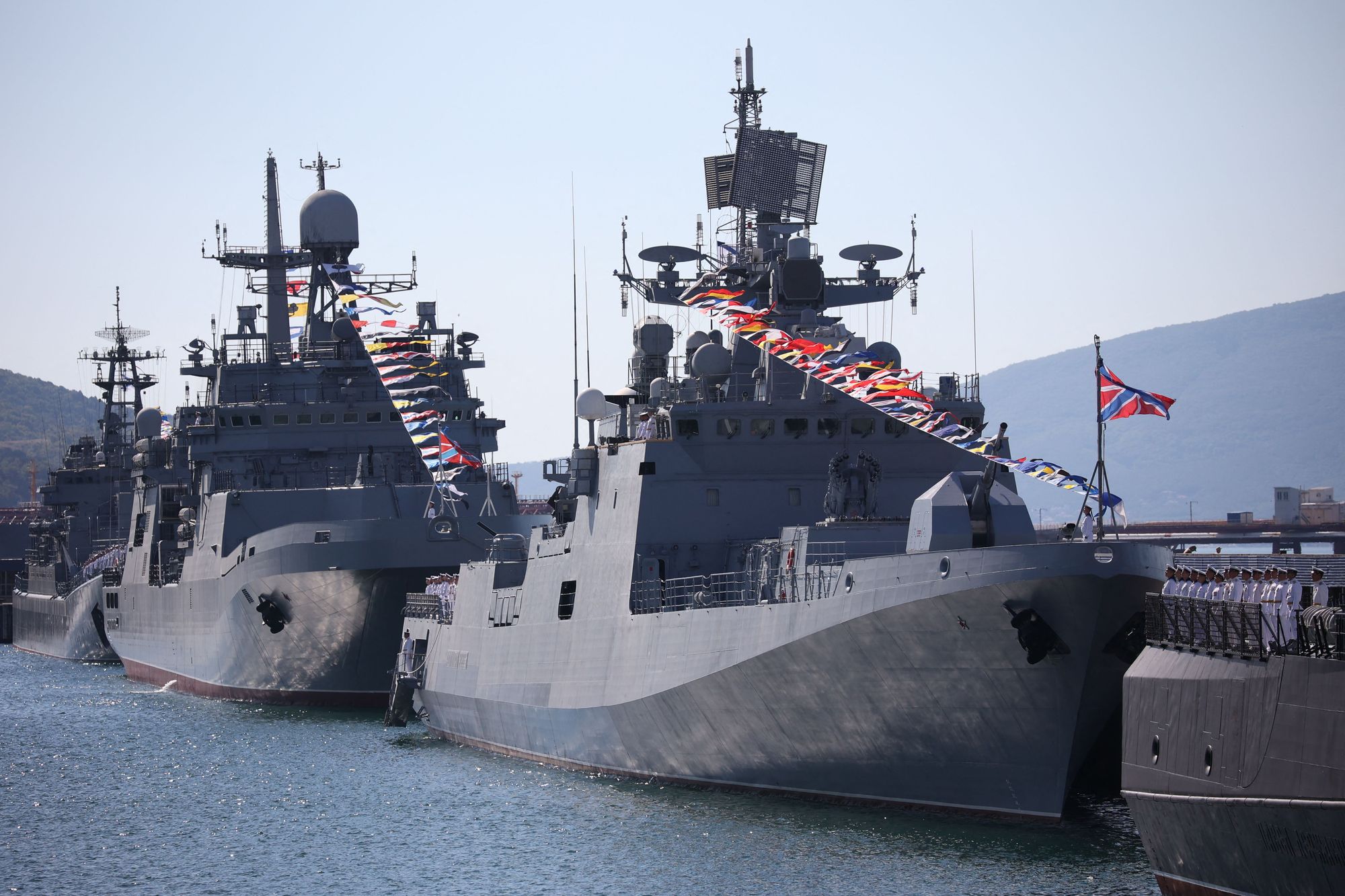
Key developments on July 5-6: * Drones reportedly attack Russia’s Black Sea fleet * Pipelines supplying Russian military explode in Russia’s Far East, HUR source says * Ukrainian drone strike on Russian airfield hits bomb depot, aircraft * Ukraine hits Russian electronic warfare facility making Shahed, Iskander components, General Staff says * Ukraine’s army chief warns of new Russian offensives in northeast as he visits Kharkiv Oblast front Drones attacked Russia’s Black Sea Fleet at the
Moldova's pro-Russian political bloc to participate in upcoming electionsThe Kyiv IndependentThe Kyiv Independent news desk
Moldova's pro-Russian political bloc to participate in upcoming elections

  •  

EU to help Moldova fight hybrid attacks from 'agents of autocracy,' von der Leyen says ahead of September election

EU to help Moldova fight hybrid attacks from 'agents of autocracy,' von der Leyen says ahead of September election

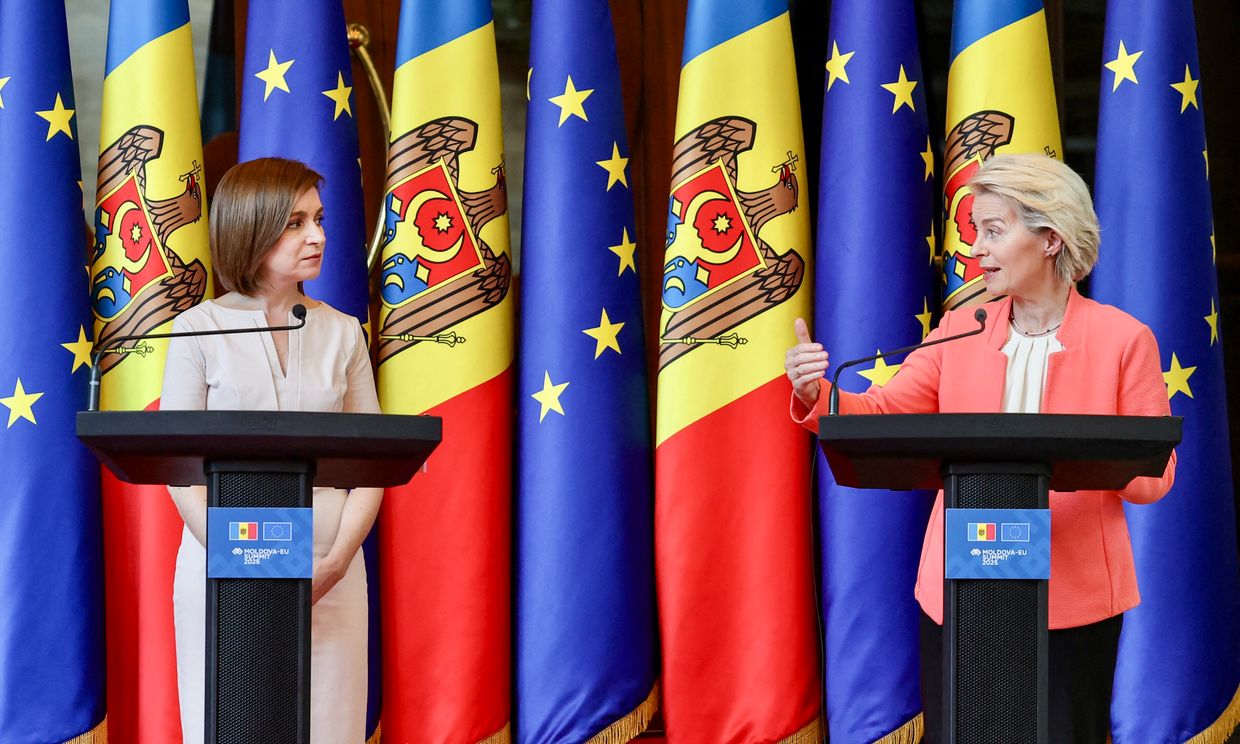
European Commission President Ursula von der Leyen pledged on July 4 that the European Union will help Moldova defend itself against hybrid threats by "agents of autocracy."

"We are committed to protecting you against the hybrid attacks and the energy shocks that your country has been a victim of," von der Leyen said following the EU-Moldova summit in Chisinau.

"Who is behind those attacks is clear to all of us here. These are the same agents of autocracy trying to undermine our democracies everywhere in Europe."

Von der Leyen praised Moldova's support for Ukraine and the EU, noting its acceptance of hundreds of thousands of Ukrainian refugees and its assistance with European wildfire response efforts.

The visit was made in show of solidarity with Moldova, one of Europe's poorest countries, as it prepares for high-stakes parliamentary elections on Sept. 28.

The pro-European government of President Maia Sandu faces a challenge from the pro-Russian Socialist Party, amid growing fears of destabilization ahead of the vote.

Sandu has accused Russia of using its military presence in Moldova's Russian-occupied Transnistria region to stir unrest and derail the country's EU aspirations. On June 12, she warned that Moscow could provoke a crisis in Transnistria to influence the election outcome.

Transnistria has been under Russian-backed separatist control since the early 1990s, with approximately 1,000 to 1,500 Russian troops still stationed in the region.

On June 11, Transnistrian authorities declared a 30-day state of emergency after a sharp drop in natural gas supplies. The unrecognized region has faced mounting energy shortages since January, when Russian energy giant Gazprom halted deliveries in what many see as an attempt to destabilize the situation in Moldova.

Moldova was granted EU candidate status in 2022. Sandu's ruling Party of Action and Solidarity aims to maintain its parliamentary majority and move the country closer to full membership by 2030.

Moldovan Prime Minister Dorin Recean earlier told the Financial Times that Russia plans to send 10,000 troops to Transnistria and establish a pro-Kremlin government in Moldova.

Death of top Russian oil executive fuels fresh scrutiny of elite’s ‘window falls’
The unexplained death of a top Russian oil executive on July 4 is fueling renewed scrutiny over the rising number of high-profile Russian officials and businessmen who have died under mysterious circumstances, specifically, have fallen out of windows. Andrei Badalov, vice president of Transneft, Russia’s largest state-controlled pipeline transport company,
EU to help Moldova fight hybrid attacks from 'agents of autocracy,' von der Leyen says ahead of September electionThe Kyiv IndependentTim Zadorozhnyy
EU to help Moldova fight hybrid attacks from 'agents of autocracy,' von der Leyen says ahead of September election
  •  

Russia may provoke crisis in Transnistria ahead of Moldova's elections, Sandu warns

Russia may provoke crisis in Transnistria ahead of Moldova's elections, Sandu warns

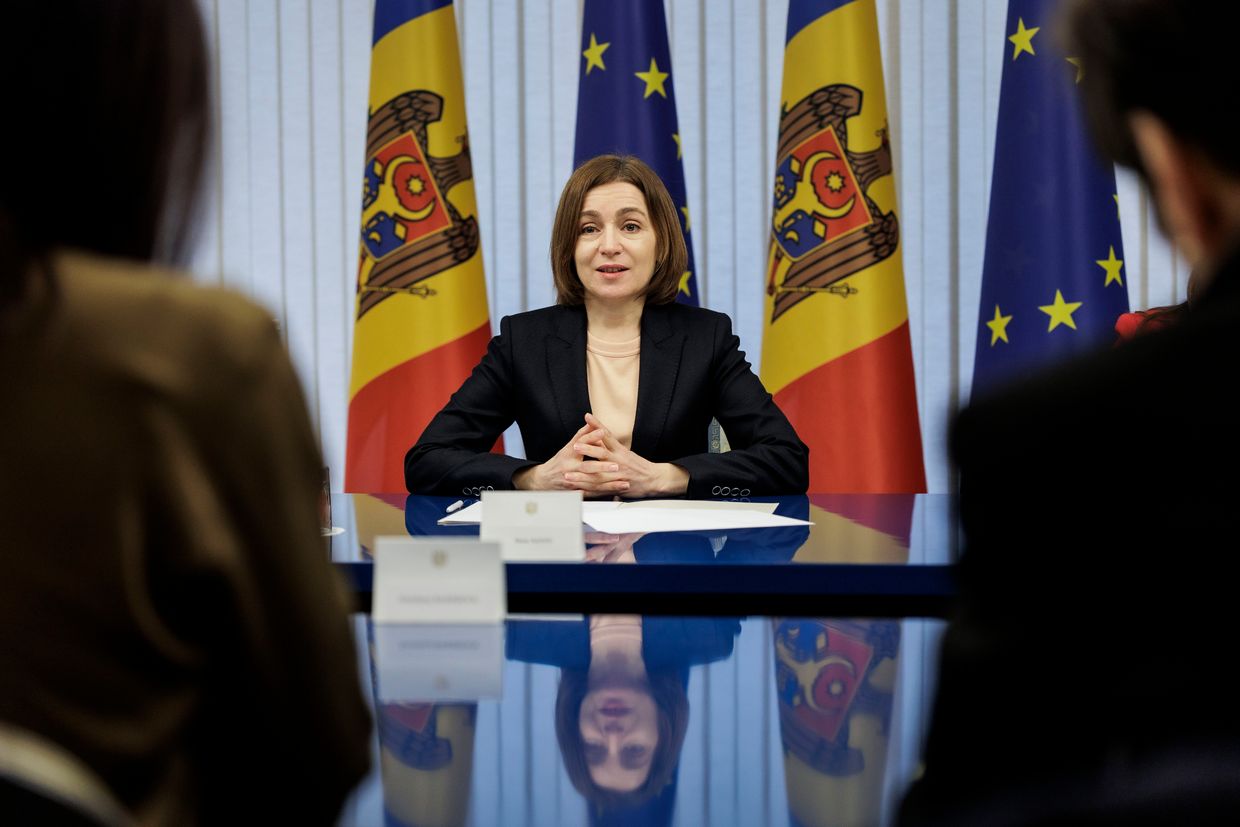
Moscow may instigate a crisis in Moldova's Russian-occupied Transnistria region to destabilize the country ahead of parliamentary elections scheduled for September, Moldovan President Maia Sandu said on June 12, according to Moldovan outlet Newsmaker.

"All these years, Russia has been using the residents of Transnistria and can provoke an even greater crisis at any moment if it suits its plans in Moldova," Sandu said.

"We can expect this crisis to deepen in the coming months, before the elections."

The president's comments come after Transnistria declared a 30-day state of emergency on June 11, due to a sharp reduction in natural gas supplies.

The unrecognized region, located along Moldova's eastern border with Ukraine, has faced mounting energy shortages since January, when Russian gas giant Gazprom halted deliveries.

Sandu, a pro-European leader of the country, warned that Moscow could combine voter bribery and political manipulation with "blackmail" in Transnistria.

"Russia may promise assistance in exchange for votes on the Right Bank. We can expect all sorts of games," the president said.

In February, Moldova's government revealed that Transnistria rejected a 60 million euros ($62 million) EU energy aid package under pressure from Moscow.

The Moldovan president assured that the country's institutions are monitoring the risks and pledged that the elections would be "free and fair," despite growing instability.

Sandu emphasized that Chisinau is prepared to support the population in Transnistria but must first address "the main problem — the withdrawal of Russian troops."

"This is a key issue that we must resolve peacefully, because otherwise we will not be able to justify our financial support," she said.

Moscow continues to maintain a military presence in Transnistria, which has been under the control of pro-Russian separatists since the early 1990s. President Volodymyr Zelensky said in February that around 1,000 to 1,500 Russian troops are currently stationed in the region.  

Chisinau has repeatedly called for the peaceful reintegration of Transnistria and the withdrawal of Russian forces, citing it as essential to Moldova's security and development.

Moldovan Prime Minister Dorin Recean earlier told the Financial Times that Russia plans to send 10,000 troops to Transnistria and establish a pro-Kremlin government in Moldova.

Russia preparing strategic reserves for conflicts beyond Ukraine, Ukraine warns
“According to our intelligence, Russia has started to prepare strategic reserves, which indicates plans for combat operations not only in Ukraine,” Ukraine’s Foreign Minister Andrii Sybiha said
Russia may provoke crisis in Transnistria ahead of Moldova's elections, Sandu warnsThe Kyiv IndependentAnna Fratsyvir
Russia may provoke crisis in Transnistria ahead of Moldova's elections, Sandu warns
  •  
❌