Vue lecture

A fifth of Russian refining sits idle, and the sector’s earnings still grew
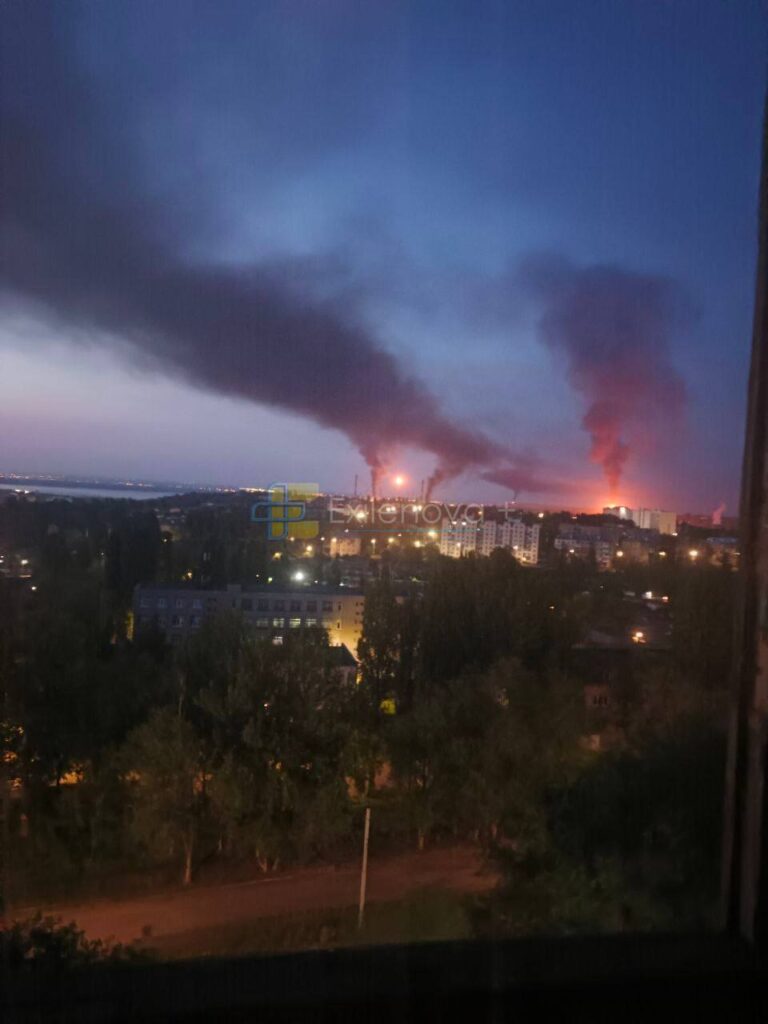
refinery saratov two tatarstan pumping station bashkortostan — one night's russian oil target list · post smoke fire rise over russia after ukrainian drone strike 8 2026 saratov5075776523918314508 ukraine news

Russian oil refineries earned more in the first half of this year than in the same period a year earlier, even as Ukrainian drone strikes kept a fifth of the country's refining capacity out of action, The Moscow Times reportedRecord wholesale prices and fast-growing payments from the federal budget have more than covered what the attacks and the repairs cost. Russian consumers are covering the rest at the pump.

Refineries turn Russian crude into the two things the war needs: fuel for the army, and billions in export earnings and taxes that help pay for it. That is why That is why Ukraine keeps hitting them with long-range drones, and why what those strikes do to Russian oil earnings matters more than how many plants are burning.

Where the profits come from

Russian refineries earned 938 billion rubles ($11.1 billion) in the first half of 2026, 16.2% more than a year earlier, according to the state statistics service Rosstat. Ukrainian drone strikes have put a fifth of the country's refining capacity out of action.

Two things produced that result, according to Promsvyazbank analyst Yekaterina Krylova: high wholesale prices on the SPIMEX commodity exchange, and a sharp increase in state fuel subsidies.

Wholesale prices took off in March, after the war in the Middle East began: light petroleum products have risen 37% since late February and diesel by a third, with July bringing record exchange prices of 82,600 rubles ($982) per tonne of AI-95 gasoline. Crude got cheaper for the refiners over the same stretch, as the ruble price of Urals oil peaked in spring and fell through the summer while the products made from it kept getting dearer.
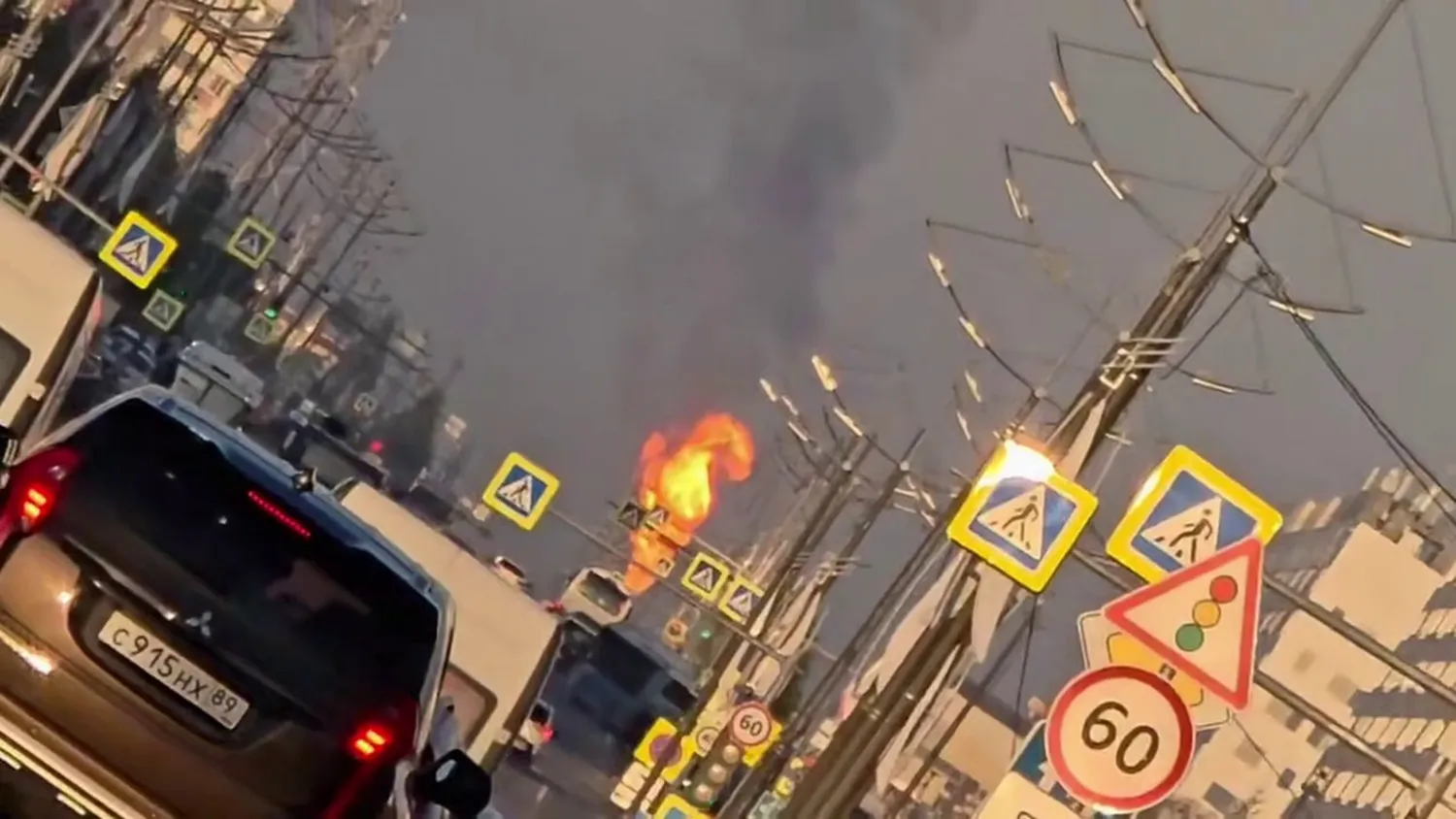
A tall flame rises above an industrial facility in Novy Urengoy at night.
Explore further

Ukraine says drones hit Russia’s gas heartland over 3,000 km from its border—a wartime record

The budget pays the difference, the country pays the bill

Russia's damper mechanism compensates oil companies for selling fuel cheaply at home rather than exporting it, and the payments grow as the gap between domestic and world prices widens.

The Finance Ministry paid out close to 350 billion rubles ($4.2 billion) a month in the second quarter, and 500 billion rubles ($5.9 billion) for July and August together. Krylova expects the subsidies and the prices together to widen net margins by 45% in the third quarter, to 35,000 rubles ($416) per tonne of gasoline.

Russia's retail prices tell the other half of the story. Gasoline has risen 21.2% since January and diesel 18.4%, well above Russian inflation. Budget money lets the majors, which own both the refineries and the filling-station chains, hold their own forecourt prices near inflation. Independent chains have no such cushion: they buy at the higher wholesale prices and sell dearer, which is how Russia has been squeezing them out of the market. For drivers, the crisis has been physical as well as financial, with rationing and dry pumps spreading across dozens of regions.

Kazakh President Kassym-Jomart Tokayev and Russian President Vladimir Putin walk past an honor guard in Astana, Kazakhstan, on 27 November 2024.
Explore further

Kazakh refinery deal could ease Russia’s front-line fuel pressure—but it covers just 0.3% of demand

What the strikes have cost

Ukrainian drones have been hitting Russian refineries since 2024, and the campaign escalated sharply from August 2025, when strikes deep inside Russia became systematic. Russian refineries disclose none of their losses from it.

Ukraine's General Staff estimated the total damage to the Russian oil industry since August 2025 at $13.5 billion, in a count published in early July. The insurance broker Mains put direct losses to the oil and gas sector from drone strikes last year at more than 100 billion rubles ($1.2 billion), and above a trillion rubles once lost profit and indirect damage are counted.

  •  

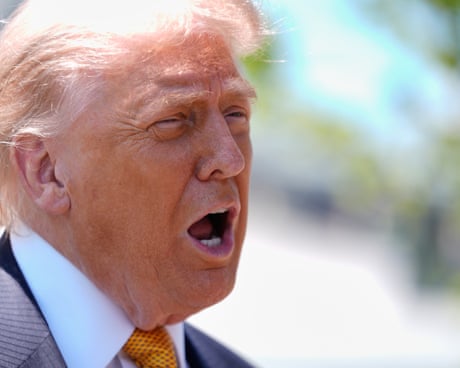
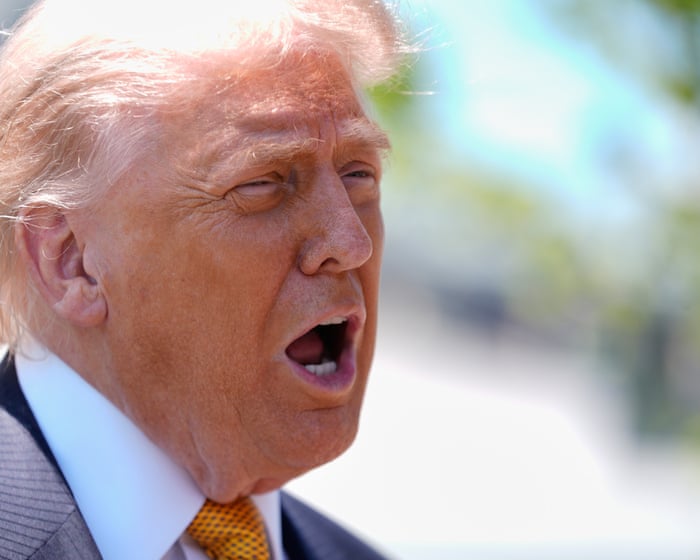
The perilous economic conditions facing the UK can be traced back to Trump | Richard Partington

As John Healey drafts his autumn budget, the US president’s policies continue to inflate debt servicing costs

Britain is not entirely in control of its own destiny, from the rising cost of the weekly shop, to the vaulting cost of government borrowing. What is said and done in Westminster matters. But the global backdrop is making life tough, not least in the deeds and words of one man: Donald Trump.

As John Healey drafts his plan for next month’s autumn budget, the perilous economic conditions the chancellor must navigate can be traced back to the door of the US president.

Continue reading...

© Photograph: Manuel Balce Ceneta/AP

© Photograph: Manuel Balce Ceneta/AP

© Photograph: Manuel Balce Ceneta/AP

  •  

Former Ukrainian president has made offer to Zelenskyy amid Russia’s new type of war on Kyiv

Former Ukrainian President Petro Poroshenko, leader of the opposition European Solidarity party. Source: European Solidarity

Former Ukrainian President Petro Poroshenko, leader of the opposition European Solidarity party, has offered to unite with President Volodymyr Zelenskyy in a new type of government. He has explained his initiative as necessary to save the country and adopt crisis-response measures amid a new phase of the war.

Russia's strike campaign has become a governance problem as much as a military one. Each attack on Kyiv costs the city about $12 million, and they now arrive almost twice a week. Agriculture Minister Taras Vysotskyi said on 28 August that, roughly speaking, 90% of retail chains' food logistics had been destroyed in the latest attacks, which included jet-powered drones that trigger an air alert in Kyiv every hour.

"We are the opposition, but we are ready to cooperate with the authorities in the legislative provision of all necessary decisions, up to the creation of a coalition and a government of national unity," he said.

Speaking in a video address on 31 August, he set out five issues to solve for the parliamentary session.

One: keep the capital running

The current barrage has forced Kyiv to a near-standstill, with alerts sounding through the working day. If they are permanent, Poroshenko argued, the rules for how the city runs must change, and the government, military, transport operators, and business must agree on a single published procedure. When the capital is shut down for hours, much of the economy stops with it, and the lost billions never reach the army, he added.

"Let us say honestly what Putin is doing. He wants to switch Kyiv off. To make people finally say: it is impossible to live here," Poroshenko said.

Two: give parents a school plan

The school year opens on 1 September under a rule allowing in-person classes only where a school has a shelter with room for everyone. Kyiv's administration told UNN that 94% of city schools have basic shelters, but capacity limits set the ceiling, forcing shifts or blended formats when a shelter cannot hold every child at once.

"Tomorrow is 1 September. Thousands of parents still do not understand how their children will study, especially where there are no proper shelters," Poroshenko said.

Three: return Kyiv's money

Kyiv has lost revenue to the central budget even as its defense costs climb, a dispute with the government that predates the barrage. Poroshenko demanded the return of about $180 million to the budget, along with the personal income tax paid by combat brigades.

"This week Kyiv is forced to carry out a budget sequester for the first time," he explained, cutting spending on doctors, teachers, and the socially vulnerable to fund the city's own defense.

Four: scale up war-risk insurance

Russia's strikes have hit businesses faster than any recovery system can answer, with warehouses and logistics hubs among the targets this month. Business needs war-risk insurance, money for rapid recovery after strikes, new logistics, and the ability to invest in its own protection, including private air defense, Poroshenko said.

Five: fund energy resilience now

Putin has named energy as his main target, the former president pointed out, and the coming winter is the pressure point. Kyiv's small, maneuverable generation, cogeneration, and backup power for hospitals, water utilities, and communications must be installed now, he added.

  •  

Every Russian attack on Kyiv costs the city about $12 million. They now come almost twice in week

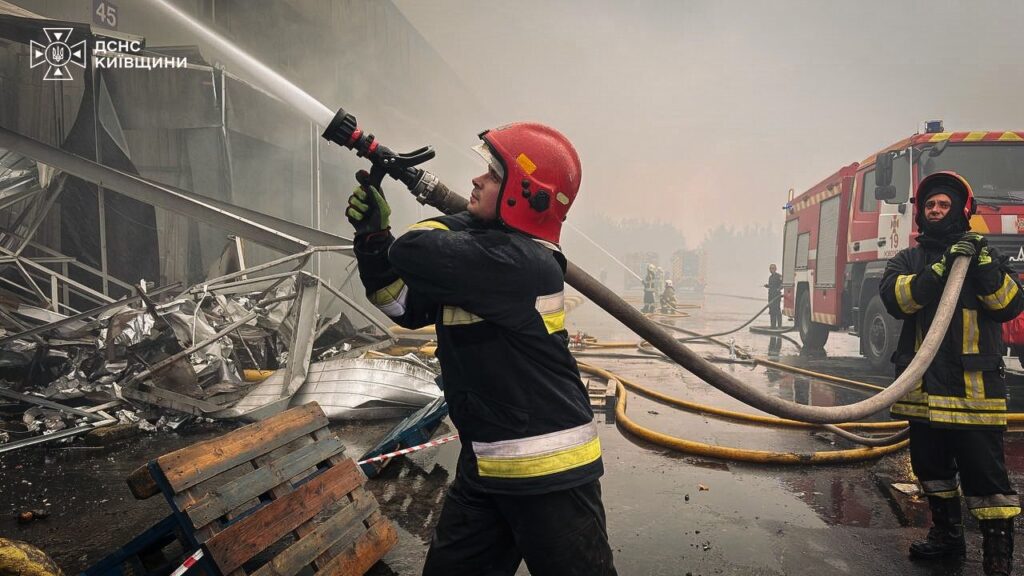
Ukrainian firefighters respond to a blaze at warehouses hit by a Russian drone strike in Kyiv Oblast’s Brovary district, 18 August 2026. Photo: Ukraine's State Emergency Service

Each Russian attack on Kyiv costs the city budget about $12 million. Russian strikes have already damaged more than four thousand buildings in the capital, Mayor Vitali Klitschko said in answer to a Novyny.LIVE journalist.

Russian forces now strike Kyiv with ballistic and cruise missiles or drones on average almost twice a week. The latest massed attack, on the night of 20 August, killed at least 16 people in Kyiv and the region.

The cumulative damage keeps growing

The toll on the city's housing is vast. More than four thousand buildings in Kyiv have been damaged by Russian strikes, Klitschko continued, with each attack adding to a repair bill the city carries alongside the human losses.

New shelters are planned, but old money went unspent

Kyiv plans to expand its shelter network. By the end of 2026, the city intends to install new mobile shelters, placed first in districts and locations that lack other accessible cover, Klitschko stated.

The plan follows a failure that the mayor acknowledged. Last year, Kyiv allocated $12 million for mobile shelters, but the district administrations did not use the money. It was returned to the city budget.

The capital also still lacks enough professional bomb shelters capable of better protecting people during missile strikes, he added. This gap persists as tens of thousands of Kyiv residents shelter in metro stations through the attacks.

The city is building a backup heating system

Meanwhile, Kyiv is preparing for winter under fire. The city has completed more than 50% of planned work to create a backup heating system, with readiness at some sites already reaching 90%, the Kyiv mayor added.

Russia has struck Ukraine's energy and heating infrastructure each winter of the war. A backup system is Kyiv's insurance that a successful strike on one heat source does not leave districts frozen, part of the same preparation for the heating season that Ukraine's government is racing to complete nationally before the cold.

  •  

Ukraine's 2026 budget could face $19B shortfall as Europe weighs how to fill the gap, FT reports

Ukraine's 2026 budget could face $19B shortfall as Europe weighs how to fill the gap, FT reports

The European Commission is discussing with EU member states various options to cover Ukraine's budget deficit for next year, which could range from $8 billion to $19 billion, the Financial Times reported on July 8.

International partners have provided Ukraine with over $39 billion for its wartime economy so far this year, Prime Minister Denys Shmyhal announced.

The financial hole in Ukraine's budget is linked to reduced U.S. support and the lack of prospects for a swift ceasefire with Russia that Europe had hoped for, the Financial Times reported.

A senior EU official told the publication that many of Ukraine's partners had previously counted on a peace deal in 2025, but are now forced to revise their funding plans.

This includes the European Commission, which has already adjusted spending from Ukraine-related funding streams.

Without support from Western partners, Kyiv would face a budget deficit of $19 billion in 2026, according to the Financial Times. However, even if additional international financing for the wartime economy can be secured, a gap of at least $8 billion would remain.

To support Ukraine's budget, Europe is considering providing military aid in the form of off-budget grants that would be recorded separately as external transfers but would count toward NATO member countries' national defense spending targets.

One EU diplomat told the Financial Times that military support for Ukraine is viewed as a contribution to the defense of all of Europe.

In a document for G7 countries reviewed by Financial Times, Kyiv proposed that European allies co-finance Ukrainian forces, framing this as a service to strengthen continental security.

Other support options under discussion include potentially accelerating payments from the existing $50 billion G7 loan program and reinvesting frozen Russian assets in higher-yield financial instruments that the EU allocated to help service the debt.

According to the Financial Times, two sources confirmed that the commission planned to discuss these options with EU finance ministers on July 8.

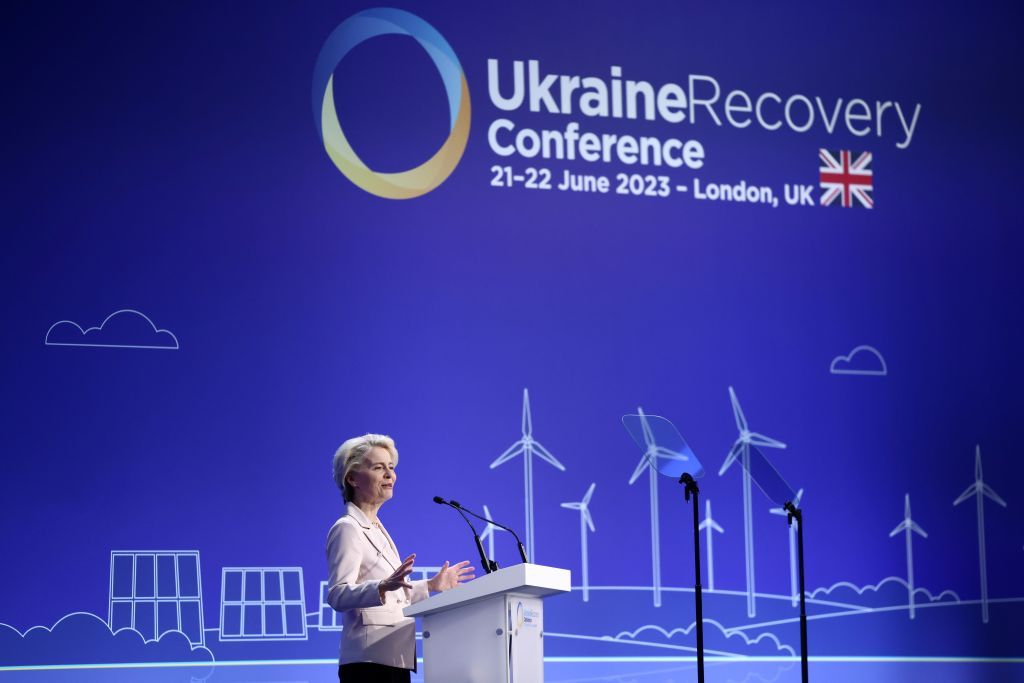
The funding issue will also be raised at the Ukraine Recovery Conference in Rome on July 10-11, dedicated to Ukraine's reconstruction needs. European Commission President Ursula von der Leyen will attend the event.

  •  
❌