Connexion
Former Ukrainian president has made offer to Zelenskyy amid Russia’s new type of war on Kyiv
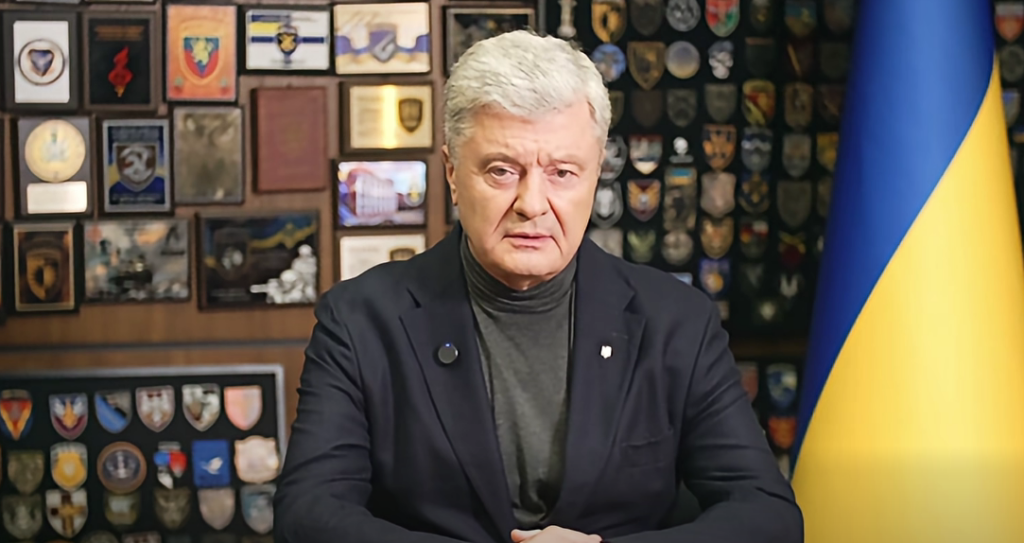
Former Ukrainian President Petro Poroshenko, leader of the opposition European Solidarity party, has offered to unite with President Volodymyr Zelenskyy in a new type of government. He has explained his initiative as necessary to save the country and adopt crisis-response measures amid a new phase of the war.
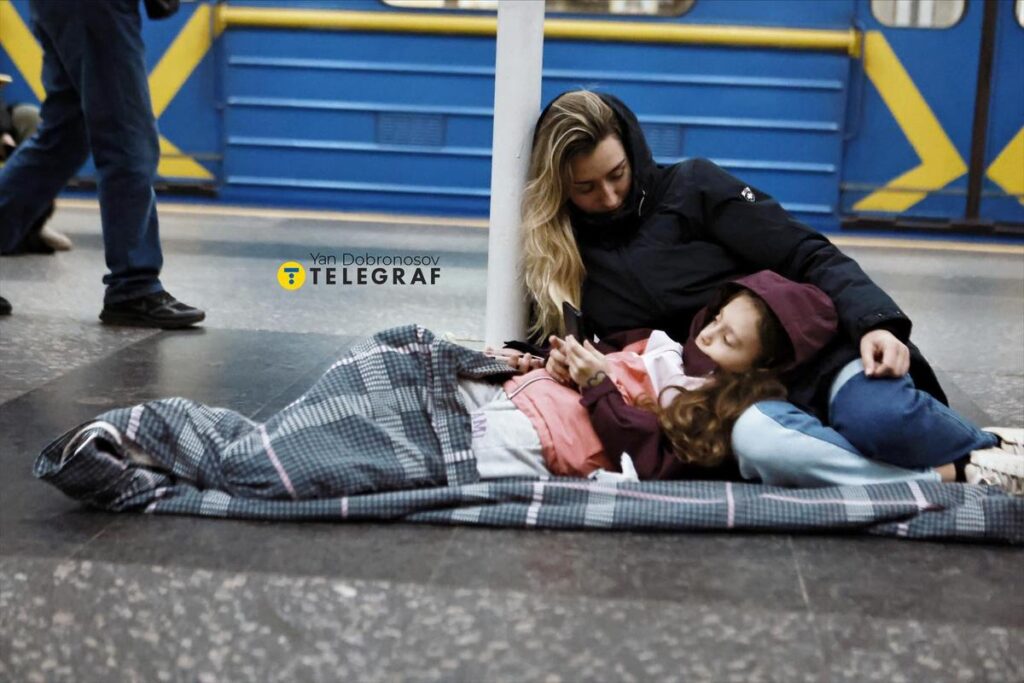
Russia's strike campaign has become a governance problem as much as a military one. Each attack on Kyiv costs the city about $12 million, and they now arrive almost twice a week. Agriculture Minister Taras Vysotskyi said on 28 August that, roughly speaking, 90% of retail chains' food logistics had been destroyed in the latest attacks, which included jet-powered drones that trigger an air alert in Kyiv every hour.
"We are the opposition, but we are ready to cooperate with the authorities in the legislative provision of all necessary decisions, up to the creation of a coalition and a government of national unity," he said.
Speaking in a video address on 31 August, he set out five issues to solve for the parliamentary session.
One: keep the capital running
The current barrage has forced Kyiv to a near-standstill, with alerts sounding through the working day. If they are permanent, Poroshenko argued, the rules for how the city runs must change, and the government, military, transport operators, and business must agree on a single published procedure. When the capital is shut down for hours, much of the economy stops with it, and the lost billions never reach the army, he added.
"Let us say honestly what Putin is doing. He wants to switch Kyiv off. To make people finally say: it is impossible to live here," Poroshenko said.
Two: give parents a school plan
The school year opens on 1 September under a rule allowing in-person classes only where a school has a shelter with room for everyone. Kyiv's administration told UNN that 94% of city schools have basic shelters, but capacity limits set the ceiling, forcing shifts or blended formats when a shelter cannot hold every child at once.
"Tomorrow is 1 September. Thousands of parents still do not understand how their children will study, especially where there are no proper shelters," Poroshenko said.
Three: return Kyiv's money
Kyiv has lost revenue to the central budget even as its defense costs climb, a dispute with the government that predates the barrage. Poroshenko demanded the return of about $180 million to the budget, along with the personal income tax paid by combat brigades.
"This week Kyiv is forced to carry out a budget sequester for the first time," he explained, cutting spending on doctors, teachers, and the socially vulnerable to fund the city's own defense.
Four: scale up war-risk insurance
Russia's strikes have hit businesses faster than any recovery system can answer, with warehouses and logistics hubs among the targets this month. Business needs war-risk insurance, money for rapid recovery after strikes, new logistics, and the ability to invest in its own protection, including private air defense, Poroshenko said.
Five: fund energy resilience now
Putin has named energy as his main target, the former president pointed out, and the coming winter is the pressure point. Kyiv's small, maneuverable generation, cogeneration, and backup power for hospitals, water utilities, and communications must be installed now, he added.