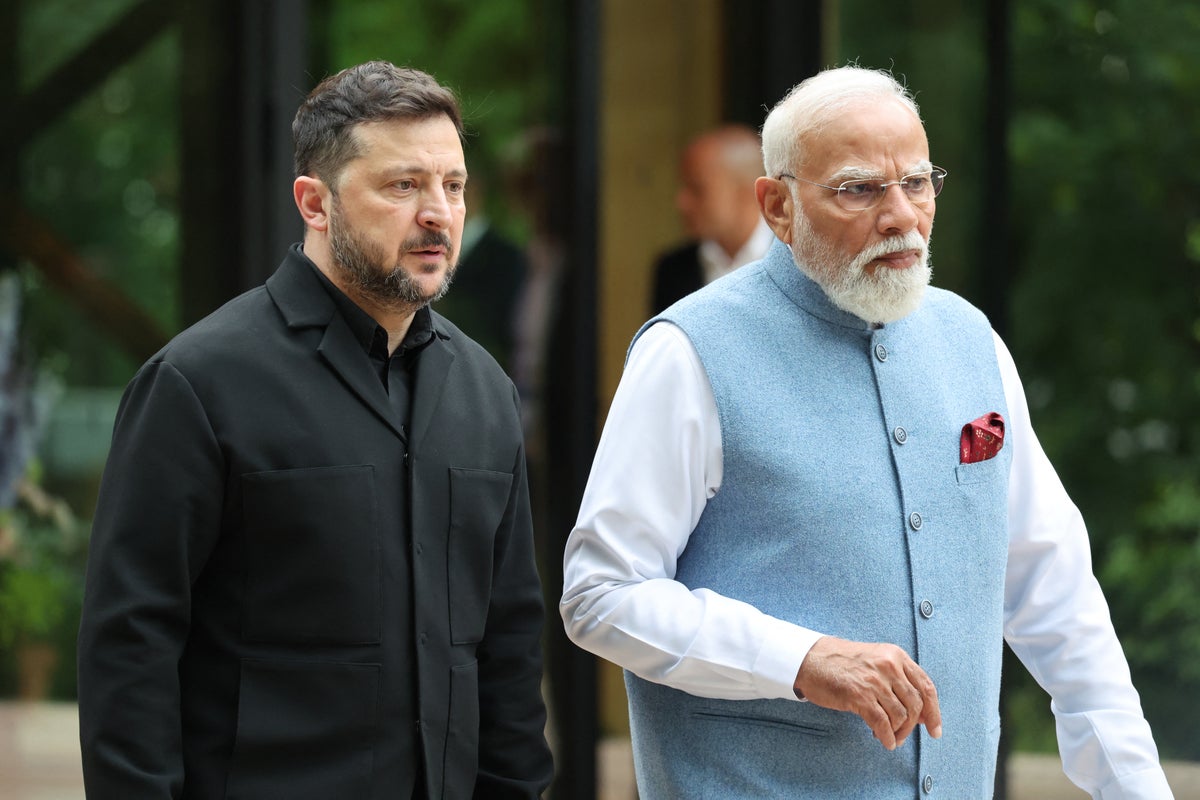
India ready to help end Russia-Ukraine war, says foreign minister on visit to Kyiv
Indian foreign minister’s visit to Kyiv comes days after Modi told Putin ‘we must move away from endless war’ on sidelines of SCO summit
© AFP/Getty
Indian foreign minister’s visit to Kyiv comes days after Modi told Putin ‘we must move away from endless war’ on sidelines of SCO summit
© AFP/Getty

Kazakhstan’s privately owned Kondensat refinery will process Russian crude and return about 70% of the resulting petroleum products to Russia, Kazakh Energy Minister Yerlan Akkenzhenov said on 25 August, Radio Liberty reported.
Based on figures reported by Radio Liberty, the roughly 70% of Kondensat’s maximum gasoline output bound for Russia would amount to about 0.3% of the country’s daily summer gasoline demand. That makes the arrangement a limited stopgap rather than a solution. John Roberts of the Atlantic Council nevertheless told the outlet that even small additional supplies could help during an acute shortage, including at the front: “It helps, but it doesn’t solve the problem.”
Ukrainian drone strikes have knocked dozens of Russian refineries offline in recent months, forcing Moscow to restrict fuel exports and reimpose rationing, Radio Liberty reported. Gasoline caps returned to Moscow and St. Petersburg in August, while Rosneft reportedly limited fills to 30 liters per car at every station nationwide.
Kondensat has processed Russian oil before. The refinery began handling supplies delivered through Tatneft’s TANECO refinery in 2024, when Kazakhstan and Russia agreed to permit exports of fuel produced from Russian feedstock back to Russia. The arrangement was renewed in 2025, according to Radio Liberty.
Central Asia has no spare refining capacity that could materially change Russia’s situation, Ukrainian energy analyst Hennadiy Riabtsev told Radio Liberty’s Schemes project. Possible contributions from Kazakhstan, Kyrgyzstan, India, China, and Belarus would remain a drop in the ocean for the Russian market, he said.
Prospective suppliers also understand that Russian fuel demand supports the war effort and that assisting Moscow could carry sanctions risks, Ukraine’s presidential sanctions commissioner, Vladyslav Vlasiuk, told Schemes. Kyiv therefore does not expect a queue of countries willing to supply Russia with petroleum products, he said.
Russia’s shortage has spread from gas station queues to farming and public transport, with fuel-sale restrictions officially covering more than 40 regions by July, Euromaidan Press reported, citing The Moscow Times. Moscow’s export restrictions have also raised prices and tightened supplies across Central Asia.
Yet Russia’s growing dependence gives Kazakhstan additional bargaining room. Ukrainian strikes have previously prompted Russian retailer Wildberries to expand its warehousing operations in Kazakhstan, while Astana has promoted domestic competitors.

© Jason Gulley for The New York Times

Indonesia's Foreign Ministry is verifying reports that Russia recruited one of its citizens into its armed forces to fight against Ukraine, the Indonesian state news agency Antara reported on 31 August. Ukraine named eight Indonesians serving in the Russian army.
Indonesian diplomatic missions are running the verification together with other government agencies, Foreign Ministry spokesperson Yvonne Mewengkang said on 31 August. She said information on the man's identity, citizenship status, and recruitment process "still requires further confirmation." Mewengkang added that Indonesia would not treat a confirmed enlistment as anything the state endorsed or authorized.
Russia feeds foreign recruits into the illegal war it started against Ukraine. The Indonesian government is checking whether its nationals were trafficked, misled, or hired through fake vacancies before they ended up in uniform. Anyone shown to have been deceived that way will get whatever protection Indonesian law allows, Mewengkang said.
Indonesian law contains clear provisions on citizens who join foreign militaries, and the consequences are severe, including the potential loss of Indonesian citizenship once the facts have been fully verified, according to the ministry.
Ukraine's Foreign Intelligence Service reported on 27 August that it has obtained documents on at least eight Indonesian citizens recruited into the Russian army. Recruiters offer high pay, non-combat work, and fast-tracked Russian citizenship, and many of those who sign have no idea where they will be sent, the service said.

Each foreigner fills a personnel gap at the front and doubles as propaganda about supposed global support for the war, according to the same report.
Kyiv had documented the identical model working earlier on citizens of Nepal, Cuba, Kenya, and India.
Ukrainian intelligence data show that Russia uses the recruitment of foreigners to fill out its personnel. Russia has taken in at least 27,000 foreign nationals from more than 130 countries since February 2022, a joint report by the International Federation for Human Rights and Truth Hounds found in April.
More than a quarter of the 459 Peruvians who joined Russian forces are dead or unaccounted for, official figures show, with the missing far outnumbering the confirmed dead. A Colombia-registered recruiter sent Peruvians into the war on a welcome bonus that never arrived.

India has confirmed cases among its own nationals, and Ukrainian intelligence has counted hundreds of dead Africans in Russian units. Ghana accused Russia of luring its citizens into the war after Kenya and South Africa raised the same complaint.
The deluge capped a summer of extreme climate events, from deadly heatwaves to wildfires. We must take action now
For millennia, the high peaks of the Himalayas were held together by an invisible, frozen cement – permafrost and glacial ice that bound ancient rock into seemingly unshakable fortresses. But as the planet continues to warm, this alpine glue is liquefying.
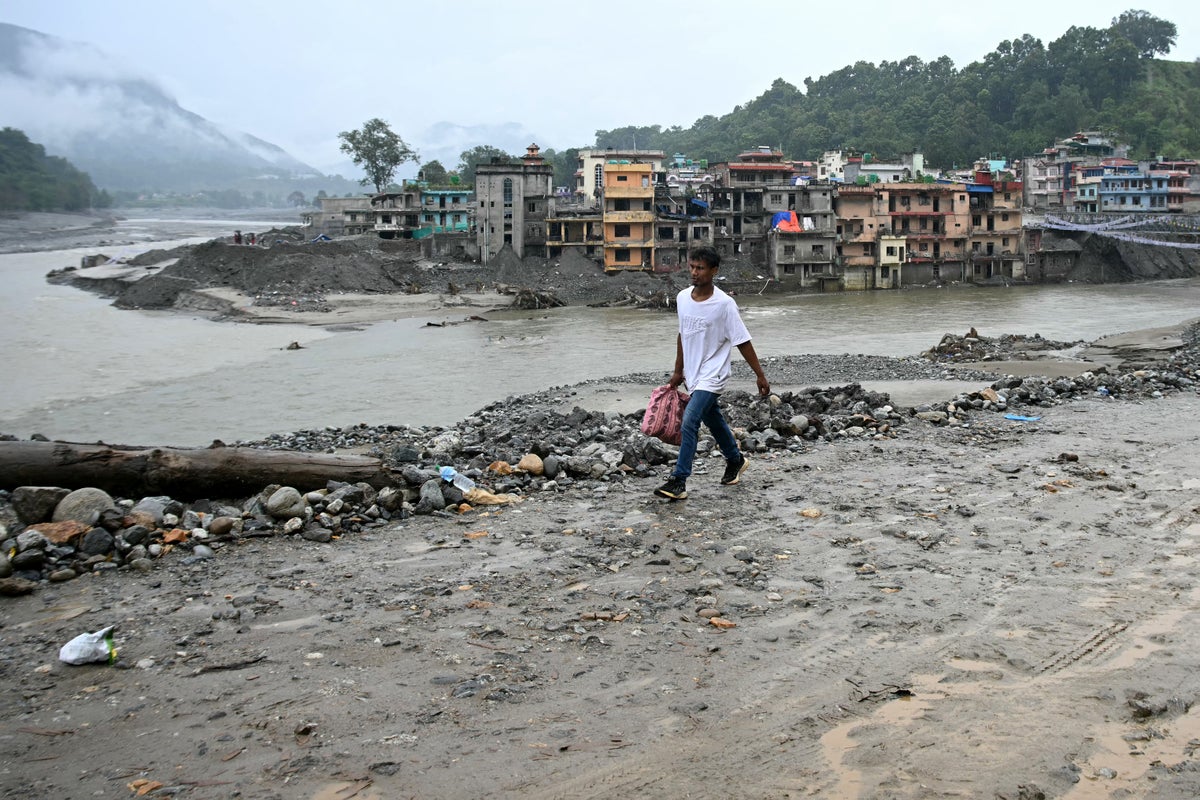
The glacial collapse and deluge in Nepal and Tibet was not a freak weather event; it was the structural failure of a mountain itself, nature’s latest commentary on the deadly consequences of human-caused planetary warming. And it was the exclamation point on a summer of extremes, illustrating with a sole unnatural disaster the apocalyptic future that lies in store if we fail to take dramatic climate action.
Continue reading...
© Photograph: Prabin Ranabhat/AFP/Getty Images

© Photograph: Prabin Ranabhat/AFP/Getty Images

© Photograph: Prabin Ranabhat/AFP/Getty Images
Richer countries might have more resources to deal with catastrophe, but this problem grips the entire planet, however much leaders may want to deny it
Climate breakdown is happening on one Earth, but two different worlds. In one, its impacts increasingly encroach on everyday life; longer periods of discomfort and shorter periods of sharp pain. Endless, hotter summers, and within them sudden wildfires, evacuations, homes burned to cinders in a matter of hours. In another, catastrophe. This summer has been a snapshot of that split-screen. The hottest day on record in parts of Europe, and a wave of water, mud and ice in Nepal that so far has claimed more than 750 lives. Thousands of people are still missing.
The difference is also one of resources. The climate crisis has an economic cost, but some places can absorb it better than others. Responses to this summer of wildfires in Europe included a rapid scrambling by the French government to provide everything from tax breaks for businesses affected by the fires to relocation costs and aid to rebuild homes. The UK government had deployed almost £100m before the summer to strengthen wildfire resilience.
Continue reading...
© Photograph: Prabin Ranabhat/AFP/Getty Images

© Photograph: Prabin Ranabhat/AFP/Getty Images

© Photograph: Prabin Ranabhat/AFP/Getty Images

Gasoline prices have risen roughly 10–13% in Tajikistan, Kyrgyzstan, and Uzbekistan as Russia restricts exports after Ukrainian strikes on its refineries, Kazakh economist Aidar Alibayev estimated in a 20 August interview with Current Time. He did not specify the comparison period.
Earlier Ukrainian attacks disrupted Kazakhstan’s crude exports through Russia’s Black Sea ports. Strikes at refineries are creating a different kind of squeeze: Russia has less gasoline available to dependent neighbors. Tajikistan and Kyrgyzstan are seeking other suppliers, while Kazakhstan could face growing pressure if the shortages persist.
Tajikistan has been hit hardest because it depends heavily on Russian fuel and has the region’s most difficult delivery routes, Alibayev said. He estimated gasoline prices there had risen 12–13%. Current Time reported that Tajikistan is exploring supplies from China; Alibayev said it was also turning to Iran.
Kyrgyzstan, which sources more than 90% of its gasoline from Russia, asked its neighbors, Azerbaijan and Kazakhstan, as well as other countries, for help. Current Time reported that a deputy prime minister said its reserves would last about six weeks. Alibayev estimated prices had climbed around 10%, compared with 11–11.5% in Uzbekistan, which he estimated gets half its fuel from Russia.
In Uzbekistan, Alibayev estimated that fuel prices had risen by about 11% and said the country gets about half of its fuel from Russia.
Russia extended its gasoline and diesel export restrictions through 31 January 2027 as shortages mounted. Intergovernmental and humanitarian shipments remain exempt, while diesel producers regain some export rights from 1 September. Current Time also reported that Russian companies had begun buying gasoline from Belarus.
Kazakhstan is better insulated than its neighbors because its refineries in Atyrau, Shymkent, and Pavlodar produce enough fuel to meet most domestic demand, Alibayev noted. Motorists from Russia and neighboring states are crossing its borders to refuel. He attributed Kazakhstan’s price rises mainly to domestic taxes and the end of an export moratorium—not Russia’s shortage alone.
Ukraine’s Black Sea campaign has repeatedly struck oil infrastructure around Novorossiysk, where the Caspian Pipeline Consortium terminal handles about 80% of Kazakhstan’s crude exports. Separate tanker attacks cut CPC loadings by a fifth and forced Kazakhstan to reduce production. In contrast, disruptions at the terminal forced Kazakhstan to send Kashagan crude to China for the first time.

At an informal summit of Central Asian leaders in Cholpon-Ata in early August, Tajik President Emomali Rahmon proposed building a refinery to serve the whole region. For now, Alibayev said, the decisive factor is how long Russia’s troubles last: the longer Ukraine’s strikes continue, the more they will weigh on prices across Central Asia.

© Kim Hong-Ji/Reuters
The Russian leader’s first visit to the disputed Kuril islands has exposed how far ties between Moscow and Tokyo have deteriorated, and why Japan has grown increasingly assertive in expanding its military capabilities. Namita Singh writes
© Sputnik

© Aaron Favila/Associated Press

© Aaron Favila/Associated Press

© Associated Press; Agence France-Presse — Getty Images

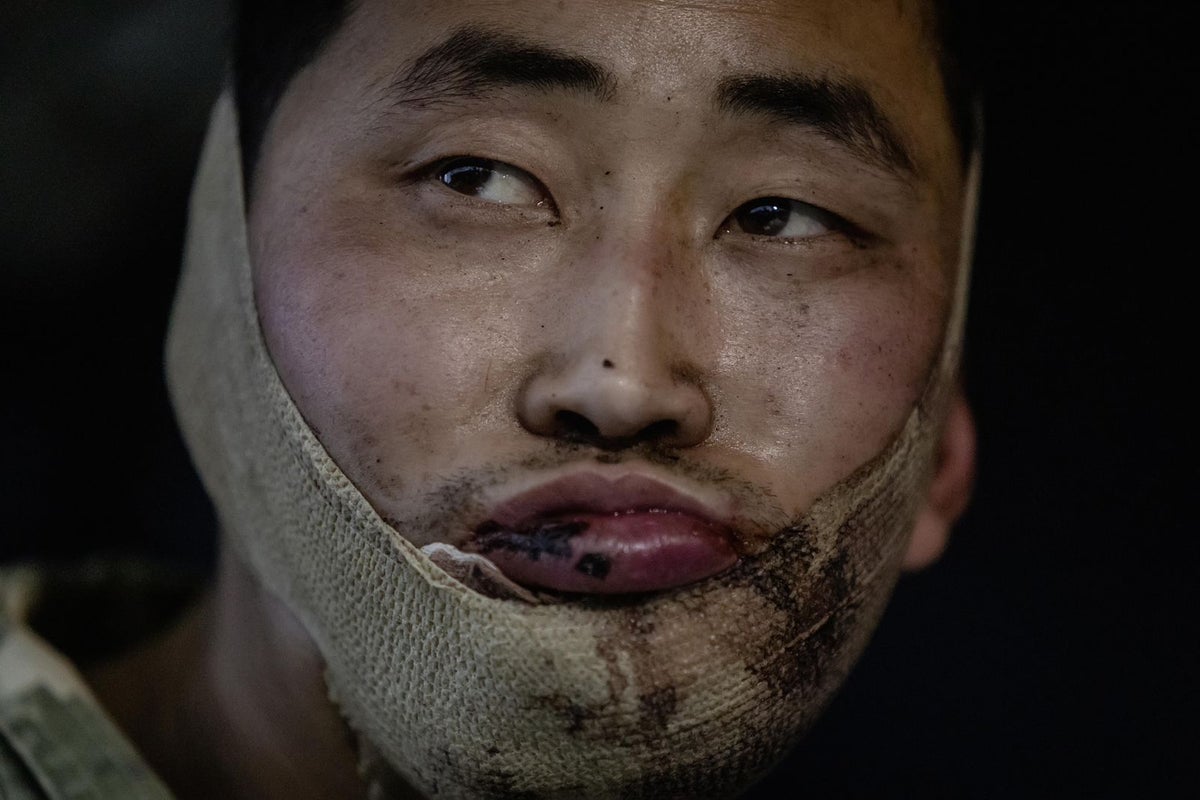
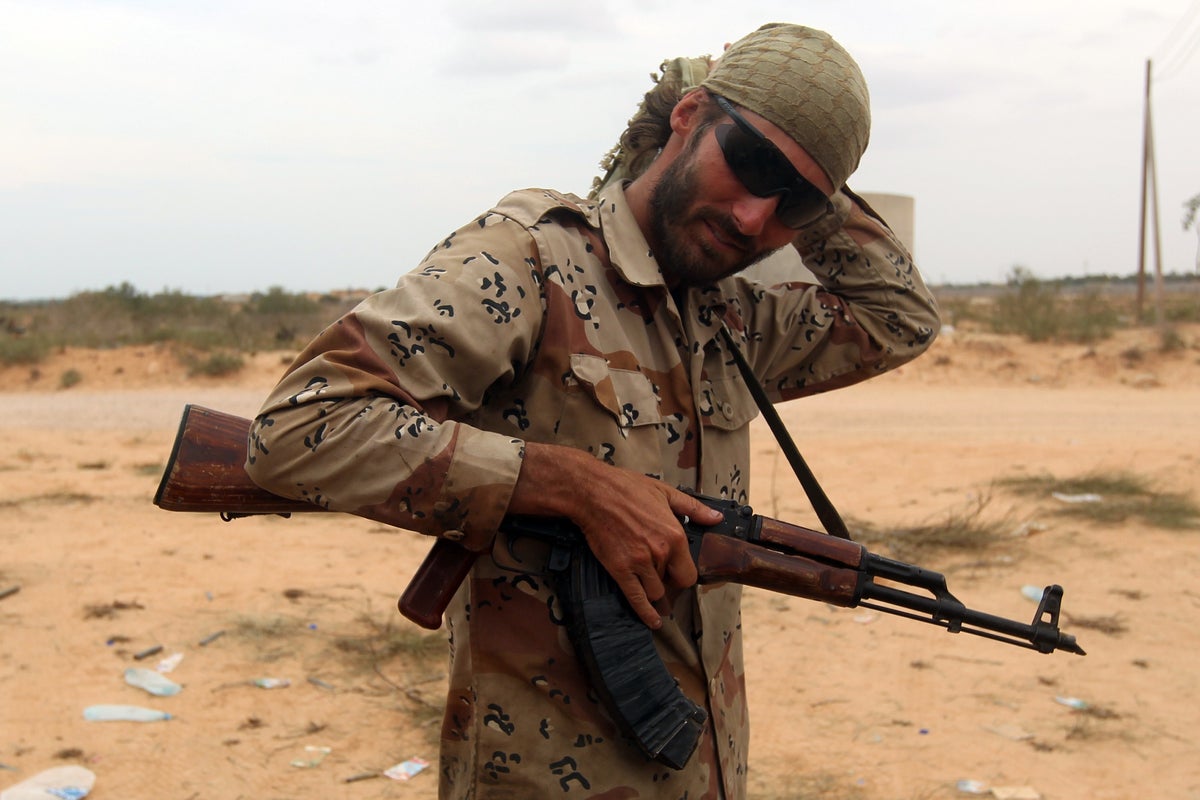
Ukraine now holds prisoners of war (POWs) from 51 countries who fought for Russia, Dmytro Lubinets, the Ukrainian parliament’s human rights commissioner, said on 4 August.
The figure illustrates the global reach of Moscow’s efforts to replenish its forces with foreign recruits. Russia has targeted people abroad with promises of well-paid jobs, university places, and military salaries. Some enlist knowingly. Others report being deceived or pressured into service.
Speaking at a meeting of heads of Ukraine’s foreign diplomatic missions, Lubinets said joining Russia’s war carries “real legal consequences.” He did not disclose the prisoners’ nationalities or their total number.
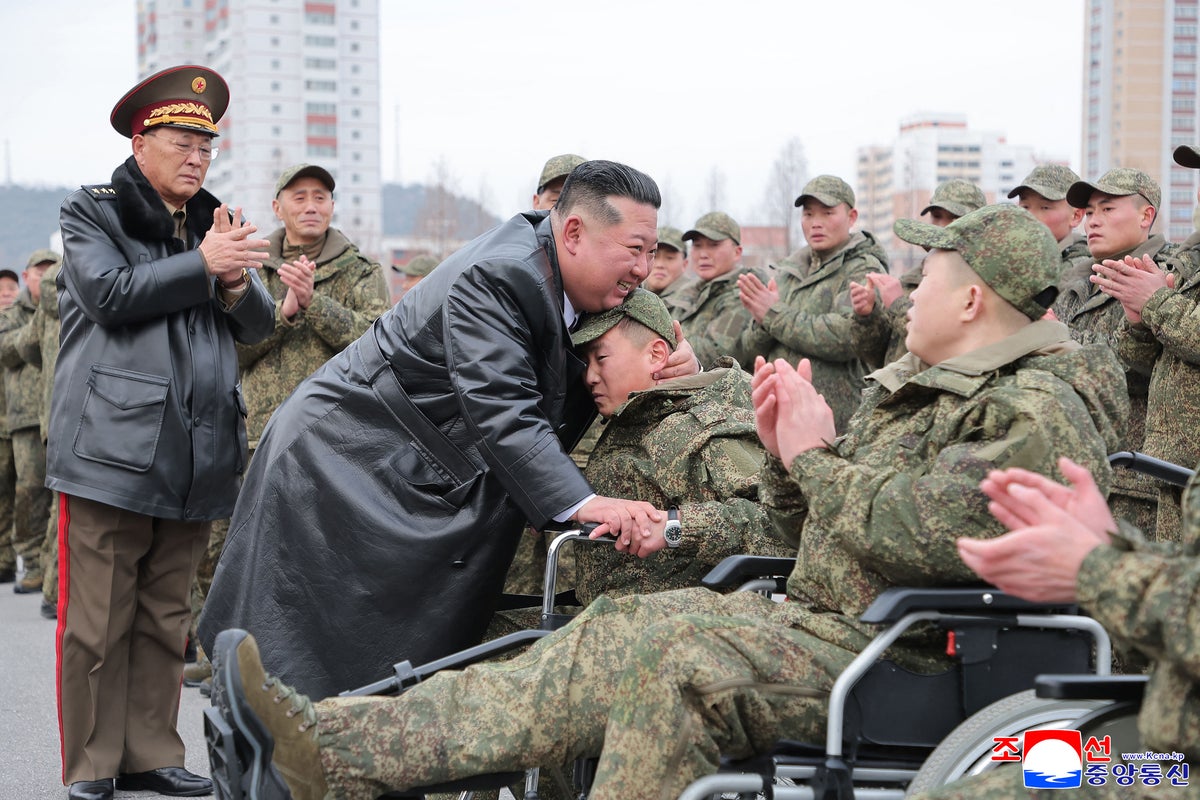
The human cost extends beyond those captured. A July 2026 BBC Russian Service/Mediazona investigation documented at least 3,589 foreign nationals who had died fighting for Russia. The total comprised 1,285 people from more than 40 countries and 2,304 North Korean troops.
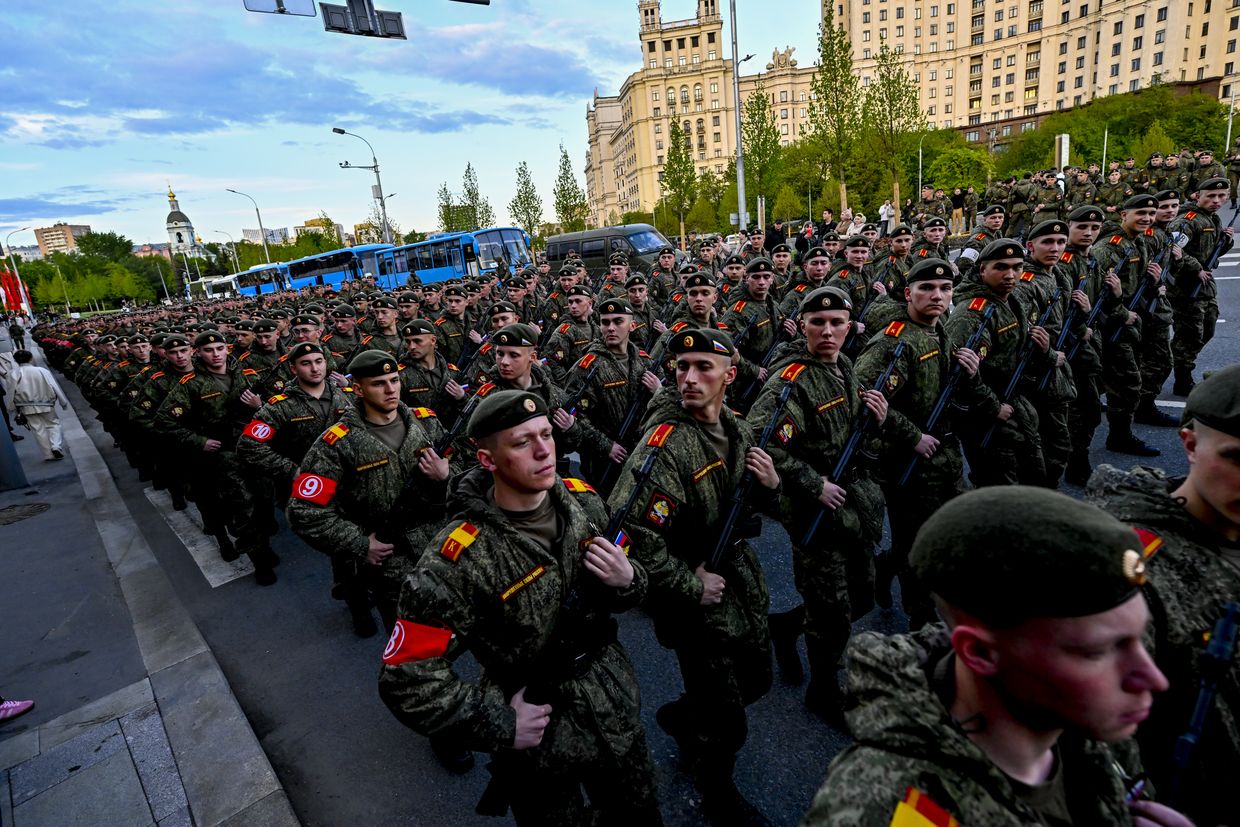
Moscow has increasingly looked abroad for soldiers as its invasion consumes manpower. Recruiters focus heavily on Africa, Asia, and Latin America, offering civilian work, education, high salaries, or military service.
A human rights investigation covered by Euromaidan Press found that Russia had recruited at least 27,000 people from more than 130 countries since February 2022. Researchers said recruits often received Russian-language contracts they could not understand, while some faced threats or rapid deployment to combat.
In Africa, recruitment operates within a broader Russian soft power influence network. Russian Houses offer language courses and routes into Russian universities. Ukraine’s military intelligence describes Russian Houses as a pipeline through which some young Africans reach Russia as students or workers and later enter Moscow’s army.
Beyond Africa, Russia preys upon the disadvantaged with promises of work. An Associated Press investigation found that Bangladeshi men promised cleaning jobs in Russia were instead sent into combat.
For those captured, neither Russia nor their home governments offer a clear route home. Ukraine’s POW Coordination Headquarters said Moscow had excluded foreign recruits from prisoner exchanges, although some embassies had visited their citizens.

A Kenyan Foreign Ministry official stated the government was following reports of several trafficked Kenyans held as POWs in Ukraine. Yet Ukrainian POW official Petro Yatsenko said most African governments showed little interest in bringing their citizens home.
China likewise asked Ukraine to treat two captured Chinese fighters humanely, but did not say whether it sought their return. Ukrainian officials said Russia had inquired only about captured North Korean soldiers, showing little interest in other foreign fighters in captivity.

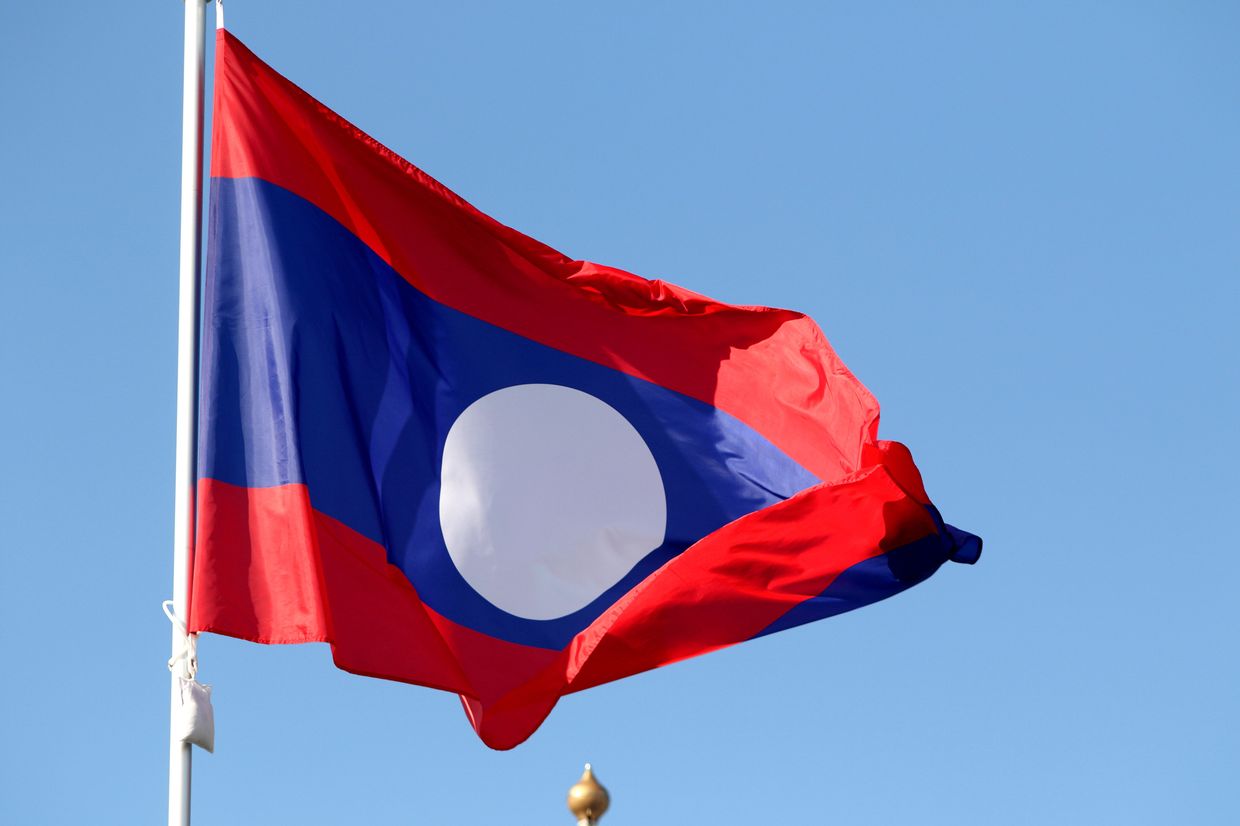
Russia is seeking to involve Laos in its war against Ukraine under the pretense of humanitarian cooperation, Ukraine's military intelligence (HUR) claimed on July 5.
According to the agency, Moscow is organizing the deployment of a combined unit of military engineers from the Lao People's Armed Forces to Russia's Kursk Oblast, allegedly to help with demining operations.
Ukraine initially captured 1,300 square kilometers (500 square miles) of Russian territory during a cross-border offensive to Kursk Oblast but lost most of it during a Russian counteroffensive this year, which was supported by North Korean troops.
Laotian authorities have reportedly agreed to send up to 50 engineers to support Russian efforts. In addition, Laos is said to be offering free rehabilitation services to wounded Russian soldiers.
"Russia, under the guise of humanitarian rhetoric, is trying to legalize the presence of foreign military contingents on its territory, effectively using them to wage war against Ukraine," HUR said.
This comes amid broader efforts by the Kremlin to recruit foreign personnel. Russia has drawn heavily on fighters from Asia and Africa, as well as North Korea.
Ukraine has captured multiple foreigners fighting for Russian forces. an April investigation by Russian independent outlet Important Stories identified more than 1,500 foreign fighters from 48 countries who had joined Russia's war.
Laos, a landlocked Southeast Asian country bordering China, Vietnam, and Thailand, has not commented on HUR's claim. The country maintains close ties with both Moscow and its ally Beijing.

Russia is systematically recruiting migrant workers from Central Asia to fight in its war against Ukraine as "cannon fodder," Ukraine's military intelligence (HUR) reported on June 21.
Citizens of Uzbekistan, Tajikistan, and other countries in the region are increasingly being drawn into Russia's war effort under duress or with misleading promises, HUR said.
Many of those recruited are reportedly killed on the front lines.
According to HUR, Russia's security services target migrant workers who arrive in the country seeking employment, offering short-term military contracts with promises of fast cash. These individuals often lack legal protections and face coercion, with few realistic alternatives.
Among the identified victims are Uzbek nationals Umarov Syroziddin Sabirjanovich and Kholbuvozoda Muhammad Faizullo, who served in motorized rifle units and died during combat operations in Ukraine.
"Mobilized migrants are formed into separate units, which are mainly used in the most dangerous areas of the front line," HUR said. Survivors may face criminal charges in their home countries for serving in a foreign military, carrying the risk of long prison sentences.
Radio Free Europe/Radio Liberty previously reported that migrant workers are funneled into combat roles for financial reasons, with recruitment networks offering salaries unattainable in civilian life.
Russia has also intensified pressure on its naturalized migrant population.
On May 20, Investigative Committee head Alexander Bastrykin said that 20,000 naturalized migrants had been dispatched to Ukraine for failing to register for military service.
With public memory raw from the unpopular 2022 partial mobilization that prompted over 261,000 Russians to flee, the Kremlin has refrained from another mass draft.
Instead, it is relying on a combination of forced recruitment, enlistment bonuses, and targeted campaigns among vulnerable communities.