❌

Vue normale

  • ✇Euromaidan Press
  • Mavic vs Slavic: Ukrainian developers adapt reconnaissance drones to the modern battlefield
    Ukrainian company Vyriy Industries is bringing a new tactical reconnaissance drone, Slavic, to the market, Oboronka reports, citing information from the manufacturer. The control system of the new drone will be familiar to DJI Mavic operators, the company also said. Mavic has long been one of the main reconnaissance tools used by Ukrainian forces, with Ukraine relying heavily on supplies of these drones from abroad. After Ukrainian President Volodymyr Zelenskyy said China had stopped se
     

Mavic vs Slavic: Ukrainian developers adapt reconnaissance drones to the modern battlefield

29 septembre 2026 à 14:43

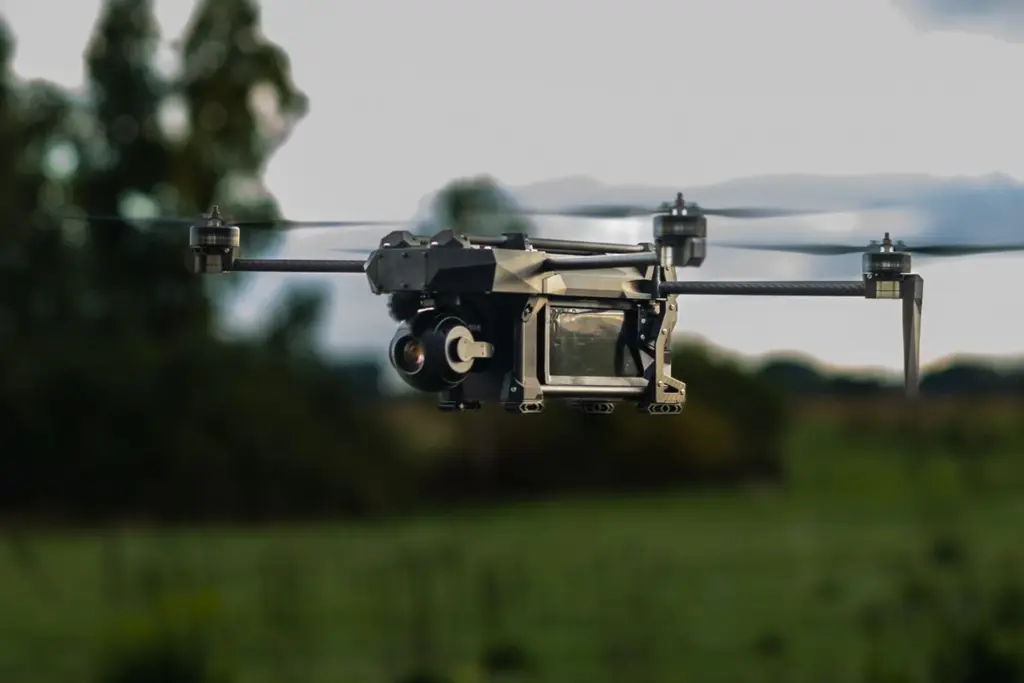
Slavic drone by Vyriy Industries. Photo: Vyriy Industries

Ukrainian company Vyriy Industries is bringing a new tactical reconnaissance drone, Slavic, to the market, Oboronka reports, citing information from the manufacturer. The control system of the new drone will be familiar to DJI Mavic operators, the company also said.

Mavic has long been one of the main reconnaissance tools used by Ukrainian forces, with Ukraine relying heavily on supplies of these drones from abroad. After Ukrainian President Volodymyr Zelenskyy said China had stopped selling drones to Ukraine, the country began seeking alternatives. Slavic is one of these domestic alternatives, designed not only to replace Mavic but also to adapt its capabilities to current battlefield conditions, allowing reconnaissance crews to operate farther from the line of contact and reducing risks to personnel.

Slavic has a tactical range of up to 30 kilometers without GPS

Slavic can remain airborne for up to 1.5 hours because it is equipped with a 40,000 mAh solid-state battery, the media outlet notes. The drone has a tactical range of up to 30 kilometers, the report says.

Illustration showing the positions of the Slavic pilot (left) and Mavic pilot (farther to the right), as well as the drones’ flight ranges relative to enemy positions (shown in red). Illustration: Vyriy Industries

The aircraft can operate without GPS, as Slavic uses optical positioning for navigation. The pilot can also select a less congested channel and operate more effectively in difficult terrain because the communications system operates across a wide range of channels.

The manufacturer notes that for surveillance, Slavic is equipped with a daytime 2K digital camera mounted on a three-axis stabilized gimbal, with 10x optical and 30x hybrid zoom.

Part of the drone with the camera. Photo: Vyriy Industries

The system is supplied as a ready-to-use package “out of the box,” with all the equipment needed for operation without additional field modifications.

The drone is designed to keep crews farther from the front line

The company said its new drone has successfully completed initial combat trials with seven units of the Ukrainian Defense Forces and is preparing for scale-up, the media outlet notes.

“The war has changed, and so have the working conditions for crews. The kill zone has expanded, while available commercial drones have a limited tactical range. The main task now is to provide the military with a specialized platform that can fly longer and farther, so crews can operate farther from the line of contact. This is exactly why we began developing Slavic,” said Oleksii Babenko, founder and CEO of Vyriy Industries.

At the same time, the team is working on new Slavic configurations, including testing thermal imaging modules for nighttime reconnaissance. The manufacturer is also preparing the platform for scaled-up production and deliveries to the Ukrainian Defense Forces, the company told the media.

“Frankensteins” and Ukrainian-made drones are among the options for replacing scarce Mavics

The Ukrainian military had widely used Chinese DJI Mavic 3 drones, including to adjust artillery fire, monitor infantry positions and conduct surveillance, prompting Ukraine to seek ways to replace the shortage. More than five alternatives to the Chinese drone had already been developed in Ukraine, the Ministry of Strategic Industries of Ukraine confirmed to RBC-Ukraine in July 2025.

DJI Mavic 3 in use by a Ukrainian servicemember. Photo: Ministry of Defense of Ukraine

There are also other options for replacing them. The main work in military units is being done with “Frankensteins,” drones assembled from two or three damaged aircraft, Mavic UAV pilot instructor “Dobryi” said in an interview with Militarnyi in July this year. At the same time, such drones are less reliable than new ones, he added.
  • ✇Euromaidan Press
  • Russia drained the Kakhovka Reservoir. Now it hides in the dry bed to creep toward Zaporizhzhia
    Small groups of Russian infantry could slip into regional capital Zaporizhzhia this winter, a frontline commander warned in a mid-September interview with Dnipro TV, in a debate later compiled by Radio Svoboda. His forecast drew quick pushback from a military analyst, who called it far more categorical than the situation warrants. At the center of the dispute lies the drained Kakhovka Reservoir, whose dry bed Russia now uses for cover. Dense drone surveillance has made large mechanized
     

Russia drained the Kakhovka Reservoir. Now it hides in the dry bed to creep toward Zaporizhzhia

29 septembre 2026 à 14:16

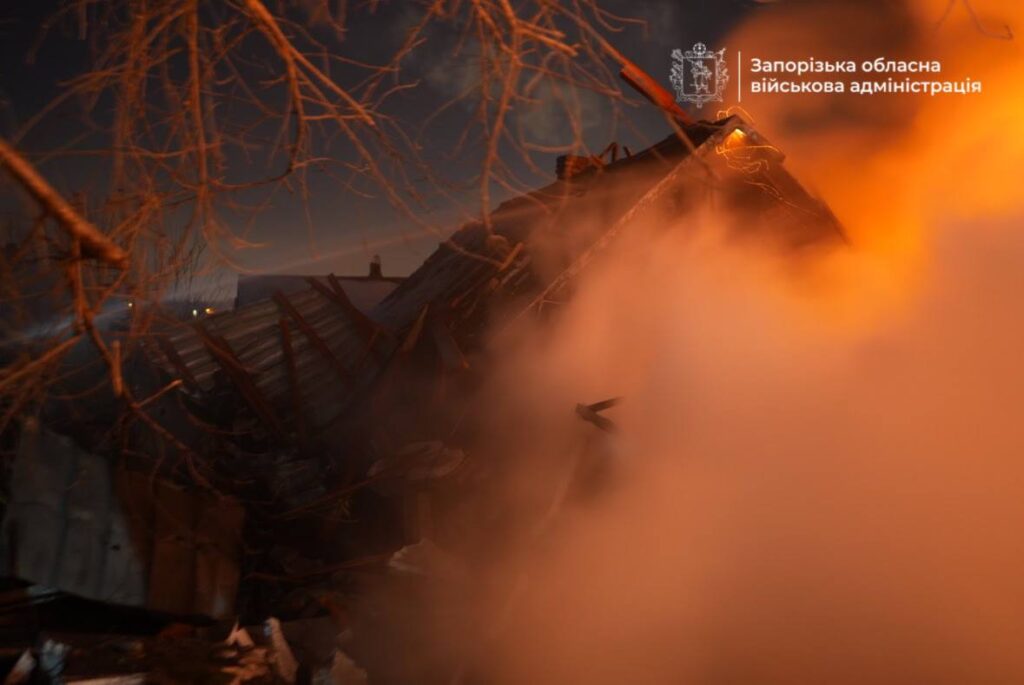
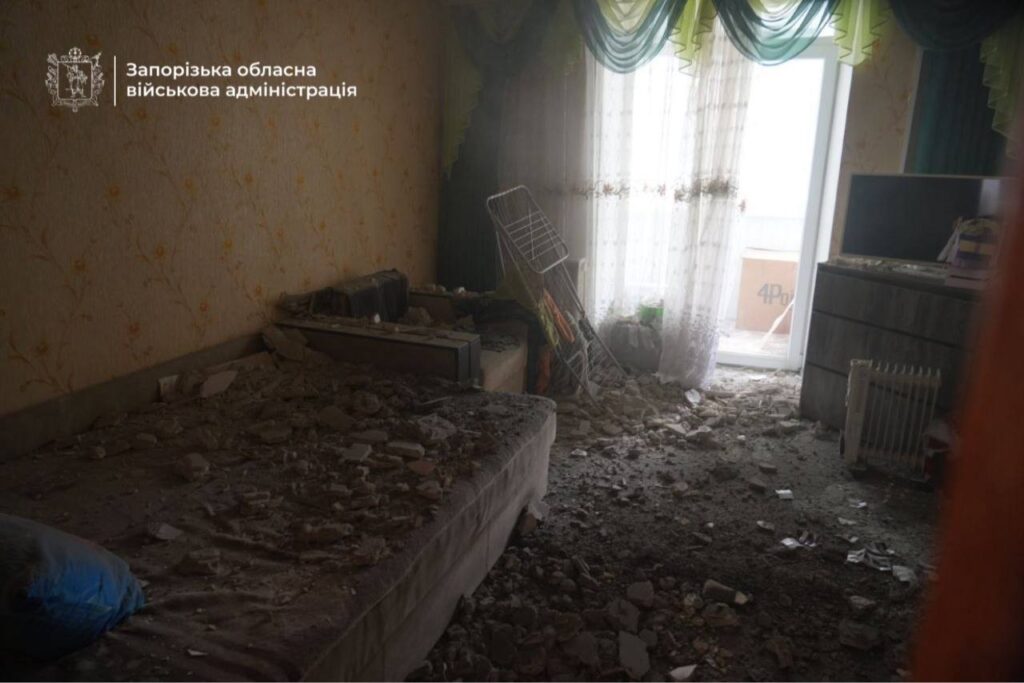
Site of a Russian drone strike on a Zaporizhzhia residential area, 20 January 2026. Photo: Zaporizhzhia Regional Military Administration

Small groups of Russian infantry could slip into regional capital Zaporizhzhia this winter, a frontline commander warned in a mid-September interview with Dnipro TV, in a debate later compiled by Radio Svoboda. His forecast drew quick pushback from a military analyst, who called it far more categorical than the situation warrants. At the center of the dispute lies the drained Kakhovka Reservoir, whose dry bed Russia now uses for cover.

Dense drone surveillance has made large mechanized assaults costly, pushing Russian commanders toward small groups that probe for gaps. That shift turns unwatched terrain — here, the drained reservoir bed—into the seams they test.

Solitary groups, not massed forces

Dmytro Filatov, callsign Perun, commands the 1st Separate Assault Regiment named after Dmytro Kotsiubailo. The danger will come not as a massed assault but as infiltration, he said. He expects solitary infantry groups to reach and enter Zaporizhzhia over the winter. He pointed to the Stepnohirsk axis and the dense buildings along the Dnipro shore. Fog and rain raise pressure across the whole front, and Russian troops have long fought well in winter, he said.

A city on the front's edge

Zaporizhzhia is a regional capital and industrial center in southeastern Ukraine, with more than 700,000 residents before the full-scale invasion. The city sits about 25 km from the nearest active front, around Stepnohirsk to the south—unusually close for a regional capital of its size. Russian missiles, drones, and glide bombs hit the city daily. It has held since 2022, and Russia has not taken a Ukrainian regional capital since the war's first months.

zaporizhzhia
The aftermath of the Russian attack on Zaporizhzhia on 30 May 2026. Credit: Local Governor Ivan Fedorov

The dead reservoir as cover

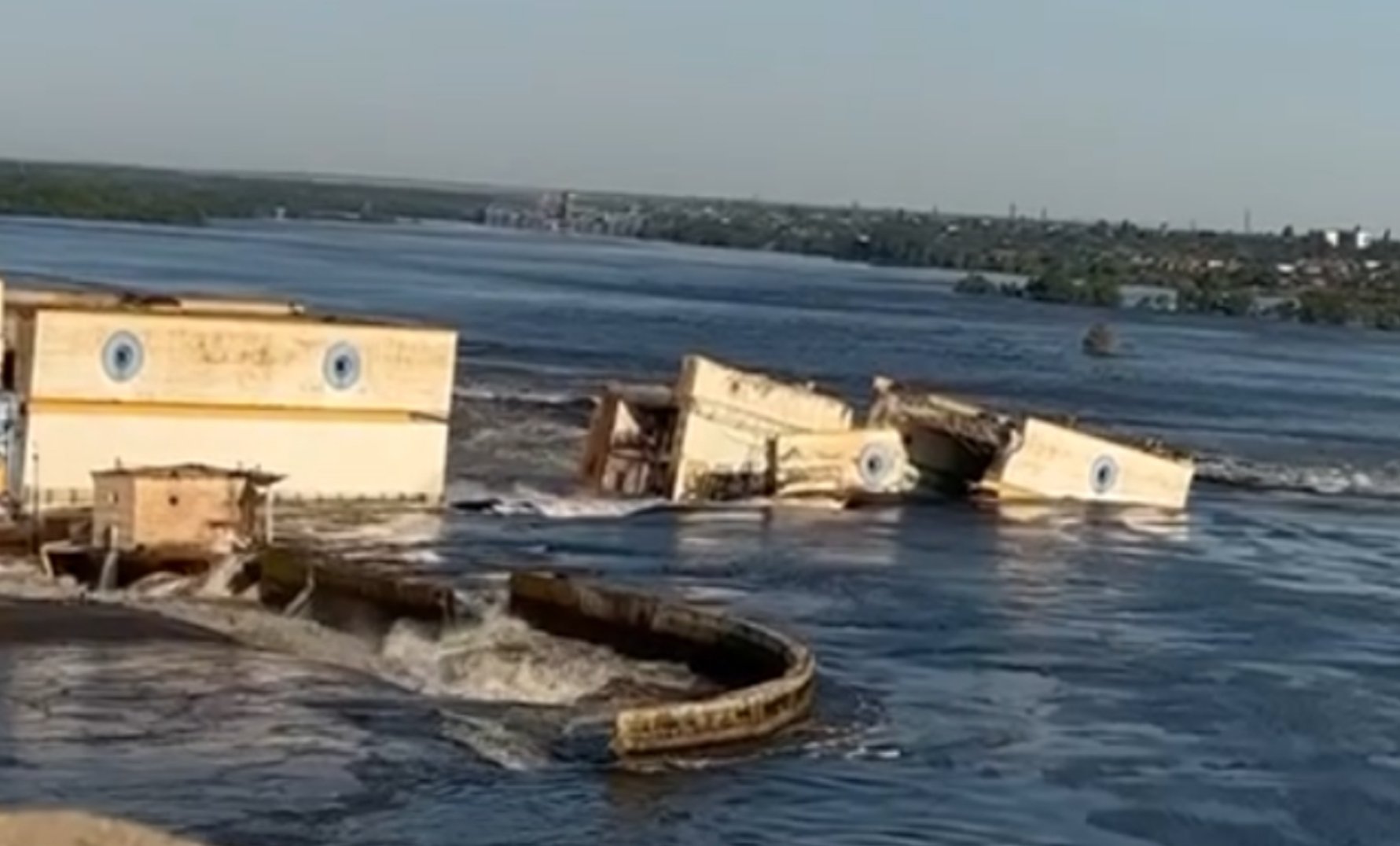
Russia blew up the Kakhovka dam in June 2023 and drained the reservoir behind it. Reeds now stand several meters high across the dry basin, giving foot soldiers cover to move unseen. Ukraine's Southern Defense Forces reported in November 2025 that Russian groups use it to press into the Ukrainian flank.

Russian troops increasingly use the bed to infiltrate and haul supplies, said Kostiantyn Mashovets of the Information Resistance group. One of their assault groups pushed as far as Malokaterynivka before Ukrainian forces blocked it, he wrote. Ukrainian troops hold northern Plavni, including the railway station and part of the E-105 highway, Mashovets added. The Institute for the Study of War pointed to the same route in its 26 September assessment, citing Ukrainian military observers.

Kakhovka dam HPP destroyed
Explore further

“The worst environmental catastrophe since Chornobyl disaster”: Three years after Russia destroyed Kakhovka Dam, real death toll is still unknown

An analyst is not convinced

Oleksandr Kovalenko, a military-political expert and Information Resistance coordinator, rates the threat far lower. He wrote that the warning "sounded far more categorical than it should have." Stepnohirsk, about 25 km south of Zaporizhzhia, is the closest active fighting to the city. Russia has tried for years to take the town but now controls only its 3rd microdistrict and southern Plavni.

Infiltration becomes possible only if Russia takes the whole foothold and reaches the north bank of the Konka river. That will not happen by the end of 2026, and no ground push on the city looks possible, he said. The main danger stays daily Russian strikes on the city, not a ground advance, he added.

Malaysia Begins Repatriation of Migrants to War-Torn Myanmar Despite Critics’ Warnings

29 septembre 2026 à 08:13
Malaysia says it is repatriating undocumented migrants from Myanmar who want to return. Critics say it is putting their lives at risk.

© Arif Kartono/Agence France-Presse — Getty Images

A bus carrying Myanmar nationals being repatriated from Malaysia to their homeland, seen heading toward the Lumut Naval Base, on the outskirts of Kuala Lumpur, on Tuesday.
❌