Vue normale

  • ✇Euromaidan Press
  • Ukraine’s Flamingo missile maker’s new Danish plant delayed to 2027 as costs could triple
    Ukrainian defense manufacturer Fire Point has delayed its Danish missile-fuel plant until late 2027 after the original building failed to meet safety requirements, pushing the estimated cost above €150 million, Euractiv reported on 19 August. The plant will produce solid rocket propellant for Fire Point’s Flamingo cruise missiles. Denmark was the first NATO country to permit Ukrainian military production on its territory, the German outlet BILD reported. The site is int
     

Ukraine’s Flamingo missile maker’s new Danish plant delayed to 2027 as costs could triple

21 août 2026 à 15:18

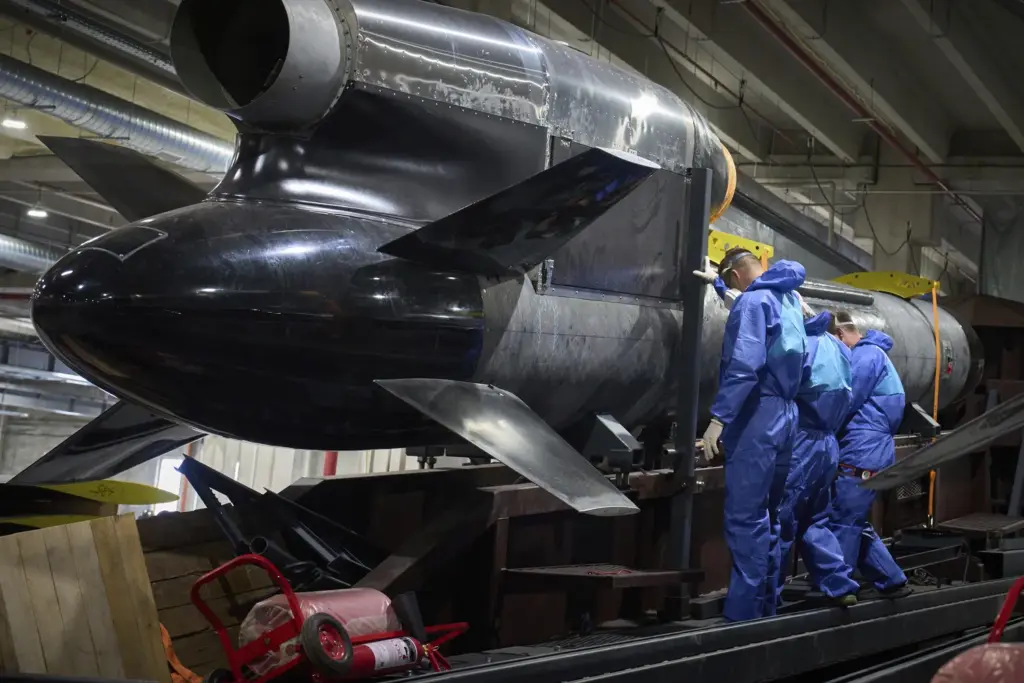
Three workers in blue protective suits inspect a large black Flamingo cruise missile on a factory assembly line.

Ukrainian defense manufacturer Fire Point has delayed its Danish missile-fuel plant until late 2027 after the original building failed to meet safety requirements, pushing the estimated cost above €150 million, Euractiv reported on 19 August.

The plant will produce solid rocket propellant for Fire Point’s Flamingo cruise missiles. Denmark was the first NATO country to permit Ukrainian military production on its territory, the German outlet BILD reported. The site is intended to move some production away from Russian attacks in Ukraine, but the delay postpones that capacity by a year.

Fire Point is building the plant in Vojens, near Skrydstrup Air Base in southern Denmark, Euromaidan Press reported.

Fire Point CEO Iryna Terekh announced the revised plan at DALO Industry Days, a defense-industry conference in Herning. She said Fire Point had originally expected the project to cost €50 million and called the new estimate “very rough.”

Denmark had already removed more than 20 legal barriers to speed up the project, Euractiv reported. Terekh said other European countries also remained interested in hosting Fire Point production.

What is Fire Point

Fire Point currently makes missiles and drones at 90 locations across Ukraine, Terekh told Euractiv in July.

The company supplies more than half of Ukraine’s deep-strike weapons—arms used to hit targets far behind the front line—and says it produces 300 drones daily, in a July 2026 interview with Liga.

In August 2025, Fire Point was producing 100 FP-1 long-range attack drones each day, according to the Associated Press. Its later figure includes FP-1 and FP-2 drones.

Denmark directly funds Ukrainian arms makers

Denmark has created the “Danish model” of aid, which uses allied money to buy weapons directly from Ukrainian manufacturers instead of taking equipment from donor stockpiles.

About $200 million of the €590 million military aid package announced in June was directed through the mechanism, Euromaidan Press reported. Denmark has committed about $11.7 billion in military support to Ukraine from 2022 through 2028, according to its Defense Ministry.

  • ✇Euromaidan Press
  • Italy’s largest arms maker had no plans for a Ukraine factory—a year later, it has a Kyiv subsidiary
    Italian defense giant Leonardo has quietly registered a research subsidiary in Kyiv, planting a direct corporate flag in Ukraine's wartime defense ecosystem, Euractiv reported. The move reverses the company's previous public stance against opening operations in Ukraine. European defense firms are quickly embedding inside Ukraine's defense industry, as Ukraine's wartime manufacturing base has become a draw rather than a risk for Western capital. Kyiv-based R&D com
     

Italy’s largest arms maker had no plans for a Ukraine factory—a year later, it has a Kyiv subsidiary

21 août 2026 à 11:02

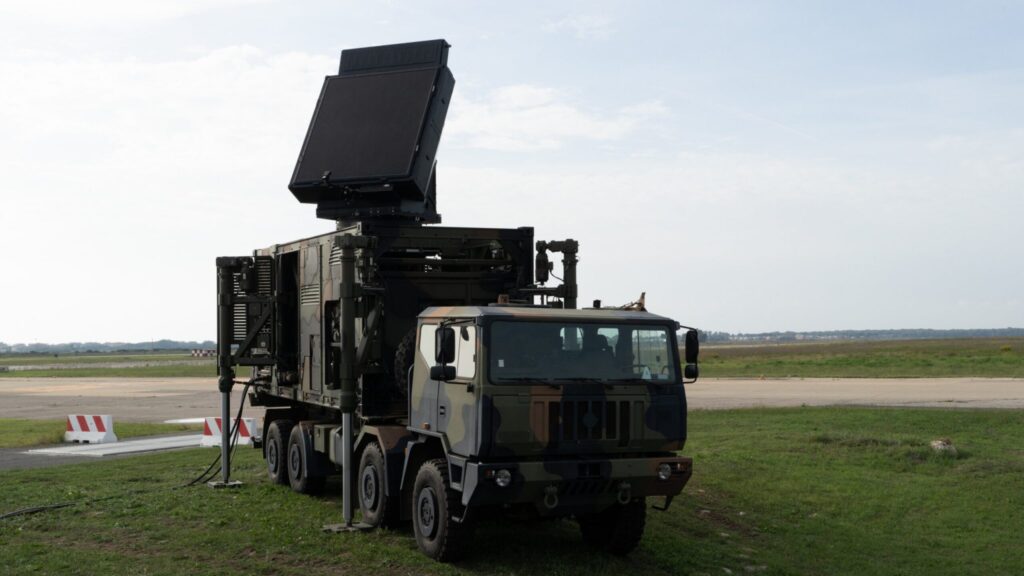
Kronos Grand Mobile HP radar station

Italian defense giant Leonardo has quietly registered a research subsidiary in Kyiv, planting a direct corporate flag in Ukraine's wartime defense ecosystem, Euractiv reported. The move reverses the company's previous public stance against opening operations in Ukraine.

European defense firms are quickly embedding inside Ukraine's defense industry, as Ukraine's wartime manufacturing base has become a draw rather than a risk for Western capital.

Kyiv-based R&D company

Leonardo Ukraine appeared in Ukraine's business register on 20 May, but the company disclosed the step only in its H1 2026 financial report at the end of July. The subsidiary's share capital stands at about $125,000. Leonardo International wholly owns it.

"We have completed the legal process to begin operations. The new company will be used to work in this region," a Leonardo spokesperson said.

The subsidiary will focus on R&D covering communications and navigation systems, software, IT services, and electronic and optical technologies. The step brings Leonardo closer to Ukraine's drone and missile industry, which has expanded rapidly during the war.

Italian-flag
Explore further

Italy wants continental defense alliance, including Ukraine. Kyiv already out-produces all of NATO on drones

From no factory to a Kyiv office

Just over a year ago, then-CEO Roberto Cingolani said that Leonardo had no plans to open a factory in Ukraine, as Reuters reported. At the same time, Cingolani pledged to test Leonardo's Michelangelo Dome air defense system in Ukraine. The Italian government did not reappoint him in April 2026. Lorenzo Mariani took over as CEO in May.

The subsidiary is not a factory. But it gives Mariani a registered legal presence inside Ukraine's defense innovation ecosystem, positioned near the drone and electronic warfare sectors Leonardo wants to tap.

Explore further

Yes, Italy is arming Ukraine — here’s what military aid data shows

Leonardo is not the first major European defense firm to set up inside Ukraine. Germany's Quantum Systems established three joint ventures and made the country its second-largest international base. Rheinmetall is building an ammunition plant there. Ukrainian defense companies, in turn, have opened production facilities across Europe.

  • ✇Euromaidan Press
  • After Canada in May, now Finland: top-ranked Ukrainian drone maker keeps taking its technology abroad
    A Ukrainian drone maker is taking its battle-tested technology to a European factory floor. Ukrainian producer Airlogix has agreed with Finnish technology company Innokas to establish a joint venture in Finland, the company reported. Under the "Build with Ukraine" initiative, the partnership will manufacture uncrewed systems based on Airlogix's Ukrainian technology in Finland, scaling production of Ukrainian drones in Europe and increasing supply to Ukraine's Defense Fo
     

After Canada in May, now Finland: top-ranked Ukrainian drone maker keeps taking its technology abroad

21 août 2026 à 10:14

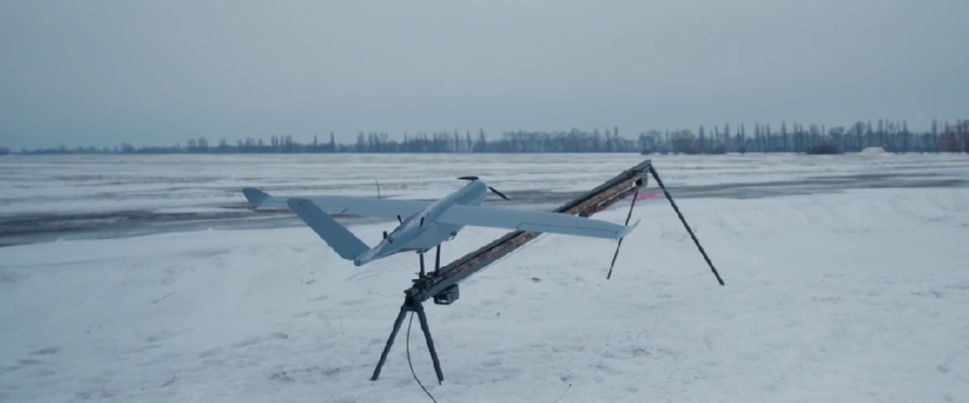
The GOR UAV. Source: Airlogix

A Ukrainian drone maker is taking its battle-tested technology to a European factory floor. Ukrainian producer Airlogix has agreed with Finnish technology company Innokas to establish a joint venture in Finland, the company reported.

Under the "Build with Ukraine" initiative, the partnership will manufacture uncrewed systems based on Airlogix's Ukrainian technology in Finland, scaling production of Ukrainian drones in Europe and increasing supply to Ukraine's Defense Forces.

The deal was signed in Denmark

The two companies formalized their intent at a defense event. Airlogix and Innokas signed a Letter of Intent to establish manufacturing in Finland for uncrewed systems based on Airlogix's Ukrainian technology during DALO Industry Days in Denmark.

The next stage will focus on developing the manufacturing model in Finland and establishing the joint venture, according to Airlogix.

Airlogix is a globally ranked drone maker

Airlogix is one of Ukraine's most recognized drone developers. In 2025, it ranked 84th on The Defense Post's list of the world's top 100 unmanned-systems makers, a ranking that weighed revenue, R&D investment, and growth. It was one of three Ukrainian companies on the list, alongside TAF Drones and Ukrspecsystems.

Airlogix makes the GOR unmanned aerial system, designed for reconnaissance and artillery spotting, which flies for two to two-and-a-half hours, has a range of 150 kilometers, and maintains communication at a range of 30 to 40 kilometers.

It is Airlogix's second European production deal

The Finnish venture follows a similar one across the Atlantic. In May 2026, Airlogix formed a 50-50 joint venture, Airlogix-Sentinel, with a Hamilton-based manufacturer to produce Ukrainian reconnaissance drones on Canadian soil for Ukraine's forces, under the same "Build with Ukraine" initiative.

Push for Online Gun Sales Meets a Surprising Opponent: Small Gun Dealers

21 août 2026 à 10:07
The Trump administration wants average Americans to be able to buy guns online and have them shipped to their doors. Small gun stores warn it could upend the industry and risk public safety.

© Zack Wittman for The New York Times

Colin Overbey, the manager for Dunn’s Attic in Ormond Beach, Fla., is one of hundreds of people lobbying the A.T.F. to halt proposals that could alter the gun industry.

Ex-FSB general who wired Russia’s spies and army found dead in Moscow—a gunshot, no note, no official report

21 août 2026 à 09:20

gunshot note official word—russia reports ex-fsb general dead moscow · post igor laptev ігор лаптєв фото укрінформ ukraine news ukrainian

retired Russian FSB major-general whose company built secure communications for the Kremlin's security services and military has been found dead in his Moscow apartment, RFE/RL's Current Time reported. Russian outlets, citing their own sources, say the 83-year-old apparently killed himself, though authorities have released nothing. His death adds to a run of senior Russian military and security figures dying in the capital.

Russia's war keeps killing the people who build and run it — defense-industry figures and officers assassinated near Moscow, occupation officials blown up in occupied Ukraine — so a reported suicide in a Kremlin insider's apartment rarely settles how he actually died.

An FSB veteran who wired Russia's spies

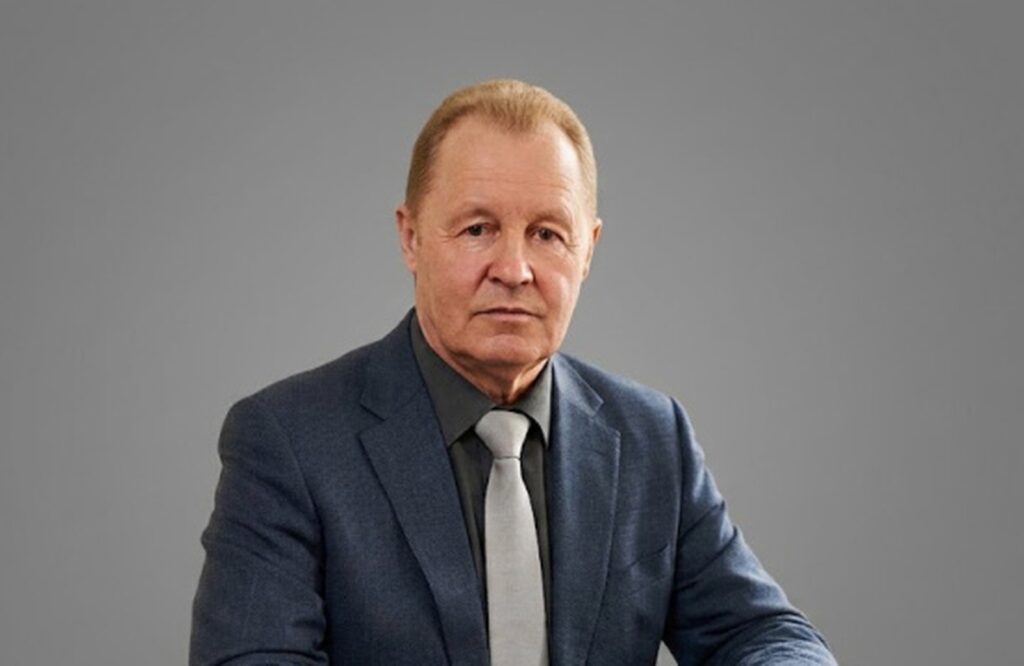
Igor Laptev, 83, was found dead in an apartment in Moscow. Russian outlet MK and others, citing sources, wrote that he probably took his own life on the afternoon of 20 August. Izvestia claimed he died from a gunshot wound to the head. No suicide note or motive has been reported, and Russian law enforcement has issued no official statement.

gunshot note official word—russia reports ex-fsb general dead moscow · post products russia's informtekhnika company display minicomru militarnyi стенд з виробами компанії «информтехника» в рф фотo ukraine news ukrainian
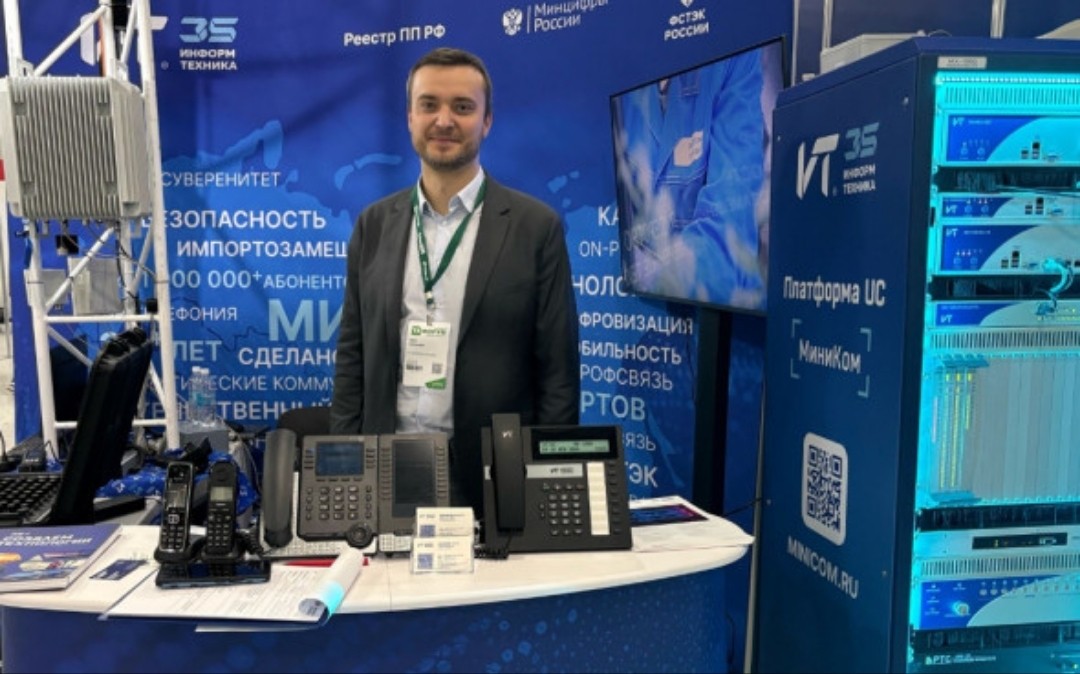
Products of Russia's Informtekhnika company on display. Illustrative photo: Minicom.ru via Militarnyi

Laptev was a chemist-technologist by training who served in the Soviet KGB, including combat in Afghanistan, according to Delovoy Peterburg. In the KGB and later the FSB, he worked on information security. In the late 1990s, he was a deputy minister for taxes and duties, and from 1998, he chaired the board of Informtekhnika i Svyaz, now the Informtekhnika group.

leading russian electronic warfare designer killed bryansk car explosion head design bureau russia's electromechanical plant yevgeny rytikov (l) eliminated responsible modernization anti-drone systems krasukha (r) dead-russian-ew-clown vehicle carrying senior military
Explore further

Leading Russian electronic warfare designer killed in Bryansk car explosion

A supplier to the FSB, the guards, and the army

The company says on its own site that it makes communications systems for federal authorities and security structures, including the FSB, the FSO federal guard service, the Defense Ministry, and the interior ministry. According to OSINT VARTA, it develops and produces specialized telecom equipment and software for secure communications, building switching systems and special-comms platforms for security agencies and state bodies. It also works with Voentelecom, a Russian Defense Ministry structure, to supply troops with digital telecom gear, Militarnyi reported.

A string of deaths among Russia's brass

Laptev's death is not the first in Moscow involving retired Russian generals. On 2 May, retired colonel-general Stanislav Petrov — founder of Russia's radiological, chemical and biological defense troops, who helped create the TOS-1 Buratino heavy flamethrower system — was found dead in a central Moscow apartment. Weeks ago, Moscow buried a general under roadblocks and metal detectors after a bombing that likely killed him at a commander's gathering.

Poland arrests a Ukrainian suspected of a Russia-ordered plot to kill a weapons-industry figure—the bomb never went off

21 août 2026 à 04:43

poland arrests ukrainian suspected russia-ordered plot kill weapons-industry figure—the bomb never went off · post officer poland's internal security agency (abw) darek delmanowicz/pap abw pap delmanowicz ukraine news reports

Polish officers have detained a Ukrainian accused of trying to murder a figure from Ukraine's weapons sector on Moscow's orders, Reuters reported. Investigators say his homemade explosive failed to detonate, and he fled to Poland, where officers detained him. The case is the latest in a run of Russian-directed plots targeting people tied to Ukraine across Europe.

Russia increasingly pays ordinary Ukrainians to set fires, plant bombs, and carry out killings inside their own country, recruiting them with offers of "easy money". That recruitment machine now stretches across Europe, where handlers surface on Telegram to enlist spies and saboteurs and mark out targets before the violence lands.

A car bomb that failed

The suspect, named only as Serhii P. under Polish privacy rules, allegedly went after a figure in Ukraine's weapons sector in Irpin, a town in Kyiv Oblast just northwest of the capital. The ABW, Poland's Internal Security Agency, said he planted an improvised explosive device under a car used by the potential victim. The device was meant to be set off remotely with a cellphone, but it "did not detonate due to a malfunction," the agency said.

The suspect, a 63-year-old Ukrainian, fled to Poland after the attempt collapsed and was arrested in Warsaw on 5 August 2026, the Ukrainian outlet NV says. Polish authorities announced the arrest on 20 August and said it kept him from using Poland as a hideout while he dodged investigators. Prosecutors charged him with trying to kill with a bomb and with holding explosives without a permit. The charges carry a floor of 15 years behind bars and a ceiling of life, they said.

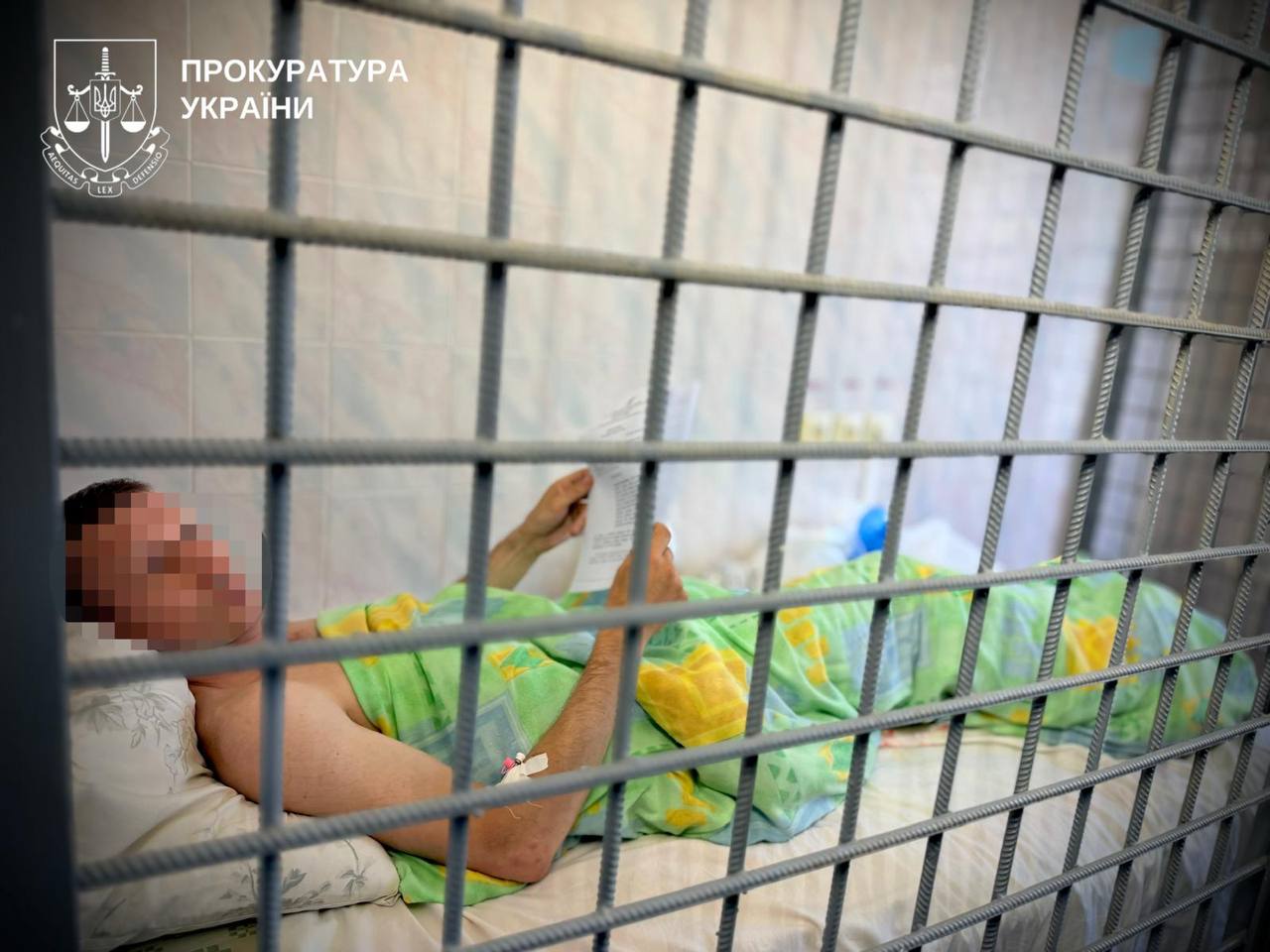
Ukraine has detained the chief organizer of the defense industry event struck by a Russian ballistic missile in Kyiv Oblast, as investigators examine whether security failures contributed to the attack that killed 10 people. Photo: Ruslan Kravchenko
Explore further

Ukraine detains organizer of defense industry event struck by Russian missile that killed 10, charged with negligence

The ABW framed the case as proof that Russian intelligence runs operations far beyond its own borders, using people who move between countries to do the work. For years, Kyiv and Western capitals have said Moscow enlists people — Ukrainians among them — to run sabotage and spying missions, a charge Russia keeps rejecting.

A pattern across Europe

The plot fits a wider Russian campaign. Weeks earlier, Warsaw detained a Russian man whom Moscow had allegedly recruited to murder a Ukrainian-American in the same city. 

Earlier this year, Ukrainian investigators recently exposed a coordinated scheme to kill a Russian dissident and Ukraine supporter in Lithuania, German prosecutors filed sabotage charges against a Ukrainian and a Latvian, and an earlier plot targeted the chief of German arms-maker Rheinmetall.

Poland and the Baltic States have been named prime targets for Russian sabotage over their backing for Kyiv.

  • ✇US news | The Guardian
  • What does Tyson’s shutdown of two US beef plants mean for grocery costs?
    Meat producer closes facilities in Utah and Illinois as beef prices rise for consumers amid historic cattle shortagePeople in the US: how much do you spend on food per month?Tyson Foods, the largest meatpacking company in the US, announced last week that it is closing two of its facilities in Illinois and Utah and selling a beef facility in Washington state, and will lay off hundreds of workers as the supply of cattle hits a 75-year low.The historic cattle shortage has been driven by a multi-yea
     

What does Tyson’s shutdown of two US beef plants mean for grocery costs?

21 août 2026 à 12:01

Meat producer closes facilities in Utah and Illinois as beef prices rise for consumers amid historic cattle shortage

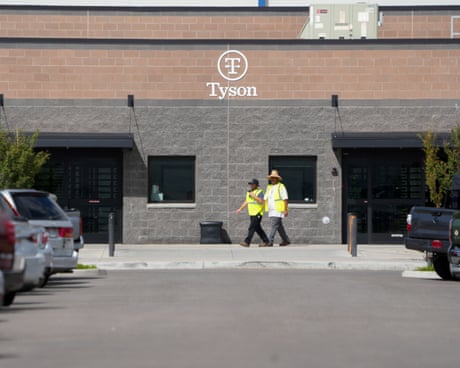
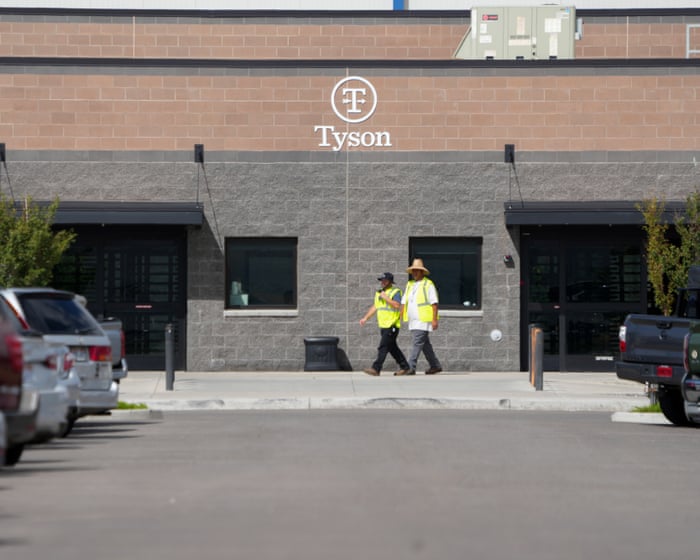
Tyson Foods, the largest meatpacking company in the US, announced last week that it is closing two of its facilities in Illinois and Utah and selling a beef facility in Washington state, and will lay off hundreds of workers as the supply of cattle hits a 75-year low.

The historic cattle shortage has been driven by a multi-year drought, rising costs and severe economic pressures, including consolidation among cattle ranchers. Beef prices have soared over the last year due to the shortage, though economists said the Tyson plant closures likely won’t hit consumer prices so hard.

Continue reading...

© Photograph: Bloomberg/Getty Images

© Photograph: Bloomberg/Getty Images

© Photograph: Bloomberg/Getty Images

❌