While adherents to the racist theory condemn a shadowy global elite, Silicon Valley is working toward the replacement of humans with AIAcross the world, “great replacement” theory has been employed again and again as the political foundation for fascism. Some of its fundamental tenets, such as the view that “whites are a dying minority”, have been amplified by tech billionaires and their platforms.According to the version of this theory most employed in Europe and the United States, white replac
While adherents to the racist theory condemn a shadowy global elite, Silicon Valley is working toward the replacement of humans with AI
Across the world, “great replacement” theory has been employed again and again as the political foundation for fascism. Some of its fundamental tenets, such as the view that “whites are a dying minority”, have been amplified by tech billionaires and their platforms.
According to the version of this theory most employed in Europe and the United States, white replacement theory, white populations are being “replaced” by non-white populations, a replacement engineered by a shadowy global elite. For example, the need for skilled labor is supposedly being used by global elites as an excuse to bring in non-white immigrants to replace white workers.
An AfD-led state government will develop a strategy for Saxony-Anhalt focused on technological upgrading, digitalization, and AI. This strategy is intended to help alleviate bottlenecks in the local labor market. Furthermore, it aims to avoid the immigration of skilled workers from culturally dissimilar backgrounds.
Some cultures have produced vital advances; others remain dysfunctional and regressive. All cultures are now equal. Criticism and value judgments are forbidden. Yet this new dogma glosses over the fact that certain cultures and indeed subcultures … have produced wonders. Others have proven middling, and worse, regressive and harmful.
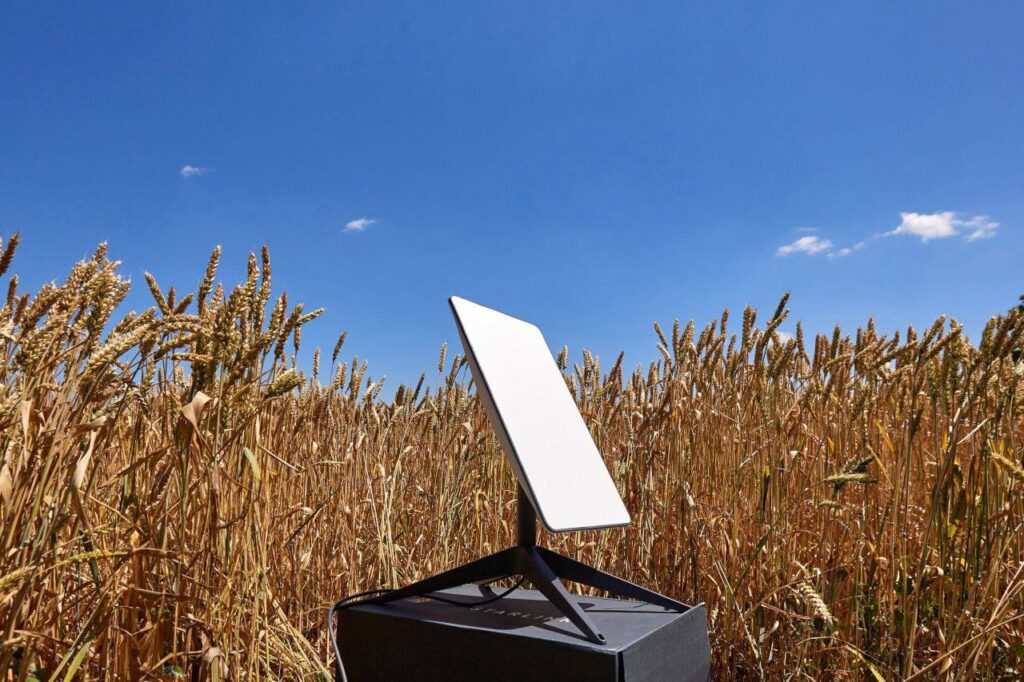
Ukraine is working on a satellite system of its own, something similar to SpaceX's Starlink, Ukrainian President Volodymyr Zelenskyy said on 4 October, Interfax-Ukraine reported. He argued Kyiv should be free to turn Starlink on Russian military targets, warning that China and other states will share comparable satellite technology with Moscow within months. Ukraine's battlefield communications still ride on a network owned by Elon Musk, who has clashed with Kyiv and once limited its warti
Ukraine is working on a satellite system of its own, something similar to SpaceX's Starlink, Ukrainian President Volodymyr Zelenskyy said on 4 October, Interfax-Ukraine reported. He argued Kyiv should be free to turn Starlink on Russian military targets, warning that China and other states will share comparable satellite technology with Moscow within months. Ukraine's battlefield communications still ride on a network owned by Elon Musk, who has clashed with Kyiv and once limited its wartime use.
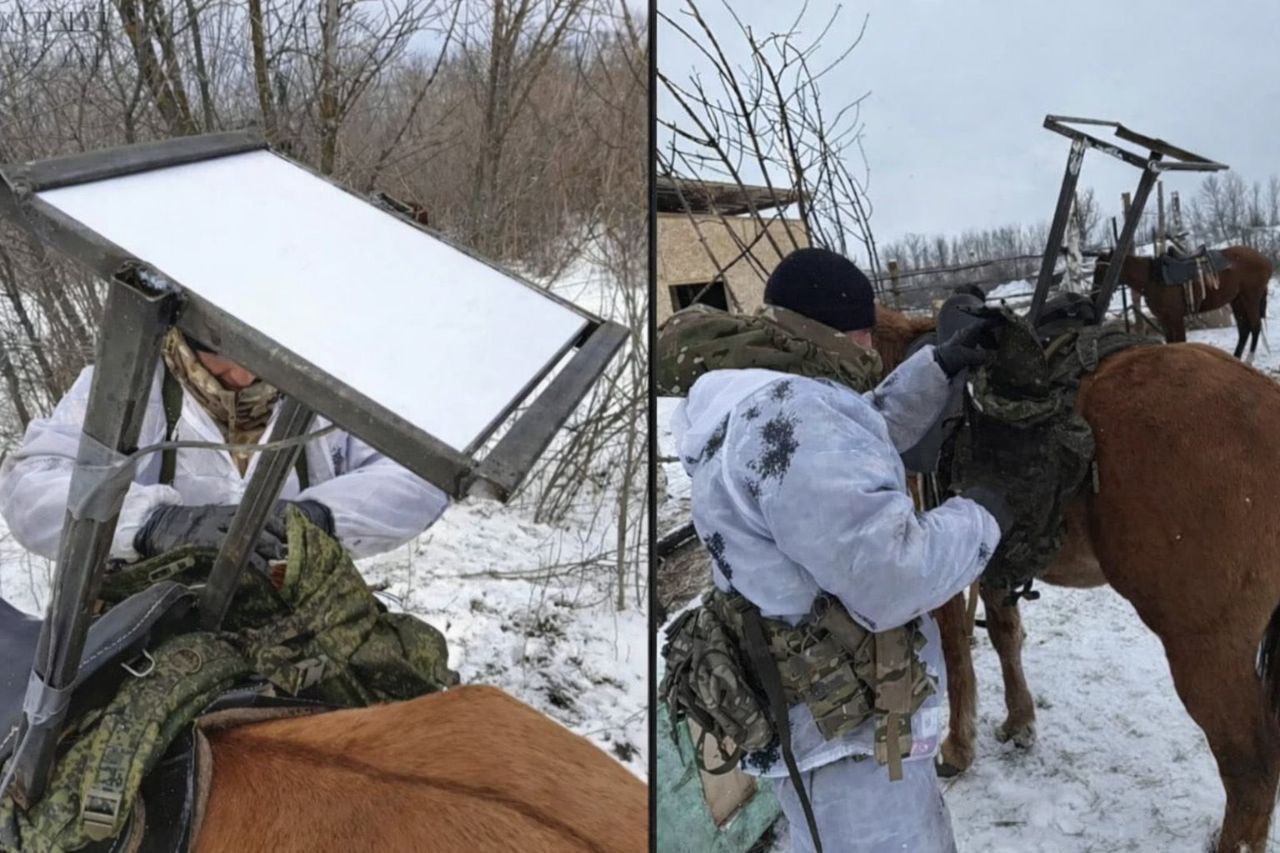
Low-orbit satellite internet has turned into a frontline utility that a single company or government can switch on or off, and both armies are now racing to own that link instead of renting it. Control of the network decides whose drones can see the battlefield and fly through the jamming to strike it—leverage Kyiv has gone without while its connection rode on hardware it does not run.
Working on a Starlink of its own
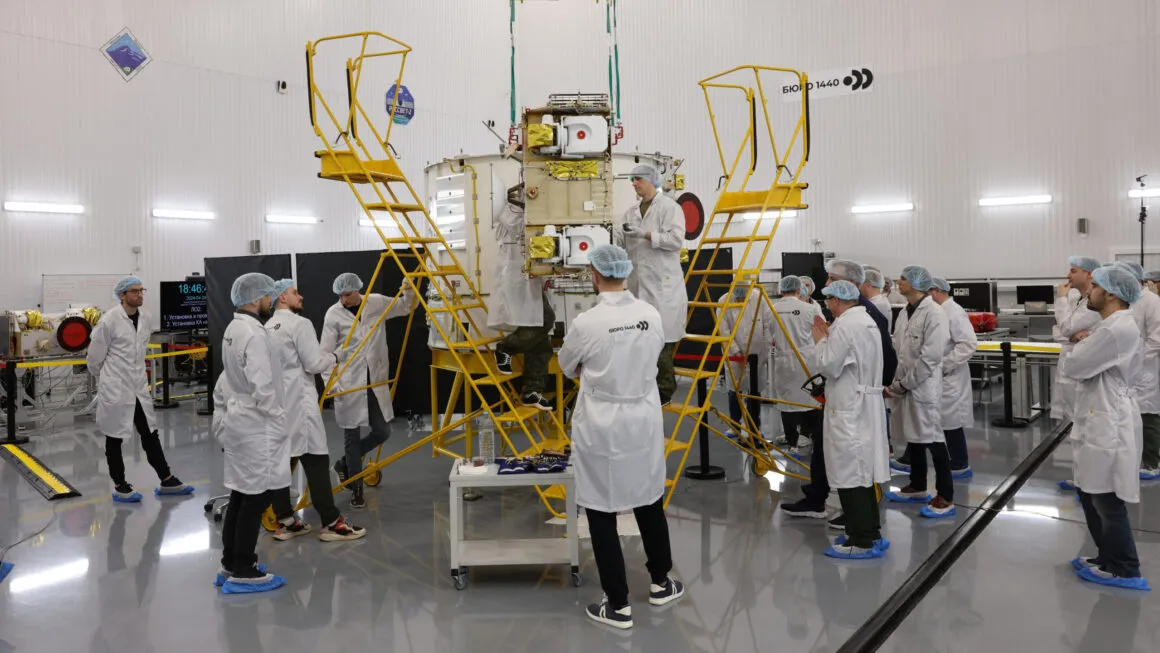
Zelenskyy said there was groundwork in place and that Ukraine was working on a system similar to Starlink. He called it fair for Ukraine to aim Starlink at military sites inside Russia. The timing is the reason, he said: some states will share the technology with Russia late this year or early next, and the Chinese are among them. Moscow is already fielding its own Starlink-style constellation, Rassvet, though for now it reaches Ukraine only in brief passes.
Ukraine's troops and drones lean heavily on Starlink, a network Kyiv neither owns nor controls. Musk has used that control against Kyiv before: in 2022 SpaceX refused a Ukrainian request to extend Starlink over occupied Crimea for a drone strike on Russia's warships, and it has since restricted the network's use for drone operations.
Sanctions, and satellites of its own
Zelenskyy has asked US President Donald Trump several times to sanction the Russian and Chinese companies building Russia's Rassvet network, most recently at the UN General Assembly in New York, he said in a recent Financial Times interview.
Explore further
The EU sanctioned Russia’s Starlink rival but not the company that builds it. Experts call that the gap that matters
Denys Shtilerman, co-founder and chief designer at Ukrainian defense company Fire Point, told the Financial Times in May that the firm had launched two satellites this year and planned dozens more in 2027, aiming to reduce reliance on the US government and Western tech companies. To strike deep inside Russia and gather intelligence, he has said, Ukraine needs its own constellation covering all of Russia.
New research points to how the world could stop short of the brink of disaster. Even with the agreement signed at the White House by tech leaders, it won’t be easy.
New research points to how the world could stop short of the brink of disaster. Even with the agreement signed at the White House by tech leaders, it won’t be easy.
The Trump administration announced new visa restrictions on the country days after receiving a letter that South African officials had hoped would bring down the temperature.
The Trump administration announced new visa restrictions on the country days after receiving a letter that South African officials had hoped would bring down the temperature.
President Cyril Ramaphosa of South Africa sent a six-page letter to President Trump laying out efforts to address Washington’s concerns over policies it thought hurt white South Africans.
U.S. President Donald Trump on July 6 commented on tech billionaire Elon Musk's plan to create a new political party, calling it "ridiculous" and warning that third-party movements have historically failed in the United States. "I think creating a third party is ridiculous... we've had tremendous success with the Republican Party," Trump told reporters on July 6 before boarding Air Force One in Morristown. "The Democrats have lost their way, but it's always been a two-party system, and I think c
U.S. President Donald Trump on July 6 commented on tech billionaire Elon Musk's plan to create a new political party, calling it "ridiculous" and warning that third-party movements have historically failed in the United States.
"I think creating a third party is ridiculous... we've had tremendous success with the Republican Party," Trump told reporters on July 6 before boarding Air Force One in Morristown. "The Democrats have lost their way, but it's always been a two-party system, and I think creating a third party just adds to the confusion."
These comments came after Musk unveiled plans on July 5 to launch a new political force in the U.S. called the "America Party."
Musk said the party's goal is to "give you back your freedom" and offer an alternative to the entrenched Republican and Democratic systems, a few weeks after a public split with Trump.
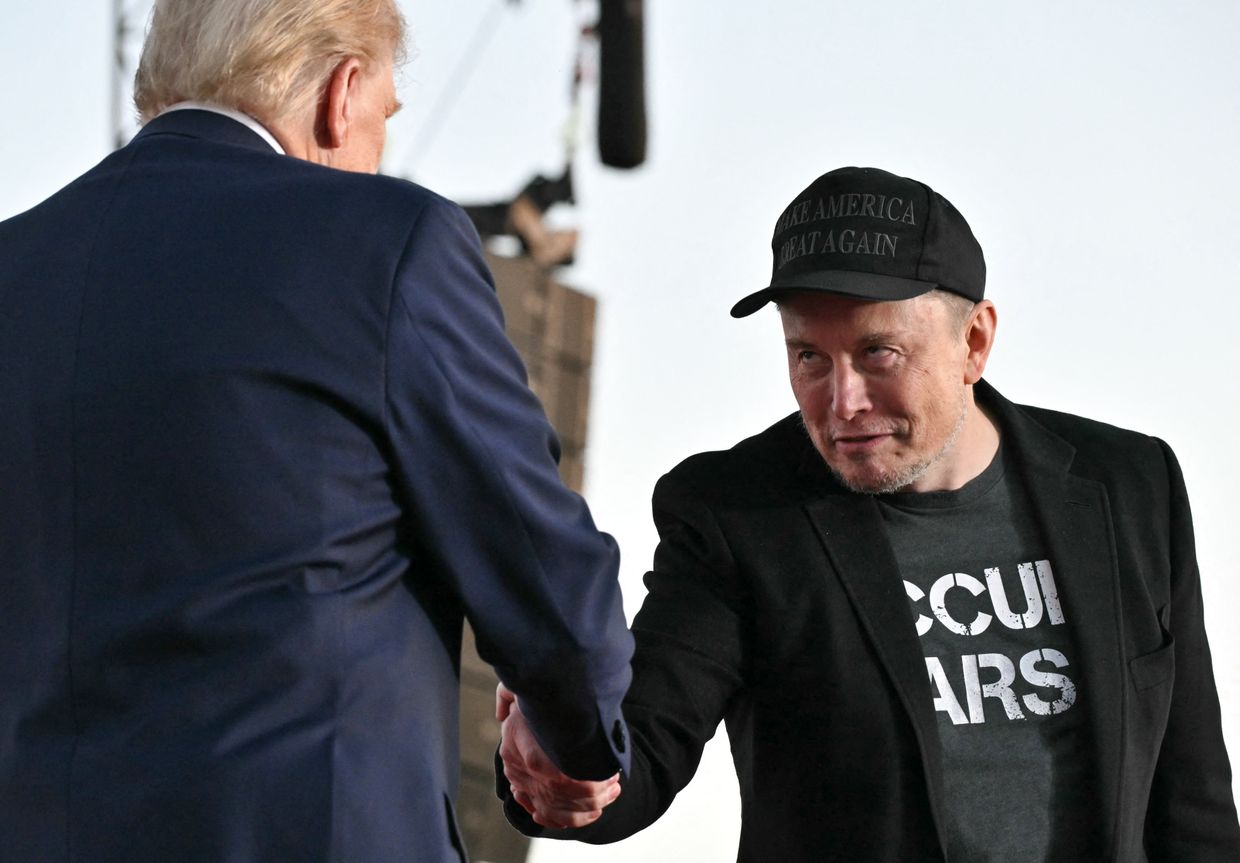
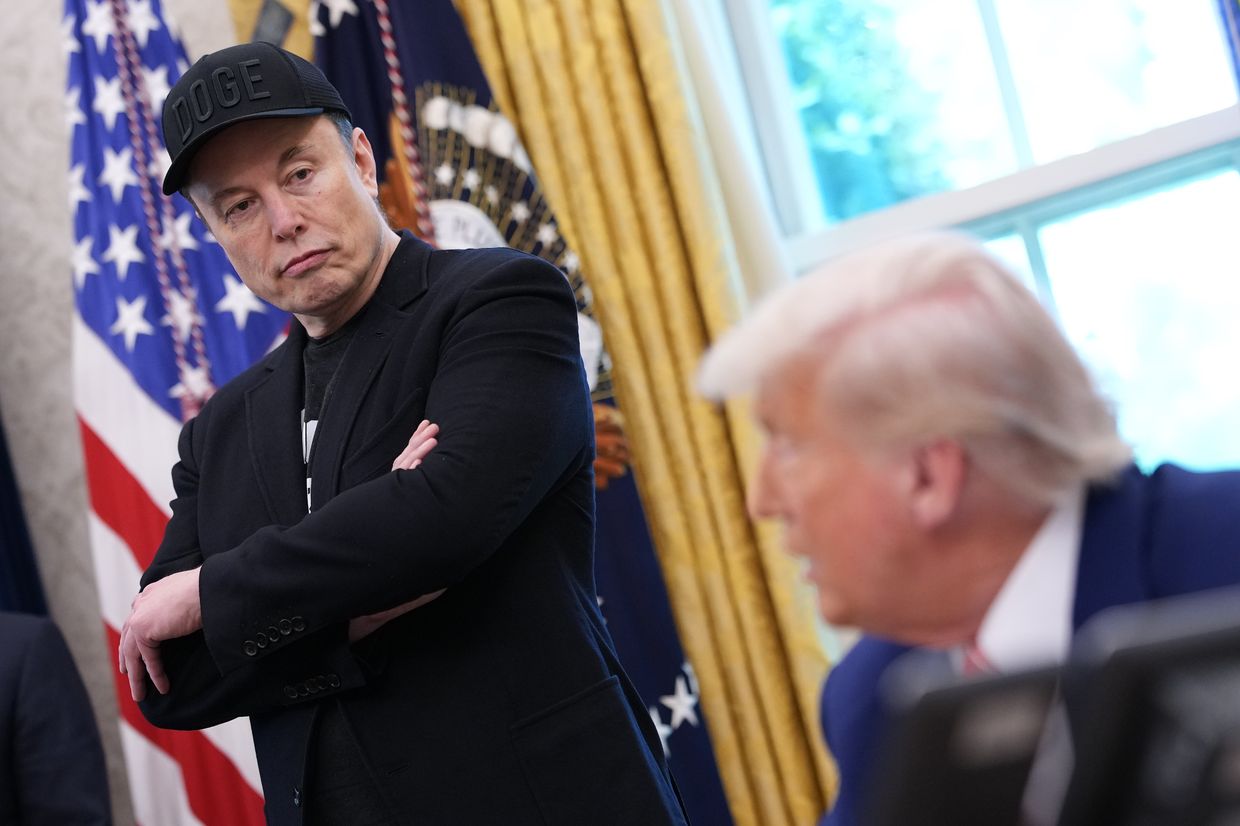
The strained relationship between Musk and Trump began to deteriorate significantly after a period when Musk publicly supported Trump's re-election bid and held a high-profile role in the U.S. government's Department of Government Efficiency (DOGE).
Musk's new party announcement followed Trump signing a major tax and spending bill into law, the One Big Beautiful Bill Act, legislation that Musk had strongly criticized.
Trump later commented further in a Truth Social post, saying that third parties bring "complete and total disruption and chaos" and criticizing Musk.
"I am saddened to watch Elon Musk go completely 'off the rails,' essentially becoming a TRAIN WRECK over the past five weeks," Trump wrote.
Trump also linked Musk's political shift to his frustration over the recently passed Republican bill eliminating the federal electric vehicle mandate.
"It is a Great Bill but, unfortunately for Elon, it eliminates the ridiculous Electric Vehicle (EV) Mandate, which would have forced everyone to buy an Electric Car in a short period of time. I have been strongly opposed to that from the very beginning," Trump added.
Musk led DOGE until May 30 and had been a key figure in dismantling U.S. foreign aid institutions, including USAID, which delivered billions in aid to Ukraine.
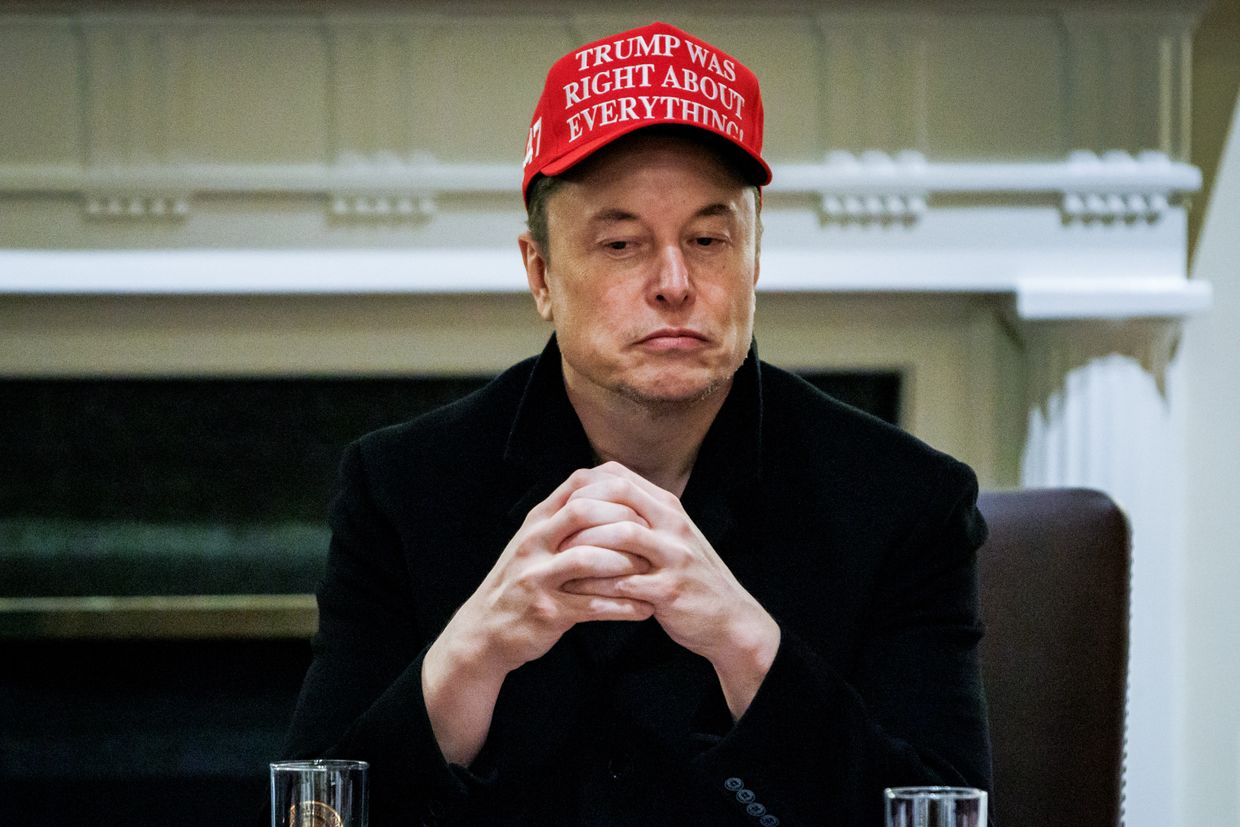
Weeks after a high-profile public falling out with U.S. President Donald Trump, tech mogul Elon Musk announced the creation of a new political party in the United States, dubbed the "America Party." Musk said on July 5 that the party's aim is to "give you back your freedom" and challenge the traditional two-party Republican and Democratic system.The announcement came a day after Trump signed his sweeping tax cut and spending bill into law, a legislative act that Musk has fiercely opposed. It rem
Weeks after a high-profile public falling out with U.S. President Donald Trump, tech mogul Elon Musk announced the creation of a new political party in the United States, dubbed the "America Party."
Musk said on July 5 that the party's aim is to "give you back your freedom" and challenge the traditional two-party Republican and Democratic system.
The announcement came a day after Trump signed his sweeping tax cut and spending bill into law, a legislative act that Musk has fiercely opposed. It remains unclear if the America Party has been formally registered with election authorities, but Musk indicated it would launch "next year."
Musk's decision follows a poll he conducted on X on July 4, asking his followers if he should create a new political party.He cited the overwhelming support, writing: "By a factor of 2 to 1, you want a new political party and you shall have it! When it comes to bankrupting our country with waste & graft, we live in a one-party system, not a democracy."
The strained relationship between Musk and Trump began to deteriorate significantly after a period where Musk publicly supported Trump's re-election bid and held a high-profile role in the U.S. government's Department of Government Efficiency (DOGE).
In May, Musk announced his departure from DOGE, citing the end of his "scheduled time." Initially, Trump praised him as "one of the greatest business leaders and innovators the world has ever produced."
However, tensions escalated sharply on May 22 after the U.S. House of Representatives passed the "One Big Beautiful Bill Act," a significant tax-cut and spending bill that Trump signed into law on Friday.
Musk vehemently condemned the legislation, calling it a "massive, outrageous, pork-filled Congressional spending bill is a disgusting abomination." He argued that the bill's spending would exacerbate the "already gigantic budget deficit" and "burden American citizens with crushingly unsustainable debt."
Adding to the friction earlier this week, Trump threatened to cut off billions of dollars in federal subsidies to Musk's companies and even hinted at the possibility of deporting the South Africa-born entrepreneur.
Russian authorities are considering a request from the New People's Party to offer political asylum to U.S. tech billionaire Elon Musk, claimed the party's lawmaker, Vladislav Davankov, to the Russian media on June 20.Davankov, deputy speaker of the State Duma, told reporters at the St. Petersburg International Economic Forum that his party had formally petitioned the Russian Foreign Ministry to provide Musk with asylum. The request is expected to be reviewed within a month, he reportedly said."
Russian authorities are considering a request from the New People's Party to offer political asylum to U.S. tech billionaire Elon Musk, claimed the party's lawmaker, Vladislav Davankov, to the Russian media on June 20.
Davankov, deputy speaker of the State Duma, told reporters at the St. Petersburg International Economic Forum that his party had formally petitioned the Russian Foreign Ministry to provide Musk with asylum. The request is expected to be reviewed within a month, he reportedly said.
"I think Elon Musk has made mistakes, but those mistakes should be forgiven," Davankov said. "If things don't work out for him, we are always ready to welcome him — from a technological and visionary point of view, he's very impressive."
The claim could not be independently verified, and there has been no official confirmation from the Russian Foreign Ministry or Musk. Kremlin spokesperson Dmitry Peskov declined to comment, telling reporters, "Let's wait for a statement from the Foreign Ministry or from Musk himself before we say anything."
The alleged request follows a public conflict that erupted between Musk and U.S. President Donald Trump earlier this month. The billionaire later expressed regret over a series of critical posts aimed at Trump, calling a proposed government spending bill "disgusting" and warning of economic consequences.
Trump hit back during a meeting with German Chancellor Friedrich Merz on June 5, saying on Truth Social that Musk had "just gone crazy."
In response, Musk claimed on social media that Trump owed him his electoral victory, suggesting his influence prevented Democrats from retaining the House.
Earlier this month, Dmitry Novikov, deputy chair of the State Duma Committee on International Affairs, told state-run news agency TASS that Russia would be ready to provide Musk with political asylum if needed.
"I think Musk is playing a completely different game, that he won't need political asylum, although if he did, Russia could certainly provide it," Novikov said on June 6.
The feud has attracted attention in Russia, where Musk is increasingly viewed as a sympathetic figure. Dmitry Medvedev, deputy chairman of Russia's Security Council, joked on X that Moscow could broker peace between "D and E," referring to Donald and Elon, in exchange for Starlink shares. "Don't fight, guys," Medvedev wrote.
Musk led a federal commission on government efficiency until May 30 and has been a key figure in dismantling U.S. foreign aid institutions, including USAID, which has delivered billions in aid to Ukraine.
Though he initially supported Ukraine by providing Starlink satellite systems to aid its defense, Musk eventually adopted Russian talking points, claiming President Volodymyr Zelensky lacks popular support and accusing Kyiv of running a "never-ending draft meat grinder."
He has also spoken out against U.S. military aid to Ukraine, a stance that aligns closely with Kremlin messaging aimed at discouraging Western support for Kyiv.

 Connexion