Vue normale

2 Hijackings in 4 Days: Somali Piracy Rises

20 août 2026 à 21:05
Experts worry that the conflict in Iran and other regional dynamics are setting the stage for a Somali pirates’ comeback.

© Abdirahman Hussein/Reuters

Security forces patrolling the Gulf of Aden, off the coast of the semiautonomous Somali region of Puntland, in 2024.
  • ✇US news | The Guardian
  • ‘Jim Crow must go’: the artists and everyday heroes who fought injustice – in pictures
    Turn the Volume Up! at the Nasher Museum of Art at Duke University highlights the activism of everyday people who have confronted injustice. New York’s mayor, Zohran Mamdani, quoting the Bronx rapper KRS-One’s song Turn The Volume Up during his election-day victory speech inspired the name of the exhibit. Featuring work by artists such as Kara Walker, Carrie Mae Weems and the Guerrilla Girls, the show examines how protests and collective action can create and inspire social changeTurn the Volume
     

‘Jim Crow must go’: the artists and everyday heroes who fought injustice – in pictures

19 août 2026 à 05:00

Turn the Volume Up! at the Nasher Museum of Art at Duke University highlights the activism of everyday people who have confronted injustice. New York’s mayor, Zohran Mamdani, quoting the Bronx rapper KRS-One’s song Turn The Volume Up during his election-day victory speech inspired the name of the exhibit. Featuring work by artists such as Kara Walker, Carrie Mae Weems and the Guerrilla Girls, the show examines how protests and collective action can create and inspire social change

Continue reading...

© Photograph: Bruce Davidson

© Photograph: Bruce Davidson

© Photograph: Bruce Davidson

  • ✇Euromaidan Press
  • Kenya and South Africa went first, and now Ghana accuses Russia of luring Ghanaians into war
    Ghana has publicly demanded that Russia halt the recruitment of its citizens to fight in the war against Ukraine, following 17 August talks between the two countries' foreign ministers in Moscow, The Moscow Times reported. Ghana's top diplomat said Moscow agreed to work on the matter, while Russia confirmed that Ghanaians had signed military contracts but defended the practice.  The move places Ghana on a growing list of governments across Africa and beyond that accuse
     

Kenya and South Africa went first, and now Ghana accuses Russia of luring Ghanaians into war

18 août 2026 à 04:51

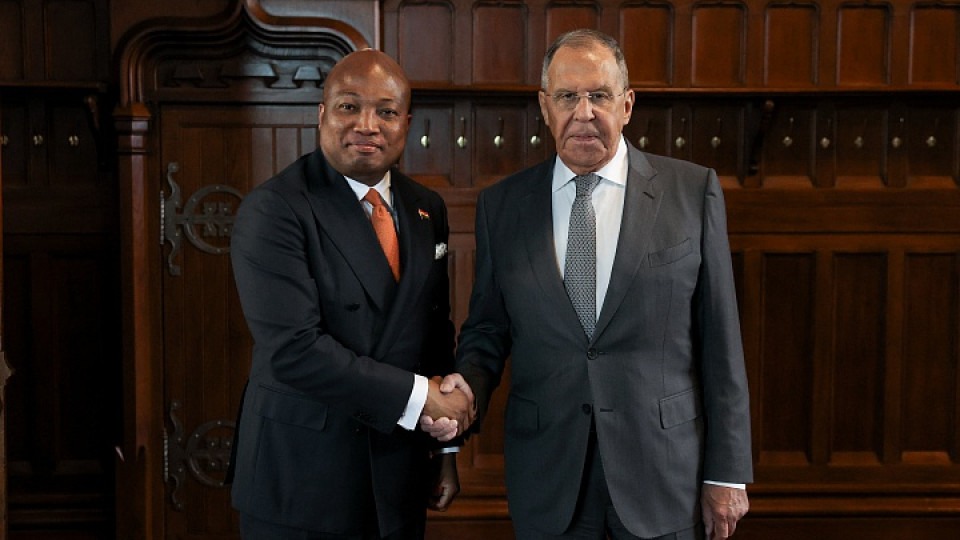
kenya south africa went first now ghana accuses russia luring its people war · post ghanaian foreign minister samuel okudzeto ablakwa (left) shakes hands russian sergei lavrov moscow 17 2026

Ghana has publicly demanded that Russia halt the recruitment of its citizens to fight in the war against Ukraine, following 17 August talks between the two countries' foreign ministers in Moscow, The Moscow Times reported. Ghana's top diplomat said Moscow agreed to work on the matter, while Russia confirmed that Ghanaians had signed military contracts but defended the practice. 

The move places Ghana on a growing list of governments across Africa and beyond that accuse Russia of channeling their nationals to the front. Russia's mounting manpower needs have pushed its recruiters deep into the Global South, and Ukraine has documented fighters drawn from dozens of nations — its ombudsman says captured recruits alone come from 51 countries

Ghana brings its dead and missing to the table

Ghanaian Foreign Minister Samuel Okudzeto Ablakwa accused Russia of the "illegal recruitment" of Ghanaians for the war on Ukraine. After the Moscow talks, he said his Russian counterpart, Sergei Lavrov, agreed to work toward resolving the issue, according to Interfax Russia. Ablakwa reported that 62 of his compatriots had died in Ukraine, with a further 15 listed as missing, Bloomberg reported.

Russia confirms the contracts, then justifies them

Lavrov confirmed that Ghanaian citizens had signed contracts with Russia's Defense Ministry. He claimed the Ghanaians had signed out of solidarity with a country that had helped Africa fight racism and for financial reasons. He stated that Moscow had received similar appeals from other countries, and that a dedicated Defense Ministry structure reviews such cases and would examine the additional requests raised by the Ghanaian side.

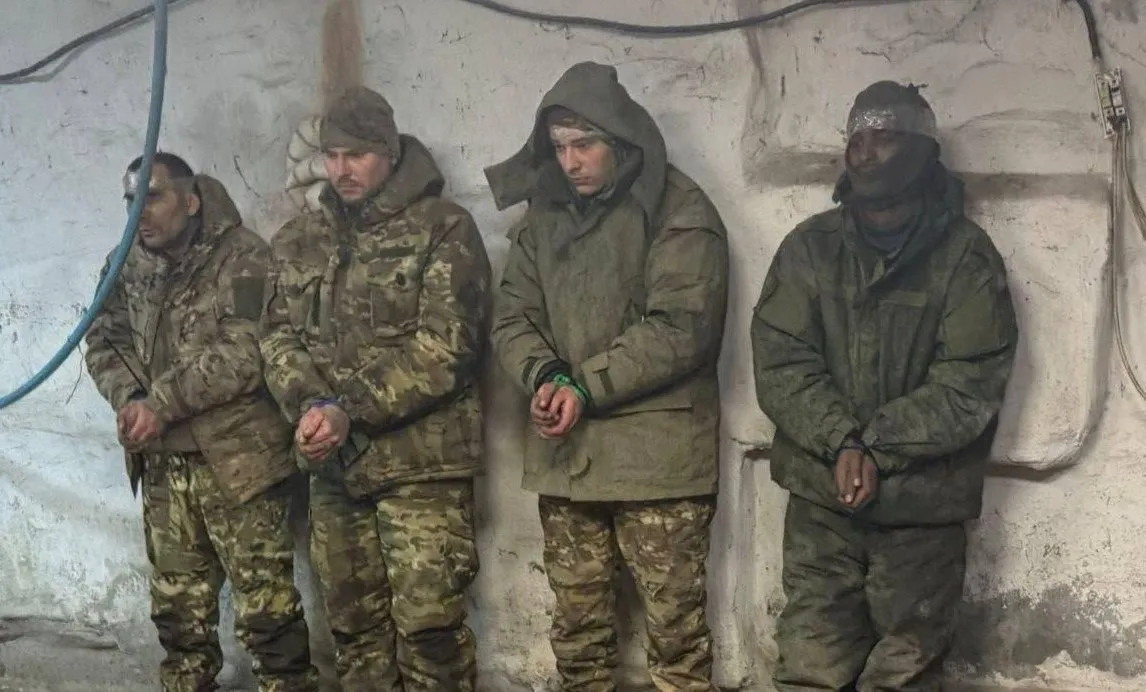
Four captured fighters who fought for Russia stand against a wall with their hands bound.
Explore further

Fighters from 51 countries now held in Ukraine after fighting for Russia, ombudsman says

A pattern stretching across two continents

The recruitment of African nationals to reinforce Russian forces has alarmed governments across the region. Kenya and South Africa had already pressed Moscow with similar demands. In February, Kenyan intelligence said Russia had deceptively lured more than 1,000 Kenyans into the war, many of them promised jobs as truck drivers or security guards.

In December 2025, South Africa detained five people suspected of recruiting mercenaries for the Russian army. Last fall, Duduzile Zuma-Sambudla, daughter of former South African President Jacob Zuma, was reportedly involved, convincing 20 young men they were traveling to Russia for bodyguard training to later work in her father's party. Botswana in July reported the deceptive recruitment of its citizens, saying the number of victims was "growing at an alarming rate," and Panama later leveled similar accusations. Russia's Foreign Ministry claimed the signed contracts were voluntary.

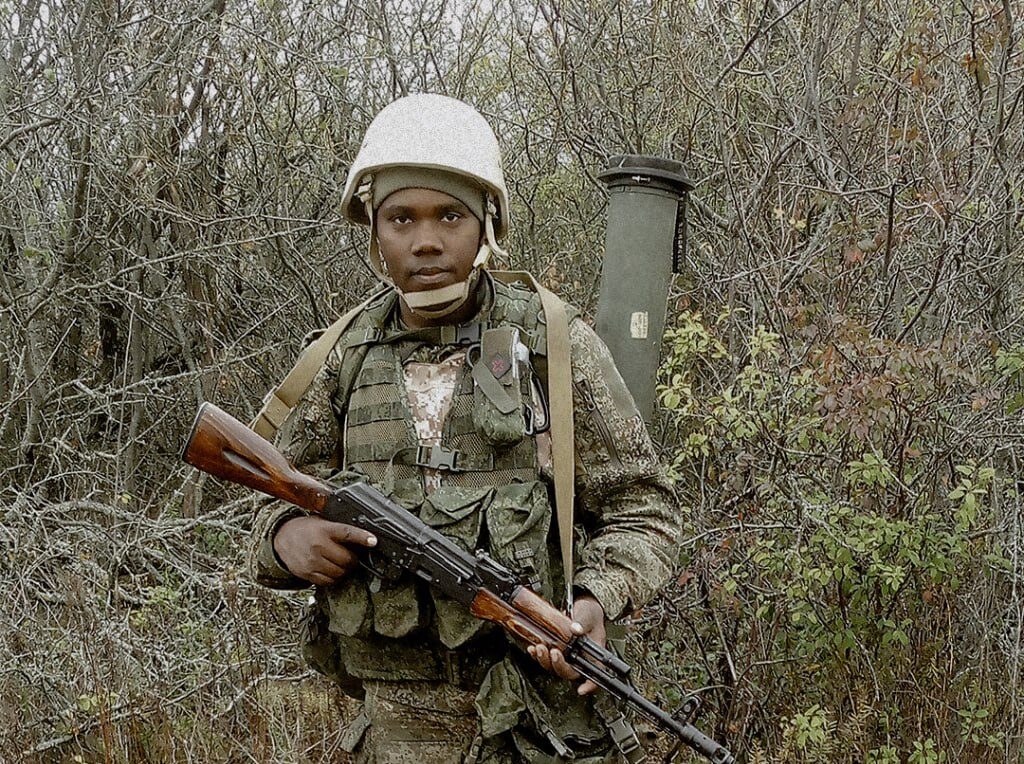
extends russian-oil waiver second time — one bessent had told allies wouldn't make · post kenyan mercenary clinton mogesa 29 eliminated ukraine while fighting russia 3b0f96ae -7509-4691-ac12-dbd809d8c68d has extended its
Explore further

Over 1,000 Kenyans lured into Russia’s war in Ukraine, 50+ Ghanaians killed there — three governments confirmed it, none confronted Moscow

Ghana's confrontation echoes earlier ones

Ukrainian officials say the death toll among African recruits has climbed into the hundreds, turning what Moscow frames as voluntary service into what several governments describe as trafficking.

In March, three governments had already confirmed their citizens were being lured to the war, including more than 1,000 Kenyans and over 50 Ghanaians killed. Kenya said the same month that Russia had agreed to stop using its recruits, though families of the missing were still waiting. 

A European Parliament resolution has separately accused Russia of stripping African recruits of their documents and sending them to the Ukrainian front.

American Hiker Dies After Lightning Strike on Mount Etna in Italy

17 août 2026 à 12:58
Rescuers found a 29-year-old man in serious condition on the volcano’s eastern slope on Sunday. He was later pronounced dead at a hospital in Catania.

© Salvatore Allegra/Associated Press

Volcanic activity at Mount Etna as seen from Mareneve near Catania in Italy last week. Italian authorities say a 29-year-old American hiker was killed by lightning while hiking on Europe’s most active volcano.
  • ✇Euromaidan Press
  • Nearly 500 Africans recruited into Russia’s army have died, Ukraine says
    486 Africans recruited into Russia’s armed forces are dead, while Ukraine is holding 35 citizens from 17 African countries as prisoners of war, Ukraine’s Ministry of Foreign Affairs (MFA) told Ukrainian public broadcaster Suspilne in findings published on 16 August 2026. Its overall tally rose only slightly from May, climbing from 2,965 recruits from 36 countries to at least 2,982 from 37. Russia’s recruitment in Africa is part of a broader effort to enlist foreigners f
     

Nearly 500 Africans recruited into Russia’s army have died, Ukraine says

17 août 2026 à 08:16

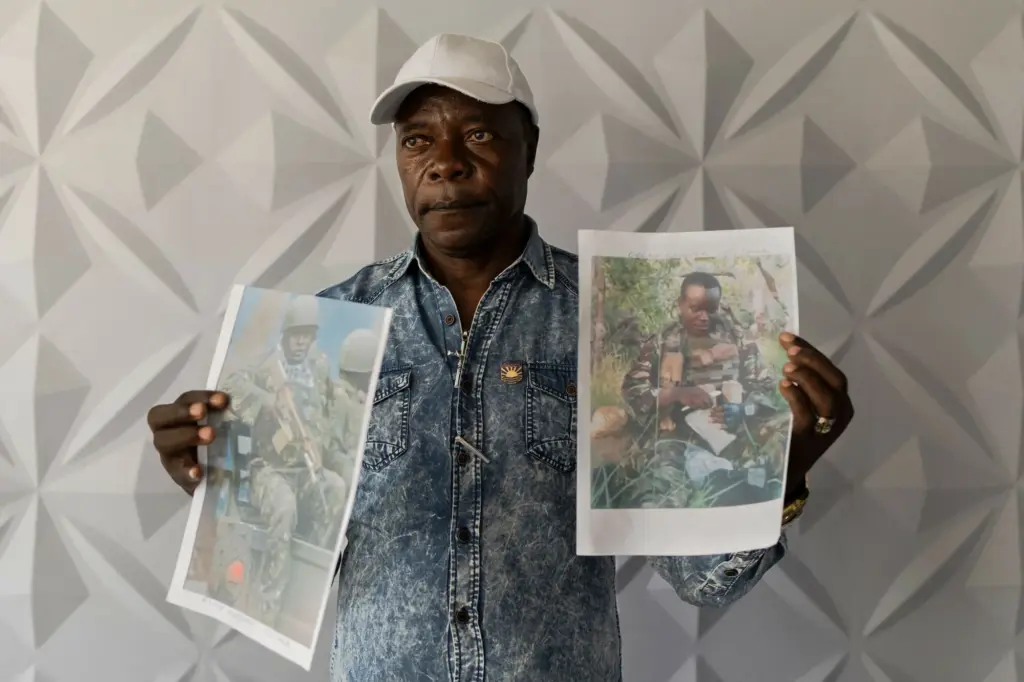
A Kenyan man holds two printed photographs of his son killed fighting for Russia.

486 Africans recruited into Russia’s armed forces are dead, while Ukraine is holding 35 citizens from 17 African countries as prisoners of war, Ukraine’s Ministry of Foreign Affairs (MFA) told Ukrainian public broadcaster Suspilne in findings published on 16 August 2026. Its overall tally rose only slightly from May, climbing from 2,965 recruits from 36 countries to at least 2,982 from 37.

Russia’s recruitment in Africa is part of a broader effort to enlist foreigners for its war. A joint human-rights investigation found that Russia had recruited at least 27,000 people from more than 130 countries since 2022. The system helps Moscow replenish its forces while shifting battlefield risk onto foreigners, many of whom are drawn in by financial pressure, deception, or coercion.

The largest groups of recruits came from Kenya, Egypt, Cameroon, Ghana, Nigeria, Uganda, Algeria, and Mali, the ministry told Suspilne.

Russia’s wider recruitment pipeline in Africa

Russian security services use a “broad arsenal of manipulative methods,” the Ukrainian MFA said. Recruiters promise civilian jobs, education, high salaries, Russian citizenship, or migration benefits. In many cases, foreigners must sign Russian-language military contracts under threat of deportation or imprisonment.

The FIDH–Truth Hounds–KIBHR report found recruiters using social media and intermediaries to advertise civilian jobs. Of 16 foreign POWs interviewed, 13 said they had been promised they would not fight. Most reached combat positions within weeks.

The human toll on African recruits

Kenyan engineer Francis told journalist Dmytro Karpenko, who interviews prisoners captured while fighting for Russia, that he thought he had accepted a security job. In Russia, he received a military uniform instead. After two weeks of training, he reached the front and was captured.

Nigerian recruits Hamzat Kazeen Kolawole and Mbah Stephen Udoka died in an assault after receiving little or no training, Ukrainian military intelligence said. Botswana reported “heartbreaking calls” from its citizens describing “perilous conditions” at the front.

Ukraine’s response to Russia's recruitment campaign

Ukraine’s diplomatic missions regularly inform African officials about the recruitment of their citizens and run awareness campaigns, according to the ministry.

The MFA and Ukraine’s POW Coordination Headquarters also launched Stop Russian Recruiters, a website that explains recruitment methods, shares victims’ accounts, advises people at risk and their families, and accepts reports about recruiters.

How Social Media Sparked a Refugee Crisis Between Spain and Morocco

11 août 2026 à 09:23
A wave of disinformation online contributed to a surge of migrants in the Spanish enclave of Ceuta who were trying to reach Europe, resulting in about 90 deaths.

© Sergey Ponomarev for The New York Times

Moroccan border guards and boats patrolling the coastline on the border with Spain in Fnideq, Morocco, this month.

What to Know About the Cuban Mafia in Quintana Roo

11 août 2026 à 05:02
A group of Cuban men in Mexico was charged with smuggling people to the United States. One of its leaders said Raúl Castro’s grandson helped, according to interviews and court records.

© Jae C. Hong/Associated Press

The former Los Angeles Dodgers player Yasiel Puig was one of the Cubans smuggled into the United States by a criminal group known as the Cuban Mafia.
  • ✇Climb to the Stars
  • Thoughts on Letting AI Write For You [en]
    [en] I was planning to write another blog post. I may still write it – or not. But as I opened my computer, I had a pile of open tabs. I’d clicked on a bunch of articles of Daniel Miessler’s blog for possible further reading. Daniel is the guy behind LifeOS (previously PAI), a personal AI framework (infrastructure) I have written about and spent many (many!) hours battling with since April. It had been a pleasant surprise to discover Daniel’s blog was active, and even more that it was readable,
     

Thoughts on Letting AI Write For You [en]

22 juillet 2026 à 14:53
[en]

I was planning to write another blog post. I may still write it – or not. But as I opened my computer, I had a pile of open tabs. I’d clicked on a bunch of articles of Daniel Miessler’s blog for possible further reading. Daniel is the guy behind LifeOS (previously PAI), a personal AI framework (infrastructure) I have written about and spent many (many!) hours battling with since April.

It had been a pleasant surprise to discover Daniel’s blog was active, and even more that it was readable, as most of what I’ve seen “from him” these last months is in the GitHub repo or PAI/LifeOS documentation and rather AI-sloppy, sometimes even to the extent that it sounds like his DA (Digital Assistant) posting on his behalf. (I say this with all due respect, the thinking behind PAI/LifeOS is genius.)

Not so with the blog, clearly well-written by a human (see, by the way, his AI Influence Level system, something in the same vein as AI Labels).

So I fell in the trap of looking at the topmost open tab before closing it, and I started reading, and I was even more pleasantly (ephorically?) surprised to read this:

I value text because I see it as one step away from thought.

I believe thinking is the one thing we should be careful not to outsource, and I worry what this idea smuggles in is a major step toward making our creations opaque to humans. Not just AI’s creations, but ours as well.

The reason I value Paul Graham so much is because of the idea compression work that goes into writing super clean prose. It’s difficult to write clearly because it requires thinking clearly.

Daniel Miessler, “Text is Thought, and Thought is Holy

I worry that if we vibe-think to AI and have it spit out amazing HTML, we’re instantly disconnected from the idea. Like where did the idea go? It started as vibes and got put through a woodchipper and turned into someone else’s HTML.

I see this happen so much. A lot of writing is a way of thinking, it’s not “path to an output”. And I think that when thinking is missing in the process, we feel it, which is why AI Slop and even many “decently AI-generated texts” are so distasteful to read.

Because the “thought” they contain is not coherent, not organic, and we cannot access it comfortably through the text we’re reading. We need to do extra work to try to get at it – and sometimes it’s not even there. Just like “over-optimised” administrative processes end up outsourcing a large part of the work they’re supposed to do to the people they should be serving, “over-optimised” text production outsources part of its work to the reader.

We could maybe apply this analysis to badly constructed, hastily-written reports whose sections have been copy-pasted to death and which lack overall integrity and structure.

Jens-Christian wrote about this too in “Keep Your Voice“.

Daniel again:

I just feel like if you didn’t put the hard thinking and writing work into the original idea, and then maintain it in a format that’s easy for humans to read and edit, then you have somehow surrendered something Holy to the machines. I say this as a total AI maximalist.

This reminds me of two things that came upon my radar recently.

The first is this post by Alex Hillman about how generative AI has broken the social contract by upending the balance of effort from producing to consuming content. What used to be expensive (writing, creating a song, shooting a video, etc.) is now super cheap, in terms of effort (if not tokens). Sure, we used to have content farms and the like, but it was still a lot of manual labour. Now I can feed a one-line prompt to an AI model, leave the computer running and come back to a whole book of content. Sloppy, but a lot of words.

Over time, the world we live in has shifted more and more in the direction of “too much content, not enough brain time to absorb it”. It’s something humans have been complaining of since before the internet. But like everything, it’s speeding up like a hockey stick. The democratisation of online publishing, and social media on its heels, has brought in another height of cognitive overload and collective anguish about there being “too much stuff out there”. And now that more and more of this stuff is produced by machines that never need to sleep or eat (except a prompt or two), the overall quality of what is out there is going down as fast as its quantity is going up.

This reminds me somewhat of my thoughts about audio and video versus text, back in the day. If you record a 30-minute video and post it online, it took you 30 minutes, but it will also take each person who watches it 30 minutes. If you spend 30 minutes writing up your message, it will take the people reading it much less time.

Because what has not changed is the finitude of human existence. Not only is our time limited, but also our energy and ability to read, watch, learn, concentrate. This is, now more than ever, our bottleneck. Producing something today is pretty much worthless. Producing more is senseless. What has value is: does it enter somebody’s mind in a meaningful way?

There is a link between this and the AI brain fry explanation that I referenced some time back. AI has no limits on the concurrent projects it can work on, and no limits on how much content it can produce. But we have limits on how much delegation we can supervise, how many open loops we can stand, and how much content we can absorb.

And this brings me to the second thing: understanding cannot be outsourced. Andrej Karpathy now famously said you can outsource thinking, but not understanding. A lot of what AI produces does not help us understand anything. It gives the illusion of opening the door to that, but it’s more often than not just word froth. Reading is about understanding. It’s about meaning. There is no shortcut to that. Only you can learn and understand so that you later know.

When Karpathy says you can outsource thinking: well, some of it. But what we writers-as-thinkers know very well is that the thinking that we do when we write is the kind of thinking that leads to understanding. Saying that thinking can be outsourced is a slippery slope because it drags down a chunk of understanding with it.

Writing is thinking is understanding.

Well, that was the first open tap. 27 more to go. (Just kidding. I’m going to close them. I might write my Paléo Festival blog post tomorrow.)

  • ✇Climb to the Stars
  • Des mots sur un carnet à Paris [en]
    [en] C’est moche pour l’accessibilité, je sais. Transcription IA non vérifiée (22.07.2026): 1er juillet 2026, 21h15 Ça fait longtemps que je n’écris plus à la main. Encore plus longtemps que je n’écris plus à la main avec soin. Depuis mes TMS en 2002 ou 2003, ce n’est pas confortable. Ça crampe, ça tétanise. Je regarde un peu de haut ces exercices qui disent de faire à la main. Je tape à l’aveugle plus vite que mon ombre. Bref : se passe-t-il vraiment autre chose d
     

Des mots sur un carnet à Paris [en]

1 juillet 2026 à 16:10
[en]

C’est moche pour l’accessibilité, je sais.

Transcription IA non vérifiée (22.07.2026):

1er juillet 2026, 21h15

Ça fait longtemps que je n’écris plus à la main. Encore plus longtemps que je n’écris plus à la main avec soin. Depuis mes TMS en 2002 ou 2003, ce n’est pas confortable. Ça crampe, ça tétanise. Je regarde un peu de haut ces exercices qui disent de faire à la main. Je tape à l’aveugle plus vite que mon ombre. Bref : se passe-t-il vraiment autre chose dans mon cerveau quand j’écris à la main ? Avec mes “petits problèmes linguistiques” depuis mon accident, je me pose la question, à nouveau, de l’utilité de ce genre d’exercice. Pourquoi pas. Écrire à la main, c’est me reconnecter à un rapport plus primitif de mon rapport à l’expression écrite : le seul que j’avais jusqu’au milieu de mon adolescence, quand j’ai appris à taper ; et le principal, jusqu’à la fin de mes études, justement autour de 2002-2003. C’est moins rapide et moins confortable, mais en ces temps post-commotion, je me réconcilie — tant bien que mal — avec le temps lent.

Je suis à Paris. Une semaine pour deux journées de formation à l’IGB. La dernière était aujourd’hui. Mon cerveau est cuit [?], et c’était fascinant et ultra riche, comme toujours à l’IGB. C’est le genre de formation où je prends des notes à la main, relativement illisibles, parce que les schémas de boucles interactionnelles entre les différents protagonistes des situations abordées, c’est quand même assez galère à faire à l’ordi. Avec ma logo la semaine dernière, j’ai évoqué ce que je ressens un peu comme une récalcitrance à l’effort cognitif, parfois. Il y a des articles un peu pointus que je veux lire, mais je rechigne à la perspective de cet effort. Un peu peur d’en faire trop, aussi, bien sûr. On s’est dit que ce serait peut-être un exercice utile de m’y mettre, de façon contrôlée : limité dans le temps, lentement, et — sa suggestion — en surlignant les points clés ou prenant des notes. Ça m’a parlé — et travaillé.

J’ai passé une décennie de ma vie à lire en prenant des notes — quand j’étais aux études. Je prenais aussi des notes de livres que je lisais “en plus”, par intérêt. Prendre des notes m’aide à comprendre. Quand j’écoute aussi, d’ailleurs. C’est ce qui m’a amenée à live-bloguer, en fait. Je peinais à rester concentrée sur des conférences (le TDAH était très loin d’être sur mon radar !) et j’ai fait l’expérience, un peu par hasard, qu’en prenant des notes ça allait beaucoup mieux. Pas très étonnant en fait, après avoir fait ça quasi quotidiennement sur les bancs de l’uni.

Alors oui, si on se dit que je dois peut-être “ré-entraîner” mon cerveau à certaines choses, lire en prenant des notes pourrait être une pratique intéressante à revisiter.

Ce qui est marrant, c’est que je n’ai pas arrêté de lire des choses “difficiles”, après mes études. Mais j’ai lâché la discipline de la prise de notes, en partie je pense car elle n’était plus forcément nécessaire en vue des raisons par lesquelles je lisais, aussi un peu en partie parce que c’est un effort en plus, et parce qu’avec les supports numériques dans lesquels on peut “rechercher”, les notes semblent un peu moins utiles — en tant que résumé permettant d’accéder au contenu.

Mais le travail cognitif de tri de l’information, de synthèse, d’organisation des idées, il se produit. Et au fil de toutes ces dernières années, j’ai parfois senti, en toile de fond, que je pourrais perdre un peu en rigueur, que les choses que j’avais lues et comprises finissaient par manquer de précision, qu’avec le temps il me manquait quelques bouts — rien de très grave — et qu’évidemment je n’allais que rarement replonger dans la source (si tant est que j’étais capable de la retrouver, malgré les miracles de la loupe et des images…)

Alors oui, écrire comme exercice, prendre des notes, pourquoi pas. Je me dis que je pourrais mettre au propre mes notes IGB par exemple. Il y a quelques articles écrits par un psychologue français sur la question de “l’énergie” dans le TDAH qui m’intéressent et qui méritent une lecture attentive, d’autant plus que je suis aux prises avec ces questions de “gestion de l’énergie” de façon criante depuis mon accident — je suis d’ailleurs au milieu d’un programme en ergothérapie sur la gestion.

“Journaler”, c’est aussi une pratique que je souhaite reprendre. Ma mémoire épisodique est souvent un peu confuse, et c’est pire depuis mon accident. Prendre quelques notes en fin de journée m’aide à ne pas me sentir en dérive temporelle. Il y a dix-huit mois, quand j’ai pris deux semaines de vacances pour réaménager mon chez-moi, j’ai eu envie de me mettre au scrapbooking. Peut-être qu’il y a une idée à creuser là. Écrire à la main, c’est peut-être aussi quelque chose qui pourrait être pour moi une forme de “repos”. Le rythme plus lent, la linéarité, je sens en effet que c’est différent de taper ou dicter sur l’ordi ou le tél. Chaque mot écrit est écrit.

On verra.

J’étais partie pour faire une page. J’en ai fait cinq. J’arrête là pour aujourd’hui.

  • ✇Climb to the Stars
  • Post-Accident Packing and Travel Anxiety [en]
    [en] I’m on the train to Paris. I’ll be coming back a week on Monday. It’s a comfortable, easy trip. The reason for my travel is I’m attending a two-day course on burnout – part of my training at the Gregory Bateson Institute. I’d planned on postponing this module until next year or the year after, given that my main priority now is building my working capacity back up following last year’s accident. But earlier this year, the whole curriculum was redesigned (it’s a good thing!), and the materi
     

Post-Accident Packing and Travel Anxiety [en]

28 juin 2026 à 09:03
[en]

I’m on the train to Paris. I’ll be coming back a week on Monday. It’s a comfortable, easy trip. The reason for my travel is I’m attending a two-day course on burnout – part of my training at the Gregory Bateson Institute. I’d planned on postponing this module until next year or the year after, given that my main priority now is building my working capacity back up following last year’s accident. But earlier this year, the whole curriculum was redesigned (it’s a good thing!), and the material on burnout will be incorporated into a longer module which is largely redundant with the courses I’ve already taken. So: now or never.

Following my relapse/brain crash earlier this year, I took the decision in March to pretty much clear out anything that was in my calendar. It was a tough decision, but it was the right one (people who have experience with chronic fatigue will know what I’m talking about). For those few plans I held on to, I « cleared the decks » around them to ensure they would not interfere with getting my work done, and that work would not jeopardise them. This means I took the whole week off for these two days of training, just like I took the whole week off a fortnight ago to go and see Mika live at the Caribana Festival. It worked.

In my pre-accident life, I might have travelled on Monday, attended the training on Tuesday and Wednesday, and travelled home Thursday. The « recovery » version of this is to add at least a day of padding in between training and travel, with nothing planned, so I can rest/stock up on « energy »/recover, and reduce the risk of (for example) travelling on a maxed out brain. I figured I might as well add on a few extra days (particularly as Oscar is not around anymore – something I’m really thankful for to be honest, with the awful heat wave that hit us over the last week), and catch up with a couple of people, if I’m in good enough shape.

This is my fourth « real trip » since my accident. I went to France twice for extended week-ends with family or friends last year. Each time was absolutely exhausting (but nice). Then after Christmas I went to spend some time at the chalet – first time I was going back since my accident – and we know what a disaster that turned out to be. This time, I think I’ve planned and organised things well enough and with a lot of caution.

As I was packing and preparing for departure yesterday, I realised I was really stressed out. More than usual. Packing and preparing to travel has always been stressful for me. It’s not the actual travel or being in a strange place or away from home. Or maybe just a little. What it is mainly is all the executive function acrobatics required in dealing with travel-related logistics:

  • making sure I do the things that need to be done before leaving
  • deciding what to bring with me (this is a huge one)
  • organising cat- and plant-sitting
  • inserting these « unusual activities » into my days at the right time, in the right order, and with enough time to carry them out
  • leaving wherever I’m at to go “somewhere else” – the transition itself.

Putting things in the suitcase is actually a part I like. It’s real-life Tetris: fun. Once I’ve locked the door behind me and am heading out with my luggage, I’m good. But before that, it’s complicated. I have got much better at dealing with it over the years, and with the clearer view on my executive function challenges that my ADHD diagnosis brought me a few years ago (and meds!) it’s even better.

I don’t have a very clear memory of how preparation for my two France trips went last year (only that I overpacked, a sign that making decisions regarding what to take or not was difficult, so in doubt, pack more). But I do know that packing for the chalet in December was a nightmare.

OK, I had already « crashed » during the previous week, but I’d taken rest to recover and felt functional enough to tackle it. And yes, it was also the first time back to the chalet since my accident, but I was really looking forward to heading back. I was aware there was maybe a little (normal) underlying apprehension that I might not be perceiving.

What apprehension I could feel was not about going to the chalet, but about the possibility of an unexpected emotional reaction to being there again. It was the same thing when I went back on the ski slopes: not scared of skiing, just worried I might have misjudged my readiness and have some kind of PTSD-like reaction to being back on my skis or where the accident took place. Nothing like that happened, by the way. Everything was fine.

This illustrates where most of my post-accident anxiety lies. I am normally pretty good, in general, in predicting how I’ll react, what will be challenging, what I can and can’t deal with. I know myself well, including my biases, and of course I know that when you expect something to do this way or that, it does have an influence on the outcome – I do my best to correct for that. Since my accident however, I have been blindsided by my brain more times than I can count. At times I feel like I do not know myself anymore, though of course I’m still me and very much feel me, but when it comes to “what I can take”, whether mentally, physically or emotionally, I’ve had a lot of bad surprises.

I am repeatedly finding myself in the situations where my brain does not deliver in the way I expect it to, and where I misjudge what I’m able to do. In my accident-recovery-life, the consequences of these prediction errors are swift: I crash. I don’t know if it hits everybody this hard, but for me in any case, it’s pretty traumatising to have my brain brutally and unexpectedly go on strike like that. Both the “brain not working” and the “didn’t see that coming” aspects are really scary.

So now, as time goes on and my recovery stretches out way longer than I initially imagined, as the clock of certain administrative deadlines regarding my return to full work capacity start audibly ticking, as I fail again and again to know my fluctuating limits, I can feel my underlying confidence in my abilities and self-awareness slowly erode, leaving place to self-doubt and increased anxiety about dealing with life and the world. It sucks: the anxiety is not crippling, it’s just a nuisance and an energy-drain at this stage, but I can see the process and the slope I’m on, and I do not like it one bit. Breathe. Relax. Deal with today. Be patient. Hang in there. Keep at it. Trust the recovery process. All this works, and I don’t feel in danger, but it’s more and more work to not let myself be dragged down.

Right. So there’s that. My trust in my ability to manage myself and deal with life is weaker than it was. So my baseline anxiety is higher, my executive function is struggling more, and I tire quickly. But as I was walking to my neighbourhood station to catch the local train a few hours ago, I understood that something else was probably coming into play in terms of post-accident travel and packing anxiety.

You see, my accident happened on the very day I travelled to the chalet for my holidays. I hadn’t been there for a while, I’d actually emptied the chalet of all my stuff and Oscar’s when I had last departed, so it was already an “increased stress” packing and travel operation. Nothing disastrous, still quite within the realm of ordinary, but not a walk in the park.

I got to the chalet (later than I had intended), got Oscar settled, dumped my unopened luggage in a corner and headed off immediately to get a couple of hours of skiing in on this first day. When I fell, I was heading back to unpack and enjoy the evening. I didn’t make it back: I spent the night at the hospital, in the haze and stress you can imagine, worried about my shoulder and my old diabetic cat who was alone at the chalet, trying to make decisions and organise logistics (How can I get back to the chalet? Should I go back to Lausanne? Who has a good shoulder specialist? Who can help me with my car as I can’t drive? That’s just the start of them). The next day a friend picked me up at the hospital and drove me back to the chalet, and another one came to help me empty the chalet and drive me back home. It was horribly stressful. I was in pain, I was freaked out, and instead of resting my concussed brain I was in full crisis management mode. It didn’t get better over the next two weeks.

I wouldn’t be surprised if my accident taking place just on the heels of travelling to the chalet didn’t add an extra layer of “negative association” to a transition that was never that easy for me to begin with.

Say you have a pet who always stressed out when heading to the vet’s. You do stuff to make it smoother: stay calm yourself, get your pet used to the carrier or the car, add treats, maybe a mild sedative, maintain usual routines as much as possible… It’s not great, but it’s not a disaster anymore, it’s manageable. And then, one fateful vet visit, something “bad” happens there. Not on purpose, of course. An exam that’s longer or more intrusive. A different vet. A loud noise at the wrong time. The pet freaks out, has a really bad experience.

Well, chances are that the next time you prepare to take your pet to the vet, it’s going to be more complicated.

That’s how I feel it’s playing out for me. I’m not actively scared of travelling or having an accident. But I’m clearly more stressed when preparing to travel, and some part of that could very well be the proximity of my accident to travel which has left a negative association. Not PTSD of course, but maybe on that continuum, probably closer to normal than pathological.

In 2019 I had a bad car accident (which resulted in surgery on my right wrist six months later). I was in a roundabout when a car entering it hit the back of my car right from the side. I didn’t see anything – there was a loud bang and choc and suddenly I was heading off the road right onto a big metal signpost solidly anchored in the ground. The car flattened it, ripped it out of the ground, and in turn it bent the car frame into a right angle. The car was totalled, we were lucky. I drove quickly afterwards with a rental, without issues. I’ve always liked driving and never been afraid at the wheel. But for months afterwards I felt a tiny surge of apprehension when going through roundabouts (it even still happens sometimes now when I’m on the precise spot of the accident). Nothing huge, but a clear signal – and this was on the backdrop of an activity (driving) that was very positive in terms of associations, compared to packing/traveling which was already fraught.

We’ll see how things play out over the next months and years. But I think I’ve put my finger on something that wasn’t on my radar. You know how sometimes you have an insight that just feels like it’s the missing piece? That’s what this feels like. In my experience, it’s often enough for me to just understand this kind of mechanism to defuse it. Like when I understood that a huge amount of my anxiety over Oscar’s impending death was the possible consequences this loss would have on my recovery timeline, given the post-accident uncharted territory I described higher up when it comes to my ability to “deal with life” in these times.

I typed this on my phone, with an external keyboard. Pretty comfortable I have to say, but not quite enough that I feel like adding links (there would be a good handful to add). I’d also like to say more regarding continuums between normal and pathological, and also on the somewhat related question of normality: when it comes to living beings, normal/average is a mathematical abstraction (or a bell curve), which should make us think real hard about how we frame certain realities (e.g. “neurodiversity”).

Anyway, I’m going to leave things there. I’m starting to feel a bit of motion-sickness and I feel just about ready for a nap in my comfy train seat.

❌