Vue normale

  • ✇Euromaidan Press
  • Japan and Ukraine will jointly develop and produce military drones
    Japan is stepping up drone cooperation with Ukraine to develop its own unmanned forces from Kyiv's wartime experience, and the two are building a joint drone cluster, the South China Morning Post reported. The centerpiece is a planned Japan-Ukraine Drone Cluster linking the two countries' industries. The drones are meant for Japan's defense against Russia and China, not for Ukraine. Four years of drone warfare have turned Ukraine into a live laboratory that militaries from
     

Japan and Ukraine will jointly develop and produce military drones

1 juillet 2026 à 05:52

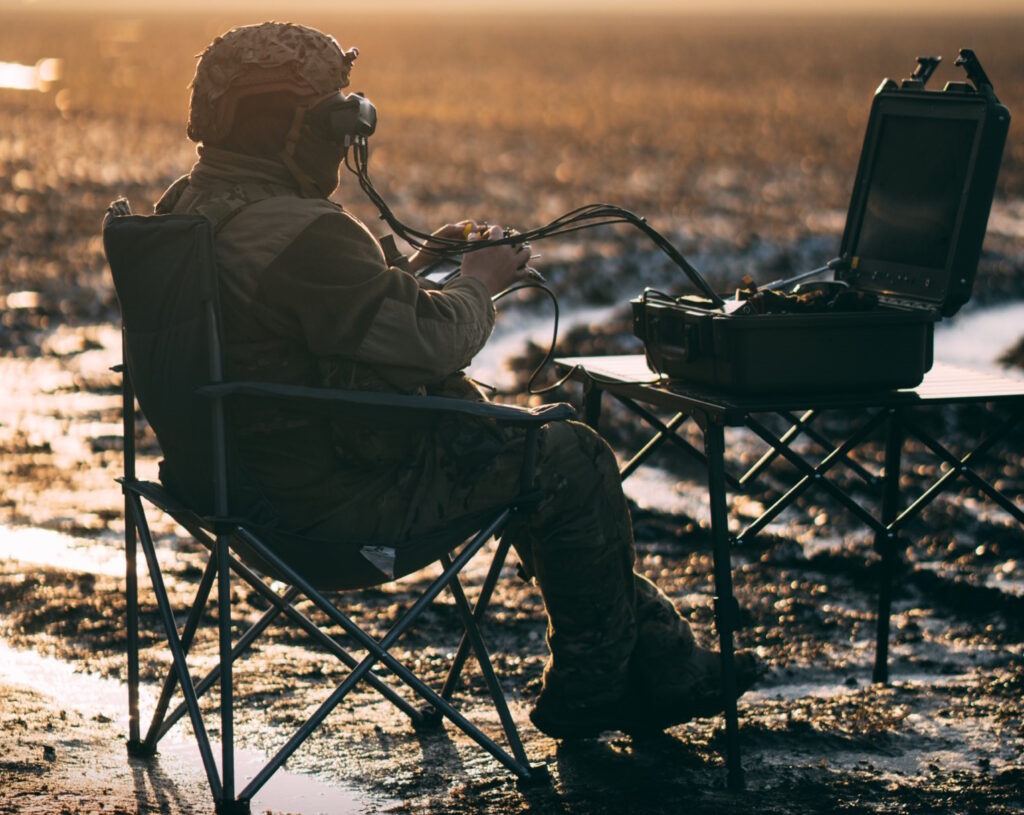
A Ukrainian drone operator. Source: The 411th Unmanned Systems Regiment "Hawks"

Japan is stepping up drone cooperation with Ukraine to develop its own unmanned forces from Kyiv's wartime experience, and the two are building a joint drone cluster, the South China Morning Post reported. The centerpiece is a planned Japan-Ukraine Drone Cluster linking the two countries' industries. The drones are meant for Japan's defense against Russia and China, not for Ukraine.

Four years of drone warfare have turned Ukraine into a live laboratory that militaries from Washington to Tokyo now study, as cheap unmanned systems rewrite how wars are fought and won.

Inside the cluster

The proposed cluster would unite Japanese manufacturers with Ukrainian defense firms, research centers, universities, and technology companies, the South China Morning Post says. Japanese companies are also working with European partners on anti-submarine drones.

Masayuki Masuda, who heads Chinese studies at Japan's National Institute for Defense Studies, the Defense Ministry's think tank, said the world has watched warfare change since Russia's invasion, and that drones will carry "much of the fighting on the future battlefield." He credited Ukraine's strong performance largely to drones.
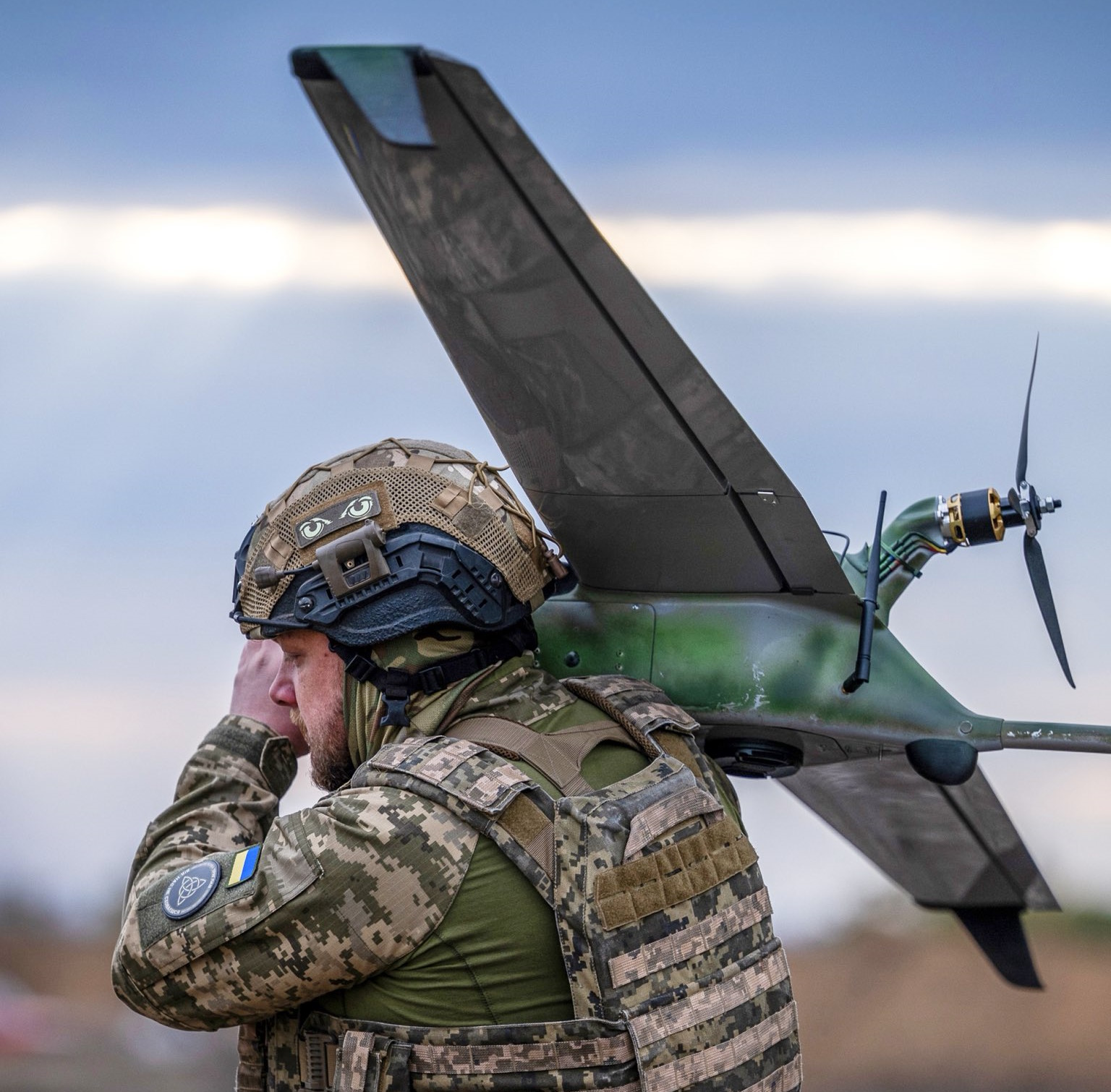
A Ukrainian soldier with a drone. Source: Ukraine's UAV Forces
Explore further

Japan is sending engineers to Ukraine’s frontline — and they’re coming back with $2,500 weapon

Masuda argued that quantity now matters as much as quality. Japan's many small firms, he said, could quickly turn out cheap drones in the numbers a war might demand.

A defense turn

The cooperation is part of a wider overhaul of Japan's defense policy. In May, Tokyo sent Self-Defense Force officers to NATO's mission headquarters in Germany for the first time—to a facility that coordinates weapons deliveries and training for Ukraine. Japan also joined the Prioritized Ukraine Requirements List (PURL), the program through which allies fund US weapons for Ukraine, including Patriots. Japan, however, pledged funds only for buying non-lethal equipment from the US.
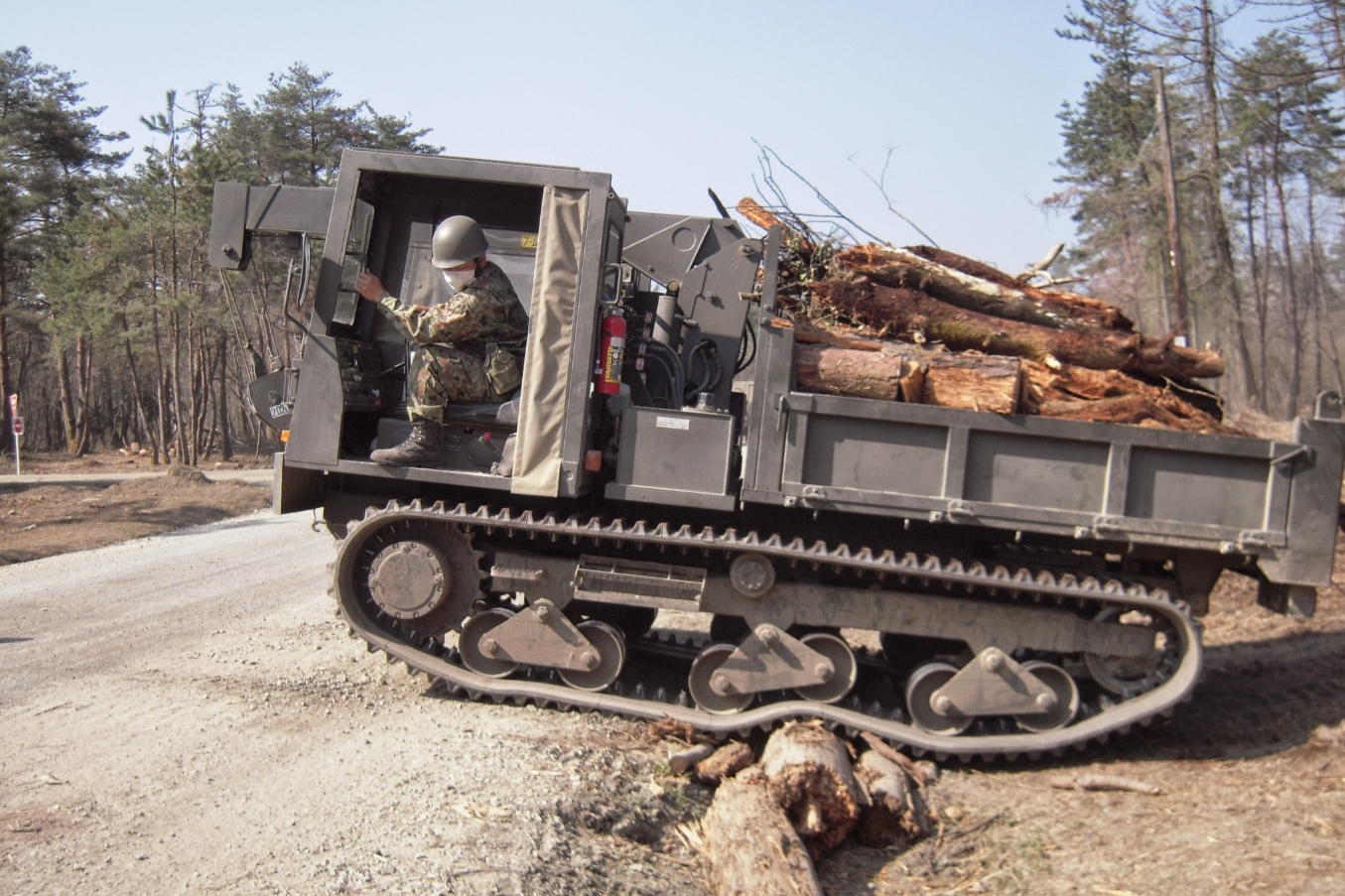
Engineering tracked truck manufactured by Morooka, model PC-065B, of the Japanese forces.
Explore further

Japan is sending soldiers to NATO’s Wiesbaden mission to study Ukraine’s emerging combat tactics

The drive is not only about Russia's war. It is also a response to China's growing military activity, with Tokyo tracking Chinese drones near the disputed Senkaku Islands, close to Taiwan, and across the South China Sea.

  • ✇Euromaidan Press
  • Ukraine built spy drone cheap enough for one-way missions. Pentagon is already watching producer
    Ukraine is combat-testing a reconnaissance drone built to fly deep behind Russian lines and cheap enough to risk losing. The fixed-wing aircraft, called Sweetheart, has a range of up to 150 kilometers and three hours of endurance, and its developers plan serial production once testing ends, the Ukrainian defense company General Chereshnia announced. The pitch is not the specifications but the price. General Chereshnia says the Sweetheart costs six to 10 times less than comp
     

Ukraine built spy drone cheap enough for one-way missions. Pentagon is already watching producer

24 juin 2026 à 12:46

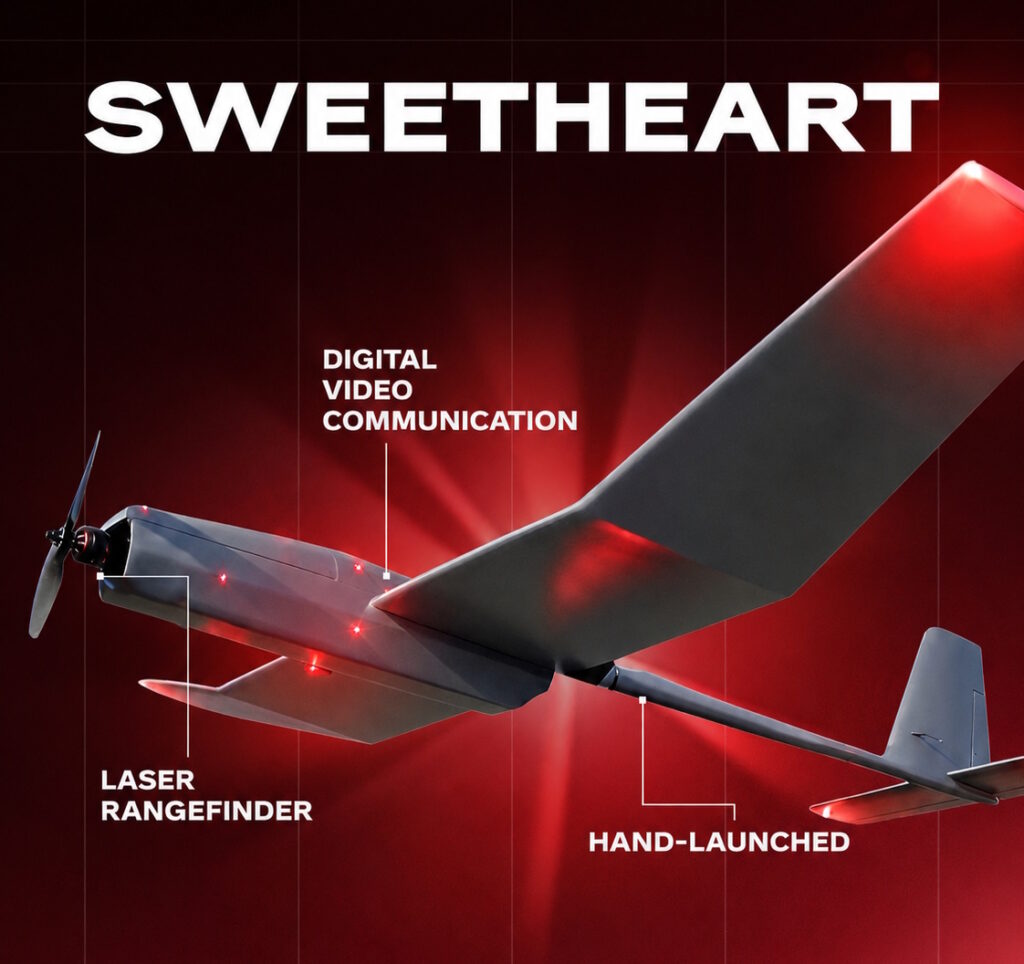
The Ukrainian fixed-wing aircraft, called Sweetheart. Credit: General Chereshnia

Ukraine is combat-testing a reconnaissance drone built to fly deep behind Russian lines and cheap enough to risk losing. The fixed-wing aircraft, called Sweetheart, has a range of up to 150 kilometers and three hours of endurance, and its developers plan serial production once testing ends, the Ukrainian defense company General Chereshnia announced.

The pitch is not the specifications but the price. General Chereshnia says the Sweetheart costs six to 10 times less than comparable fixed-wing systems, cheap enough that a unit can send it on a one-way mission when the target justifies it. That fits a broader trend toward expendable systems, the same firm pursued when it unveiled a low-cost strike drone in April.

Drone flies deep and quiet

Sweetheart weighs four kilograms and has a 1.7-meter wingspan, light enough for one soldier to carry and throw by hand, without a catapult or ground equipment, the company says. It works at altitudes up to 900 meters and carries a digital video link, a steerable zoom camera, and a built-in laser rangefinder for measuring distance to targets. The developers say it goes acoustically silent within 50 meters of takeoff.

Jamming resistance anchors the pitch

The datalink is built to withstand electronic warfare that severs most other drones, the company says.

Jamming has degraded or destroyed more Ukrainian drone missions than any other single factor, which makes an EW-resistant recon platform valuable if the claim survives the front. The figures come from the manufacturer and have not been independently verified, and combat testing is still underway, with serial deliveries expected in fall 2026.

Earlier, General Chereshnia advanced in the Pentagon's $1.1 billion drone competition. It is one of numerous firms selected for the second round of the US Drone Dominance Program.

This is a Pentagon initiative seeking producers of inexpensive, scalable strike drones for the US Army amid the war against Iran.

  • ✇Euromaidan Press
  • Honduras wants to buy Ukrainian war drones – to hunt drug traffickers
    Honduras is planning to purchase Ukrainian drones to support efforts to combat drug trafficking and strengthen border security, Euronews reports. The discussions reflect growing international demand for Ukrainian unmanned systems, which have been rapidly developed and tested in combat conditions since Russia’s full-scale invasion in 2022. Ukrainian officials have increasingly pointed to the country’s drone sector as a key area of defense industry growth, with expanding
     

Honduras wants to buy Ukrainian war drones – to hunt drug traffickers

23 juin 2026 à 11:26

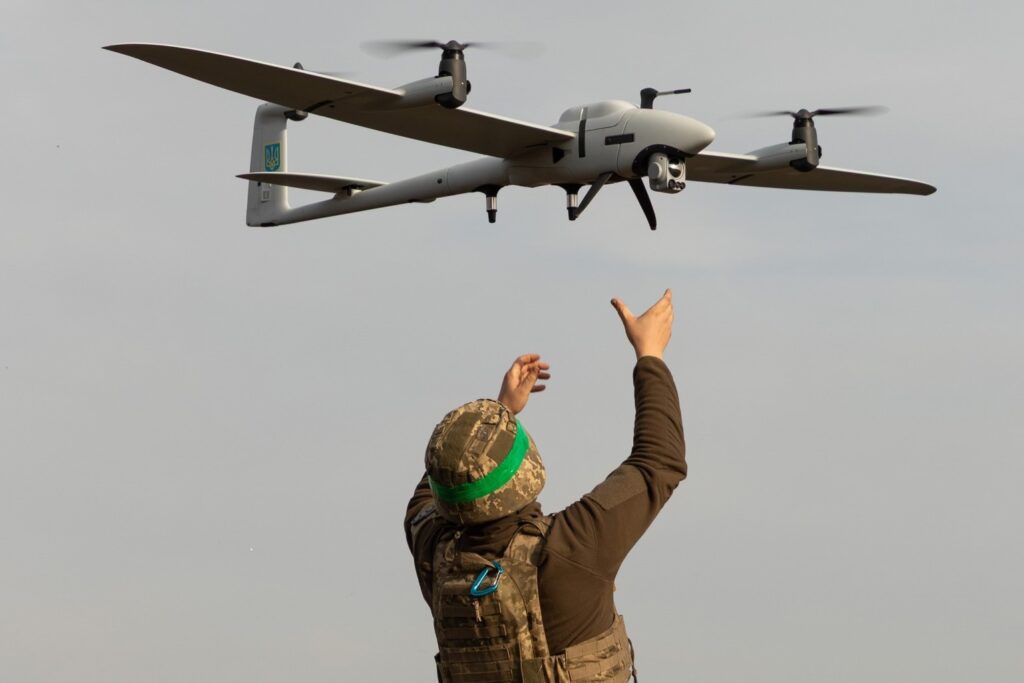
A Ukrainian soldier with a drone. Source: SBS

Honduras is planning to purchase Ukrainian drones to support efforts to combat drug trafficking and strengthen border security, Euronews reports.

The discussions reflect growing international demand for Ukrainian unmanned systems, which have been rapidly developed and tested in combat conditions since Russia’s full-scale invasion in 2022. Ukrainian officials have increasingly pointed to the country’s drone sector as a key area of defense industry growth, with expanding production capacity and interest from foreign partners.

The discussions come after Honduran President Nasry Asfura visited Kyiv and met Ukrainian President Volodymyr Zelenskyy, where cooperation on defense technologies, including unmanned systems, was discussed. 

Honduras says drones will be used for border monitoring and anti-trafficking operations

According to Euronews, President Asfura said the move is aimed at improving Honduras’ ability to monitor remote areas and respond to organized crime and narcotics trafficking networks operating across the region.

He said Ukrainian technology could strengthen border surveillance in areas that are difficult to secure using conventional policing methods.

Asfura added that Ukrainian drones would be used to support border protection and counter criminal activity, describing the issue as a national security priority.

He also noted that Ukrainian drones could have other civilian uses, including use in agriculture, according to Euronews.

Ukraine expands drone production as battlefield systems attract foreign demand

Ukraine has become one of the leading global producers of military drone systems since 2022, with unmanned platforms now widely used for reconnaissance, targeting, interception, and long-range strike missions. 

The rapid pace of battlefield adaptation has driven fast development across both state and private manufacturers, with systems iterated directly under combat conditions.

Ukrainian officials have also signaled increasing openness to structured international cooperation and controlled exports of selected systems, particularly as production capacity expands beyond immediate battlefield requirements and domestic procurement needs.

Honduras faces sustained violence from drug trafficking networks and gangs

Honduras continues to face high levels of violence linked to drug trafficking routes and criminal organizations, including transnational gangs such as MS-13 and Barrio 18. 

Authorities have increasingly turned to surveillance technologies, including drone-based monitoring, as part of broader efforts to improve oversight of remote and hard-to-reach regions.

Ukraine approves first NATO-standard drone control system enabling UAV operation from remote locations – including outside Ukraine

23 juin 2026 à 10:21

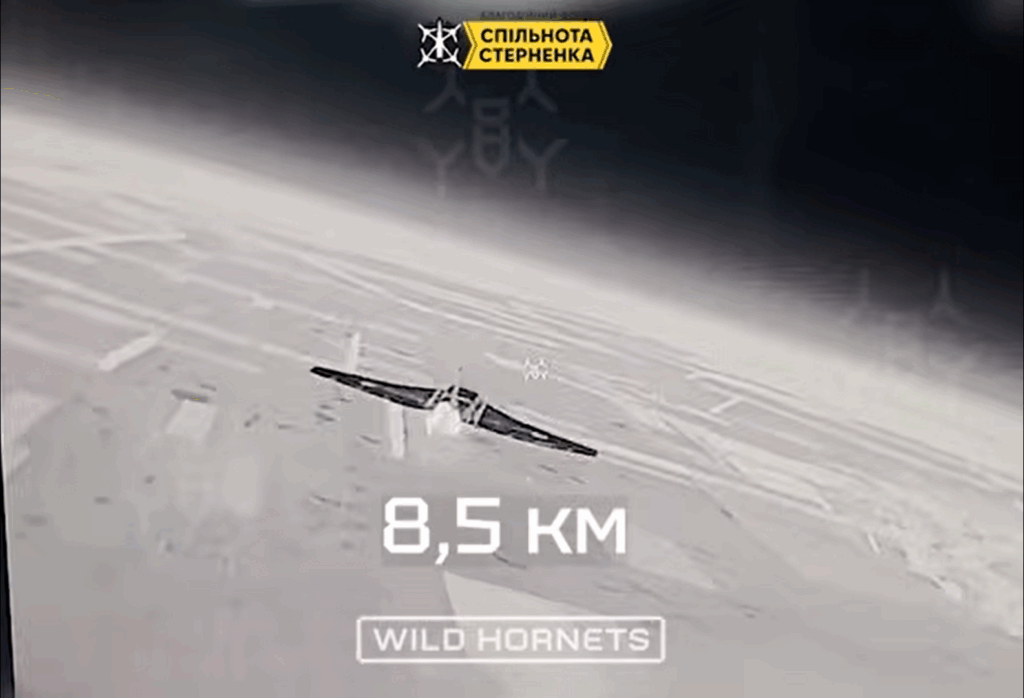
Ukrainian interceptor drone hunting a Russian Shahed drone, using Hornet Vision Ctrl remote drone control system. Screenshot from video: Wild Hornets

Ukraine has cleared its first remote drone control system for operational use under NATO-standard codification procedures, Militarnyi reports.

The system allows Ukrainian drone operators to control UAVs from remote locations far from the battlefield, reducing their exposure to artillery, FPV drone strikes, and electronic warfare targeting launch sites near the front line while maintaining continuous drone operations across wider areas of the front.

The system, Hornet Vision Ctrl, was developed by Ukrainian company Wild Hornets and allows operators to control drones remotely from anywhere in the world. It has now been officially approved for use by Ukraine’s Defense Forces following codification under NATO standards, the company told Militarnyi.

The complex includes a ground control station with a digital video system, a 360-degree omnidirectional antenna, and operator workstation equipment designed to enable long-range drone operations with low-latency communication.

Combat testing includes interception of Russian drones during mass attack

Developers say the system is part of a wider Hornet Vision ecosystem focused on improving signal stability, video transmission quality, and operational range across the battlefield.

Militarnyi reports that the system was first introduced in March 2026 and has already been tested in combat conditions, including during a Russian mass drone attack on Ukraine in which a Ukrainian interceptor successfully destroyed an enemy UAV.

Earlier demonstrations showed operators controlling drones from distant locations, including cases of remote operations conducted from outside Ukraine and at ranges of up to roughly 2,000 km in testing scenarios.

A Ukrainian pilot controlled an interceptor drone in northern Ukraine while outside the country, 2,000 kilometers away – a first in the world.

The system is called HORNET VISION Ctrl, developed by Wild Hornets . It previously allowed a pilot from the BULAVA unit to down two… pic.twitter.com/IiCZiZRzcL

— Euromaidan Press (@EuromaidanPress) April 17, 2026

Operational range expanded to up to 100 km for drone crews, developers say

Wild Hornets say the system expands effective control distances for drone crews from around 20 km to up to 100 km, depending on deployment conditions.

The system is compatible with Wild Hornets’ drone platforms, including Sting interceptor drones, and is available both as a standalone product and as part of integrated air defense packages.

According to the company, more than 600 aerial targets have been destroyed using the system, which has rapidly moved from field testing to formal approval under Ukraine’s NATO-aligned procurement framework.

Ukrainian firms court Asian militaries, pitching combat-proven drones as China–Taiwan tensions drive demand – Reuters

20 juin 2026 à 05:48

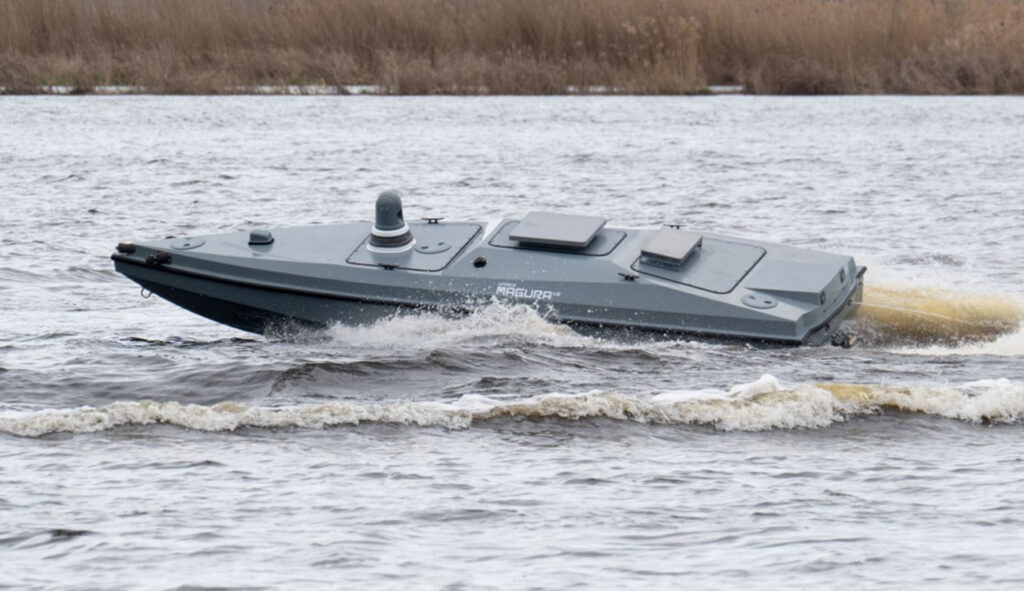
five russian divers tried lift ukrainian drone novorossiysk bay — never surfaced again ukraine's magura v5 naval militarnyi 02-1 sea detonated during recovery attempt killing russia's elite sabotage group instantly

Ukrainian drone companies are stepping up efforts to enter Asian defence markets, targeting Japan and Taiwan as regional militaries accelerate spending in response to rising tensions with China, according to Reuters reporting on 19 June.

Several firms are seeking production partnerships, supply chains, and export opportunities across East Asia, positioning Ukraine’s battlefield-tested drone sector as a model for “modern warfare” capabilities.

The push comes as US and allied planners increasingly frame drones as central to any potential conflict over Taiwan, including concepts of large-scale autonomous systems designed to overwhelm enemy forces.

Ukraine’s battlefield drone industry seeks Asian foothold

UFORCE, a Ukrainian producer of attack and maritime drones, has been among the most active in outreach efforts. Its CEO, Oleg Rogynskyy, travelled to Tokyo in April to present proposals to Japanese officials and defence contractors on local production partnerships.

The company told Reuters it is seeking to scale up manufacturing cooperation with allies in the region, arguing that lessons from the Black Sea theatre can be applied to East Asia’s maritime environment.

Other Ukrainian firms, including Skyeton and General Cherry, are also exploring partnerships in Japan, which is expanding its domestic drone production capacity and relaxing long-standing restrictions on arms exports.

According to Reuters, Japan’s defence spending on unmanned systems is rising sharply, with plans to scale annual drone output to tens of thousands of units by the end of the decade.

Taiwan interest grows despite political sensitivities

Ukrainian companies are reportedly also exploring contacts in Taiwan, where military planners are accelerating preparations for a possible conflict with China and expanding investment in asymmetric defence systems, including drones.

The engagement remains cautious, reflecting the absence of formal diplomatic relations between Kyiv and Taipei, but Ukrainian firms and industry groups say early-stage discussions are taking place on technology and supply chains.

Some cooperation is focused on industrial inputs, with Taiwan seen as a key source of microelectronics, sensors, and camera systems used in drone manufacturing.

“Unmanned hellscape” doctrine shapes demand

The growing interest in Ukrainian systems comes amid US defence planning that increasingly emphasises mass drone deployments in a potential Taiwan contingency.

Senior US commanders have previously described scenarios involving large-scale autonomous systems designed to create what they call an “unmanned hellscape” to slow or deter an adversary advance.

Military analysts say drones are also expected to play a key role across the island chain stretching from Japan through Taiwan and the Philippines, shaping surveillance, strike, and maritime denial capabilities.

According to Reuters, US troops recently used waterborne UFORCE drones to sink a vessel during a secretive exercise in waters where the South China Sea meets the Pacific, underscoring growing interest in Ukrainian-designed systems. 

Japan seen as regional production hub

Japanese industry is emerging as a key focus for Ukrainian firms due to its advanced manufacturing base and government backing for defence industrial expansion.

Tokyo has increased defence budgets for unmanned systems and is encouraging domestic firms – many of which traditionally focused on civilian electronics – to enter weapons production.

Ukrainian executives say Japan could serve as a gateway to wider Asian markets, including potential indirect exports to countries such as the Philippines, where maritime tensions with China have also intensified.

Ukraine pushes “battlefield proven” pitch

Ukrainian companies argue their advantage lies in rapid iteration and combat experience gained during the war with Russia, where drones have become central to both strike and surveillance operations.

Industry representatives say they are increasingly framing Ukraine’s drone sector as a tested model for modern conflict, offering systems that can be adapted for maritime and island defence environments.

At the same time, Ukrainian firms are also seeking to reduce dependence on Chinese components by building supply chains in Japan and Taiwan, where many key electronic parts are also manufactured.

Wider diplomatic and industrial outreach

Ukraine has expanded defence technology diplomacy since the start of the full-scale war, securing partnerships in Europe and the Middle East while promoting joint production deals for drones and other systems.

Officials in Kyiv have signalled readiness to share technologies such as maritime drones with partners, as part of broader efforts to integrate Ukraine’s defence industry into allied supply networks.

The latest outreach in Asia reflects a broader shift: from wartime production at home to export-oriented industrial cooperation abroad, anchored in rising regional security concerns over China.

❌