
 Connexion
Ukraine is downing Russia’s fastest drones—just not often enough, and scaling up comes down to money
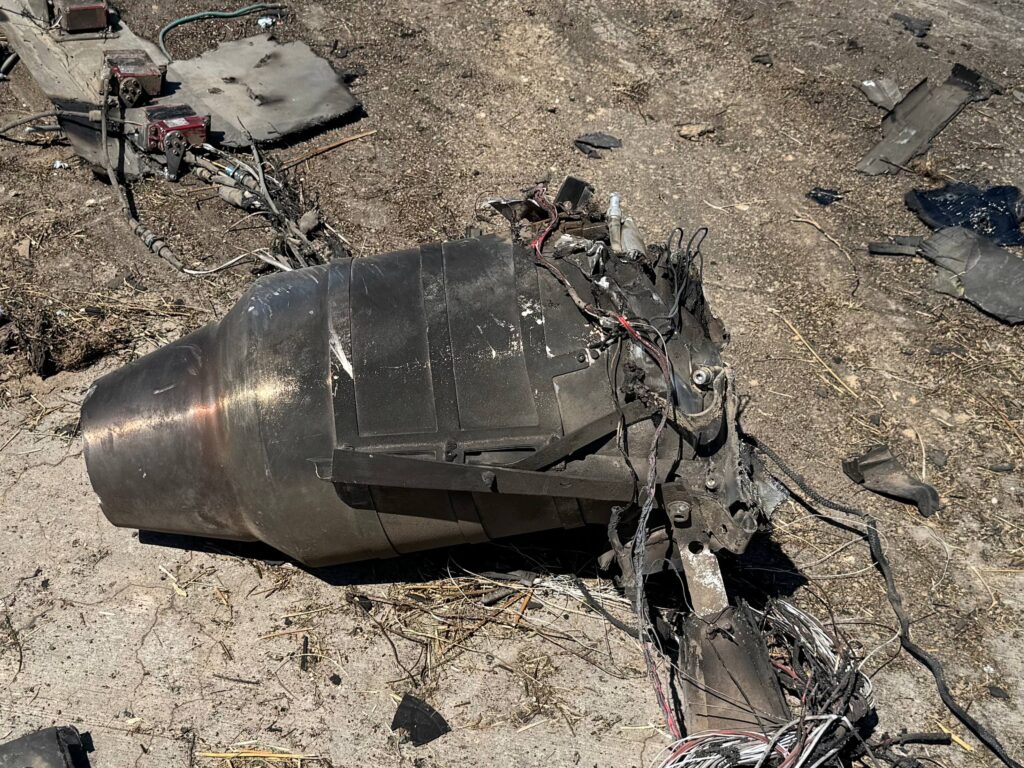
Ukraine is stitching together a layered answer to Russia's faster, jet-powered Shahed drones, leaning on electronic jamming, fighter jets, and a new class of homegrown interceptors, RBC-Ukraine reported. Each tool has limits, and the new interceptors still bring down only the occasional jet drone. The bottleneck now is money and factory output, not ideas.
Russia is pouring faster jet-powered drones into the air war as winter nears, a campaign Western analysts say is meant to wear Ukraine's defenses down—and holding those skies now turns on which side can keep out-producing the other's cheap weapons.
Fighter jets help, but they run on imported rounds
Electronic jamming can work against some of the drones, and Ukraine is also sending combat aircraft up after them. But aviation has a catch: the jets need air-to-air missiles and cannon rounds, and for the F-16 and Mirage those are imported and not always in stock. Flying over Kyiv adds danger to the civilians below and to the pilots, so Ukraine would rather catch the drones out on the approaches.
New interceptors are landing hits—just not enough
The newest piece is a wave of Ukrainian interceptor drones built to chase the jet versions, which fly three times faster than the propeller Shaheds. Ukrainian crews have been downing the jet Gerans in a recent run: on 19 September, presidential adviser Serhii Beskrestnov, known as Flash, confirmed one Geran-5 shot down, and in late September, operators of the National Guard's Separate Artillery Brigade brought down a Geran-4 with the Bullet interceptor made by General Cherry, the first Geran-4 that drone has downed, Ukraine's National Association of Defense Industries said. Ukrainian President Volodymyr Zelenskyy said several prototypes have proven themselves in combat.

Russia is now wiring its attack drones into one network in flight, so a single drone can scout, strike, and relay for the rest
Across all methods, Ukraine now intercepts about 57% of the jet drones Russia launches, Zelenskyy said on 28 September—a rate that has climbed but still trails the 90%-plus it manages against slower Shaheds. Kills by the new interceptors specifically remain isolated. In August, Air Force spokesperson Yurii Ihnat said jet drones can make up as much as two-thirds of the drones in some raids—though not every time. One promising route is reworking Ukraine's own long-range strike drones into interceptors. Kyiv is in talks with partners over the money; on 28 September, Ukraine's Defense Minister Yevhenii Khmara asked the EU to help finance the interceptors so enough reach the front quickly.
Hitting the launch sites and jamming the controls
Ukrainian forces strike the Russian airfields the jet drones launch from, RBC-Ukraine's sources said, though the raids have not forced Russia to abandon the attacks. On 20 August, military intelligence hit drone storage and launch sites at Primorsko-Akhtarsk, one of the launch bases RBC names, and at occupied Donetsk airfield. Ukraine also keeps going after the Belarusian relay towers Russia strings into a mesh network to steer the drones in, RBC's sources said.
Read also
-
Twenty Ukrainian firms are racing to catch Russia’s jet-powered Shaheds. This one’s interceptor is already flying combat missions
-
Combat shows speed alone can’t catch Russia’s jet-powered drones, despite eight Ukrainian makers’ assurances. So why can’t they stop them?
-
Belgium rushes three F-16s to Ukraine as Russia expands its drone and missile assault
