Vue normale

Reçu — 22 juillet 2026 Euromaidan Press
  • ✇Euromaidan Press
  • First order to Ukraine’s new commanders: modernize force while holding it
    Ukraine's new military command is now complete, and Ukrainian leader Volodymyr Zelenskyy says its first job is to change the army. The new leadership is preparing a modernization of the Defense Forces that must proceed in coordination and without easing pressure on the enemy, the president said in his evening address. Zelenskyy dismissed Oleksandr Syrskyi as commander-in-chief on 21 July after six days of protests and named Mykhailo Drapatyi in his place. On 22 July, he app
     

First order to Ukraine’s new commanders: modernize force while holding it

22 juillet 2026 à 17:27

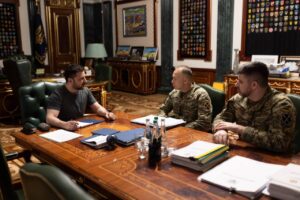
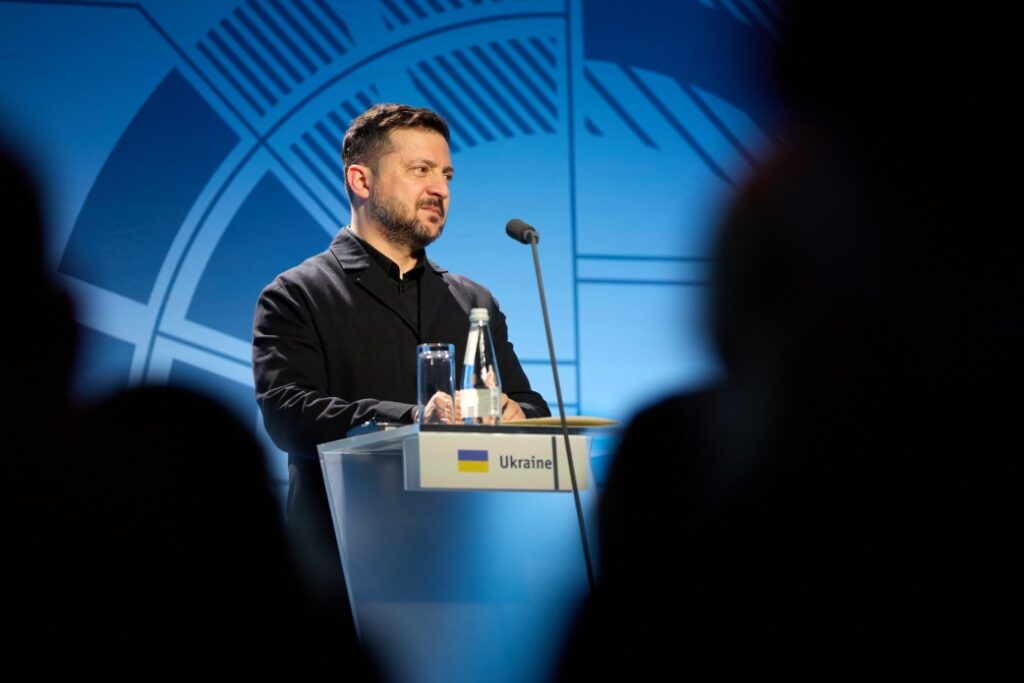
President of Ukraine Volodymyr Zelenskyy on 9 June 2026. Source: President's Office

Ukraine's new military command is now complete, and Ukrainian leader Volodymyr Zelenskyy says its first job is to change the army. The new leadership is preparing a modernization of the Defense Forces that must proceed in coordination and without easing pressure on the enemy, the president said in his evening address.

Zelenskyy dismissed Oleksandr Syrskyi as commander-in-chief on 21 July after six days of protests and named Mykhailo Drapatyi in his place. On 22 July, he appointed Major General Ihor Skybiuk as Chief of the General Staff, replacing Andrii Hnatov, per Interfax Ukraine. 

"The guys are combat-experienced. The troops know them, Drapatyi, Khmara, Skybiuk," Zelenskyy said, naming the new commander-in-chief, Acting Defense Minister Yevhenii Khmara, and the new General Staff chief.

Zelenskyy warns against transition gap

The Ukrainian leader said the next step is to prepare the modernization of the Defense Forces in such a way that denies Russian forces any chance to exploit the transitional period.

"It is important that everything goes absolutely coordinated, and that the Russians get no crack and no opportunity," Zelenskyy said.

Pressure on Russia must only grow, he added, listing long-range strikes, mid-strikes, partners' sanctions, and the strengthening of Ukrainian positions at the front. That list matches the program that Acting Defense Minister Khmara outlined after his meeting with Drapatyi, which is built on deep-strike, middle-strike, and ground robotic systems.

President thanks society and gives tasks to new command

Zelenskyy thanked military personnel and civilians for their trust in the new command and called for them to turn that trust into additional motivation for the Defense Forces.

"It is important that the guys are strong, that they justify the trust society has now demonstrated. We are giving all the tools," he said.

The trust he referenced is measurable and uneven. A Rating Group poll conducted on 20 and 21 July found 55% of Ukrainians backed Syrskyi's removal, while 72% also opposed Defense Minister Mykhailo Fedorov's dismissal and 5% supported it, sparking the protests. The command changes have satisfied the first number. The second remains the open question of the reshuffle, and Zelenskyy has still made no commitment on Fedorov's return.

Russo-Ukrainian war, day 1610: Ukraine names new army chief as Zelenskyy reshuffles military leadership amid protests

22 juillet 2026 à 17:11

Russo-Ukrainian war (daily review)

Exclusives

Crimea's political prisoners lost their lifeline—because keeping it open would have put more people in prison. The Crimean Solidarity movement backed families of the detained in the occupied peninsula, arranged legal defense, and circulated information that fell outside the official Russian narrative.
Some Ukrainian bomber drones aren't carrying bombs anymore. They're carrying robots.. Roads can be treacherous for Ukraine's explosive unmanned ground vehicles. So heavy bomber drones are now airlifting them into action.
Ukraine shut a quarter of Russia's grain exports—the world's wheat money now flows to Russia's competitors. Ukraine's Azov campaign built a paradox: the world pays more for wheat because Russia cannot ship it—and the windfall flows to Russia's competitors.
Russia offers farmers boiler fuel for tractors—Ukraine's strikes wiped out clean diesel. Russia's Agriculture Ministry is offering farms fuel 90 times dirtier than the diesel they bought last year—fuel that halves an engine's life.
Ukraine's army chief broke his silence—an apology, a warning on soldiers' pay, and one small number. The army chief apologized to Fedorov—and revealed only 2,000 soldiers signed the new contracts.

Military

Machines over men: Ukraine's new military leadership adopted fired minister's program. Acting Defense Minister Khmara, after meeting new army chief Drapatyi, says Ukraine will scale deep strikes and middle strikes to press Russia and save soldiers.

Ukraine's dismissed army chief departs with claim: he's handing his successor army on offensive, with 700 km² liberated this year. "I said it before, and I repeat it today: my work is war. Posts change, but this principle does not. In whatever status I am, I will serve Ukraine until Victory," he said.

Intelligence and technology

Deputy commander-in-chief says Ukraine's new laser can already kill FPVs. Ukraine could field laser air defense in two to three months, says Deputy Commander-in-Chief Andrii Lebedenko.

"We will answer their answer": Ukraine tests EW against jet Shaheds' MESH control. Ukraine is testing new electronic warfare against jet-powered Shaheds' MESH-network control channels, presidential adviser Serhii "Flash" Beskrestnov said after a day at a test range.

International

Zelenskyy meets with NATO's US ambassador and general running Ukraine aid amid Patriot production plans. Zelenskyy met US NATO envoy Whitaker and NSATU commander Buzzard to push for more Patriot interceptors through PURL and to advance the Patriot license and a US-Ukraine Drone Deal.

"First time": Ukrainian troops joined Belgium's National Day parade in Brussels. Ukrainian soldiers marched at the head of the foreign units in Brussels on 21 July.

Political and legal developments

Zelenskyy fires both army chief and defense minister. Poll taken mid-protest shows Ukrainians only wanted one of them gone. A Rating Group poll taken during the protests found Ukrainians opposed the defense minister's firing 14 to 1, while backing the army chief's removal by a narrower margin.

From "flying BMP" to commander-in-chief: Ukraine's new army leader stopped Russia at Kryvyi Rih and held Vovchansk. Mykhailo Drapatyi, who once rammed a BMP through a militant barricade in Mariupol and later resigned over strikes on training centers, accepted command of Ukraine's army.

Bomb-maker working for Russia's military intelligence in Zaporizhzhia loses his freedom for 15 years. The court convicted him of high treason committed under martial law, the article of Ukraine's Criminal Code reserved for wartime collaboration with the enemy.

Former Ukraine's commander has words for Ukraine's new army chief: It will be "much harder than he imagines". But, he continued, "Mykhailo will certainly never be ashamed."

New developments

Russia's answer to Amazon has a new problem, and it is not delivery times—two more warehouses ablaze. Fires broke out at the company's Krasnodar and Nevinnomyssk hubs overnight, days after two more of its warehouses burned near Moscow.

Read our earlier daily review here.

  • ✇Euromaidan Press
  • Deputy commander-in-chief says Ukraine’s new laser can already kill FPVs
    Ukraine could receive laser weapons for countering aerial targets within the next two to three months, Deputy Commander-in-Chief Andrii Lebedenko said at a briefing, according to UNIAN. Teams inside the Armed Forces and private Ukrainian companies are working on the systems. Ukraine's main laser system is Tryzub, built by the Ukrainian company Celebra Tech, which EP reported in May 2026 was in final testing on a trailer-mounted mobile platform with a stated range of up to 5
     

Deputy commander-in-chief says Ukraine’s new laser can already kill FPVs

22 juillet 2026 à 16:22

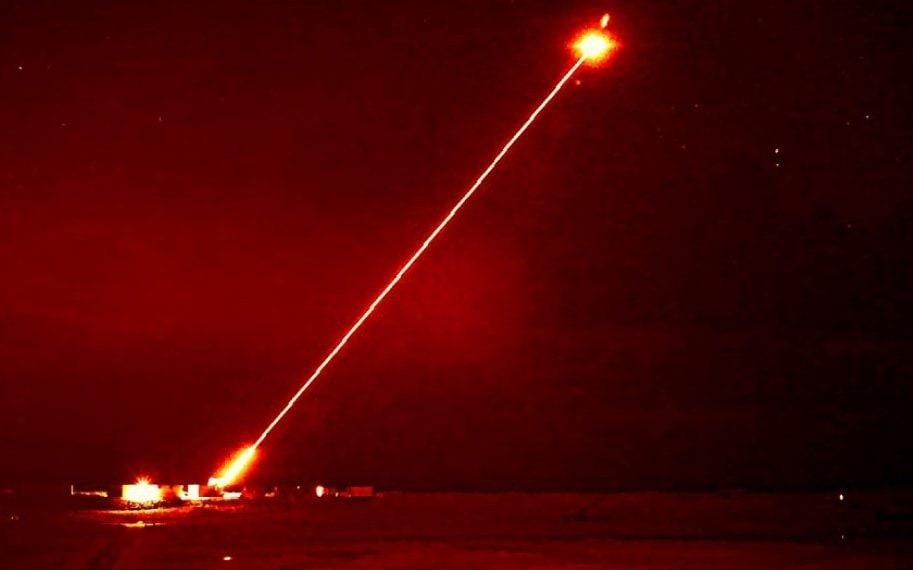
Testing of a DragonFire laser weapon in the UK. Photo: Twitter via The Telegraph

Ukraine could receive laser weapons for countering aerial targets within the next two to three months, Deputy Commander-in-Chief Andrii Lebedenko said at a briefing, according to UNIAN. Teams inside the Armed Forces and private Ukrainian companies are working on the systems.

Ukraine's main laser system is Tryzub, built by the Ukrainian company Celebra Tech, which EP reported in May 2026 was in final testing on a trailer-mounted mobile platform with a stated range of up to 5 km against drones. Ukraine also became the world's fifth country to deploy a combat laser system in December 2024.

"We will have the same kind of means"

"It can already shoot down FPVs today, it is already working today on Shaheds. And this is a story of the next two to three months, when we will have the same kind of means," Lebedenko said.

According to the official, the system will let Ukraine hit aerial attack weapons even better than machine guns.

He called the direction genuinely promising and said that everything is working out today.

Lasers solve cost problem that machine guns only partly solve

The comparison Lebedenko drew to machine guns points to what a laser is for. Ukraine's mobile fire groups shoot down Shaheds with heavy machine guns and cannons because missiles cost more than the drones they kill. A laser takes that logic further, since each shot costs electricity to fire.

The limits are physical rather than financial. Lasers need line of sight, lose power through cloud, rain, smoke, and dust, and must hold a beam on a moving target long enough to burn through it.

Ukraine's laser claims have run ahead of its fielding before

Lebedenko's forecast lands in a program that has been announced repeatedly. Ukraine's Unmanned Systems Forces demonstrated the Tryzub system in April 2025, and Ukraine's drone forces commander at the time said laser technologies were already striking objects at altitude.

In May 2026, the system was still described as undergoing final testing.

None of that makes the current claim wrong. Directed energy weapons are genuinely difficult, and a system that moved from lab demonstration to trailer-mounted final testing to claimed FPV kills has advanced in that period. But the operational date has shifted multiple times. What would make it verifiable is a documented Shahed kill.

Zelenskyy fires both army chief and defense minister. Poll taken mid-protest shows Ukrainians only wanted one of them gone

22 juillet 2026 à 14:28

Commander-in-Chief of the Armed Forces of Ukraine Oleksandr Syrskyi in Zaporizhzhia Oblast, 15 March 2026. Source: Oleksandr Syrskyi

Ukrainians opposed the firing of their defense minister by 14 to one. A Rating Group survey conducted on 20-21 July found that 72% of Ukrainians did not support Mykhailo Fedorov's dismissal as defense minister and 5% supported it, while 55% backed Oleksandr Syrskyi's resignation as commander-in-chief and 15% opposed it.

Zelenskyy dismissed Fedorov on 15 July after six months as defense minister, and Fedorov said the day after that Syrskyi had given him an ultimatum and blocked his reforms. After that, protests broke out in Kyiv and at least 16 other cities demanding Fedorov's return and Syrskyi's removal.

On 21 July, Zelenskyy dismissed Syrskyi and named Mykhailo Drapatyi commander-in-chief. Meanwhile, Fedorov remains outside the government, and protests continue.  

Numbers match what streets were chanting

The survey ran on the fifth and sixth days of protests that began on 16 July, when demonstrators in Kyiv and at least 16 other cities carried cardboard signs reading "Bring Fedorov back" and "Syrskyi out."

Rating Group's figures put a national number on those two slogans and show they carried different weights. Nearly three-quarters of Ukrainians rejected the removal of the reformist minister who ran drone procurement and the Army of Drones program. A smaller but decisive majority wanted the commander-in-chief, whose command style soldiers criticized, to go.

Zelenskyy has met weaker demand and left stronger one open

The sequencing now sits awkwardly against the numbers. Zelenskyy dismissed Syrskyi on 21 July and appointed Drapatyi in his place, the change 55% wanted. He has not made his decision on Fedorov, the man whom most Ukrainians did not want removed, though he met him on 21 July, and reports have suggested a possible role in coordinating military technology.

Earlier, protesters demanding the return of dismissed defense minister Mykhailo Fedorov set the government a deadline: reinstate him and remove Commander-in-Chief Oleksandr Syrskyi by 24 July, or they will begin open-ended nightly rallies. 

It is the second time in a year that Ukraine’s streets have set terms on one of Volodymyr Zelenskyy’s wartime decisions. Last summer, a week of rallies forced him to reverse a law that curbed the independence of the country’s anti-corruption agencies.

  • ✇Euromaidan Press
  • Zelenskyy meets with NATO’s US ambassador and general running Ukraine aid amid Patriot production plans
    President Volodymyr Zelenskyy has met US Ambassador to NATO Matthew Whitaker and Lieutenant General Curtis Buzzard, commander of the NATO Security Assistance and Training for Ukraine mission, to discuss the defense of Ukraine's sky. The meeting addressed the three live tracks of US-Ukraine air defense cooperation at once. The first, most important one, is supply: increasing deliveries of Patriot interceptor missiles through PURL, the NATO mechanism under which allies fund p
     

Zelenskyy meets with NATO’s US ambassador and general running Ukraine aid amid Patriot production plans

22 juillet 2026 à 13:47

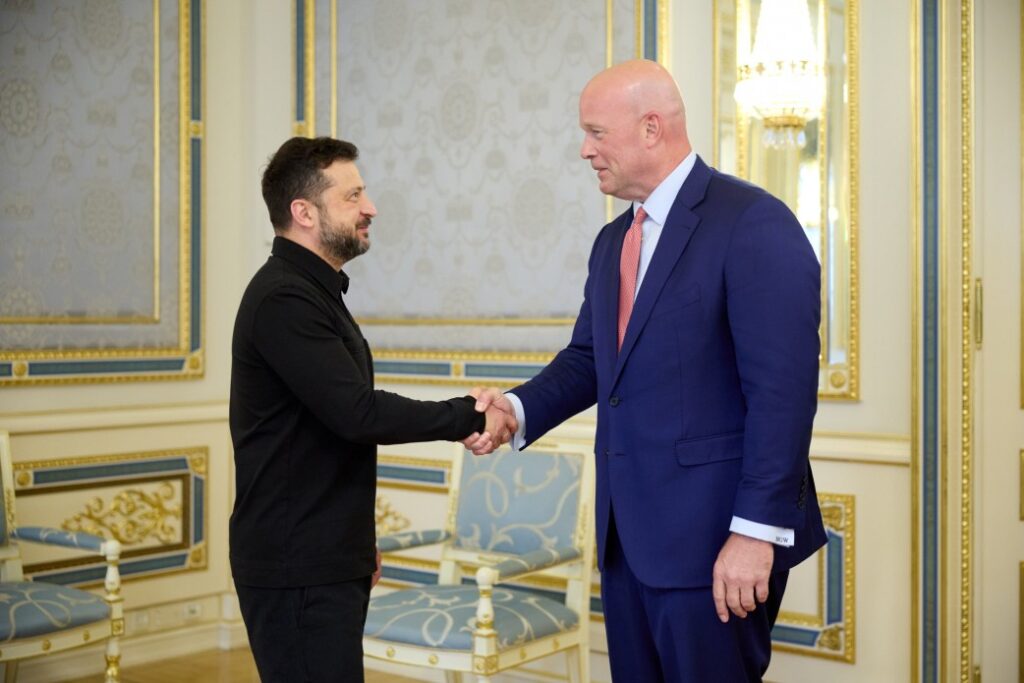
President of Ukraine Volodymyr Zelenskyy met with U.S. Ambassador to NATO Matthew Whitaker. Source: President's Office

President Volodymyr Zelenskyy has met US Ambassador to NATO Matthew Whitaker and Lieutenant General Curtis Buzzard, commander of the NATO Security Assistance and Training for Ukraine mission, to discuss the defense of Ukraine's sky.

The meeting addressed the three live tracks of US-Ukraine air defense cooperation at once. The first, most important one, is supply: increasing deliveries of Patriot interceptor missiles through PURL, the NATO mechanism under which allies fund priority American weapons for Ukraine.

The second is production: implementing Trump's decision, announced at the Ankara NATO summit on 8 July, to grant Ukraine a license to build Patriot systems. This promise was made without a named manufacturer or timeline.

The country's interception rate against ballistic missiles was roughly 40% in June, against 89% for air threats overall, and Russia's massed strikes continue nightly.

He also awarded Buzzard with the Order of Merit, Third Class.

Zelenskyy names interceptors the key priority

"A good conversation, above all, about how to protect the Ukrainian sky through increased supplies of interceptors for Patriots within PURL. Right now, this is the key priority, because Russia's massed strikes do not stop," Zelenskyy said.

The sides also discussed the bilateral defense partnership, including the realization of the Ankara licensing decision and the Drone Deal.

"This has real potential, and we hope to finalize it soon," Zelenskyy said of the latter.

Presenting Buzzard's award, Zelenskyy thanked the general for standing with Ukraine through the years of aggression.

"Ukraine is grateful to President Trump, the US Congress, and the American people for their support," he said.

License needs implementing, and the interceptors can't wait for it

The meeting's two Patriot tracks run on different clocks. A production license, even implemented smoothly, yields missiles years out. PURL deliveries are the near-term supply, drawing on existing American production that runs around 700 PAC-3 interceptors a year against a Ukrainian need its officials put far higher.

Meanwhile, Russia builds roughly three Iskander-M ballistic missiles a day, and July's massed attacks on Kyiv have repeatedly included ballistic and hypersonic missiles that only Patriots reliably engage.

  • ✇Euromaidan Press
  • “First time”: Ukrainian troops joined Belgium’s National Day parade in Brussels
    For the first time, Ukrainian soldiers marched among the foreigners in Brussels. The defenders joined the foreign part of Belgium's National Day military parade on 21 July, according to the General Staff. Belgium placed the Ukrainian unit in the city that houses NATO and EU headquarters in a deliberate signal of where Europe now positions Ukraine's army. The 23 soldiers were the same ones who marched in France's Bastille Day parade a week earlier. Belgium has been Ukraine'
     

“First time”: Ukrainian troops joined Belgium’s National Day parade in Brussels

22 juillet 2026 à 11:10

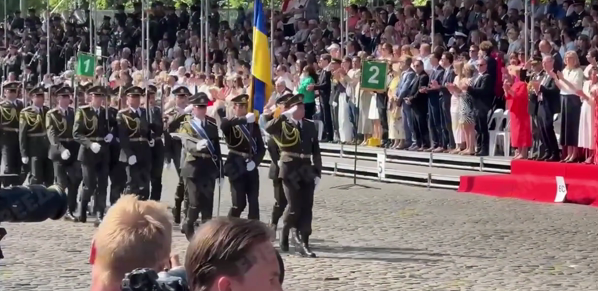
For the first time, Ukrainian soldiers marched among the foreign troops in Brussels on 21 July 2026. Source: Freedom

For the first time, Ukrainian soldiers marched among the foreigners in Brussels. The defenders joined the foreign part of Belgium's National Day military parade on 21 July, according to the General Staff.

Belgium placed the Ukrainian unit in the city that houses NATO and EU headquarters in a deliberate signal of where Europe now positions Ukraine's army. The 23 soldiers were the same ones who marched in France's Bastille Day parade a week earlier.

Belgium has been Ukraine's ally in the struggle against Russian aggression. It has supplied Ukraine with F-16 fighter jets, air defense systems, restored Gepard anti-aircraft guns, Leopard tanks, armored medical vehicles, drones, ammunition, and small arms, and has provided annual military aid exceeding €1 billion.

Francken calls participation historic

Belgian Defense Minister Theo Francken underlined the first.

"This is the first time a Ukrainian unit takes part in the 21 July parade, and we are very proud of it," he said.

The General Staff thanked Belgium for its support throughout the full-scale war and singled out the people alongside the hardware.

Belgian instructors and technical specialists train Ukrainian pilots and mechanics to operate the F-16, as Belgium co-founded the fighter coalition and has delivered jets from its own fleet. Belgian medical and rehabilitation facilities treat wounded Ukrainian soldiers.

"Our peoples are united by a shared belief that independence, democracy, and human dignity are worth defending. Thank you for standing shoulder to shoulder with Ukraine," the General Staff said.

In April, Belgium and Spain decided to provide Ukraine with €1 billion each in defense assistance. The funding was directed toward strengthening air defense, developing drone capabilities, and supporting the “Czech initiative” to supply the front line with long-range artillery. The funds were also channeled to key defense sectors, such as the development of modern unmanned technologies, which have already become decisive on the battlefield.

  • ✇Euromaidan Press
  • Machines over men: Ukraine’s new military leadership adopted fired minister’s program
    Ukraine's new military leadership has named its program: machines over men. Ukraine will bet on long-range strikes, robotic systems, and other technologies to increase pressure on Russia and preserve the lives of Ukrainian soldiers, acting Defense Minister Yevhenii Khmara said after meeting the new Commander-in-Chief, Major General Mykhailo Drapatyi, according to the Ukrainian Defense Ministry.  The direction is the one championed by Mykhailo Fedorov, the reformist defense
     

Machines over men: Ukraine’s new military leadership adopted fired minister’s program

22 juillet 2026 à 10:12

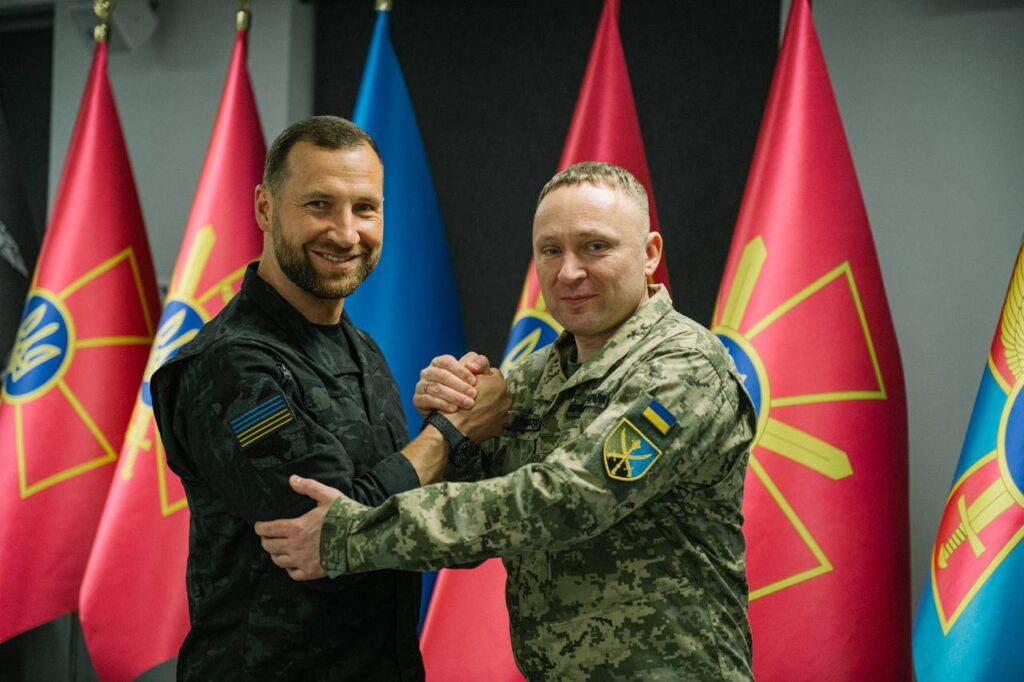
Acting Defense Minister Yevhenii Khmara at the meeting the new Commander-in-Chief, Major General Mykhailo Drapatyi. Source: The Ukrainian Defense Ministry

Ukraine's new military leadership has named its program: machines over men. Ukraine will bet on long-range strikes, robotic systems, and other technologies to increase pressure on Russia and preserve the lives of Ukrainian soldiers, acting Defense Minister Yevhenii Khmara said after meeting the new Commander-in-Chief, Major General Mykhailo Drapatyi, according to the Ukrainian Defense Ministry. 

The direction is the one championed by Mykhailo Fedorov, the reformist defense minister whose dismissal on 15 July set off six days of nationwide protests. Fedorov is the architect of Ukraine's "Army of Drones" but was fired after a clash with then-Commander-in-Chief Oleksandr Syrskyi.

The protests demanded his reinstatement and Syrskyi's removal. Syrskyi is now gone, and Fedorov remains out of government, too.

What is first priority?

The first-priority decisions of the new military leadership, Khmara said, are to strengthen the front, reinforce support from international partners, and, to the maximum extent possible, transfer combat operations onto the aggressor's territory.

"We must scale what we are already effective at: deep strike, middle strike, ground robotic systems, and other solutions that preserve soldiers' lives and inflict maximum damage on the enemy," Khmara claimed.

Ukrainian units will receive more modern strike systems, above all long-range ones, and new technological solutions that let them carry out combat tasks with less risk to personnel.

"Ukraine will continue its strike and technological pressure on Russia by all available means," he said.

The statement is the first joint declaration of intent from the leadership that emerged from a week of protests.

Khmara says he proposed Drapatyi for job

The acting minister disclosed his own role in the appointment. Khmara said he fully trusts Drapatyi, whose candidacy he himself had earlier proposed to President Volodymyr Zelenskyy for the post of commander-in-chief.

"We agreed to be honest with each other, and to resolve all differences exclusively in the interests of Ukrainian soldiers," Khmara stated.

He and Drapatyi see the further development of the Defense Forces in the same way, he said, and Zelenskyy has backed that vision.

What the statement leaves unsaid is the question the protests have not dropped: whether Fedorov himself returns.

  • ✇Euromaidan Press
  • “We will answer their answer”: Ukraine tests EW against jet Shaheds’ MESH control
    Ukrainian presidential adviser on defense technology development, Serhii "Flash" Beskrestnov, spent a day at a test range, jamming the control channel of its hardest air-defense problem. Ukraine is testing new electronic warfare means against jet-powered Shaheds, he said. Russia's new Banderol jet-powered drone is fast, cheap to make, and dangerous to Ukrainian cities. The S8000 "Banderol" is a hybrid of a kamikaze drone and a cruise missile.  "At a meeting, the President
     

“We will answer their answer”: Ukraine tests EW against jet Shaheds’ MESH control

22 juillet 2026 à 09:52

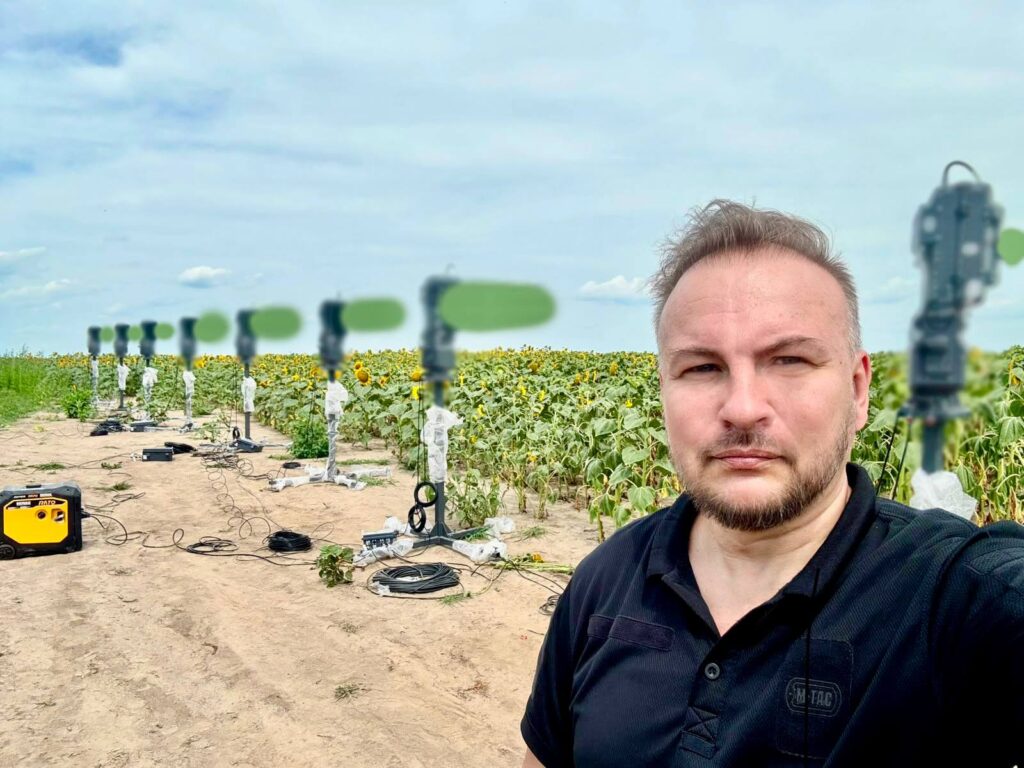
Presidential adviser on defense technology development Serhii "Flash" Beskrestnov at the test range of new electronic warfare means against jet-powered Shaheds. Source: Serhii "Flash" Beskrestnov

Ukrainian presidential adviser on defense technology development, Serhii "Flash" Beskrestnov, spent a day at a test range, jamming the control channel of its hardest air-defense problem. Ukraine is testing new electronic warfare means against jet-powered Shaheds, he said.

Russia's new Banderol jet-powered drone is fast, cheap to make, and dangerous to Ukrainian cities. The S8000 "Banderol" is a hybrid of a kamikaze drone and a cruise missile. 

"At a meeting, the President defined one of the most important tasks — the question of countering jet Shaheds," Beskrestnov wrote.

Both sides will escalate in war of technologies 

Jet Shaheds are a real challenge for Ukrainian air defense, but they are most dangerous in online-control mode through a MESH network. 

"Today I spent the day at a test range where we tested options for countering MESH networks with electronic warfare," he revealed.

EW producers, with support from the Brave1 defense-tech cluster and the General Staff's Main Directorate of Electronic Warfare, are advancing technologies to suppress the control channels of enemy Shaheds that run over MESH radio modems, he said.

"I know how and with what the enemy will answer our EW. And we will answer their answer. Welcome to the world of the war of technologies," Flash wrote.

MESH-controlled jet Shahed is threat that beats both defenses

The target of the tests is the combination that defeats Ukraine's two main counters at once. Jet-powered Geran variants cruise at 300 to 350 km/h and burst to higher speeds, outrunning much of Ukraine's cheap interceptor-drone fleet. And a drone flown live by an operator over a MESH radio network is not following a preprogrammed route.

Beskrestnov identified this exact evolution in May, when Ukraine's interception rate against ordinary Shaheds hit 95%: Russia's response would be jet-powered variants and border-area targeting, where mesh radio control works.

This month, he documented the next step. According to him, Russia is shifting from mass raids to single, complex, hand-flown strikes, including one Shahed that dropped to 22 meters to slip under Ukrainian radar.

Ukraine’s dismissed army chief departs with claim: he’s handing his successor army on offensive, with 700 km² liberated this year

22 juillet 2026 à 07:41

Russian losses hit 421,000 in 2024 - highest of war, Ukraine's top general says

Former Commander-in-Chief Oleksandr Syrskyi said in a statement on the morning of 22 July that he is passing on to his successor an army that not only holds the defense but is also on the offensive. He has seen this war "from its first day in 2014," he wrote, has "lived the front," and knows the price of every liberated kilometer of Ukrainian land.

The statement is Syrskyi's own account of his tenure, published the morning after Zelenskyy replaced him with Mykhailo Drapatyi following six days of protests.

Syrskyi claimed that 700 square kilometers of Ukrainian land were liberated this year under his command, and an army that two years ago fought a hard defense now attacking "with initiative, with structure, with people who know how to strike the enemy."

"I sincerely hope this offensive will be continued. Everything for it is in place," Syrskyi wrote.

"Destruction of most combat-capable part of Russian army"

In February-March 2022, Syrskyi said he had the honor of commanding the defense of Kyiv, and the capital held. That spring, the threat of a full siege of Kharkiv was lifted, too.

Then came the Kharkiv counteroffensive, when Balakliia, Izium, and Kupiansk were liberated in a matter of weeks, and later, in Donetsk Oblast, what he called the destruction of the most combat-capable part of the Russian army, the Wagner private military company, happened.

He took command in February 2024 "at a very difficult time," with Avdiivka's defenders standing half-encircled. One of his first orders was the organized withdrawal from the city.

"It was a hard decision. But I made it, because for me one main priority applied: preserving people's lives," he wrote.

Then, he said, came "a year that changed the course of this war": stopping the Russian offensive in Kharkiv Oblast, preempting the one aimed at Sumy, and conducting the Kursk operation. This was the first transfer of combat operations onto enemy territory in this war. 

The goal was never to occupy foreign land, he stressed, but to derail the prepared Russian offensive on Sumy and Kharkiv, draw off Russia's most capable troops, and replenish the exchange fund to bring Ukrainians home from captivity. All of it, he said, was accomplished.

He lists structural changes alongside battles

Syrskyi claimed the army's transformation as well as its operations.

Ukraine became the first country in the world to create a separate branch of unmanned systems forces, he noted, growing them "from individual units to a system that today makes the enemy feel it has no safe rear."

A new air defense was built: a separate command for unmanned air-defense systems, staffed interceptor-drone crews, and an echeloned shield over the rear.

"What was recently the experiment of enthusiasts today shoots down every night what was considered undownable," he said.

He cited the closure of the Black Sea port of Novorossiysk, the systematic destruction of Russia's shadow fleet, the army's transition to a corps structure, and combat officers arriving on staff, with a new rule that "the path to leadership positions runs through the front."

This year's Dobropillia operation and the offensive on the Oleksandrivka direction, he said, continue. Of some operations, he still has no right to speak: "History will tell of them. I will say only: the enemy remembers them."

Crimea’s political prisoners lost their lifeline—because keeping it open would have put more people in prison

22 juillet 2026 à 06:01

crimea's political prisoners lost lifeline—because keeping open have put more people prison · post crimean solidarity 751751894_1050160240849716_3703501919270286713_n ukraine news ukrainian reports

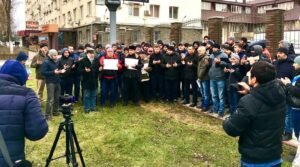
Crimean Tatar human rights movement has ended a decade of documenting political persecution in Russian-occupied Crimea, Crimean Solidarity said in its final statement. The status Russia imposed on it puts anyone connected to it at risk, from the lawyers named on the same list to people who simply pass its reports on. Its website and social media pages have stopped updating, and the movement plans to appeal.

By December 2025, the Crimean Tatar Resource Center had recorded 486 political prisoners over the occupation of the peninsula, 272 of them Crimean Tatars, the people carrying roughly two-thirds of the violations it documented. Arrests and trials will continue while the information coming out of Crimea gets harder to gather and circulate, and the machinery around them keeps tightening — Russia's security service now runs the peninsula's main detention center, which has processed people arrested on political grounds since 2014.

Why it stopped

Russia's Justice Ministry entered Crimean Solidarity in its register of so-called "foreign agents" on 26 June 2026. That status changes neither the movement's values nor its goals, the activists said, but leaves no possibility of working in the earlier format. Every text they publish must now carry an 18+ marking and a block-capital disclaimer, which in occupied territory and Russia must sit above the text. That disclaimer opens administrative and then criminal cases against designated people and against whoever shares what they publish, the Kharkiv Human Rights Protection Group noted. With the label in place, the rights group said, no one who has had dealings with the movement is safe from prosecution.

"We have carefully studied the legislation and taken a joint decision to terminate the activities of our civic movement," the activists wrote on 21 July.

crimea's political prisoners lost lifeline—because keeping open have put more people prison · post russian police officers walk down street past local residents during search operation occupied crimea 752189434_1050160264183047_2115633659460214672_n ukraine
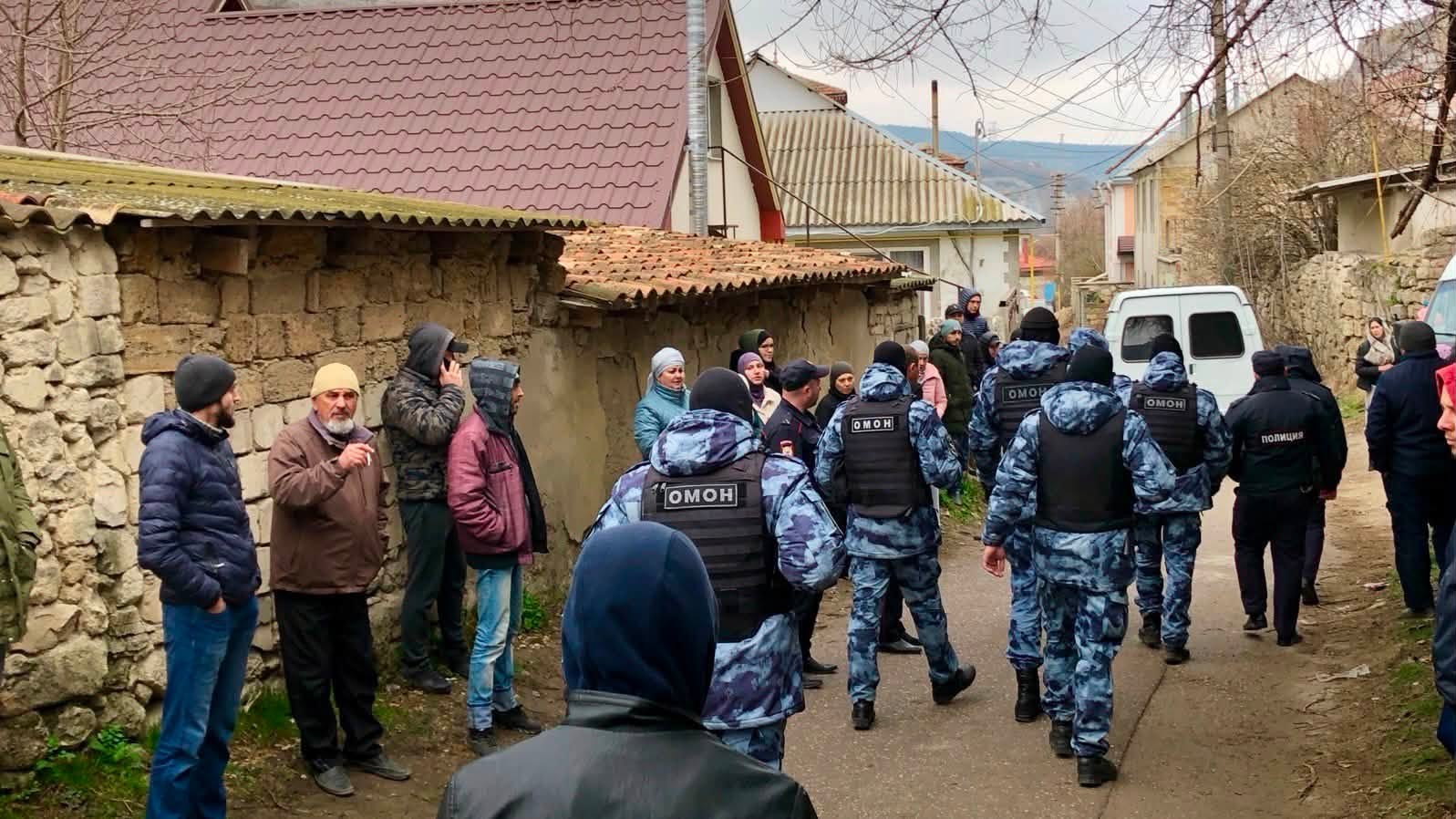
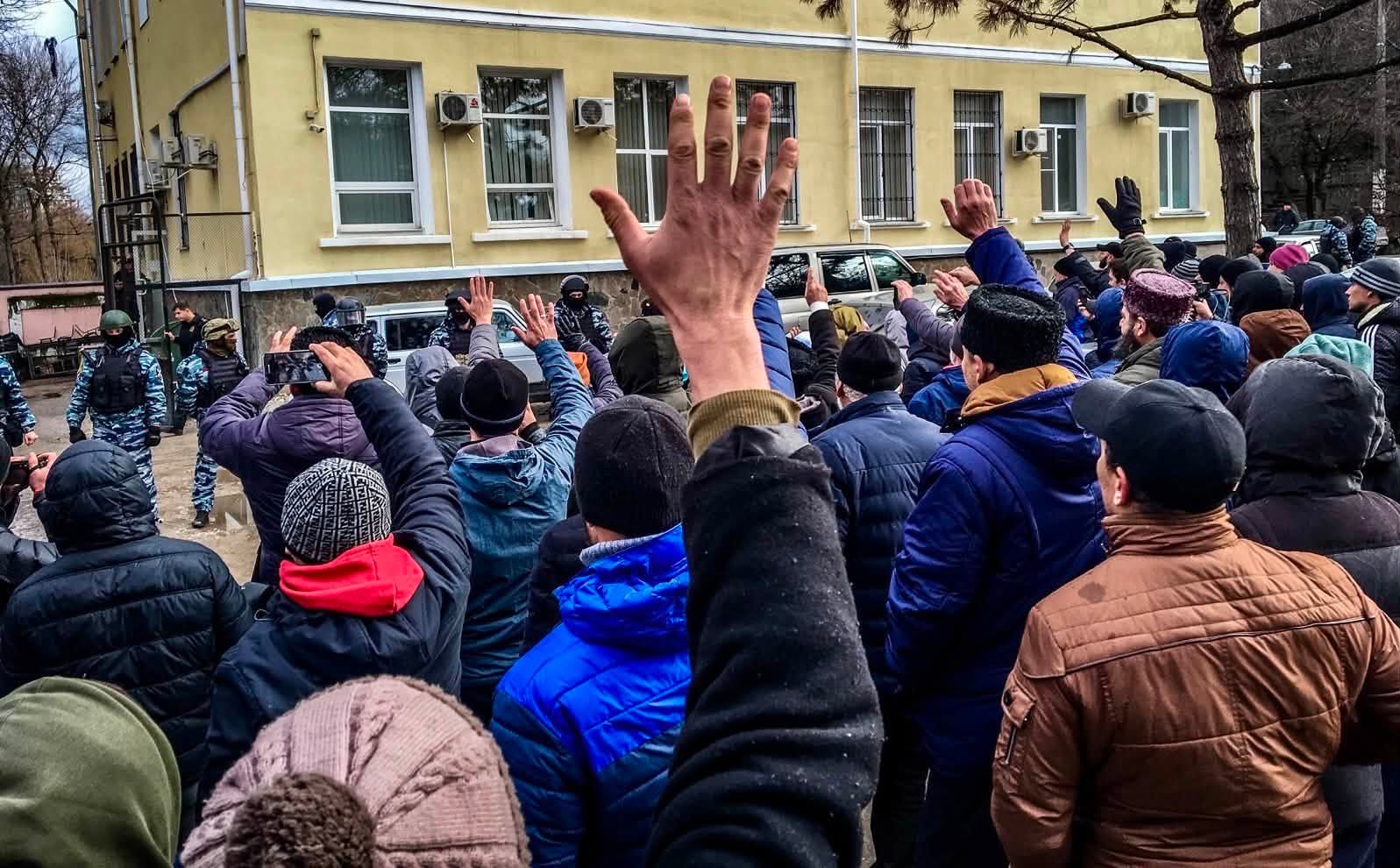
Russian and police officers walk down a street past local residents during a search operation in occupied Crimea. Photo: Crimean Solidarity

Eleven names, sentences up to 20 years

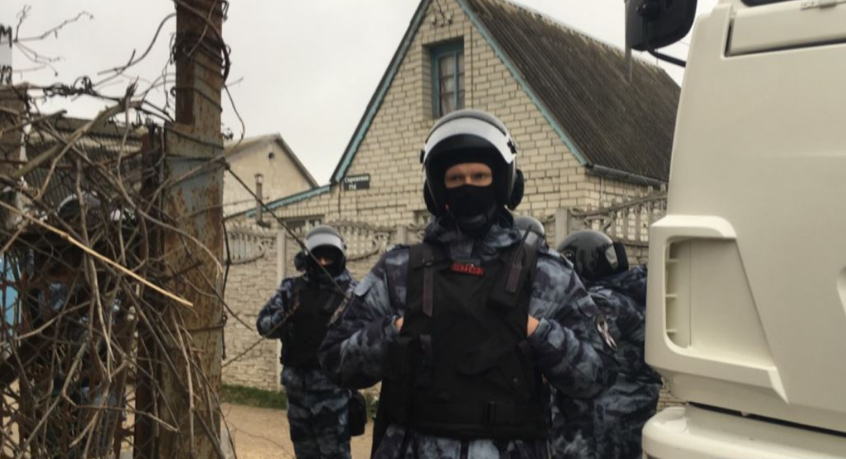
The ministry listed eleven Crimean Tatar lawyers, journalists, rights defenders, and activists alongside the movement. Among them are Server Mustafaiev, already a political prisoner, and journalist Lutfiye Zudiieva, designated separately in May 2025. Three well-known defense lawyers are on the list as well. Many of the movement's people are serving terms of up to 20 years, and Russian officers detained more than 20 of its men in a single raid on 27 March 2019.

Explore further

67% of Crimea’s repression targets one people: Crimean Tatars. The US peace plan would hand them to Russia

What the peninsula loses

For 10 years the movement supported families of the detained, arranged legal defense and put out material that often never reached the official agenda. Many of the people doing that work were themselves fined, held under administrative arrest or prosecuted.

"History shows that civic solidarity is not defined by state registers," the statement said.

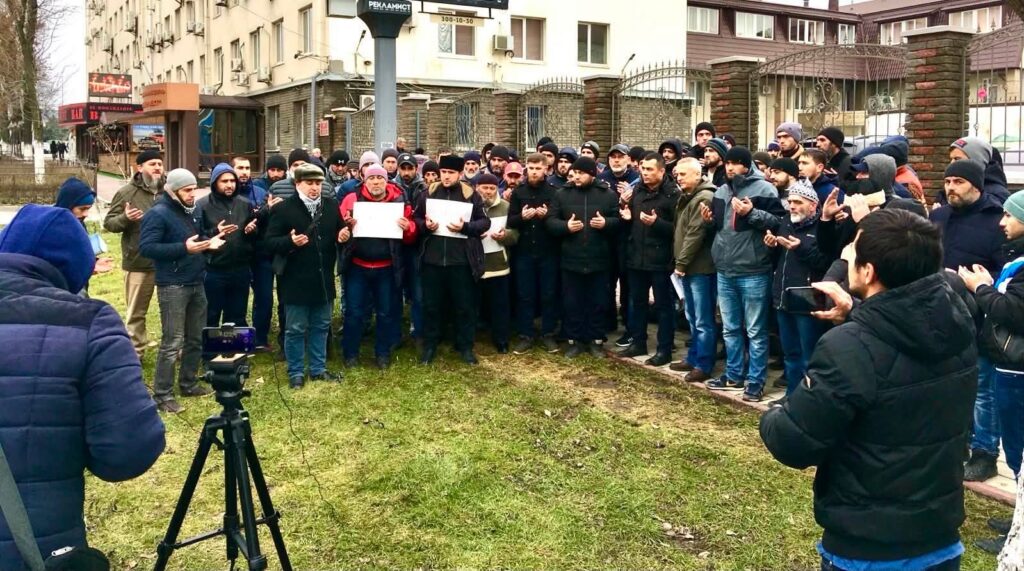
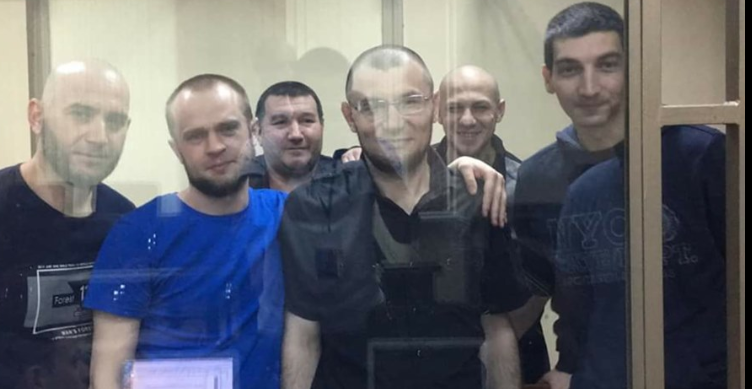
Crimean political prisoners in court in 2019: the front from left - Muslim Aliev, Vadim Siruk, Emir-Usein Kuku, Refat Alimov, at the back, from left - Envir Bekirov, Arsen Dzhepparov. All of them (except for Dzhepparov and Alimov) are still in custody as of today. Photo: Crimean Solidarity
Explore further

Russia keeps arresting Crimeans. The count just hit 520

Tamila Tasheva, a Ukrainian lawmaker and former permanent representative of the President of Ukraine in the Autonomous Republic of Crimea, called the decision an act of pressure meant to isolate and discredit rights defenders. Hundreds of families of political prisoners and thousands of residents of occupied Crimea may now be left without legal support, she wrote on Facebook.

crimea's political prisoners lost lifeline—because keeping open have put more people prison · post crimean solidarity 749652291_1050160234183050_60135510499115430_n (1) ukraine news ukrainian reports
Photo: Crimean Solidarity

A decade under pressure

Crimean Solidarity took shape in 2016, after Russian forces stormed Crimean Tatar homes and jailed the human rights defender Emir-Usein Kuku along with three others. By 2017 the Russian FSB was fairly openly going after its civic journalists and activists. In August 2023, FSB officers searched Crimean Tatar homes and took several activists to the security service's office in Simferopol. Pressure on independent initiatives there has built up for years.

Crimean Tatars who stayed there could still become the backbone of resistance to the Russians when Crimea is liberated, Aider Rustemov, mufti of the Spiritual Administration of Muslims of the Autonomous Republic of Crimea, told ZN in an earlier interview.

From “flying BMP” to commander-in-chief: Ukraine’s new army leader stopped Russia at Kryvyi Rih and held Vovchansk

22 juillet 2026 à 05:15

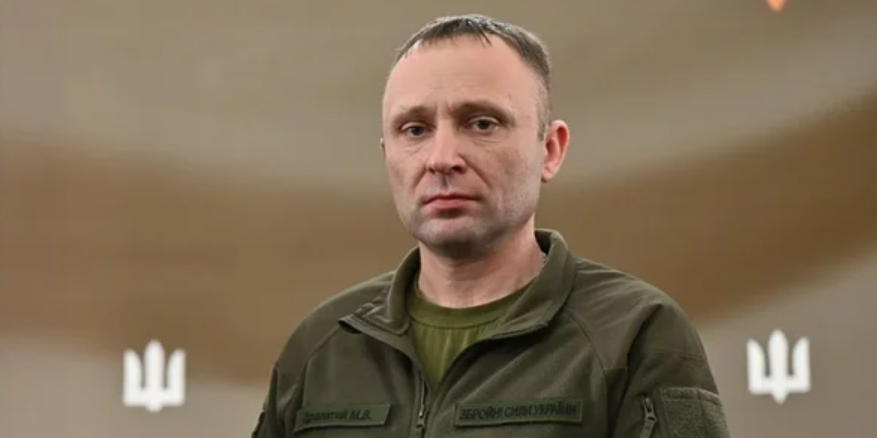
Major General Mykhailo Drapatyi, a new Ukrainian top commander. Source: The Ukrainian Defense Ministry

"Serving Ukraine has always been an honor for me, and during a war for independence, it means absolute responsibility." These words appeared in Major General Mykhailo Drapatyi's first statement after his appointment as Ukraine's new commander-in-chief.  

His appointment came after six days of protests against the resignation of Defense Minister Mykhailo Fedorov and in support of the dismissal of Oleksandr Syrskyi, who has been criticized for his Soviet-rooted command style.

"I thank the President of Ukraine for the trust, the Defense Minister for the support, and the Defense Forces for a new stage of service," Drapatyi wrote.

He also said that he is grateful to Commander-in-Chief of the Armed Forces of Ukraine Oleksandr Syrskyi for his consistent efforts to strengthen the Ukrainian army.

"I grew up in it. I will work responsibly, with focus, and with respect for the people who defend our state today. Glory to the nation. Death to the enemies," he claimed.

Zelenskyy announced the appointment on 21 July, the most significant shake-up of Ukraine's military leadership since the full-scale invasion began. The 43-year-old Drapatyi was the protesters' favored candidate — and his biography explains why.

Drapatyi's full-scale war began inside flying BMP

Drapatyi's path started in the 72nd Separate Mechanized Brigade. In May 2014, at the start of Russia's aggression, he commanded the brigade's 2nd Battalion during the operation to free hostages in Mariupol, per RBC-Ukraine.

The famous "flying BMP" video comes from that fight with an infantry fighting vehicle that rammed a barricade of pro-Russian militants at speed and leaped over it. Drapatyi gave the order for that assault from inside the vehicle.

That summer, his unit was caught in a fire pocket near the border in Luhansk Oblast. Under prolonged artillery fire from Russian territory, Drapatyi took responsibility and led 260 soldiers and more than 30 vehicles out of the "Izvaryne cauldron", covering 160 kilometers under fire.

He later commanded the 58th Separate Motorized Infantry Brigade in Avdiivka and on the Bakhmut highway, and was awarded the British Queen's transferable sword as the best graduate of the National Defense University.

He stopped Russia at Kryvyi Rih and helped free Kherson

In March 2022, he took over the "South" operational grouping, which stopped the Russian advance on Kryvyi Rih. In the fall of 2022, he led the "Kherson" grouping during the successful operation to liberate the right bank of Kherson Oblast.

In May 2024, he took command of the "Kharkiv" operational-tactical group as Russia opened its new offensive and stopped the threat near Vovchansk. Then, Zelenskyy singled him out when appointing him commander of the Land Forces in November 2024.

Under his later Joint Forces command, Ukrainian units, including the Khartiia Brigade, recaptured swathes of territory around Kupiansk.

He once resigned to take responsibility for the killed soldiers. In June 2025, Drapatyi submitted his resignation as Land Forces commander after Russian strikes on Ukrainian training centers hit the defenders. But after a conversation with the president, he moved to command the Joint Forces instead.

  • ✇Euromaidan Press
  • Russia’s answer to Amazon has a new problem, and it is not delivery times—two more warehouses ablaze
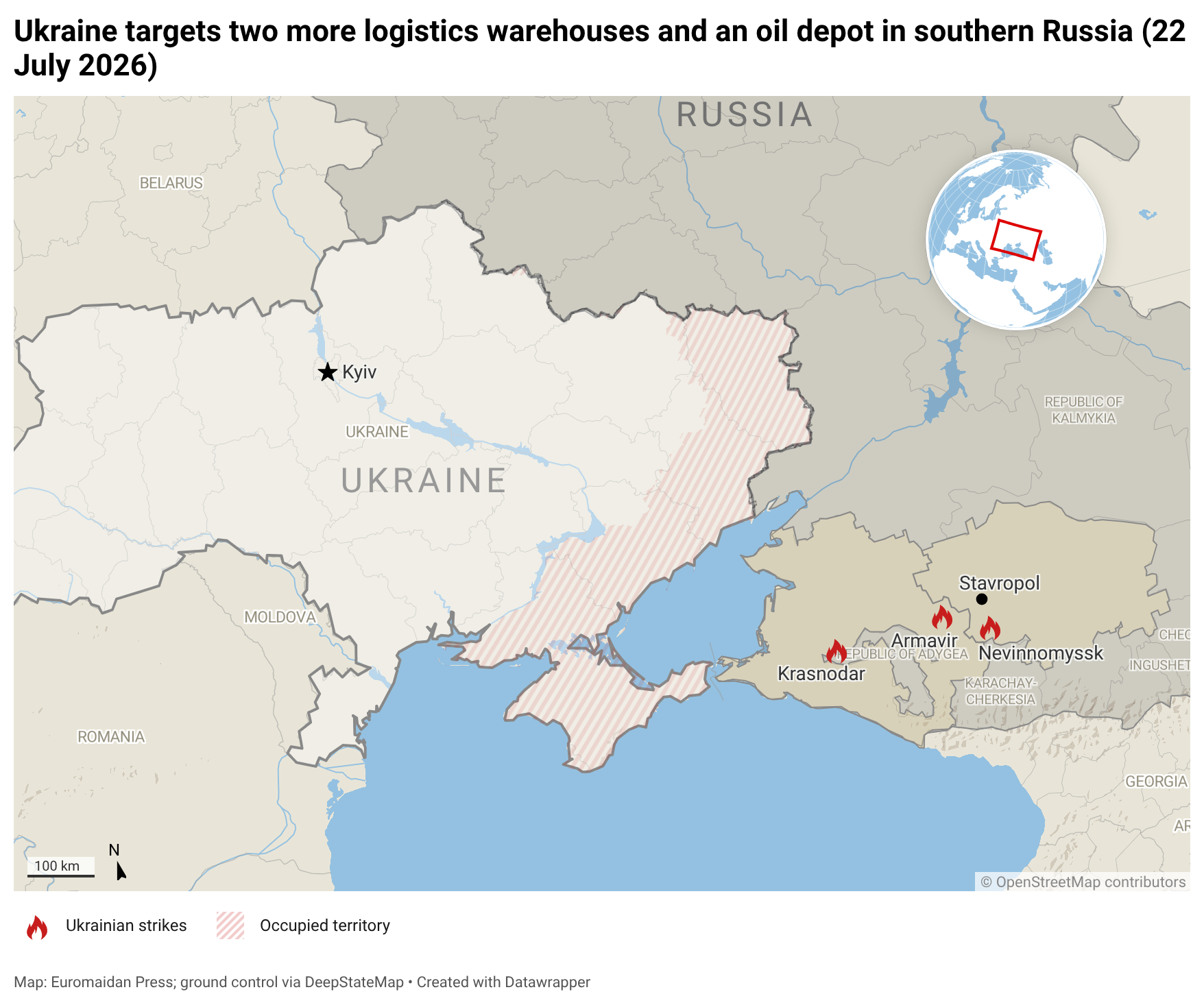
    Ukrainian drones struck logistics and fuel sites across Russia's south overnight on 22 July, setting off large fires, monitoring channels reported. Russia's largest online retailer said it evacuated staff from two warehouse complexes that caught fire. It was the third round of strikes on the company's logistics network in five days. It was the third round of Ukrainian strikes on the company's logistics network in five days. Such strikes followed multiple Russian attacks on
     

Russia’s answer to Amazon has a new problem, and it is not delivery times—two more warehouses ablaze

22 juillet 2026 à 04:29

russia's answer amazon has new problem delivery times—two more warehouses ablaze · post fires wildberries logistics centers krasnodar nevinnomyssk russia 22 2026 пожежі на логістичних центрах у краснодарі та невинномиську

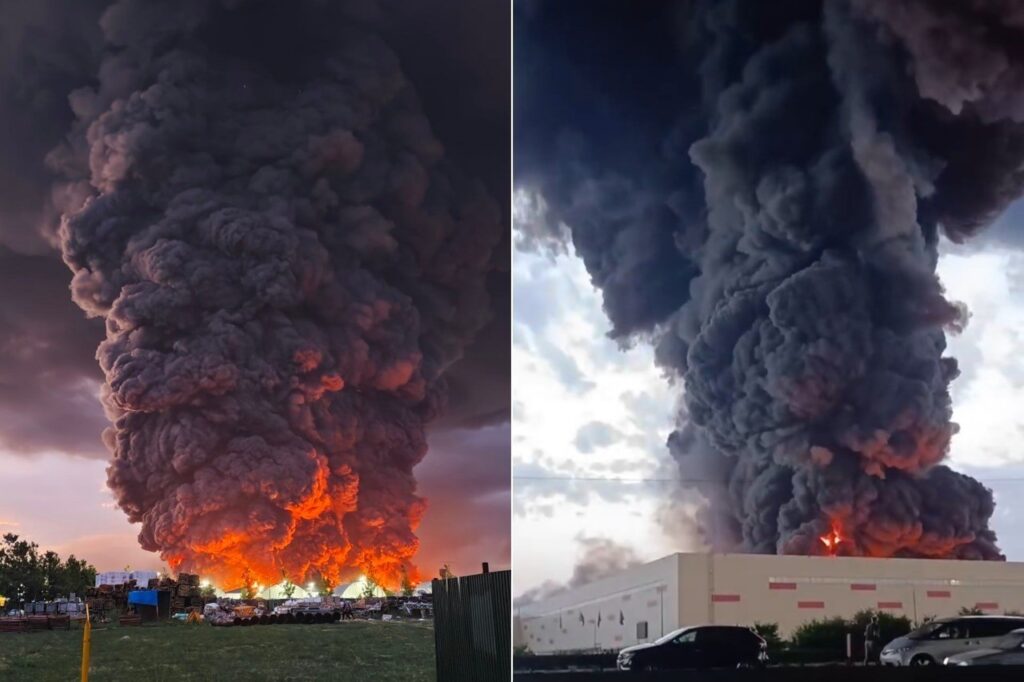
Ukrainian drones struck logistics and fuel sites across Russia's south overnight on 22 July, setting off large fires, monitoring channels reported. Russia's largest online retailer said it evacuated staff from two warehouse complexes that caught fire. It was the third round of strikes on the company's logistics network in five days.

It was the third round of Ukrainian strikes on the company's logistics network in five days. Such strikes followed multiple Russian attacks on the sorting centers and terminals of Nova Poshta, Ukraine's largest private postal and logistics operator. Moscow previously rejected Kyiv's proposal to stop long-range strikes on both countries and freeze fighting along the front. Ukraine has instead widened a deep-strike campaign against the fuel, industry, and infrastructure paying for the invasion.

Krasnodar: the retailer's fourth-biggest warehouse burns

Residents on the outskirts of Krasnodar, the main city of Krasnodar Krai in southern Russia, heard between 20 and 30 explosions overnight. The air-raid siren went off only afterward, ran for about two minutes, and stopped. Ukrainian monitoring channel Exilenova+ published their footage, which showed several separate fires in different districts of the city.


Russian news Telegram channel Astra's open-source analysts placed the largest of them at the Wildberries warehouse on Tikhoretskaya Street. The company had already announced it was evacuating the complex. The site covers 150,000 square meters and ranks fourth among the marketplace's distribution centers. Ukrainian drones have hit Krasnodar Krai repeatedly, including a refinery about 300 kilometers from the front line.

Krasnodar Krai's operational headquarters claimed the warehouse caught fire after drones "debris" fell on it, and reported damage to two apartment buildings. It first counted three injured. Governor Veniamin Kondratyev later raised that number to 10. The headquarters also claimed that debris damaged two detached houses in Dinskoy District, north of the city.

Armavir: an oil depot on fire in the east of the same krai

Drones also hit an oil depot in the northern industrial zone of Armavir, a city in the eastern part of Krasnodar Krai. Exilenova+ showed the depot burning. By morning, the city administration put the fire at 800 square meters. Local authorities claimed 16 or more drones took part in the attack.

Nevinnomyssk: the second warehouse, one region further east

Nevinnomyssk lies in Stavropol Krai, the Russian region bordering Krasnodar Krai to the east, deeper inland from Ukraine. Around 05:00, Governor Vladimir Vladimirov statee a fire at a warehouse complex there, and two people hurt. He later put the figure at five employees.

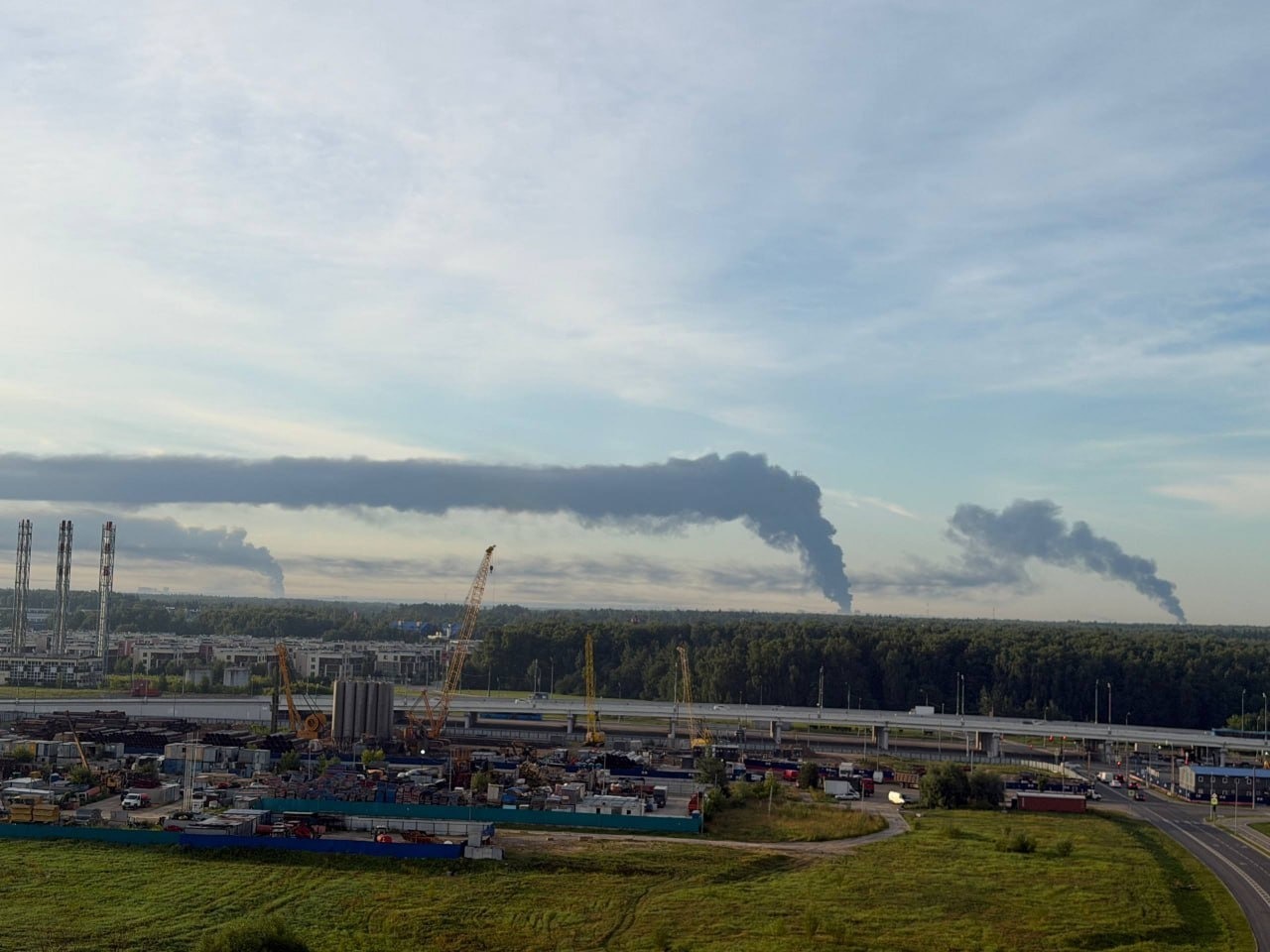
russia keeps hitting ukraine's couriers—so ukraine went after russia's amazon oil depot warehouses hit near moscow · post smoke plumes rise horizon over oblast ukrainian drone strikes logistics centers 20
Explore further

Russia keeps hitting Ukraine’s couriers—so Ukraine went after Russia’s Amazon: oil depot and warehouses hit near Moscow

Exilenova+ videos and Astra's analysis identified the burning site as a second Wildberries center. Video posted by witnesses showed storage buildings alight, with black smoke rising tens of meters. That complex covers 120,000 square meters and ranks sixth in the network. Wildberries said it had cleared staff from both hubs before the drones arrived, and that workers were injured anyway.

Ukrainian drones burned Wildberries logistics centers in Elektrostal near Moscow and in Kotovsk, Tambov Oblast, on 18 July. Two days later, drones struck more of the company's warehouses and an oil depot in Moscow Oblast.
  • ✇Euromaidan Press
  • Bomb-maker working for Russia’s military intelligence in Zaporizhzhia loses his freedom for 15 years
    A Ukrainian court has convicted a man of treason for building homemade bombs intended for attacks in Zaporizhzhia, the Security Service of Ukraine (SBU) said. Russia's military intelligence agency, the GRU, reportedly picked him out of Telegram channels where he was hunting for easy earnings. The devices were still meant to go into caches when officers took him. Zaporizhzhia sits close to the front in southeastern Ukraine, and the city takes Russian strikes regularly. Russi
     

Bomb-maker working for Russia’s military intelligence in Zaporizhzhia loses his freedom for 15 years

22 juillet 2026 à 03:57

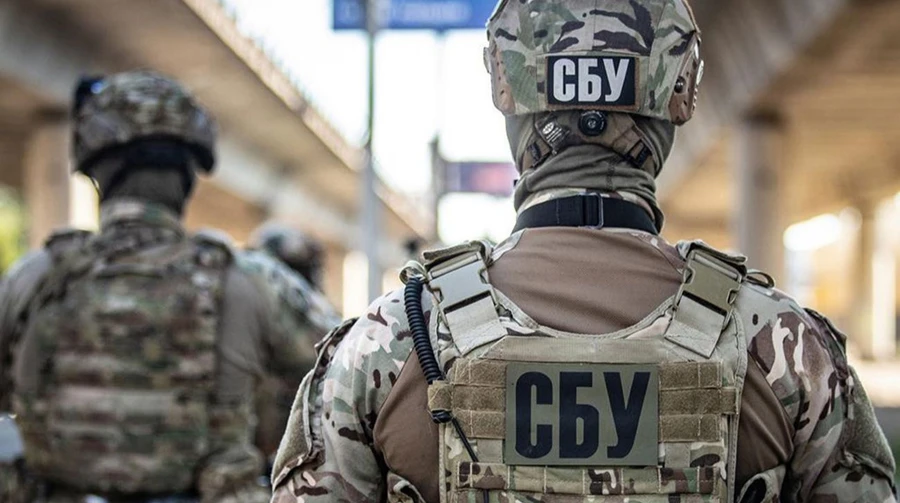
bomb-maker working russia's military intelligence zaporizhzhia loses freedom 15 years · post security service ukraine officers during operation sbu news ukrainian reports

A Ukrainian court has convicted a man of treason for building homemade bombs intended for attacks in Zaporizhzhia, the Security Service of Ukraine (SBU) said. Russia's military intelligence agency, the GRU, reportedly picked him out of Telegram channels where he was hunting for easy earnings. The devices were still meant to go into caches when officers took him.

Zaporizhzhia sits close to the front in southeastern Ukraine, and the city takes Russian strikes regularly. Russian intelligence keeps working to turn Ukrainian civilians into disposable operatives, and Ukrainian police and counterintelligence now handle such cases as routine business, with the Russians refining the pitch as older approaches get exposed. Recruits cost Russia almost nothing and go through online recruitment quickly and cheaply, so individual arrests close cases without closing the pipeline.

Russia recruited him from a chat channel

SBU officers detained the man in March 2025. The investigation established that the assignment for Russia went to a local resident struggling with drug addiction. Russian services noticed him while he was looking for easy earnings in Telegram channels, and the offer of side work turned into an order to build weapons, the security agency said.

The SBU described what followed in its statement

"In exchange for the promise of 'quick' side earnings, the agent began assembling improvised explosive devices, reinforcing them with metal nuts and bolts for greater destructive effect. For this, on the instructions of the Russians, he bought chemical components, construction materials, and other elements for producing bombs at home."

Recruitment through job ads in messaging apps has run through case after case in Ukraine, including plots against soldiers in several cities.

sbu names 10 russians tied human safari drone hunt civilians kherson · post munition dropped russian explodes near two 2024 explosion civilian khersoners telegram channels ten soldiers single regiment accused
Explore further

SBU names 10 Russians tied to “human safari” drone hunt on civilians in Kherson

Officers searching him turned up a canister of solvent, other chemical components, and shrapnel elements set aside for building the devices. Officers also seized the mobile phones he used to stay in touch with his Russian contact.

Two tasks: bombs in caches and leaflets

He was to hide the finished devices in caches inside Zaporizhzhia and on its outskirts, the SBU said. Then he was to send the coordinates to his handler in Russia. His handler also assigned him information work for Russia. He pasted provocative leaflets around the city, aimed at unsettling the internal situation across southern Ukraine, the SBU noted.

The court found him guilty under Part 2 of Article 111 of Ukraine's Criminal Code, which covers high treason committed under martial law. It sentenced him to 15 years in prison with confiscation of property. 

Former Ukraine’s commander has words for Ukraine’s new army chief: It will be “much harder than he imagines”

22 juillet 2026 à 03:56

The image shows former Commander-in-Chief of the Armed Forces of Ukraine Oleksandr Syrskyi and former Commander-in-Chief of the Armed Forces of Ukraine Valerii Zaluzhnyi. Source: Zaluzhnyi

Valerii Zaluzhnyi, Ukraine's ambassador to the United Kingdom and former commander-in-chief of the Armed Forces, commented on Telegram on the appointment of Major General Mykhailo Drapatyi as commander-in-chief.

On 21 July, Ukrainian President Volodymyr Zelenskyy announced that Drapatyi will replace Oleksandr Syrskyi, with the General Staff's configuration to be renewed in the most significant shake-up of Ukraine's military leadership since the full-scale war began, following six days of nationwide protests.

A person's calling, Zaluzhnyi wrote, is filled above all with moral principles and values that form honor, "which is dearer than any posts and awards." Those who think and act otherwise, he added, "will always, sooner or later, receive shame."

The words carry the weight of the author's own history. Zaluzhnyi was himself dismissed as commander-in-chief by Zelenskyy in February 2024, at the height of his popularity with no public explanation, and replaced by Syrskyi — the man now removed. He commented on the change from London, where Zelenskyy sent him as ambassador to the UK.

"Much harder than he imagines"

Zaluzhnyi's message to his successor's successor is a warning wrapped in confidence.

"It will be very hard for the new commander-in-chief of the Armed Forces of Ukraine. Much harder than he imagines. But Mykhailo will certainly never be ashamed. A man of honor has no idol, so he has nothing to lose. The only thing he has is duty," Zaluzhnyi wrote.

Honor, he said, "creates ideas and seeks ways to realize them. And it is this that drives one to seek people who will carry their heavy cross with you, with honor."

Drapatyi inherits reformist mandate and strained army

Drapatyi, 43, arrives as the protesters' candidate. Demonstrators, soldiers, and veterans widely viewed the Joint Forces Commander and former Land Forces chief as the leading choice to replace Syrskyi, whose centralized, Soviet-rooted command style drew criticism for micromanagement and, some soldiers said, unjustifiably high losses.

Drapatyi is seen as a general of a new generation.

He had also aligned himself publicly with the reform camp whose defeat triggered the crisis. Drapatyi praised dismissed Defense Minister Mykhailo Fedorov's six months at the ministry as a genuine effort to change long-standing military rules. 

"The military needs change, but without justice, no change will make sense to the people who carry this war on their shoulders every day," he warned.

Zelenskyy thanked Syrskyi for delivering results in the defense of Kyiv, the Kharkiv counteroffensive, and the Kursk operation. The protests that ran from 16 to 21 July had demanded both Fedorov's reinstatement and Syrskyi's removal. Whether the first follows remains the open question of the reshuffle.

❌