Austria Bans Head Scarves in Schools for Girls Under 14

© Leonhard Foeger/Reuters


© Leonhard Foeger/Reuters


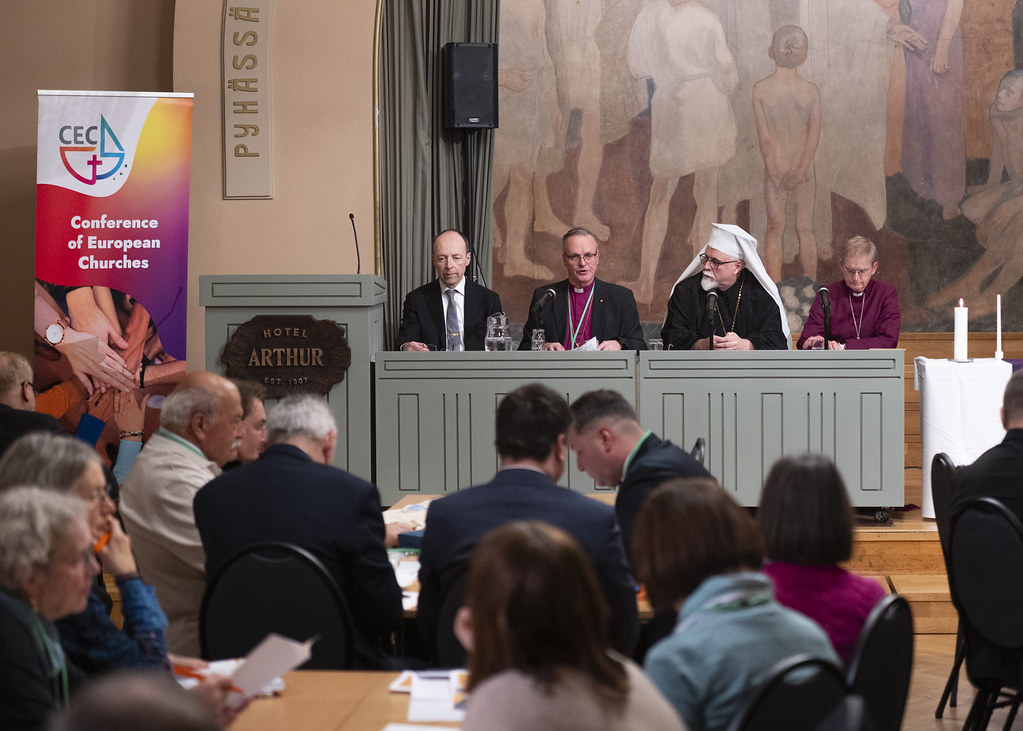
About 90 church leaders from across Europe have declared Russia's "Russian World" ideology heretical in a landmark statement issued following a conference in Helsinki from 1-3 December 2025, marking the first time an international church gathering has formally condemned the doctrine driving Moscow's war against Ukraine.
The statement was formally issued by conference participants rather than adopted as an official resolution—a procedural buffer. But as theologian Cyril Hovorun noted, the Conference of European Churches effectively authorized the declaration by organizing the event.
CEC represents 114 Orthodox, Protestant, and Anglican churches, and the statement breaks with the equivocating language that has characterized other ecumenical bodies' responses to Russia's religious justification for invasion.
"Let us be clear: The claim that a soldier's death in the line of duty automatically cleanses sins, framing it as a sacrificial act, is heretical, just as describing Russia's invasion of Ukraine as a 'holy war' and portraying Russia as a 'katechon state' — a force restraining global evil — are heretical," the statement declares.
Since Russia's 2022 invasion, the global ecumenical response has been marked by what critics call diplomatic hedging. The World Council of Churches, of which the Russian Orthodox Church remains a member, has said it "cannot reconcile" Moscow's holy war rhetoric but stopped short of theological condemnation.
The 2022 Volos Declaration, signed by over 1,600 Orthodox theologians including Cyril Hovorun, did call Russian World a heresy — but as individual scholars, not as churches.
The CEC statement changes that. By declaring specific doctrinal claims heretical at the institutional level, European churches have done what the WCC would not.
Hovorun, a professor at Sankt Ignatios College and one of the Helsinki panelists, has long criticized the ecumenical world's timidity. As he noted on Facebook after the conference, the CEC statement "aligns with the Gospel's command to speak 'yes-yes or no-no'" — a reference to Matthew 5:37, contrasting it with what he called the "lukewarm" declarations from bodies like the WCC.
The CEC document takes direct aim at how the Russian Orthodox Church has weaponized theology for war:
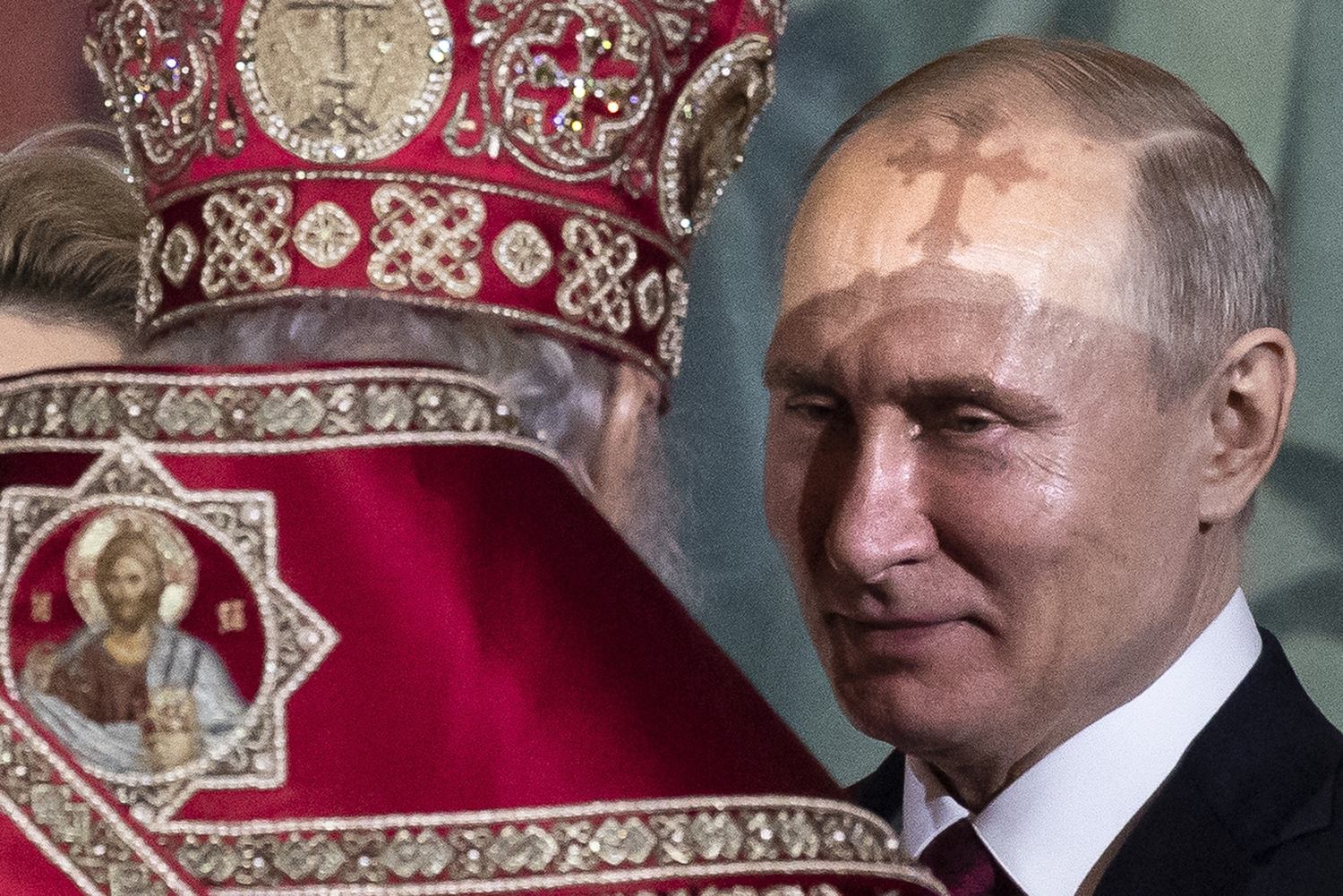
The "Russian World" ideology denies Ukrainian national identity and the right to self-determination. It portrays the West as evil to be resisted in a "metaphysical battle." And it promises Russian soldiers that dying in Ukraine washes away their sins — a doctrine Patriarch Kirill has preached since September 2022.
The statement also accuses Moscow of using "ecumenical relations to promote 'traditional values,' to misrepresent Russia's war of invasion as an act of self-defence, and to oppose the international condemnation of Russia's aggressive actions."
This directly addresses a documented pattern: in May 2023, Patriarch Kirill told WCC's general secretary that his "holy war" references were "metaphysical," not about actual combat. Ten months later, his church's decree explicitly called the invasion a holy war.
Unlike declarations that call for dialogue and prayer without specifics, the CEC statement commits member churches to concrete actions:
The mention of deported children is pointed. The WCC has been criticized for expressing concern about Ukraine's law restricting Russian-affiliated religious organizations while saying little about Moscow's systematic abduction of Ukrainian minors.
The conference, organized by CEC with the Evangelical Lutheran Church of Finland and the Orthodox Church of Finland, also featured discussions on authoritarianism and democracy's future — with Hovorun speaking on a panel titled "Democracy in Distress?"
Deputy Ionut Vulpescu, president of the Interparliamentary Assembly on Orthodoxy, announced that the next IAO General Assembly will convene in Helsinki in June 2026 — a gesture of solidarity with Finland, which joined NATO in 2023 partly in response to Russian aggression.
For Ukrainian churches that have spent nearly four years urging their global counterparts to speak plainly about Moscow's religious nationalism, the Helsinki statement offers something rare: European institutions saying what individual theologians said in 2022, but with the weight of a major European church body behind it.
Correction: An earlier version overstated the number of churches involved. The statement was signed by ~90 conference participants, not officially adopted by CEC's 114 member churches—though CEC organized the event and, as theologian Cyril Hovorun noted, effectively authorized the declaration.


© Sue Ogrocki/Associated Press


© Tierney L. Cross/The New York Times


© Laila Stevens for The New York Times


© Brian Bahr/Getty Images


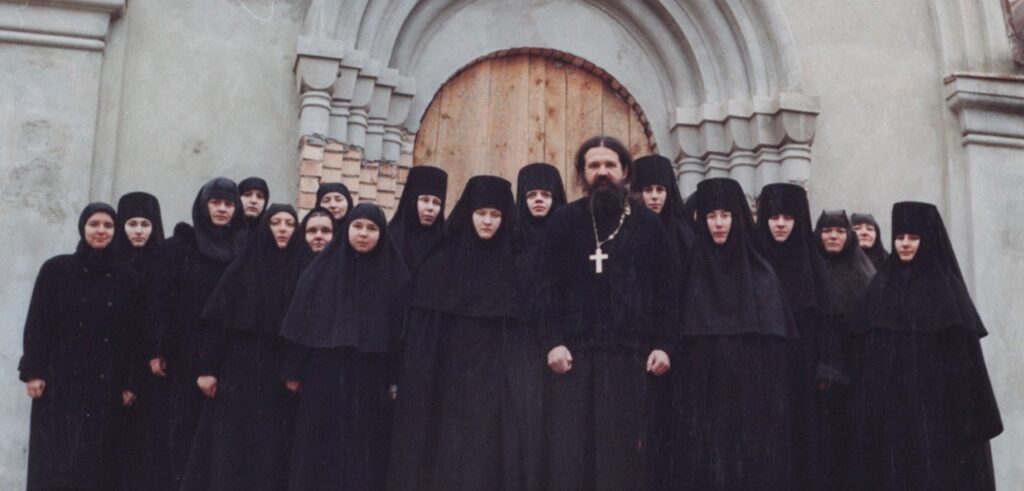
The Church of Sweden has issued an official warning to its congregations not to invite nuns from Belarus's St. Elisabeth Convent, citing the monastery's financial support for Russia's invasion of Ukraine and its connections to Russian military intelligence.
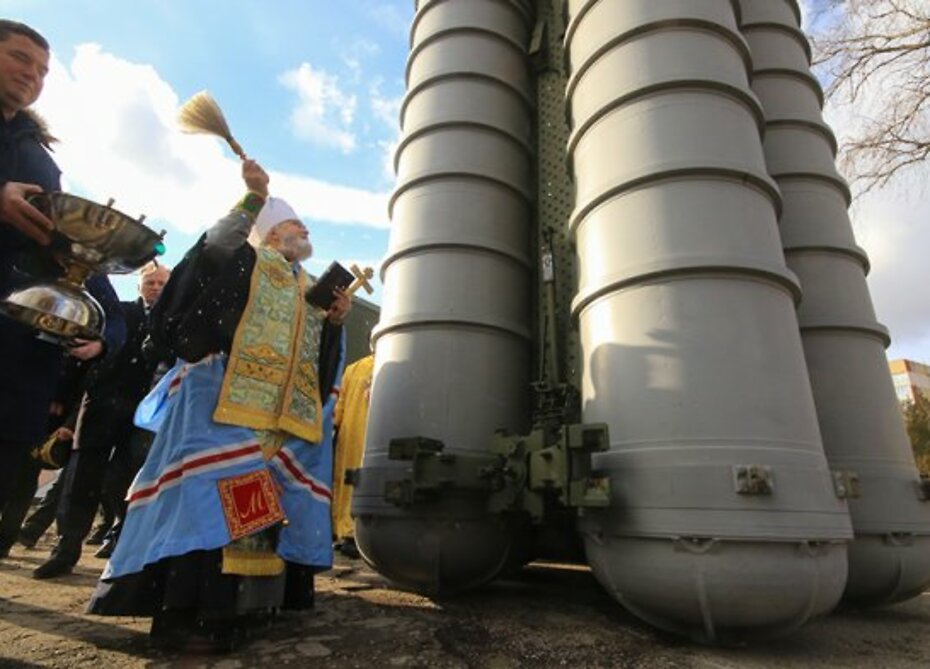
The warning comes as evidence mounts that Moscow-affiliated religious institutions function as nodes in Russia's war machine. The convent's spiritual leader, Archpriest Andrey Lemeshonok, has publicly declared that his monastery "is also a combat unit" whose nuns "fight for our future."
The language echoes the Russian Orthodox Church's March 2024 declaration of Russia's invasion as a "holy war." Since 2022, the ROC has emerged as a key Kremlin partner in war crimes, blessing military aggression, spreading propaganda, and facilitating the deportation of Ukrainian civilians.
The warning specifically states that the convent's income supports Russia's invasion and that the monastery maintains close contacts with Russia's military intelligence service, the GRU, Swedish public broadcaster SVT reported.
"They support the Russian regime indirectly, and we don't want to contribute to that," said Lisa-Gun Bernerstedt, the head of civil preparedness at the Church of Sweden. The church estimates that 10-20 Swedish parishes may have collaborated with the convent over the years.
St. Elisabeth Convent denied supporting the invasion, claiming its funds go toward meals for the needy and elderly care.
The convent's founder Lemeshonok has repeatedly voiced support for Russia's war. In a Victory Day address documented by Christian Vision, he declared that "today war is again underway"—this time "with the same fascism, with godlessness and devilry." He called Russian soldiers dying in Ukraine "our best guys."
When Belarusian President Aliaksandr Lukashenka visited the convent in January 2023, he praised Lemeshonok's campaigns supporting Russian soldiers, according to Veridica.
A Buro Media investigation found the convent operates as an "Orthodox holding company" with approximately 1,600 employees across 12 churches, 70 shops, and more than 10 workshops.
The GRU connection dates to 2017, when Russian GRU lieutenant colonel Anton Manshin gave a talk at the convent promoting "Russian world" ideology while describing his participation in Russia's wars in Chechnya, Ukraine, and Syria, according to Belarusian independent newspaper Nasha Niva.
Sweden joins a growing list of European countries pushing back against the convent's fundraising operations. In December 2024, Belarusian diaspora protesters in Szczecin, Poland, held banners reading "Buying here you support Russian aggression against Ukraine" outside the convent's Christmas market stand, leading to its closure, Veridica reported.
In 2022, Winchester Cathedral in England suspended the convent's Christmas market stall over concerns about pro-Russian views among its leadership, particularly Archpriest Andrey Lemeshonok, according to Global Sisters Report.
The Church of Sweden's warning marks the first formal institutional advisory against the convent's operations in Scandinavia.


© Christopher Jones for The New York Times


© Mick Tsikas/AAP Image, via Associated Press


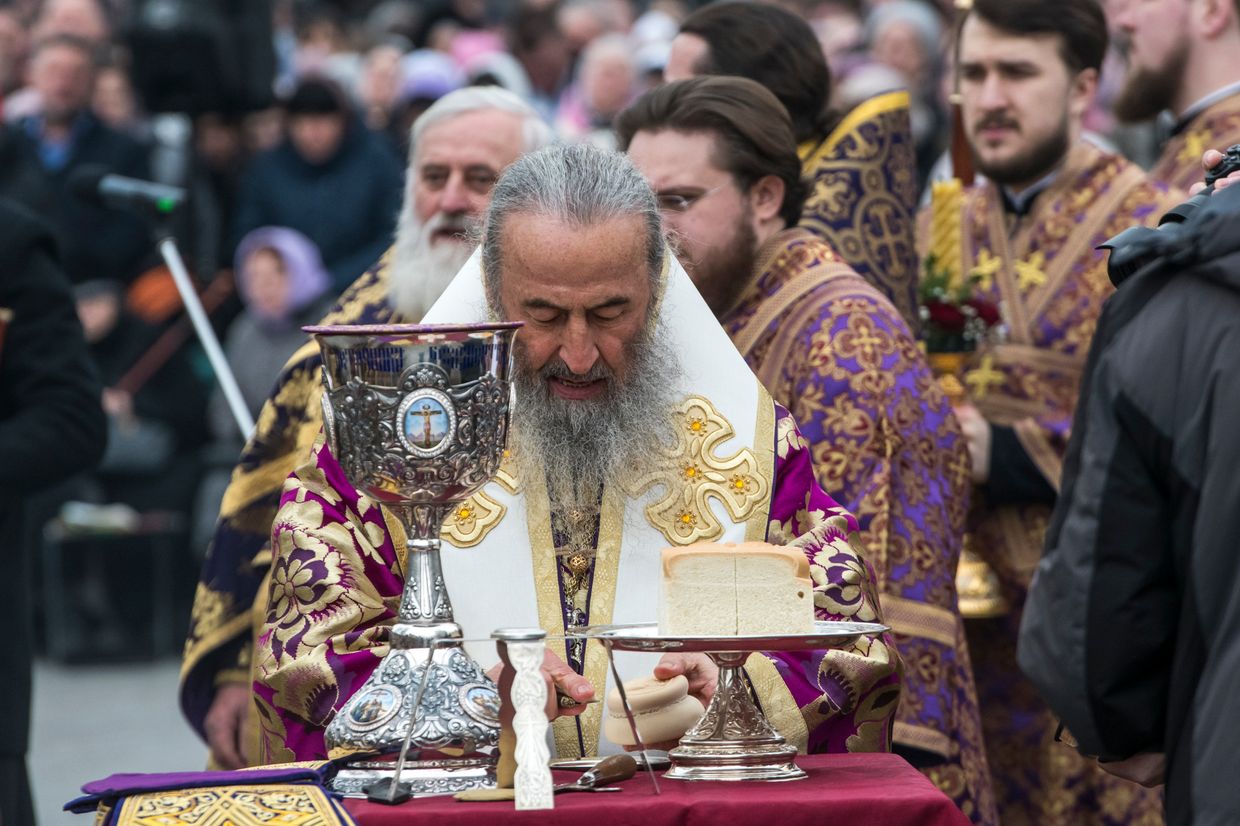
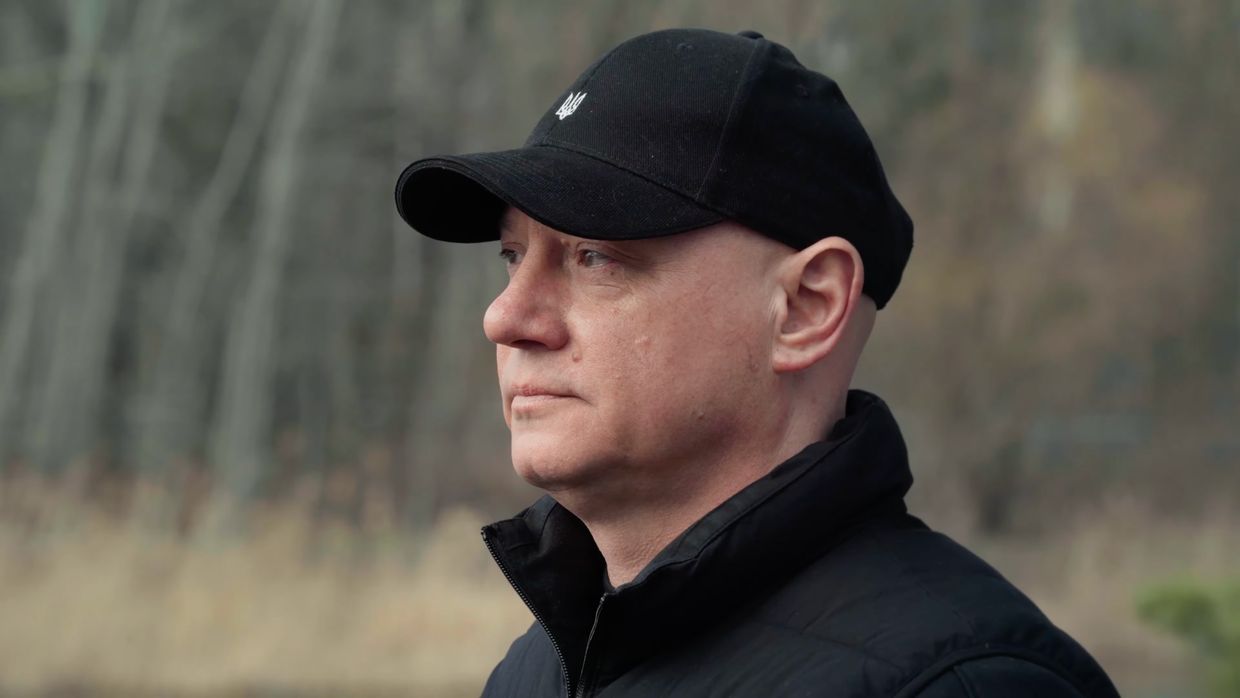
Metropolitan Onufrii of Kyiv, the primate of the Ukrainian Orthodox Church of the Moscow Patriarchate, has had his Ukrainian citizenship suspended by a presidential decree, the Security Service of Ukraine (SBU) announced on July 2.
The SBU said it had established that Onufrii, also known by his secular name, Orest Berezovskyi, voluntarily received Russian citizenship in 2002 and failed to inform Ukrainian authorities of the fact. The new Ukrainian law on multiple citizenship lists holding a Russian passport as grounds for the removal of Ukrainian citizenship.
The security agency also said Onufrii has maintained ties with the Russian Orthodox Church (ROC) and actively resisted Ukraine's efforts to secure ecclesiastical independence from Moscow and its leader, Patriarch Kirill.
The Ukrainian Orthodox Church of the Moscow Patriarchate (UOC-MP) has faced growing scrutiny and public criticism in Ukraine since the start of Russia's full-scale invasion in 2022, with many officials accusing it of maintaining loyalty to Moscow and undermining Ukraine's sovereignty.
The Moscow-linked church is separate from the Orthodox Church of Ukraine, which was granted autocephaly (autonomy) by Ecumenical Patriarch Bartholomew I of Constantinople in 2019.
"Despite the full-scale invasion, Berezovsky (Onufrii) continues to support the policies of the Russian Orthodox Church and its leadership, particularly Patriarch Kirill (Gundyaev)," the SBU said in a statement.
Zelensky signed a law in 2024 banning the activities of religious organizations affiliated with Russia. The law was widely seen as targeting the UOC-MP, which remains legally subordinate to the Moscow-based ROC despite its claim to have severed ties.
Since the start of the full-scale invasion in February 2022, over 100 UOC-MP clergy members have come under criminal investigation for alleged collaboration with Russian forces or spreading pro-Kremlin propaganda, according to the SBU. Nearly 50 have been charged, and courts have issued verdicts in 26 cases.
The UOC-MP continues to insist that it operates within Ukrainian law and that its 2022 declaration of independence from Moscow was genuine, though many in Ukraine view it as purely symbolic and lacking credibility.


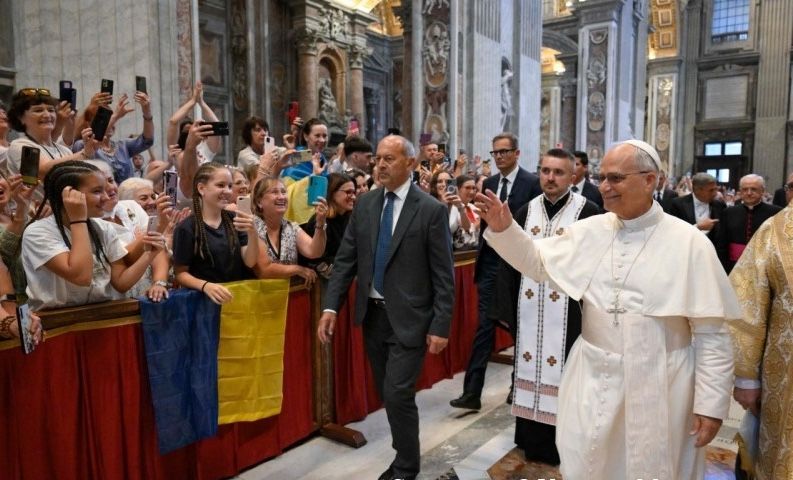
Pope Leo XIV welcomed Ukrainian Greek Catholic pilgrims to the Vatican on June 28, saying their country has been "martyred" by Russia's "senseless war."
Greek Catholicism is Ukraine's second-largest Christian denomination, with adherents making up around one-tenth of the country's population. Prevalent mainly in western Ukraine, it has retained many rituals and practices of the Orthodox Church while under the pope's jurisdiction.
"I wish to express my closeness to the martyred Ukraine — to the children, the youth, the elderly, and especially to the families who mourn their loved ones," Pope Leo said in an address to Greek Catholic pilgrims at St. Peter's Basilica.
"I share in your sorrow for the prisoners and for the victims of this senseless war."
Sviatoslav Shevchuk, Head of the Greek Catholic Church in Ukraine, was among the pilgrims greeted at the Vatican, along with other bishops, priests, and lay believers. The pilgrimage was made in honor of the Jubilee, a Catholic holy year last observed in 2015-2016. The theme of the 2025 Jubilee is "Pilgrims of Hope."
In his address, Pope Leo said that the faith of Ukrainians is being "sorely tested" by Russia's full-scale invasion.
"Many of you, since the war began, have surely asked: Lord, why all this? Where are you? What must we do to save our families, our homes and our homeland?"
The pope also offered a special blessing to mothers of soldiers killed on the front lines in Ukraine.
After Pope Leo's remarks at St. Peter's, President Volodymyr Zelensky thanked the pontiff for his support.
Thank you, Your Holiness, for your continued prayers and compassion for Ukraine and our people," Zelensky wrote on X.
"Together we must stop this wanton Russian aggression and protect innocent lives. A just peace is needed. And we would also deeply appreciate your kind help in bringing back all our people — adults and children — held in Russian captivity against their will."
Pope Leo XIV, formerly Cardinal Robert Prevost, was elected head of the Catholic Church in the conclave on May 8 after the death of his predecessor, Pope Francis. Zelensky met with Pope Leo at his inauguration mass on May 18 and described him as "a symbol of hope for peace." The two discussed the return of children forcibly deported by Russia and other humanitarian issues.
Pope Leo has called for "a just and lasting peace" in Ukraine and has offered to host peace talks between Kyiv and Moscow at the Vatican — an offer Zelensky has welcomed and Kremlin officials have dismissed.
Early in June, Pope Leo spoke on the phone with Russian President Vladimir Putin, urging Russia to make "a gesture that would favor peace."
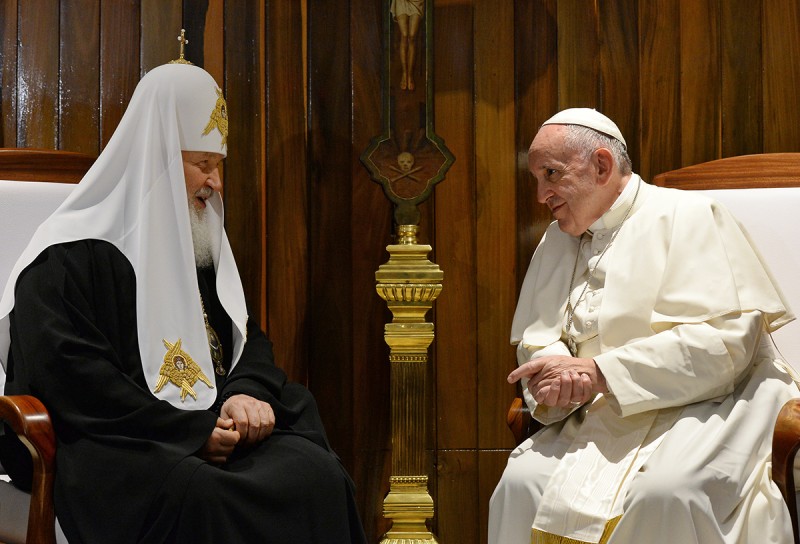
The pope's support for Ukraine has been viewed as a departure from his predecessor Pope Francis, whose legacy among Ukrainians was marred by his at times controversial comments about Russia. In 2024, Pope Francis called on Ukraine to have the "courage" to "raise the white flag" and negotiate with Moscow.


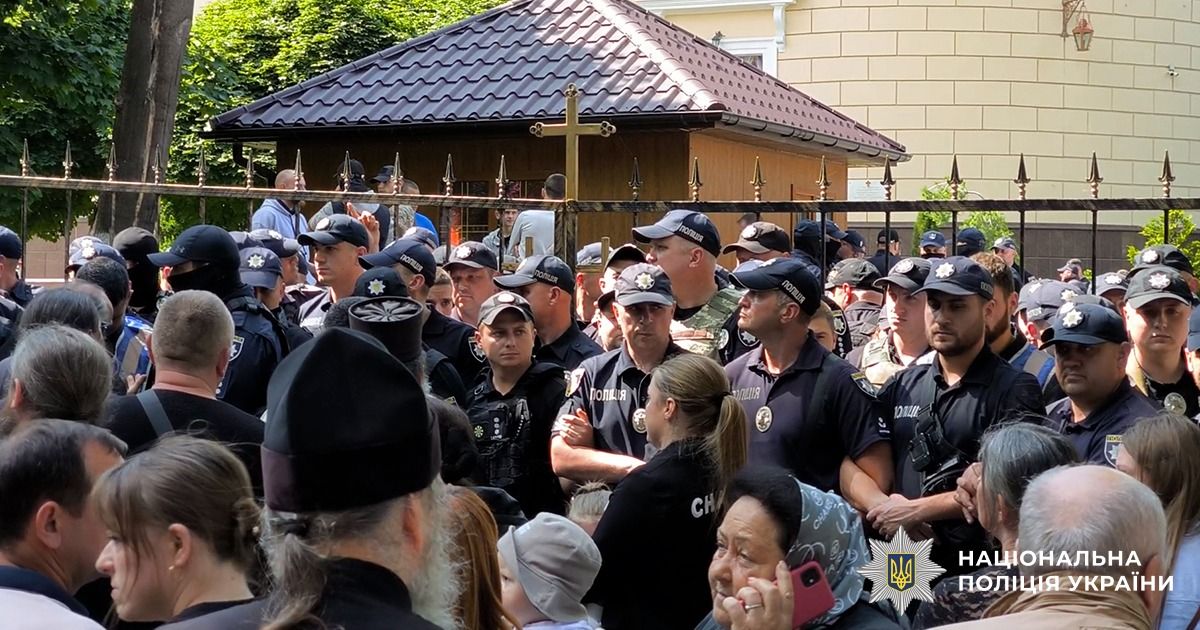
Violent clashes broke out on June 17 outside the Holy Spirit Cathedral in Chernivtsi, a city in southwestern Ukraine, as hundreds of people attempted to force their way into the church following a long-running dispute over its religious affiliation, Suspilne reported.
The unrest reflects Ukraine's broader struggle to sever ties with the Russian-affiliated Ukrainian Orthodox Church of the Moscow Patriarchate (UOC-MP) amid the ongoing war, which was extensively used by Moscow as a propaganda tool.
According to public broadcaster Suspilne, the crowd gathered to assert control over the church, which had recently voted to switch allegiance from the UOC-MP to the Orthodox Church of Ukraine (OCU) — an autocephalous (autonomous) Ukrainian church not affiliated with Moscow.
The police were reportedly deployed to prevent escalation but were eventually overwhelmed as protesters breached the church fence and entered the grounds. Officers deployed tear gas, and medics reported treating around 30 people for injuries.
The confrontation came after local authorities re-registered the Holy Spirit Cathedral and two other major parishes in Chernivtsi under the jurisdiction of the OCU earlier this year. Bishop Feognost of the OCU confirmed to Suspilne that the day marked the first Ukrainian-language prayer service in the cathedral, a significant symbol of the national church’s growing influence.
The dispute stems from decades of tension between Orthodox churches in Ukraine and has intensified since Russia launched its full-scale invasion in 2022. The UOC-MP, while claiming to have severed ties with Moscow, remains legally subordinate to the Russian Orthodox Church, which is seen as a close ally of the Kremlin.
Ukrainian lawmakers passed legislation in August 2024 banning religious organizations with ties to Russia. The law, signed by President Volodymyr Zelensky, gave such organizations nine months to cut all legal and institutional connections with Moscow. Over 100 UOC-MP clergymen have been investigated for suspected collaboration with Russian forces, with dozens facing criminal charges.
Local media say the scene outside the cathedral grew tense as both UOC-MP and OCU supporters gathered. Some attempted to tear down gates while chanting "shame!" and others blocked roads, disrupting traffic. The police temporarily restricted access to the site and launched an investigation.
Suspilne reported that Metropolitan Meletii of the UOC-MP later entered the cathedral after the gates were forced open. Worshippers not aligned with the OCU began a service inside, prompting further clashes. Fire extinguishers were reportedly used inside the building to push back demonstrators.
Chernivtsi Mayor Roman Klichuk initially welcomed the transition of the church to the OCU as a "historic day" for Ukraine's national church, but later deleted the post from his social media page, Suspilne said.
The Moscow-linked church claims it is the victim of religious persecution and insists that it operates lawfully. Critics argue its claims of independence are symbolic and that it remains deeply tied to Russia's religious and political structures.
While Orthodox Christianity remains freely practiced and the most widespread religion in Ukraine, the government and a growing number of citizens view the UOC-MP as a potential security threat.