❌

Vue lecture

Ukraine’s bomber drones, ones that dropped ground robots in its recent Donetsk counteroffensive, are getting 2.4-kilogram jammer to shield them from FPVs
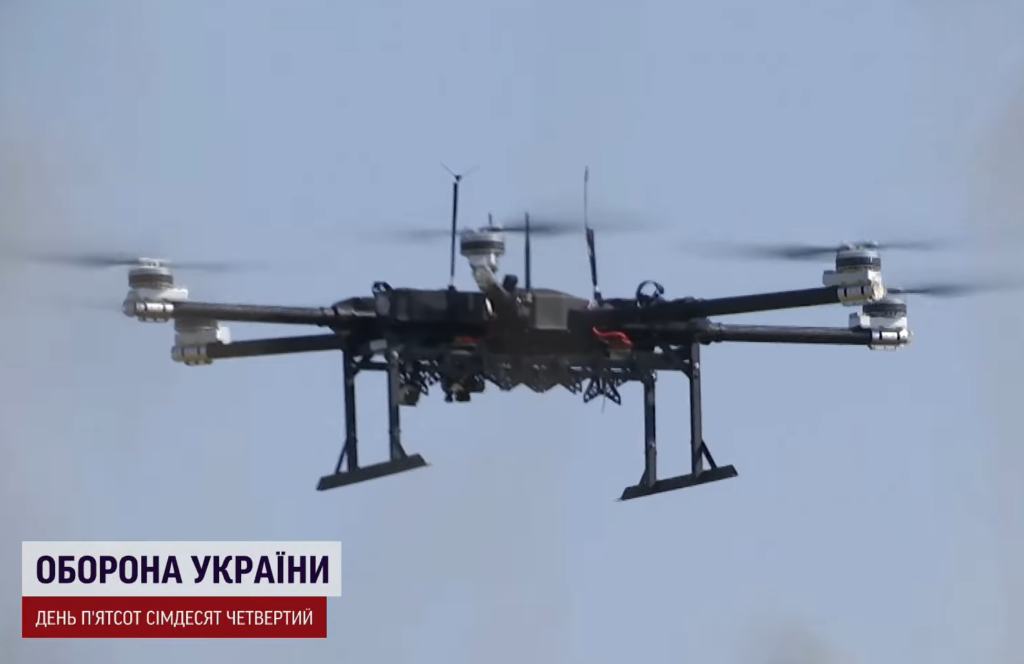
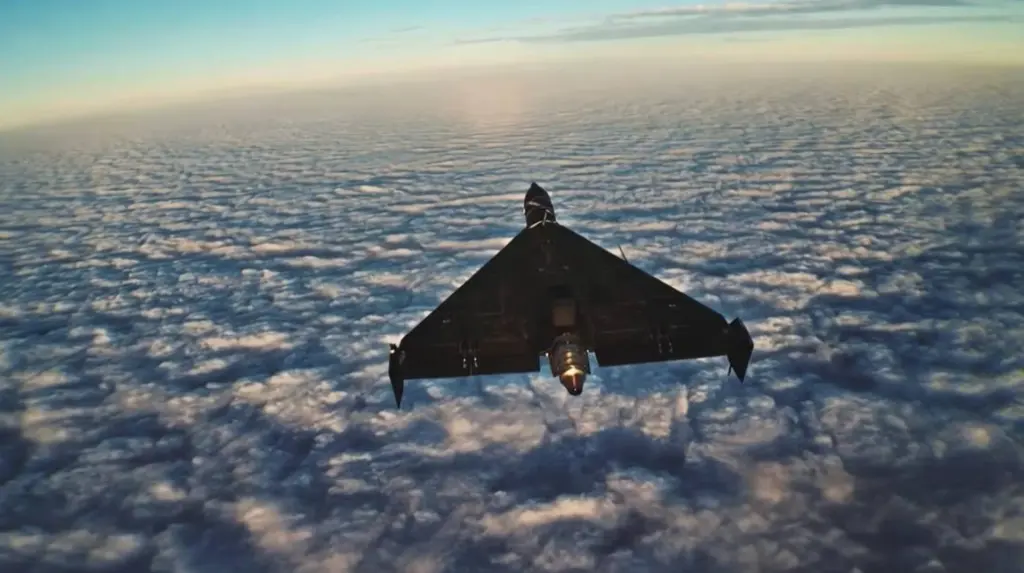
A Ukrainian firm is testing a jammer light enough to ride on a heavy bomber drone and shield it from the enemy FPVs that hunt it. Aura-Ukraine has begun final tests of the system, called Aura 3K mini, the Dignitas Fund, a charity developing it with the manufacturer, Oboronka reports.

The bombers it is built to protect have become some of Ukraine's most valued drones. In the Donetsk operation last month, heavy bombers dropped kamikaze ground robots more than 10 kilometers behind Russian lines. The same weapon has been fitted with guided bombs that strike at long range with high precision.

At the same time, heavy bombers are large, making them prime targets for Russia. Keeping them in the air, and out of enemy hands, is the point of the new shield.

Two jammers cover 360 degrees

Aura 3K mini wraps the drone in a spherical, 360-degree cover using two broadband jammers, the fund says. Two emitters, not one, close the blind angles a single jammer would leave.

They work across the 2.1 to 2.8 GHz band, enough to disrupt FPV drones without cutting the bomber's own Starlink link. The whole device weighs about 2.4 kilograms.

"Radiation-pattern tests start on the front line in the coming days," the fund's press service says, and if they succeed, the system is set for serial production.

The fund moves to automate it

The next step is to make the jammer smarter, the fund says. It wants an auto-on function that fires only when a threat is detected, so the bomber does not give away its position with constant emission.

The team also plans to adapt Aura 3K mini to Vampire-type bombers, the heavy night drones that Russian troops nickname "Baba Yaga". That would widen the shield's reach across more of Ukraine's bomber fleet.

Russia hunts the Baba Yaga

The nickname points to a fairytale Slavic witch who flies by night. The real thing has been hard for Russia to counter: in 2024, a Ukrainian night bomber was often impossible to jam and, by one account, could be destroyed only with a flamethrower. By 2025, Russia was offering its soldiers 10 days' leave for capturing a Baba Yaga it could not build itself.

  •  

As Russia expands attacks on Kyiv, Ukraine prepares to hit Moscow’s oil industry harder in response

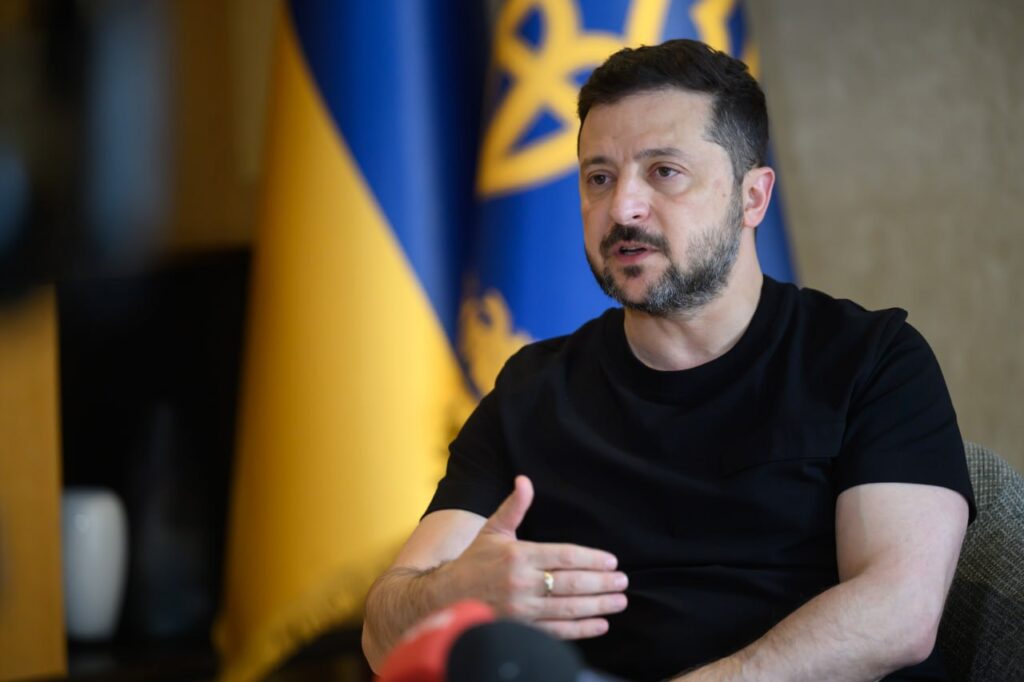
Ukrainian President Volodymyr Zelenskyy, 8 August 2026. Photo: Zelenskyy on Telegram

Ukraine will intensify strikes on Russian oil refineries in response to Moscow’s expanded campaign against Ukrainian infrastructure, Ukrainian President Volodymyr Zelenskyy said in an interview with Reuters on 3 October.

Russia has increased attacks on Kyiv in recent weeks, hitting energy and telecommunications infrastructure, roads, railways, and bridges across the Dnipro. Zelenskyy said Ukraine would respond by targeting the Russian energy infrastructure that helps finance the war.

Russia expands attacks on Kyiv

Russian forces have broadened their strikes on infrastructure in and around Kyiv in recent weeks, with attacks increasingly affecting systems that support civilian life.

Zelenskyy said Ukrainian intelligence obtained documents indicating that Russian authorities had approved a broader policy for targeting infrastructure, including logistics, roads, schools, and hospitals. He said the goal is to put pressure on residents to leave Kyiv and other major cities.

Russia has also begun targeting bridges across the Dnipro, which connect the eastern and western parts of the capital.

Ukraine targets Russia’s war economy

Ukraine plans to keep striking Russian oil refineries because they generate revenue that supports Moscow’s war effort, Zelenskyy said.

The policy puts Kyiv at odds with US President Donald Trump, who has urged Ukraine not to attack Russian oil facilities, arguing that such strikes contribute to higher global diesel prices.

Zelenskyy said he sees no indication that Moscow is prepared for either peace talks or an agreement to halt attacks on energy infrastructure.

Ukraine’s “long-range sanctions” hit targets supporting Russia’s war machine in Samara and Bryansk oblasts, including positions of Iskander missile crews, President Volodymyr Zelenskyy said. He also reported new “results” in the Black Sea.

Zelenskyy said the strikes came in… pic.twitter.com/4OFHaJ2bH7

— Euromaidan Press (@EuromaidanPress) October 3, 2026

Ukraine prepares for a new wave of air attacks

Ukraine is also preparing for intensified Russian attacks on its energy system over the winter. Ukrainian officials say Russia has stockpiled hundreds of ballistic missiles for a new campaign against electricity and other critical infrastructure.

Russia has also expanded its use of fast jet-powered Geran drones, launching dozens each day since the summer.

Ukrainian F-16s and MiG aircraft are intercepting around 60% of these drones, according to Zelenskyy, but ammunition for their 20 mm cannons is running low. Ukraine is increasing the use of electronic warfare and expects a first shipment of small, inexpensive air defense missiles designed to counter the jet-powered drones later in October.

Ukraine is developing five interceptor drone models to counter Russian Shaheds. Two have already undergone testing, with Zelenskyy putting their current interception rate at around 30%.

Ukraine expands its strike capabilities

Ukraine is also expanding its long-range strike capabilities. It has used its domestically produced FP-7 ballistic missile in combat for the first time, with a range of about 250 kilometers, while work continues on the longer-range FP-9.

At the same time, Kyiv is working with European partners to secure additional funding for its defense needs. Ukraine has found financing to order drones for early 2027 and is working to close a $27 billion gap in this year’s defense budget through its own resources, bilateral assistance, and financing linked to the EU’s €90 billion loan package.

Zelenskyy said Ukraine’s ability to sustain its defense and expand its strike capabilities will remain central as Russia prepares for another winter campaign.

  •  

Ukraine’s top general wants to end Soviet rules in army. But president’s wartime headquarters may still hold reforms, commander says

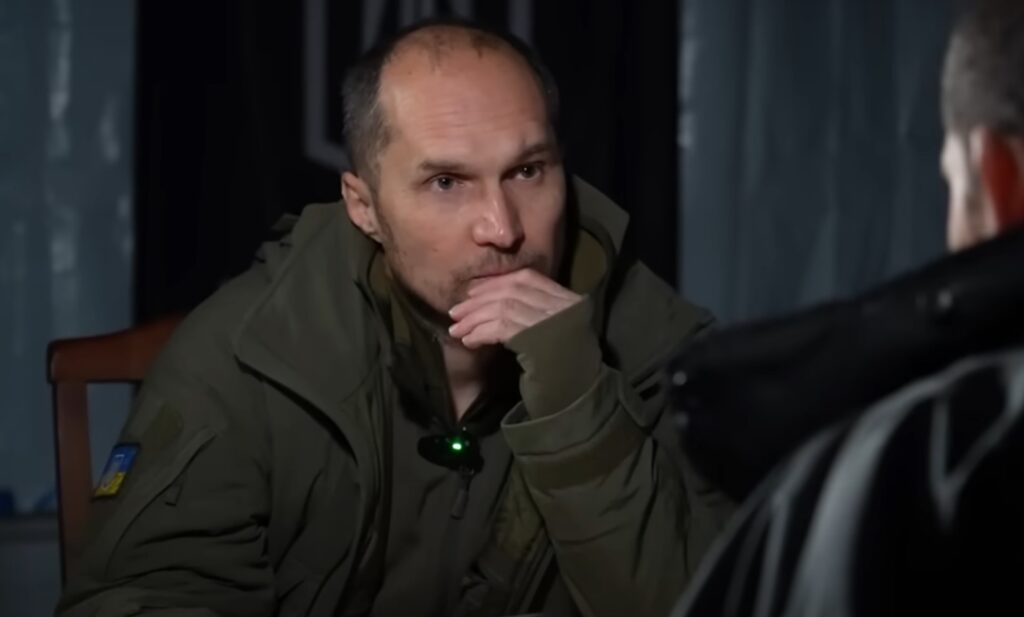
Ukraine's top general is held responsible for the entire army but cannot freely choose the people who run it, says drone company commander Yurii Butusov, according to Radio NV. Commander-in-Chief Mykhailo Drapatyi still lacks full power to form his own command team, with key appointments controlled by the president's wartime lead, which unbalances the force, he believes.

Drapatyi was named a commander-in-chief in July. Since then, he has moved fast where he can: cutting more than 30 obsolete, Soviet-era General Staff orders, pressing to give combat-tested sergeants real authority, and opening a review of the officer corps to weed out those without combat experience.

For the reform of the force, Butusov argues, he has to be able to build his own team, and that is just what he is not being allowed to do. Key appointments, from the Air Force to the Air Assault Forces, stay under the direct control of the Supreme Commander's headquarters.

The headquarters keeps control

"One person should be responsible for managing the General Staff. It is Mykhailo Drapatyi, if he is given the chance to really be the sole commander-in-chief," Butusov says.

Any leader, he continues, has the right to build a structure to his own standards. But when people are slotted into the chain of command without the commander's knowledge, it breeds dysfunction.

"If there are political appointments to the General Staff without his knowledge, to the commanders of the branches without his knowledge, there will be problems, opposition, internal conflicts," he says, the kind that have dogged the army for years.

One deputy stays 'acting'

The limits show in Drapatyi's own inner circle, Butusov says. One of his first moves was to name Serhii Sobko deputy chief of the General Staff, yet Sobko remains only "acting", the prefix never lifted.

Only the president, as supreme commander, can finalize such appointments, he notes, and the delay points to "artificial restraints." Drapatyi has been allowed to shape the Ground Forces, by his account, while other structures remain under the headquarters' control.

Blame outruns the power

The result, in Butusov's words, is a commander-in-chief who carries the responsibility without the authority: the public and leadership hold him answerable for an army he cannot fully command.

  •  

“No alien quantum modems”: 1 to 3 concealed devices in Kyiv may be why Russian drones keep hitting so precisely, Ukraine’s top tech adviser says

ukraine spent three years learning catch russian drones—so russia made fly faster · post geran-3 jet-powered attack drone wild hornets c1c840787fca380485636007cf683d71 news ukrainian reports

A few hidden transmitters may be sitting somewhere in Kyiv, switching on just long enough to steer Russian drones onto their targets. Presidential adviser Serhii Beskrestnov, known as Flash, says one to three concealed enemy repeaters may be operating in the capital, giving Russia a brief online channel to guide jet-powered Gerans onto precise targets.

He calls the devices MESH repeaters, compact modems that relay a short control signal to a Geran at the moment of attack, a channel Ukraine has been testing electronic warfare against for months. As long as they operate, he warns, sealing the city with jammers will not work.

Flash makes the case

"I now insist that the enemy's MESH radio repeaters are being switched on in Kyiv, providing a temporary, short-term control channel for jet-powered Gerans to adjust strikes," Flash says.

He keeps the number low: "Maybe 1 to 3. Such repeaters are hard to find, but we have to search." As evidence, he points to the guided strike on the headquarters of Ukraine's Security Service. A Russian agent, he said then, likely switched on a MESH relay within five kilometers of the target for the length of the attack.

The wreckage shows no other hidden link, he adds: "No LTE, no Rassvet, no alien quantum modems."

Jamming alone won't shield Kyiv

The stakes, in his telling, run past the bridges.

"As long as online control of the drones exists, not only the bridges but the air-defense assets on them will be under threat," Flash explains, noting that a Gepard anti-aircraft gun on a bridge crossed by tens of thousands a day cannot be hidden.

Without a stable channel right up to the impact point, he argues, a drone cannot strike a bridge pier or cable precisely. He leaves room for doubt, ending, "Let me be wrong about the repeaters." Yet in the whole war, he adds, he has "never once been wrong" in his technical reads of the enemy.

  •  

Ukraine’s $33 veterans’ gym subsidy drew 800,000 uses. Now it is gone, squeezed by war and stalled reforms, holding up $20 billion in aid

rehab-center2

Ukraine has stopped paying veterans to go to the gym because of the economic crisis looming in the country, the war, Russian strikes, and the lack of reforms needed to receive extra funds from the EU. The Veteran Sports program, which provided veterans and combat participants with about $33 per quarter toward a nearly monthly gym membership, was suspended on 1 October after the state found no funds for it, the Ministry of Veterans Affairs said.

The suspension is a telling sign of Ukraine's budget squeeze, and the ministry puts it plainly: defense comes first, so the money for everything else runs short. It fits a wider government decision to freeze non-essential spending and fund only the army, pensions, and public wages.

The program proved far more popular than planned, drawing more than 800,000 users and costing over double its budget.

Defense takes the money

"The main priority of state spending remains the country's defense. Under these conditions, the state budget's ability to finance other areas is limited," the ministry said.

Launched in 2026 with about $13 million for an expected 100,000 recipients per quarter, and roughly 300,000 applications over three, the program instead saw more than 800,000 uses. Payments passed $27 million, more than twice what was set aside.

The crisis runs deeper

The squeeze has two main drivers. Russia's intensifying strikes on Ukraine's energy and infrastructure are pushing the war's cost higher and battering the economy.

And billions in Western money sit on hold: Kyiv has struggled to complete the reforms the EU set out before releasing roughly $20 billion in aid, and the prime minister has admitted that part of it is late because Ukraine missed commitments to its partners.

The ministry plans a 2027 restart

Ukraine intends to bring the program back in 2027, this time for good, said Deputy Veterans Minister Ruslan Prykhodko.

"We have to account for real demand, fix the shortcomings we saw this year, and make the use of funds more targeted," he said.

In next year's budget, Ukraine would provide significantly more funds, he added. In the meantime, the ministry says it is talking to the sports community and businesses about covering the gap for veterans, with concrete proposals to come.

  •  

Russia strikes second major Kyiv bridge in two days as attacks disrupt movement across the capital

Kyiv's Northern Bridge connecting the city's two sides across the Dnipro River. Photo via Wikimedia Commons

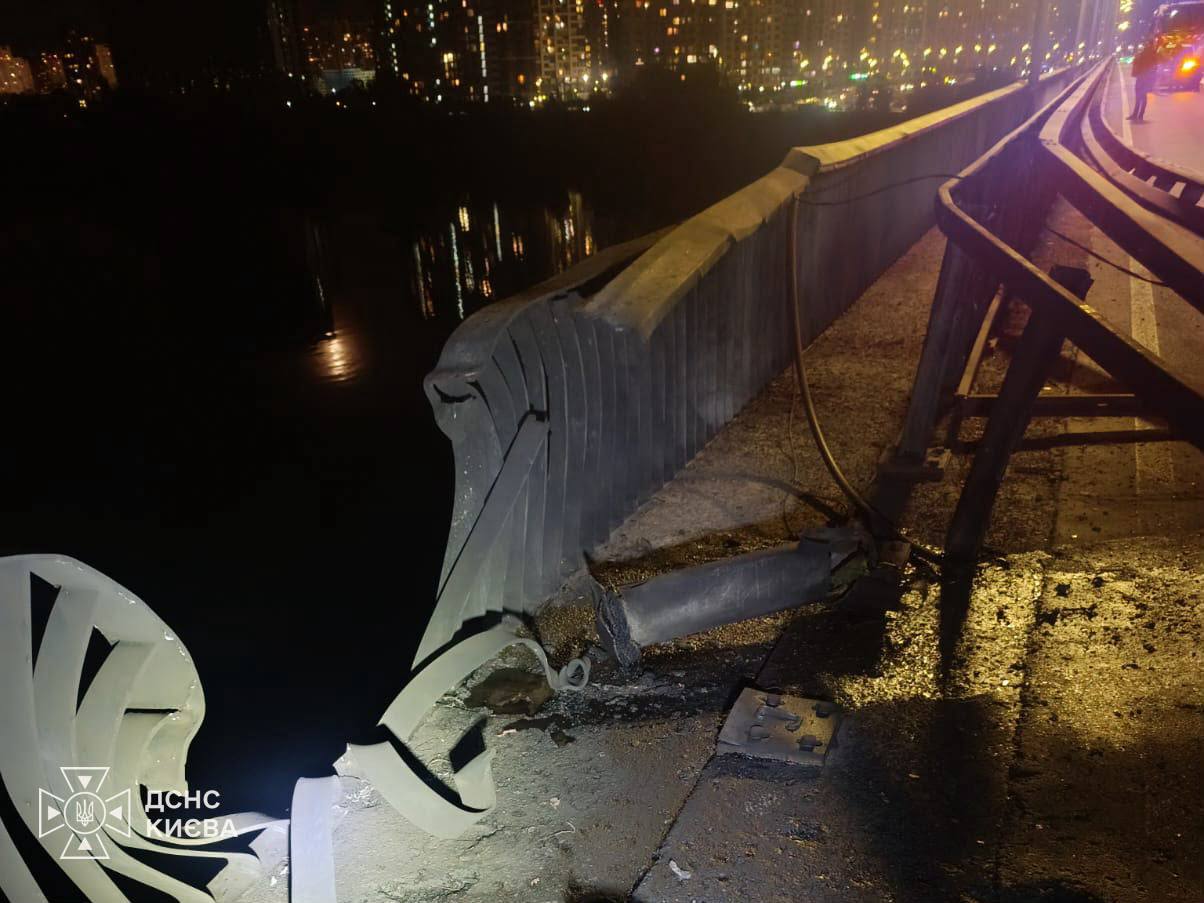
Russia struck Kyiv’s Northern Bridge with a drone on 3 October, damaging the roadway and overhead trolleybus lines, Kyiv Mayor Vitali Klitschko said. Two people were injured, one of whom was hospitalized.

The strike came one day after repeated Russian drone attacks on the Southern Bridge, which damaged its support structures, road surface and subway infrastructure and forced its closure. The attacks caused severe traffic disruption across Kyiv, with major roads gridlocked and some people reportedly walking across bridges.

Another key bridge targeted

The Northern Bridge connects Kyiv’s Obolon and Troieshchyna districts and is one of the capital’s major routes across the Dnipro.

Damage to its roadway and trolleybus network adds another disruption to Kyiv’s transport system after the attacks on the Southern Bridge. The Northern and Southern bridges are among the capital’s key crossings between its eastern and western banks.

Damage to Kyiv's Southern Bridge connecting the left and right banks of the city following several Russian drone strikes on 1-2 October, 2026. Photo: Ukraine's State Emergency Service
Explore further

Russia repeatedly attacks bridge connecting Kyiv’s two sides across the Dnipro river, disrupting transport across the capital

Kyiv changes bridge restrictions

Kyiv authorities announced temporary changes to bridge traffic rules following the attacks.

During air raids, traffic on the Southern Bridge will be restricted for 15 minutes in the direction from the right bank to the left bank, while traffic in the opposite direction will remain open. On the Podilskyi-Voskresenskyi Bridge, traffic in both directions will stop for 15 minutes when an air-raid alert is announced or lifted.

The Northern, Darnytskyi, Paton and Metro bridges will operate without restrictions during air raids, according to the Kyiv City Military Administration.

Russia’s repeated strikes on Kyiv’s Southern Bridge are now severely disrupting traffic across the capital.

Major roads are gridlocked, with some people reportedly walking across bridges as traffic comes to a standstill. Photos from Suspilne show the resulting congestion on… pic.twitter.com/7SyYG0WOCO

— Euromaidan Press (@EuromaidanPress) October 2, 2026

Russia intensifies attacks on Kyiv

The bridge strikes come amid an intensifying Russian aerial campaign against Kyiv. Russian drones and missiles have increasingly targeted the capital in recent weeks, damaging residential buildings, schools and infrastructure and disrupting daily life.

The attacks on the bridges add a different dimension to that campaign, directly disrupting movement between Kyiv’s two banks. With multiple crossings affected within days, the strikes have already translated into major traffic disruptions for the city’s residents.

  •  

Three Russian missiles and two drones strike Moldovan territory in morning attacks on neighboring Ukraine. Moldova is increasingly exposed to the risks of Russia’s war next door

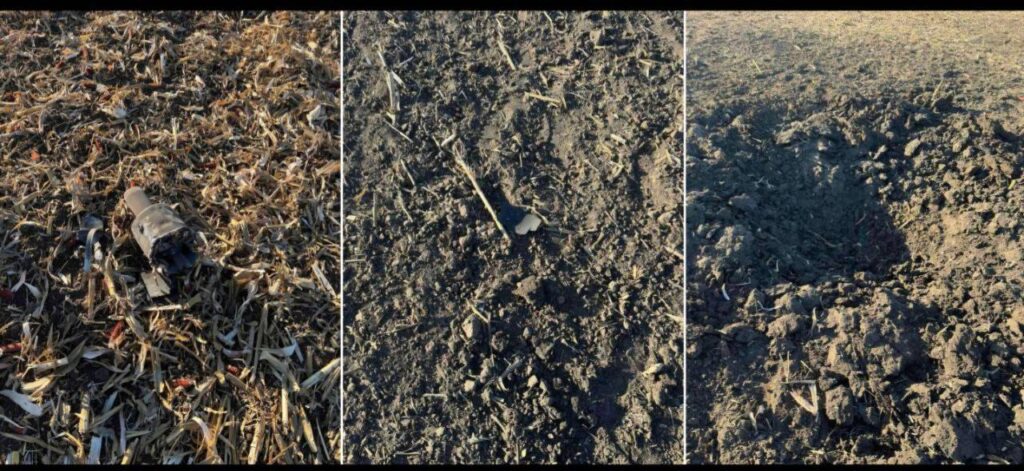
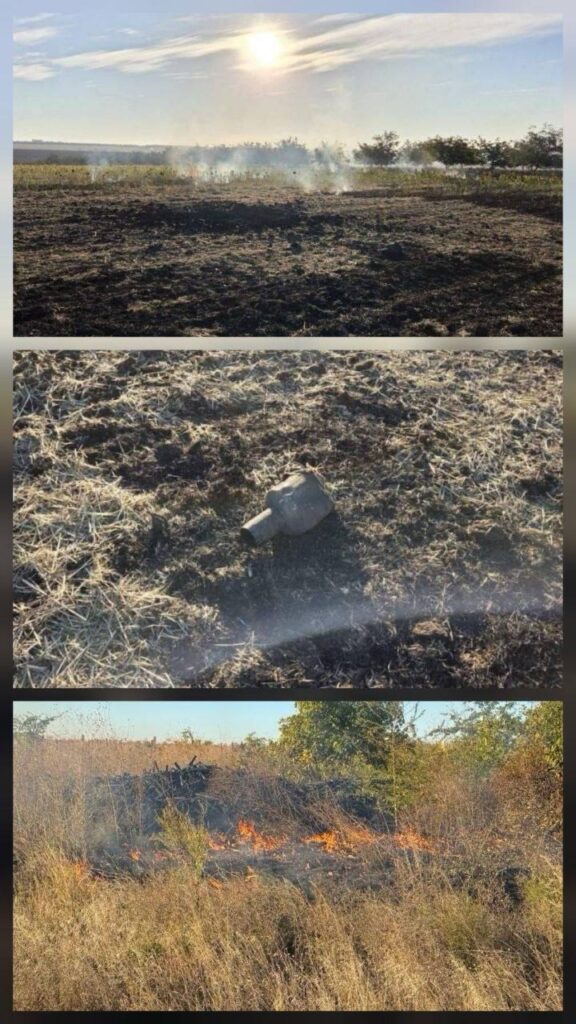
Fragments of Russian drones or missiles that struck Moldovan territory on 3 October 2026. Photo: Moldovan Police via Newsmaker

Three Russian missiles and two drones crossed Moldova’s airspace and exploded on Saturday morning, Moldovan Defense Minister Anatolie Nosatîi told TVR Moldova.

Moldova has seen a dramatic increase in Russian drone incursions in recent weeks as Russia ramps up near-constant drone attacks across Ukraine.

The five incidents occurred between 7:45 and 8:00 a.m., with explosions and debris reported across several districts. Moldova’s Foreign Ministry condemned the airspace violation.

Explosions and debris reported across Moldova

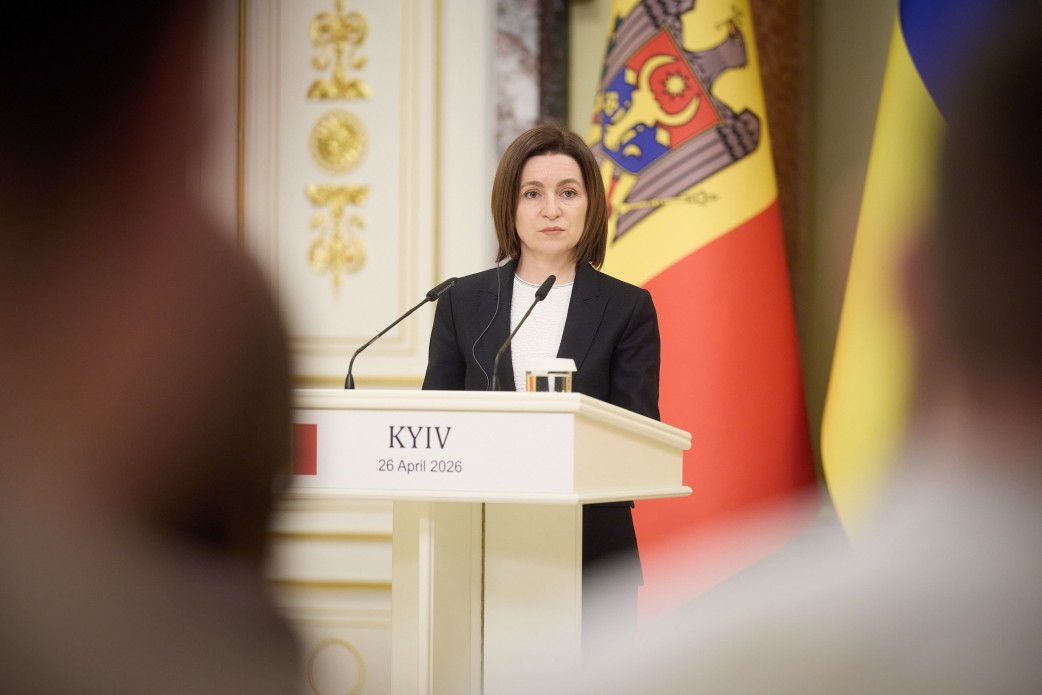
The Moldovan authorities initially said that five drones had crossed the country’s airspace before Nosatîi clarified that the five incidents involved three missiles and two drones. President Maia Sandu said the missiles were Banderol-type missiles, according to NewsMaker.

Nosatîi said the incidents had been documented and that evidence recovered at the sites could be presented to Russia’s ambassador.

Moldova’s Foreign Ministry said Russia’s war against Ukraine continues to create concrete threats for the country and condemned the violation of its airspace.

moldova counted 39 russian drone incursions eight months against 17 all 2025 · post maia sandu chairs meeting moldova's national security council 21 2026 sandu/facebook ukraine news ukrainian reports
Explore further

Moldova counted 39 Russian drone incursions in eight months, against 17 in all of 2025

According to NewsMaker, fragments were found outside Căușeni, near Dubovca in Hîncești District, between Delacău and Puhăceni in Anenii Noi District, and near Crocmaz in Ștefan Vodă District.

Near Crocmaz, an explosion in a vineyard field caused a vegetation fire and damaged windows at a nearby agricultural facility. Fragments were also found near Constantinovca in Căușeni District, where an explosion caused another vegetation fire.

Map of Russian attacks on Moldova, 3 October 2026. Map from social media

Moldova’s Defense Ministry later reported a sixth unauthorized flight over the country that did not result in an explosion. The object entered Moldovan airspace at 8:04 a.m. from the direction of Udobne, Ukraine, and exited a minute later toward Biliaivka, Ukraine. 

Fragments of Russian drones or missiles that struck Moldovan territory on 3 October 2026. Photo: Moldovan Police via Newsmaker

Moldova seeks stronger air defenses

Asked why the weapons were not intercepted, Nosatîi said Moldova was taking measures to strengthen its air-defense capabilities and acquire interception systems.

He said the drones are sophisticated and fast, adding that Moldova, like Ukraine, is learning how to defend against them. He also said Moldova needs additional resources to protect its 1,212-kilometer border with Ukraine and monitor its airspace.

romania's jets shoot down bulgaria's navy blows up moldova only now funding air defense russia hits ukraine · post moldovan president maia sandu kyiv anniversary chernobyl nuclear disaster 26 2026
Explore further

Moldova is investing in air defense against the Russian drones crossing from Ukraine—Romania shoots down the ones that reach it

Moldovan authorities urged residents not to approach or touch any fragments they find, but to mark the location and notify police or the military so the area can be secured and the debris neutralized.

  •  
❌