❌

Vue lecture

Russia adds new weapon to its jet-powered drones, even more dangerous: 40-kilogram charge made to sever high-voltage pylons and iron bridges
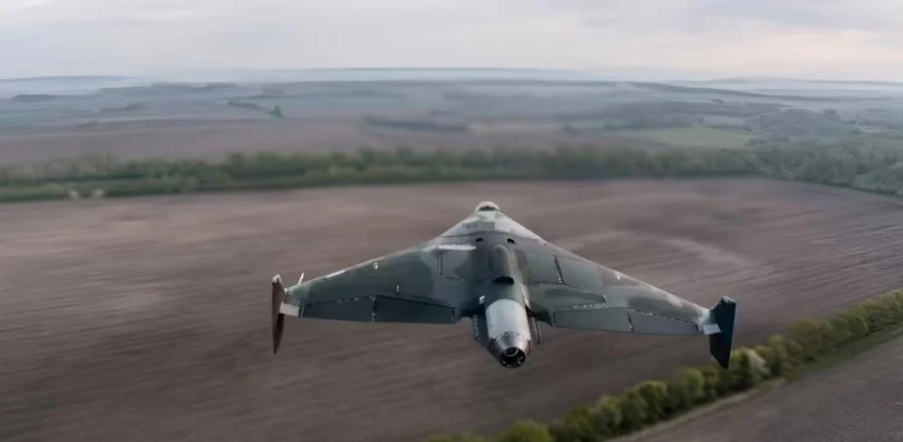
Russia's new "Geran-4 Siker" Shahed variant uses machine-vision AI for targeting. Source: Warhronika

Russia has a new warhead for its drones, and it is built to cut down power lines. For the first time, a jet drone has carried a shaped "cumulative-cutting" charge designed to sever high-voltage pylons and iron bridges, Serhii Beskrestnov, presidential adviser, known as Flash, said, as Russia opened its heaviest assault on Ukraine's power grid since last winter.

On 30 September, Russia launched its massed fall-winter campaign on Ukraine's energy infrastructure since the last heating season, hitting power sites across 11 regions overnight with missiles and drones, Prime Minister Serhii Koretskyi said.

The new warhead fits the aim: Flash says it is meant to bring down the high-voltage lines that carry the country's electricity. And Ukraine enters the winter exposed, with its energy resilience plans less than half complete.

A new charge targets the pylons

The device, which Flash calls a cumulative-cutting special load, is designed specifically to bring down high-voltage pylons and iron bridge structures.

"It consists of a main charge weighing 40 kilograms and four strike modules," he says.

In his reading, Russia intends to go after the major transmission lines that move power across the country, the backbone of the grid, rather than the substations it has struck before.

The campaign builds toward November

On 29 September, two senior Ukrainian officials told The Economist that Russia launched a three-part campaign of attacks on Kyiv, combining massive bombardments, sabotage, and the creation of political chaos. These efforts aimed at destabilizing the Ukrainian capital would peak by November, they said.

According to a representative of the Security Service of Ukraine, Russia has "thousands" of drones in its arsenal and is simultaneously expanding its stockpile of ballistic missiles. The plan is to "deploy the entire arsenal over the next two months," given that Ukraine lacks an effective weapon against jet-powered drones.

  •  

Kyiv’s supermarkets are the new front line as Russia hunts civilian life before winter

Aftermath of the Russian strike on a store in Kyiv Oblast, September 30, 2026.

Russia is preparing to make daily life in Kyiv harder before winter, aiming at the ordinary places civilians use rather than at military sites, The Economist reported. Ukrainian officials say the push blends bombing, sabotage, and disinformation, and expect it to peak in November.

Every winter of its full-scale invasion, Russia has tried to freeze Ukrainians into surrender, and each year the strikes reach deeper into ordinary life. The civilian casualties recorded in 2026 have already passed the whole of last year, the UN says.

From the power grid to the grocery store

Russia has already turned its drones on Kyiv's supermarkets, food warehouses, and data centers this year. On 28 September, a Russian jet drone struck the National Academy of Sciences in central Kyiv. The strike killed two people, the Academy said. Survivors climbed from the windows of the burning building. A senior Ukrainian official told The Economist the Kremlin now wants shoppers too afraid to enter a store. Russia is also keeping its winter routine, hitting electricity, water, and sewage systems.

Cheaper jet drones that stream live to their pilots

Most of the damage now comes from Russia's cheap jet drones, The Economist said. Pilots guide them onto targets and watch a live video feed. They are hard to stop, and Russia's ballistic missiles are deadlier still as Ukraine's supply of Patriot interceptors dwindles. Ukrainian President Volodymyr Zelenskyy said Kyiv had agreed a new Patriot interceptor package, but it remains short of interceptors of its own. A security official told The Economist that Russia has thousands of drones stockpiled and plans to use its entire ballistic missile stock within two months.

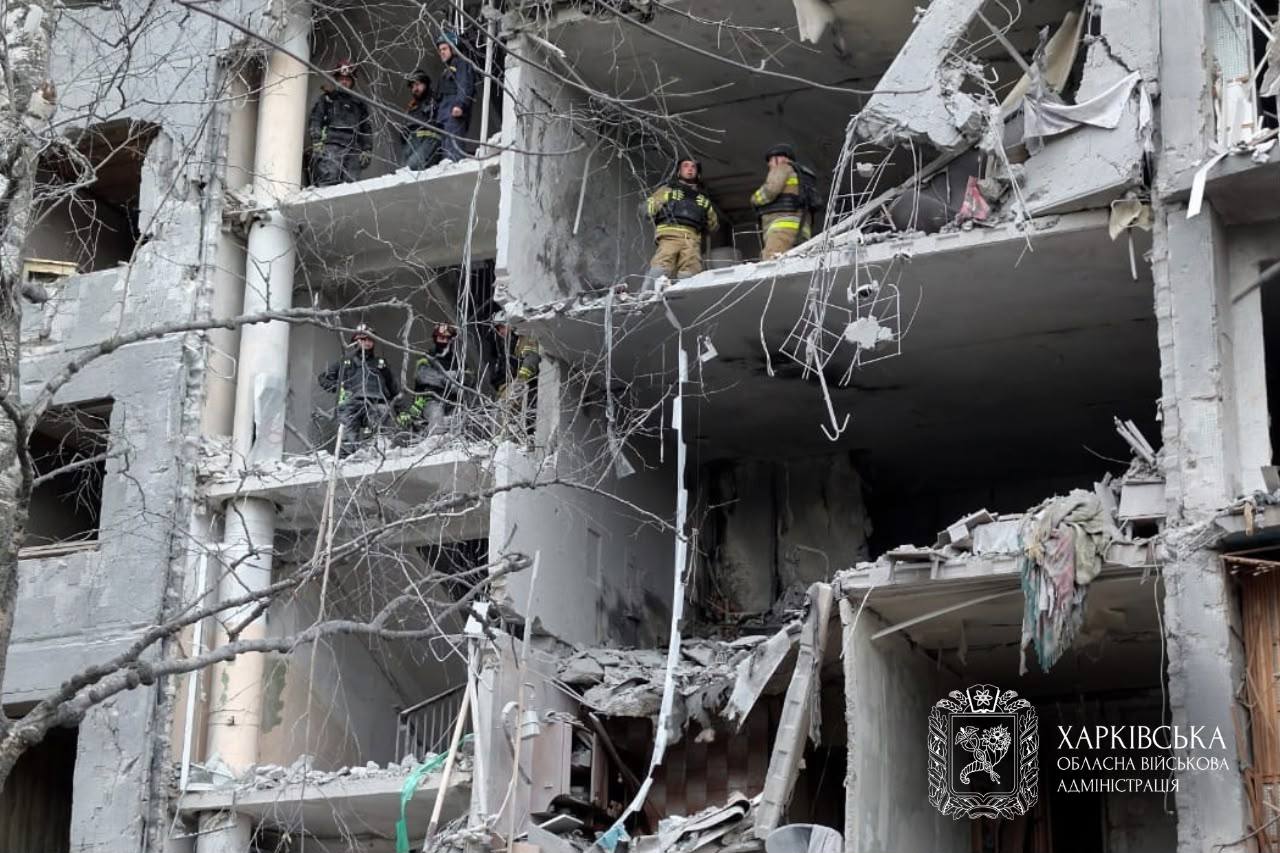
russia hits kharkiv high-rise overnight injuring 43 people strikes central kyiv dnipro broad daylight · post rescuers destroyed floors apartment building hit ukraine 28 2026 synehubov5319173733626879672 news ukrainian reports
Explore further

War is costing Ukraine $155 billion per year. With Western aid running late, Kyiv is freezing everything but army, pensions, and public wages

Sabotage, chaos, and a city that won't switch off

Ukraine's counter-intelligence services say they foil seven or eight Russian plots a week, and officials believe some sleeper cells remain. The campaign's third element, disinformation, targets war fatigue and corruption scandals. Russia runs the same plan every year, hoping its bot farms will push Ukrainians onto the streets to demand surrender, said Andrii Kovalenko, who heads the Center for Countering Disinformation at the National Security and Defense Council.

"It's nonsense," he told The Economist, adding that someone is feeding the idea to Putin so they can steal more money.

Kyiv is also far harder to shut down than Moscow assumes, Kovalenko said. The city's internet is too decentralized for a handful of strikes to knock out, The Economist noted. Energy expert Olha Babii said the test is how fast crews restore power, not whether it can be destroyed. The capital is emptying, its population down from about 3.7 million to 3.3 million by The Economist's count.

  •  
❌