❌

Vue lecture

EU lawmakers renew push to seize frozen Russian assets as Ukraine faces its toughest winter yet with a €23 billion defense funding gap
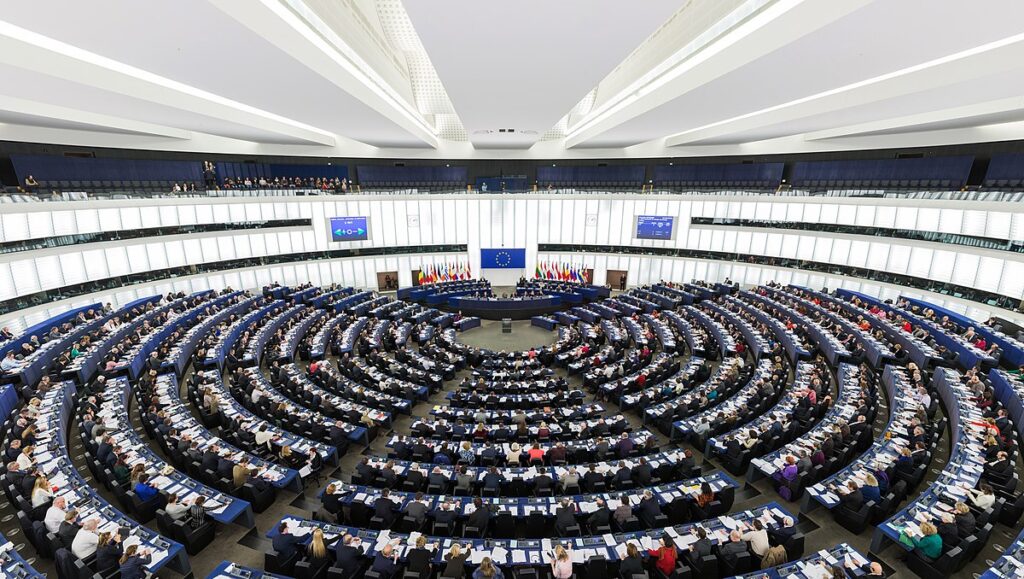
The Hemicycle of the European Parliament in Strasbourg during a plenary session in 2014.

More than 100 European Parliament members are urging EU leaders to revive plans to use frozen Russian assets to support Ukraine, as Kyiv faces a €23 billion shortfall in defense funding, Euronews reports.

Russia is expanding its attacks across Ukraine, with growing numbers of missiles and drones striking cities and critical infrastructure far from the front line. Kyiv expects the coming winter to be the most difficult period of the full-scale war yet, increasing the need for reliable funding to sustain air defenses, energy repairs, and the military.

A letter signed by 122 MEPs from across the political spectrum calls for a new proposal to overcome legal and financial concerns that have stalled the use of the assets. Euronews reported on the letter on 10 September.

The EU holds more than €200 billion in Russian central bank assets, most of them in Belgium. The European Commission previously proposed using the assets to back a zero-interest loan for Ukraine, but EU governments failed to reach an agreement over the legal risks, particularly concerns raised by Belgium.

Ukraine faces a major funding gap

The renewed push comes as Ukraine prepares for another year of war while its defense spending needs continue to grow.

According to the MEPs cited by Euronews, Ukraine has identified a €23 billion gap in defense funding. Kyiv needs sustained financing for weapons, ammunition, air defense, drones, and other military needs as Russia continues its war and expands the scale of its attacks.

The EU has already approved a €90 billion support loan for Ukraine, but lawmakers argue that this will not cover the country’s needs. The estimated cost of damage caused by Russia’s invasion has already surpassed €600 billion, according to the letter.

For Ukraine, securing predictable long-term funding is particularly important as it cannot rely indefinitely on individual EU governments finding additional money in their national budgets.

MEPs seek a way around legal concerns

The proposal is backed by lawmakers from the European People’s Party, Renew Europe, Socialists and Democrats, Greens/EFA, European Conservatives and Reformists, and The Left.

They are calling on the European Commission to create a new mechanism that could take on the legal obligations linked to Russia’s central bank assets. This could allow the funds to be used to support Ukraine without directly transferring the frozen assets to Kyiv.

Belgium has been the main obstacle to the previous proposal because the assets are largely held by Euroclear, a Brussels-based financial institution. The Belgian government is afraid that Russia could pursue legal action against Belgium if Moscow’s assets are used.
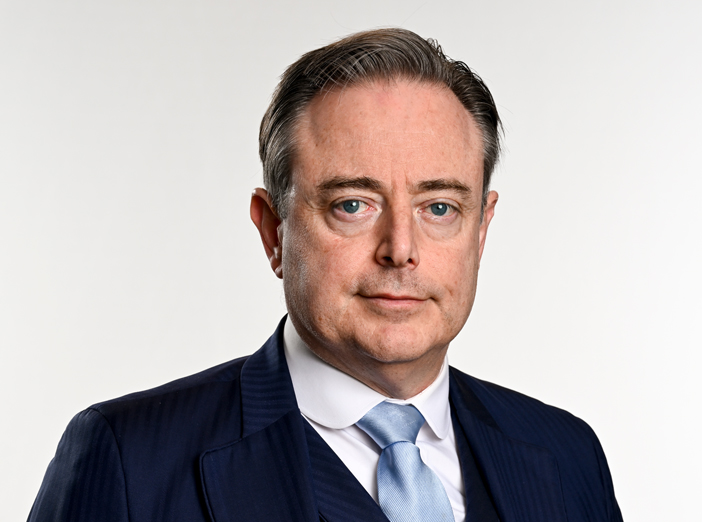
belgium blocks eu’s last-ditch push unlock €210b ukraine · post belgian prime minister bart de wever premierbe de_wever (1) news ukrainian reports
Explore further

Belgium blocks EU’s last-ditch push to unlock €210B of frozen Russian assets for Ukraine

The MEPs argue that Russia should ultimately bear the financial cost of the destruction caused by its invasion.

“Russia should bear the financial consequences of its war of aggression,” the letter says.

  •  

Romania plans to send 20 officers to support Ukraine, but presidential administration denies claims Romania is being drawn into the war

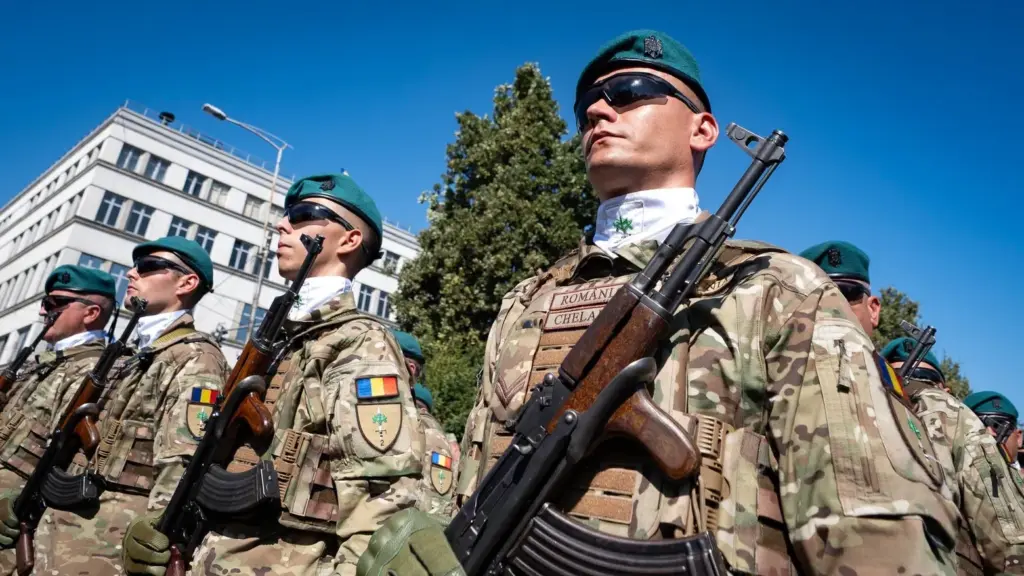
Romanian military personnel. Photo: Romanian Ministry of National Defence / Facebook

Romania’s presidential administration denied rumors circulating online that the country would send military personnel to the front in Ukraine. It called such claims “an alarmist manipulation.” Up to 20 officers are expected to join the command structure of the multinational support force, which is based in France and the United Kingdom, according to the statement.

Russia’s war against Ukraine is affecting Black Sea region states, including Romania, the Romanian presidential administration said on 9 September. Consequently, the country is taking measures to protect, first and foremost, its own citizens, the statement said. Romania is bolstering its defense capabilities against the backdrop of Russian drone airspace violations.

Why is Romania sending these military personnel?

“Romania's top priority is protecting and defending our citizens, which is why our country participates in all international formats that help achieve this major security objective,” the presidential administration explained.

It cited the Coalition of the Willing for Ukraine as one such format, which was established to provide Ukraine with a system of political and legal guarantees after a ceasefire agreement is reached. The administration said that the coalition’s work would provide guarantees of peace and stability for the entire Black Sea region.

The administration highlighted the Operational Command for the Multinational Force in Support of Ukraine, which has been operating since 2025 and which Romania plans to join. For this purpose, the president asked parliament to approve the participation of up to 20 military personnel. They will work at the headquarters and in subordinate command structures.

Bucharest stressed that these military personnel will not take part in combat operations on Ukrainian territory and that Romania will not send its combat troops to Ukraine.

Romania has supported Ukraine for years

Romania is an EU member and has supported Ukraine since the start of the full-scale invasion. The country is also ready to become a transit hub for Western peacekeeping forces, then-Romanian President Ilie Bolojan said last year. He said that supporting Ukraine is also necessary for the security of Romanian citizens.

"Our consultations confirmed Romania's principled readiness to continue supporting Ukraine. It is not just about helping a victim of aggression—an essential issue—but also about protecting our own security. If Russia's current course continues, and given this region's history, Ukraine may only be the first target," Bolojan warned.

In December of the same year, Romania allocated €50 million for Ukraine’s defense through the US-led PURL initiative. The initiative aims to purchase US weapons for Ukraine, with allies providing the funds while NATO handles the logistics.

  •  

Ukraine’s Bulava drone can now hunt in the dark—one camera handles day and night

ukraine's bulava drone can now hunt dark—one camera handles day night · post kamikaze “bulava” ukraine news ukrainian reports

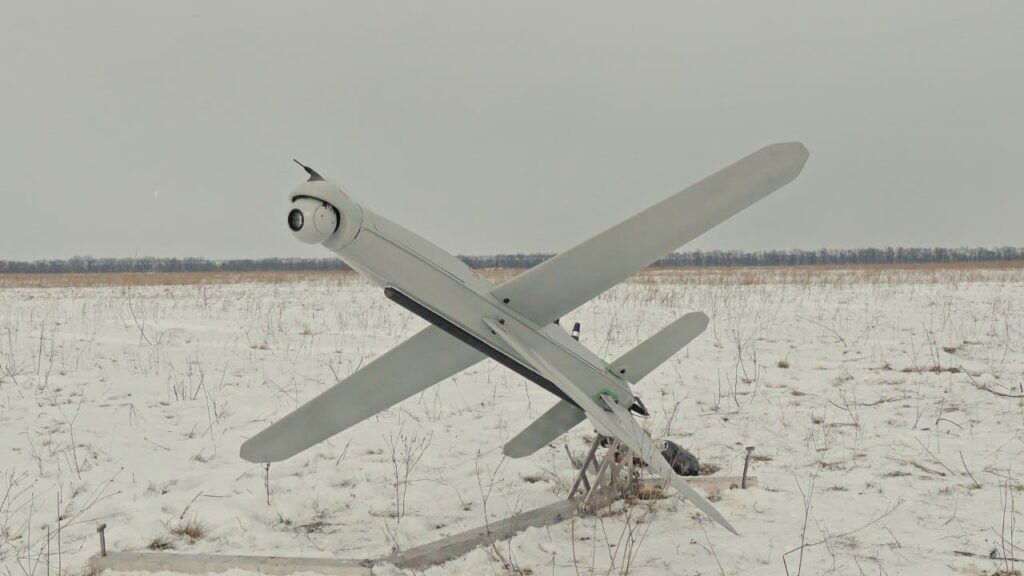
Ukraine's Bulava strike drone can now hunt around the clock, its crews no longer switching optics between day and night. Its maker, DeViRo, showed the upgraded drone at a defense exhibition in Poland, the Military news outlet Militarnyi reported. The overhaul brings a new camera and lengthens the drone's flight time, and the developers say they substantially improved its flight characteristics. The company said every future production batch will carry the new optics.

Ukraine's war effort increasingly runs on small private firms that keep sharpening cheap drones in months, reworking weapons already in the fight rather than waiting years for a new model. A drone that sees in the dark can work the same targets after sunset that it hunts by day.

One camera for day and night

The updated loitering munition carries a multispectral optical station that lets it operate at any hour, a company representative told Militarnyi at the MSPO defense exhibition in Poland. The station packs a daytime channel and a thermal-imaging channel into one body, so crews no longer swap in different camera modules depending on the time of day. Operators flip between the two modes in the control station's software while the drone is already in the air.

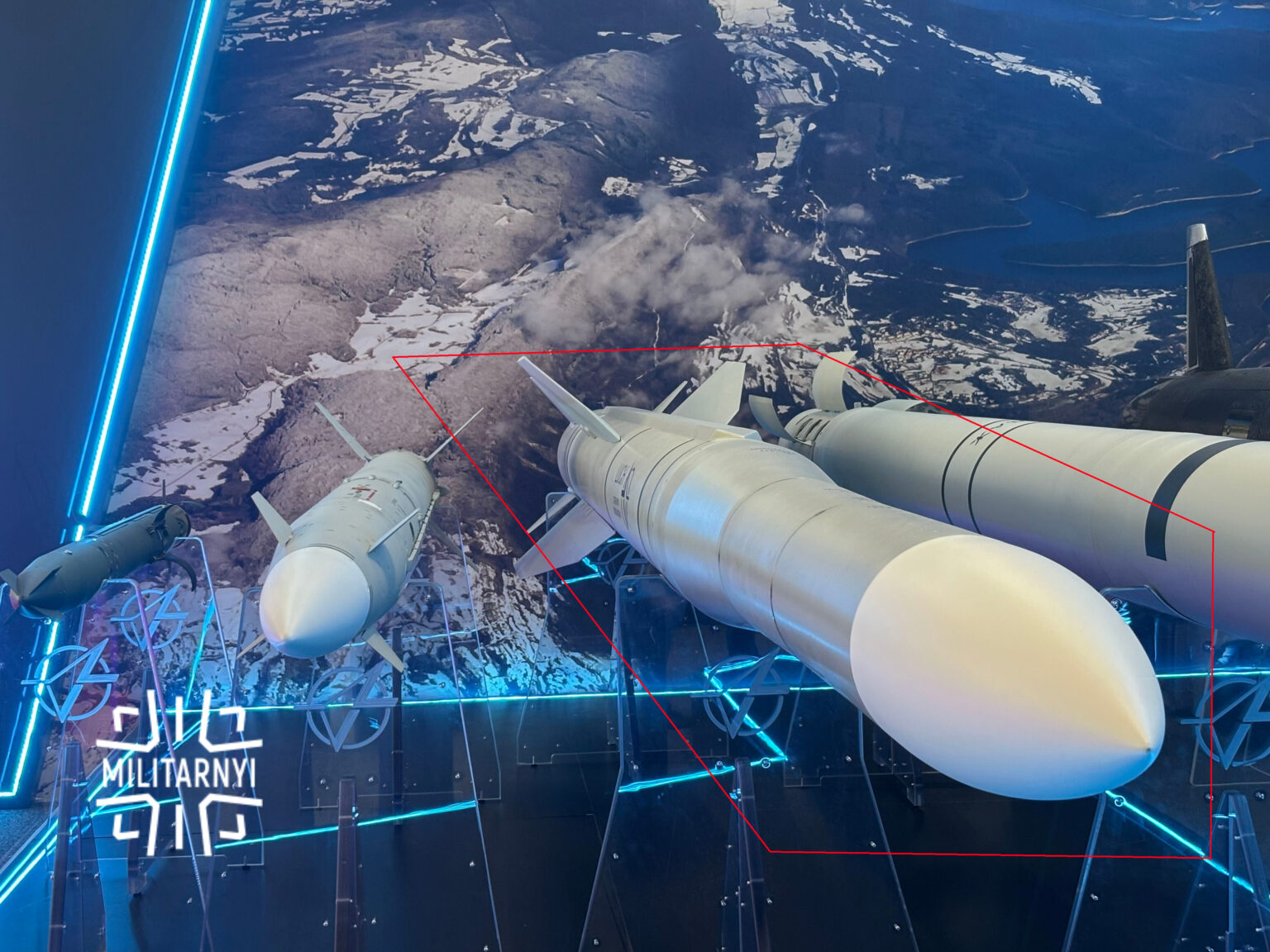
A display model of the "Koral" short-range anti-aircraft missile at the MSPO 2026 international defense exhibition. Source: Militarnyi
Explore further

Ukraine shows a home-built missile designed to hit ballistic targets for the first time, the Koral, at Poland’s MSPO

Longer in the air, 120 to 130 km out

Bulava now stays aloft for up to 110 minutes, and its guaranteed working range runs from 120 to 130 km, with room to grow depending on conditions and crew training.

DeViRo tied the drone to a summer campaign against Russian logistics, in which it says Bulava crews cleared the way for deeper strikes.

"We knocked out enemy radars and air defenses so that deep strikes could fly as deep as possible," the company representative said.

The company says its crews took a very active part in that campaign, which hit Russian supply routes across the south.

An interceptor in the same family

DeViRo builds more than strike drones. In March, it introduced the Sokyra interceptor, a prototype built to shoot down Russian attack drones. The prototype was listed at 240 km/h, a 45 km range, 30 minutes aloft, and a 750-gram warhead at the alpha-testing stage.

  •  
❌