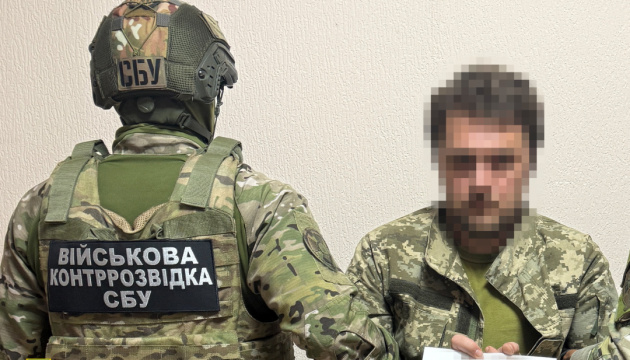
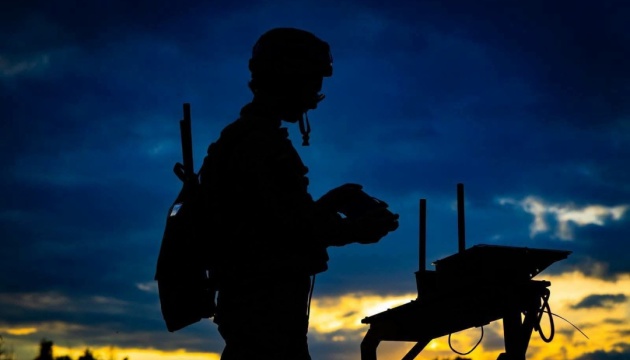
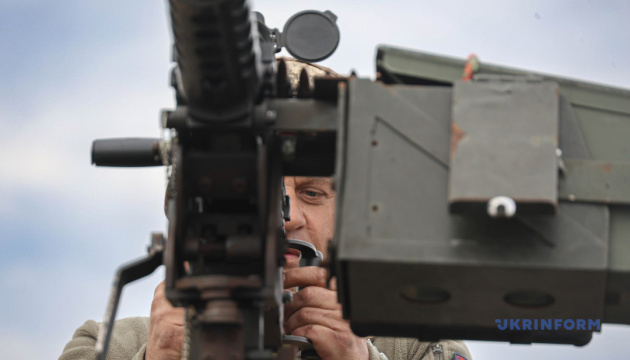
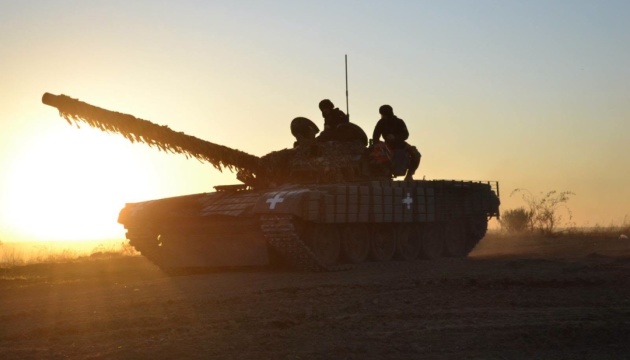
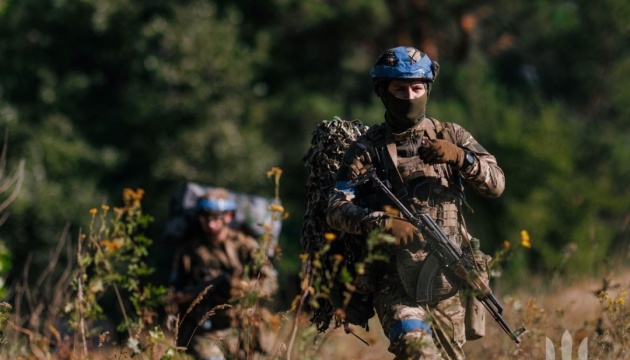
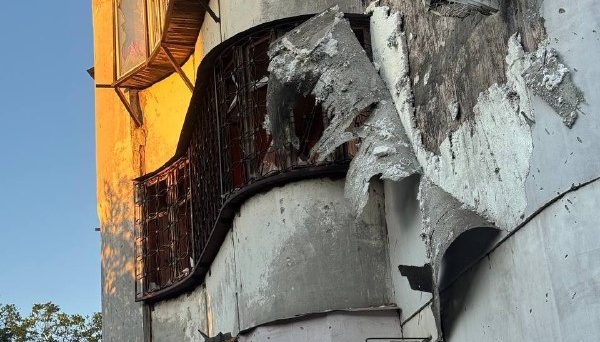
The military counterintelligence unit of the Security Service of Ukraine (SBU), with the assistance of the Commander-in-Chief of the Ukrainian Armed Forces, has detained a Russian agent couple in Kharkiv: a serviceman of the Ukrainian Defense Forces and his wife.
Russia will face even more special operations, dismantled espionage networks, and destroyed personnel and equipment in response to the strike on the building of the Central Directorate of the Security Service of Ukraine (SSU).
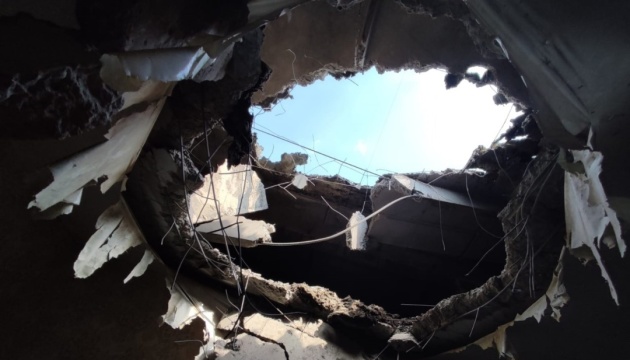
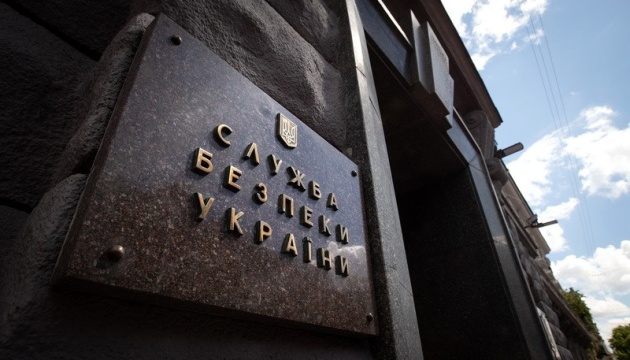
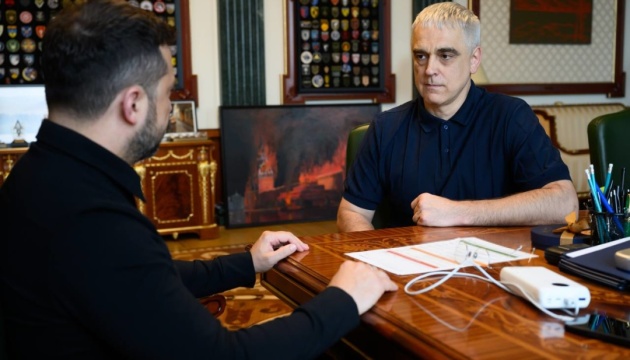
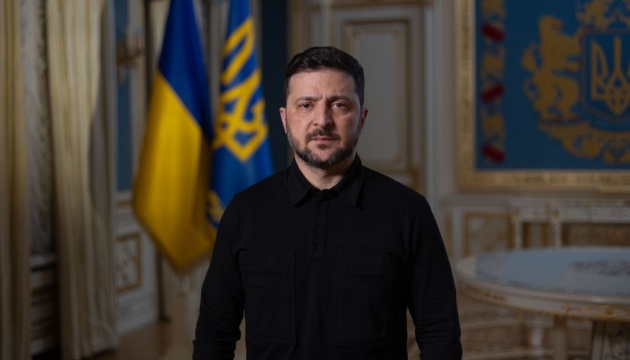
President Volodymyr Zelensky said that a Russian drone struck the central building of the Security Service of Ukraine (SSU) on Volodymyrska Street in Kyiv, opposite St. Sophia’s Cathedral. According to him, the drone was directed straight at the office of SSU Chief Oleksandr Poklad.
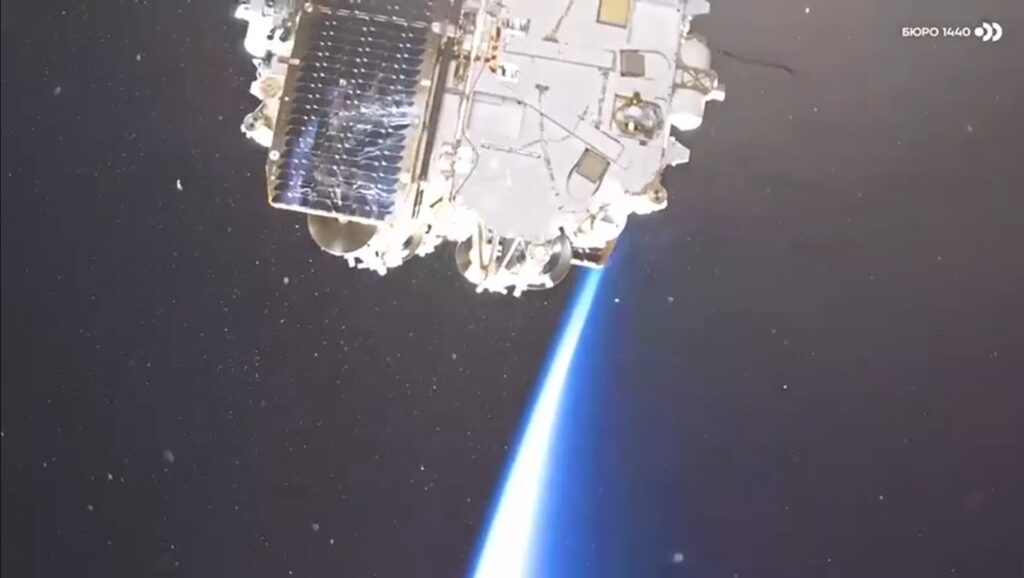
Russia's newest batch of Starlink-style satellites is gaining altitude sooner and sitting higher than the country's already-working first batch did at the same point, an analysis by Ukrainian defense outlet Militarnyi found. That complicates recent reports that the batch will stay far below its working altitude—though a few of the craft clearly have malfunctioned.
Moscow is racing to field its own orbital network to replace the Starlink service its troops used without authorization, a system experts warn could one day relay commands to long-range strike drones.
Where the "failure" verdict came from
Business Insider reported that all 16 satellites in the second Rassvet batch—launched 19 July—had fallen short of their target orbit, citing public US Space Force tracking data. The Institute for the Study of War (ISW) noted that many of the craft sat between 300 and 400 kilometers, well below their intended orbit. Russia looks unprepared to deploy at this pace and will likely face further delays, ISW assessed. At those low heights, thicker air drags on satellites and shortens their lives. Rassvet—Russian for "Dawn"—is built by the Russian firm Bureau 1440. Moscow rushed the network in after SpaceX cut off Russian forces' access to Starlink.
What the altitude data shows
Militarnyi's own reading of the tracking record points the other way. A rocket drops the satellites near 300 kilometers, and they raise themselves over months on their own engines. The July batch fired those engines days earlier than the March group, giving it a head start. By day 46, the new batch's median altitude was 365 kilometers, against 314 for the first. Thirteen of the new craft had passed 320 kilometers and ten cleared 350, against five and one for the first batch. The newer craft climb at a slower daily pace, but the early start left them well ahead on height.
Militarnyi cautions that the batch cannot be judged before roughly 100 to 125 days after launch—around late October—the window in which most of the March craft passed 500 kilometers.
The malfunctions are real
Two satellites show no real climb and are sinking toward the atmosphere, a third rose and slipped back, and a fourth stalled with the cause unclear. The March launch lost one craft outright and left two more stuck below working height. The company had listed a target orbit near 800 kilometers, yet the first batch settled far lower and still works. Militarnyi counts thirteen of its satellites in a stable orbit near 508 kilometers, where Business Insider and ISW put twelve of them at roughly 550. By its count, they now open at least two communication windows over Ukraine each day, each running longer than an hour.
The Defense Forces of Ukraine struck a site used to launch combat drones, as well as command posts, reconnaissance and communications assets belonging to Russian forces, on September 3 and overnight into September 4.
The General Staff of the Ukrainian Armed Forces has confirmed that two major oil refineries in Russia were forced to halt operations following strikes, including Lukoil-Nizhegorodnefteorgsintez in the Nizhny Novgorod region and Novatek-Ust-Luga in the Leningrad region.
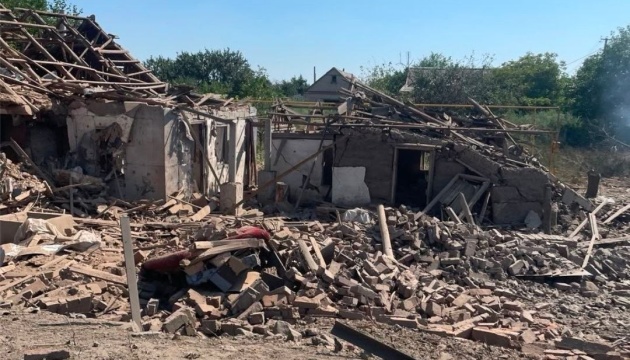
Russian forces have attacked the Fastiv, Bucha, Boryspil and Brovary districts of the Kyiv region with strike drones, damaging warehouses, homes, a business and a religious building.
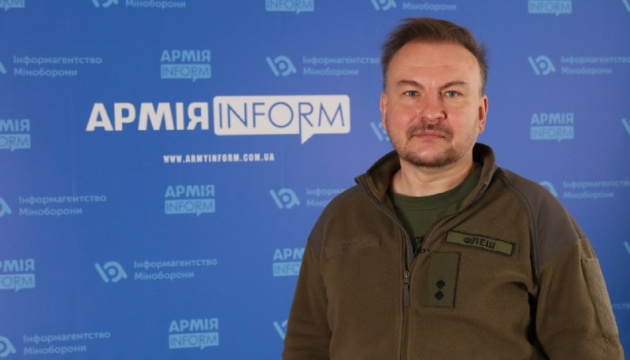
Serhii Beskrestnov, a freelance presidential advisor, known by his call sign "Flash," has said that no evidence has been found over the past three days that FPV drones launched from jet-powered Shahed-type drones had been used during Russian attacks on Kyiv.
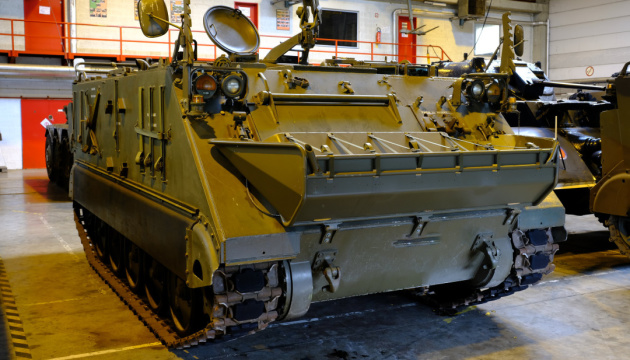
A Ukrainian manufacturer has developed the MBU-1 armored combat module to modernize M113 armored personnel carriers supplied to Ukraine by international partners. The module enhances the vehicle's firepower and allows its weapon to be reloaded from inside the vehicle.
Germany will close Russia’s General Consulate in Bonn, terminate the agreement concerning the Russian House in Berlin, and tighten entry controls for Russian citizens. Foreign Minister Johann Wadephul announced this at a joint press conference with Interior Minister Alexander Dobrindt on 1 September, after German authorities formally attributed the attack at Leipzig/Halle Airport to Russia.
German investigators have identified two suspects allegedly linked to the operation: a Russian-born man with a Latvian passport and a Belarusian man with a Russian passport. This information was reported by Süddeutsche Zeitung. Investigators believe both have links to Russian state structures, according to the report.
Both men have already left Germany, complicating efforts to bring them to justice, Tagesschau reports. One of Berlin’s responses was the closure of Russia’s Consulate General in Bonn — the last Russian consulate general remaining in Germany.
Table of The Russian Consulate General in Bonn, Germany. Photo: Marc John/IMAGO
Germany tightens its Russia policy
Russia’s General Consulate in Bonn will close on 18 September, according to Wadephul. Germany will alsoseek additional EU sanctions against people linked to Russian hybrid attacks, increase pressure on Russia’s “shadow fleet,” and strengthen entry controls for Russian nationals.
He stated that since the beginning of "the unlawful war of aggression" against Ukraine, Germany's goal has been to bring the war to an end, restore the peace order in Europe, and return to a constructive relationship.
"However, this requires a minimum level of willingness on the Russian side. We must acknowledge that Russia shows no willingness to reach an accommodation,” Wadephul said.
Moscow rejected the accusations. Russian President Vladimir Putin called Germany’s response a “grave mistake,” TASS reports.
The investigation leads to two suspects
According to German investigators, the Belarusian suspect left DNA traces on one of the drones, inside a container containing explosives, and on an antenna found near the airport. The Russian-born suspect, who holds a Latvian passport, is believed to have coordinated and directed the operation, entered Germany through Berlin, and then traveled toward Saxony.
The Russian-born suspect left Germany two days before the attack, while the Belarusian suspect also left the country.
Drone found near a Ukrainian An-124 aircraft in Leipzig, Germany, on 5 August, 2026. Photo: screenshot from Bild video
What happened at Leipzig Airport
The diplomatic response stems from a sabotage attempt on 4 August, when a bomb-laden drone struck a Ukrainian An-124 cargo aircraft but failed to detonate. The drone, carrying explosives, remained unnoticed for about four hours before being discovered, while later analysis indicated it had been aimed at the aircraft near its fuel tanks.
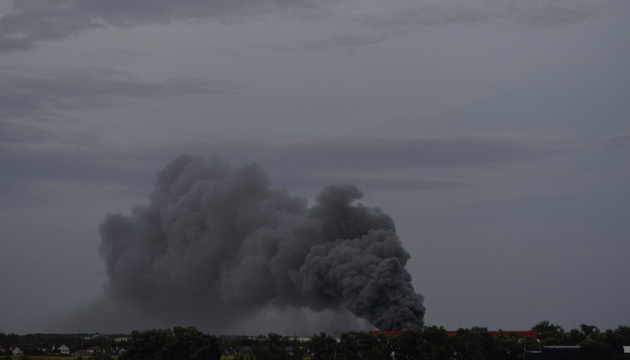
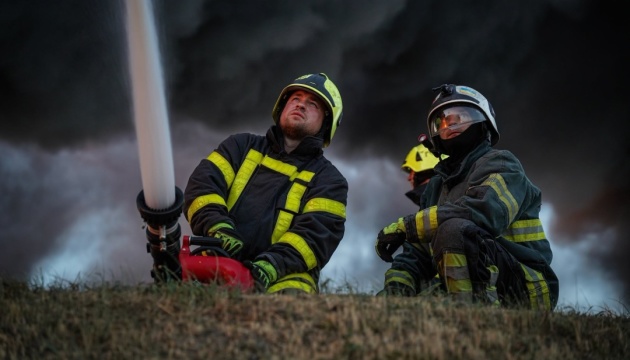
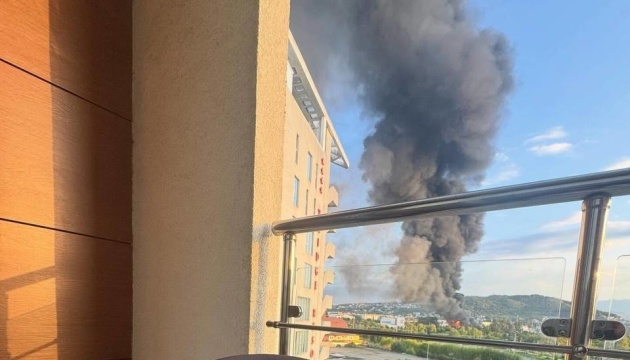
An oil depot caught fire in the early hours of September 4 following a drone attack on the city of Sochi in Russia's Krasnodar Krai and the federal territory of Sirius.
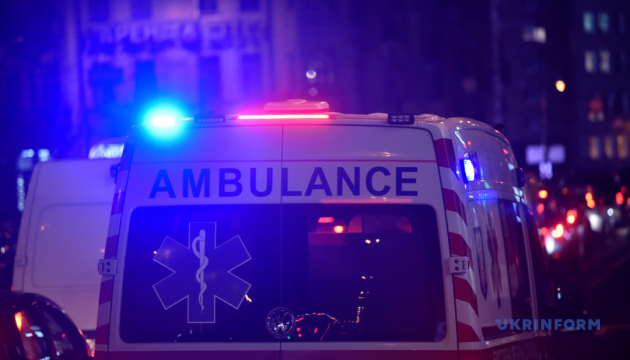
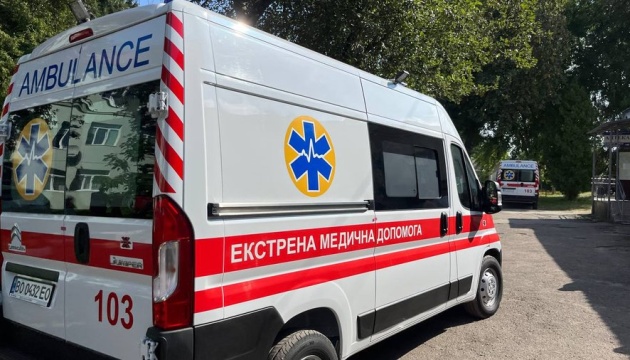
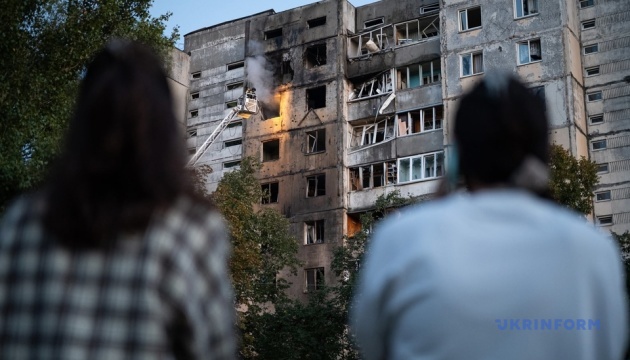
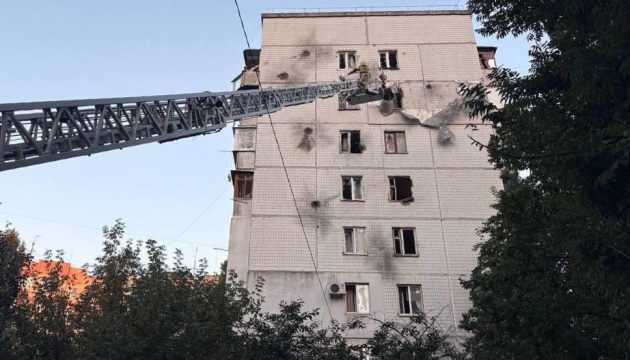
Fourteen people, including a 12-year-old girl, were injured in Kyiv on September 3 as fragments of Russian drones were reported to have fallen in the capital's Holosiivskyi, Darnytskyi, Sviatoshynskyi and Solomianskyi districts.
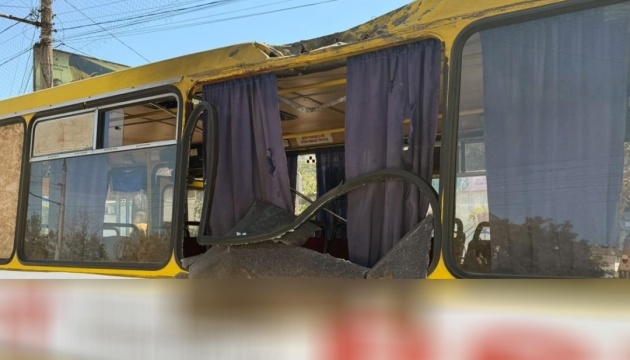
Russian forces launched a massive attack on civilian infrastructure in the Odesa region overnight on September 4, killing one person and injuring at least five others, including a child.
The total combat losses of Russian forces in the war against Ukraine from February 24, 2022, to September 4, 2026, have reached approximately 1,493,790 personnel, including 1,440 troops killed or wounded over the past 24 hours.
Russian forces launched 890 attacks on 49 settlements in the Zaporizhzhia region over the past 24 hours. One person was killed and four others were injured in enemy attacks on Zaporizhzhia and the Zaporizhzhia district.
 Connexion