Vue lecture

Twenty Ukrainian firms are racing to catch Russia’s jet-powered Shaheds. This one’s interceptor is already flying combat missions
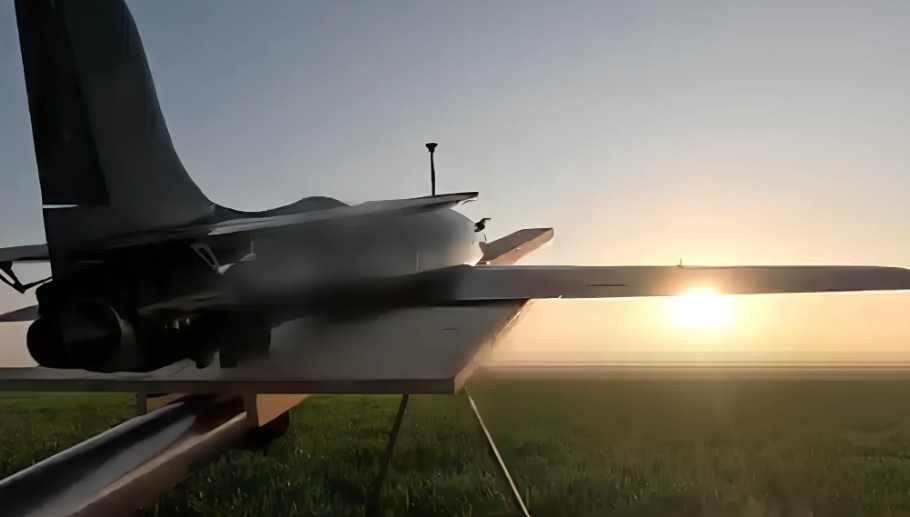
Griffen, Ukraine's jet-powered interceptor. Source: Firebolt Engineering

Twenty Ukrainian companies are now building jet-powered interceptors to down Russia's increasingly fast jet-powered drones. One of them, the Ukrainian-British startup Firebolt Engineering, already has an interceptor flying combat missions with two Air Force units and Ukraine's special operations forces, Defender Media reports.

Russia launched more than 2,500 jet-powered drones at Ukraine in August alone, straining air defenses built to catch the slower, piston-engine Shahed-136. Ukrainian Defense Minister Yevhen Khmara said on 30 August 2026 that four interceptor systems have cleared field testing and are being scaled toward mass production. It is unclear whether Griffen, Firebolt's drone, is among them.

Grenadyr funds a spinout

Firebolt was spun out after the UK-based investment fund Grenadyr backed the team behind the interceptor project. Grenadyr's director, Tomasz Wozniak, told the outlet that a reliable way to intercept jet-powered Shaheds "has never been more important" as Russia scales up the faster drones.

Grenadyr and Firebolt have not disclosed the size of the investment, though the fund's check ranged from $350,000 to $1.3 million.

The new company employs up to 25 people across Ukraine and the UK, split into component manufacturing, final assembly, and calibration, plus a separate R&D unit. Its CEO, who asked to be identified only as Mykola, led the interceptor project prior to the spinout.

Griffen flies, but not against jets yet

Griffen, Firebolt's first product, is a fixed-wing, jet-powered interceptor that reaches speeds above 350 km/h, altitudes above 7.5 km, and a range of up to 120 km, according to Defender Media. Mykola said the team aims to push its speed past 400 km/h through aerodynamic changes. The drone currently costs an estimated $8,300–$10,500.

Griffen still flies on Chinese engines while its British partner, Dynamic Propulsion, develops a turbojet built specifically for the drone, with test samples expected by the end of summer. Firebolt can build 30 Griffens a month and is working to add more crews to fly them, Mykola said. The drone's first confirmed kill, however, was a conventional-engine Geran — not the jet-powered variant it was designed to catch.

Autonomy waits on Ukraine's radars

Firebolt is developing a homing system meant to let Griffen find and strike targets without an operator, a goal shared by rival interceptor makers The Fourth Law, SkyFall, and F-Drones. The system is in testing and expected to ship by default by mid-fall, Mykola said.

Full autonomy, he added, is bottlenecked by Ukraine's radar coverage, which he described as too thin and fragmented to reliably feed target data to an autonomous drone. Closing that gap, he said, depends on the state buying more radars — a decision outside Firebolt's control.

  •  

Russia’s air war has cost the average Ukrainian mall 166.8 working days since 2022, about eight months of closed floors

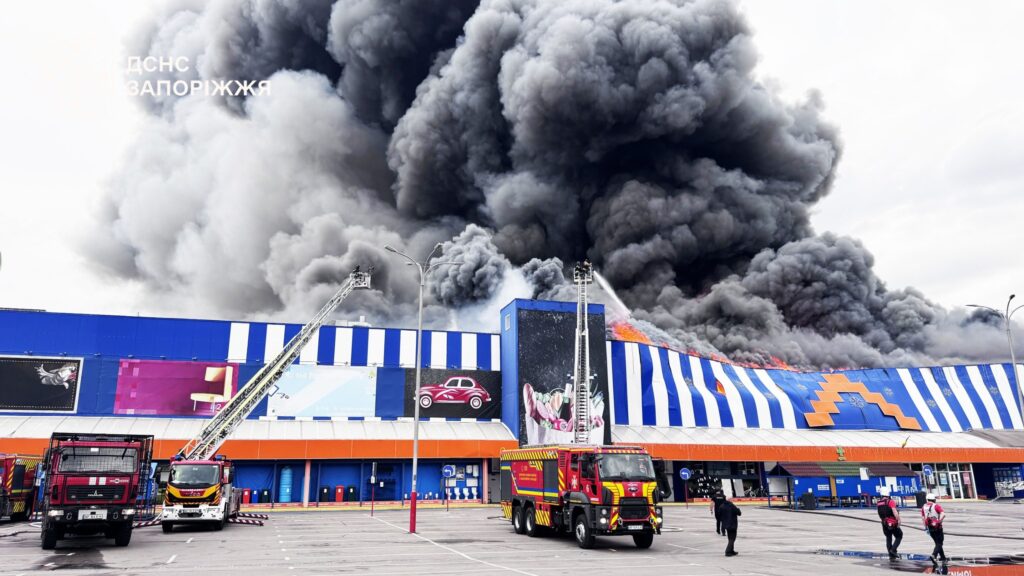
Fire at a shopping center in Zaporizhzhia, Ukraine, following a Russian drone strike on 28 August 2026. Photo: Ukraine’s State Emergency Service

Air-raid alerts covered a record share of working hours at shopping centers across Ukraine in August. Sirens ran for 21.8 percent of the hours malls were open, the Ukrainian Council of Shopping Centers reported.

For more than a fifth of the hours malls were open to serve customers, sirens instead sent staff and shoppers to shelters. The share has more than doubled in a year. The climb is related to Russia's escalating air campaign: Moscow ran a seven-day barrage of ballistic missiles and jet-powered drones against Kyiv into early September, the kind of assault that keeps sirens running through the business day.

Every tracked measure rose

The council considers four figures: the number of alerts, the number during mall working hours, the total alert duration, and the duration during working hours. All four climbed from July to August, it says.

Five regions bear the worst of it

The five regions with the most daytime alert time, between 10 a.m. and 9 p.m., barely changed over the month, the council says. Donetsk Oblast led at 82.0 percent, followed by Sumy at 76.4, Zaporizhzhia at 71.4, Kharkiv at 60.3, and Chernihiv at 40.1.

The sharpest monthly jump fell in Kyiv and Kyiv Oblast.

Faster drones drive the sirens

Russia has switched to jet-powered drones that fly more than three times faster than the propeller Shaheds Ukraine spent three years learning to shoot down. The faster a drone reaches a city, the less time defenders have to catch it.

That is what fills the sirens. Alerts sound earlier and stay on longer, which is the shared council measure.

Ukraine races to answer them

Ukraine has four interceptor systems in field testing, built to take down jet drones, Defense Minister Yevhenii Khmara said on 30 August. The country now wants to bring them to standard and build them in the thousands.

Until that layer works, every jet-drone raid costs Ukraine a long air alert that empties a shopping center.

Downtime piles up over years

Since the full-scale war began, the average Ukrainian mall has lost 166.8 working days to air-raid alerts, according to the report. August 2026 alone accounted for 6.4 of them.

That is more than eight working months of shuttered trading floors, and it is still climbing.

  •  

42,020 troops, 1,827 artillery systems, 89 tanks: Ukraine’s tally of what it cost Russia to keep fighting in August

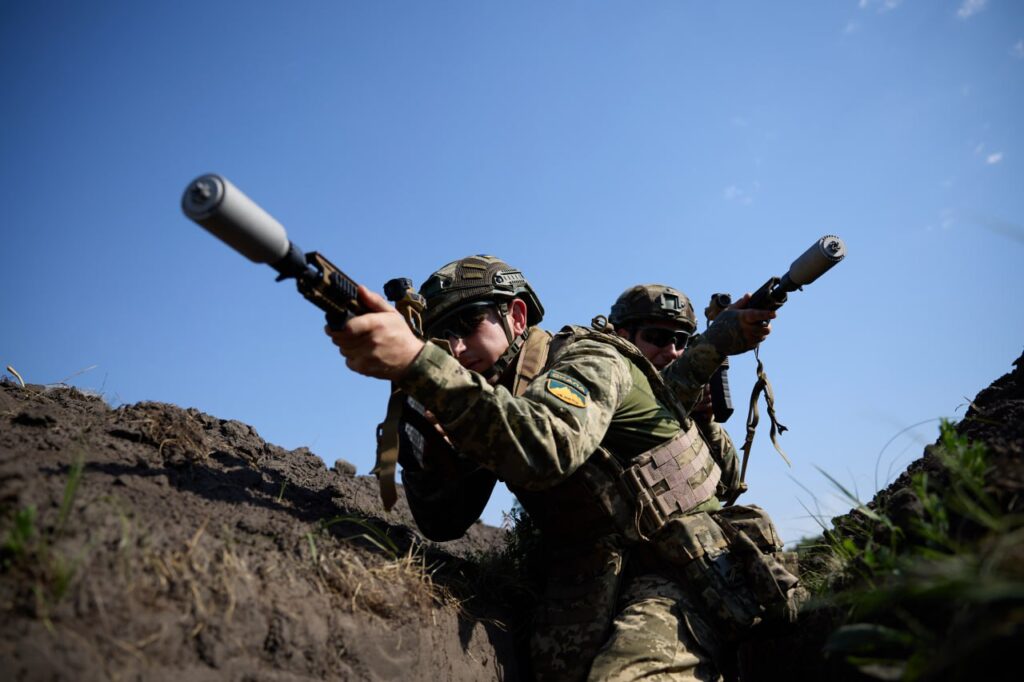
Soldiers of Ukraine’s 425th Separate Assault Regiment Skelia. Photo: Skelia

Russian losses reached one of the highest of the entire full-scale war in August, Ukraine's Defense Ministry says, citing General Staff data. Last month, Ukraine killed or wounded 42,020 invaders.

As its frontline losses climb, Russia is escalating its terror against Ukraine's civilians. Moscow uses large numbers of ballistic missiles and new jet-powered drones to do it. Russia opened its latest drone assault on 27 August, two days after CIA director John Ratcliffe arrived in Moscow, and has kept it up since.

For comparison, Russia lost 42,860 soldiers in July, 33,760 in May, and 39,290 in June, the ministry says.

Ukraine takes another step toward its goal

Ukraine's Defense Ministry states that effectively destroying Russian manpower and logistics is among its priorities, so that Russia's losses reach a level that forces it to abandon its plans of conquest.

"August's losses for the Russian army were another step toward reaching that goal," the Defense Ministry says.

Ukraine began its logistics lockdown late this May. It is a coordinated campaign to scale up medium-range drone strikes against Russian supply convoys, depots, command nodes, and air-defense systems 20 to 200 kilometers behind the front.

Russia loses more than men

Ukraine's Defense Forces also struck 13,835 vehicles and fuel tankers in August.

Over the month they hit an estimated:

  • 89 tanks;
  • 197 armored combat vehicles.
  • On top of that, 1,827 Russian artillery systems were destroyed or disabled.

"Inflicting such losses systematically raises the cost of continuing the war for Russia and forces it to spend ever more resources replacing manpower, equipment, and weapons," the ministry says.

How does Russia answer the losses?

Ukraine's Office of the President has said Russia is preparing an additional mobilization wave in 2026–2027, aiming to draft 300,000 people this year and 300,000 next. Those figures are a response to the steady rise in frontline losses, the office adds.

Meanwhile, Russian President Vladimir Putin called that information "nonsense" after the Shanghai Cooperation Organization summit in Bishkek.

At the same time, legal-aid organizations report a covert mobilization across Russia's regions and occupied territories. Over the past month and a half, residents of at least 17 Russian regions have complained of forcible detention, beatings, and coercion into signing contracts with the Russian Defense Ministry.

  •  

A masked figure got into a Polish drone-parts plant—Poland now suspects a foreign spy service set the fire

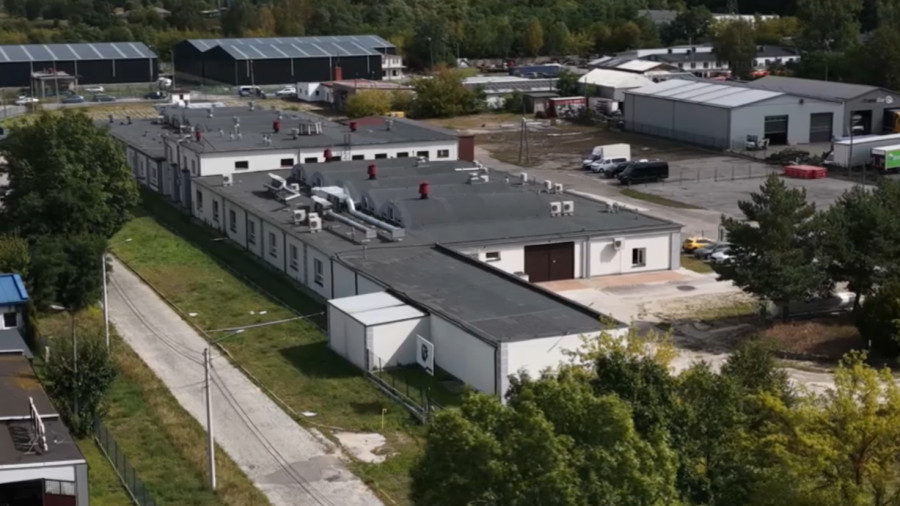
View of the WB Group factory building in Skarżysko-Kamienna, Poland. August 2026.

A fire at a Polish plant that makes drone parts for Ukraine's and Poland's militaries is being investigated as possible sabotage by a foreign intelligence service, Militarnyi reported. Poland's National Prosecutor's Office opened the case on two counts: foreign-intelligence activity against the country and a terrorist offense.

Fires and break-ins like this fit a widening pattern — the factories and supply lines that keep Ukraine armed are increasingly targets far from the front line. Across the continent, prosecutors keep opening the same kind of arson case against plants tied to Ukraine's defense.

A masked intruder and a two-hour fire

The fire started shortly after midnight on 31 August in the assembly hall of the WB Electronics plant in Skarżysko-Kamienna and spread to the storage rooms. Five crews put it out in under two hours. No one was hurt, but the storage rooms were destroyed, leaving at least 15 million zloty ($4 million) in damage. The plant had no permanent guards on site; a security company monitoring it remotely reported the fire.

Prosecutors say the blaze was set deliberately with a planted charge of flammable material, and no one has been charged. Security cameras recorded a masked person who climbed a fence and got onto the site.

Why Poland is looking at Moscow

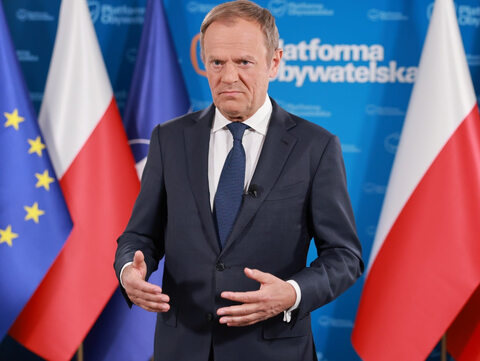
Czesław Mroczek, deputy head of Poland's Interior Ministry, told RMF FM radio that many signs point to arson, and that a Russian trail is the obvious inference. An attack on the defense industry can suggest Russian involvement, he said, since European states have faced sabotage for years while backing Ukraine. Mroczek said protection plans for key defense plants must be richer than what this site had. No one has been detained, and investigators are still tracing how the intruder got in and who may have ordered it.

tusk polish prime minister
Explore further

After CIA head’s visit to Moscow, Poland’s PM warns Russia is preparing to escalate war. He puts critical window at seven or eight months

What the plant actually makes

WB Electronics is the core of WB Group, Poland's biggest private arms holding, whose firms build reconnaissance and strike drones such as the FlyEye and the Warmate. The Skarżysko-Kamienna site itself makes drone components for unmanned systems, used by both Polish and Ukrainian forces. Ukraine received FlyEye drones back in 2022 under its Army of Drones program, and in 2025 WB Group launched drone production inside Ukraine.

  •  

Foot soldiers get a long spear: Ukrainian assault units strike deep behind Russian lines

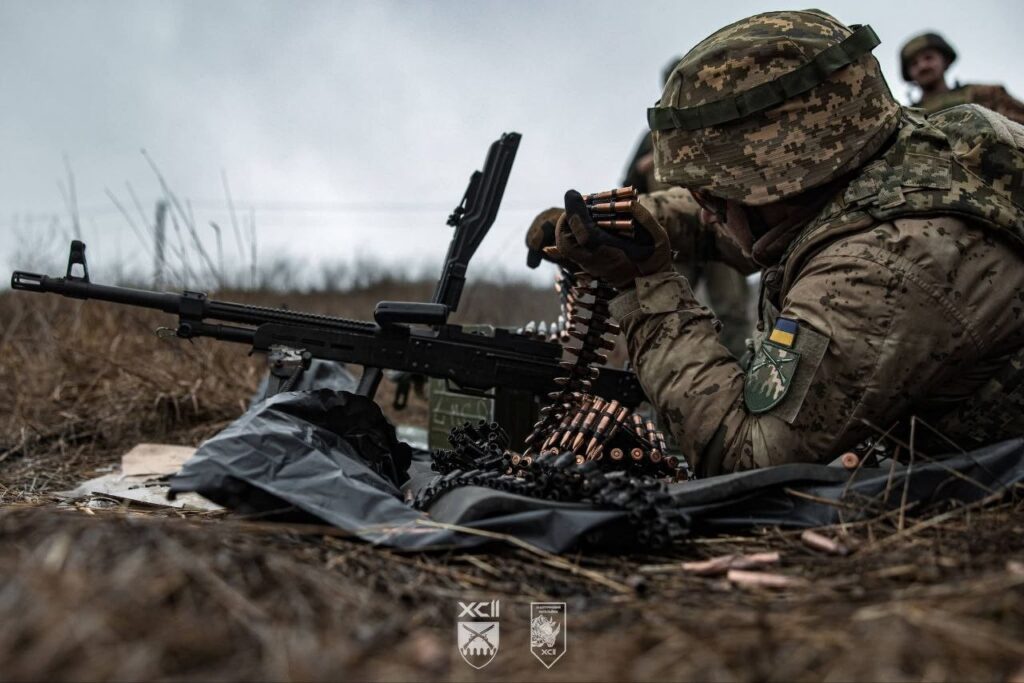
A Ukrainian soldier of the 92nd Assault Battalion with a machine gun, 2026. Illustrative photo: 92nd Assault Battalion

Ukraine's assault regiments, the troops built to storm trenches, have taken on a new role in 2026, reaching far into the Russian rear with their own strike drones, according to a feature by Ukrainska Pravda. Two of them merged their drone teams into a single experimental command and now plan deep strikes and ground assaults together, hitting the roads that feed Russian forces before the infantry moves.

Through 2026, Ukraine has turned drones into a way to choke the logistics that keep the invasion moving, backed by dedicated funding aimed squarely at the enemy's rear. The shift now under way puts that reach in the hands of the units doing the ground fighting, so the same troops who storm a position can first starve it from dozens of kilometers away.

Assault troops with a long reach

For most of the war, deep strikes behind the front belonged to specialized drone units. That is changing. The 475th Separate Assault Regiment, known as CODE 9.2, was possibly one of the first non-specialist units to run mid-strikes, flights by medium-range attack drones that hit targets 50 to 150 kilometers past the front.

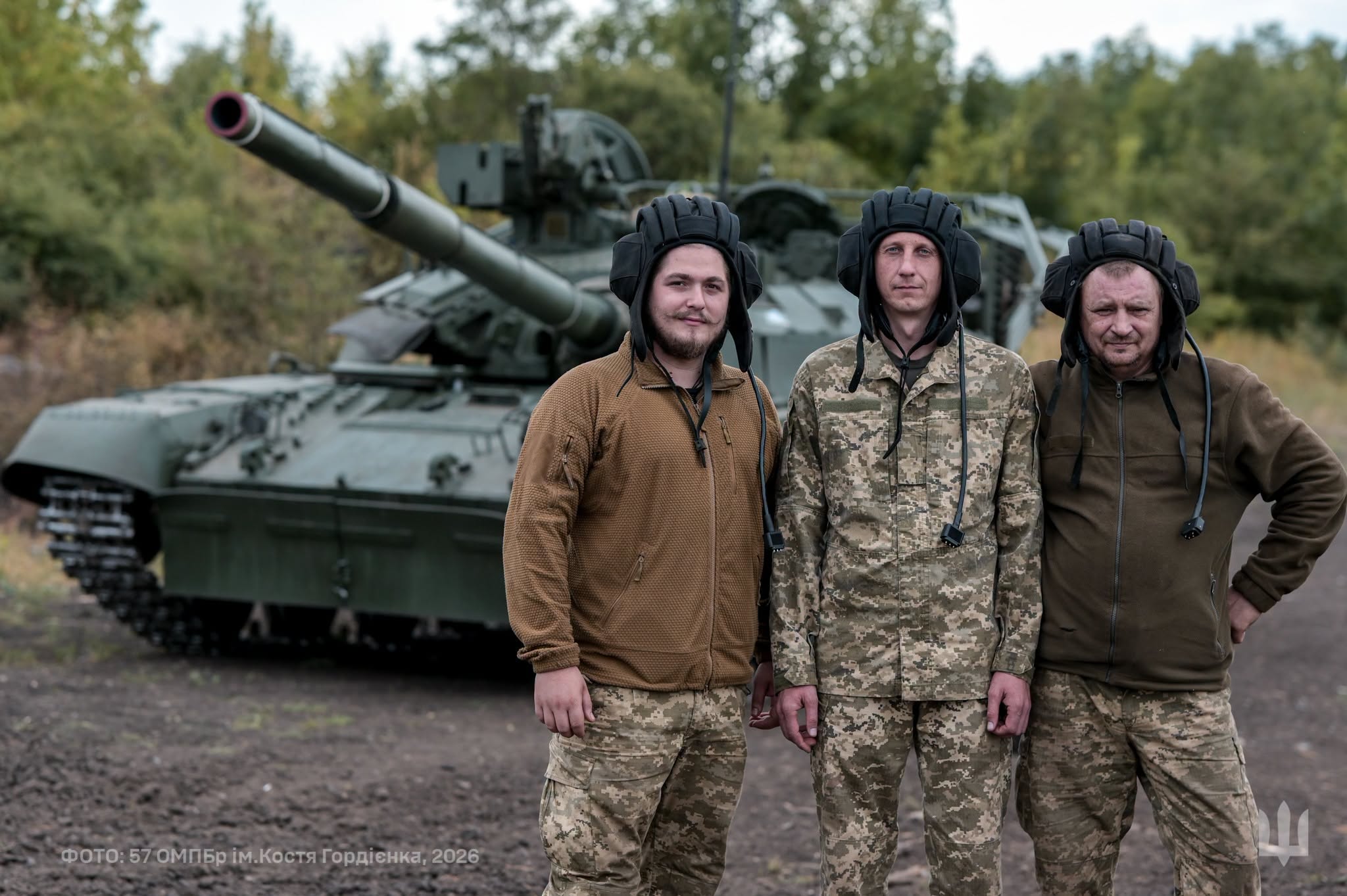
A T-64BM Bulat in the 57th Motorized Brigade. Photo by the brigade
Explore further

A rare Ukrainian Bulat tank turned up in a brigade that never had them

Then CODE 9.2 and the 1st Separate Assault Regiment named after Dmytro Kotsiubailo built a joint command for multidomain operations, code-named Phalanx (Falanha), so they could plan and strike as one. Before that center existed, each unit fought its own stretch of front at its own pace. In plain terms, ground units now own part of the fight far beyond their own trenches.

Drones go in before the infantry

Reporters watched a soldier follow a live feed from a mid-strike drone called Darts as it flew over occupied Zaporizhzhia Oblast toward the Tokmak–Melitopol road, one of three the report calls key for Russian forces on that stretch. Crews log every flight in Ukraine's Delta battlefield system. When several drones go down in one area, an analyst reroutes the next ones around Russian air defenses. The goal is to wear down the enemy's supply before the infantry ever advances.

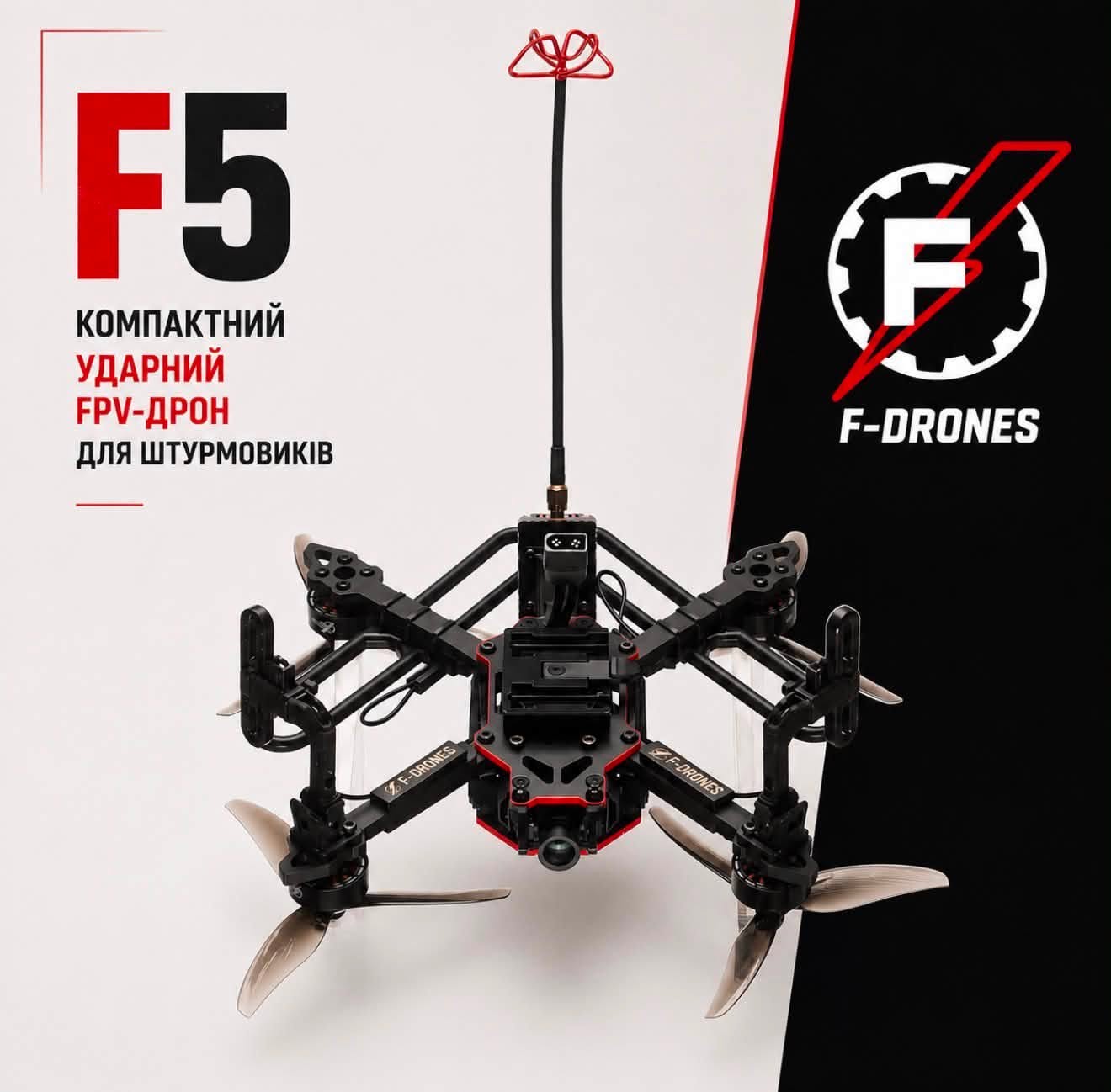
F-Drones has unveiled the F5, a compact five-inch strike FPV built for assault units. Source: F5
Explore further

Ukrainian drone maker is pitching its new five-inch strike FPV as assault squad’s mortar

Where the shift began

CODE 9.2 launched its first mid-strikes at the end of 2025, during the Kupiansk operation, its commander Oleksandr Nastenko, call sign Flint, recalled. In the interview, the two commanders trace the center back to a build-up of heavy bomber drones, then a plan to isolate the enemy's transport and supply. For assault units, that kind of reach is recent. The regiments had already worked together earlier in 2026 to strike Russian routes into occupied Crimea, hitting bridges and trucks that keep the peninsula fed.

  •  

Putin calls Zelenskyy’s airspace warning “state terrorism” as shares in Russia’s national airline fall 5%

Vladimir Putin stands behind a lectern during a press conference, with the RIA Novosti logo visible above him.

Russian President Vladimir Putin said Moscow would “find a way to respond” if civilian “tragedies” followed President Volodymyr Zelenskyy’s warning that Ukrainian drone operations were making Russian skies unsafe. Zelenskyy told foreign airlines and insurers that the “safe moments” in Russian airspace were over.

Zelenskyy’s warning seeks to extend the cost of Russia’s war beyond damaged military and energy facilities to airlines, insurers, and travelers. It does not mean Russian airspace is legally or completely closed. However, carriers that continue flying over Russia face higher costs from repeated airport shutdowns during drone alerts, as well as the danger that military activity in Russian airspace could endanger civilian aircraft.

Putin spoke after a 1 September Shanghai Cooperation Organization summit in Bishkek, where Russia and China coordinate regional security. Zelenskyy’s warning amounted to “a bid for state terrorism” if he had made it publicly, the Russian president said, adding that Russia does not negotiate with “terrorists.” Putin also said Russian forces were preparing massive strikes on Ukraine’s energy infrastructure.

In his evening video address, Zelenskyy said Ukraine did not threaten civilian aircraft but would keep striking Russian military targets and parts of the economy supporting the war. Ukraine’s Presidential Office head Kyrylo Budanov backed the decision, saying long-range weapons would systematically strike military targets in Russia while the invasion continued.

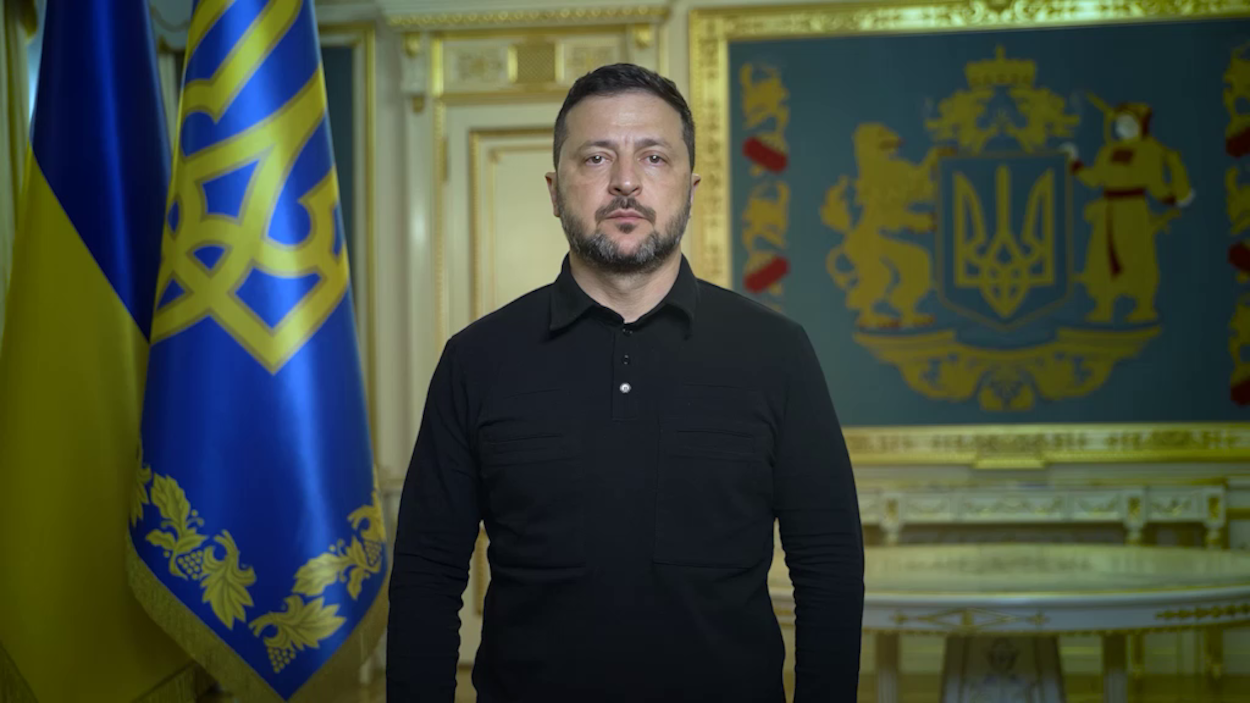
Ukrainian President Volodymyr Zelenskyy during his evening address, 1 September 2026. Screenshot from video: Zelenskyy
Explore further

“Russian airspace will effectively be closing”: Zelenskyy warns airlines Russian skies are no longer safe

Shares in Aeroflot, Russia’s national airline, fell to an intraday low of 30.36 rubles at about 20:40 Moscow time, down 5.11%, Meduza reported, citing Moscow Exchange data. The timing does not establish that Zelenskyy’s speech alone drove the decline.

Wall Street Journal correspondent Yaroslav Trofimov posted a chart of the decline on X, writing, “Aeroflot shares after Zelensky’s warning.”

Aeroflot shares after Zelensky’s warning. https://t.co/L7h2S99jqT pic.twitter.com/Q80gPfYWlo

— Yaroslav Trofimov (@yarotrof) September 1, 2026

European and US carriers already avoid Russian airspace, but airlines from China, Türkiye, the United Arab Emirates, and other Gulf states continue using it, Reuters reported. Aviation-risk firm Osprey Flight Solutions assessed that daily attacks deep inside Russia were nearly certain through 2026 and warned of possible misidentification.

Andrii Kovalenko, head of Ukraine’s Center for Countering Disinformation, said it was “strange” to hear terrorism accusations from “the leader of a terrorist organization masquerading as the Russian state.” Putin’s reaction showed Moscow feared pressure on its airspace, he argued.

Previous closures of Russian airspace due to Ukrainian attacks

Russian airports were repeatedly shut during Ukrainian drone alerts well before Zelenskyy’s warning. On 6 July 2025, Moscow airports canceled 171 flights while airports in five other cities suspended operations.

A 27 May attack closed airports serving Moscow and several other cities after Russia claimed it intercepted 99 drones. Another wave caused flight disruption and mobile internet outages around Moscow, while a 29 May alert again halted flights at Moscow airports.

More recently, Russian authorities restricted operations at Moscow airports during Ukrainian drone attacks, delaying more than 450 flights

  •  
❌