
 Connexion
“Russian airspace will effectively be closing”: Zelenskyy warns airlines Russian skies are no longer safe
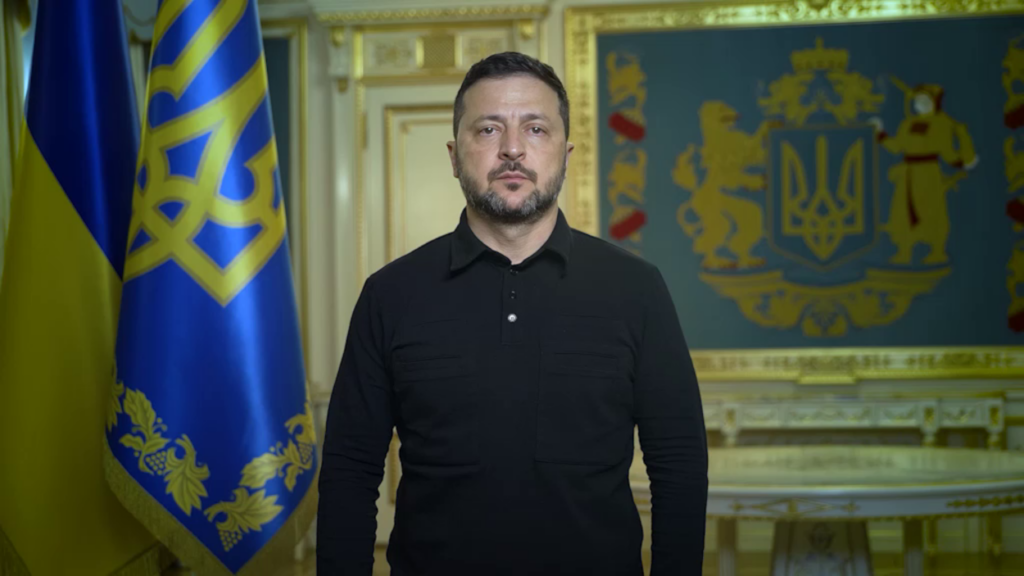
Ukrainian President Volodymyr Zelenskyy warned airlines, insurers, and other aviation stakeholders on 1 September that Russian airspace is becoming increasingly dangerous as Ukrainian drones operate deeper inside the country.
The warning comes as Ukraine has increasingly carried out long-range drone strikes deep inside Russia, targeting military, energy, industrial, and other infrastructure. Russian authorities have repeatedly reported temporary airport closures and flight disruptions during drone attacks as part of air defense measures.
“We want to warn every airline that uses Russian airspace, every insurer, and everyone who still uses Russia’s key airports: Russian airspace is becoming completely unsafe,” Zelenskyy said.
“Russian airspace will effectively be closing”
Zelenskyy said Ukraine does not intend to threaten civilian aviation or civilian aircraft, but warned that the growing presence of drones over Russia means airlines must account for the risks.
“We in Ukraine do not want innocent lives to be lost. That is why we are warning our partners: the safe days in Russia’s skies are over,” he said.
Zelenskyy accused Russian authorities of failing to properly inform airlines about the risks, saying they have not adequately communicated the growing danger posed by drones in Russian airspace.
“Although the Russian authorities are not properly informing people about this, Russian airspace will effectively be closing,” Zelenskyy said, arguing that Russia’s war against Ukraine is making its own airspace unsafe.
Zelenskyy warned that the growing scale of Ukrainian drone operations over Russia will have to be factored into aviation risks. “There will simply be drones in Russia’s skies on a scale that has to be taken into account,” he said.
He called on foreign ambassadors in Ukraine and Russia to relay the warning to their governments, and said Ukraine’s Foreign Ministry and other institutions would provide international organizations with information about the risks to Russian airspace.
“Drone-infested skies are no place for civilian aviation,” Zelenskyy said.
Ukraine closed its skies in 2022. Russia has kept flying
The warning highlights a stark difference between the two countries. Ukraine has kept its airspace closed to civilian aviation since Russia launched its full-scale invasion in February 2022.
The risk is familiar to Ukraine. Russian forces have repeatedly attacked Ukrainian airports and aviation infrastructure during the full-scale invasion, making the continued operation of civilian aviation impossible.
Russia is also responsible for the 2014 downing of Malaysia Airlines Flight MH17 over occupied eastern Ukraine, which killed all 298 people aboard, showing the danger Russia’s military activities can pose to civilian aviation.
Russia, meanwhile, has continued operating major airports and regular passenger flights despite Ukrainian drones increasingly reaching deep into its territory. EASA has warned that Russian air defenses responding to Ukrainian drone and missile attacks could pose risks to civilian aircraft, including through misidentification, particularly around major airports.
Russian airports increasingly disrupted by Ukrainian drones
Russian authorities have repeatedly restricted or suspended flights at Moscow and other airports during Ukrainian drone attacks. The disruptions have generally come as Russia activates air defenses against drones targeting military, energy, industrial, and logistics infrastructure.
Russia has also moved toward broader restrictions on civilian aviation. In June, Russia imposed new restrictions on light aircraft around Moscow and neighboring regions, while regular passenger and charter flights remained exempt.
The result is a growing disruption to Russian aviation even as Moscow continues to keep its main passenger airspace open: Ukrainian drones are not being used to target civilian aircraft, but their increasing presence is making normal aviation operations more difficult and forcing Russia to restrict or suspend flights during attacks.
Read also
-
Belgium points Ukraine to next year’s European loan instead of Russia’s frozen cash
-
For first time, Ukraine shows its British Rapid Ranger air-defense system mounted on Spanish off-road chassis. Its crews call it “close-range storm”
-
Ukrainian brigade trials Serval Cube EW dome in combat-like conditions, suppresses every drone launched at it


 **𝗗𝗥𝗢𝗡𝗘𝗦 𝗛𝗜𝗧 𝗨𝗦𝗧-𝗟𝗨𝗚𝗔 𝗣𝗢𝗥𝗧 𝗔𝗡𝗗 𝗧𝗢𝗟𝗬𝗔𝗧𝗧𝗜 𝗢𝗩𝗘𝗥𝗡𝗜𝗚𝗛𝗧, 𝗙𝗜𝗥𝗘𝗦 𝗕𝗥𝗘𝗔𝗞 𝗢𝗨𝗧 𝗔𝗧 𝗕𝗢𝗧𝗛
 Vortex Report (@VortexReportX)