❌

Vue lecture

UK regulator FCA to investigate how it handled Epstein whistleblower who took his own life

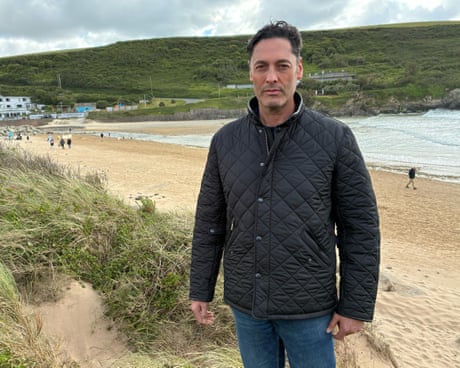
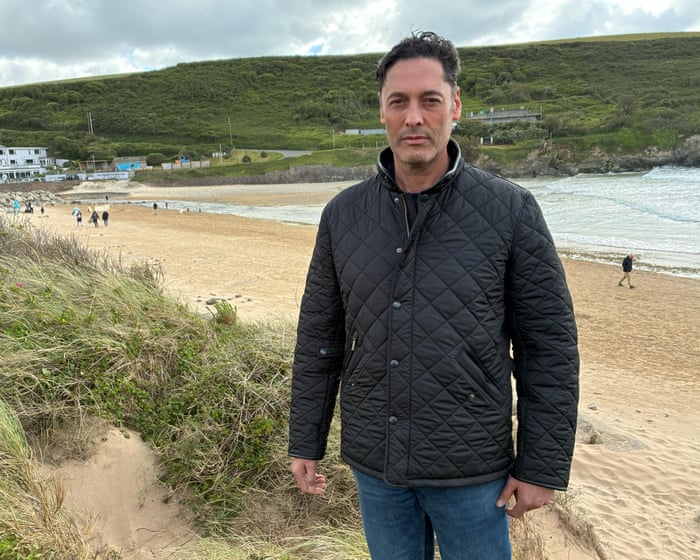
British banker Simon Andriesz helped to expose alleged ties between late sex offender Jeffrey Epstein and US commerce secretary Howard Lutnick

A top UK regulator has launched an investigation into how it handled a whistleblower – who highlighted alleged ties between the late sex offender Jeffrey Epstein and the US commerce secretary, Howard Lutnick – after he took his own life.

The British banker Simon Andriesz died late last month aged 57, the campaign group Transparency Task Force, of which he was a member, confirmed over the weekend.

Continue reading...

© Photograph: Rob Byrne/BBC

© Photograph: Rob Byrne/BBC

© Photograph: Rob Byrne/BBC

  •  

Attacks Over Epstein Files Lobbed in Iowa Senate Ads

Representative Ashley Hinson, the Republican nominee, and Josh Turek, her Democratic opponent, have both been targeted over campaign donations.

© KC McGinnis for The New York Times

Representative Ashley Hinson of Iowa, the state’s Republican nominee for Senate.
  •  

Family of Epstein Victim Appears in Ad Targeting Republican

In a tough new ad for the Democrat running against Representative Jeff Crank, the brother and sister-in-law of Virginia Giuffre say the congressman refused to meet with them.

© Finn Gomez/Getty Images; Killin for Colorado

Representative Jeff Crank, a Republican, and Jessica Killin, a Democrat, are running in a tight race in Colorado.
  •  

Israeli Authorities Trade Blame for Failure to Flag FlyDubai Co-Pilot

The Omani co-pilot who officials said tried to crash the plane was said to have embraced extremist Islamist views.

© Ammar Awad/Reuters

A replacement FlyDubai plane, carrying passengers who were on an aircraft from Dubai to Tel Aviv that made an emergency landing in Saudi Arabia, arrives at Ben Gurion International Airport in Israel, last week.
  •  

Who Were the Pilots on the FlyDubai Flight?

The co-pilot’s embrace of extreme Islamist views prompted Omani officials to scrutinize him, according to two people briefed on the investigation.

© Ariel Schalit/Associated Press

Officials are working to uncover the motives of a pilot who attacked his colleague during a flight to Tel Aviv.
  •  

Omani Co-Pilot on FlyDubai Flight Is Said to Have Extremist Views

It was unclear what background checks had been carried out before he was allowed to fly to Israel.

© Jack Guez/Agence France-Presse — Getty Images

A FlyDubai aircraft that returned passengers who had been aboard Flight 1073, at Ben Gurion Airport in Tel Aviv on Wednesday.
  •  

FlyDubai Co-Pilot Used Crash Ax in ‘Terrorist’ Cockpit Attack, Emirates Says

The violent midair assault on a FlyDubai flight to Tel Aviv has deepened concerns about the safety of Israelis traveling abroad.

© Ammar Awad/Reuters

A FlyDubai plane carrying passengers from an earlier flight that had been forced to divert after a cockpit attack, arriving near Tel Aviv on Wednesday.
  •  

FlyDubai Attack Raises Questions About Pilot Background Checks

Health screenings and criminal background checks may go only so far in identifying pilots who have become radicalized or try to hide their mental health issues, experts said.

© Spencer Platt/Getty Images

In the United States, pilots undergo a criminal history check as well as a threat assessment to see if they have ever been flagged as a “person of interest” in federal law enforcement databases.
  •  

Why Were 4 Pilots Aboard FlyDubai Flight 1073?

After the co-pilot stabbed the captain, two pilots who were seated in the cabin intervened alongside passengers and safely landed the Boeing 737 in Saudi Arabia.

© Erik Marmor/Getty Images

A FlyDubai plane carried passengers to Tel Aviv on Wednesday after a midair cockpit attack on their earlier flight. Two other pilots who were seated in the cabin safely landed that plane.
  •  

How FlyDubai Passengers and Crew Averted Disaster After Pilot Was Stabbed During Flight

A badly wounded Indian pilot managed to unlock the cockpit door. Four Israeli men teamed up to overwhelm an attacker and avert disaster.

© Ohad Zwigenberg/Associated Press

A FlyDubai plane carrying Israeli passengers who had earlier been aboard another FlyDubai aircraft that made an emergency landing in Saudi Arabia approaches Ben Gurion International Airport near Tel Aviv on Wednesday.
  •  

Indian Pilot Stabbed on FlyDubai Flight Recalls Sudden Attack

Capt. Smit Machchhar, who was stabbed by his co-pilot midair between Dubai and Tel Aviv, said he “had to act” to prevent a crash despite serious injuries.

© Israel's Foreign Ministry, via Associated Press

Capt. Smit Machchhar in a photo released by Israel’s Foreign Ministry.
  •  

Airlines Set to Bring Israelis Back From U.A.E. After FlyDubai Cockpit Attack

The attack, on a flight from Dubai to Tel Aviv, halted the only direct service between the two cities since the war in Iran disrupted air traffic.

© Yiannis Kourtoglou/Reuters

Israeli carriers in Cyprus in 2025. Two Israeli airlines, Israir and Arkia, said Friday that they had obtained “the required permissions” to land at Dubai’s airport.
  •  

Truckers Are ‘Just Trying to Hang On’ When a Fill-Up Tops $1,000

Truckers are among the hardest hit by the soaring cost of diesel fuel. High prices are forcing some to stay on the road for months and others to park their rigs.

© Hilary Swift for The New York Times

The price of diesel fuel has skyrocketed, turning a fill-up into an $1,000-a-tank ordeal.
  •  

A Shot Rang Out. M.L.K. Went Down. And a Reporter’s Instincts Kicked In.

Earl Caldwell was staying at the Memphis hotel where the civil rights leader was killed.

© Barney Sellers/ZUMA Press Wire, via Reuters Connect. Illustration by Matt Dorfman

  •  

Investigators Seek Motive for FlyDubai Cockpit Attack

Prime Minister Benjamin Netanyahu of Israel said the co-pilot who set upon the pilot had undergone “Islamist radical indoctrination” but did not elaborate.

© Ammar Awad/Reuters

A FlyDubai plane carrying Israeli passengers who had earlier been aboard another FlyDubai aircraft forced to make an emergency landing after a cockpit attack.
  •  

Israelis Take Pride in Bravery of Passengers Who Saved FlyDubai Flight

The events evoked days decades ago when Israel was widely admired for its plucky survival against the odds and for taking on hijackers.

© Ohad Zwigenberg/Associated Press

Passengers at the arrivals terminal after landing at Ben Gurion Airport near Tel Aviv on Wednesday.
  •  

Cops Can Bypass iPhone’s Automatic Reboot to Get Into Locked Phones, Leaked Video Claims

Cops Can Bypass iPhone’s Automatic Reboot to Get Into Locked Phones, Leaked Video Claims

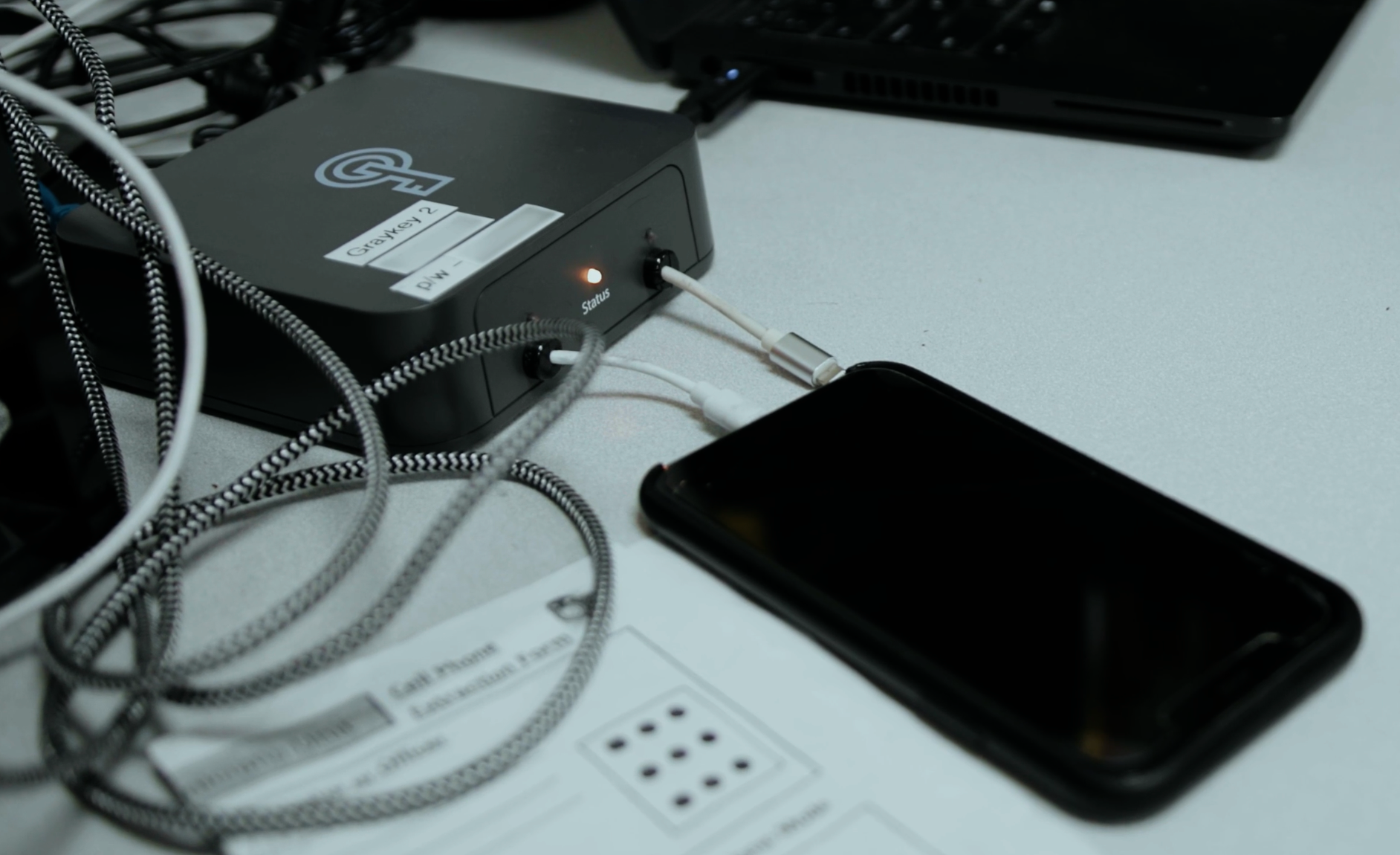
A company that makes phone hacking devices claims to have developed a solution that freezes iPhones in a state that lets cops more easily access sensitive data inside them, according to a video obtained by 404 Media.  

This is the latest salvo in the never-ending battle between Apple and companies that help cops — sometimes those in authoritarian countries — break into iPhones.

In November 2024, 404 Media revealed Apple quietly introduced a new feature in iOS that automatically reboots an iPhone that has not been unlocked for 72 hours. The idea behind this so-called “inactivity reboot” is to revert the phone to a state that makes it harder for police to break into the device, and thus extract sensitive data from it with forensics technology. 

At the time of Apple’s change, law enforcement agents expressed concern about this new feature, given that oftentimes they can’t immediately try to break into iPhones that have been seized. That could be because police are still waiting for a court authorization to do so, or there is simply a backlog of devices to unlock, for example.

The new technology to get around inactivity reboot was developed by Magnet Forensics, the company behind GrayKey, a popular tool sold to law enforcement agencies that allows them to unlock and access data stored in iPhones and Android smartphones. Magnet has developed a new device called GrayKey Preserve and a feature for its regular GrayKey devices called Evidence Preservation Mode, according to the video. 

  •  

FlyDubai Passenger Who Helped Subdue Pilot Describes Stabbing Attack in Cockpit

A passenger on a flight to Tel Aviv on Wednesday said he watched in horror as the plane’s pilots tumbled out of the cockpit, locked in a bloody brawl.

© Erik Marmor/Getty Images

Passengers of the FlyDubai flight walking out of the terminal at Ben Gurion Airport in Tzafria, Israel, on Wednesday.
  •  

A Bloody Attack on a FlyDubai Plane Headed to Israel, and a Terrifying Plunge

“I don’t deserve to die like this,” said one passenger on Flight 1073 from Dubai to Tel Aviv. The motive of the cockpit stabbing remains unknown, officials said.

© Jack Guez/Agence France-Presse — Getty Images

  •  

Panic and Heroics on FlyDubai Flight: ‘We Felt That This Was It’

A routine flight turned terrifying when a violent altercation broke out inside the cockpit and the aircraft dropped 17,000 feet in two minutes. Passengers subdued a knife-wielding attacker.

© vie Agence France-Presse

Passengers from FlyDubai Flight 1073 at the Prince Sultan bin Abdulaziz Airport in Tabuk, Saudi Arabia, on Wednesday.
  •  

FlyDubai Flight Where One Pilot Stabbed Another: What to Know

Prime Minister Benjamin Netanyahu of Israel has said the attack might have been an attempt to crash the flight from Dubai to Tel Aviv.

© Ohad Zwigenberg/Associated Press

Passengers of a FlyDubai aircraft that made an emergency landing in Saudi Arabia were welcomed at Ben-Gurion International Airport in Israel on Wednesday.
  •  

FlyDubai Provides Key Link for Israeli Air Travelers

The low-cost carrier operates up to 10 daily flights between Dubai and Tel Aviv.

© Emil Salman/Pool, via Associated Press

The first FlyDubai commercial flight from Dubai arrives at Ben Gurion Airport in Israel on Nov. 26, 2020.
  •  

Passenger Describes Chaos Aboard FlyDubai Flight

The passenger, Miriam Ohayon, said people on board felt the jet lose control and heard screams. “When they opened the cockpit, there was a lot of blood,” she told Israeli television.

© Agence France-Presse — Getty Images

Security vehicles outside Prince Sultan bin Abdulaziz Airport in Tabuk, Saudi Arabia, on Wednesday.
  •  

Russia is stepping up fake Ukrainian government pages as bait for recruiting agents, Ukraine’s security service says

fake ukrainian government pages russia's newest bait recruiting agents ukraine's security service says · post man suspected collaborating fsb detained kharkiv oblast 2026 sbu untitled ukraine news reports

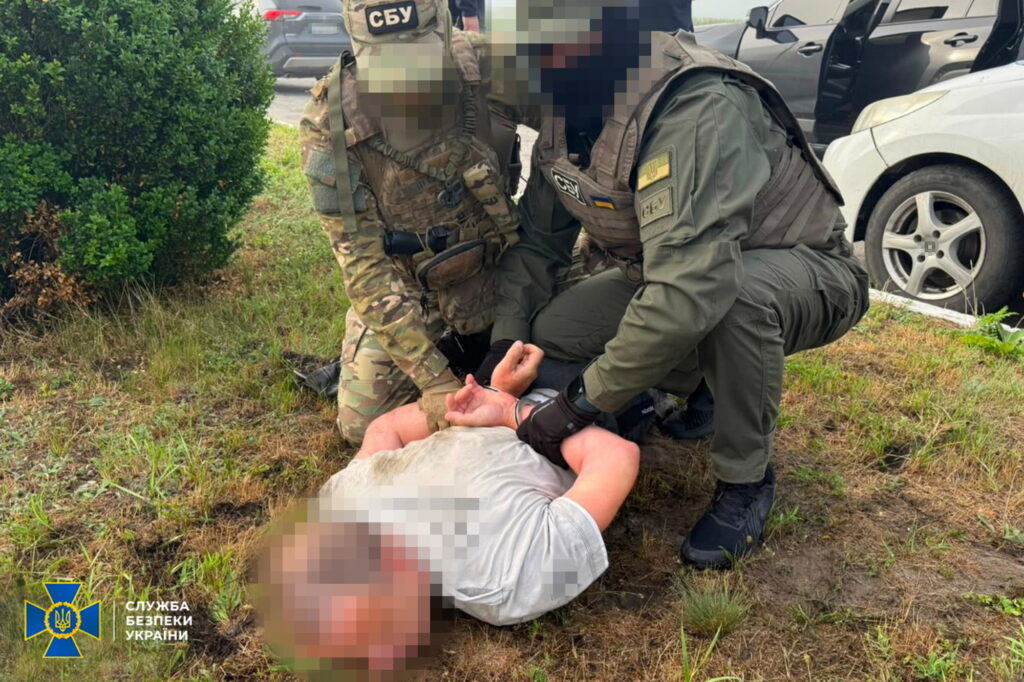
Russian intelligence services have sharply stepped up building websites and social media pages that impersonate Ukrainian state bodies and media, the Security Service of Ukraine (SBU) warned. Moscow uses the fakes to spread disinformation and to steal personal data it can turn into spy recruitment. The SBU says it has already blocked dozens of clones of its own brand.

Counterfeit pages built for propaganda and data theft

The fake sources serve Russian psychological operations and disinformation campaigns, the SBU said on 28 September. Their aim is to destabilize the situation inside Ukraine and damage its position abroad. Russian intelligence also uses them to extract Ukrainians' personal data, the agency said.

Alongside its full-scale invasion, Russia wages war on Ukraine in the cyber domain and through espionage and sabotage. Every agent Russia recruits inside Ukraine can help steer missiles and drones onto targets, and the SBU keeps catching such recruits.

Hacked accounts become recruitment leads

Russians often hack the accounts of users who subscribe to the fake pages and messenger channels, the SBU found. They then use the stolen information for recruitment operations and to collect confidential data.

Moscow is most interested in the combat and operational work of Ukraine's defense and security forces, the agency said. The SBU's cybersecurity department found and blocked more than 50 resources that copied the agency's own branding and positioning.

The fake pages are not Russia's only digital tool. Earlier in September, Anthropic said it had caught Russian spies running a campaign against Kyiv on its Claude AI chatbot.

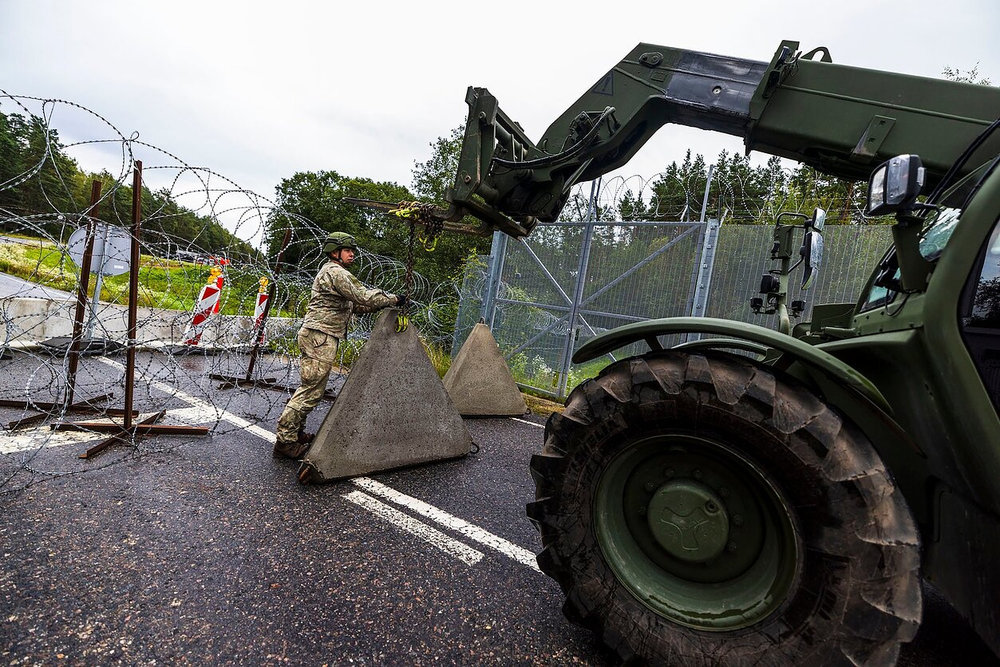
Lithuanian soldier installs concrete barriers and razor wire across a road during a civil defense exercise.
Explore further

Poland and the Baltics risk Russian sabotage for backing Ukraine, Bloomberg says

How Ukrainians can protect themselves

The SBU urged citizens not to follow suspicious links and to rely only on official sources. Anyone who sees a dubious web address, or gets a message from someone posing as an SBU officer, should call the 1516 hotline, the agency said.

What Russia's recruits are sent to do

The SBU's own reports from the past week show what Russia's recruits are tasked with. A mobilized soldier allegedly recruited by the FSB, Russia's Federal Security Service, tried to direct a Russian missile strike on his own unit in Kharkiv Oblast, the SBU said. His repair battalion restores Ukrainian drones.

A Lviv Oblast resident who worked at a drone production site in western Ukraine was allegedly recruited to guide a missile strike on it, the agency reported. The strike was meant to disrupt the steady supply of strike and reconnaissance drones to Ukrainian troops, the SBU said.

A court also sentenced a 17-year-old agent of Russia's military intelligence (GRU), exposed in November 2024, to 10 years in prison, the SBU announced. She tracked Ukrainian air defenses in Chernihiv Oblast under the cover of taxi rides. She talked to her GRU handler through an anonymous messenger chat.

  •  

FBI Hackers Say They Won’t Publish Massive Trove of FBI Employee Data

FBI Hackers Say They Won’t Publish Massive Trove of FBI Employee Data

The hackers behind the massive FBI breach told 404 Media on Monday they do not intend to publish the data.

The breach, in which the hackers stole personal information on “all FBI employees and applicants” including physical addresses, job roles, names of spouses, and medical records, represents a significant national security and counterintelligence threat. Criminals in the same ecosystem as the hacking group, called ShinyHunters, have previously used hacked phone data to track and harass the FBI agents investigating them. When 404 Media first broke news of the breach, the group sent the personal data of an agent and their spouse who they said was investigating the group.

  •  

‘We Hacked the FBI:’ Hackers Say They Have Data on All FBI Employees

‘We Hacked the FBI:’ Hackers Say They Have Data on All FBI Employees

A high profile hacking group claims it has breached multiple FBI-related services and stolen data “on all FBI employees and applicants.” A representative of the group, called ShinyHunters, told 404 Media the data includes FBI agents’ names, home addresses, phone number, and information on their spouse.

The data breach could be massively significant and may have all sorts of national security and counterintelligence implications. Criminals from the same ecosystem as ShinyHunters have previously used hacked data like phone records to track, intimidate, and harass the FBI agents investigating them. The highly sensitive data could also be a boon to foreign intelligence agencies who want to better understand how one of the most important law enforcement and intelligence agencies in the U.S. operates. And if the data fell into the hands of more criminals, FBI agents and their spouses could face serious threats to their safety.

“We hacked the FBI. We hold data on all FBI employees and applicants,” the representative of the group told 404 Media.

💡
Do you work at the FBI? Do you know anything else about this hack? I would love to hear from you. Using a non-work device, you can message me securely on Signal at joseph.404 or send me an email at joseph@404media.co.
  •  

Thoughts on Letting AI Write For You [en]

[en]

I was planning to write another blog post. I may still write it – or not. But as I opened my computer, I had a pile of open tabs. I’d clicked on a bunch of articles of Daniel Miessler’s blog for possible further reading. Daniel is the guy behind LifeOS (previously PAI), a personal AI framework (infrastructure) I have written about and spent many (many!) hours battling with since April.

It had been a pleasant surprise to discover Daniel’s blog was active, and even more that it was readable, as most of what I’ve seen “from him” these last months is in the GitHub repo or PAI/LifeOS documentation and rather AI-sloppy, sometimes even to the extent that it sounds like his DA (Digital Assistant) posting on his behalf. (I say this with all due respect, the thinking behind PAI/LifeOS is genius.)

Not so with the blog, clearly well-written by a human (see, by the way, his AI Influence Level system, something in the same vein as AI Labels).

So I fell in the trap of looking at the topmost open tab before closing it, and I started reading, and I was even more pleasantly (ephorically?) surprised to read this:

I value text because I see it as one step away from thought.

I believe thinking is the one thing we should be careful not to outsource, and I worry what this idea smuggles in is a major step toward making our creations opaque to humans. Not just AI’s creations, but ours as well.

The reason I value Paul Graham so much is because of the idea compression work that goes into writing super clean prose. It’s difficult to write clearly because it requires thinking clearly.

Daniel Miessler, “Text is Thought, and Thought is Holy“

I worry that if we vibe-think to AI and have it spit out amazing HTML, we’re instantly disconnected from the idea. Like where did the idea go? It started as vibes and got put through a woodchipper and turned into someone else’s HTML.

I see this happen so much. A lot of writing is a way of thinking, it’s not “path to an output”. And I think that when thinking is missing in the process, we feel it, which is why AI Slop and even many “decently AI-generated texts” are so distasteful to read.

Because the “thought” they contain is not coherent, not organic, and we cannot access it comfortably through the text we’re reading. We need to do extra work to try to get at it – and sometimes it’s not even there. Just like “over-optimised” administrative processes end up outsourcing a large part of the work they’re supposed to do to the people they should be serving, “over-optimised” text production outsources part of its work to the reader.

We could maybe apply this analysis to badly constructed, hastily-written reports whose sections have been copy-pasted to death and which lack overall integrity and structure.

Jens-Christian wrote about this too in “Keep Your Voice“.

Daniel again:

I just feel like if you didn’t put the hard thinking and writing work into the original idea, and then maintain it in a format that’s easy for humans to read and edit, then you have somehow surrendered something Holy to the machines. I say this as a total AI maximalist.

This reminds me of two things that came upon my radar recently.

The first is this post by Alex Hillman about how generative AI has broken the social contract by upending the balance of effort from producing to consuming content. What used to be expensive (writing, creating a song, shooting a video, etc.) is now super cheap, in terms of effort (if not tokens). Sure, we used to have content farms and the like, but it was still a lot of manual labour. Now I can feed a one-line prompt to an AI model, leave the computer running and come back to a whole book of content. Sloppy, but a lot of words.

Over time, the world we live in has shifted more and more in the direction of “too much content, not enough brain time to absorb it”. It’s something humans have been complaining of since before the internet. But like everything, it’s speeding up like a hockey stick. The democratisation of online publishing, and social media on its heels, has brought in another height of cognitive overload and collective anguish about there being “too much stuff out there”. And now that more and more of this stuff is produced by machines that never need to sleep or eat (except a prompt or two), the overall quality of what is out there is going down as fast as its quantity is going up.

This reminds me somewhat of my thoughts about audio and video versus text, back in the day. If you record a 30-minute video and post it online, it took you 30 minutes, but it will also take each person who watches it 30 minutes. If you spend 30 minutes writing up your message, it will take the people reading it much less time.

Because what has not changed is the finitude of human existence. Not only is our time limited, but also our energy and ability to read, watch, learn, concentrate. This is, now more than ever, our bottleneck. Producing something today is pretty much worthless. Producing more is senseless. What has value is: does it enter somebody’s mind in a meaningful way?

There is a link between this and the AI brain fry explanation that I referenced some time back. AI has no limits on the concurrent projects it can work on, and no limits on how much content it can produce. But we have limits on how much delegation we can supervise, how many open loops we can stand, and how much content we can absorb.

And this brings me to the second thing: understanding cannot be outsourced. Andrej Karpathy now famously said you can outsource thinking, but not understanding. A lot of what AI produces does not help us understand anything. It gives the illusion of opening the door to that, but it’s more often than not just word froth. Reading is about understanding. It’s about meaning. There is no shortcut to that. Only you can learn and understand so that you later know.

When Karpathy says you can outsource thinking: well, some of it. But what we writers-as-thinkers know very well is that the thinking that we do when we write is the kind of thinking that leads to understanding. Saying that thinking can be outsourced is a slippery slope because it drags down a chunk of understanding with it.

Writing is thinking is understanding.

Well, that was the first open tap. 27 more to go. (Just kidding. I’m going to close them. I might write my Paléo Festival blog post tomorrow.)

  •  

Des mots sur un carnet à Paris [en]

[en]

C’est moche pour l’accessibilité, je sais.

Transcription IA non vérifiée (22.07.2026):

1er juillet 2026, 21h15

Ça fait longtemps que je n’écris plus à la main. Encore plus longtemps que je n’écris plus à la main avec soin. Depuis mes TMS en 2002 ou 2003, ce n’est pas confortable. Ça crampe, ça tétanise. Je regarde un peu de haut ces exercices qui disent de faire à la main. Je tape à l’aveugle plus vite que mon ombre. Bref : se passe-t-il vraiment autre chose dans mon cerveau quand j’écris à la main ? Avec mes “petits problèmes linguistiques” depuis mon accident, je me pose la question, à nouveau, de l’utilité de ce genre d’exercice. Pourquoi pas. Écrire à la main, c’est me reconnecter à un rapport plus primitif de mon rapport à l’expression écrite : le seul que j’avais jusqu’au milieu de mon adolescence, quand j’ai appris à taper ; et le principal, jusqu’à la fin de mes études, justement autour de 2002-2003. C’est moins rapide et moins confortable, mais en ces temps post-commotion, je me réconcilie — tant bien que mal — avec le temps lent.

Je suis à Paris. Une semaine pour deux journées de formation à l’IGB. La dernière était aujourd’hui. Mon cerveau est cuit [?], et c’était fascinant et ultra riche, comme toujours à l’IGB. C’est le genre de formation où je prends des notes à la main, relativement illisibles, parce que les schémas de boucles interactionnelles entre les différents protagonistes des situations abordées, c’est quand même assez galère à faire à l’ordi. Avec ma logo la semaine dernière, j’ai évoqué ce que je ressens un peu comme une récalcitrance à l’effort cognitif, parfois. Il y a des articles un peu pointus que je veux lire, mais je rechigne à la perspective de cet effort. Un peu peur d’en faire trop, aussi, bien sûr. On s’est dit que ce serait peut-être un exercice utile de m’y mettre, de façon contrôlée : limité dans le temps, lentement, et — sa suggestion — en surlignant les points clés ou prenant des notes. Ça m’a parlé — et travaillé.

J’ai passé une décennie de ma vie à lire en prenant des notes — quand j’étais aux études. Je prenais aussi des notes de livres que je lisais “en plus”, par intérêt. Prendre des notes m’aide à comprendre. Quand j’écoute aussi, d’ailleurs. C’est ce qui m’a amenée à live-bloguer, en fait. Je peinais à rester concentrée sur des conférences (le TDAH était très loin d’être sur mon radar !) et j’ai fait l’expérience, un peu par hasard, qu’en prenant des notes ça allait beaucoup mieux. Pas très étonnant en fait, après avoir fait ça quasi quotidiennement sur les bancs de l’uni.

Alors oui, si on se dit que je dois peut-être “ré-entraîner” mon cerveau à certaines choses, lire en prenant des notes pourrait être une pratique intéressante à revisiter.

Ce qui est marrant, c’est que je n’ai pas arrêté de lire des choses “difficiles”, après mes études. Mais j’ai lâché la discipline de la prise de notes, en partie je pense car elle n’était plus forcément nécessaire en vue des raisons par lesquelles je lisais, aussi un peu en partie parce que c’est un effort en plus, et parce qu’avec les supports numériques dans lesquels on peut “rechercher”, les notes semblent un peu moins utiles — en tant que résumé permettant d’accéder au contenu.

Mais le travail cognitif de tri de l’information, de synthèse, d’organisation des idées, il se produit. Et au fil de toutes ces dernières années, j’ai parfois senti, en toile de fond, que je pourrais perdre un peu en rigueur, que les choses que j’avais lues et comprises finissaient par manquer de précision, qu’avec le temps il me manquait quelques bouts — rien de très grave — et qu’évidemment je n’allais que rarement replonger dans la source (si tant est que j’étais capable de la retrouver, malgré les miracles de la loupe et des images…)

Alors oui, écrire comme exercice, prendre des notes, pourquoi pas. Je me dis que je pourrais mettre au propre mes notes IGB par exemple. Il y a quelques articles écrits par un psychologue français sur la question de “l’énergie” dans le TDAH qui m’intéressent et qui méritent une lecture attentive, d’autant plus que je suis aux prises avec ces questions de “gestion de l’énergie” de façon criante depuis mon accident — je suis d’ailleurs au milieu d’un programme en ergothérapie sur la gestion.

“Journaler”, c’est aussi une pratique que je souhaite reprendre. Ma mémoire épisodique est souvent un peu confuse, et c’est pire depuis mon accident. Prendre quelques notes en fin de journée m’aide à ne pas me sentir en dérive temporelle. Il y a dix-huit mois, quand j’ai pris deux semaines de vacances pour réaménager mon chez-moi, j’ai eu envie de me mettre au scrapbooking. Peut-être qu’il y a une idée à creuser là. Écrire à la main, c’est peut-être aussi quelque chose qui pourrait être pour moi une forme de “repos”. Le rythme plus lent, la linéarité, je sens en effet que c’est différent de taper ou dicter sur l’ordi ou le tél. Chaque mot écrit est écrit.

On verra.

J’étais partie pour faire une page. J’en ai fait cinq. J’arrête là pour aujourd’hui.

  •  

Post-Accident Packing and Travel Anxiety [en]

[en]

I’m on the train to Paris. I’ll be coming back a week on Monday. It’s a comfortable, easy trip. The reason for my travel is I’m attending a two-day course on burnout – part of my training at the Gregory Bateson Institute. I’d planned on postponing this module until next year or the year after, given that my main priority now is building my working capacity back up following last year’s accident. But earlier this year, the whole curriculum was redesigned (it’s a good thing!), and the material on burnout will be incorporated into a longer module which is largely redundant with the courses I’ve already taken. So: now or never.

Following my relapse/brain crash earlier this year, I took the decision in March to pretty much clear out anything that was in my calendar. It was a tough decision, but it was the right one (people who have experience with chronic fatigue will know what I’m talking about). For those few plans I held on to, I « cleared the decks » around them to ensure they would not interfere with getting my work done, and that work would not jeopardise them. This means I took the whole week off for these two days of training, just like I took the whole week off a fortnight ago to go and see Mika live at the Caribana Festival. It worked.

In my pre-accident life, I might have travelled on Monday, attended the training on Tuesday and Wednesday, and travelled home Thursday. The « recovery » version of this is to add at least a day of padding in between training and travel, with nothing planned, so I can rest/stock up on « energy »/recover, and reduce the risk of (for example) travelling on a maxed out brain. I figured I might as well add on a few extra days (particularly as Oscar is not around anymore – something I’m really thankful for to be honest, with the awful heat wave that hit us over the last week), and catch up with a couple of people, if I’m in good enough shape.

This is my fourth « real trip » since my accident. I went to France twice for extended week-ends with family or friends last year. Each time was absolutely exhausting (but nice). Then after Christmas I went to spend some time at the chalet – first time I was going back since my accident – and we know what a disaster that turned out to be. This time, I think I’ve planned and organised things well enough and with a lot of caution.

As I was packing and preparing for departure yesterday, I realised I was really stressed out. More than usual. Packing and preparing to travel has always been stressful for me. It’s not the actual travel or being in a strange place or away from home. Or maybe just a little. What it is mainly is all the executive function acrobatics required in dealing with travel-related logistics:

  • making sure I do the things that need to be done before leaving
  • deciding what to bring with me (this is a huge one)
  • organising cat- and plant-sitting
  • inserting these « unusual activities » into my days at the right time, in the right order, and with enough time to carry them out
  • leaving wherever I’m at to go “somewhere else” – the transition itself.

Putting things in the suitcase is actually a part I like. It’s real-life Tetris: fun. Once I’ve locked the door behind me and am heading out with my luggage, I’m good. But before that, it’s complicated. I have got much better at dealing with it over the years, and with the clearer view on my executive function challenges that my ADHD diagnosis brought me a few years ago (and meds!) it’s even better.

I don’t have a very clear memory of how preparation for my two France trips went last year (only that I overpacked, a sign that making decisions regarding what to take or not was difficult, so in doubt, pack more). But I do know that packing for the chalet in December was a nightmare.

OK, I had already « crashed » during the previous week, but I’d taken rest to recover and felt functional enough to tackle it. And yes, it was also the first time back to the chalet since my accident, but I was really looking forward to heading back. I was aware there was maybe a little (normal) underlying apprehension that I might not be perceiving.

What apprehension I could feel was not about going to the chalet, but about the possibility of an unexpected emotional reaction to being there again. It was the same thing when I went back on the ski slopes: not scared of skiing, just worried I might have misjudged my readiness and have some kind of PTSD-like reaction to being back on my skis or where the accident took place. Nothing like that happened, by the way. Everything was fine.

This illustrates where most of my post-accident anxiety lies. I am normally pretty good, in general, in predicting how I’ll react, what will be challenging, what I can and can’t deal with. I know myself well, including my biases, and of course I know that when you expect something to do this way or that, it does have an influence on the outcome – I do my best to correct for that. Since my accident however, I have been blindsided by my brain more times than I can count. At times I feel like I do not know myself anymore, though of course I’m still me and very much feel me, but when it comes to “what I can take”, whether mentally, physically or emotionally, I’ve had a lot of bad surprises.

I am repeatedly finding myself in the situations where my brain does not deliver in the way I expect it to, and where I misjudge what I’m able to do. In my accident-recovery-life, the consequences of these prediction errors are swift: I crash. I don’t know if it hits everybody this hard, but for me in any case, it’s pretty traumatising to have my brain brutally and unexpectedly go on strike like that. Both the “brain not working” and the “didn’t see that coming” aspects are really scary.

So now, as time goes on and my recovery stretches out way longer than I initially imagined, as the clock of certain administrative deadlines regarding my return to full work capacity start audibly ticking, as I fail again and again to know my fluctuating limits, I can feel my underlying confidence in my abilities and self-awareness slowly erode, leaving place to self-doubt and increased anxiety about dealing with life and the world. It sucks: the anxiety is not crippling, it’s just a nuisance and an energy-drain at this stage, but I can see the process and the slope I’m on, and I do not like it one bit. Breathe. Relax. Deal with today. Be patient. Hang in there. Keep at it. Trust the recovery process. All this works, and I don’t feel in danger, but it’s more and more work to not let myself be dragged down.

Right. So there’s that. My trust in my ability to manage myself and deal with life is weaker than it was. So my baseline anxiety is higher, my executive function is struggling more, and I tire quickly. But as I was walking to my neighbourhood station to catch the local train a few hours ago, I understood that something else was probably coming into play in terms of post-accident travel and packing anxiety.

You see, my accident happened on the very day I travelled to the chalet for my holidays. I hadn’t been there for a while, I’d actually emptied the chalet of all my stuff and Oscar’s when I had last departed, so it was already an “increased stress” packing and travel operation. Nothing disastrous, still quite within the realm of ordinary, but not a walk in the park.

I got to the chalet (later than I had intended), got Oscar settled, dumped my unopened luggage in a corner and headed off immediately to get a couple of hours of skiing in on this first day. When I fell, I was heading back to unpack and enjoy the evening. I didn’t make it back: I spent the night at the hospital, in the haze and stress you can imagine, worried about my shoulder and my old diabetic cat who was alone at the chalet, trying to make decisions and organise logistics (How can I get back to the chalet? Should I go back to Lausanne? Who has a good shoulder specialist? Who can help me with my car as I can’t drive? That’s just the start of them). The next day a friend picked me up at the hospital and drove me back to the chalet, and another one came to help me empty the chalet and drive me back home. It was horribly stressful. I was in pain, I was freaked out, and instead of resting my concussed brain I was in full crisis management mode. It didn’t get better over the next two weeks.

I wouldn’t be surprised if my accident taking place just on the heels of travelling to the chalet didn’t add an extra layer of “negative association” to a transition that was never that easy for me to begin with.

Say you have a pet who always stressed out when heading to the vet’s. You do stuff to make it smoother: stay calm yourself, get your pet used to the carrier or the car, add treats, maybe a mild sedative, maintain usual routines as much as possible… It’s not great, but it’s not a disaster anymore, it’s manageable. And then, one fateful vet visit, something “bad” happens there. Not on purpose, of course. An exam that’s longer or more intrusive. A different vet. A loud noise at the wrong time. The pet freaks out, has a really bad experience.

Well, chances are that the next time you prepare to take your pet to the vet, it’s going to be more complicated.

That’s how I feel it’s playing out for me. I’m not actively scared of travelling or having an accident. But I’m clearly more stressed when preparing to travel, and some part of that could very well be the proximity of my accident to travel which has left a negative association. Not PTSD of course, but maybe on that continuum, probably closer to normal than pathological.

In 2019 I had a bad car accident (which resulted in surgery on my right wrist six months later). I was in a roundabout when a car entering it hit the back of my car right from the side. I didn’t see anything – there was a loud bang and choc and suddenly I was heading off the road right onto a big metal signpost solidly anchored in the ground. The car flattened it, ripped it out of the ground, and in turn it bent the car frame into a right angle. The car was totalled, we were lucky. I drove quickly afterwards with a rental, without issues. I’ve always liked driving and never been afraid at the wheel. But for months afterwards I felt a tiny surge of apprehension when going through roundabouts (it even still happens sometimes now when I’m on the precise spot of the accident). Nothing huge, but a clear signal – and this was on the backdrop of an activity (driving) that was very positive in terms of associations, compared to packing/traveling which was already fraught.

We’ll see how things play out over the next months and years. But I think I’ve put my finger on something that wasn’t on my radar. You know how sometimes you have an insight that just feels like it’s the missing piece? That’s what this feels like. In my experience, it’s often enough for me to just understand this kind of mechanism to defuse it. Like when I understood that a huge amount of my anxiety over Oscar’s impending death was the possible consequences this loss would have on my recovery timeline, given the post-accident uncharted territory I described higher up when it comes to my ability to “deal with life” in these times.

I typed this on my phone, with an external keyboard. Pretty comfortable I have to say, but not quite enough that I feel like adding links (there would be a good handful to add). I’d also like to say more regarding continuums between normal and pathological, and also on the somewhat related question of normality: when it comes to living beings, normal/average is a mathematical abstraction (or a bell curve), which should make us think real hard about how we frame certain realities (e.g. “neurodiversity”).

Anyway, I’m going to leave things there. I’m starting to feel a bit of motion-sickness and I feel just about ready for a nap in my comfy train seat.

  •  
❌