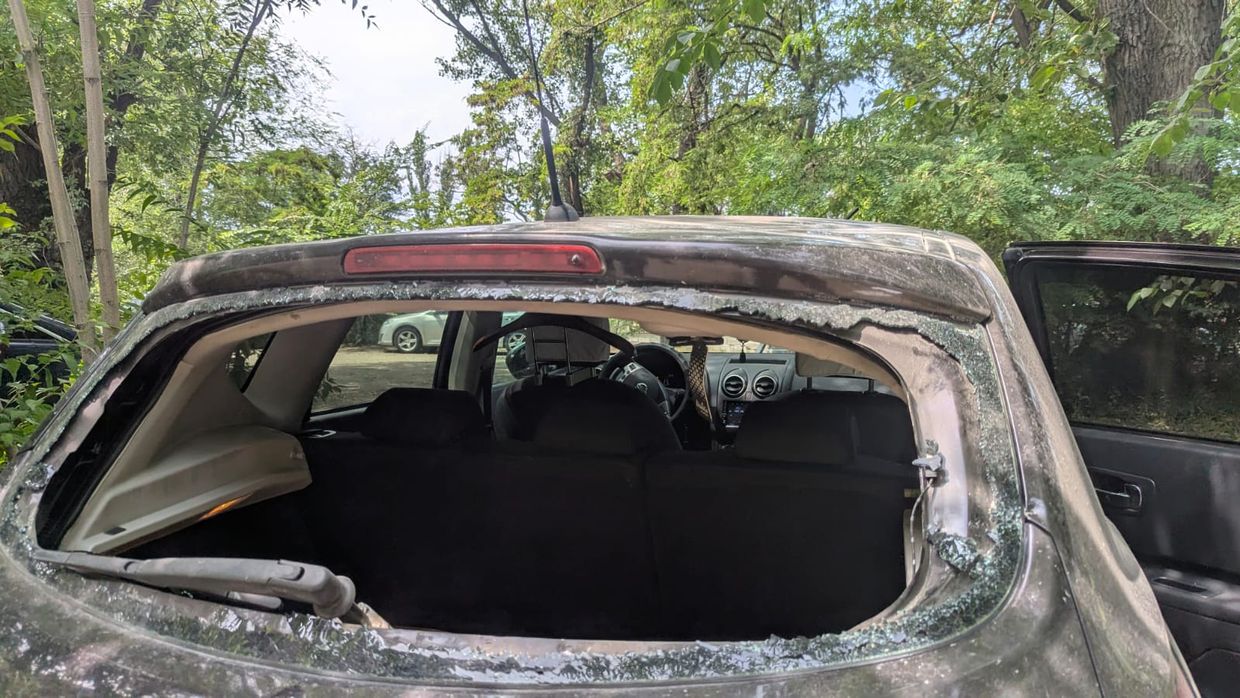
The mayor and three other council members of Avenal, Calif., had refused to leave despite a certified vote by residents to recall them. They will now step down, a city official said.
The new head of the Justice Department said on “Meet the Press” on Sunday that the president had never asked him to prosecute specific people — and never would.
The State Department overseen by Marco Rubio has restored the visas of political figures in Central America once penalized by the U.S. government and has revoked visas for others.
A group of Cuban men in Mexico was charged with smuggling people to the United States. One of its leaders said Raúl Castro’s grandson helped, according to interviews and court records.
The Castro family envoy, Raúl G. Rodríguez Castro, who has been in talks with the Trump administration, was once named in a case targeting a Cuban smuggling ring.
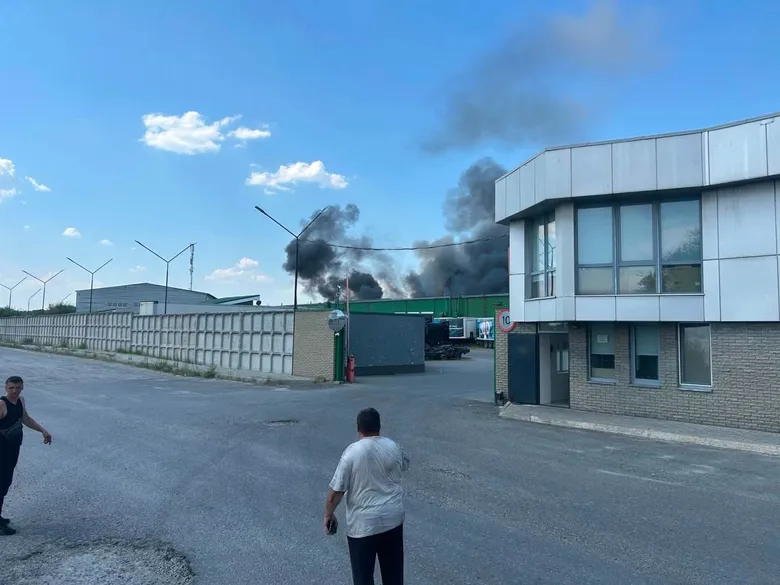
A World Health Organization humanitarian warehouse in Dnipro was destroyed in a strike on 7 August, WHO Director-General Tedros Adhanom Ghebreyesus reported on 9 August, without naming those responsible.
Ghebreyesus's account added to a pattern the organization has tracked since the start of Russia's full-scale invasion: 3,148 strikes on Ukrainian healthcare facilities, which have killed 240 people and injured 1,055 more, according to World Health Organization Ukraine data.
The warehouse held humanitarian medical supplies intended for medical facilities at the front line, Ghebreyesus said.
Evacuation before the strike
A WHO staff member and drivers helping evacuate cargo were working at the site before the strike that destroyed it. Before the attack began, they managed to remove 130 of approximately 300 pallets of medical supplies. Preliminarily, no one was injured.
Ghebreyesus withholds blame
Ghebreyesus said he had no data on who struck the warehouse and did not name a culprit. Similar caution from international organizations in describing attacks in Ukraine has occurred before, including after the strike on the Kyiv-Pechersk Lavra.
"Attacks on healthcare facilities MUST STOP. Otherwise people are left without life-saving medical care. Even wars have their rules. One of them—health must be protected!" Ghebreyesus added.
Other recent strikes on healthcare infrastructure
On 6 August, five people were killed in Dnipropetrovsk oblast—three in Kamianske district and two in Pavlohrad, where an Ukrposhta depot was also destroyed. On the night of 1 August, Russia struck the territory of Kyivmedspetstrans twice, burning five ambulances. On 2 June, five medical facilities in the capital were damaged by Russian strikes.
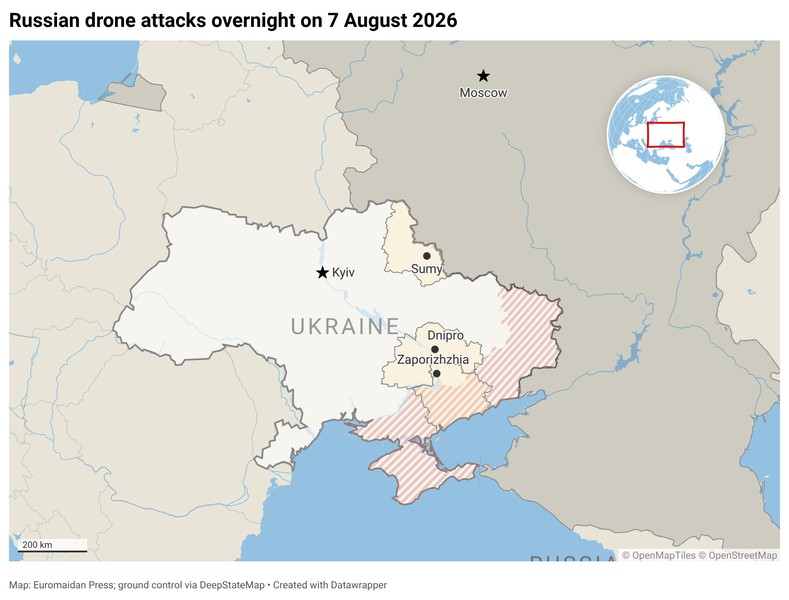
Since the evening of 6 August, Russia has attacked Ukraine with various types of drones, including decoys, the Ukrainian Air Force Command said. Although 114 of those 147 were shot down, some hit their targets, killing at least 2 people and injuring more than 10.
The Russian military has repeatedly used drone decoys to distract Ukrainian air defenses from real targets. By overloading Ukrainian air defenses, more drones reach their targets, which often include Ukrainian civilian infrastructure. In particular, attacks on post offices have become increasingly targeted.
Russian drone attacks overnight on 7 August 2026/Euromaidan Press map
Strike on Sumy Oblast
A Russian drone struck a market in Bilopillia community, Sumy Oblast, on the morning of 7 August, injuring 10 people. Two of them are in serious condition, head of Sumy Oblast Oleh Hryhorov said.
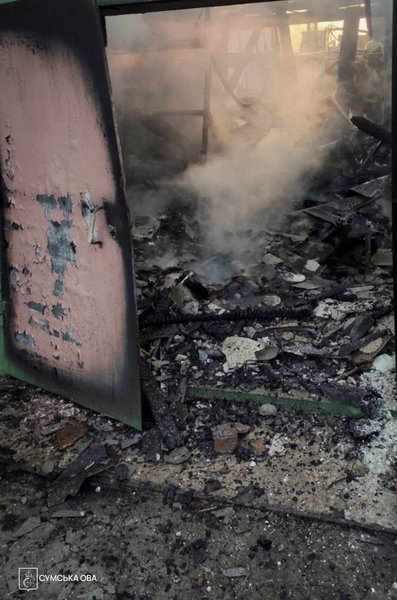
Overnight into 7 August, Russia attacked Sumy Oblast with aerial bombs and various types of drones, Hryhorov said. The attacks damaged infrastructure, non-residential buildings, vehicles, and private homes. Two civilians were injured, but their condition is not serious. One was a 57-year-old man wounded after one of two aerial bombs struck near his home, Sumy City Military Administration Head Serhii Kryvosheienko said. A drone also struck a post office in the Hlukhiv community.
Over the past 24 hours, Russian forces struck 34 settlements across Sumy Oblast in 48 attacks, injuring 13 people, including a child, Sumy Oblast police reported.
Consequences of Russian strikes on Sumy Oblast overnight into 7 August, 2026. Photo: Sumy Oblast Administration
Strike on Dnipropetrovsk Oblast
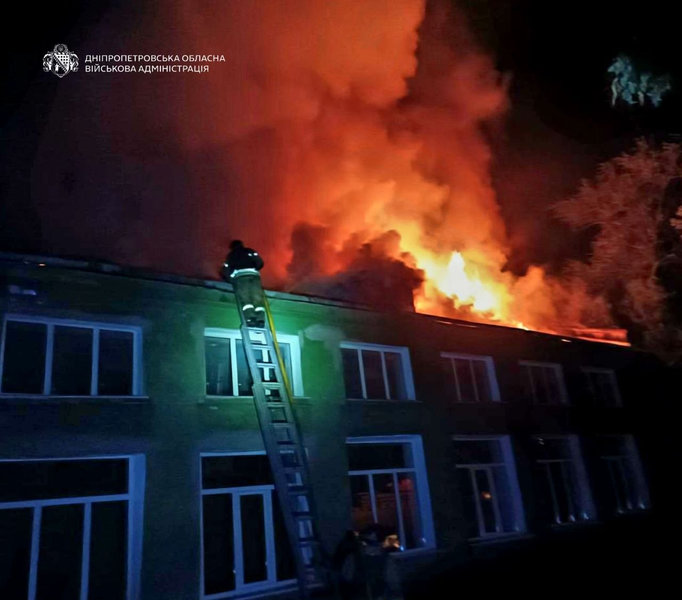
At the same time, Russia attacked five districts of Dnipropetrovsk Oblast with artillery and various types of drones, with no casualties reported initially, Dnipropetrovsk Oblast Head Oleksandr Hanzha said. He added that the strikes damaged private homes, an administrative building, vehicles, and infrastructure. In Nikopol district, a post office and a gymnasium were damaged in the Russian attack.
A firefighting crew extinguishes a fire following Russian strikes on Dnipropetrovsk Oblast overnight into 7 August, 2026. Photo: Dnipropetrovsk Oblast Administration
Russia continues to strike civilian infrastructure
On the night of 7 August, Russian forces also struck Zaporizhzhia. A drone damaged an office building, causing a fire.
Aftermath of Russia’s attack on a Ukrposhta sorting depot and the base for mobile post offices in Pavlohrad, Dnipropetrovsk Oblast, on 6 August, 2026. Photo: Ihor Smilianskyi
On 6 August, a Russian Banderol cruise missile struck a Ukrposhta sorting depot and a base for mobile post offices. Two Ukrposhta employees were killed, and a mechanic was injured in the strike, Ukrposhta CEO Ihor Smilianskyi said.
“The enemy wanted to stop our movement here, but we will not let them do it. All backup schemes are already working. Pensions, medicines, parcels and letters are being delivered on schedule,” Smilianskyi said.
Editor's note: This is a developing story and is being updated.
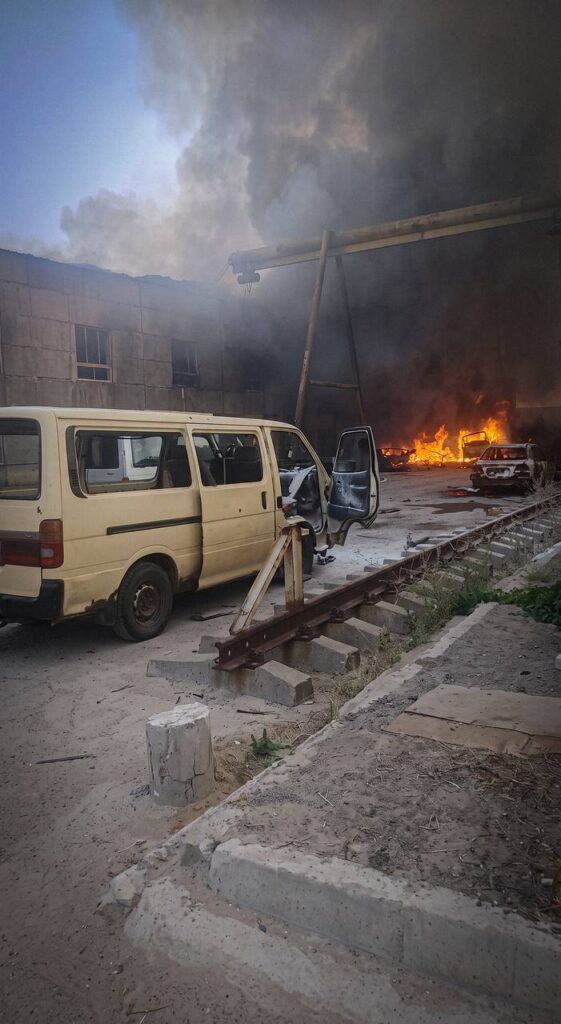
Russia launched a deadly missile attack on the Ukrainian city of Dnipro on June 24, striking civilian infrastructure and a passenger train, killing at least 17 people and injuring scores of others, local officials reported.
Dnipropetrovsk Oblast Governor Serhii Lysak said the morning strike ignited a large fire and also damaged a dormitory, a gymnasium, and an administrative building in the city.
The Russian military also struck the nearby town of Samarske, Lysak said. Casualties were reported in both locations.
"Unfortunately, there are dead and wounded everywhere," he said.
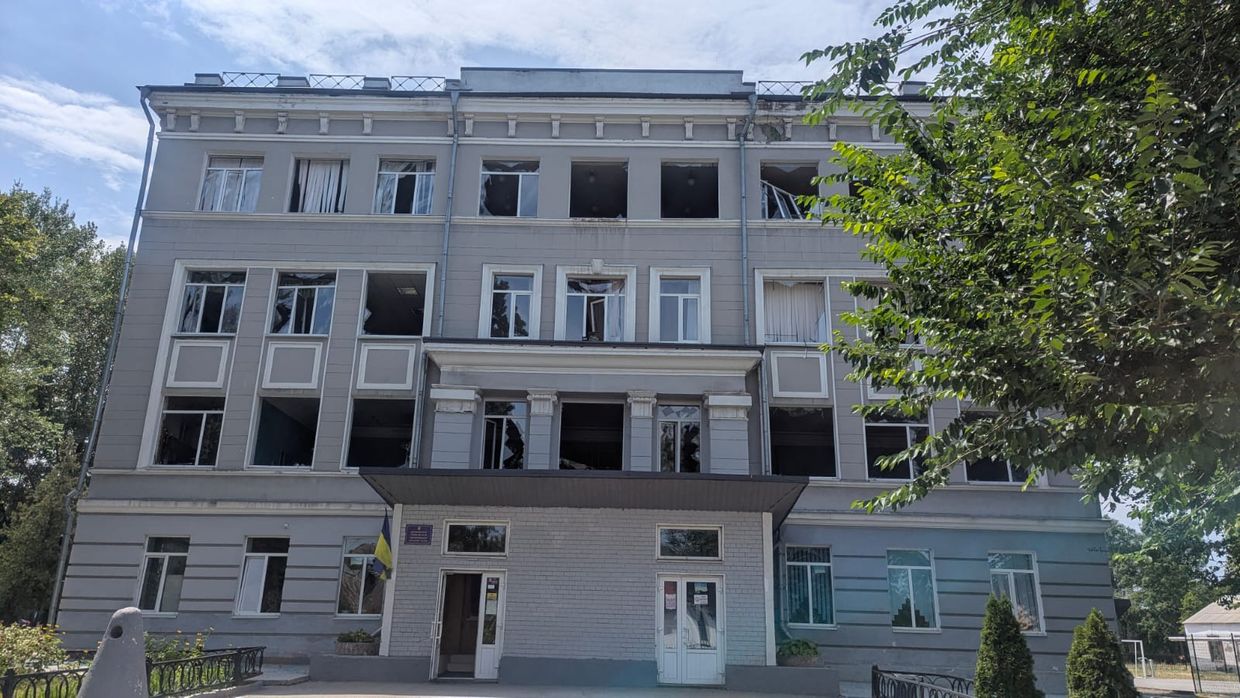
An school in Dnipro that was damaged in Russia's ballistic missile attack on June 24, 2025. (Dnipro.media)
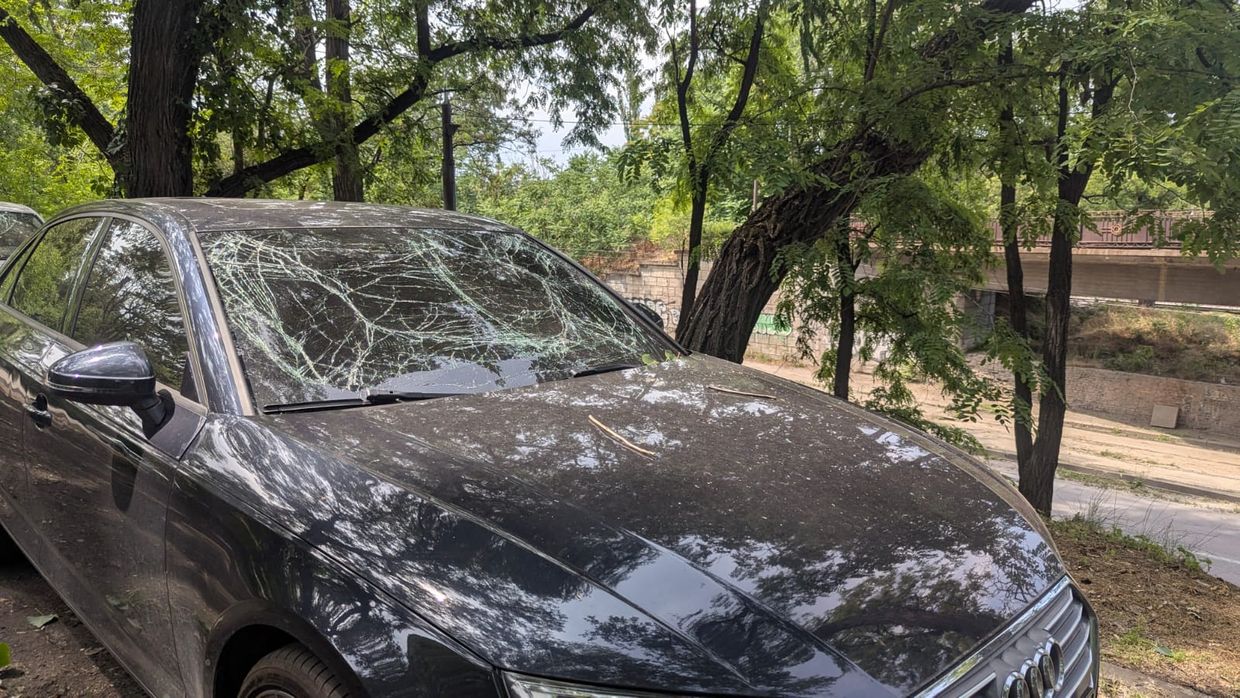
Multiple cars got damaged in Dnipro during Russia's ballistic missile attack on June 24, 2025. (Dnipro.media)
Multiple cars got damaged in Dnipro during Russia's ballistic missile attack on June 24, 2025. (Dnipro.media)
In Samarske, two people were killed, and 14 injured. Eight were hospitalized, with half of them in critical condition.
"As of now, more than 160 people are known to have been injured. Unfortunately, 11 people have died," President Volodymyr Zelensky said in a post on social media, adding: "The rubble is still being cleared, so the death toll may, unfortunately, increase."
Around 8:30 p.m. local time, the death toll rose to 17, while the number of wounded increased to 279, including 27 children, Lysak reported.
Almost a hundred of the victims remain in hospital, according to Lysak.
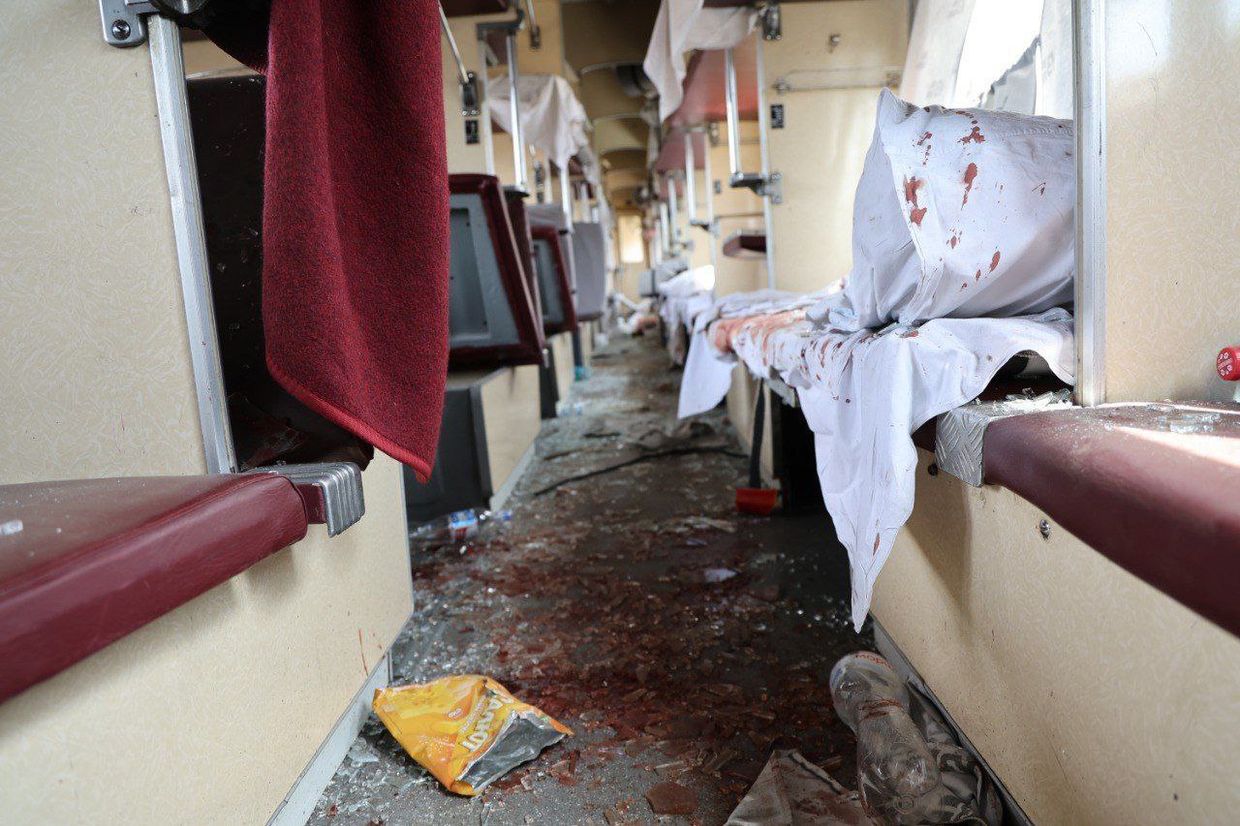
Ukraine's national railway company, Ukrzaliznytsia, said that a train traveling from Odesa to Zaporizhzhia was damaged in the attack.
"Ukrzaliznytsia is preparing a replacement train in Dnipro to evacuate passengers to Zaporizhzhia," the company said in a statement.
A damaged passenger train at a station in Dnipro Oblast, Ukraine after a Russian missile strike on June 25, 2025. (Ukrzaliznytsia / Telegram)
In an update, Ukrzaliznytsia said no passengers or railway workers were killed in the attack, though several people sustained injuries and are receiving medical care.
The attack came as NATO leaders convened for a high-level summit in The Hague. NATO Secretary General Mark Rutte warned on June 23 that Russia remains the alliance's most immediate and long-term threat.

 Connexion