Vue lecture

“Responsibility is inevitable”: Zelenskyy warns Russian collaborators in occupied territories after explosion kills defector
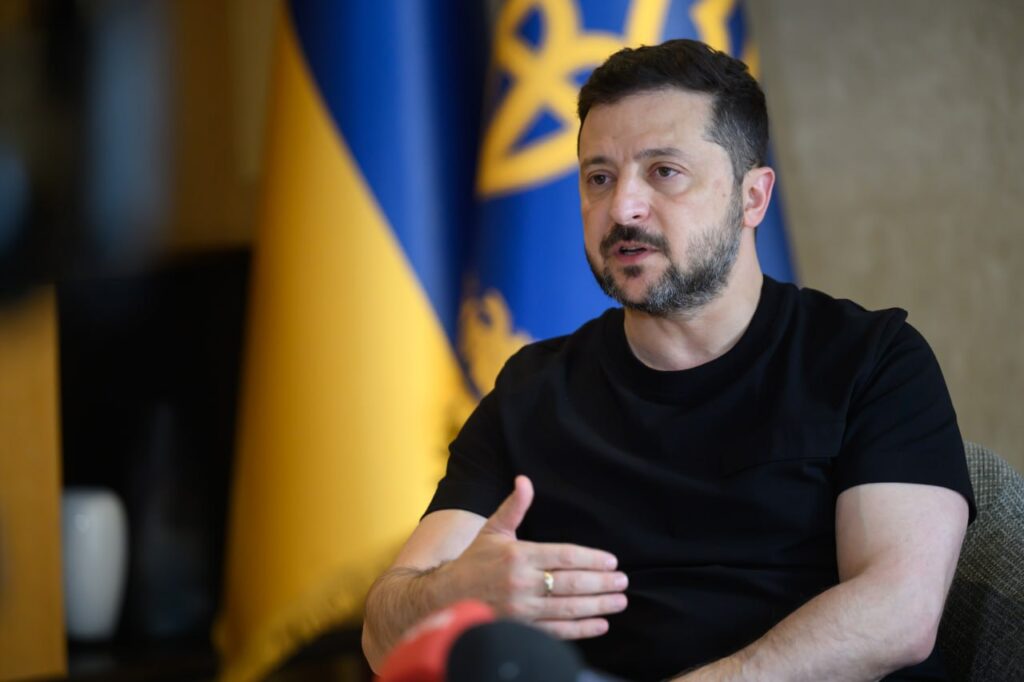
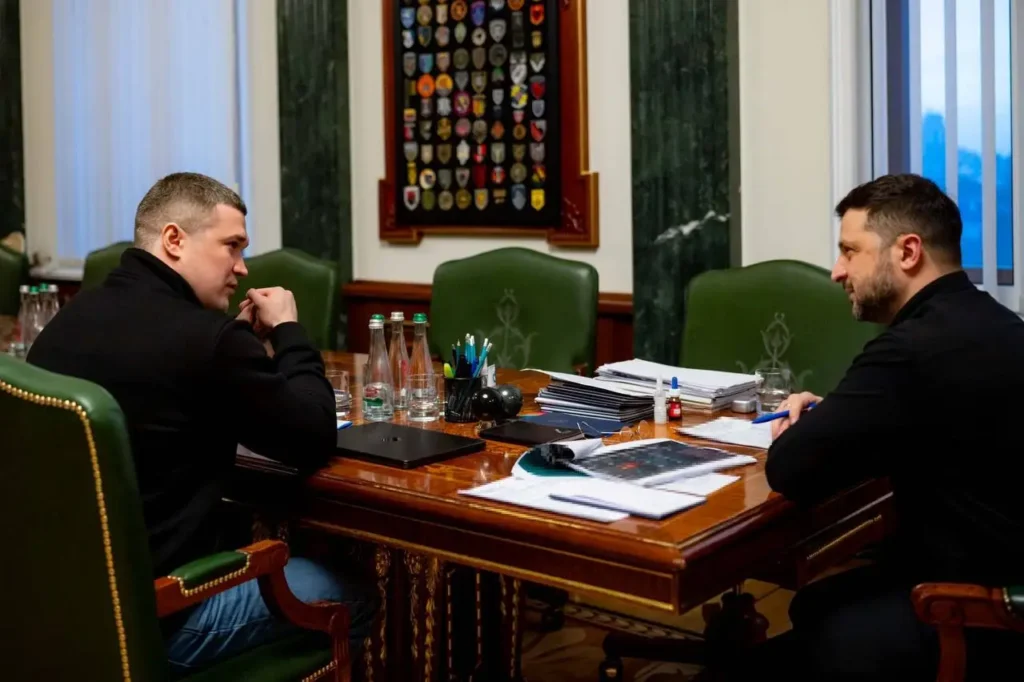
Ukrainian President Volodymyr Zelenskyy, 8 August 2026. Photo: Zelenskyy on Telegram

Ukrainian President Volodymyr Zelenskyy said Ukrainian special services are conducting targeted operations against collaborators in Russian-occupied territories who assist Russia’s attacks against Ukraine and Ukrainians.

Speaking after a meeting of Ukraine’s top military leadership on 14 August, Zelenskyy said he received a separate briefing from Ukraine’s special services on the progress of these operations.

He specifically mentioned occupied Sevastopol, where Ukrainian officials have previously accused local collaborators of supporting Russia’s military operations.

“Responsibility for collaborators is inevitable,” Zelenskyy said.

Operations target those helping Russia

Zelenskyy did not identify the individuals targeted or provide operational details, saying only that the special services had reported on the implementation of “targeted operations” against collaborators in occupied territories.

He said the targets include people who participate in Russian attacks against Ukraine and Ukrainians.

The comments signal that Ukraine is continuing to pursue individuals in occupied territory who assist Russian forces, including through intelligence, military support, or other forms of cooperation.

Sevastopol explosion on 13 August

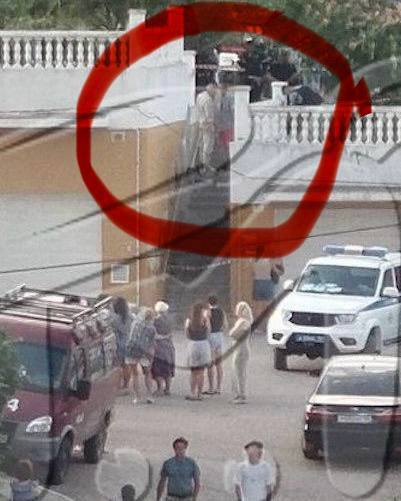
The statement comes shortly after an explosion in occupied Sevastopol on 13 August killed a Russian military officer.

Russian and Ukrainian sources have circulated claims that the victim was Robert Shageyev, reportedly a former Ukrainian Navy officer who joined Russia after the occupation of Crimea and later served in Russia’s Black Sea Fleet. 

His identity and the circumstances of the explosion have not been officially confirmed by Ukrainian authorities.

Russian sources had suggested Ukrainian involvement in the incident, but Ukraine has not publicly claimed responsibility.
Sevastopol
Explore further

Man killed in explosion in occupied Sevastopol, Russian sources report

Ukraine prepares for Russia’s next moves

The discussion of operations against collaborators was part of a broader meeting focused on Ukraine’s military preparations for the coming months.

Zelenskyy said the main issue was securing funding for Ukraine’s defense and security forces through the fall and winter. Officials identified funding gaps and additional requirements for expanding production of advanced weapons.

Among the priorities are faster production of Ukrainian strike weapons and new defensive systems, including jet-powered interceptor drones designed to counter Russian aerial threats.

Ukrainian intelligence also provided updated information about Russia’s plans, according to Zelenskyy. He said Ukraine is preparing countermeasures, including asymmetric responses.

The meeting also covered the effectiveness of Ukraine’s long-range and medium-range sanctions against Russia. Zelenskyy said the existing sanctions plan is being implemented and that priorities are being adjusted to ensure Ukraine has the capabilities needed to achieve its objectives.
  •  

Ukraine says Russia can’t replace its losses, plans mass draft after elections—and again in 2027

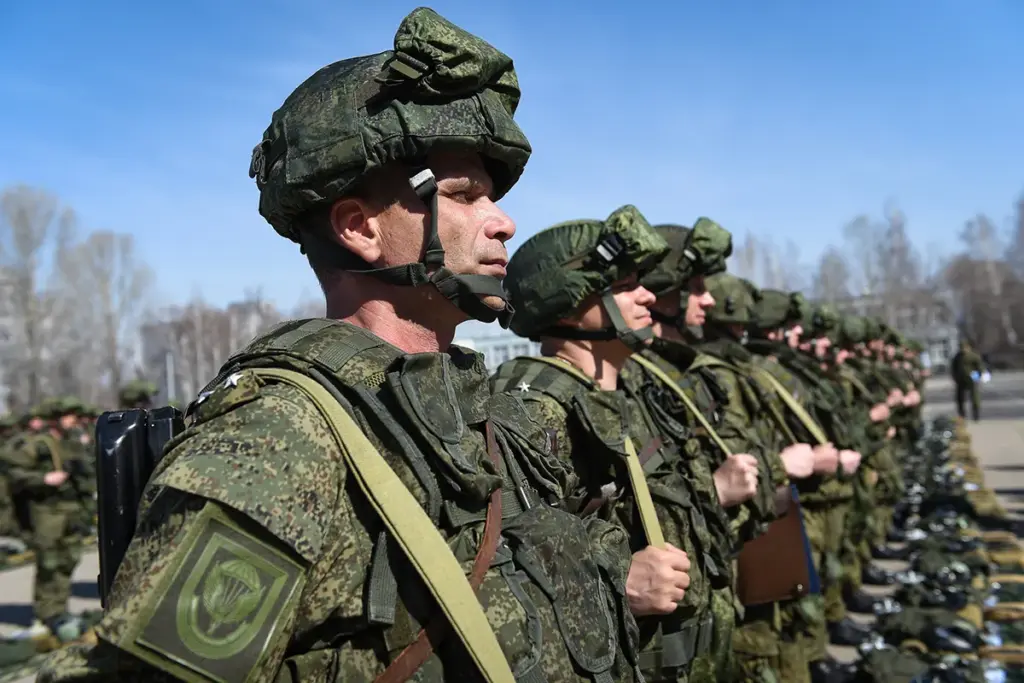
Russian soldiers in camouflage uniforms and helmets stand in formation outdoors.

In an 11 August 2026 address, Ukrainian President Volodymyr Zelenskyy stated Russia is preparing a new mass mobilization drive after its parliamentary elections this fall, citing an assessment by Ukrainian military intelligence.

Moscow plans to mobilize several hundred thousand people by the end of 2026 and roughly the same number by the end of 2027, he said. The mobilization would come on top of continuing contract recruitment. 

Moscow has relied on contract soldiers and foreign troops to avoid the political cost of another compulsory draft. But Russia has struggled to recruit soldiers as quickly as it loses them. A mass call-up could replace losses and maintain offensive operations, although Ukrainian officials say it may initially do little more than offset battlefield losses.

Zelenskyy said internal Russian documents support the intelligence assessment. The documents have not been published. 

According to Zelenskyy, Putin plans to wait until after Russia’s parliamentary elections, then use the result to claim the Russians support continuing the war. He described the vote as an “imitation,” claiming every party allowed to compete opposes peace. Russia’s Supreme Court barred Yabloko, the country’s only officially registered party opposing the war, from contesting the election, Reuters reported.

Russia avoided a second draft since 2022. Now recruitment can't keep up

The Kremlin has largely avoided another compulsory call-up since its September 2022 mobilization triggered mass protests and an exodus of Russians. Instead, Moscow has used financial incentives and recruited prisoners and foreigners to replenish its forces in Ukraine.

In March 2026, then-Commander-in-Chief Oleksandr Syrskyi said Russia aimed to recruit 409,000 troops during 2026 and form at least 11 divisions. Ukrainian intelligence then warned in July that Moscow could mobilize 500,000 people that fall. 

195,000 new contracts signed—but losses keep outpacing recruitment

Russia has struggled to meet those targets while covering battlefield losses. Ukraine said Moscow had failed to replace its losses for five consecutive months by April. By mid-July, Russia had signed 195,000 military contracts against a target of 204,500, while Ukraine’s Foreign Intelligence Service estimated its 2026 personnel losses at 196,700.

In his 11 August 2026 address, Zelenskyy claimed Russia is losing at least 30,000 personnel monthly, 60% of them killed, and that its force in Ukraine is gradually shrinking. The figures could not be independently verified.

Zelenskyy also said Putin expects the recruits and North Korean troops to prolong the war and expand Russian offensive capacity. The president stated that he had ordered Ukraine’s intelligence agencies and special services to make Moscow’s plans harder to carry out, but gave no details.

  •  

Seoul says no again to Ukraine’s weapons request as Pyongyang gets ready to send Russia more troops

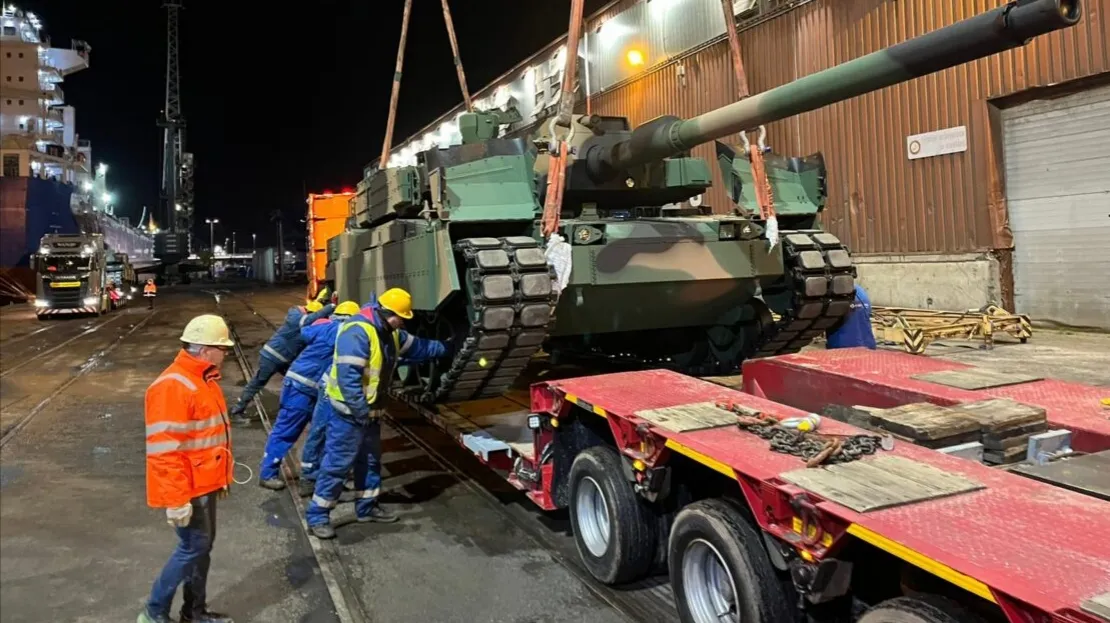
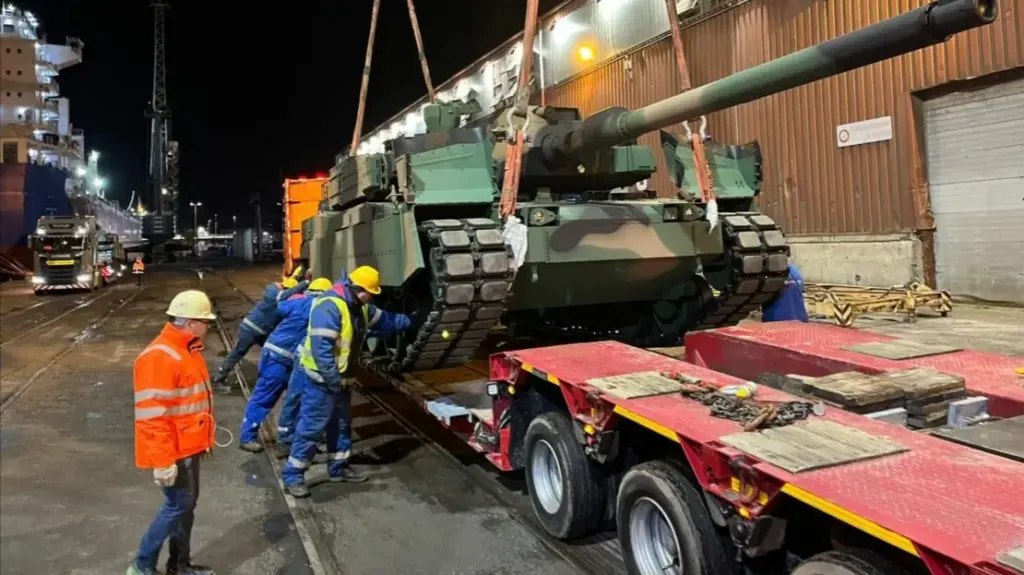
Workers unload a South Korean-made K2 Black Panther tank for the Polish army from a trailer at a Polish port at night.

South Korea is keeping lethal aid to Ukraine off the table while continuing humanitarian and reconstruction support, Yonhap reported on 10 August. The outlet cited a senior South Korean Foreign Ministry official.

South Korea’s response maintains its established policy of providing humanitarian and nonlethal support to Ukraine, but not direct weapons. Seoul previously helped move artillery shells to Ukraine through the United States. While South Korea arms NATO members with K2 tanks and K9 howitzers to free up older kit for the Ukrainian front, it still draws the line at any direct transfer to Kyiv. Seoul rejects Ukraine’s purchase requests as North Korea sends Russia ammunition and troops in exchange for money and military technology.

South Korean law bars direct exports of lethal weapons to countries in active conflict, a rule rooted in constitutional principles and Seoul's wariness of antagonizing Moscow and Beijing while managing the threat from the North.

Ukraine is seeking South Korean interceptor missiles for its air defenses. The official neither addressed the request specifically nor formally rejected it:

South Korea’s supply of defense materials to any country has always been carried out in accordance with domestic law,” the official said. Seoul will continue to support Ukraine’s recovery through assistance in energy, infrastructure, healthcare, and education. 

The official also declined to confirm whether Seoul and Kyiv were discussing military support. However, he said Moscow-Pyongyang military cooperation “is directly related to our security and violates the United Nations resolutions” and should stop immediately.

Seoul’s indirect aid stopped short of direct arms transfers

In 2023, Seoul transferred hundreds of thousands of 155 mm shells to the United States under a confidential arrangement. Washington then arranged for them to reach Ukraine, The Wall Street Journal reported.

South Korean exports have also helped NATO members replace weapons sent to Kyiv. Poland bought South Korean K2 tanks and K9 howitzers while transferring older tanks and Polish-built Krab artillery systems to Ukraine.

Yet Seoul rejected Ukraine’s request to buy air-defense systems, radars, and artillery propellant in November 2024. In February 2026, it still limited support to humanitarian and nonlethal aid while considering NATO’s request to help purchase US weapons for Ukraine.

North Korean deployments bring the war closer to Seoul

Ukrainian President Volodymyr Zelenskyy said a decision had been made to deploy 30,000–50,000 more North Koreans to Russia. He warned that they would gain modern combat experience and Russian technology that could later threaten Asian countries. Kyiv wants South Korean air defenses and has offered cooperation on drones.

The South Korean official cited by Yonhap declined to confirm either the reported deployment or Zelenskyy’s statement that Ukrainian and South Korean diplomats were discussing possible cooperation.

North Korea is already believed to have sent approximately 20,000 combat troops and military engineers to Russia’s Kursk region, according to Yonhap. Pyongyang has earned as much as $22 billion from arming Russia, helping it finance conventional and nuclear forces.

The Japanese outlet Kyodo News reported in November 2025 that North Korea had transferred about 6.5 million rocket and artillery munitions in exchange for Russian air-defense, space, and nuclear technologies.  Moscow and Pyongyang’s 2024 mutual defense pact formalized the expanding military relationship.

Workers unload a South Korean-made K2 Black Panther tank for the Polish army from a trailer at a Polish port at night.

Seoul says no again to Ukraine’s weapons request as Pyongyang gets ready to send Russia more troops

  •  

Zaluzhnyi, Fedorov, and Budanov lead Ukraine’s trust ranking as Zelenskyy places fourth – KIIS

Zelenskyy Fedorov

Ukrainians place the most trust in Valerii Zaluzhnyi, Ukraine's ambassador to the United Kingdom and former commander-in-chief of the Armed Forces, according to a nationwide survey the Kyiv International Institute of Sociology (KIIS) conducted between 16 and 31 July. Some 66% of respondents said they trust him, against 24% who do not—a net balance of +42%.

Close behind sits Mykhailo Fedorov, the former defense minister who previously led the Ministry of Digital Transformation and launched the Diia app. Pollsters recorded 63% trust and 16% distrust for him, producing the strongest net balance in the survey at +46%.

Kyrylo Budanov, head of the President's Office and former chief of Ukraine's Defence Intelligence, rounded out the top three. He drew 61% trust and 22% distrust, for a balance of +39%.

Zelenskyy ranks fourth

President Volodymyr Zelenskyy followed the three military and government figures, trusted by 56% of respondents and distrusted by 38%, for a net balance of +18%. At the opposite end of the ten-name list, former president Petro Poroshenko drew the weakest result—20% trust against 76% distrust, a balance of −56%.

The institute also flagged a rise in confidence in Fedorov as the standout shift since its May 2026 telephone survey, the only change it called significant.

Firm trust versus tentative trust

Sociologists further split the responses into "completely" and "rather" trust. Across the leading figures, roughly half—or fewer—of those expressing trust chose the softer "rather" option rather than "completely," the institute noted, a distinction it argued carries political weight.

Those who "completely" trust Zelenskyy mostly want to see him as president after the war—while those who "rather" trust him mostly want someone else.
— Kyiv International Institute of Sociology

KIIS interviewed 1,808 respondents using a mixed-mode design, splitting the sample evenly between computer-assisted telephone interviews and face-to-face tablet interviews on territory controlled by Ukraine.

  •  

Zelenskyy says Russia could receive up to 50,000 North Korean troops

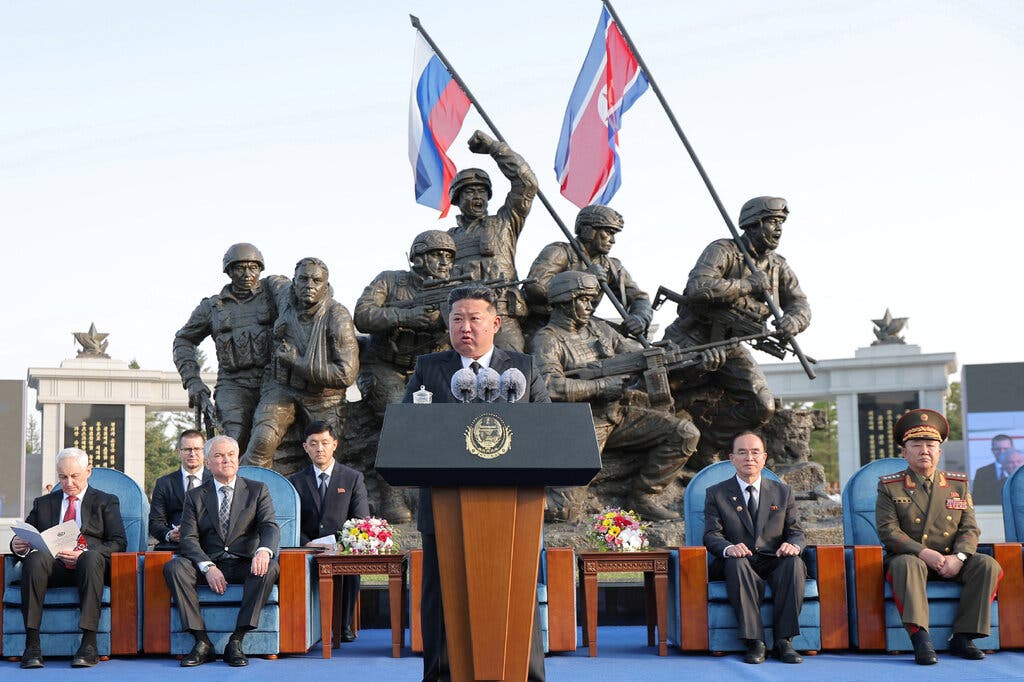
russia can't fill its own ranks—so asks north korea 30000 more soldiers new missile launchers ukraine says · post korean leader kim jong-un speaks opening memorial pyongyang russia's defense minister

Russia has decided to bring between 30,000 and 50,000 North Korean troops onto its territory, up from initial deployments of hundreds and then thousands, Ukrainian President Volodymyr Zelenskyy said in an interview with the "Yedyni Novyny" telemaraphon on 8 August.

The figure marks a sharp rise from what Zelenskyy gave two weeks earlier. In a 25 July address, he said Russia wanted 30,000 additional North Korean troops and that preparations to receive them had been underway in Russia's Voronezh region since June.

Rising troop estimates

"North Koreans appear on the territory of the Russian Federation from time to time. We see this, we know this," Zelenskyy said, adding that Russia had now made "a decision for 30,000 to 50,000 North Koreans to be on the territory of Russia." He said North Korea "will build up experience of modern warfare" and would receive licenses from Russia.

Russia and North Korea have not announced plans to expand their cooperation, Radio Svoboda reported.

Missile deployment already underway

Ukrainian authorities said Russian forces used a North Korean missile for the first time in a long period last week, striking Radushne, near Kryvyi Rih.

A North Korean missile unit has begun deploying in western Russia and may be equipped with 120 ballistic missiles and six launchers for strikes on Ukraine, Reuters reported on 5 August, citing Andrii Cherniak, a spokesperson for Ukraine's Defense Intelligence directorate (HUR). Pyongyang has already sent a new batch of 40 KN-23 and KN-24 missiles along with personnel, Cherniak said, though the final deployment configuration and total missile count are to be settled at high-level talks next month.

Foreign Minister Andrii Sybiha separately said North Korean missile launchers would "immediately become a legitimate target" if deployed in Russia, Radio Svoboda reported.

Kyiv seeks South Korean support

Zelenskyy argued the deployments carry risks beyond Ukraine. "They are studying this war," he said, warning that North Korea could apply lessons learned to future "crises and escalation" in the Pacific that would threaten "other states in the Asian direction."

He said Ukraine wants closer cooperation with South Korea, "primarily" on air defense systems, and said Kyiv is ready to work with Seoul on drone technology as well. Zelenskyy acknowledged that South Korea faces "a legal restriction under the Constitution" on such cooperation but said Ukrainian diplomats remain in contact with South Korean counterparts, as well as with Japan, over the Russia–North Korea partnership.

Military alliance since 2024

Russia and North Korea signed a comprehensive strategic partnership treaty in 2024, cementing a military alliance between the two countries.

Zelenskyy confirmed on 14 December that North Korean soldiers were fighting alongside Russian forces in Kursk Oblast, and Ukrainian intelligence reported that North Korean troops had been placed on high alert the following day. Ukraine's Special Operations Forces (SSO) captured North Korea's first documented prisoner of war in the war on 26 December, Militarnyi reported. The SSO described the raid as an operation "to destroy the enemy in the Kursk sector," in which its forces also seized a Russian BTR-82 armored personnel carrier along with weapons and documents. That prisoner died of his wounds, South Korea's National Intelligence Service confirmed on 27 December.

On 11 January 2025, Zelenskyy announced that Ukrainian forces had captured two more North Korean soldiers, also wounded, in Kursk Oblast; both survived and were taken to Kyiv, where they were questioned by the Security Service of Ukraine (SBU). Ukraine's Defense Intelligence directorate had previously reported that the first North Korean units arrived in the war zone on 23 October 2024.

South Korea's intelligence agency confirmed the capture on 12 January and pledged cooperation with Ukraine. Two days later, Foreign Ministry spokesperson Lee Jae-woong said Seoul was open to discussing relocating the two men, citing a constitutional provision under which North Koreans are considered South Korean nationals, Yonhap reported. At the time, neither soldier had expressed an intention to defect.

In late February 2025, the two soldiers — identified by the Wall Street Journal as Ri, 26, and Paek — gave the first Western interviews of North Korean troops captured in the war, published 27 February. They said they had been told they would be fighting South Korean forces, not Ukraine, and that they were not paid for their service. Paek was shot and lay wounded for five days before capture, later having several toes amputated due to gangrene; Ri was shot in the arm and jaw. South Korea's Foreign Ministry confirmed on 19 February that it would accept North Korean POWs who sought asylum, saying "they should not be sent against their will to a place where there's a threat of persecution."

By late February 2025, Zelenskyy said around 4,000 North Korean soldiers had been killed or wounded fighting for Russia; North Korea's overall troop commitment was estimated at roughly 11,000–12,000 by early 2025. Losses continued to mount — by January 2026, Ukraine put North Korean dead in Kursk Oblast at 6,000, where the contingent remained stationed and continued carrying out strikes on Ukrainian border communities. Ukrainian soldiers have described North Korean troops as reluctant to surrender, with some reportedly attempting suicide rather than be captured.

  •  

Zelenskyy’s Kosovo comments in Belgrade prompt flag removal in Prishtina

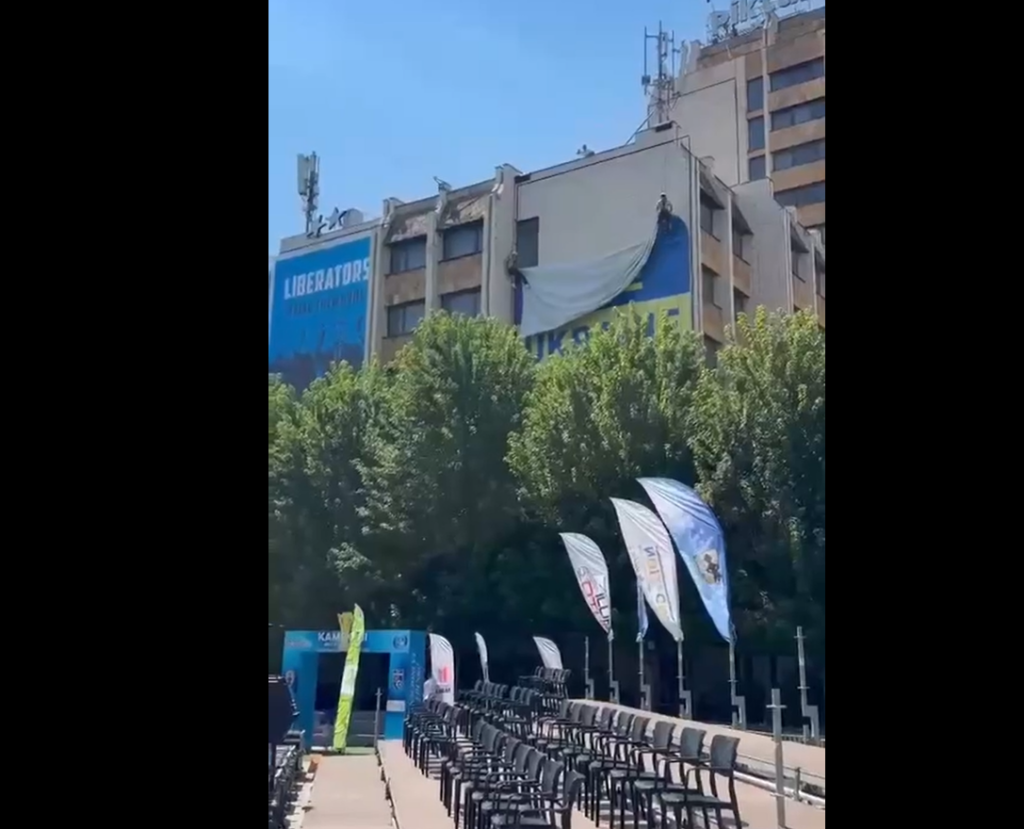
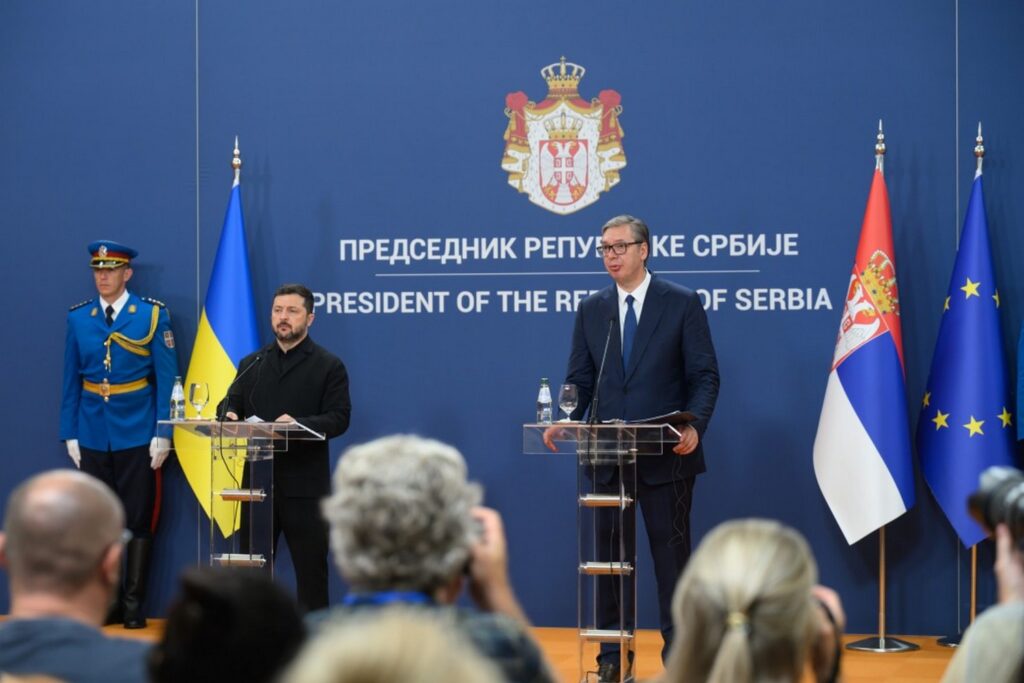
The flag came down from a building in central Prishtina on 9 August, Mayor Përparim Rama said in a Facebook post, after President Volodymyr Zelenskyy remarked on Kosovo during his visit to Serbia. Rama said "the state of Kosovo must be respected."

    "Our compassion and solidarity will always be on the side of peoples facing war, violence, and persecution," Rama wrote. "Because we, better than many others, know what it means to fight for freedom, dignity, and the right to exist as a state."

    What Zelenskyy said in Belgrade

    The exchange was reciprocal: Zelenskyy reaffirmed Ukraine's refusal to recognize Kosovo's unilateral declaration of independence, while Vučić reiterated Serbia's backing for Ukraine's territorial integrity, including Crimea.

    At the 8 August joint news conference in Belgrade, Zelenskyy said Ukraine's position had not shifted. "Our position on what you said, about the unilateral declaration of Kosovo's independence, remains unchanged," he said. "We have always emphasized this, and Ukraine's policy has not changed. Likewise, we are grateful to our partners for respecting Ukraine's territorial integrity and sovereignty, including, of course, Crimea's belonging to Ukraine. This position of Serbia is also unchanged, including in the UN General Assembly."

    Vučić's position

    Vučić, in turn, tied his support for Ukraine's territorial integrity to Serbia's own stance on Kosovo. "We support the UN Charter, UN resolutions, and that means the territorial integrity of all UN members, which means the territorial integrity of Ukraine as well," he said. "Likewise, we are very grateful to Ukraine for supporting the territorial integrity of the Republic of Serbia. And as far as we are concerned, we will continue this principled policy. There are no 'buts' about this. This is being stated very clearly and firmly now."

    Kosovo's recognition status

    Kosovo is a partially recognized state on the Balkan Peninsula, in the Kosovo and Metohija region, with a population of about 1.7 million, according to Suspilne. Its capital and largest city is Prishtina. Kosovo is recognized by 22 of the European Union's 27 member states. Ukraine does not recognize Kosovo's independence.

    •  

    Winter aid, a free-trade target, and a food-safety pact: what Ukraine and Serbia agreed in Belgrade

    food-safety pact winter aid package what ukraine serbia actually agreed belgrade · post ukrainian president volodymyr zelenskyy (left) serbian aleksandar vučić joint news conference 8 2026 presidentgovua left vucic right

    Ukrainian President Volodymyr Zelenskyy made his first official visit to Serbia, meeting Serbian President Aleksandar Vučić in Belgrade on 8 August 2026, according to Ukraine's Presidential Office. The two agreed to deepen trade and energy cooperation, and Serbia pledged fresh humanitarian aid and help rebuilding a war-hit Ukrainian city.

    The visit drew attention because Serbia remains one of the few European states still close to Moscow. At the same time, Serbia is itself seeking EU membership and backs Ukraine with financial and humanitarian aid, though it provides no direct military support.

    Much of the Western Balkans has spent years in the EU's waiting room, a gap Moscow has long worked to hold open through energy leverage and cultural ties. The visit comes amid Russia's ongoing full-scale invasion of Ukraine, while Moscow keeps trying to undermine support for Ukraine in Europe.

    A first visit, and a message to two capitals

    Zelenskyy arrived in Belgrade on Friday, 7 August, and the next day received an honor guard welcome, then met Vučić at the Presidential Palace. It was his first official trip to Serbia since he became president in 2019. Ukraine's First Lady had made her own first trip to Belgrade in May 2024.

    Serbia is a candidate for accession to the EU, and so is Ukraine. Belgrade also keeps close ties with Moscow and still refuses to sanction it, relying on Russia for most of its energy. Thus the reception sent a signal to both Brussels and Moscow. 

    Vučić said Serbia upholds the UN Charter and the territorial integrity of every UN member, including Ukraine. At the joint news conference, Zelenskyy tied that to Crimea belonging to Ukraine, and he said Ukraine's stance against recognizing Kosovo's unilateral independence stays unchanged. Russia has occupied the Crimean peninsula since 2014.

    serbia's vučić says russian-owned serbian refinery fire up again mid-month · post vladimir putin presenting aleksandar order alexander nevsky major personal contribution advancement multilateral cooperation russia moscow 2019 vucic ukraine
    Explore further

    Serbia’s Vučić says Russian-owned Serbian refinery to fire up again mid-month

    Aid for the winter and a city to rebuild

    Zelenskyy thanked Serbia for a new humanitarian package in the medical and energy sectors, his office said. Belgrade offered to help rebuild one war-damaged Ukrainian city, which neither side named. The two leaders discussed the coming winter, when Ukraine's power system faces heavy Russian strikes. Serbia has sent Ukraine generators and financial support before.

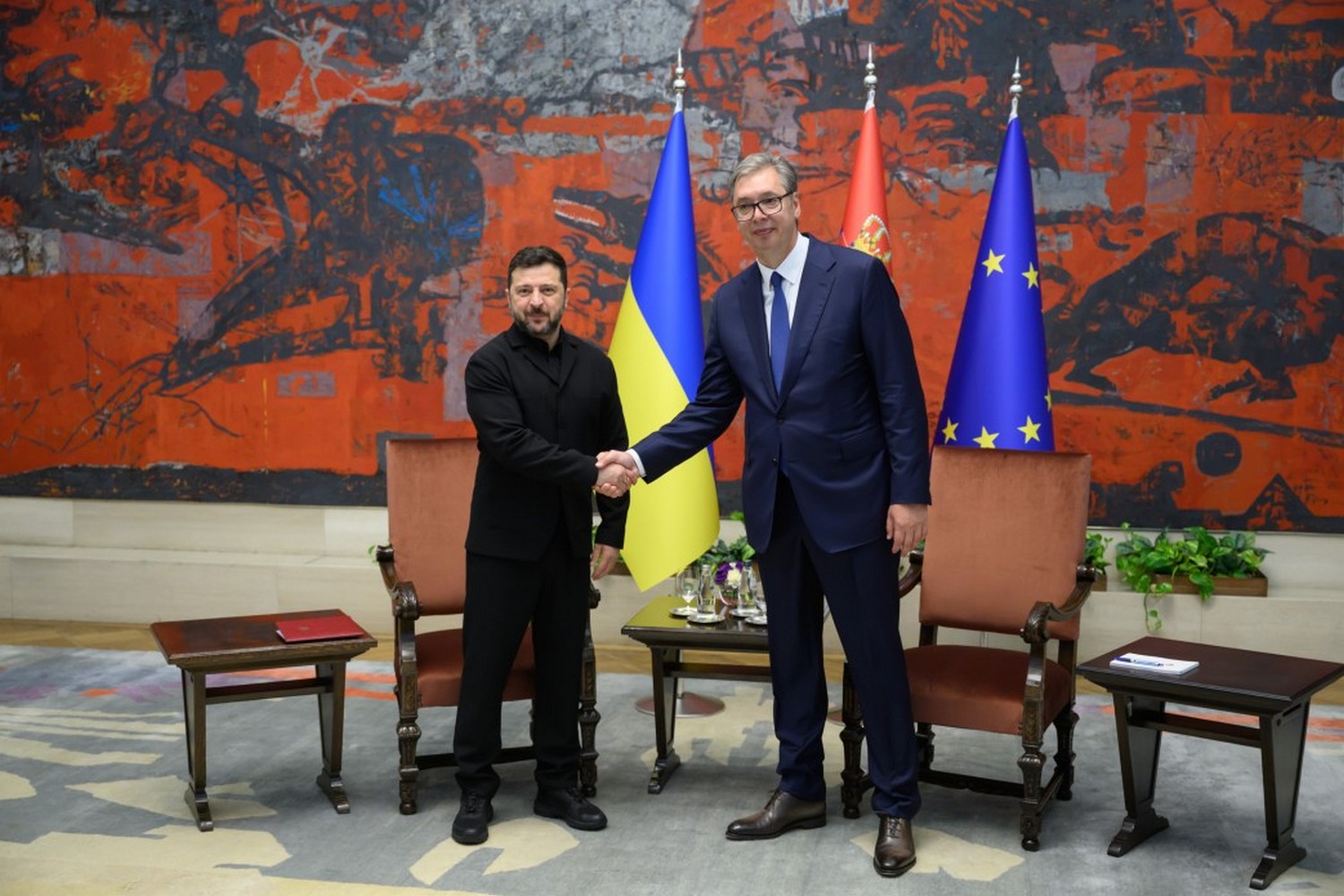
    Ukrainian President Volodymyr Zelenskyy (left) and Serbian President Aleksandar Vučić shake hands in Belgrade, 8 August 2026. Photo: president.gov.ua

    The leaders discussed infrastructure, ports, railways, and food security, and Serbia showed interest in Ukraine's railway experience. They want to finalize a free-trade agreement between the two countries by the end of 2026. Trade reached about $346 million in the first half of 2026, after $442 million for all of last year, according to Zelenskyy's office. In the presidents' presence, Ukraine's food-safety service and Serbia's agriculture ministry signed a cooperation memorandum on animal health and food safety. 

    serbia
    Explore further

    Serbian President: Serbia accidentally supported European resolution on Ukraine at the UN

    An EU path, and Vučić's doubts

    Zelenskyy noted that Ukraine would welcome a faster EU path for Serbia. Vučić said Serbia backs Ukraine's European course and will not block it, but he doubted Serbia could join soon, "for many political reasons." 

    He said not everyone in the EU views membership for Ukraine or the Western Balkans positively. 

    "For us they'll find Croats, Bulgarians, Dutch, and for Ukraine they'll find someone else," he said, suggesting that for any candidate, some existing EU member can always be found to object to its accession.

    •  
    ❌