Vue lecture

Iran strikes show peace can be achieved through strength, US Ambassador to NATO says
Iran strikes show peace can be achieved through strength, US Ambassador to NATO says

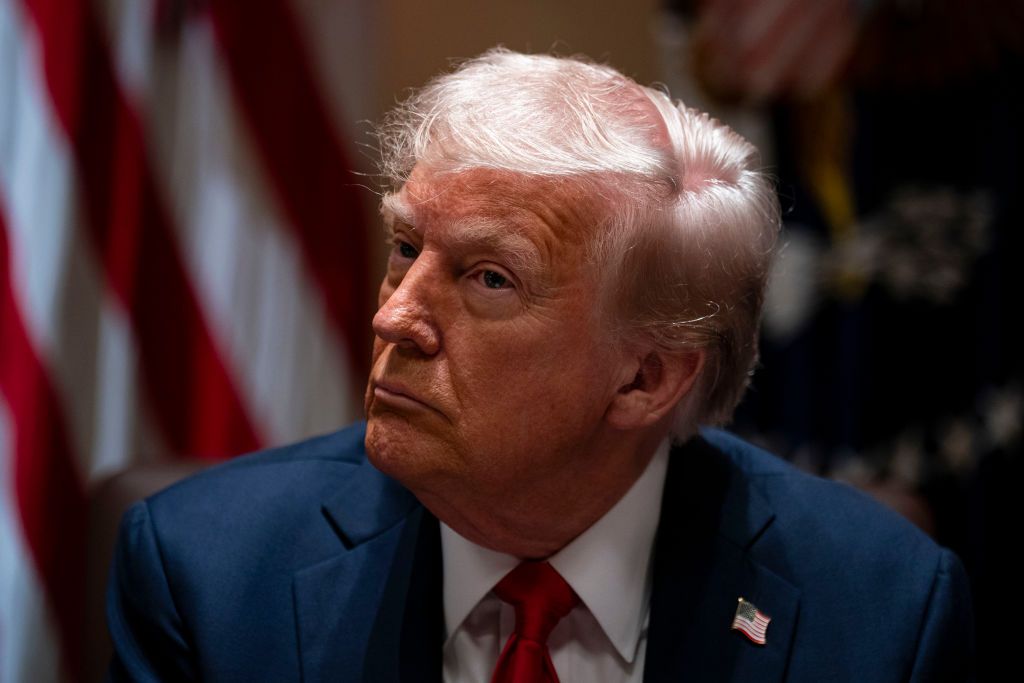
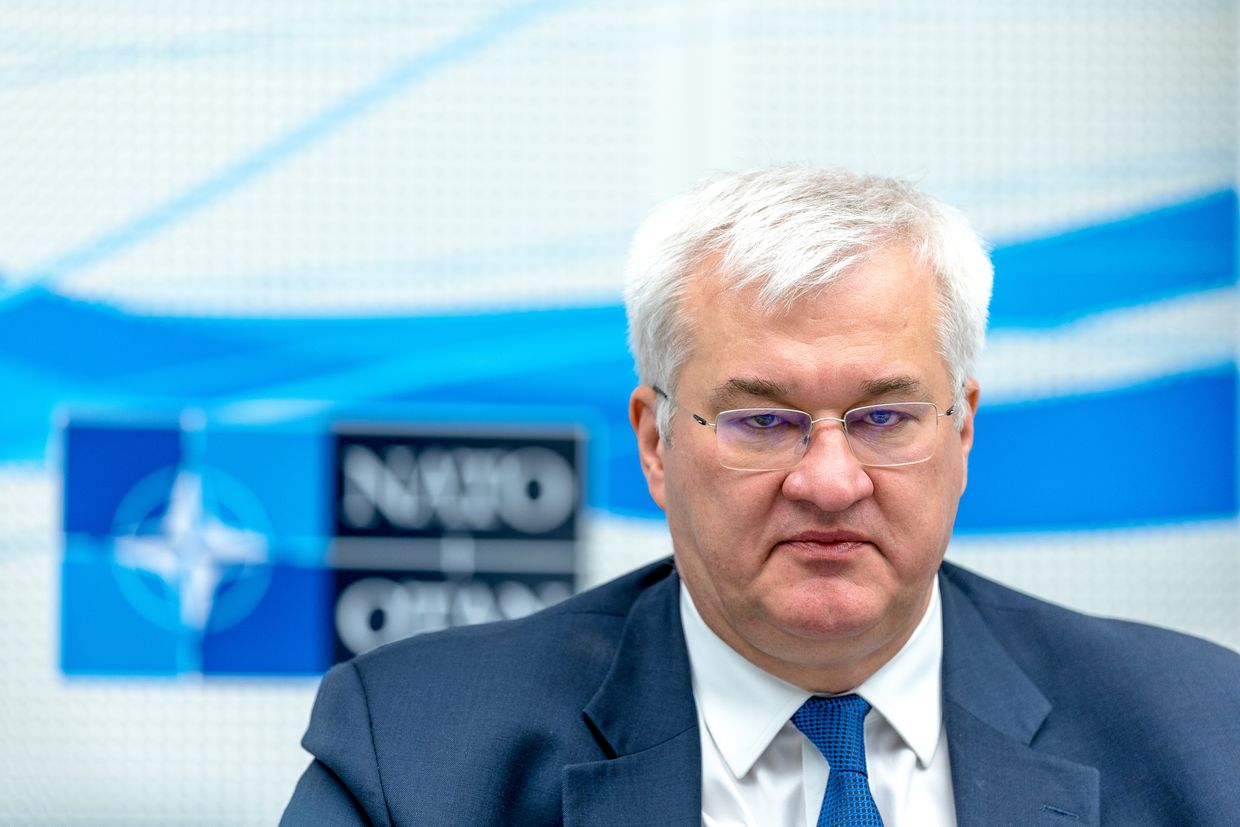
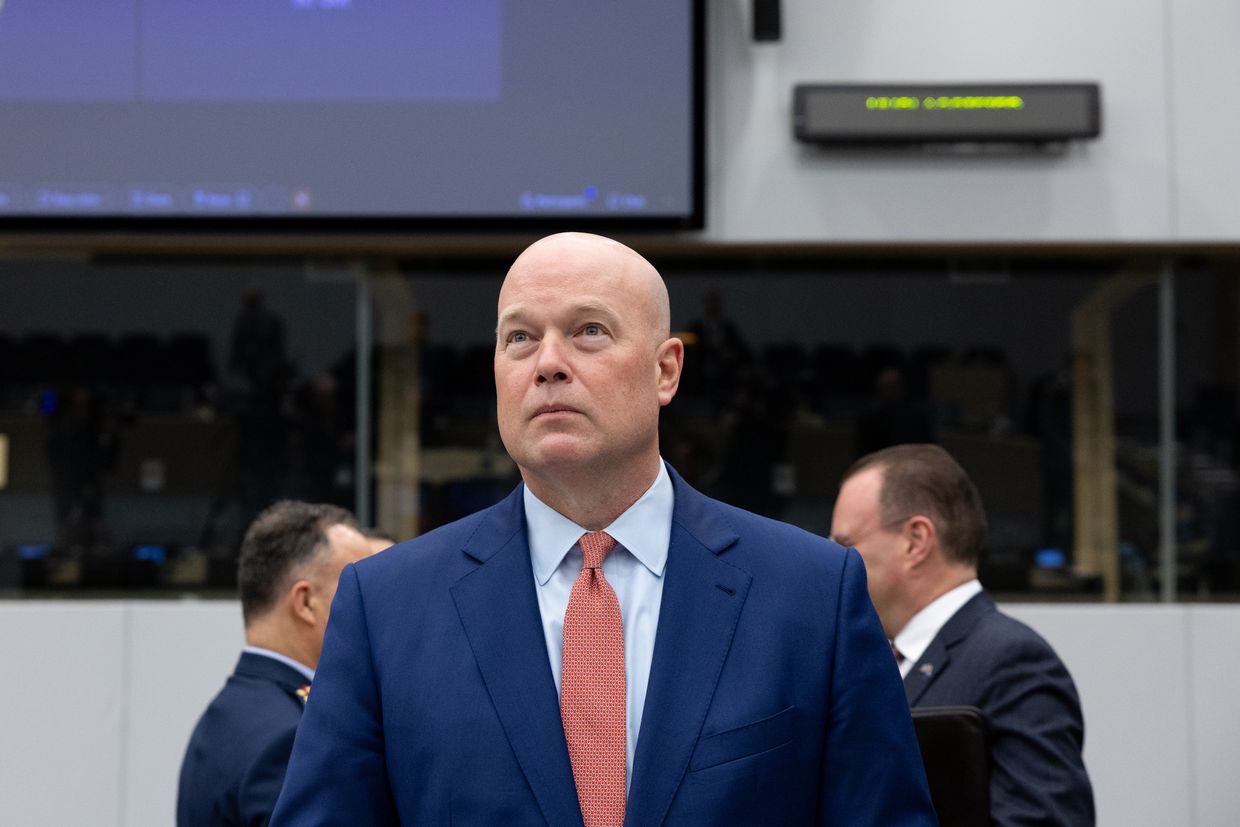
U.S. airstrikes on Iranian nuclear facilities demonstrated how precision military action can achieve rapid peace, U.S. Ambassador to NATO Matthew Whitaker said on June 24, speaking at the NATO Public Forum held alongside the alliance summit in The Hague.

"(The U.S. attack on Iran's nuclear facilities) shows how you get that peace through that strength, and that strength is amplified and enhanced by this alliance (NATO)," Whitaker said, referring to the June 21 American strikes on Iran's Fordow, Natanz and Esfahan nuclear sites, which U.S. President Donald Trump called a "spectacular success."

Whitaker emphasized that the U.S. remains a reliable ally and a cornerstone of NATO's deterrence. "The U.S. isn't going anywhere," he said. "The U.S. has certain capabilities that you want an alliance to have."

He added that recent U.S. military operations underscore the importance of defense investments by all member states. "If all of (NATO) countries elevate investments in their defense, I think we will have peace for generations,” Whitaker said.

The U.S. strikes on Iran came amid escalating tensions between Israel and Tehran. Trump said the strikes were intended to push Iran toward negotiations, warning that the alternative would be "tragedy for Iran far greater than we have witnessed."

Trump claimed that a ceasefire between Iran and Israel was achieved on June 24. Just hours later, Israel accused Tehran of launching missiles toward its territory — an allegation Iran  denied.

Whitaker said the White House hopes the U.S. will also bring to an end Russia's war in Ukraine. He added that there is "no purely military solution" to the war in Ukraine.

Unlike past U.S. administrations, Trump has not introduced new sanctions against Russia despite increasing Russian missile and drone attacks on civilians.

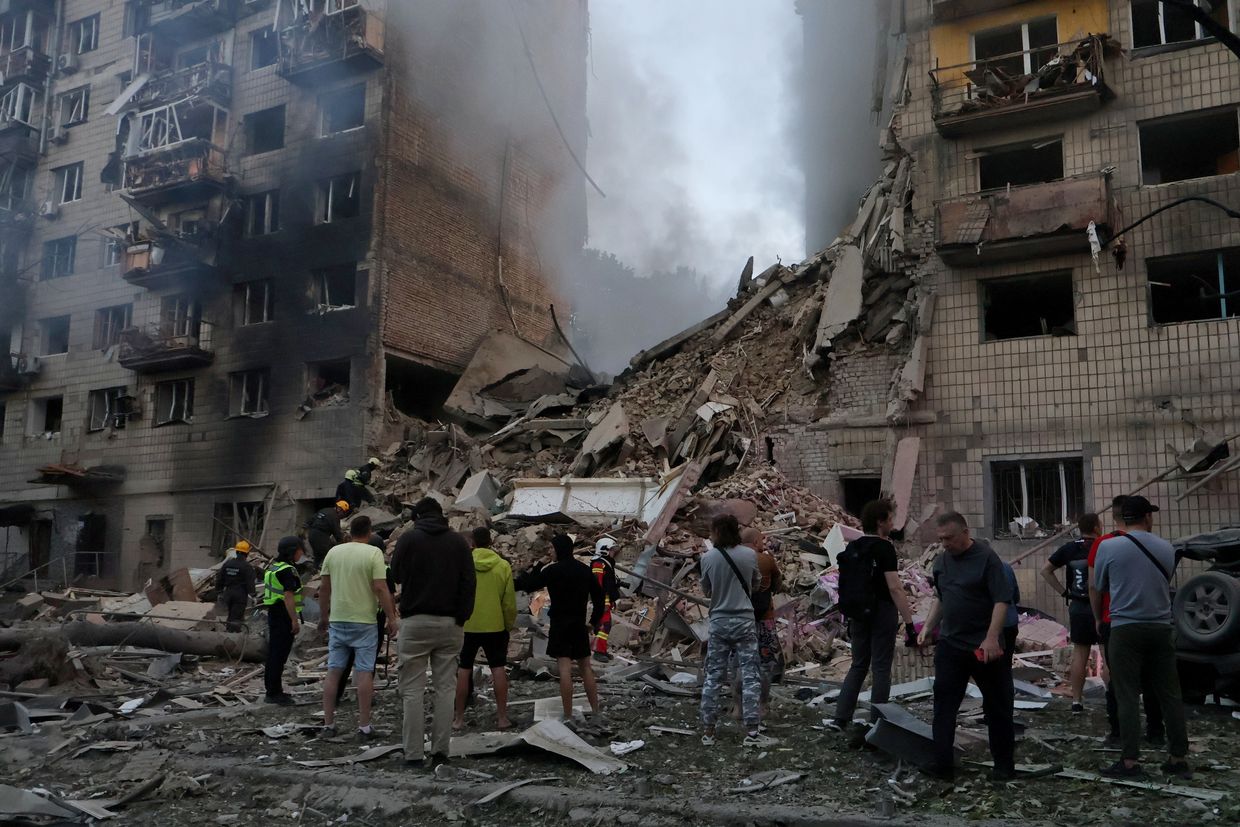
On June 24, the first day of the NATO summit, Russia launched a ballistic missile strike on the Ukrainian city of Dnipro, killing at least three people and injuring more than 20, including two children, according to regional officials.

Kyiv has long been advocating for "peace through strength" policy, calling for stronger sanctions against Russia and increased military aid to Ukraine.

‘Let’s not be naive’ — Rutte urges NATO to face Russia, China threats, pledges support for Ukraine
NATO Secretary General Mark Rutte said NATO’s role is to ensure Ukraine has the military means to stay in the fight until “serious” peace negotiations begin.
Iran strikes show peace can be achieved through strength, US Ambassador to NATO saysThe Kyiv IndependentAnna Fratsyvir
Iran strikes show peace can be achieved through strength, US Ambassador to NATO says

  •  

Israel accuses Iran of violating ceasefire hours after Trump announcement

Israel accuses Iran of violating ceasefire hours after Trump announcement

Editor's note: This story was updated to include comments made by U.S. President Donald Trump.

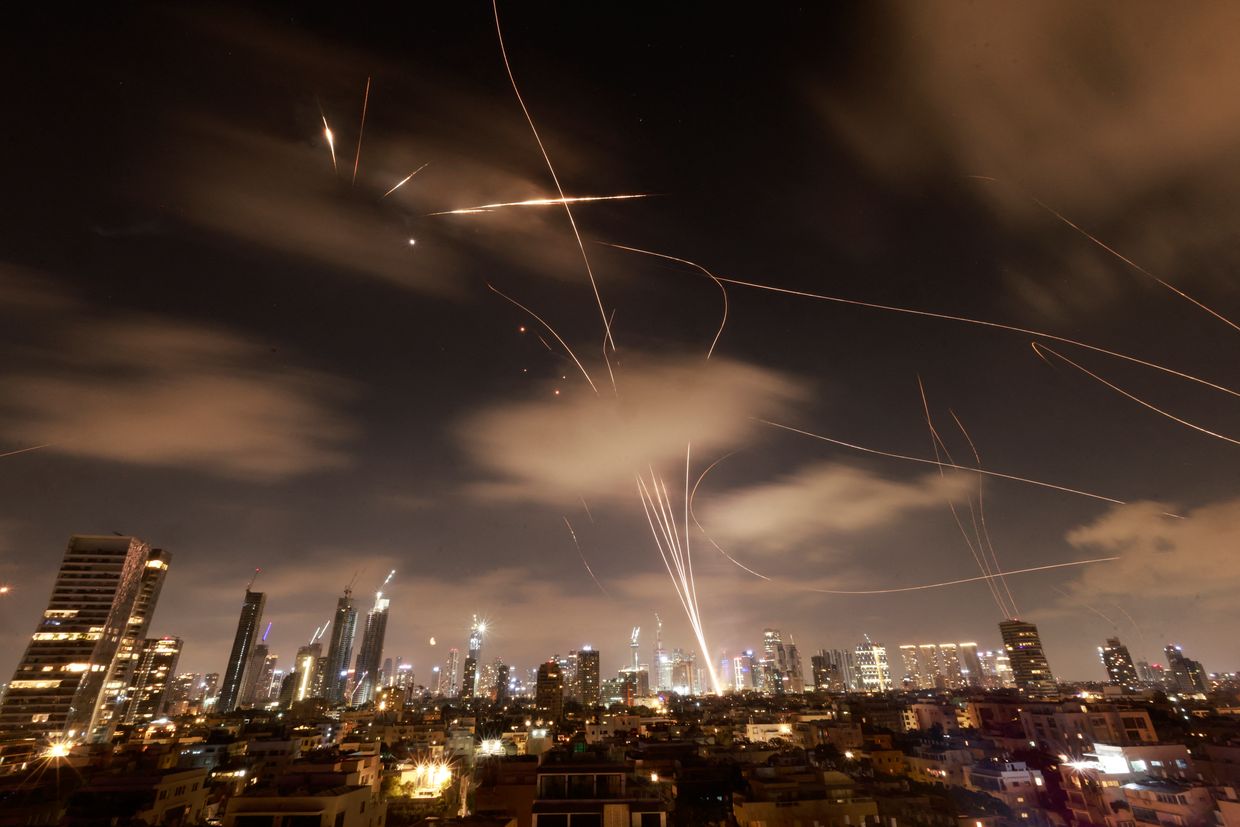
Iran launched missiles toward Israel on June 24, just hours after U.S. President Donald Trump announced a ceasefire between the two countries had come into effect, the Israeli military said. Iran denied the accusation.

"A short while ago, sirens sounded in northern Israel following the identification of missiles launched from Iran toward the State of Israel," the Israel Defense Forces (IDF) said in a statement.

"At this time, the IAF (Israeli Air Force) is operating to intercept and strike where necessary to eliminate the threat," the statement read.

Israeli Defense Minister Israel Katz instructed the army to respond forcefully to Iran's ceasefire violation, Reuters reported. Katz said that Israel will continue to strike Iran after the "utter violation" of the ceasefire.

Shortly after Israel's statement, Iranian state media reported that Tehran denied firing missiles at Israel after the ceasefire began.

A senior security official in Iran told CNN that “no missiles have been fired at the enemy" after the ceasefire.

The reports come after days of escalating hostilities in the Middle East. Early on June 24, Trump declared in a Truth Social post that a ceasefire had begun, writing, "The ceasefire is now in effect. Please do not violate it!"

Israeli Prime Minister Benjamin Netanyahu said on June 24 Israel had agreed to Trump's ceasefire proposal, claiming that Israel had "achieved its goal of removing the Iranian nuclear and ballistic missile threat," according to Reuters.

Trump said later on June 24 that Israel needs to "calm down" after what he described as violations of the ceasefire by both sides.

"I gotta get Israel to calm down now," Trump said as he left the White House. "Israel, as soon as we made the deal, they came out and they dropped a load of bombs, the likes of which I've never seen before, the biggest load that we've seen."

He added: "We basically have two countries that have been fighting so long and so hard that they don't know what the f*ck they're doing."

Trump also wrote on Truth Social that "Israel is not going to attack Iran."

"Nobody is going to be hurt. The Ceasefire in in the effect," U.S. president wrote,  

Previously, the U.S. launched airstrikes on Iran's nuclear facilities in Fordow, Natanz, and Esfahan on June 21. In response, Iran fired missiles at U.S. military bases in the region, including at least 10 targeting Al Udeid Air Base in Qatar and one aimed at a base in Iraq.

The Pentagon confirmed that Iran launched several short- and medium-range missiles at Al Udeid but reported no U.S. casualties. Trump dismissed the attacks as "limited and largely ineffective."

Iran is a key arms supplier to Russia, providing Shahed drones used in attacks on Ukrainian cities and pledging to send ballistic missiles. Israel, while home to a significant Russian-speaking population, has not joined Western sanctions against Moscow.

Ceasefire between Iran and Israel now in effect, Trump says
“The ceasefire is now in effect. Please do not violate it!” U.S. President Donald Trump said in a post on Truth Social on June 24.
Israel accuses Iran of violating ceasefire hours after Trump announcementThe Kyiv IndependentAnna Fratsyvir
Israel accuses Iran of violating ceasefire hours after Trump announcement

  •  

Ceasefire between Iran and Israel now in effect, Trump says

Ceasefire between Iran and Israel now in effect, Trump says

U.S. President Donald Trump announced on June 24 that a ceasefire between Iran and Israel had come into effect, following the U.S. strikes on Iranian nuclear facilities and retaliatory attack on U.S. military base in Qatar.

"The ceasefire is now in effect. Please do not violate it!" Trump said in a post on Truth Social on June 24.

The announcement follows days of intensifying conflict after the U.S. conducted airstrikes on Iranian nuclear facilities on June 21, targeting sites in Fordow, Natanz, and Esfahan.

In response, Iran launched multiple missiles at U.S. military bases in the region, including at least 10 toward the Al Udeid Air Base in Qatar and at least one toward a base in Iraq, Axios reported, citing an Israeli source.

The Pentagon confirmed that Iran fired several short- and medium-range missiles at Al Udeid, but said no American personnel were harmed. Trump downplayed the attack, calling it "limited and largely ineffective."

Israeli Prime Minister Benjamin Netanyahu said on June 24 that Israel has agreed to a U.S.-brokered ceasefire with Iran, thanking Trump for his support in defending Israel and "removing the Iranian nuclear threat," according to Reuters.

"Israel has achieved its goal of removing the Iranian nuclear and ballistic missile threat," Netanyahu said in a statement. "Israel thanks President Trump for his support and participation in removing the Iranian nuclear threat."

Iran is a key arms supplier to Russia, providing Shahed drones used in attacks on Ukrainian cities and pledging to send ballistic missiles. Israel, while home to a significant Russian-speaking population, has not joined Western sanctions against Moscow.

Tensions between Iran and Israel had already been rising after Iran launched missile strikes on Tel Aviv and other Israeli cities on June 13, killing multiple civilians, including five Ukrainian nationals. The attack came in retaliation for Israeli military action.

Trump, who has long styled himself as a dealmaker and peacemaker, has come under criticism for his failure to deliver on promises to reach a ceasefire between Russia and Ukraine. During his electoral campaign, he pledged to end the war between Russia and Ukraine within 24 hours of taking office. More than 100 days after Ukraine accepted a U.S.-backed proposal for a ceasefire, no progress has been made.

"It has been exactly 100 days since Ukraine unconditionally accepted the U.S. peace proposal to completely cease fire, put an end to the killing, and move forward with a genuine peace process," Ukrainian Foreign Minister Andrii Sybiha said on June 19. "Russia continues to choose war."

Ukraine backed the proposal during talks in Jeddah on March 11, agreeing to a 30-day unconditional ceasefire. Russia has rejected the offer, continuing its assault on Ukrainian cities and pushing for maximalist demands.

"It is time to act now and force Russia to peace," Sybiha said. "Peace through strength, increased sanctions, and enhanced capabilities for Ukraine."

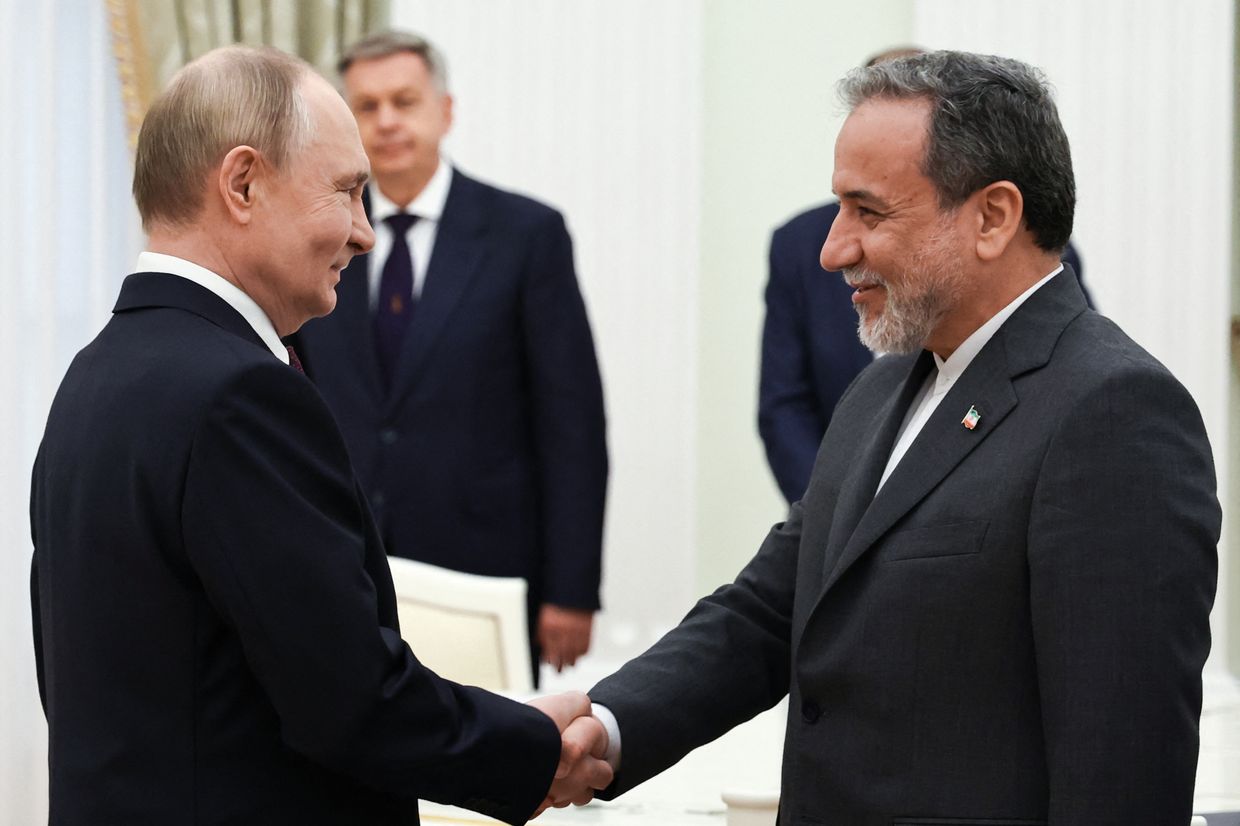
After 40 months of waging full-scale war on Ukraine, Putin condemns ‘unprovoked aggression against Iran’
Since Russia launched its full-scale invasion of Ukraine, Moscow has killed tens of thousands of Ukrainian civilians, and the true extent of the death toll is simply not known.
Ceasefire between Iran and Israel now in effect, Trump saysThe Kyiv IndependentThe Kyiv Independent news desk
Ceasefire between Iran and Israel now in effect, Trump says
  •  

'This is the best offer Ukraine can get today' — Russia won't back down as renewed peace talks loom

'This is the best offer Ukraine can get today' — Russia won't back down as renewed peace talks loom

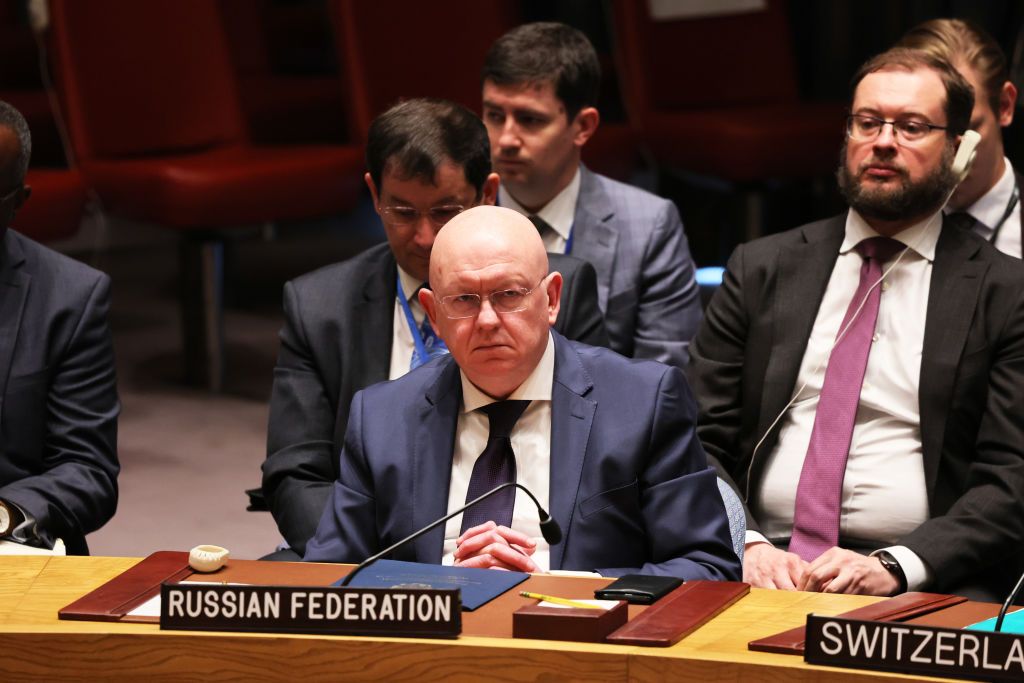
Russia's memorandum on a peace proposal is the "best offer Ukraine can get today," Russia's envoy to the United Nations (UN), Vasily Nebenzya, said at a UN Security Council meeting on June 20.

"During the direct Russian-Ukrainian talks that were held, we presented our memorandum on a peaceful settlement. It consists of two parts: conditions for a comprehensive long-term peace and conditions for a ceasefire," Nebenzya said.

"This is the best offer Ukraine can get today. We advise accepting it as things will only get worse for Kyiv, from here on out," he said.

At Istanbul peace talks on June 2, Russian negotiators told the Ukrainian delegation that their so-called "peace memorandum" is an ultimatum Kyiv cannot accept, President Volodymyr Zelensky said in an interview published on June 10.

"They even told our delegation: we know that our memorandum is an ultimatum, and you will not accept it," Zelensky said. "Thus, the question is not the quality of the Istanbul format, but what to do about the Russians' lies."

"In Istanbul, we also agreed on a large-scale exchange of prisoners of war," Nebenzya said at the UN Security Council meeting on Ukraine.

Aside from agreeing on large-scale prisoner exchanges, peace negotiations between Ukraine and Russia have been largely inconclusive as Moscow continues to issue maximalist demands toward Kyiv.

Nebenzya noted that Ukraine and Russia should resume direct peace talks in Turkey after June 22, despite Russia's intensified drone and missile attacks on Ukraine.

On June 17, a Russian drone and missile attack on Kyiv killed 30 people and injured another 172. The nearly nine-hour-long strike saw Moscow's forces launch large numbers of drones and missiles at Ukraine's capital.

Russia's statements diverged from those of other speakers at the UN Security Council meeting on June 20.

"We call on Russia to agree to an unconditional ceasefire. Russia initiated this war; we call on Russia to end it," Barbara Woodward, the U.K.'s Permanent Representative to the UN, said.

Russia has illegally laid claim to five Ukrainian regions despite not controlling all of the territory. The regions include Donetsk, Luhansk, Zaporizhzhia, and Kherson oblasts, as well as the Autonomous Republic of Crimea.

Not content with waging war inside Ukraine, Russia has now taken it into the virtual world
The new game is the first to focus on Russia’s war in Ukraine, featuring real battles and characters.
'This is the best offer Ukraine can get today' — Russia won't back down as renewed peace talks loomThe Kyiv IndependentKateryna Hodunova
'This is the best offer Ukraine can get today' — Russia won't back down as renewed peace talks loom
  •  

Ukraine must accept Moscow's demands or 'surrender,' Russia’s ambassador to UK says

Ukraine must accept Moscow's demands or 'surrender,' Russia’s ambassador to UK says

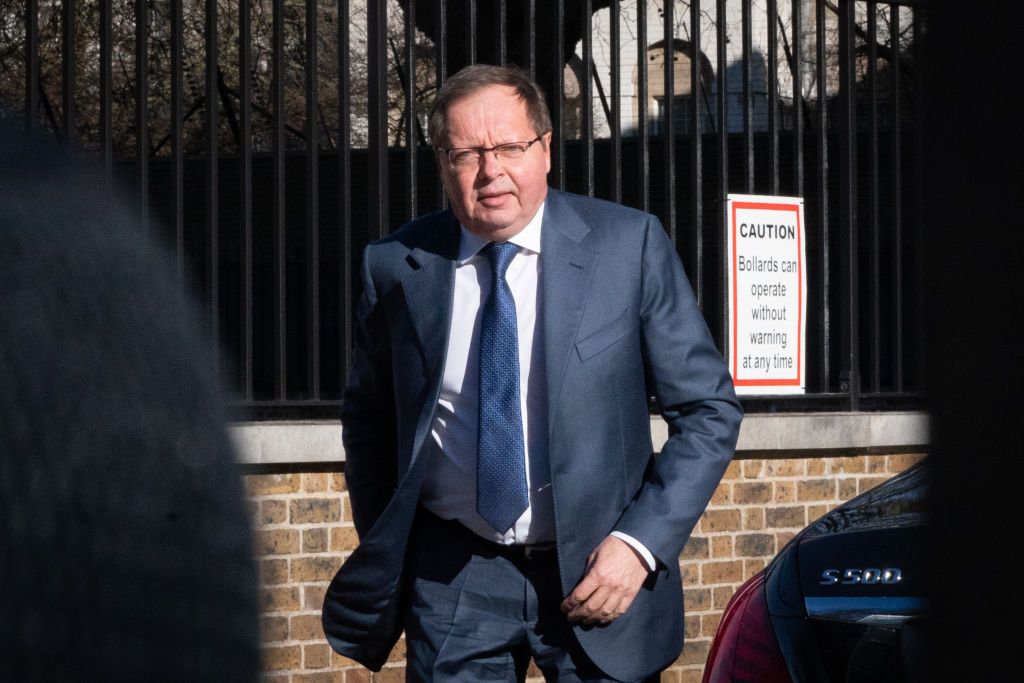
Ukraine must accept Moscow's terms for ending the war or face further military advances and eventual "surrender," Russia's ambassador to the United Kingdom, Andrei Kelin, said in a June 18 interview with CNN.

Talking to CNN host Christiane Amanpour, Kelin said Russia is continuing its offensive and sees no need to stop hostilities, publicly acknowledging Moscow's disregard for U.S.-backed ceasefire efforts.

The comments come as Russia continues to reject a U.S. truce proposal backed by Kyiv and only intensifies both ground operations and aerial strikes against Ukrainian cities.

"We are now on the offensive and Ukraine is in retreat," Kelin said. "In May, we have taken about 600 square kilometers (230 square miles) of the territory of Ukraine, and we continue to gain more ground."

According to the open-source intelligence group DeepState, Russian forces occupied approximately 449 square kilometers (173 square miles) in May, the highest monthly figure this year, but still well below Kelin's claim.

Kelin outlined an ultimatum for Kyiv: either agree to a permanent ceasefire on Russia's terms or face worse consequences.

"For Ukraine, there is a choice: either they will take our conditions right now… or we will continue this drive and Ukraine will have to surrender under much worse conditions," he said.

In the most recent peace talks with Ukraine in Istanbul on June 2, Russia again pressed its longstanding maximalist demands, including recognition of Russia's annexation of Crimea, as well as Kherson, Donetsk, Zaporizhzhia, and Luhansk oblasts — none of which are fully under Moscow's control.

The Kremlin also insists on Ukraine's complete military withdrawal from these regions.

The ambassador's remarks come amid reported preparations for a third round of negotiations with Ukraine after June 22, though no date has been officially confirmed. Kelin described the talks as "stage by stage," citing prior agreements on prisoner exchanges and humanitarian issues.

Kelin also reiterated long-standing Kremlin demands for Ukraine's neutrality and the prohibition of NATO membership, calling the alliance "very threatening to us."

The ambassador insisted on "reestablishment of normal human rights" for ethnic minorities in Ukraine, including Russians, Hungarians, and Poles, a claim Kyiv and Western officials have repeatedly dismissed as a false pretext for invasion.

CNN's host challenged Kelin on whether such terms amounted to capitulation rather than negotiation. Kelin denied the characterization, maintaining that talks are ongoing and involve "important agreements."

When asked about Russia's capacity to sustain its military campaign, Kelin claimed Moscow is spending "only 5–7%" of its budget on the war and recruiting up to 60,000 volunteer soldiers monthly, figures Western analysts have not independently verified.

"Only 5–7%" of the budget accounts for around 13.5 trillion rubles ($126 billion). Russia's spending on war and law enforcement agencies exceeds expenditures on education, healthcare, social policy, and the national economy combined.

Russia just accidentally admitted to its staggering troop losses in Ukraine
A senior Russian official on June 19 inadvertently confirmed the staggering troop losses incurred by Moscow’s forces during its full-scale invasion of Ukraine. In an interview with CNN, Russian Ambassador to the U.K. Andrey Kelin was asked about Moscow’s maximalist intentions in Ukraine and its ability to recruit enough
Ukraine must accept Moscow's demands or 'surrender,' Russia’s ambassador to UK saysThe Kyiv IndependentChris York
Ukraine must accept Moscow's demands or 'surrender,' Russia’s ambassador to UK says
  •  

'100 days of Russian manipulations' — Ukraine blasts Moscow over disregarding US ceasefire effort

'100 days of Russian manipulations' — Ukraine blasts Moscow over disregarding US ceasefire effort

A hundred days since Ukraine agreed to a U.S. proposal for a ceasefire, "Russia continues to choose war," Foreign Minister Andrii Sybiha said on June 19, urging international pressure to push Moscow toward ending the war.

"It has been exactly 100 days since Ukraine unconditionally accepted the U.S. peace proposal to completely cease fire, put an end to the killing, and move forward with a genuine peace process," Sybiha said on X.

Ukraine backed the U.S. proposal for an unconditional 30-day ceasefire during talks in Jeddah on March 11. Russia has rejected the offer, instead pushing maximalist demands while intensifying attacks across Ukrainian cities.

"A hundred days of Russian manipulations and missed opportunities to end the war. A hundred days of Russia escalating terror against Ukraine rather than ending it," Sybiha said.

Ukraine's top diplomat stressed that Kyiv remains committed to peace, while Russia disregards U.S. efforts to "end the killing."

While U.S. President Donald Trump initially pledged to broker a swift peace deal between Kyiv and Moscow, the U.S. administration has become increasingly less engaged in negotiations as the progress stalls.

Trump has evaded calls for exerting additional pressure on Russia via sanctions, and compared the two warring sides to "two young children" who should be let "fight for a while" before being pulled apart.

The U.S. president has also become increasingly preoccupied with the Middle East amid escalating hostilities between Iran and Israel.

"It is time to act now and force Russia to peace. Peace through strength, increased sanctions, and enhanced capabilities for Ukraine," Sybiha said.

European leaders have declared they are ready to impose additional sanctions on Russia as the 18th sanctions package is being prepared. In turn, a U.S. bill imposing heavy sanctions on Russian oil has been postponed, as other foreign policy issues dominate the agenda in Washington.

Russia turns sound into weapon
When I was at school and learned about World War II, my grandmother told me what she remembered of her wartime childhood on the English coast. Growing up near a Royal Navy base, she survived countless nighttime air raids. Most of all, she remembered exactly how the Blitz sounded — the
'100 days of Russian manipulations' — Ukraine blasts Moscow over disregarding US ceasefire effortThe Kyiv IndependentElsa Court
'100 days of Russian manipulations' — Ukraine blasts Moscow over disregarding US ceasefire effort
  •  

Ukraine dismisses Russia's 'absurd' ceasefire condition for dismantling Western arms

Ukraine dismisses Russia's 'absurd' ceasefire condition for dismantling Western arms

Ukraine's Foreign Ministry on June 18 brushed off Moscow's demands for Kyiv to destroy or dismantle Western-supplied weapons as a condition for a ceasefire, saying it shows disregard for U.S. peace efforts.

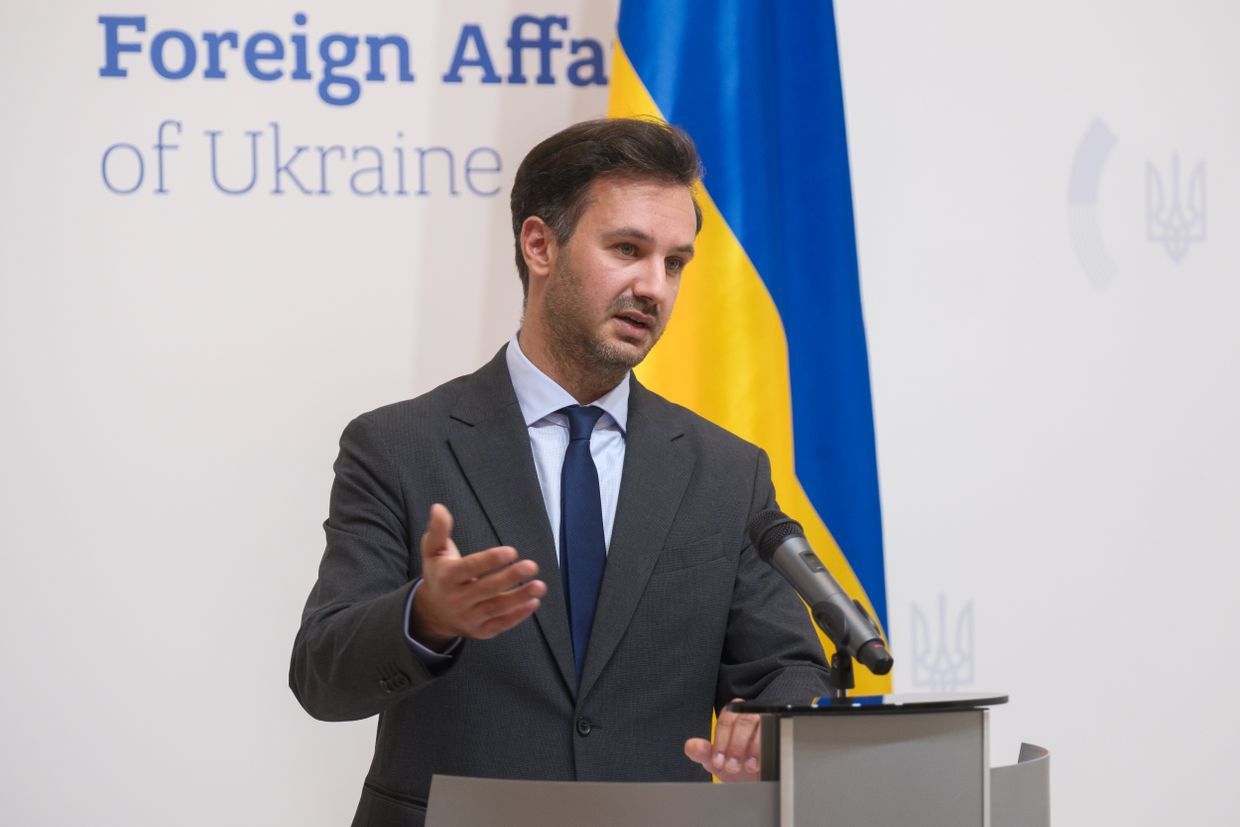
"Russian officials make new absurd demands almost every day. Total inadequacy," Ukrainian Foreign Ministry spokesperson Heorhii Tykhyi said on X.

"Moscow shows complete disregard for the United States' efforts to end the war."

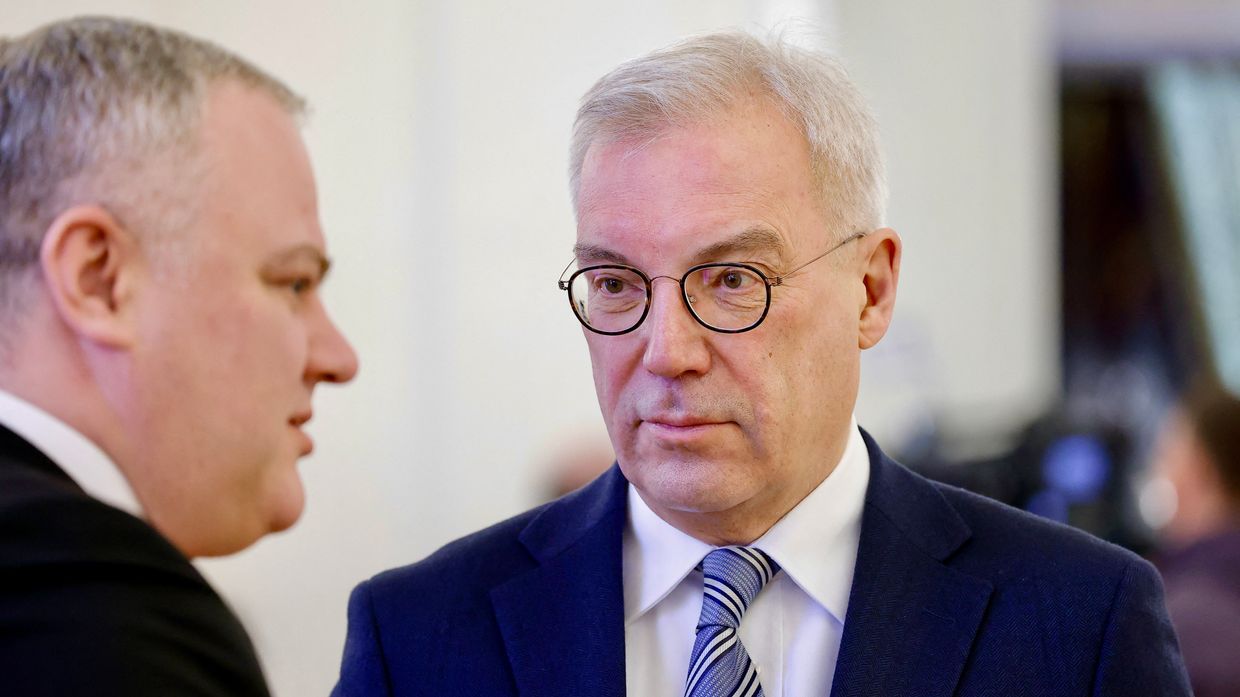
Russian Deputy Foreign Minister Alexander Grushko raised the demand in an interview with the state-run newspaper Izvestia earlier this week.

"All these surpluses must be destroyed. All international algorithms are known. They must be reduced, disposed of, and guaranteed," Grushko said.

The Kremlin has previously demanded a complete halt on Western military aid to Ukraine as a key condition for a truce. Kyiv and its European partners have rejected this, instead urging increased military assistance to the war-torn country.

The demand reflects Moscow's growing list of maximalist conditions presented in its so-called "peace memorandum" during negotiations with Ukraine in Istanbul on June 2.

While the recent peace talks ended with an agreement on major prisoner exchanges and repatriation of fallen soldiers, they have failed to achieve a breakthrough in the peace talks.

U.S. President Donald Trump, who initially pledged to broker peace in Ukraine within 24 hours of taking office, has become increasingly disengaged in the effort. He has also been reluctant to apply pressure on Moscow to push it to a ceasefire deal despite repeatedly threatening additional sanctions.

‘He said he wasn’t going anywhere’ — Survivors search for missing following Russia’s deadliest attack on Kyiv this year
Sitting a few meters from the rubble of what used to be a nondescript nine-story residential building in Kyiv, Lilia rises to her feet every time another pile of debris is cleared from the site targeted by Russia during a mass overnight attack on June 17. “We are waiting (as
Ukraine dismisses Russia's 'absurd' ceasefire condition for dismantling Western armsThe Kyiv IndependentKateryna Denisova
Ukraine dismisses Russia's 'absurd' ceasefire condition for dismantling Western arms
  •  

Russia to demand Ukraine destroy Western weapons to end war, senior Kremlin official says

Russia to demand Ukraine destroy Western weapons to end war, senior Kremlin official says

Moscow will insist that Ukraine dismantle and destroy all Western-supplied weapons as part of any ceasefire deal, Russian Deputy Foreign Minister Alexander Grushko said in an interview with the state-run newspaper Izvestia published June 16.

"All these surpluses must be destroyed. All international algorithms are known. They must be reduced, disposed of, and guaranteed," Grushko said, without offering specifics.

The remarks reflect Moscow's growing list of maximalist demands presented in its so-called "peace memorandum" during recent negotiations with Ukraine in Istanbul on June 2.

The document calls for Ukraine to recognize Russia's annexation of Crimea and four partially occupied regions — Kherson, Donetsk, Zaporizhzhia, and Luhansk — and demands full Ukrainian troop withdrawal and demobilization.

Grushko argued that Western weapons aid threatens not only Russia but also Europe, warning that arms could end up on black markets.

"It's crazy how reckless some politicians are, still flooding the market with weapons," he said.

There is no credible evidence that Kyiv has diverted Western weapons or fueled arms trafficking — a narrative promoted by Russian propaganda to undermine support for Kyiv.

Independent oversight by partner states and institutions has consistently found that Ukraine uses Western weapons to defend itself against Russia's full-scale invasion.

Moscow's proposals would further prevent Ukraine from joining NATO or military alliances, prohibit its armed forces' redeployment, and stop all Western military aid and intelligence sharing.

President Volodymyr Zelensky has rejected Moscow's demands, saying the Russian delegation admitted in Istanbul that their "memorandum" is an ultimatum Ukraine cannot accept.

"They even told our delegation: we know that our memorandum is an ultimatum, and you will not accept it," he said in a June 10 interview with Hungarian outlet Valasz Online.

In contrast, Ukraine's proposal focused on humanitarian measures, including a prisoner exchange, the return of abducted children, and securing the right to join the EU and NATO.

Kyiv has also called for using frozen Russian assets to pay for reconstruction and linking any sanctions relief to a verified ceasefire.

Despite two rounds of talks in May and June, no political breakthrough has been reached. Moscow continues to reject calls for an unconditional ceasefire, while Ukraine presses for an end to hostilities.

U.S. President Donald Trump has reportedly shown frustration over Russia's refusal to compromise, yet he has refrained from imposing new sanctions.

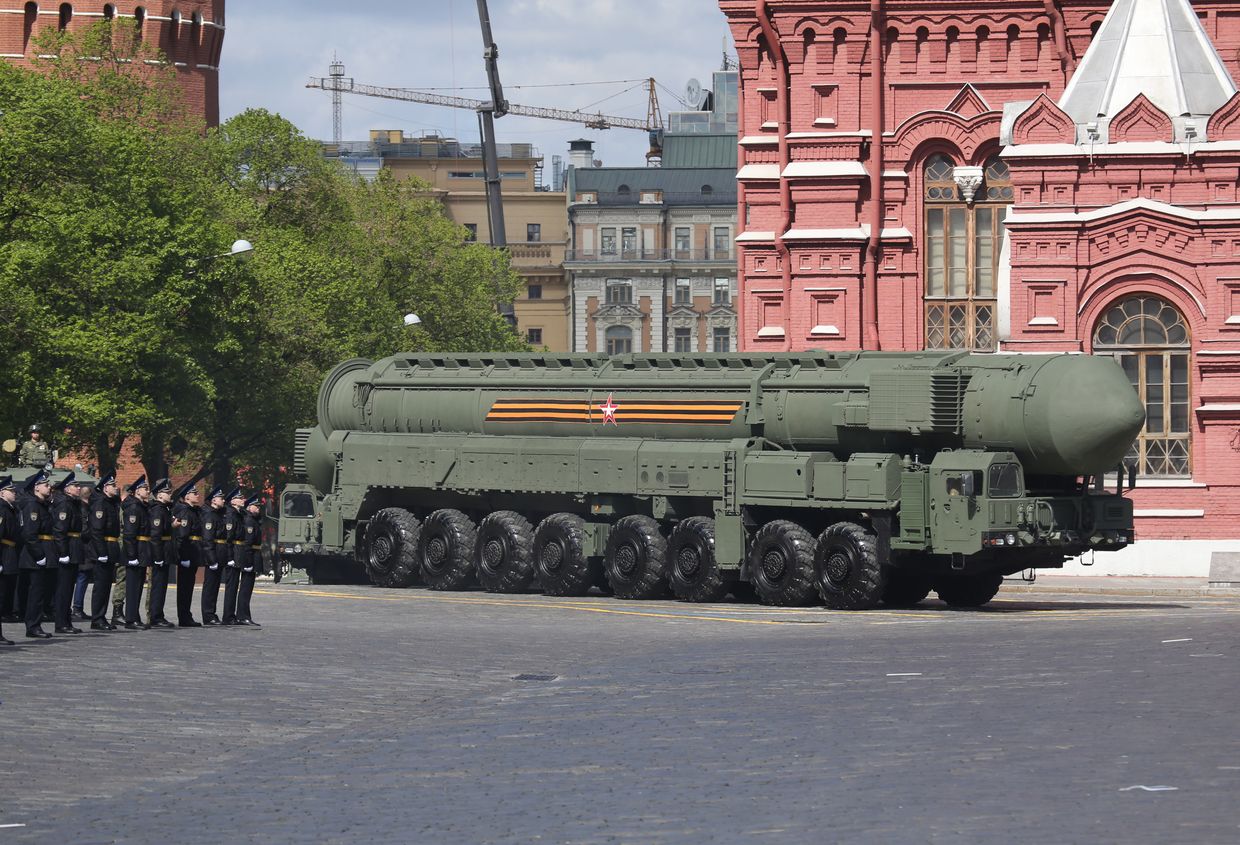
Satellite images show expansion at 5 Russian nuclear sites near Europe
One of the most notable developments is in Kaliningrad, where the suspected nuclear weapons storage site has undergone significant reconstruction.
Russia to demand Ukraine destroy Western weapons to end war, senior Kremlin official saysThe Kyiv IndependentTim Zadorozhnyy
Russia to demand Ukraine destroy Western weapons to end war, senior Kremlin official says
  •  
❌