Israeli officials have asked the Trump administration to join military operations targeting Iran’s nuclear program, including a strike on the fortified Fordow uranium enrichment site, Axios reported on June 14, citing two Israeli officials.
The request comes as Israel continues its assault on Iranian targets and warns that it lacks the capability to destroy Fordow alone. The underground facility, located deep within a mountain, is beyond the reach of Israel’s conventional weapons. U.S. forces in the region, however, have the necessary bunker-busting bombs and bomber aircraft to hit the site.
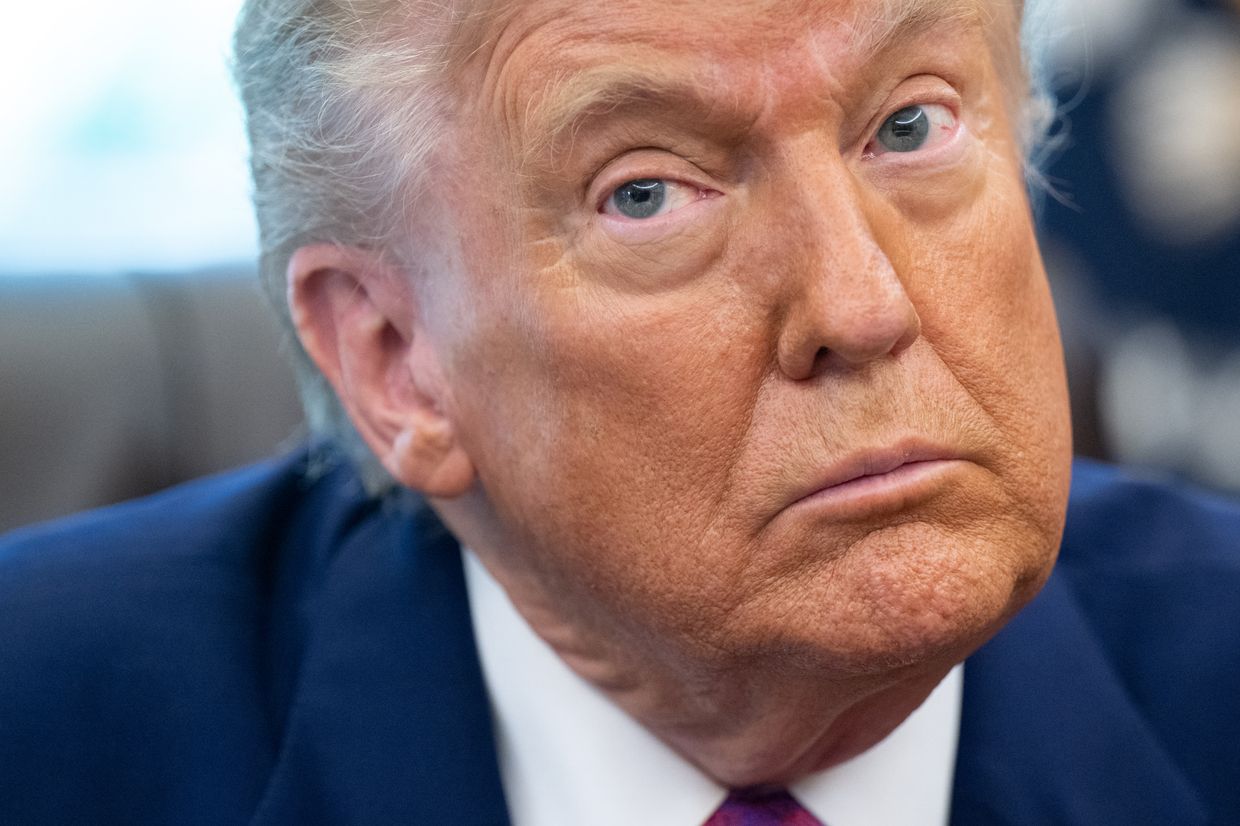
According to an Israeli official who spoke to Axios, Trump suggested in a recent conversation with Israeli Prime Minister Benjamin Netanyahu that he would consider joining the operation if needed. But a White House official denied that claim on June 13.
A second U.S. official confirmed that Israel had urged the U.S. to take part, but said the administration is not currently considering involvement. Israeli Ambassador to the U.S. Yechiel Leiter told Fox News on June 13 that "the entire operation… really has to be completed with the elimination of Fordow."
An Israeli source told Axios that the U.S. is considering the request, and that Israel hopes Trump will agree to it.
A senior White House official told Axios on June 14 that "whatever happens today cannot be prevented," referring to the Israeli attacks. "But we have the ability to negotiate a successful peaceful resolution to this conflict if Iran is willing. The fastest way for Iran to accomplish peace is to give up its nuclear weapons program," the official added.
U.S. officials have so far maintained that Iranian retaliation must not target American forces, arguing that the current Israeli operation does not justify attacks on U.S. interests.
Editor's note: This is a developing story and is being updated.
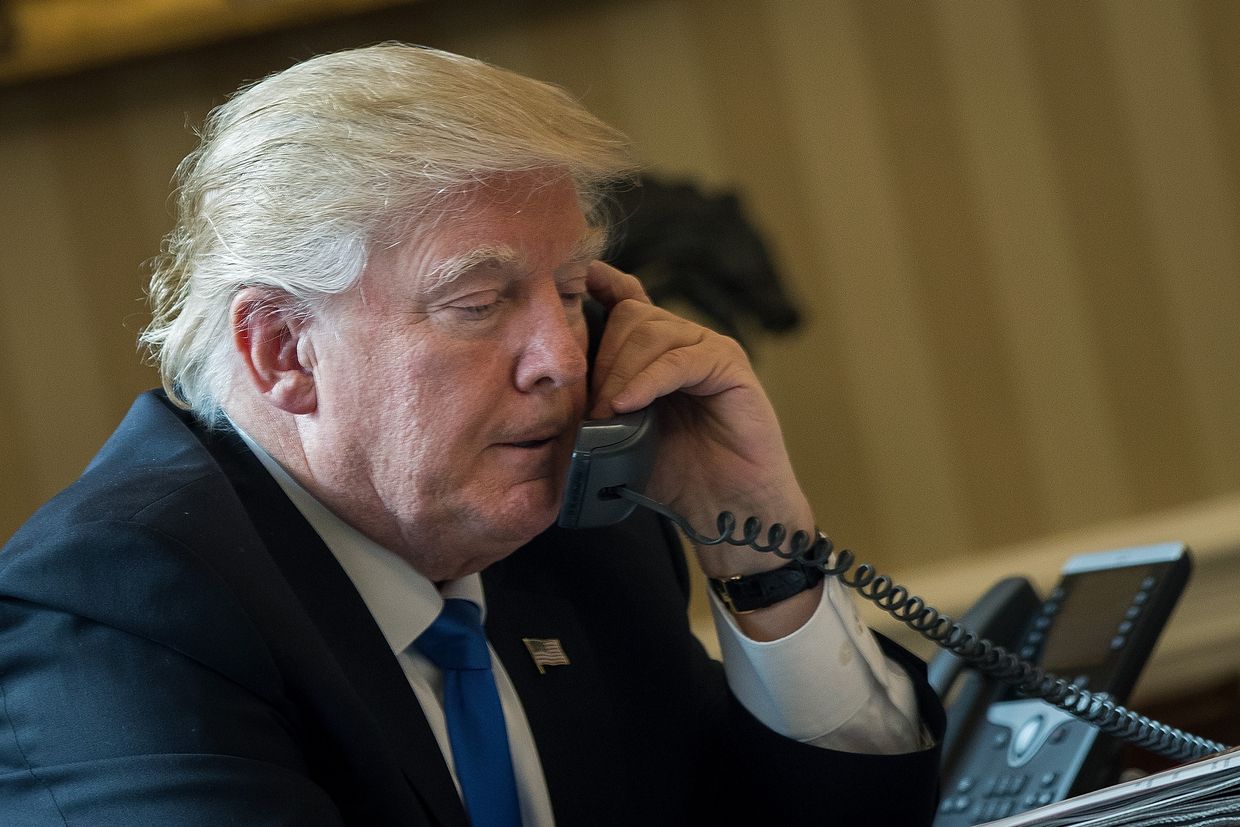
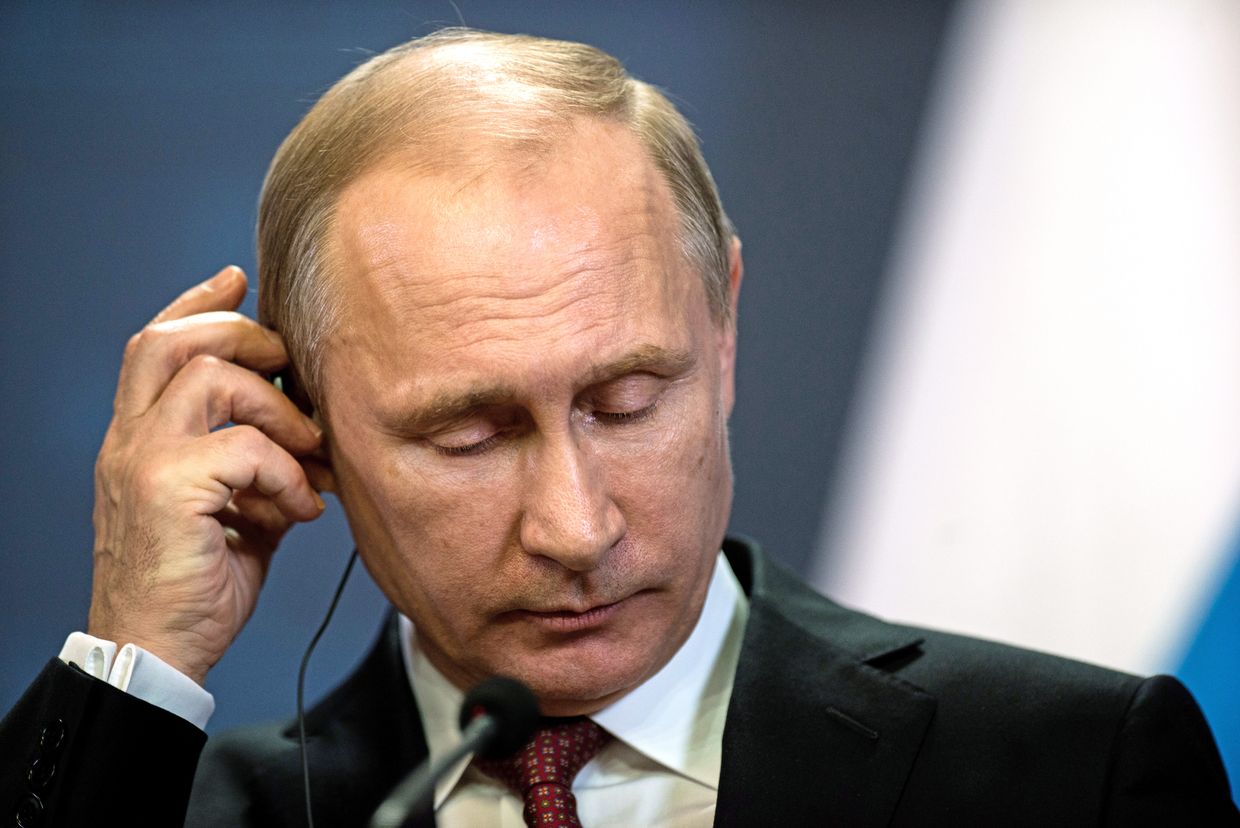
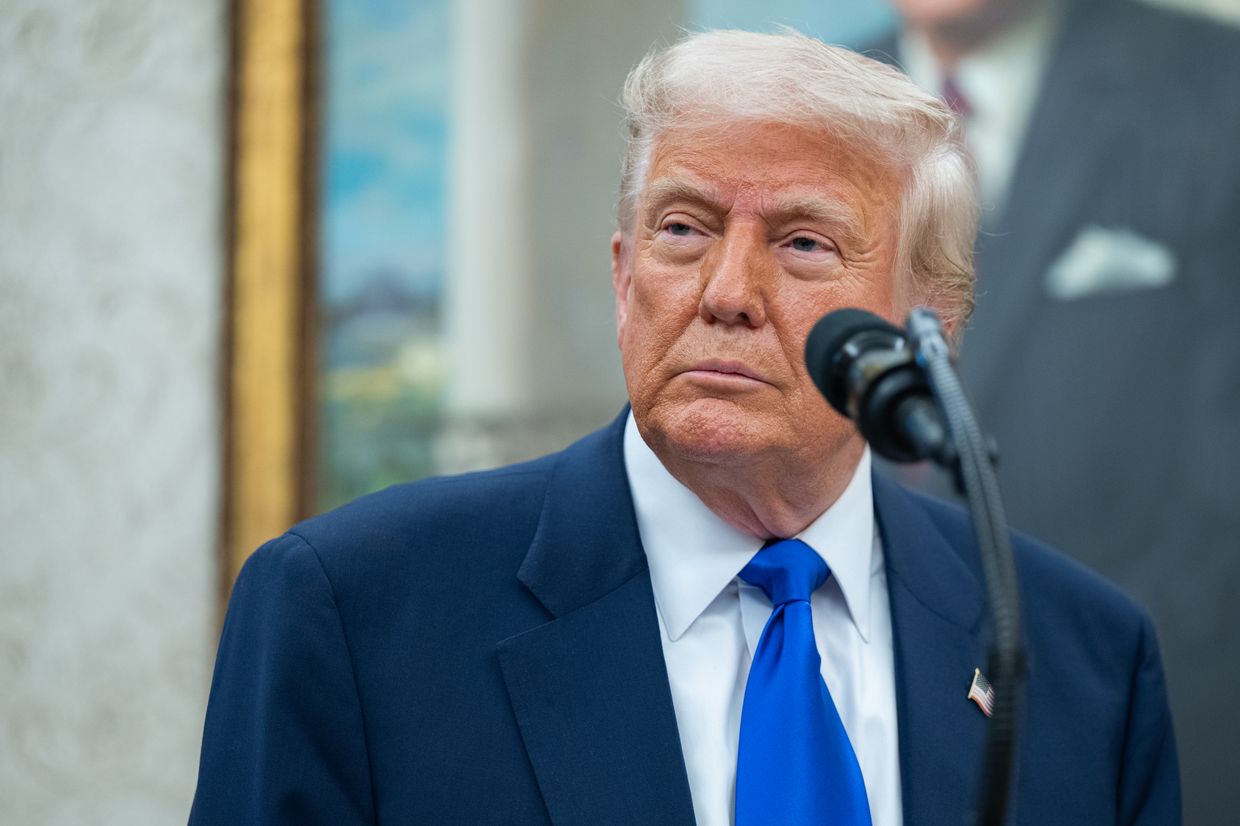
U.S. President Donald Trump and Russian President Vladimir Putin held a phone call on June 14 in which the two leaders discussed Ukraine and the conflict between Israel and Iran.
"Another telephone conversation between Russian President Vladimir... Putin and U.S. President Donald Trump," Russian state media reported, citing Putin's foreign policy aide Yuri Ushakov.
The phone call took place on Trump's birthday, as the U.S. president marks the occasion with a military parade in Washington.
The two leaders discussed Russia's ongoing war against Ukraine and the situation in the Middle East as Israel and Iran continue to exchange aerial attacks.
"The exchange of opinions naturally focused on the dangerous escalation of the situation in the Middle East," Ushakov said.
The phone call between Trump and Putin lasted 50 minutes, he said.
"Russia expressed its readiness to continue negotiations with the Ukrainians, as agreed, after June 22. Donald Trump took note of this information and once again noted his interest in a speedy end to the Russian-Ukrainian conflict," Ushakov said, according to Russian state media.
Trump later confirmed he held a phone call with Putin, saying that the main topic the two leaders covered was Iran.
"President Putin called this morning to very nicely wish me a Happy Birthday, but to more importantly, talk about Iran, a country he knows very well," Trump said in a post to Truth social.
Trump noted that the phone call between the two leaders lasted about one hour, with Putin congratulating Trump on his birthday.
"Much less time was spent talking about Russia/Ukraine, but that will be for next week. He is doing the planned prisoner swaps — large numbers of prisoners are being exchanged, immediately, from both sides," Trump said.
The latest round of prisoner swaps occurred on June 14. Ukraine mainly returned severely wounded and seriously ill soldiers, many of whom were captured during the defense of Mariupol in 2022.
Russia has intensified drone and missile attacks on Ukraine following two rounds of largely inconclusive peace talks between Moscow and Kyiv in Turkey on May 16 and June 2.
Israel and Iran continued to exchange attacks on June 14, more than 24 hours after Israel launched its first strikes on Iran's nuclear sites and military leadership.
Trump has said that the U.S. military is on high alert and watching for any kind of retaliation, adding that the U.S. will respond to defend itself or Israel if Iran strikes back.
Editor's note: This is a breaking story and is being updated.
Iran and Israel continued to exchange attacks on June 14, more than 24 hours after Israel launched its first strikes on Iran's nuclear sites and military leadership.
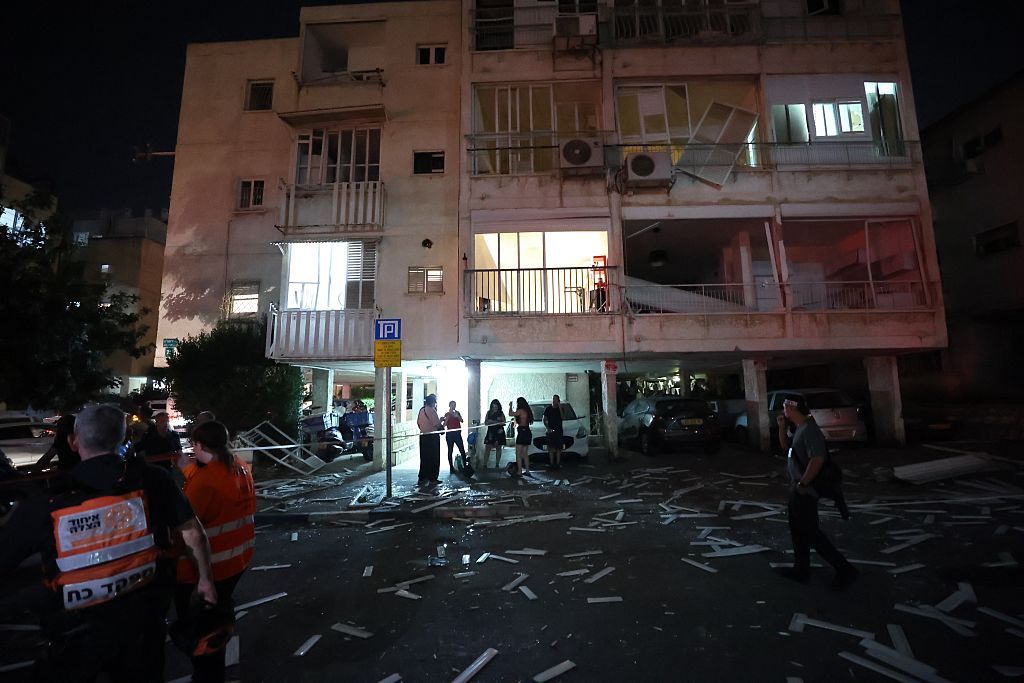
According to recent reports, there are civilian casualties in both countries. In Israel, two people have been killed and more than 40 injured since Iran launched its initial wave of retaliatory strikes.
In Iran, more than 70 people have been killed and 329 injured, according to the country's United Nations ambassador, Amir Saeid Iravani.
Responding to Israel's preemptive strikes on Iran overnight on June 13, Tehran responded with multiple waves of ballistic missiles, as well as an earlier barrage of drones.
The drone attack followed heavy air strikes launched by Israel against Iran, targeting the country's nuclear program and reportedly killing Hossein Salami, the commander-in-chief of the Islamic Revolutionary Guard Corps (IRGC), and other top officials.
Amid the escalation, Prime Minister Benjamin Netanyahu vowed to respond to the most recent attack.
"More is on the way. The (Iranian) regime does not know what hit them, or what will hit them. It has never been weaker," Netanyahu said in an address.
Clear, dramatic footage captures active missile intercepts over Tel Aviv, including impacts that struck locations downtown. pic.twitter.com/ISxbIQ6CU0
U.S. President Donald Trump said earlier in the day that the U.S. military is on high alert and watching for any kind of retaliation, adding that the U.S. will respond to defend itself or Israel if Iran strikes back.
Before the attacks, Trump emphasized that despite tensions, he is committed to avoiding conflict and prefers a diplomatic solution to Iran's nuclear aspirations. "I want to have an agreement with Iran," Trump said, referring to ongoing Iran-U.S. nuclear talks in Oman.
Iran insists its nuclear program is for peaceful purposes and has expressed willingness to accept limited restrictions in exchange for the lifting of sanctions.
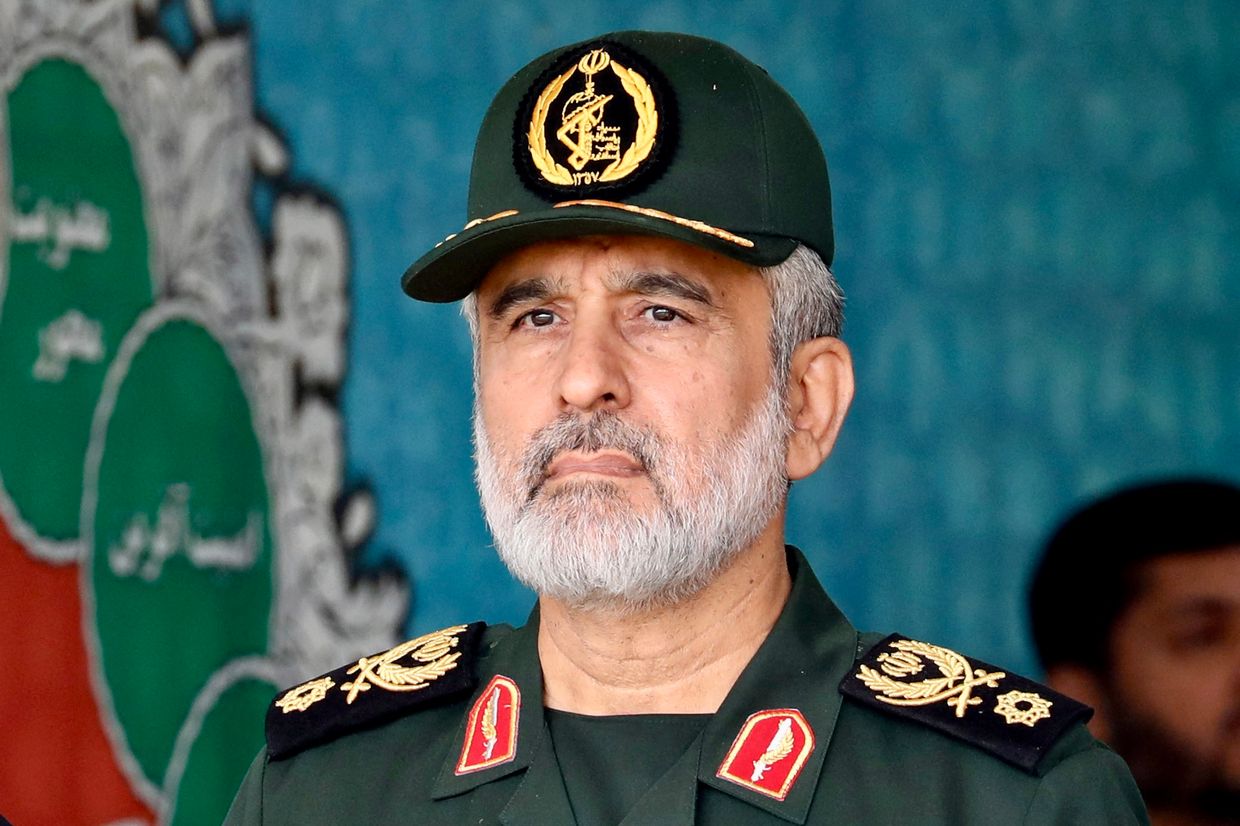
Beyond the Middle East, Iran has emerged as a key ally of Russia in its war against Ukraine, supplying Moscow with drones used in attacks on Ukrainian cities. Iran's Islamic Revolutionary Guard Corps (IRGC) confirmed on June 13 that its aerospace commander, Amir Ali Hajizadeh, who led Iran's Shahed drone supply to Russia, was killed in the strike on June 13.
Just hours after Russia launched its own missile and drone assault on Ukraine, Russian President Vladimir Putin decried the "numerous civilian casualties" in Iran and condemned Israel's actions as violations of the UN Charter and international law.
Following the initial strikes by Israel, Kyiv expressed concern over the security situation in the Middle East after Israeli air strikes against Iran, but stressed that Tehran remains a "source of problems" in the region "and beyond."
Russian President Vladimir Putin spoke separately with Iranian President Masoud Pezeshkian and Israeli Prime Minister Benjamin Netanyahu on June 13, amid a sweeping Israeli air assault on Iran that killed top military officials and targeted the country's nuclear infrastructure.
The Israeli strike, described by Tel Aviv as "preemptive," involved 200 aircraft and the release of 330 munitions on over 100 sites. Iran's Islamic Revolutionary Guard Corps confirmed that several senior commanders were killed, including aerospace chief Amir Ali Hajizadeh.
During his call with Pezeshkian, Putin expressed condolences for what the Kremlin described as "numerous civilian casualties" and condemned Israel's actions as violations of the UN Charter and international law.
The conversations took place just hours after Russia launched its own missile and drone assault on Ukraine. At least four civilians were killed and 24 injured in Russian attacks across multiple regions on June 13, according to Ukrainian officials.
Moscow has killed tens of thousands of Ukrainian civilians, and the true extent of the death toll is simply not known. Russia's full-scale invasion of Ukraine was a clear and direct violation of both international law and the UN Charter.
During the conversation with Netanyahu, Putin emphasized "the importance of returning to the negotiation process," and offered to mediate in the conflict.
The Russian leader, who has himself been indicted by the International Criminal Court for war crimes in Ukraine, also pledged Moscow's support in "de-escalating the conflict."
Russia has deepened military and political ties with Tehran since the start of its full-scale war against Ukraine. Iran has supplied Moscow with thousands of Shahed-type attack drones and short-range ballistic missiles used in routine strikes on Ukrainian cities.
Ukraine's Foreign Ministry responded to the Middle East escalation by expressing concern about broader regional instability but reiterated that "the Iranian regime supports Russia in its illegal war of aggression" and provides it with "weapons to kill Ukrainians."
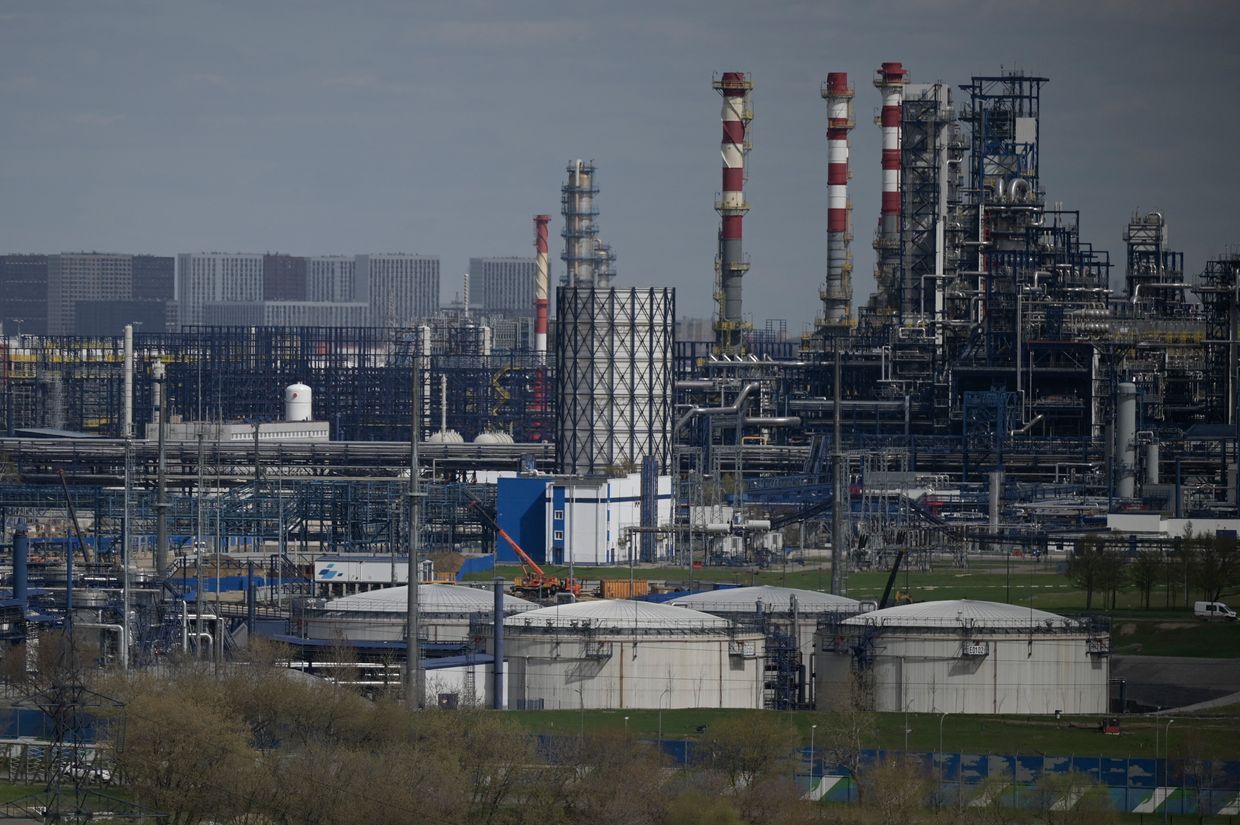
Kyiv warned that the fallout could destabilize international security and trigger economic shocks. Global oil prices soared over 10% after the Israeli operation — a development that could enhance revenues for Russia, whose war budget is largely financed by energy exports.
Editor's note: This story has been updated with additional details.
Iran's Islamic Revolutionary Guard Corps (IRGC) confirmed on June 13 that its aerospace commander, Amir Ali Hajizadeh, was killed in an Israeli air strike on a command facility, according to the Times of Israel.
Hajizadeh was sanctioned by the European Union in 2022 for overseeing Tehran's supply of Shahed-type drones to Russia for use in its war against Ukraine, which have become a key component of Moscow's war against Ukraine.
He played a central role in advancing Iran's drone and missile capabilities, meeting with then-Russian Defense Minister Sergei Shoigu in 2023 to showcase Iranian weapons.
The Israeli operation, described as "preemptive," involved 200 aircraft and the dropping of 330 munitions, targeting the country's nuclear program and killing top military officials.
Hajizadeh is also known for his role in the January 2020 downing of a Ukrainian civilian aircraft, which Iran later admitted was mistakenly shot down amid tensions with the U.S. All 176 people on board were killed.
Ukraine's Foreign Ministry issued a statement on June 13 expressing concern over the fallout from the Israeli operation but underscored that "the Iranian regime supports Russia in its illegal war of aggression" and supplies Moscow with "weapons to kill Ukrainians."
Along with North Korea, Iran has been a key ally to Russia during its full-scale war against Ukraine, providing thousands of Shahed strike drones and short-range ballistic missiles.
The drones, cheap and packed with explosives, have become a central weapon in Russia's aerial assaults on Ukraine since their introduction in late 2022.
Known for flying long distances before slamming into targets, they are now mass-produced by Russia and launched in near-nightly waves to overwhelm Ukrainian air defenses.
The Israeli strike took place amid escalating tensions in the Middle East, as well as U.S. negotiations with Tehran regarding its nuclear program. The Trump administration has acknowledged it knew about the operation in advance but denied any involvement.
Kyiv warned of the potential global repercussions of the strike, noting that regional instability could severely impact international security and financial markets, particularly oil.
Crude prices surged more than 10% following the attack, boosting revenues for Moscow, whose economy is heavily reliant on energy exports.
Russia has condemned Israel's attacks as "unprovoked aggression" and a violation of the U.N. Charter.
Kyiv on June 13 expressed concern over the security situation in the Middle East after Israeli air strikes against Iran, but stressed that Tehran remains a "source of problems" in the region "and beyond."
The statement follows what Israel called a "preemptive" strike against Iran overnight on June 13, targeting the country's nuclear program and reportedly killing top military officials.
"We would like to remind you that the Iranian regime supports Russia in its illegal war of aggression against Ukraine and provides Moscow with weapons to kill Ukrainians," the Ukrainian Foreign Ministry said in a statement.
Along with North Korea, Iran has been a key ally to Russia during its full-scale war against Ukraine, providing thousands of Shahed strike drones and short-range ballistic missiles.
Ukraine has called upon the international community "to take joint and decisive action" and deter a "group of aggressive regimes — Russia, Iran, and North Korea."
Kyiv nevertheless also warned that further hostilities could destabilize the region with "negative consequences for international security and global financial stability, especially in oil markets."
Israeli strikes were quickly followed by a surge in oil prices, Russia's key export commodity, with Brent and Nymex crude prices jumping by more than 10%.
"We are convinced that restoring peace and stability in the Middle East will serve the interests not only of the region but also of the entire international community," the Ukrainian Foreign Ministry said.
Iran has pledged a response to Israeli air strikes and accused the United States of "also being responsible for the dangerous consequences of this reckless escalation." The Trump administration has acknowledged it knew about the operation in advance but denied any involvement.
According to the Israel Defense Forces (IDF), Tehran has already launched over 100 drones against Israel in response.
The attacks took place amid escalating tensions in the Middle East and U.S. President Donald Trump's push to find a diplomatic solution to Iran's nuclear aspirations. A round of indirect U.S.-Iranian negotiations in Oman was scheduled for June 15.
Russia has condemned Israel's attacks as "unprovoked aggression" and a violation of the U.N. Charter.
Editor's note: This story was updated to include a comment from Ukrainian Foreign Ministry spokesperson Heorhii Tykhyi.
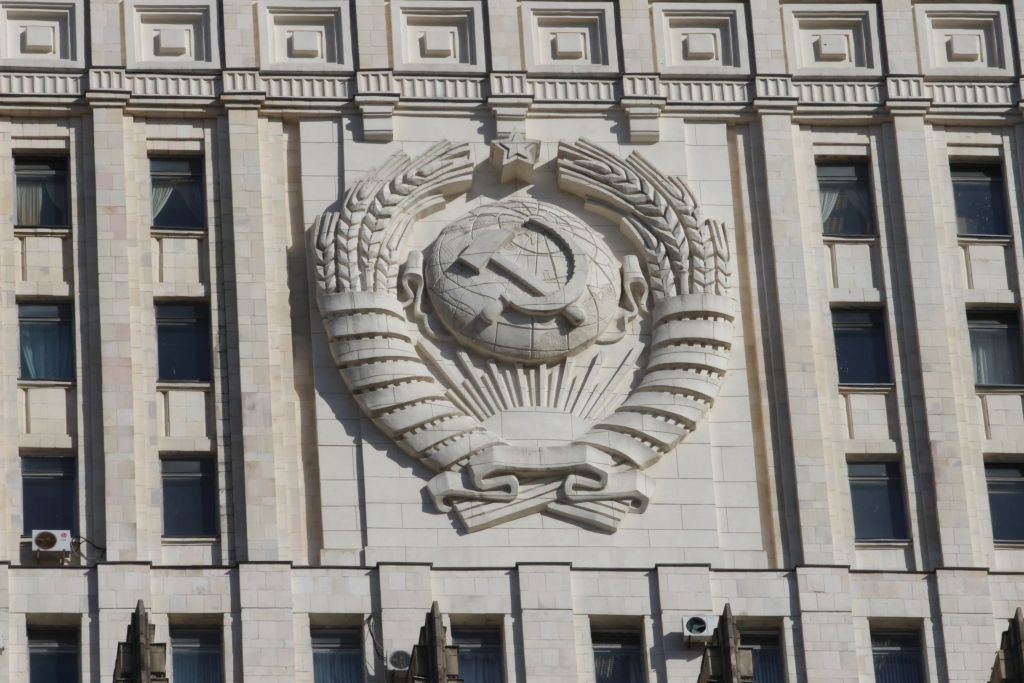
Russia's Foreign Ministry expressed "extreme concern" on June 13 over Israel's recent strike on Iran, calling it a dangerous escalation that violated the United Nations Charter and international law.
Moscow, which currently wages war against Ukraine, the largest conflict on the European continent since World War II, condemned Israel's attack as an "unprovoked aggression."
Earlier on June 13, Israeli Prime Minister Benjamin Netanyahu said that Israeli forces had launched "Operation Rising Lion," a preemptive strike targeting Iran's nuclear program. In a televised address, Netanyahu claimed Israeli forces struck Iran's main nuclear enrichment site in Natanz and targeted key nuclear scientists.
In a statement, the Russian Foreign Ministry denounced Israel's overnight attacks as "unprovoked military strikes" targeting a sovereign U.N. member's nuclear facilities. The ministry said the international community "cannot remain indifferent" to such actions that undermine global and regional stability.
The statement called it "cynical" that the strikes occurred during a session of the International Atomic Energy Agency and just before another round of indirect Iran–U.S. talks in Oman, scheduled for June 15.
Moscow said this timing undermined diplomatic efforts aimed at reducing confrontations over Tehran's nuclear program.
The ministry accused Western countries of fueling "anti-Iranian hysteria" in international forums and warned that military solutions cannot resolve the Iranian nuclear issue. It urged all parties to show restraint to avoid a full-scale regional war.
Ukrainian Foreign Ministry spokesperson Heorhii Tykhyi responded to Russia's statement, saying it was "one of those awkward moments when the Russian Foreign Ministry comments on the Middle East but forgets to look at the mirror."
Russian condemnation comes as Moscow and Tehran continue to strengthen their ties. Iran's parliament ratified on May 21 a 20‑year strategic partnership agreement with Russia, deepening military and economic cooperation.
While the pact does not include mutual defense, it outlines joint military exercises, energy cooperation, and interbank links designed to circumvent Western sanctions.
Iran has also supplied Russia with thousands of Shahed drones and ballistic missiles used against Ukraine throughout Moscow's war.
Previously, Moscow claimed its willingness to remove excess nuclear material from Iran, converting it into reactor fuel in support of U.S.–Iran nuclear talks. Kremlin spokesperson Dmitry Peskov said Russia is prepared to assist if both Iran and the U.S. find its help valuable.
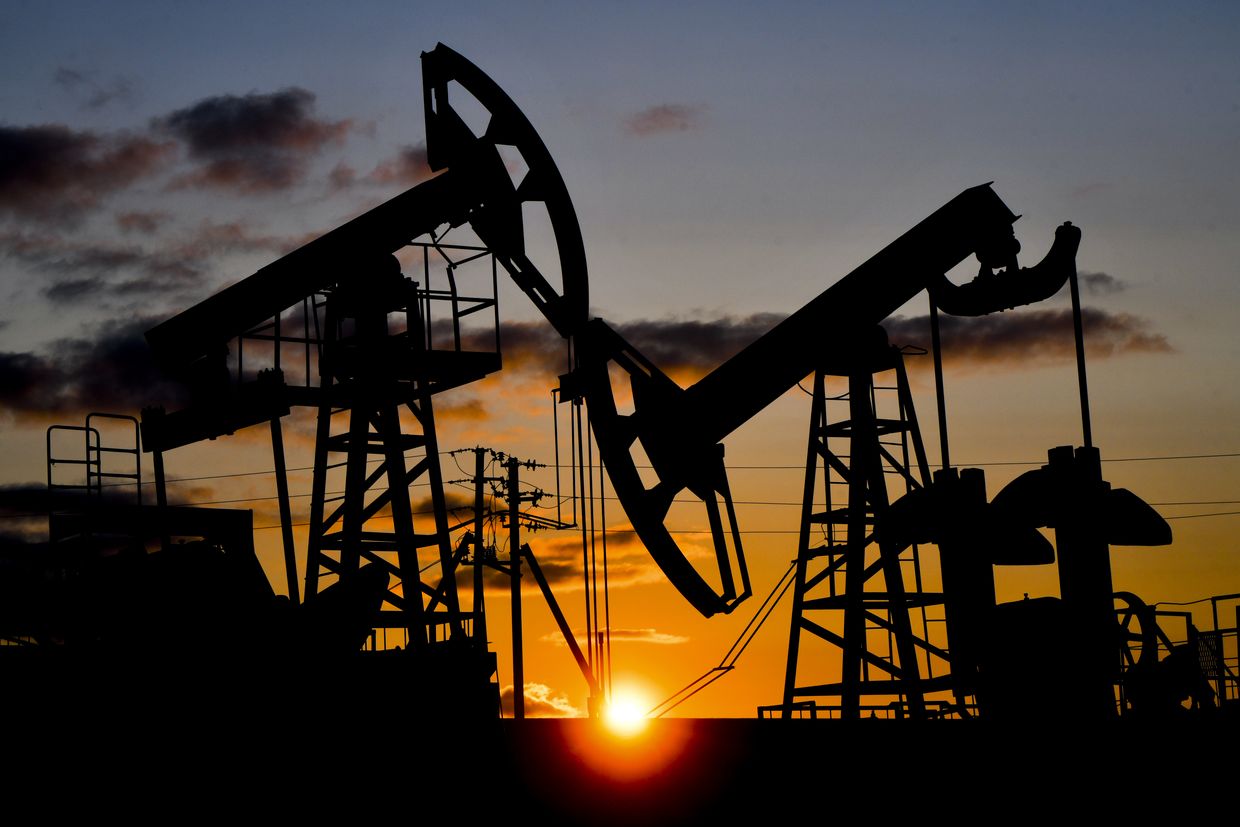
Global oil prices soared on June 13 after Israel launched a strike on Iran, triggering fears of a broader conflict in the energy-rich Middle East that could disrupt global supplies, the BBC reported.
The spike threatens to undermine Western efforts to choke off a vital revenue stream for Russia, which relies heavily on oil profits to sustain its war in Ukraine.
According to the BBC, Brent and Nymex crude prices jumped by more than 10% following the Israeli attack, reaching their highest levels since January. Prices later stabilized but remained about 7.5% higher, with Brent at $74.50 a barrel and Nymex at $73.20.
The price surge comes at a crucial time for Ukraine and its Western allies, who are intensifying efforts to minimize the Kremlin's oil revenues — the backbone of Russia's wartime economy.
President Volodymyr Zelensky urged the European Union on June 11 to impose tougher sanctions on Russia, including a more aggressive price cap on oil exports.
"A ceiling of $45 per barrel of oil is better than $60, that's clear," Zelensky said at the Ukraine-Southeast Europe Summit in Odesa. "But real peace will come with a ceiling of $30. That's the level that will really change the mindset in Moscow."
The EU's current $60 per barrel cap, introduced in December 2022, prohibits Western companies from shipping, insuring, or servicing Russian oil sold above the threshold. While this measure has curtailed some of Russia's profits, the Kremlin continues to earn significant revenue, especially when market prices rise.
European Commission President Ursula von der Leyen said on June 10 that the EU is considering lowering the cap to $45, a move that will be discussed at the G7 summit in Canada between June 15 and 17. According to Reuters, most G7 countries, excluding the U.S. and Japan, are prepared to proceed with the reduction regardless of Washington’s stance.
Israeli Prime Minister Benjamin Netanyahu said early on June 13 that Israeli forces had launched "Operation Rising Lion," a preemptive strike targeting Iran's nuclear program. In a televised address, Netanyahu claimed Israeli forces struck Iran's main nuclear enrichment site in Natanz and targeted key nuclear scientists.
Editor's note: The article was updated with Trump's statement on Truth Social.
U.S. President Donald Trump said on June 13 that he was aware of Israel's plans to conduct strikes on Iran in advance and that Washington is watching for any signs of retaliation by Tehran, Fox News reported.
"Iran cannot have a nuclear bomb and we are hoping to get back to the negotiating table. We will see. There are several people in leadership that will not be coming back," Trump told Fox News' anchor Bret Baier.
The comments come after Israel launched heavy air strikes against 100 sites in Iran, targeting the country's nuclear program and reportedly killing Hossein Salami, the commander-in-chief of the Islamic Revolutionary Guard Corps (IRGC), and other top officials.
In a statement released by the State Department, U.S. Secretary of State Marco Rubio said that the United States was not involved in the strikes on Iran, calling it a "unilateral action."
The U.S. has reached out to at least one Middle Eastern ally to say that the strike is going to happen, but that Washington was not involved, Fox News reported.
Trump said the U.S. military is on high alert and watching for any kind of retaliation, adding that the U.S. will respond to defend itself or Israel if Iran strikes back.
The Israel Defense Forces (IDF) said that Tehran had already launched over 100 drones against Israel, which are expected to reach their targets within the next few hours.
On the Truth Social media platform, Trump said he gave Iran a "chance after chance to make a deal" and had warned Tehran that "it would be much worse than anything they know" if there is no agreement.
"Certain Iranian hardliners spoke bravely, but they didn't know what was about to happen. They are all dead now, and it will only get worse!" Trump wrote.
The U.S. president added that there is still time to stop the slaughter, calling upon Iran to make a deal "before there is nothing left."
Before the attacks, Trump emphasized that despite tensions, he is committed to avoiding conflict and prefers a diplomatic solution to Iran's nuclear aspirations. "I want to have an agreement with Iran," Trump said, referring to ongoing Iran-U.S. nuclear talks in Oman.
Iran insists its nuclear program is for peaceful purposes and has expressed willingness to accept limited restrictions in exchange for the lifting of sanctions.
In turn, the International Atomic Energy Agency released a report highlighting Iran’s failure to comply with its obligations to fully disclose activities at its nuclear facilities.
Beyond the Middle East, Iran has emerged as a key ally of Russia in its war against Ukraine, supplying Moscow with drones used in attacks on Ukrainian cities.
Iran launched over 100 drones against Israel, all of which were intercepted outside of Israeli airspace, Ynet News reported on June 13, citing Israeli military spokesperson Effie Defrin.
The drone attack follows heavy air strikes launched by Israel against Iran, targeting the country's nuclear program and reportedly killing Hossein Salami, the commander-in-chief of the Islamic Revolutionary Guard Corps (IRGC), and other top officials.
Israel said it had deployed some 200 aircraft in its "preemptive" attack overnight on June 13, dropping 330 munitions over 100 sites.
The full extent of the consequences was not immediately clear. Multiple explosions were reported in Tehran as videos posted on social media purportedly show fire burning in multiple locations of the Iranian capital.
Open-source intelligence researchers have shared alleged footage of Shahed kamikaze drones flying in the direction of Israel. Tehran has provided thousands of these drones to Russia for use against Ukrainian cities.
Iranian Shahed-136 attack drone headed westbound over Iraq, towards Israel.
Iran reportedly launched more than 100 attack drones this morning, as part of its opening wave of strikes on Israel. pic.twitter.com/0SU3aLR9ZX
Iran's Supreme Leader Ali Khamenei vowed to enact "severe punishment" in response to the attack, accusing the United States for "also (being) responsible for the dangerous consequences of this reckless escalation."
In a statement released by the State Department, U.S. Secretary of State Marco Rubio said that the United States was not involved in the strikes on Iran, calling it a "unilateral action."
The U.S. Embassy in Israel instructed its employees and family members to take shelter until further notice.
Jordan has announced it had closed its airspace "as a precaution against any risks resulting from the regional escalation."
The attacks are taking place amid escalating tensions in the Middle East. In April 2024, Iran launched 170 drones and 150 missiles against Israel, with an overwhelming majority being shot down outside of Israel with the assistance of Western partners.
The attack was a response to Israel’s strike on an Iranian consulate in Syria on April 1 as part of the broader Israel-Hamas war.
Editor's note: This is a breaking story and is being updated.
Israeli forces launched "preemptive strikes" on Iran overnight on June 13, targeting Iran's nuclear program, Prime Minister Benjamin Netanyahu said in an overnight address.
Netanyahu said in an overnight address that Israel launched "Operation Rising Lion," which would last for "many days," marking a drastic escalation in conflict in the Middle East.
"We struck at the heart of Iran's nuclear enrichment program... We targeted Iran's main enrichment facility in Natanz. We targeted Iran's leading nuclear scientists working on the Iranian bomb," Netanyahu said.
The strikes killed Hossein Salami, the Commander-in-Chief of Iran’s Islamic Revolutionary Guard Corps (IRGC), multiple Iranian state media outlets reported. Iran’s Supreme Leader Ayatollah Ali Khamenei confirmed that several nuclear scientists and officials had been killed in the attack.
The full extent of the attack was not immediately clear. Multiple explosions were reported in Tehran as videos posted on social media purportedly show fire burning in multiple locations of Tehran.
"Following the State of Israel’s preemptive strike against Iran, a missile and drone attack against the State of Israel and its civilian population is expected in the immediate future" Israeli Defense Minister Israel Katz warned in a statement.
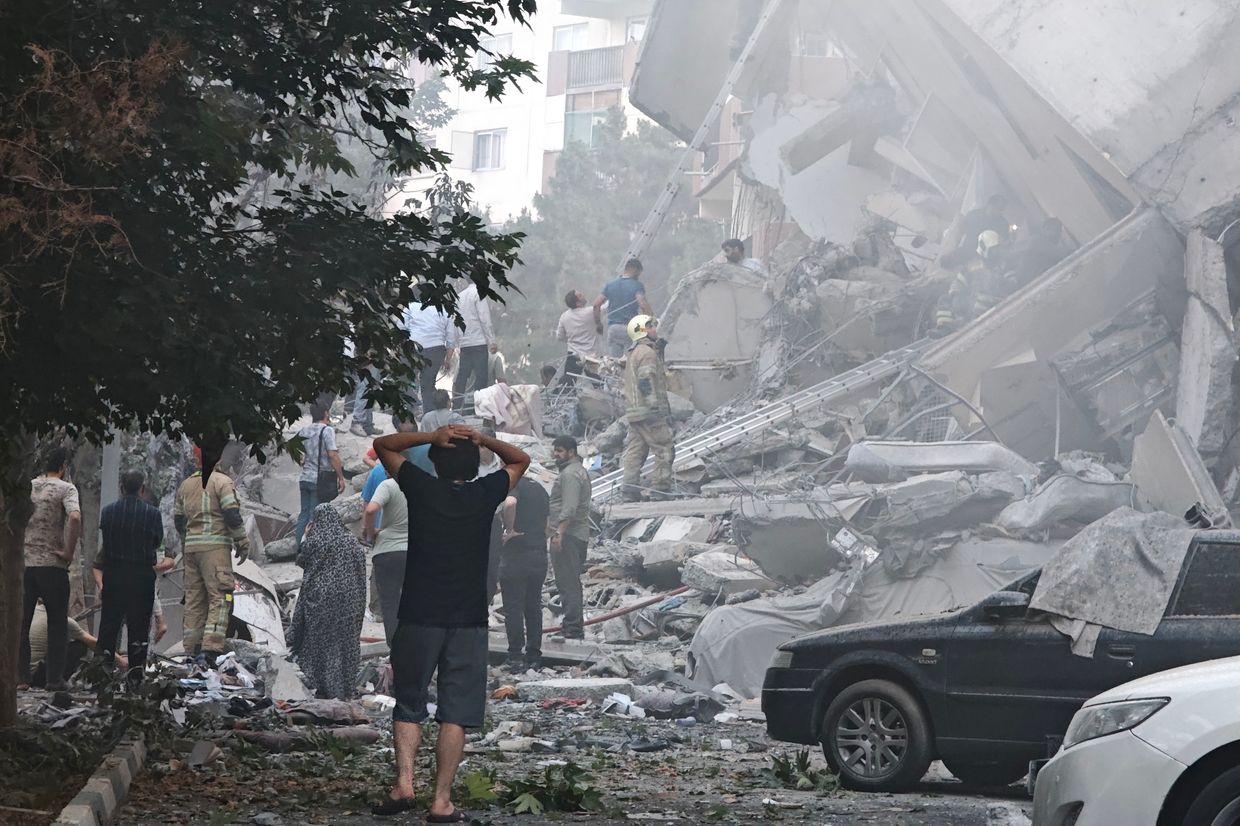
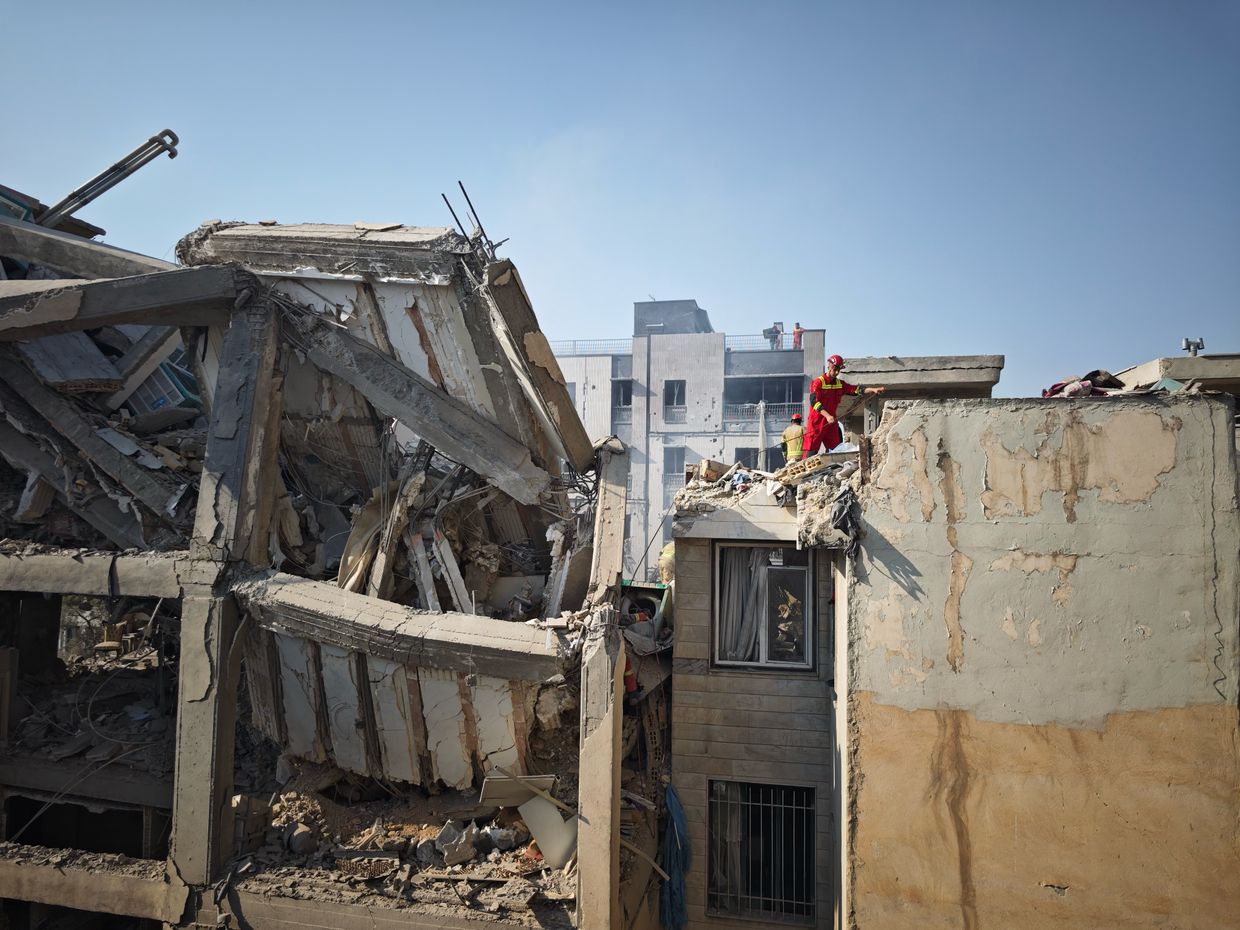
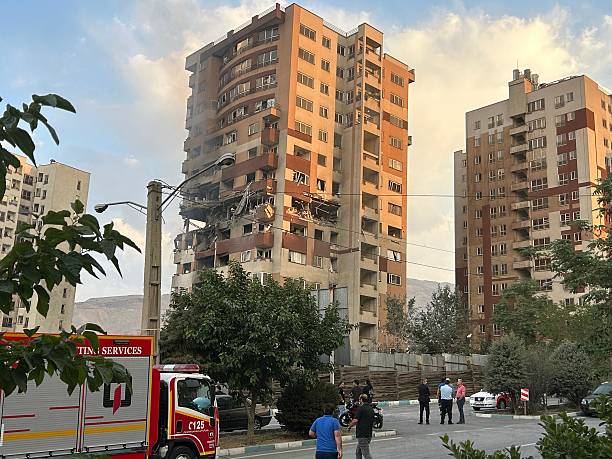
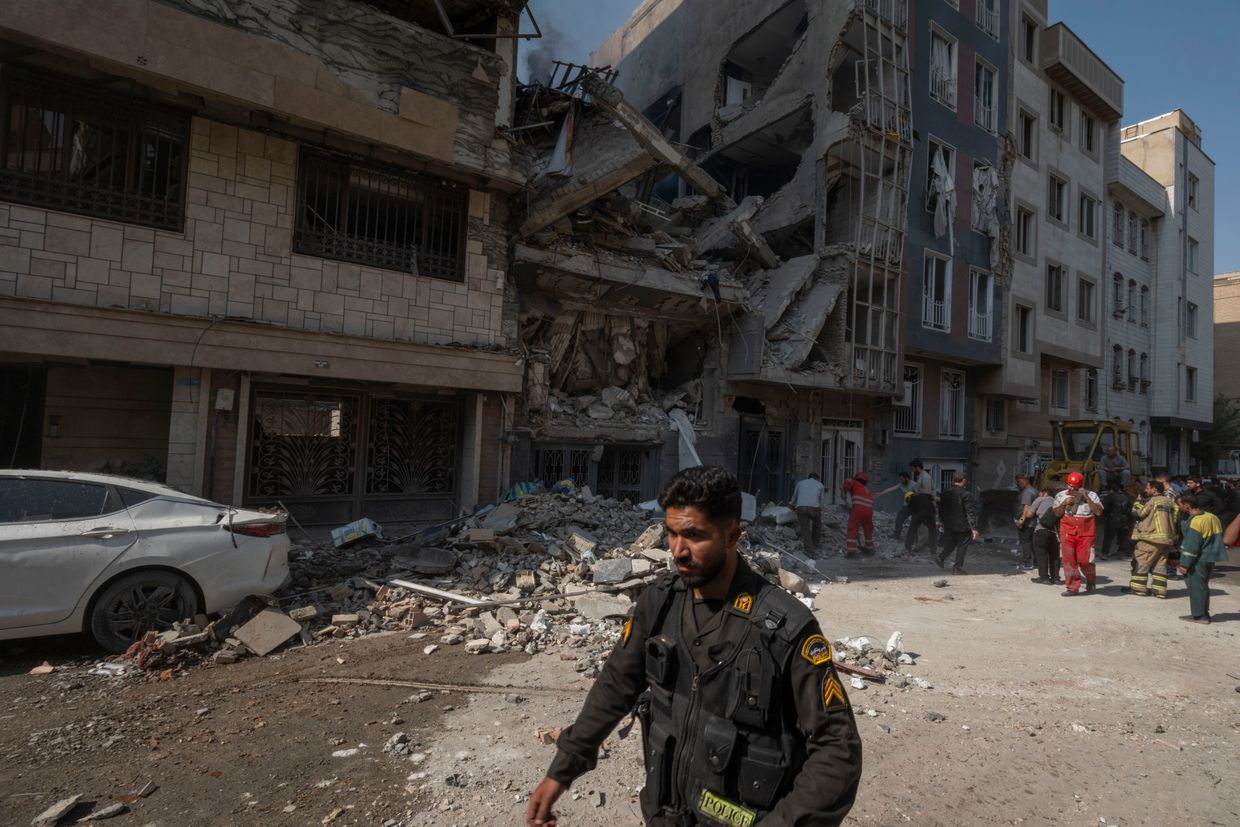
A view of a damaged building in the Iranian capital, Tehran, following an attack by Israel on June 13, 2025. (Ahmet Dursun/Anadolu via Getty Images)
Iran's Supreme Leader vowed to enact "severe punishment" in response to the attack, accusing the United States for "also (being) responsible for the dangerous consequences of this reckless escalation."
In a statement released by the State Department, U.S. Secretary of State Marco Rubio said that the United States was not involved in the strikes on Iran.
U.S. President Donald Trump, who plans to convene a cabinet meeting in response to the strikes, expressed concerns about escalating tensions between Israel and Iran earlier in the day, warning that a "massive conflict" could erupt in the Middle East.
"Tonight, Israel took unilateral action against Iran. We are not involved in strikes against Iran and our top priority is protecting American forces in the region," Rubio said.
Speaking to reporters at the White House on June 12 ahead of the strikes, Trump warned that an Israeli strike on Iran "could happen" if a nuclear deal is not reached with Iran. Talks between Washington and Tehran were set to resume this weekend on Iran's nuclear program.
Earlier in the day, Trump emphasized that despite tensions, he is committed to avoiding conflict and prefers a diplomatic solution to Iran's nuclear aspirations. "I want to have an agreement with Iran," Trump said, referring to ongoing Iran-US nuclear talks in Oman.
Writing on Truth Social later in the day, Trump reaffirmed his commitment to a "diplomatic resolution to the Iran nuclear issue," and insisted that his "entire administration has been directed to negotiate with Iran."
Iran insists its nuclear program is for peaceful purposes and has expressed willingness to accept limited restrictions in exchange for the lifting of sanctions.
Coinciding with Trump’s remarks, the International Atomic Energy Agency released a report highlighting Iran’s failure to comply with its obligations to fully disclose activities at its nuclear facilities.
Beyond the Middle East, Iran has emerged as a key ally of Russia in its war against Ukraine, supplying Moscow with drones used in attacks on Ukrainian cities.
In April 2025, Russian President Vladimir Putinratified a strategic partnership with Iran, vowing to strengthen bilateral ties and pledging not to support any third party engaged in conflict with the other.

 Connexion
 The Kyiv IndependentChris York