Vue lecture

Captured Russian marine executed Ukrainian commander on superior’s order, prosecutors say

A masked Russian soldier in camouflage and body armor wears a helmet bearing Russian flag and “Z” patches.

Ukrainian prosecutors have formally accused a captured Russian marine of executing a Ukrainian unit commander near Pokrovsk, the Donetsk Oblast Prosecutor’s Office said on 20 August. Investigators allege he took the 34-year-old captive to a forest belt after an interrogation and shot him in the back of the head on his superior’s order.

The case comes as Ukraine steps up efforts to prosecute Russian troops accused of executing or abusing Ukrainian POWs. Ukrainian investigators and UN monitors have documented a growing pattern since 2024 of Russian forces executing Ukrainian troops after capture.

The alleged gunman is now in Ukrainian custody, opening the way for an in-person trial. Russian troops also shot dead a second Ukrainian prisoner, prosecutors said.

Russian assault units had been trying to seize Shakhove on the Pokrovsk front since May 2025, according to the prosecutor’s office. On 10 October 2025, a small Russian infantry group entered the village’s outskirts and captured two Ukrainian service members, including the commander, the office alleges.

After the interrogation, the suspect took the commander to a forest belt and killed him with an automatic rifle, prosecutors said. The other Ukrainian prisoner was also shot dead. The statement names neither victim.

A man wearing a vest marked “War Crimes Prosecutor, Donetsk Region” stands beside a seated man with a pixelated face as they look at documents on a desk.
A Donetsk Oblast prosecutor formally notifies a captured Russian marine that he is suspected of executing a captured Ukrainian unit commander near Pokrovsk. Photo: Donetsk Oblast Prosecutor’s Office / Facebook

Investigators identified the suspect as a 34-year-old native of Russia’s Krasnoyarsk Krai who used the call sign “Tai” and served as a rifleman in the 336th Guards Naval Infantry Brigade.

Ukrainian forces later captured him during fighting in the same sector, according to prosecutors. The office did not say when he was taken prisoner.

Prosecutors formally accused him of cruel treatment of prisoners of war resulting in death, a war crime under Ukrainian law.

Ukraine’s other cases against captured Russian soldiers

Ukraine has previously brought cases against other captured Russian soldiers over POW executions. A Zaporizhzhia court sentenced Dmitry Kurashov to life imprisonment in November 2025—the first time Ukraine convicted a Russian soldier of executing a surrendered Ukrainian POW.

In a separate case, the Security Service of Ukraine charged Sergey Tuzhilov over the execution of one bound Ukrainian POW and his alleged role in killing two others near Vovchansk in June 2024.

  •  

Russia occupied Anton’s home when he was 10. At 18, he volunteered to fight against Ukraine

Two soldiers kneel behind a low brick barrier and fire rifles across an open training field.

Now held in a POW camp in western Ukraine, Anton does not consider himself a traitor. He calls Putin “my President” and said he joined Russia’s army to defend “my land,” the BBC reported.

The BBC interviews show what more than a decade of Russian rule has produced in occupied Donbas. Moscow has replaced Ukrainian schools, media, and public institutions while presenting the occupied regions as permanent parts of Russia. It also recruits residents or forces them to fight against Ukraine.

The BBC said prisoners could refuse and were interviewed without guards or cameras.

Almost all its Ukrainian-born interviewees from territories occupied since 2014 said they had enlisted willingly. Anton said he was not a traitor and called Vladimir Putin “my President.”

His friends also volunteered. Messages announcing their deaths followed: “Dead, dead, dead.”

Forced conscription of Ukrainians in occupied territory

One prisoner from Donetsk Oblast told the BBC he had been forced to fight. He wanted only to return to his wife and children.

The BBC cited an official intelligence-based estimate that Russia forcibly conscripted more than 50,000 Ukrainians in occupied areas. It noted that other estimates were higher.

Ukrainian veteran Pavlo Pshenychnyi told Hromadske that occupation authorities used planted drug evidence to push him into Russia’s army. They threatened him with up to 12 years in prison.

Article 51 of the Fourth Geneva Convention prohibits occupying powers from compelling protected residents to serve in their armed forces.

Anton and the Russification of occupied Ukrainian territory

Russia took control of Anton’s home while he was still in primary school. By adulthood, he called himself Russian and dismissed his Ukrainian surname as irrelevant.

Putin’s 2025 policy decree set a 95% target for “all-Russian civic identity” by 2036 and ordered the integration of occupied Ukrainian regions into Russian education, culture, and media.

Kherson-based outlet MOST reported that Russia will introduce compulsory textbooks on 1 September, presenting four occupied Ukrainian regions as historically Russian.

Ukraine’s Center for Countering Disinformation reported in 2025 that more than 100 teenagers from occupied Luhansk attended a Russian military camp. They received firearms, drill, and guard-duty training.

The center described the camp as part of a wider effort to spread Russian war propaganda and hostility toward Ukraine.

Petro Yatsenko of Ukraine’s POW Coordination Headquarters told the BBC that these prisoners were strongly pro-Russian. He said their national identity was “very blurred.”

Ukraine still considers them Ukrainian and treats Russia’s control of their home regions as temporary, the BBC noted.

  •  

Two officers, 101 soldiers—Ukraine’s newest homecoming from Russian cells

two officers 101 soldiers—ukraine's newest homecoming russian cells · post freed ukrainian defender raises fist among fellow released captives wrapped national flags 19 2026 4 pow exchange sbu5199714552638020898 ukraine news

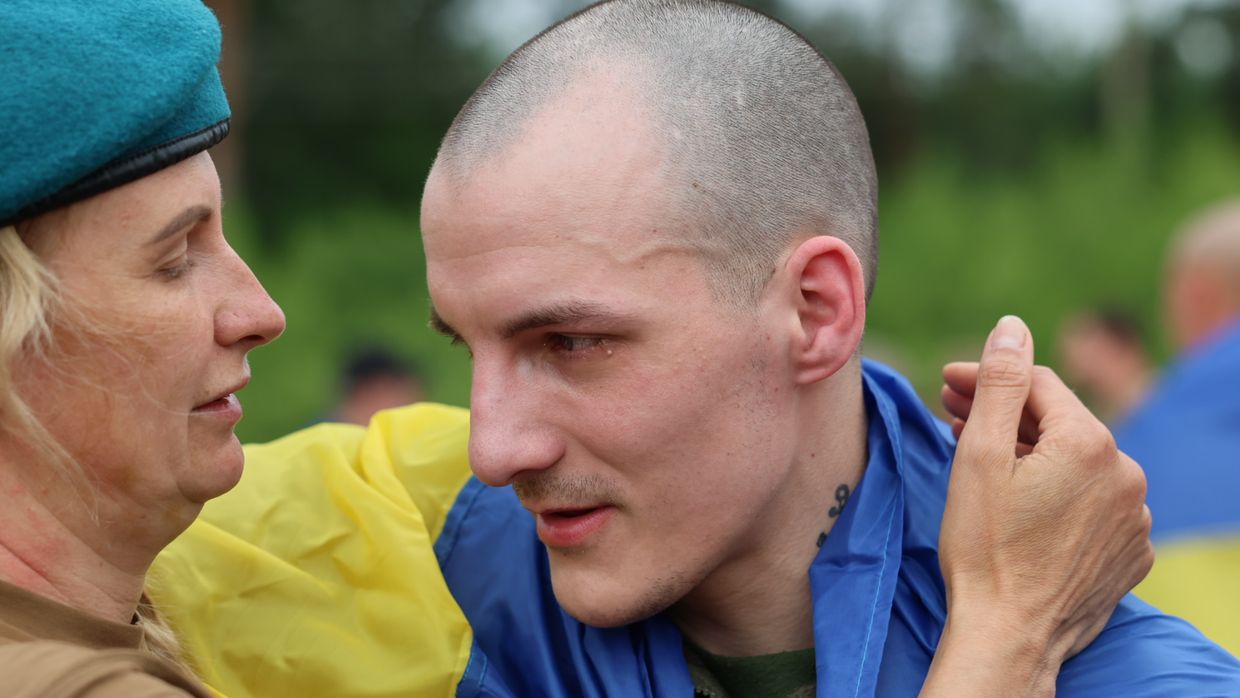
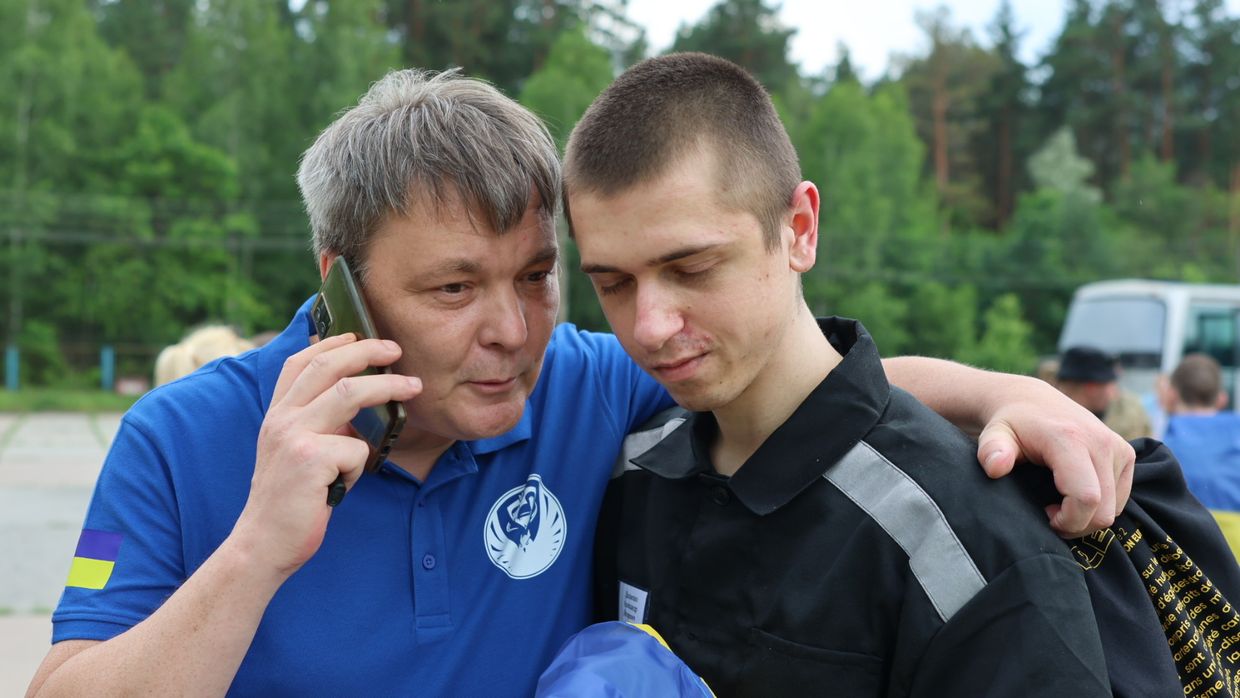
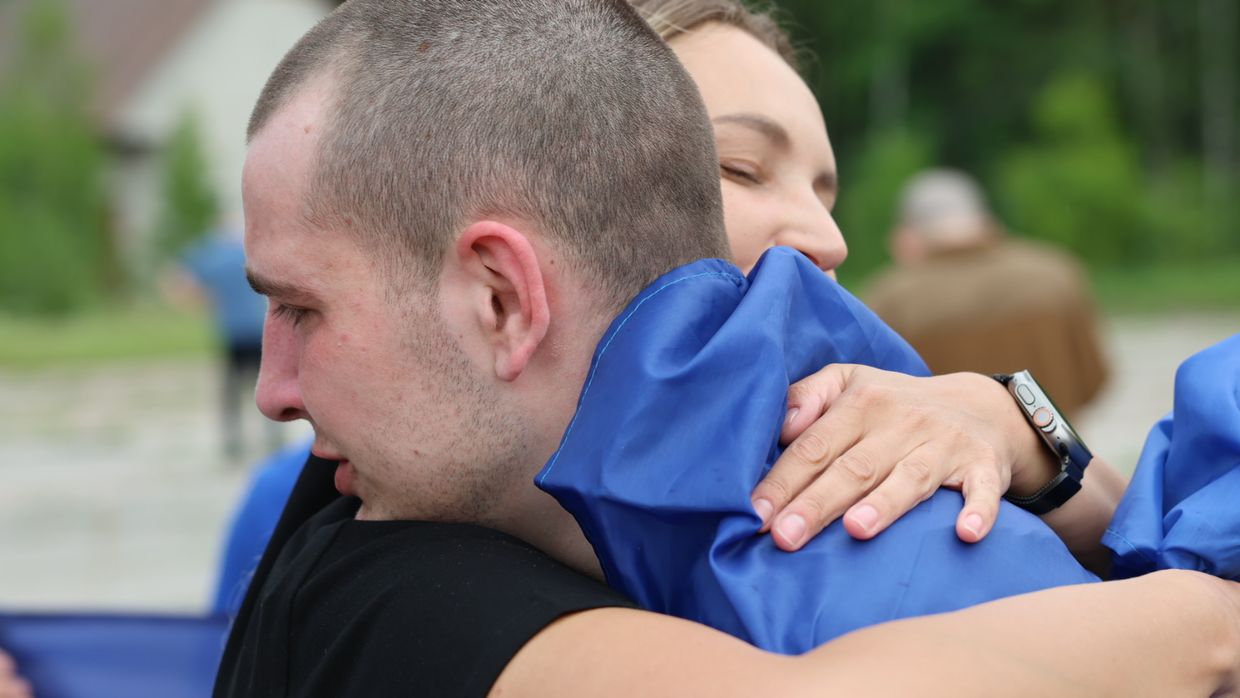
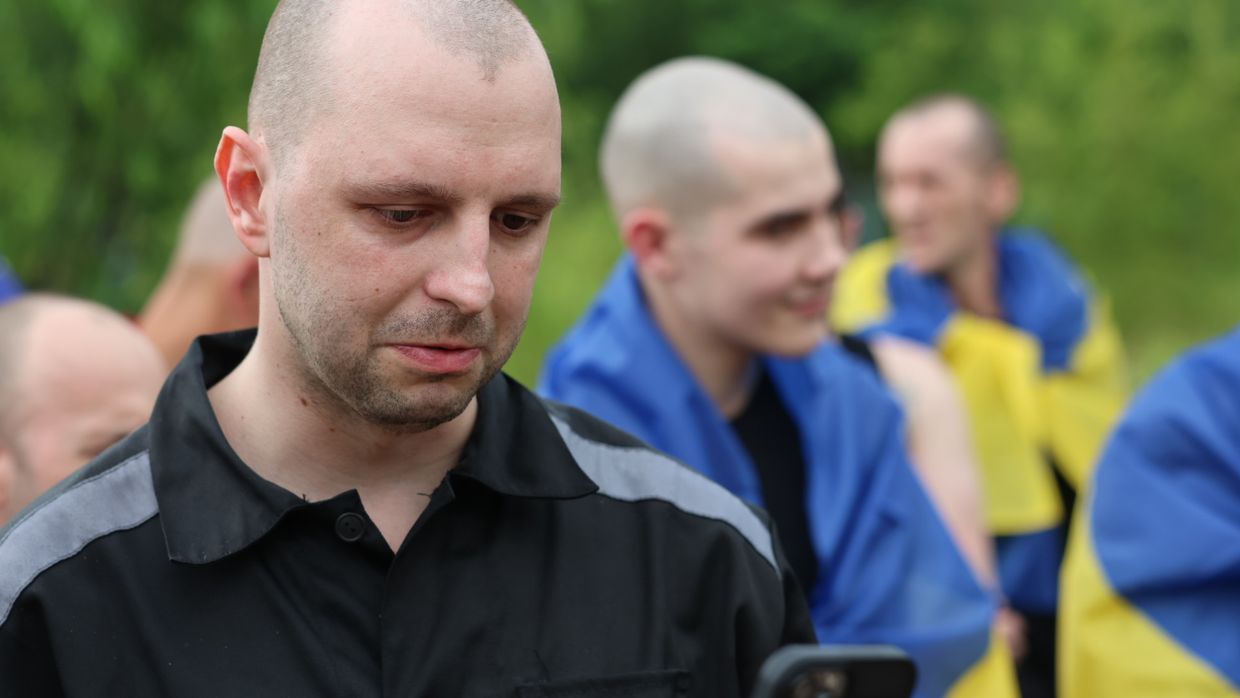
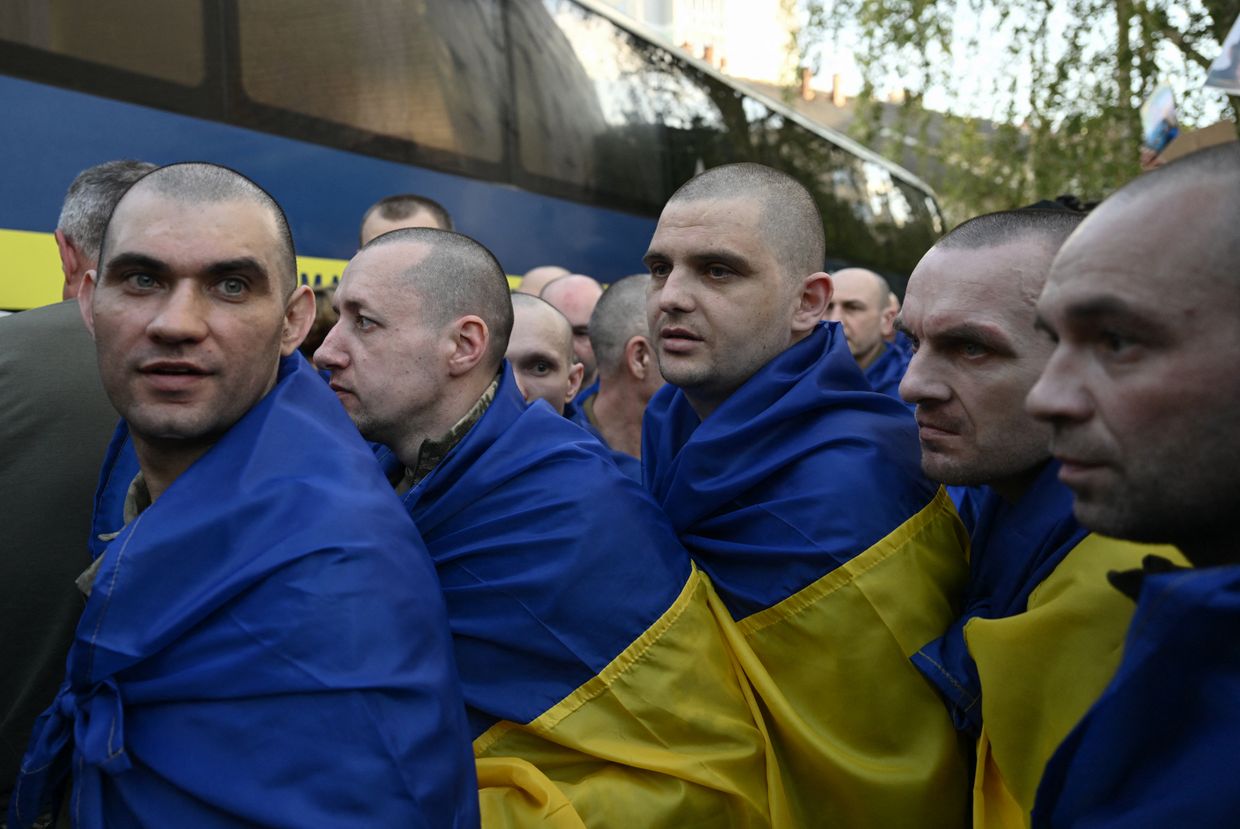
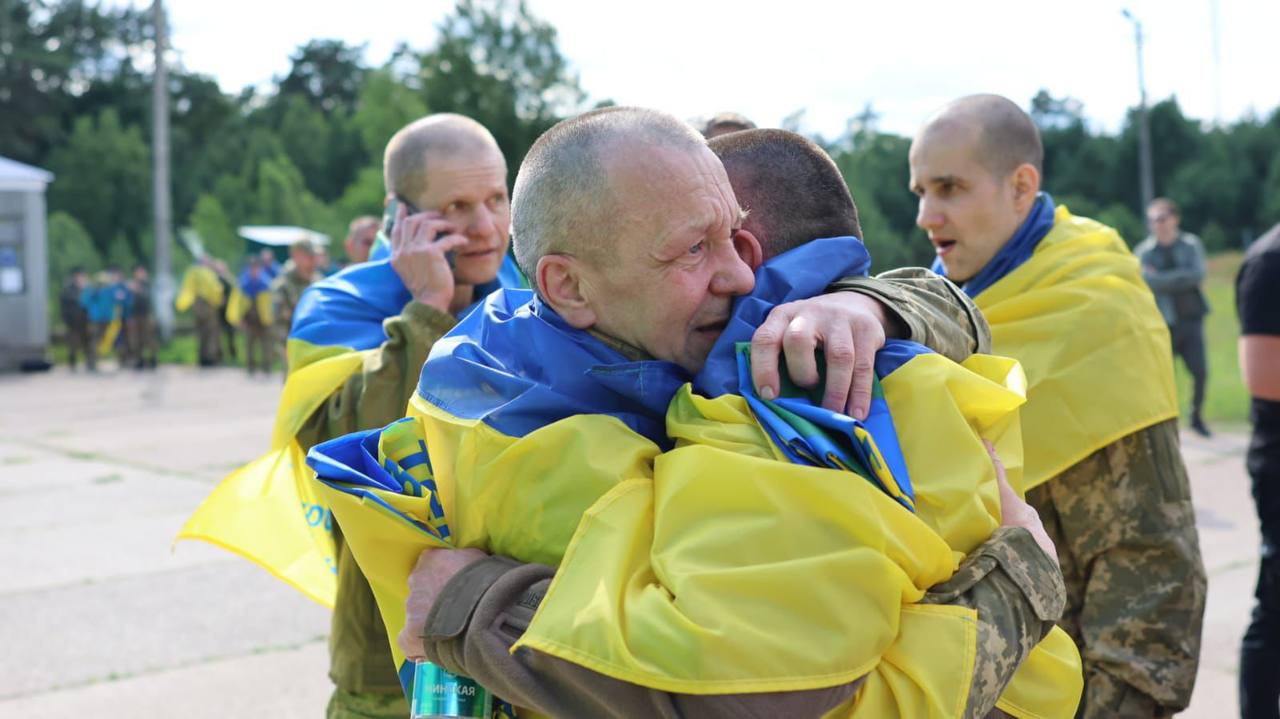
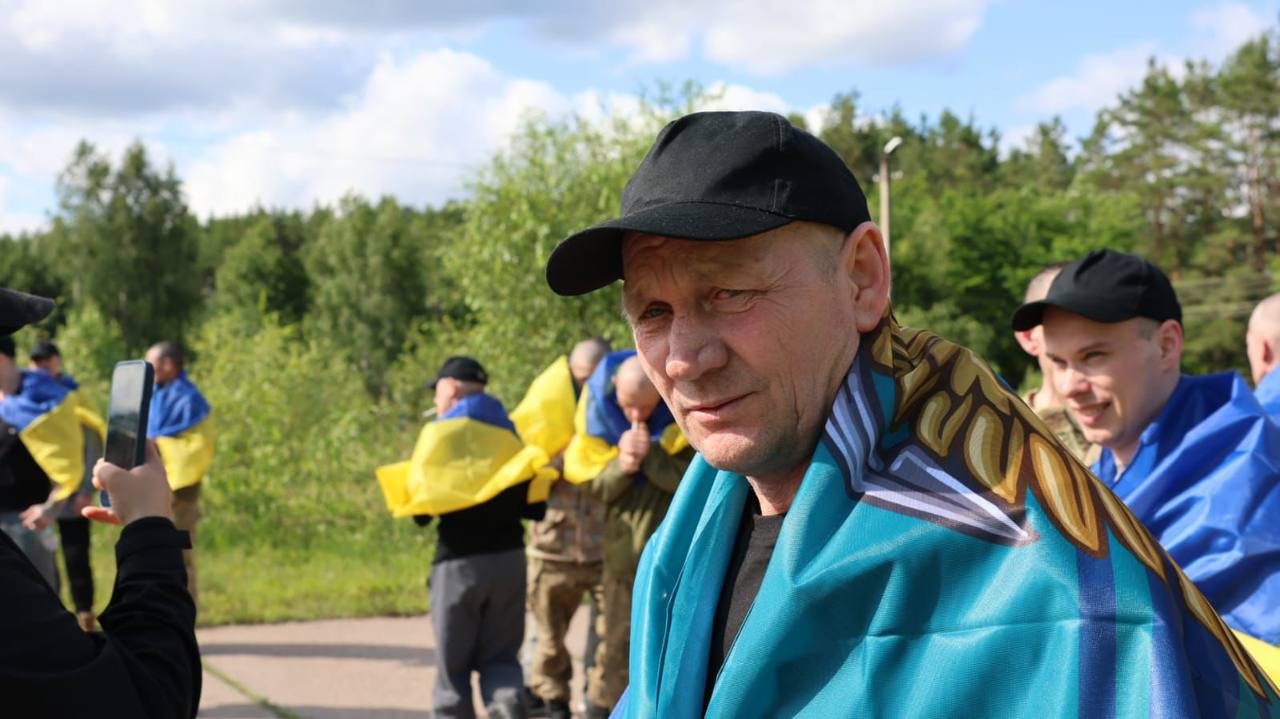
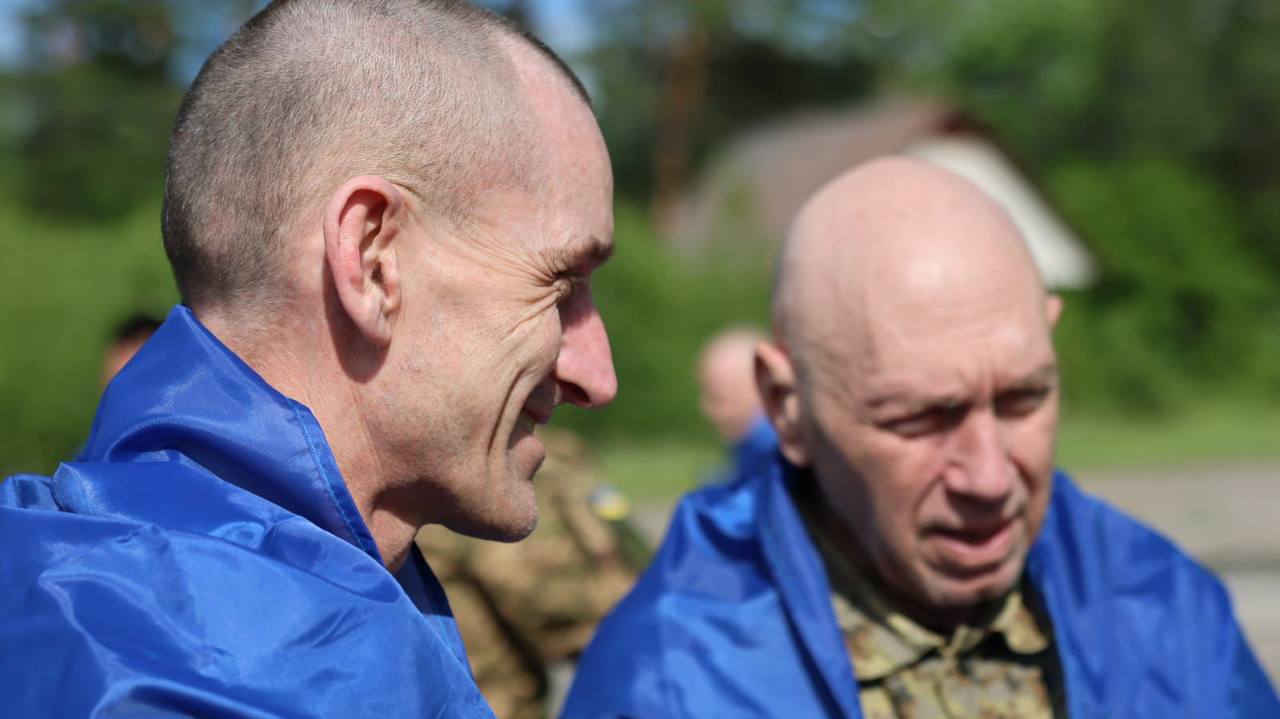
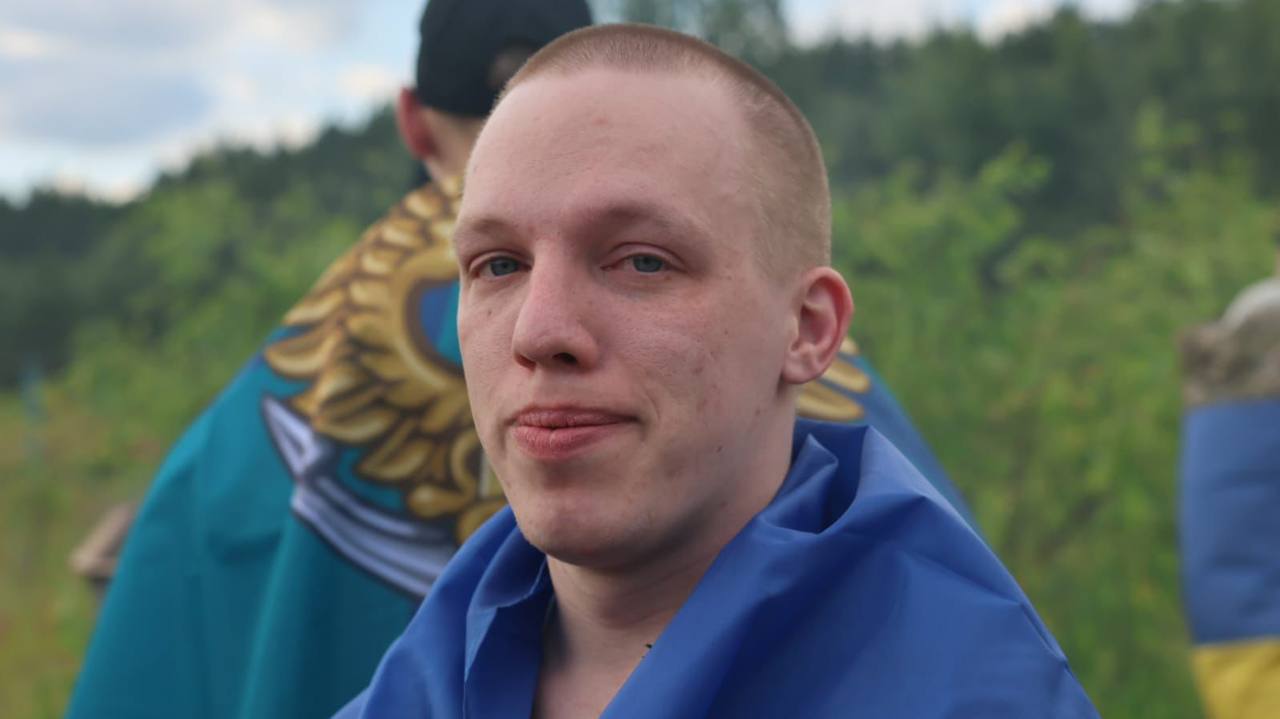
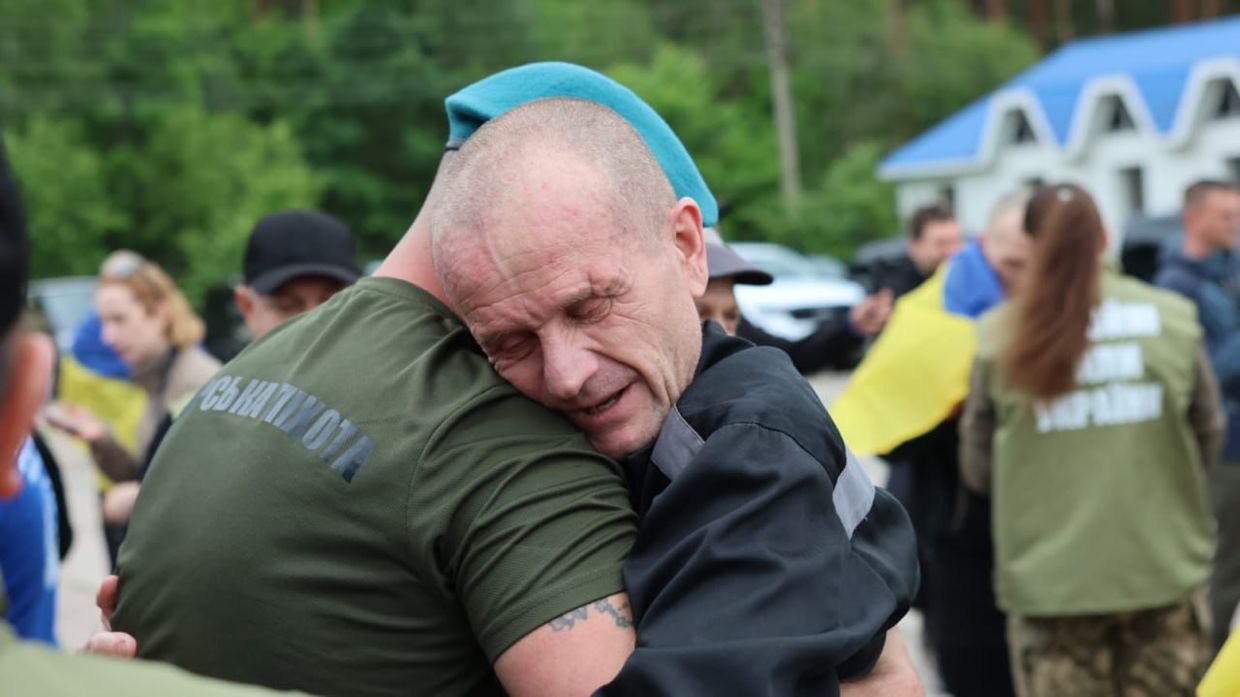
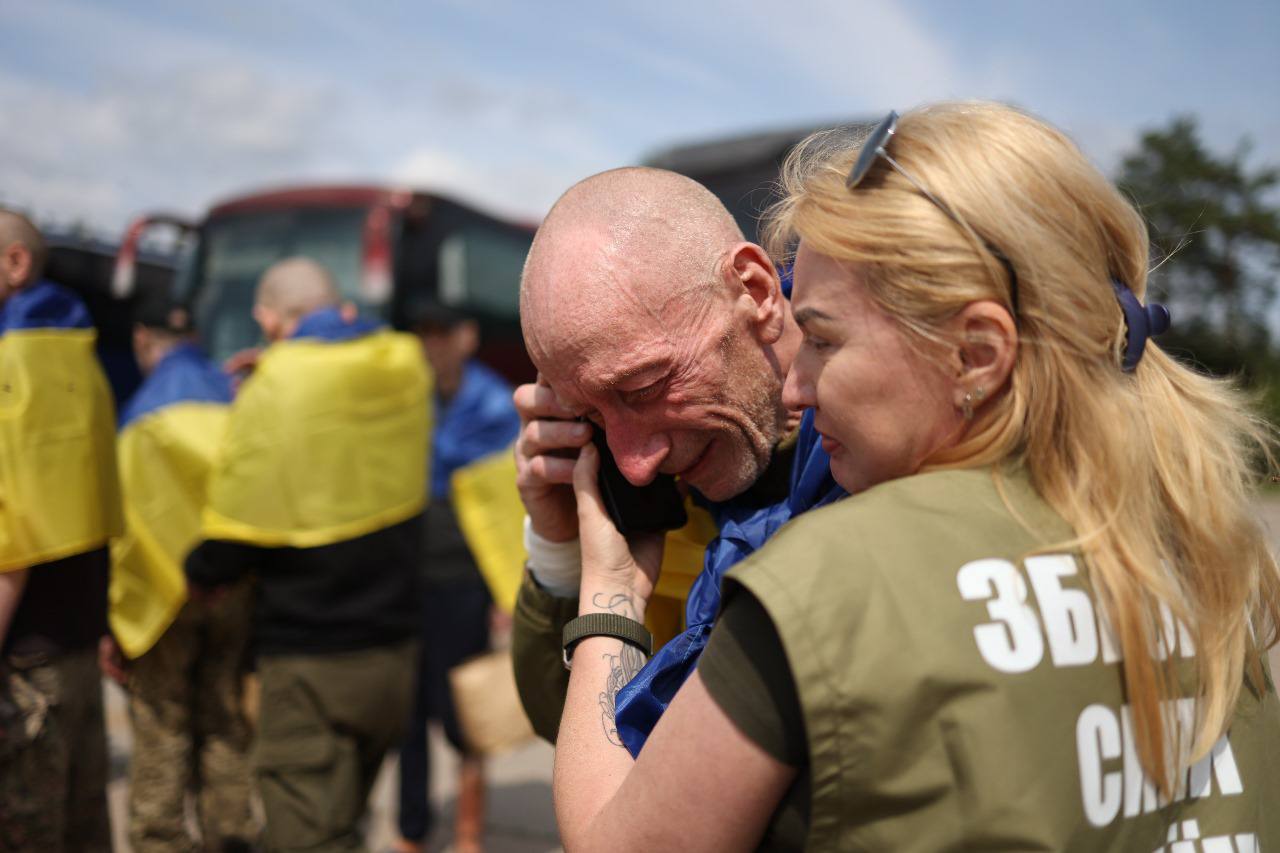
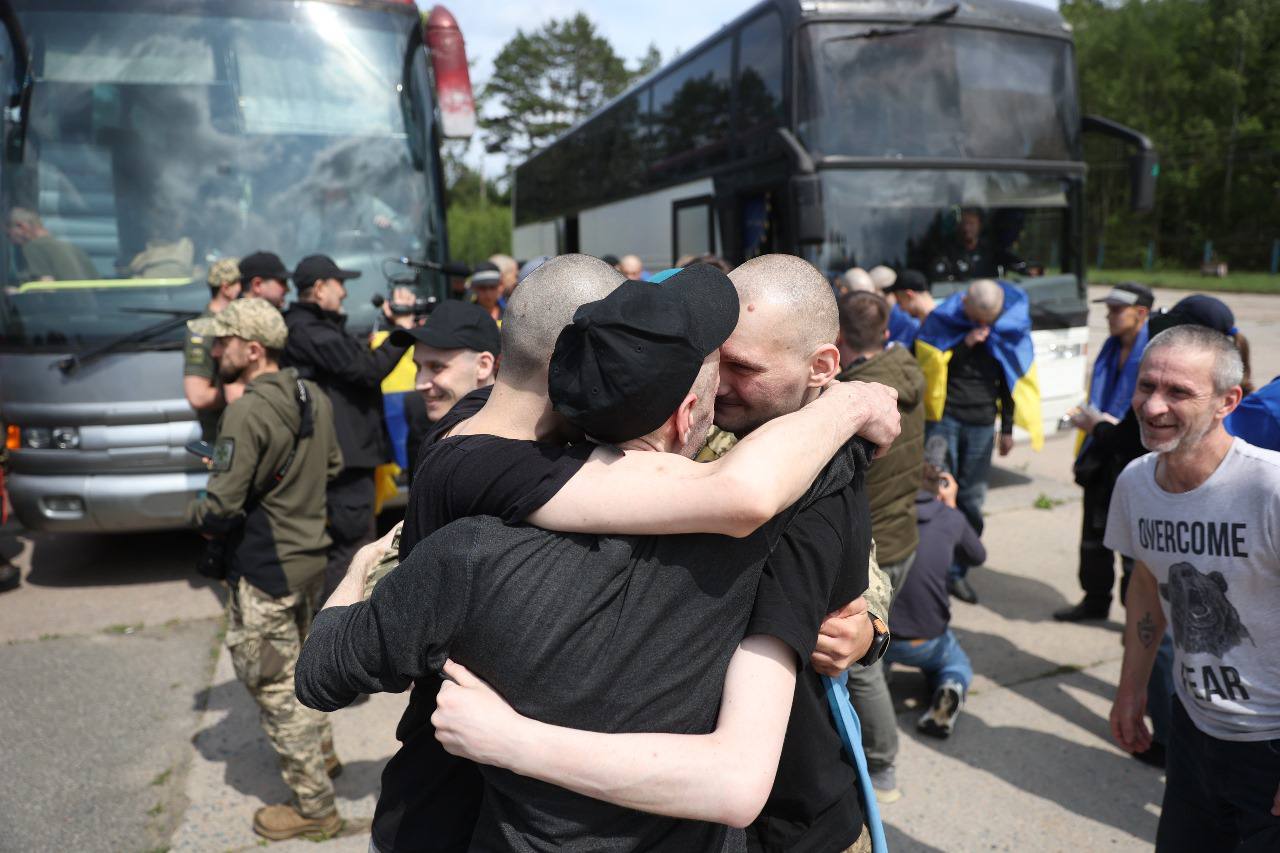
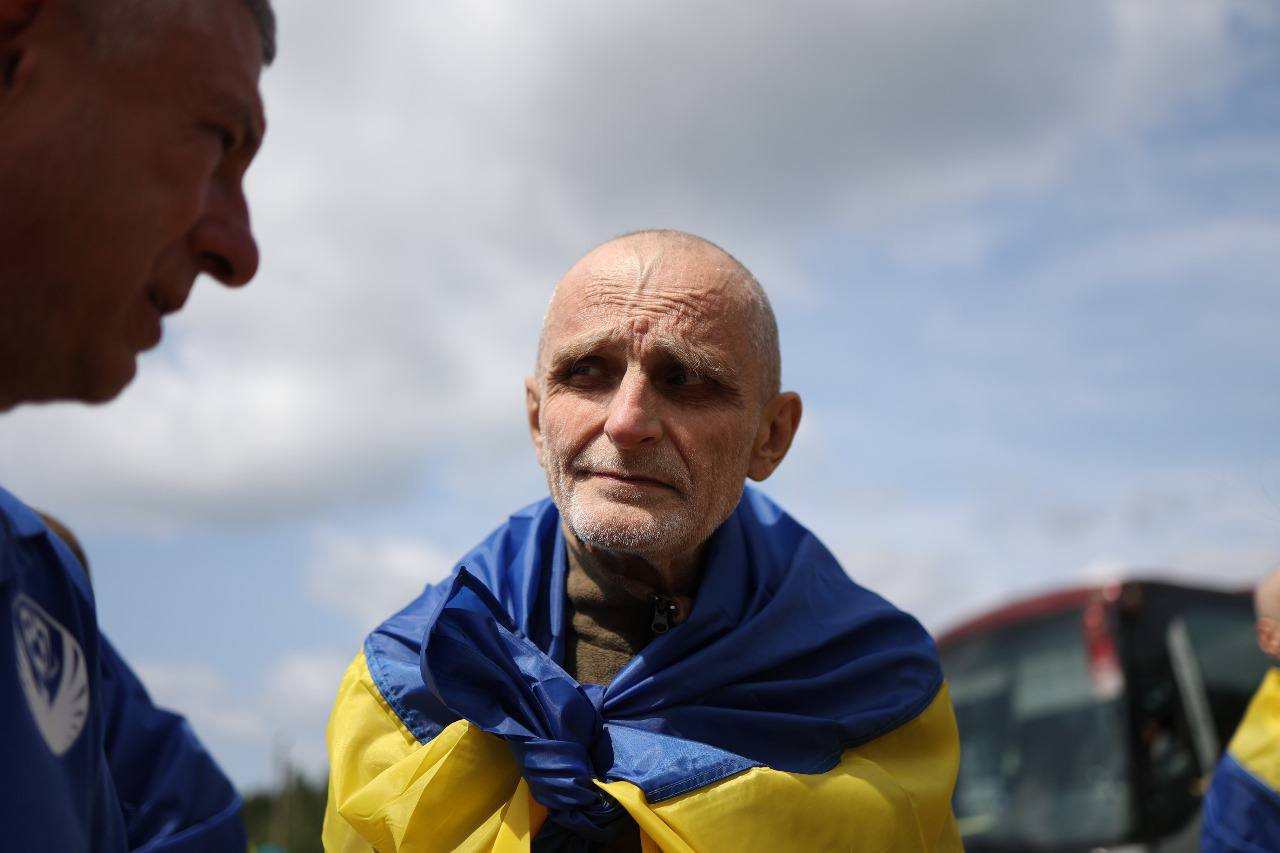
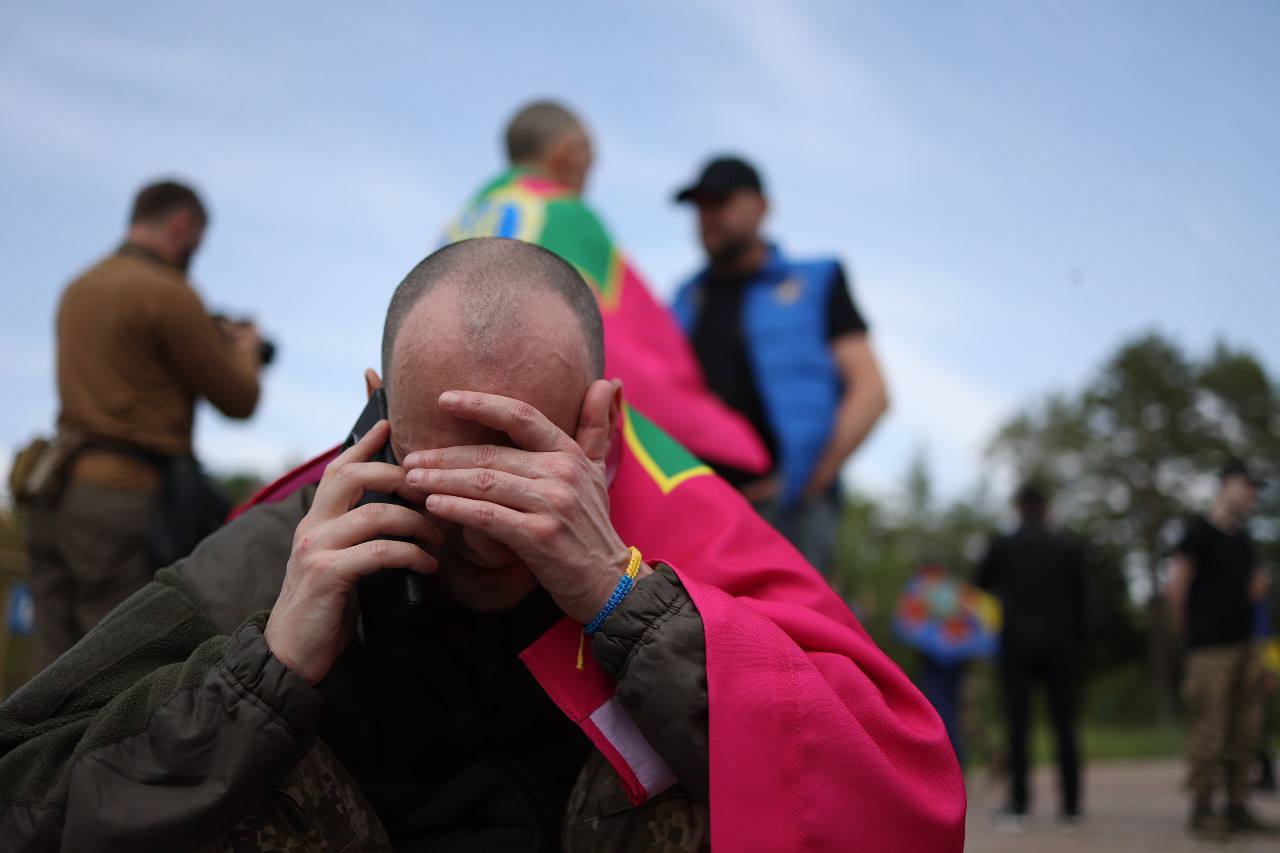
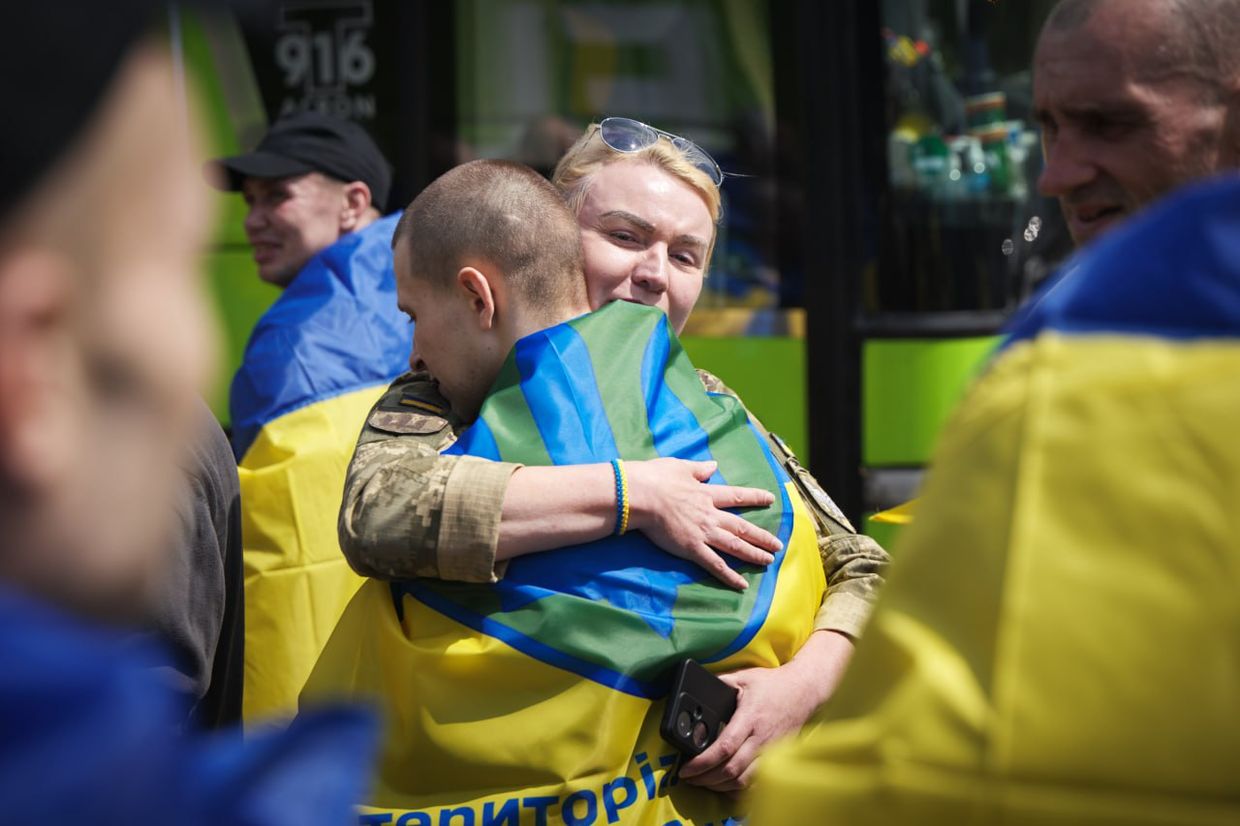
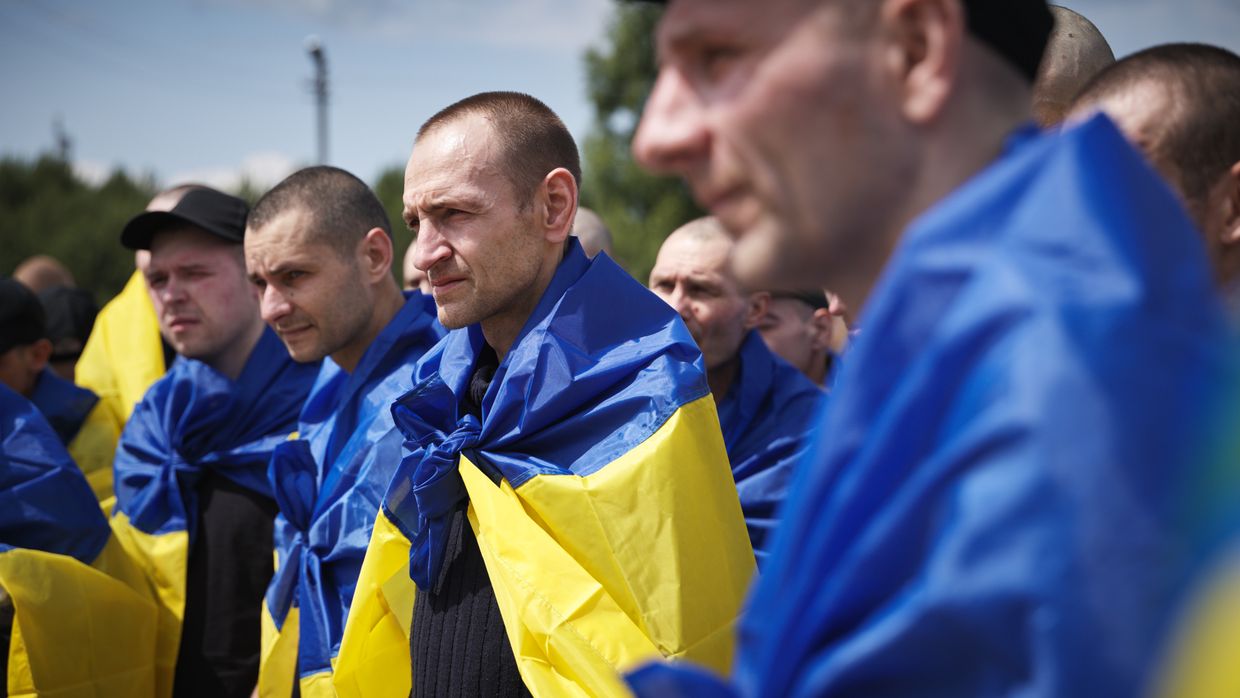
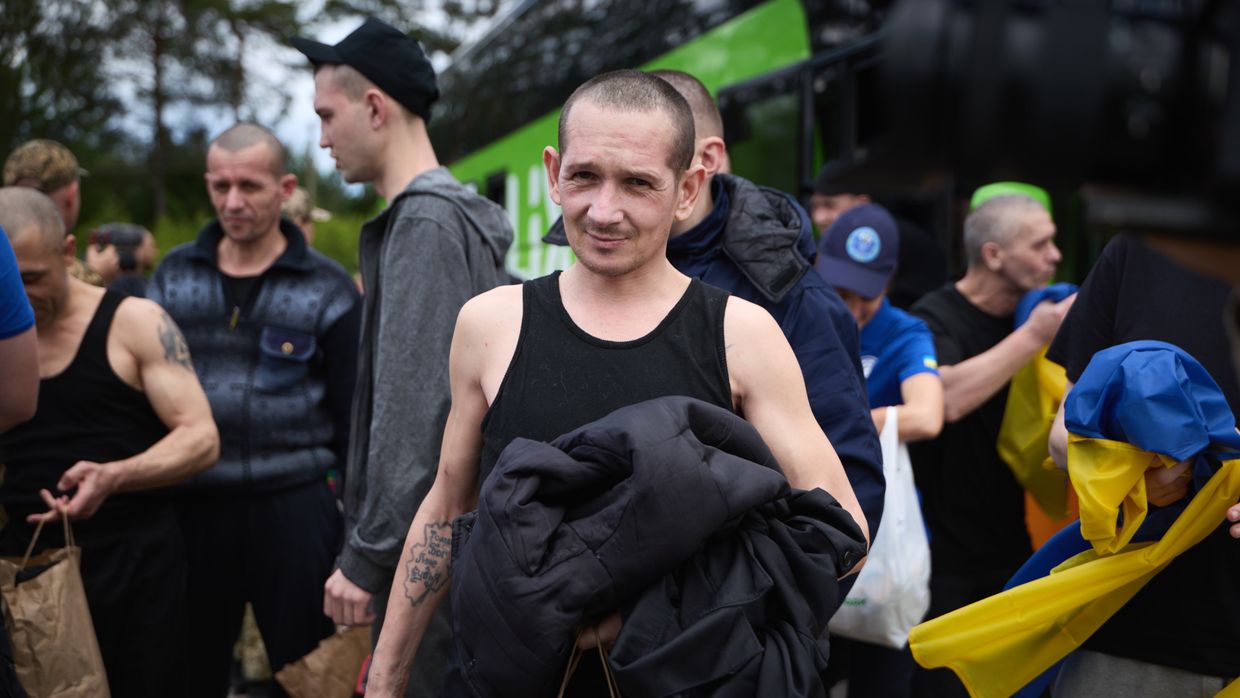
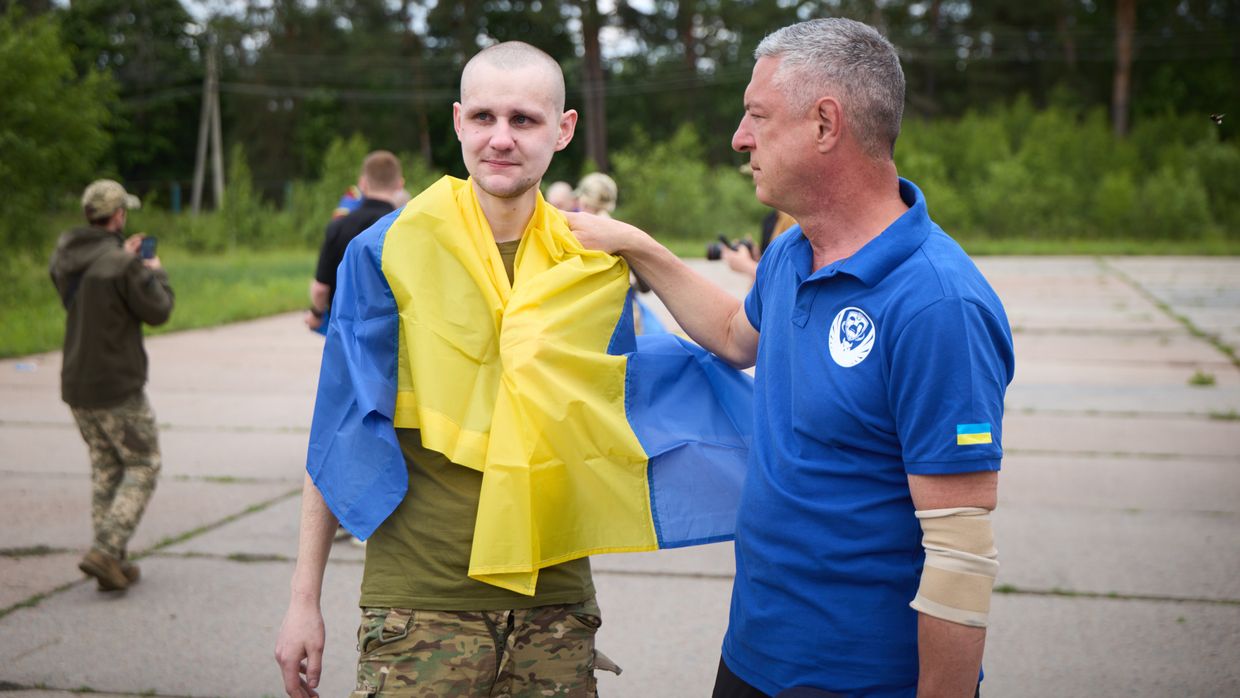
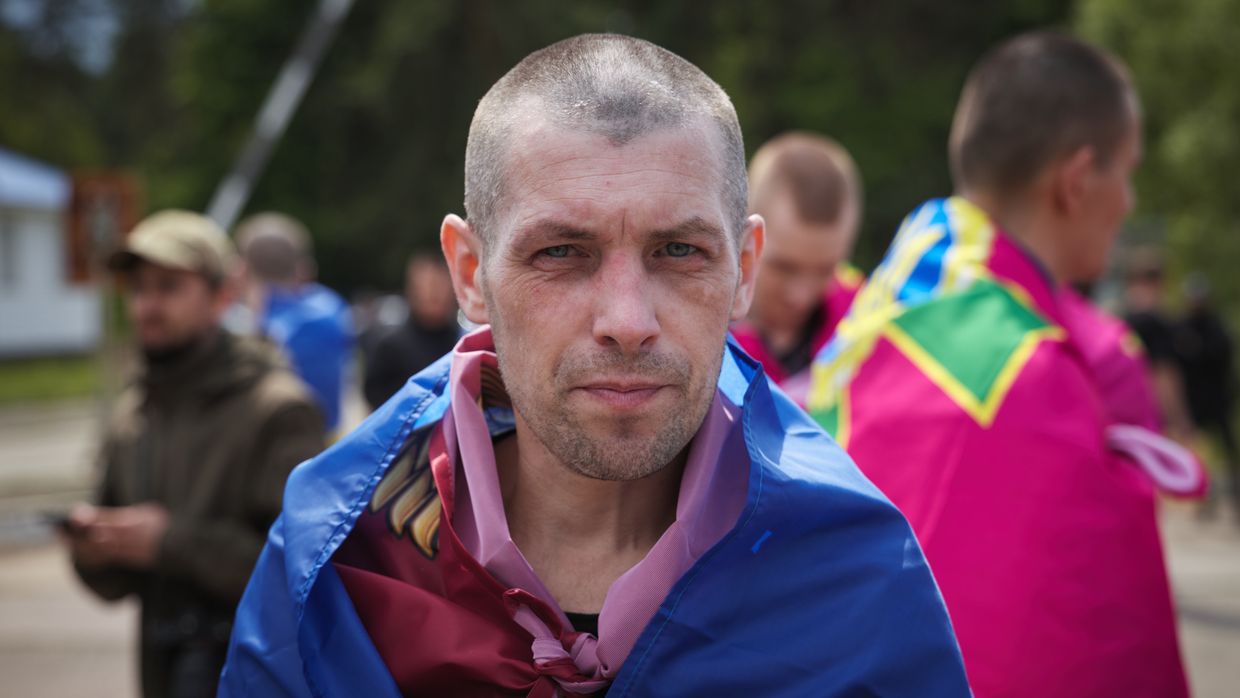
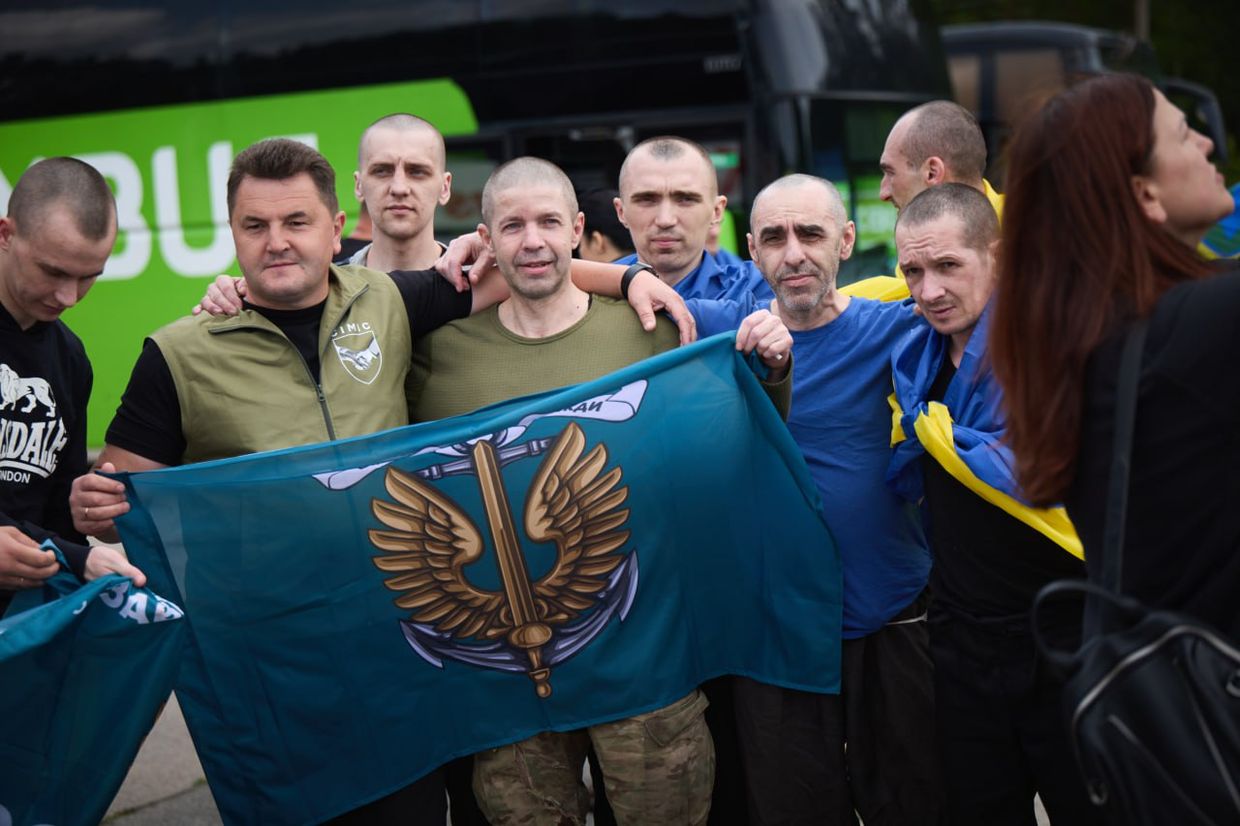
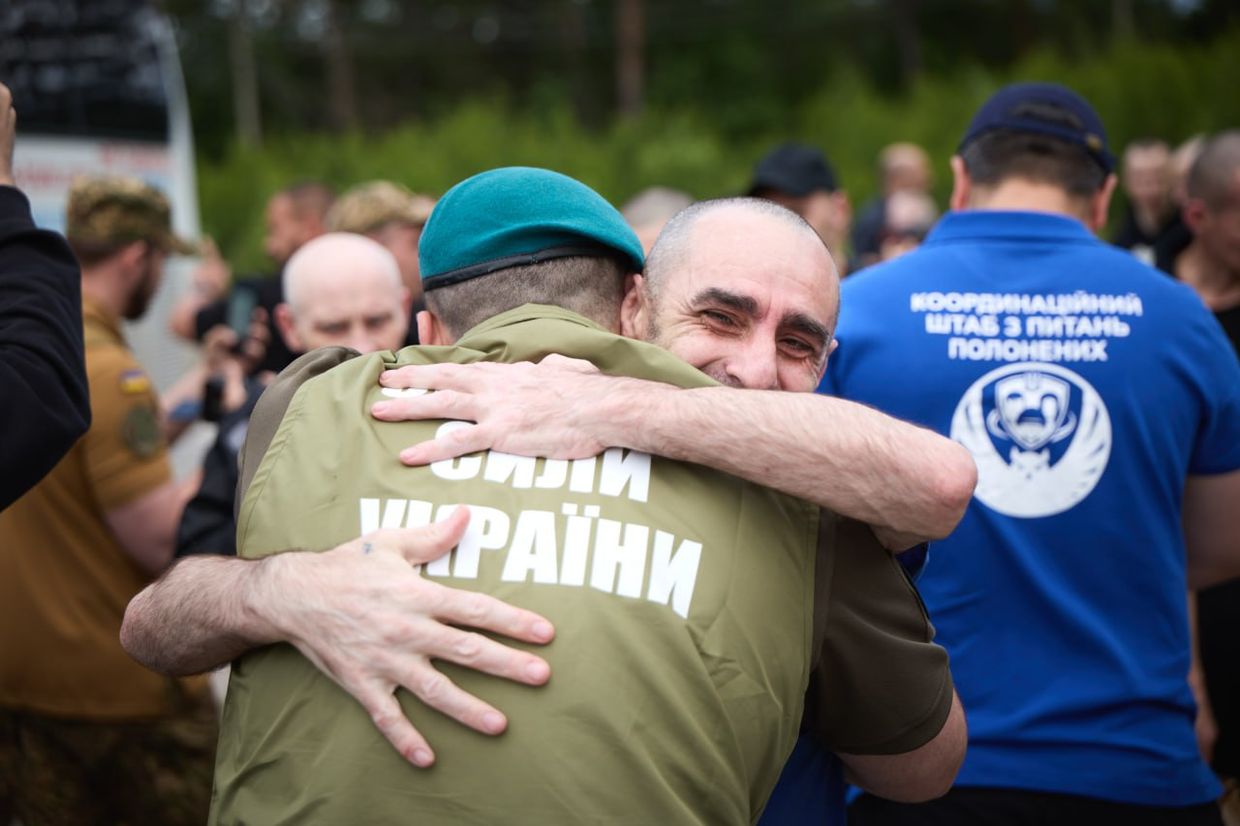
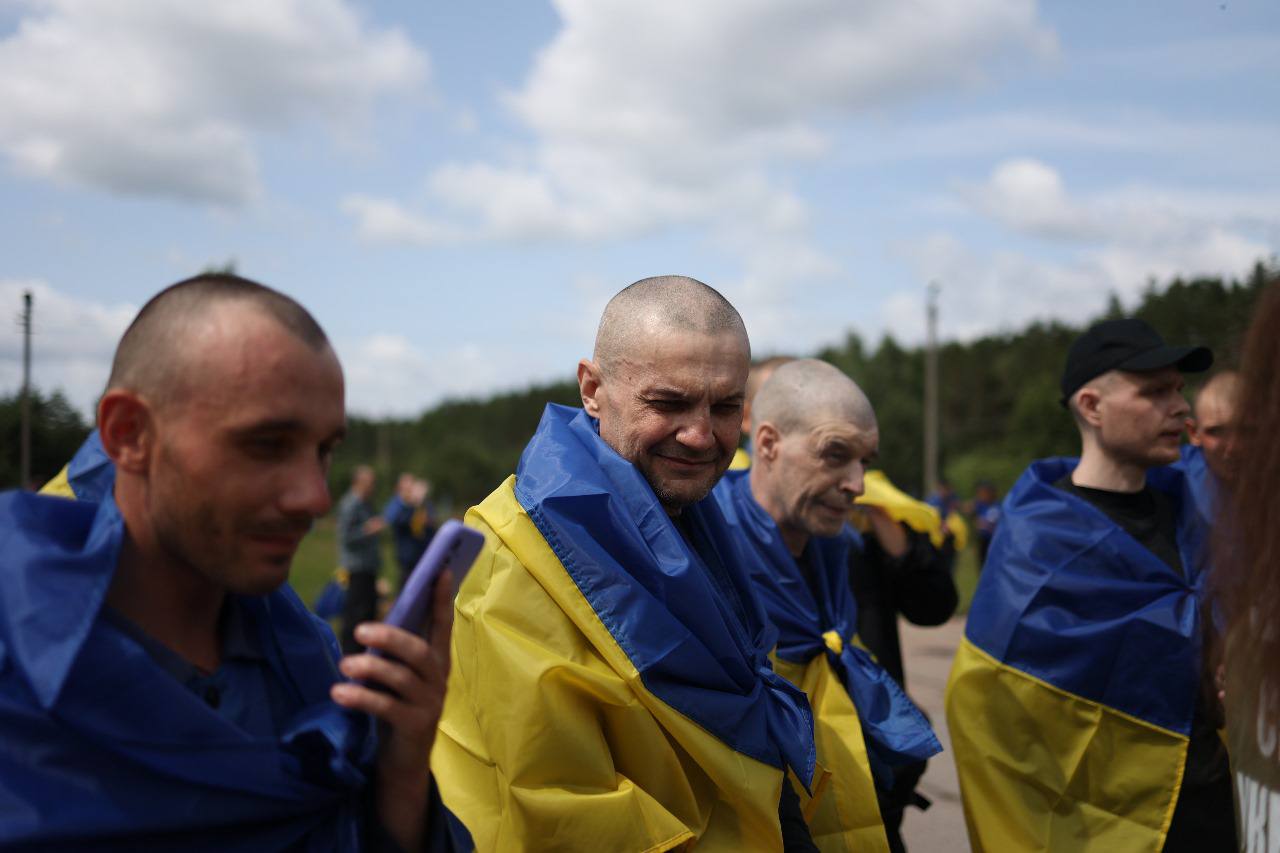
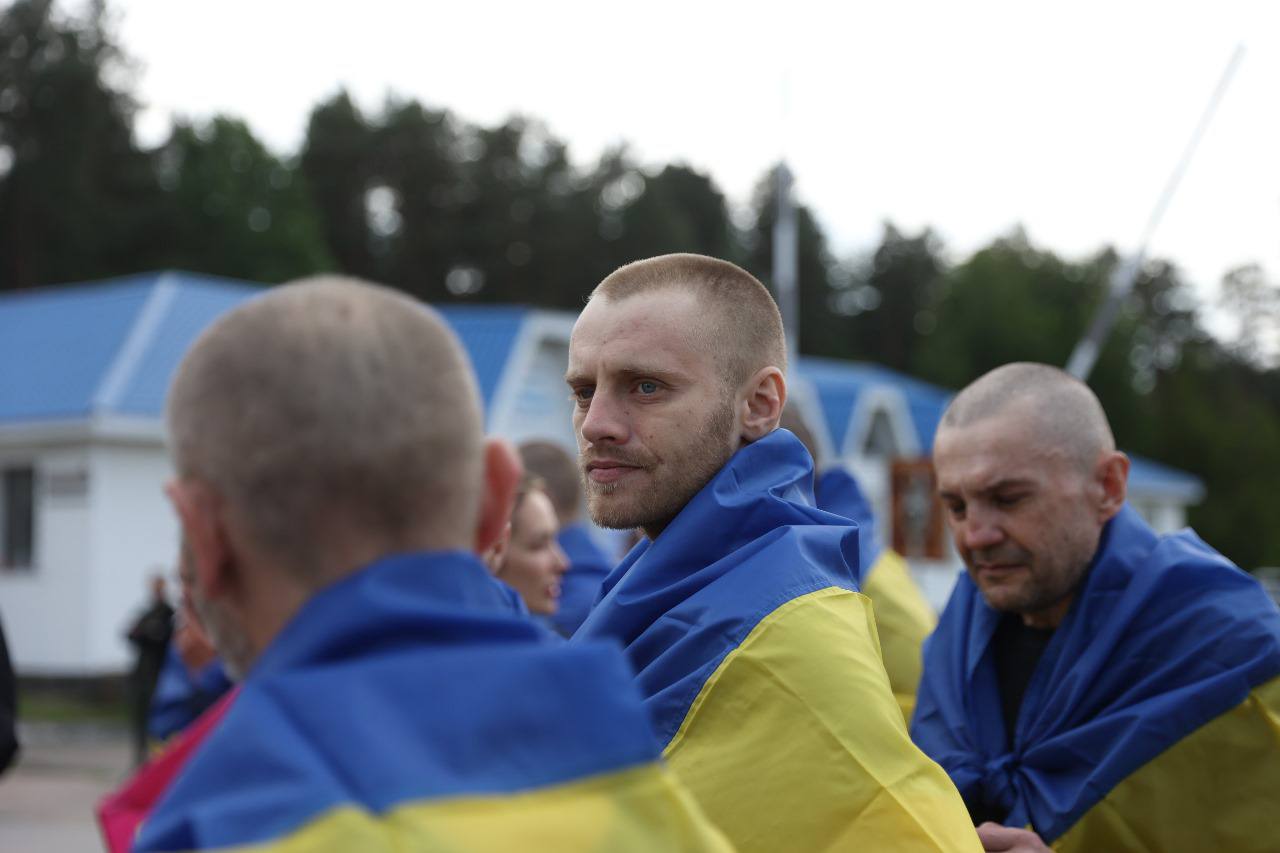
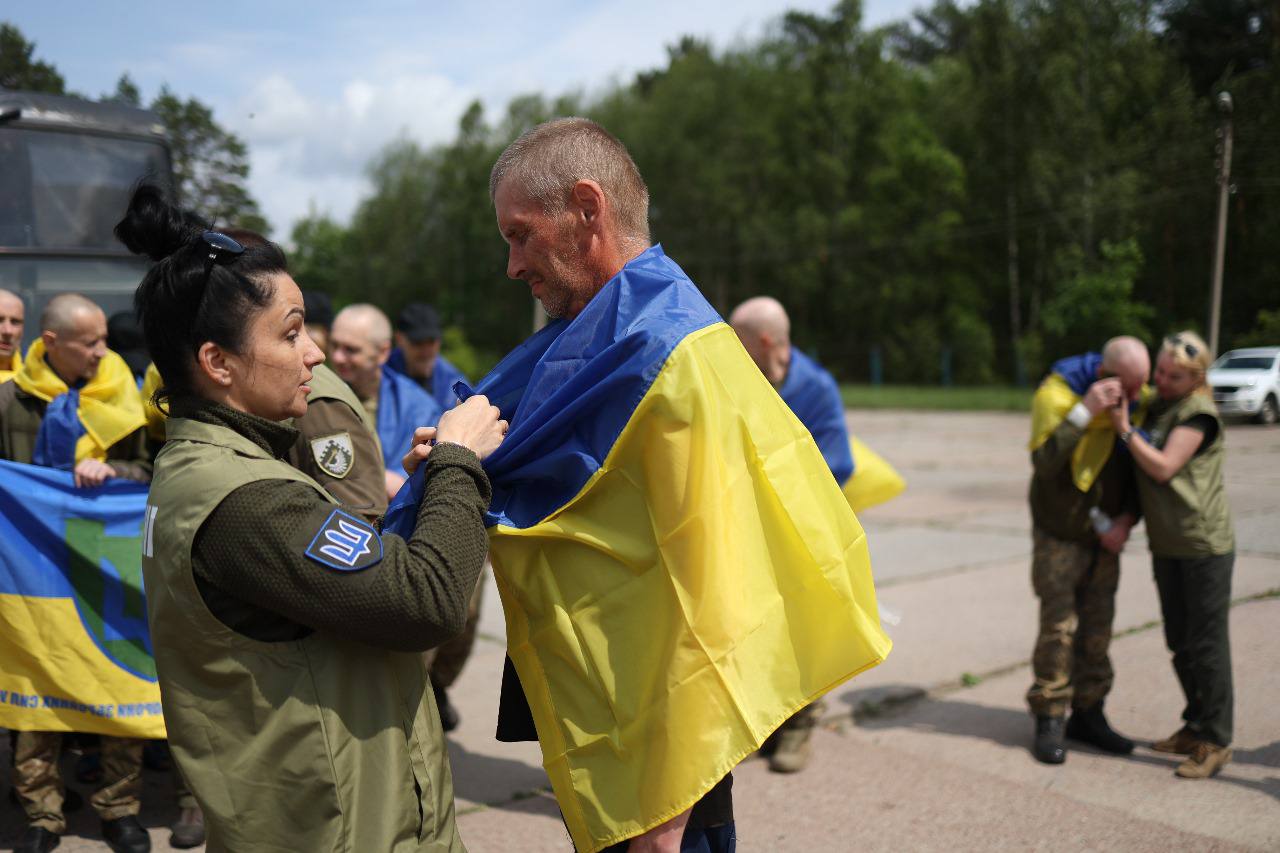
Ukraine has brought another 103 servicemembers home from Russian captivity in the first stage of a new prisoner exchange, the Coordination Headquarters for the Treatment of Prisoners of War reported on 19 August 2026. Most of the returning defenders are wounded or seriously ill after captivity that, for some, reached back to 2022, the year of Russia's full-scale invasion. The United States and the United Arab Emirates helped organize the swap, the headquarters said.

Amid Moscow's full-scale invasion, prisoner swaps have become one of the few channels that still functions between Kyiv and Moscow, and each one hinges on how many enemy captives one side can put on the table for the next round. Thousands of Ukrainian soldiers and, separately, civilians remain in Russian hands, and each release still returns only a fraction of the people whose families are waiting for them.

Who came home

The freed group covers nearly every branch of Ukraine's forces. It includes members of the Armed Forces, the Navy, Territorial Defense, the National Guard and the State Border Guard Service. Alongside soldiers and sergeants, several officers were released.

The SBU said the return of the 103 Ukrainian defenders was coordinated by the Joint Center for the Search and Release of Prisoners of War, the Coordination Headquarters for the Treatment of POWs, and other authorized agencies.

📹SBU pic.twitter.com/nr5VabHYtQ

— Euromaidan Press (@EuromaidanPress) August 19, 2026

The Coordination HQ detailed the composition. The Defense Ministry accounted for 92 of those freed, and the Interior Ministry for 11. Two of the returnees are officers, the rest enlisted personnel and NCOs. Interior Minister Ivan Vyhivskyi said his ministry's 11 broke down into five National Guardsmen and six border guards.

The defenders had been captured across the Donetsk, Luhansk, Kharkiv, Zaporizhzhia, Dnipropetrovsk, Kherson and Sumy directions, as well as at Mariupol. The single largest share, 72, fell on the Donetsk front. The youngest freed defender was born in 2000, and the oldest is 59.

two officers 101 soldiers—ukraine's newest homecoming russian cells · post freed ukrainian prisoners war officials pose military flags after returning captivity 19 2026 1 pow exchange sbu5199714552638020893 ukraine news reports
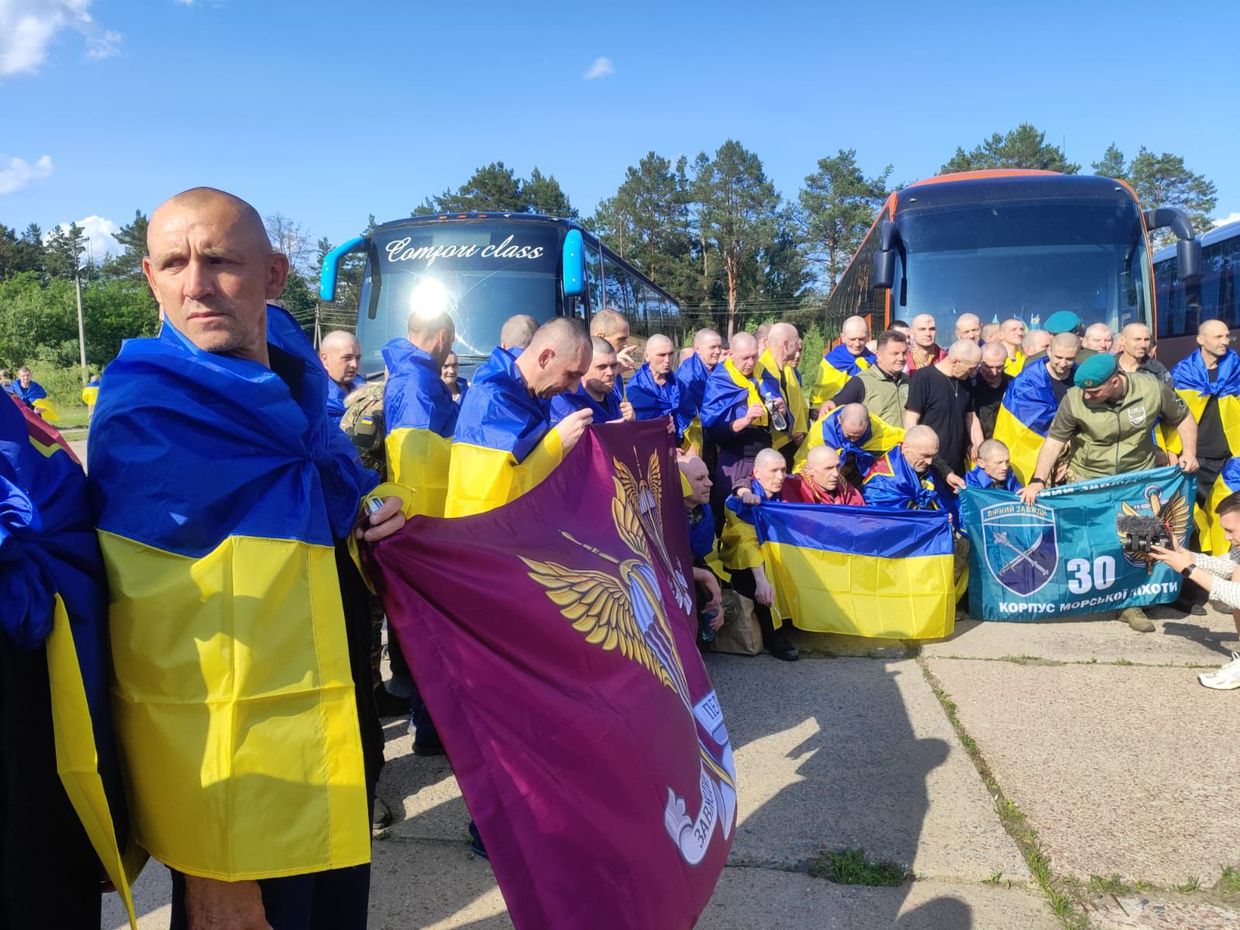
Freed Ukrainian prisoners of war and officials pose with military flags after returning from Russian captivity, 19 August 2026. Photo: Security Service of Ukraine

Years behind Russian bars

The captures span the entire full-scale war. One of those freed had been held since 2022, 16 since 2023, and 48 since 2024. Another 31 were seized in 2025 and seven this year. By the same tally, the International Committee of the Red Cross had confirmed the captivity of 102 of the group before the handover, with a single case verified through other sources.

A previous swap in late June returned 160 defenders, all of them held since 2022.

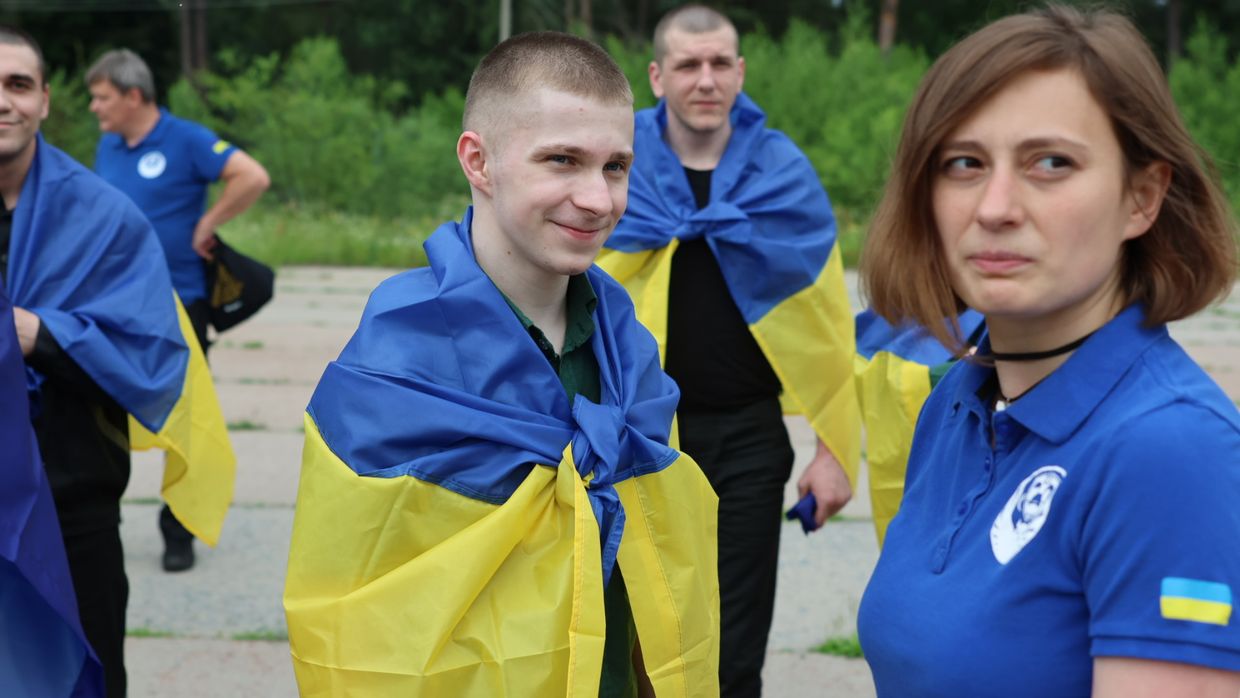
two officers 101 soldiers—ukraine's newest homecoming russian cells · post freed ukrainian servicemen wrapped national flags gather after returning captivity 19 2026 5 pow exchange координаційний штаб ukraine news reports
Freed Ukrainian servicemen wrapped in national flags gather after returning from Russian captivity, 19 August 2026. Photo: Coordination Headquarters for the Treatment of Prisoners of War

Wounded and ill

The released defenders will undergo full medical examinations, receive physical and psychological rehabilitation, and obtain the state payments provided by law. The head of the President's Office, Kyrylo Budanov, said doctors were already doing everything necessary for the returnees, most of whom came back with wounds and serious illness.

Their condition fits a wider pattern Ukrainian officials have described, in which Russia starves most captives and executes many surrendered soldiers on the battlefield.

two officers 101 soldiers—ukraine's newest homecoming russian cells · post released ukrainian defenders hold state border guard service flags after return captivity 19 2026 2 pow exchange іван вигівський мвс5199720694441253107
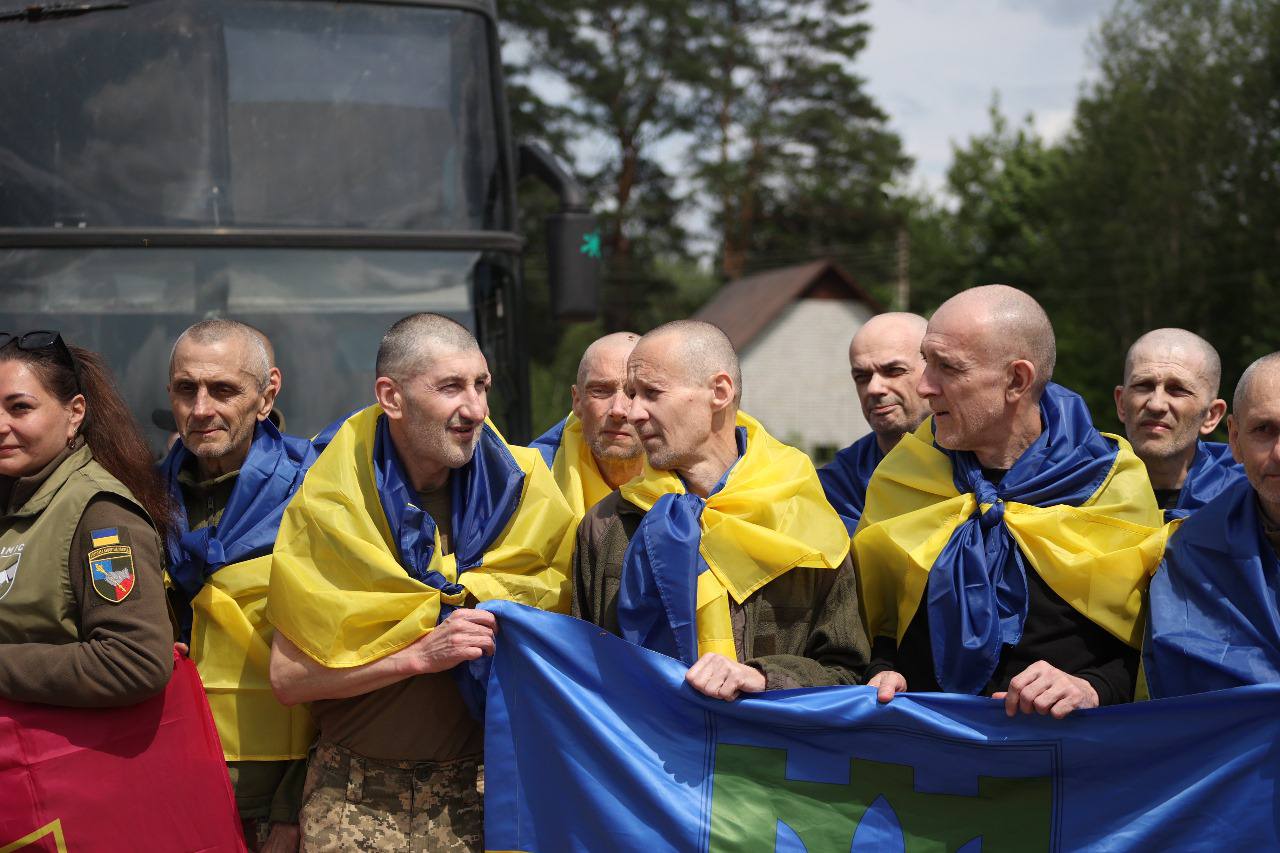
Released Ukrainian defenders hold State Border Guard Service flags after their return from Russian captivity, 19 August 2026. Photo: Ivan Vyhivskyi / Interior Ministry

"We remember everyone still in captivity"

President Volodymyr Zelenskyy said the freed included men who had defended Mariupol. 

"We remember every man and every woman still held captive. We are doing everything possible to bring all our people home," he said.

two officers 101 soldiers—ukraine's newest homecoming russian cells · post freed ukrainian servicemen wrapped national flags gather after returning captivity 19 2026 5 pow exchange координаційний штаб ukraine news reports
Freed Ukrainian servicemen wrapped in national flags gather after returning from Russian captivity, 19 August 2026. Photo: Coordination Headquarters for the Treatment of Prisoners of War

The Security Service of Ukraine noted the swap ran through the joint center it operates to coordinate the search and release of prisoners. Oleh Ivashchenko, chief of the Main Directorate of Intelligence (HUR) and head of the Coordination Headquarters, met the returning defenders in person. 

  •  

Captured Russian soldier describes 28-km crawl that killed most of his group before reaching Ukrainian lines

One of the four Russian POWs captured by Ukrainian soldiers after their advance inside a pipe. Source: Ukraine's 71st Separate Air Assault Brigade

Russian assault troops spent days crawling through a pipe to reach Ukrainian lines, and most of them were killed before reaching the place. Russian soldiers walked 28 kilometers, then came under fire on emerging and ultimately surrendered, Ukraine's 71st Separate Air Assault Brigade reported.

This is a portrait of how Russia spends its infantry who enlist voluntarily for the war against Ukraine. The soldiers were sent on a grueling underground infiltration with bad information and no proper food, ordered forward despite wounds, and largely killed.

The 28-kilometer crawl

The group reached Ukrainian positions through underground infrastructure. The Russians covered about 27 to 28 kilometers moving inside a reinforced-concrete pipe roughly a meter and a half in diameter, spending three days on the way, sleeping inside the pipe, the 71st Brigade reports.

Their command had lied to them about what waited. The soldiers were told they were only going to reinforce a battalion and that there were no Ukrainian troops in the forest, a captured Russian says. On arrival, the opposite was true, and they were sent onward without a normal food supply, forced to forage on their own. Many of the assault troops, the prisoner said, are recruited from prison colonies, signing contracts to avoid long sentences.

From 16 to four

When the group emerged onto open ground, Ukrainian troops hit them. Of the 16 Russians who set out, only about 8 reached the forest, and later, just 4 survived.

The wounded were abandoned by their own side. Russian command was in no hurry to evacuate them, and despite wounds and Ukrainian drone strikes, the assault troops were ordered only to keep moving forward, per the captured soldier. The survivors eventually ran into fighters of the 71st Brigade, laid down their weapons, and asked the Ukrainians not to shoot.

"No money is worth this"

The captured soldier was given medical care and made an appeal to other Russians. He urged them not to go to war against Ukraine.

"I will not advise anyone to go to war. No money is worth this, nor any benefits they promise us. To die and go to a foreign land, for what? For whom? Let them put me in prison. As long as they don't send me here, I will never come here again," the prisoner said.

  •  

Ukraine brings home 261 bodies in latest repatriation, as Russia claims the dead are Ukrainian soldiers

Repatriation of the bodies of fallen Ukrainians

The Coordination Headquarters for the Treatment of Prisoners of War said the remains arrived on 13 August, and that investigators will now work to establish the identities.

Ukraine recovered the 261 bodies as part of repatriation measures carried out with Russia, the Coordination Headquarters reported. Russia claims the dead are Ukrainian servicemen, but law enforcement investigators and forensic experts will conduct the identification before any confirmation.

The return of the dead remains one of the few channels that still functions between Kyiv and Moscow during Russia's war against Ukraine. Each handover lets families of the missing bury their relatives, and it again relied on the International Committee of the Red Cross, which helped coordinate the exchange.

Ukraine's Interior Ministry, the Security Service of Ukraine, the Armed Forces, the Office of the Parliament Commissioner for Human Rights, the State Emergency Service, and the Secretariat of the Commissioner for Missing Persons under Special Circumstances all took part, the Coordination Headquarters said. Units of the Armed Forces transported the remains and passed them to police and to medical examiners under the Health Ministry for identification.

Previous exchanges

The handover is the latest in a long series of transfers Russia has carried out during its war against Ukraine, and in each case it has claimed the dead were Ukrainian servicemen or citizens, an account Ukrainian forensic experts verify independently. The exchanges have followed the Istanbul agreements that Kyiv and Moscow reached on 2 June 2025. Over the course of that June, Russia returned 6,057 bodies, and on 17 July 2025 it handed over another 1,000. Further transfers of 1,000 followed on 19 August, 18 September, 23 October, and 20 November 2025, before Russia returned 1,003 bodies on 19 December. The exchanges continued into 2026 with 1,000 bodies on 26 February and another 1,000 on 9 April, after which the totals fell to 522 on 18 June and 501 on 16 July, ahead of the 261 returned on 13 August.

Taken together, the transfers have returned thousands of the dead since mid 2025, which makes the repatriation of remains one of the most consistent forms of contact that still survives between Kyiv and Moscow.

  •  

Russia starves most Ukrainian POWs, then “fattens” a few for exchange so they look normal, Ukrainian official says
Ukranian POW returning from Russian captivity, 5 February 2026. Photo: Coordination Headquarters for the Treatment of Prisoners of War

Russia is forcing Ukrainian prisoners into its own army and starving others while "fattening" a few for show, Andrii Pasternak of the SBU's Joint Center for coordinating the search and release of prisoners says. Ukrainian intelligence also has information about Moscow creating battalions from Ukrainian prisoners of war (POWs), UkrInform reports.

As of May 2026, approximately 7,000 Ukrainian service members were held in Russian captivity, while the number of civilian detainees is estimated at between 10,000 and 20,000, according to Vice Speaker of the Ukrainian Parliament Olena Kondratiuk.

Russia is forming units from Ukrainian prisoners

Pasternak described the POW battalions as confirmed and monitored.

"We know about such battalions. Together with our colleagues from foreign intelligence and military intelligence, we track and record this. Such facts exist," he stated.

Forcing prisoners of war to serve in the captor's forces is itself a war crime. The Geneva Conventions prohibit compelling a POW to fight against their own country, and turning captured Ukrainian soldiers into Russian units, if confirmed at scale, would be a grave violation on top of the coercion required to make men fight the country they were defending.

Russia feeds up some prisoners and starves others

The coordinator also pointed to a practice of staging appearances before exchanges. Knowing whom it will hand over, Russia brings those prisoners, including civilians, into "normal form" through a process he called "fattening," drawing on testimony from released Ukrainian defenders and returned civilians.

The starvation behind it is deliberate and selective. Pasternak characterized it as an element of torture: some prisoners are deliberately not fed, while others are fed up so they look more or less normal for the swap. Ukraine's negotiators note at every meeting that the two sides' prisoners differ starkly, he added. The returning Ukrainians are almost all very thin, with only a few in decent condition, while the Russian POWs Ukraine hands back are genuinely well-fed.

  •  

“They laid down their weapons, raised their hands”: Russia has executed at least 345 surrendered Ukrainian soldiers on the ground

Orban's Gambit: why Russia and Hungary secretly moved Ukrainian POWs to Budapest

Russian forces have executed at least 345 Ukrainian soldiers who surrendered since the start of the full-scale war, Ukrainian Ombudsperson Dmytro Lubinets said at a press conference at Ukrinform.

The figure is the latest point on a documented and rising curve of a systematic war crime. Ukraine's prosecutors and international monitors have tracked these killings from 268 confirmed by July 2025 to over 330 by March 2026. Financial Times investigation found the executions appear to be systematic military policy directed from Russian command, with intercepted orders to "shoot prisoners on the spot."

The victims had surrendered

Lubinets described people killed after they had given up.

"It means that they laid down their weapons, came out with raised hands, lay on the ground, and showed they were no longer fighting," he said, and Russian soldiers examined them and confirmed they were unarmed.

Then the soldiers killed them.

"We have recorded cases where they fully demand that the clothes be removed. And after that, they force them to lie on the ground the same way, and shoot the Ukrainian soldiers at point-blank range," Lubinets added.

Killing a surrendered soldier is a war crime

Lubinets stressed the legal character of the act. The killing of soldiers who have surrendered is a distinct war crime, he said.

The prohibition is absolute. Under the Geneva Conventions, a soldier who lays down arms and surrenders is protected, and killing a prisoner of war is a grave breach of international law. Common Article 3 of the Third Geneva Convention prohibits "violence to life and person, in particular murder of all kinds" against those who have laid down their arms, with no battlefield circumstance that permits it, per the ICRC.

The count keeps rising and accountability lags

Ukraine documents each case for eventual prosecution, but most perpetrators are in Russia, beyond reach, and Russian courts and media have glorified the killings rather than punished them.

  •  

Russia calls them “volunteers.” They’re Ukrainian prisoners of war forced into a new combat brigade

Russia consolidated several units composed of Ukrainian prisoners of war and alleged defectors into a single brigade and labeled it "volunteer," the Institute for the Study of War (ISW) reported. The move scales up a practice ISW has tracked since 2022, when Moscow first began pressing captured Ukrainian soldiers into combat formations. ISW assessed the practice as a likely violation of the Geneva Convention, which bars using prisoners of war in military operations.

Russia's treatment of Ukrainian prisoners extends far beyond forced recruitment into combat units. Russian forces executed at least 337 confirmed Ukrainian prisoners of war by the end of 2025, and leaked chats from a Russian general showed that brutality toward captives runs through the chain of command.

Moscow merges five POW units into one brigade

Russia's Defense Ministry Volunteer Corps announced on 6 August that it had formed the "first Ukrainian Volunteer Spetsnaz Brigade." The formation absorbed at least five existing units: the "Maksim Krivonos" and "Aleksei Berest" battalions, and the "Aleksandr Matrosov," "Martyn Pushkar," and "Slobodskoy" detachments. Each of these units reportedly drew members from captured Ukrainian soldiers or Ukrainians who allegedly defected to Russia.

The Volunteer Corps framed the new brigade as a formation of willing participants. At least one Russian military blogger, however, openly stated the brigade is composed of Ukrainian prisoners of war. ISW noted the admission as significant.

2023

ISW: Russia officially deploys Ukrainian POWs to front lines

One of the merged units, the Krivonos battalion, previously figured in a Russian propaganda operation. Moscow presented a Polish citizen as a defector to that battalion in 2025. Months later, a court in occupied Luhansk Oblast sentenced the same man to 13 years as a mercenary.

A practice ISW has tracked since 2022

ISW first documented Russia forming combat units from Ukrainian prisoners in November 2022. The most recent confirmed case before this brigade was the Bogdan Khmelnitsky battalion, which operated as part of the DNR interior ministry's Kaskad unit in western Donetsk Oblast starting in December 2023.

The Geneva Convention on prisoners of war prohibits using captured soldiers in military activities on behalf of the detaining power. It also states that no prisoner "may at any time be sent to or detained in areas where he may be exposed to the fire of the combat zone" and that prisoners shall not "be employed on labor which is of an unhealthy or dangerous nature."
  •  

Fighters from 51 countries now held in Ukraine after fighting for Russia, ombudsman says
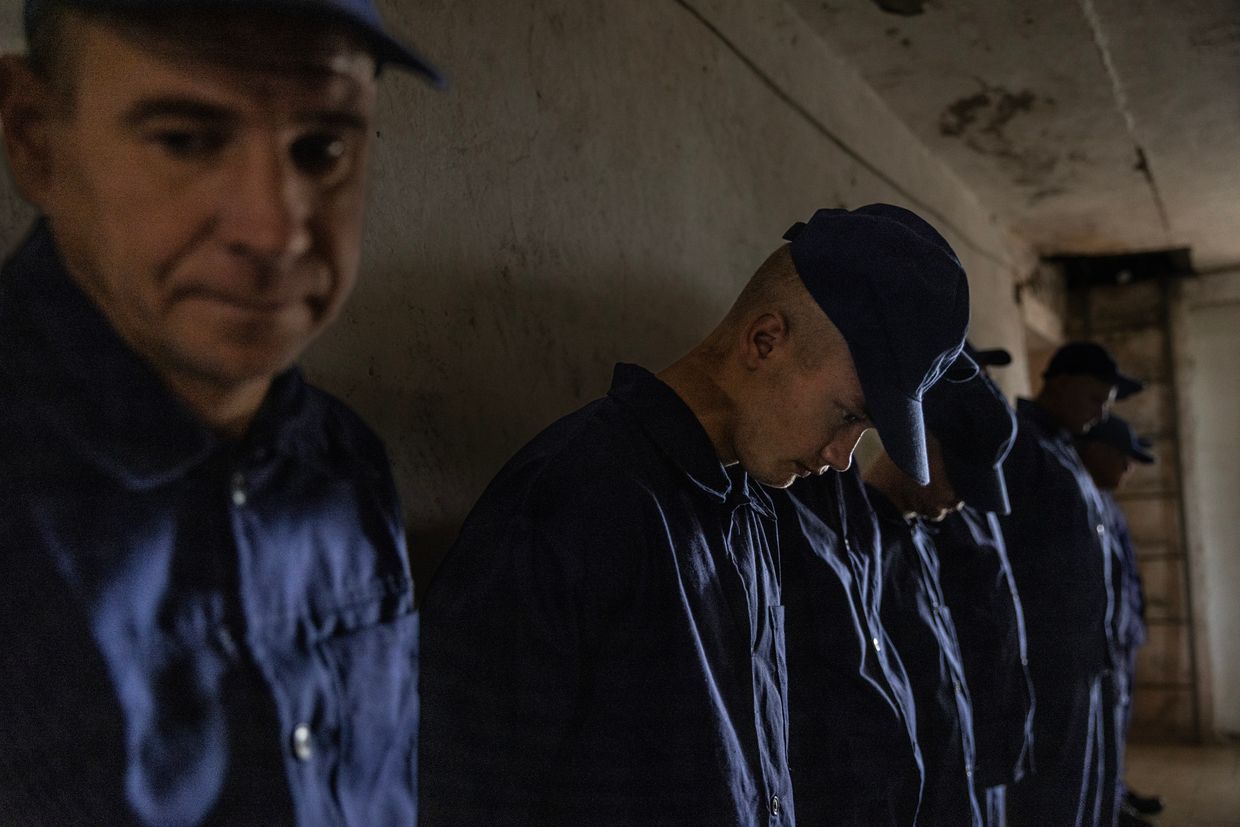
Four captured fighters who fought for Russia stand against a wall with their hands bound.

Ukraine now holds prisoners of war (POWs) from 51 countries who fought for Russia, Dmytro Lubinets, the Ukrainian parliament’s human rights commissioner, said on 4 August. 

The figure illustrates the global reach of Moscow’s efforts to replenish its forces with foreign recruits. Russia has targeted people abroad with promises of well-paid jobs, university places, and military salaries. Some enlist knowingly. Others report being deceived or pressured into service.

Speaking at a meeting of heads of Ukraine’s foreign diplomatic missions, Lubinets said joining Russia’s war carries “real legal consequences.” He did not disclose the prisoners’ nationalities or their total number.

The human cost extends beyond those captured. A July 2026 BBC Russian Service/Mediazona investigation documented at least 3,589 foreign nationals who had died fighting for Russia. The total comprised 1,285 people from more than 40 countries and 2,304 North Korean troops. 

Russia throws its recruitment net across the globe

Moscow has increasingly looked abroad for soldiers as its invasion consumes manpower. Recruiters focus heavily on Africa, Asia, and Latin America, offering civilian work, education, high salaries, or military service. 

A human rights investigation covered by Euromaidan Press found that Russia had recruited at least 27,000 people from more than 130 countries since February 2022. Researchers said recruits often received Russian-language contracts they could not understand, while some faced threats or rapid deployment to combat. 

china asks ukraine treat chinese pows well doesn't say wants back · post 2025 untitled asked 6 follow international law two captured fighters mfa spokesman lin jian said did whether
Explore further

China asks Ukraine to treat Chinese POWs well, but doesn’t say if it wants them back

In Africa, recruitment operates within a broader Russian soft power influence network. Russian Houses offer language courses and routes into Russian universities. Ukraine’s military intelligence describes Russian Houses as a pipeline through which some young Africans reach Russia as students or workers and later enter Moscow’s army. 

Beyond Africa, Russia preys upon the disadvantaged with promises of work. An Associated Press investigation found that Bangladeshi men promised cleaning jobs in Russia were instead sent into combat.

Foreign recruits abandoned after capture

For those captured, neither Russia nor their home governments offer a clear route home. Ukraine’s POW Coordination Headquarters said Moscow had excluded foreign recruits from prisoner exchanges, although some embassies had visited their citizens. 

Two Colombian men in Russian military uniforms after being captured by Ukrainian forces near Pokrovsk
Two Colombian citizens captured by Ukrainian forces near Pokrovsk recount their ordeal. Screenshot: @skala_ukraine/YouTube

A Kenyan Foreign Ministry official stated the government was following reports of several trafficked Kenyans held as POWs in Ukraine. Yet Ukrainian POW official Petro Yatsenko said most African governments showed little interest in bringing their citizens home. 

China likewise asked Ukraine to treat two captured Chinese fighters humanely, but did not say whether it sought their return. Ukrainian officials said Russia had inquired only about captured North Korean soldiers, showing little interest in other foreign fighters in captivity. 

  •  

'Torture was not just cruel, it was inhuman' — Ukrainian soldier dies weeks after release from Russian captivity

'Torture was not just cruel, it was inhuman' — Ukrainian soldier dies weeks after release from Russian captivity

Less than a month after his release from Russian captivity, 57-year-old soldier Valery Zelensky died of injuries sustained under torture, Ukrainian media outlet Suspilne reported on July 6.

Zelensky had spent 39 months in Russian captivity. He was released as part of the landmark 1,000-for-1,000 prisoner deal on May 25. Just 22 days later, on June 16, his heart stopped.
At the beginning of the full-scale invasion, his unit delivered weapons to Ukrainian forces in Mariupol, his daughter, Valeria Zelenka, said.

"When the offensive began, they were told that volunteers were needed to go on the assault. Out of 40 (people), eight said, 'We're going.' My father was one of them," she added.

The family did not immediately find out that he had been taken prisoner for some time, and he was considered missing in action. During his years in captivity, Zelensky's family received only one letter. He had long appeared on prisoner exchange lists but did not return until this year.

"The torture was not just cruel, it was inhuman. But he endured it," his daughter told Suspilne.

"He told me, 'Daughter, I endured it because of Kyokushin (a style of karate). I have discipline, I'm tough. My body and muscles protected me.'"

Valeria said her father had been overjoyed to come home and meet his grandson for the first time. He also expressed a desire to learn Ukrainian after years of speaking Russian.

Doctors initially treated him for suspected pancreatic issues, but his condition quickly deteriorated. During surgery, they discovered his organs were severely damaged. He died in intensive care days later.
"My father told me, 'Three people died among us from torture. And when I was in a very bad state, I asked God: Please let me see the eyes of my beloved,'" his daughter said.
A medical report listed extensive injuries. He had a non-functioning shoulder and arm and showed signs of multiple organ failures.

"The first feeling is inexhaustible pain that your loved one is no longer here. He was simply tortured," Valeria said. "And there is relief that he no longer feels that torture."

Zelensky's return was part of a wider prisoner exchange agreed during a first round of direct talks between Ukrainian and Russian delegations in Istanbul.

The case is the latest in a number of Ukrainian soldiers' deaths after their return from Russian captivity, highlighting the effects of "widespread and systematic" torture of prisoners of war (POWs) in Russian prisons, reported by the U.N.

Serhii Dobrovolskyi, a Ukrainian soldier who had been in Russian captivity since 2023, died just a month after his release at the end of May as part of a 1000-for-1000 prisoner swap, an official from the soldier's home region announced on June 21.

In 2023, a high-ranking officer from the "Azov" brigade, Oleh Mudrak, died at 35 years old, months after his release from Russian captivity.

As a POW, he survived the Olenivka camp explosion and endured a dramatic weight loss in just 100 days, as seen in the photos published by Stanislav Aseyev, a Ukrainian writer and activist.

Dmytro Shapovalov, a 32-year-old defender of Ukraine who was exchanged in 2023 after over a year in Russian prisons, died on June 9, according to Suspilne.

Ukrainian prisoners of war (POWs) held in Russian captivity often face torture, abuse, and inhumane treatment, according to Ukrainian officials and human rights groups.

Many former POWs have reported beatings, starvation, and psychological pressure.

The exact number of Ukrainians currently held by Russia remains unknown. Kyiv continues to call for a full all-for-all exchange. Moscow has repeatedly rejected the offer.

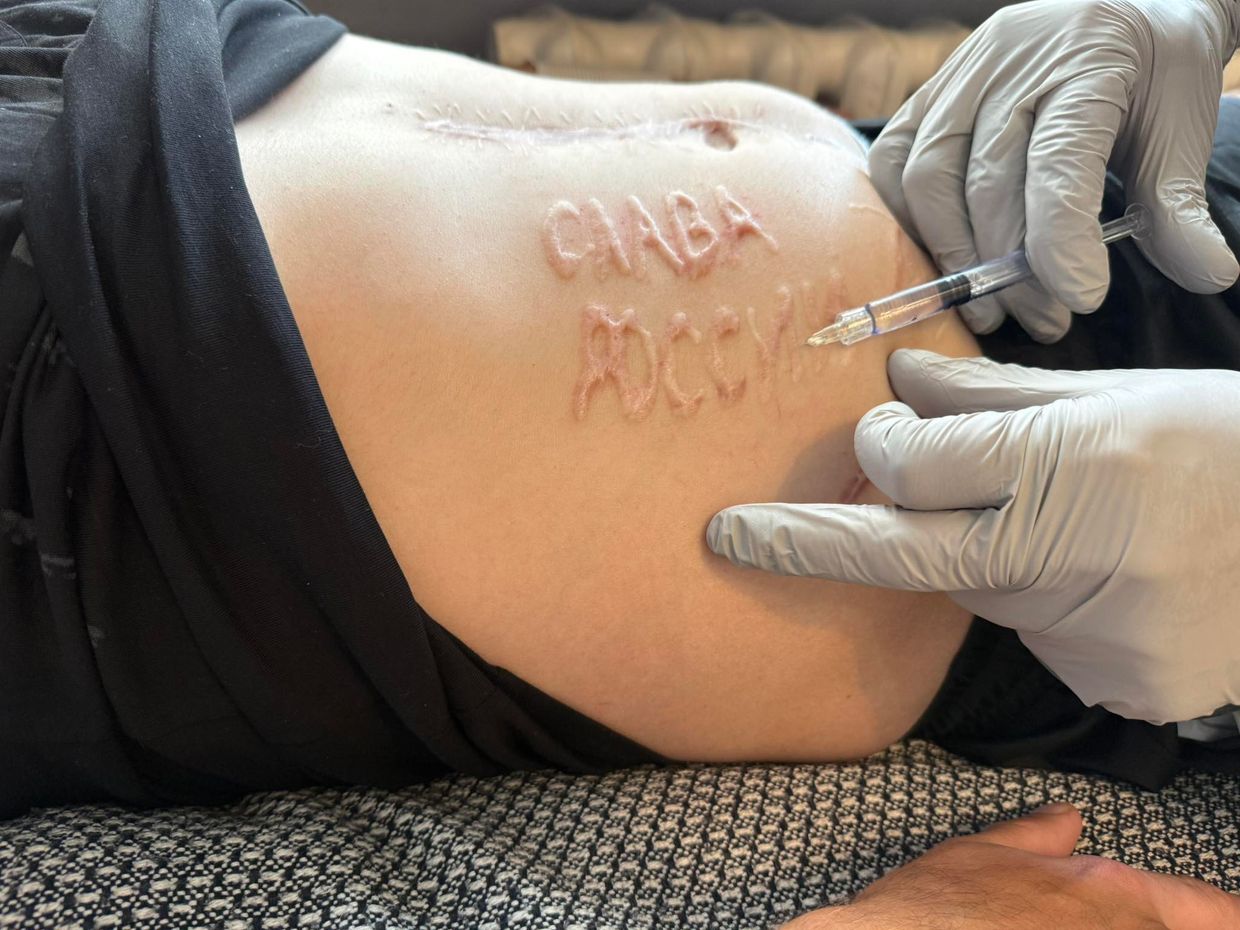
‘Beyond cynical’ – Russian doctor carved ‘Glory to Russia’ scar on POW during operation, Ukraine says
After more than three years of Russia’s full-scale invasion, each new revelation of cruel treatment of Ukrainians in Russian captivity hardly surprises anyone. But when a photo recently emerged online, showing a “Glory to Russia” scar on the body of a Ukrainian prisoner of war (POW), it sent shockwaves
'Torture was not just cruel, it was inhuman' — Ukrainian soldier dies weeks after release from Russian captivityThe Kyiv IndependentDaria Shulzhenko
'Torture was not just cruel, it was inhuman' — Ukrainian soldier dies weeks after release from Russian captivity
  •  

Ukraine, Russia conduct new POW exchange

Ukraine, Russia conduct new POW exchange

Editor's note: This is a developing story and is being updated.

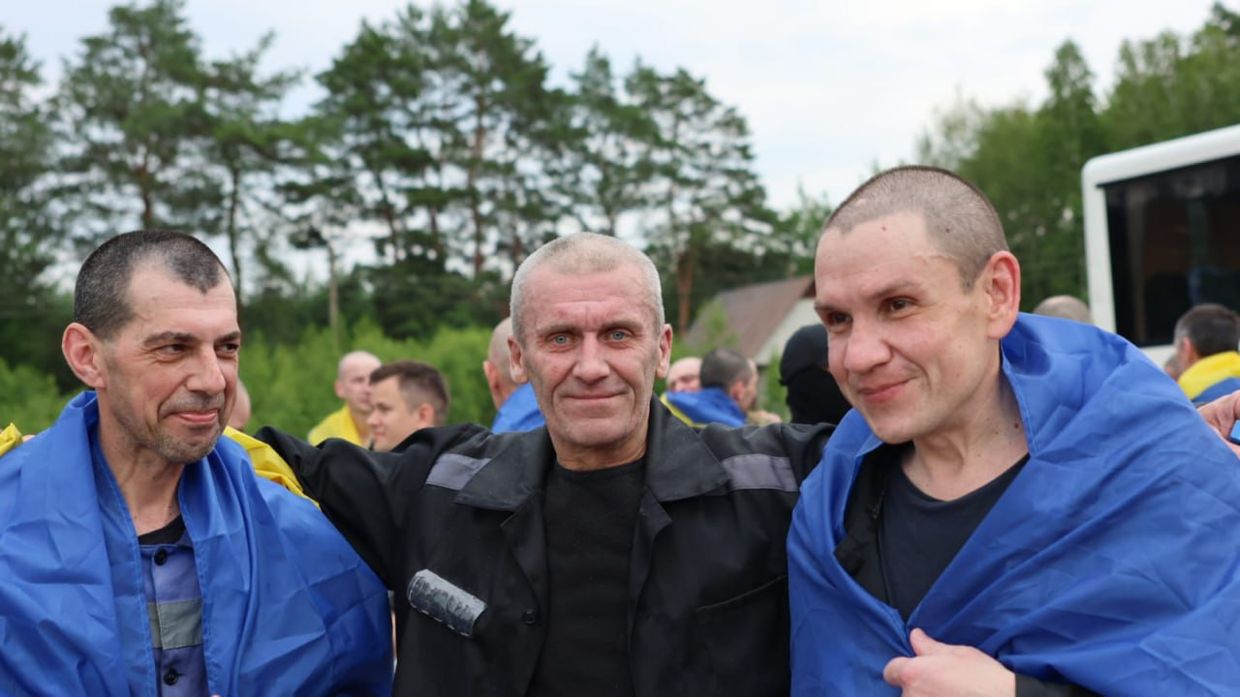
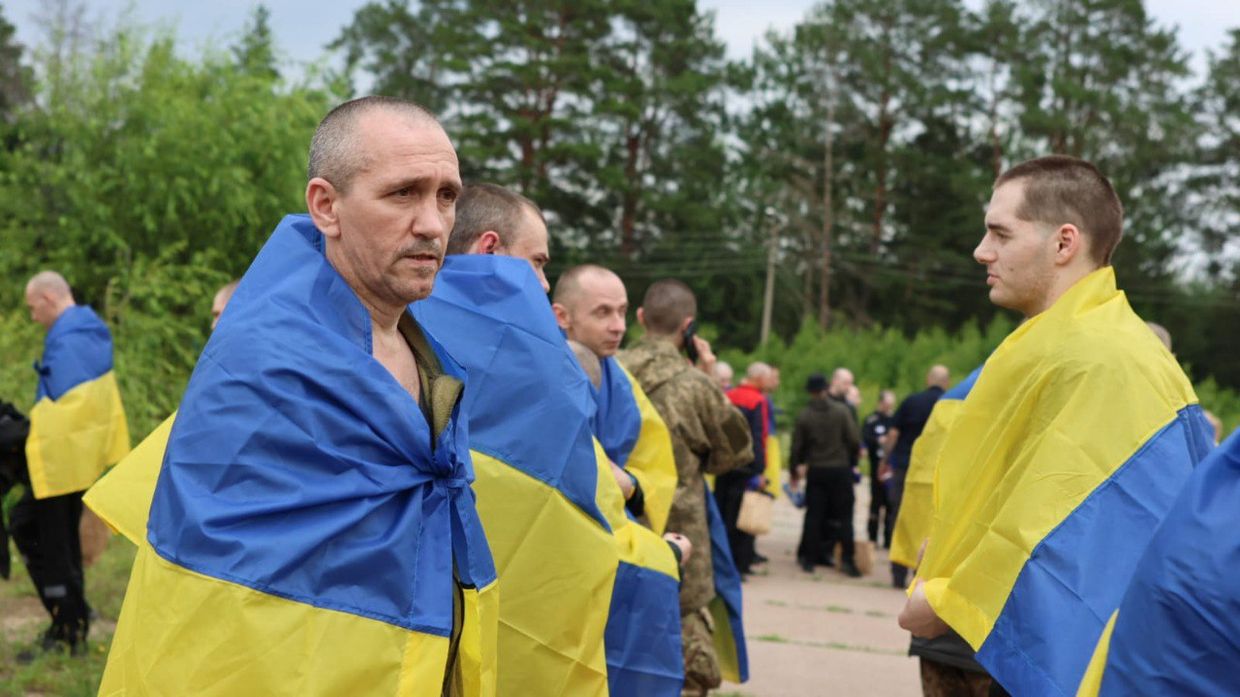
A new prisoner of war (POW) exchange with Russia has taken place, bringing home another group of Ukrainian defenders held in Russian captivity, many since 2022, President Volodymyr Zelensky confirmed on July 4.

"Our people are home. Most of them had been in Russian captivity since 2022," Zelensky said in a statement.

According to Ukraine's Land Forces, the group includes prisoners categorized as "wounded and seriously ill," those "under the age of 25," and civilians.

The Coordination Headquarters for Prisoners of War confirmed that this latest exchange was carried out under President Zelensky's directive, and included defenders of Mariupol held since 2022, as well as civilians who had been illegally sentenced or deprived of liberty.

"Today, our defenders are returning, those who fought for Ukraine in various regions: Donetsk, Mariupol, Luhansk, Kharkiv, Kherson. These are soldiers of the Armed Forces, the National Guard, the State Border Guard Service, the State Special Transport Service, and also civilians," Zelesnky said.

"Ukraine's goal is to free all our people from Russian captivity."

The exchange follows five swaps that occurred in June under the Istanbul deal reached between Ukraine and Russia on June 2. The agreement provided for the regular release of severely ill and wounded POWs from both sides, as well as the repatriation of the bodies of fallen soldiers.

Previous swaps have brought home service members from the Armed Forces, National Guard, and State Border Guard Service, many of whom were captured in 2022 during the Russian invasion.

Ukraine, Russia conduct new POW exchange
Recently released Ukrainian prisoners of war returned home following a POW exchange with Russia on July 4, 2025. (The Coordination Headquarters for Prisoners of War / Telegram)
Ukraine, Russia conduct new POW exchange
Recently released Ukrainian prisoners of war returned home following a POW exchange with Russia on July 4, 2025. (The Coordination Headquarters for Prisoners of War / Telegram)
Ukraine, Russia conduct new POW exchange
Recently released Ukrainian prisoners of war returned home following a POW exchange with Russia on July 4, 2025. (The Coordination Headquarters for Prisoners of War / Telegram)
Ukraine, Russia conduct new POW exchange
Recently released Ukrainian prisoners of war returned home following a POW exchange with Russia on July 4, 2025. (The Coordination Headquarters for Prisoners of War / Telegram)
Ukraine, Russia conduct new POW exchange
Recently released Ukrainian prisoners of war returned home following a POW exchange with Russia on July 4, 2025. (The Coordination Headquarters for Prisoners of War / Telegram)
Ukraine, Russia conduct new POW exchange
Recently released Ukrainian prisoners of war returned home following a POW exchange with Russia on July 4, 2025. (The Coordination Headquarters for Prisoners of War / Telegram)

"Exchanges must continue, and I thank everyone who makes this possible," Zelensky said. "Ukraine's goal is to free all our people from Russian captivity. I thank everyone who helps make that happen."

Russia's Defense Ministry confirmed the exchange on July 4, without disclosing the number of soldiers returned.  

Previous exchanges have focused on individuals with serious medical needs resulting from injuries and harsh conditions in captivity. Some previously released prisoners had defended Mariupol during the 2022 siege, while others fought in regions including Donetsk, Luhansk, Kherson, and Kyiv oblasts.

The Istanbul agreement followed months of stalled negotiations and was hailed as a humanitarian breakthrough despite the lack of broader political progress.

As part of the deal, Moscow pledged to return the remains of up to 6,000 Ukrainian service members and civilians. Ukrainian authorities say Russia has already transferred over 6,000 bodies in recent weeks.

Ukraine continues to advocate for a full-scale "all-for-all" exchange, a proposal that Russia has so far rejected. Still, both sides have carried out smaller, phased swaps, sometimes multiple in a single week.

Explained: How Ukraine negotiates prisoner of war swaps with Russia
Even after Ukraine cut diplomatic ties with Russia in 2022, prisoner exchanges have continued as one of the few remaining channels of communication between the two countries. Negotiated behind closed doors and carried out irregularly, POW swaps — and the decisions surrounding them — have long been shrouded in secrecy. Controversies have
Ukraine, Russia conduct new POW exchangeThe Kyiv IndependentDaria Shulzhenko
Ukraine, Russia conduct new POW exchange
  •  

'Tied to a motorcycle and dragged' — Russia likely executed another Ukrainian POW, ombudsman says

'Tied to a motorcycle and dragged' — Russia likely executed another Ukrainian POW, ombudsman says

Russian forces likely executed another Ukrainian prisoner of war (POW), Ombudsman Dmytro Lubinets said on July 1, referring to a recent video that appears to show the captive tied to a motorcycle and dragged along a road.

The alleged execution adds to growing evidence that Russian forces are systematically violating the Geneva Conventions by killing Ukrainian captives.

"A video is circulating on social media showing a man being tied to a motorcycle and dragged along the road," Lubinets said in a statement.

"It is a clear act of demonstrative cruelty and yet another war crime by the Russian Federation."

Lubinets said he has sent official letters regarding the suspected war crime to the United Nations and the International Committee of the Red Cross (ICRC).

"Russia is acting as a terrorist state. And it must be held fairly accountable for every crime," he added.

Ukraine's military intelligence agency (HUR) alone reported in May that it had documented more than 150 cases of Ukrainian soldiers being executed after surrendering to Russian forces. Officials noted that these were only the confirmed incidents, and the real number is likely higher.

HUR and other agencies say such executions are not isolated but part of a broader, deliberate policy directed by Russia's military leadership. Multiple intelligence reports suggest that Russian soldiers have received explicit orders to kill prisoners of war.

The United Nations Independent International Commission of Inquiry on Ukraine confirmed in March growing numbers of incidents in which Russian forces killed or maimed surrendering Ukrainian troops.

The commission cited testimony from Russian deserters who said they were instructed not to take prisoners but to shoot them on sight.

Earlier this year, the U.N. Human Rights Monitoring Mission in Ukraine reported a sharp increase in POW executions, documenting 79 killings across 24 incidents since August 2024. In many cases, the victims were unarmed or wounded, and some were killed in groups.

Ukraine’s new interceptor UAVs are starting to knock Russia’s long-range Shahed drones out of the sky
Russia’s Shahed drone swarms are pummeling Ukraine on a nightly basis, inflicting ever more death and destruction in cities that had managed to carve out some sense of normalcy amid wartime. Civilian alarm has grown. With traditional air defense stockpiles running low, the government is banking on newly created
'Tied to a motorcycle and dragged' — Russia likely executed another Ukrainian POW, ombudsman saysThe Kyiv IndependentKollen Post
'Tied to a motorcycle and dragged' — Russia likely executed another Ukrainian POW, ombudsman says
  •  

Ukraine, Russia conduct new POW swap under Istanbul deal

Ukraine, Russia conduct new POW swap under Istanbul deal

Ukraine has brought home a group of soldiers released from Russian captivity, President Volodymyr Zelensky said on June 26, marking yet another in a recent series of exchanges with Moscow.

"Today, soldiers of the Armed Forces, the National Guard, and the State Border Guard Service are returning home," Zelensky said without revealing their numbers.

The exchange follows six similar swaps carried out in recent weeks in accordance with agreements reached between Kyiv and Moscow at the second round of peace talks in Istanbul on June 2.

As in the other recent swaps, the latest one focused on severely ill and wounded POWs and also included a group of young soldiers under the age of 25, the Coordination Headquarters for the Treatment of Prisoners of War (POWs) said.

Ukraine, Russia conduct new POW swap under Istanbul deal
A Ukrainian soldier pictured after being released from Russian captivity on June 26, 2025. (President Volodymyr Zelensky/Telegram)
Ukraine, Russia conduct new POW swap under Istanbul deal
Ukrainian soldiers pictured after being released from Russian captivity on June 26, 2025. (President Volodymyr Zelensky/Telegram)
Ukraine, Russia conduct new POW swap under Istanbul deal
A Ukrainian soldier pictured after being released from Russian captivity on June 26, 2025. (President Volodymyr Zelensky/Telegram)

Most of those released had been in Russian captivity since 2022, with the youngest being a 24-year-old soldier taken prisoner during the battle for Mariupol. The oldest of the freed captives was 62.

The released soldiers fought elsewhere in Donetsk, Luhansk, Kherson, Kharkiv, Sumy, and Kyiv oblasts. Among those freed are several officers, according to the headquarters.

"We are doing everything possible to find each person and verify information about every name," Zelensky said. "We must bring all our people home."

Russia's Defense Ministry also announced a prisoner exchange with the Ukrainian side, without specifying the number of soldiers involved.

While no political breakthrough was achieved, both sides agreed to a phased exchange of prisoners and the repatriation of fallen soldiers' bodies. As part of that agreement, Russia pledged to return the bodies of up to 6,000 Ukrainian service members and citizens.

Moscow has handed over 6,057 bodies to Ukraine in several stages over the past few days. President Volodymyr Zelensky later said Ukrainian authorities have confirmed that at least 20 of the bodies Russia returned as Ukrainian were actually Russian soldiers.

According to Zelensky, Moscow is using this tactic as a tool for manipulation to obscure the scale of its military losses from the public.

The June 2 agreements came after the largest-ever POW swap in late May, when 1,000 prisoners were exchanged on each side.

Ukraine repeatedly called for a prisoner exchange in an all-for-all format, but Russia continues to reject the offer.

Explained: How Ukraine negotiates prisoner of war swaps with Russia
Even after Ukraine cut diplomatic ties with Russia in 2022, prisoner exchanges have continued as one of the few remaining channels of communication between the two countries. Negotiated behind closed doors and carried out irregularly, POW swaps — and the decisions surrounding them — have long been shrouded in secrecy. Controversies have
Ukraine, Russia conduct new POW swap under Istanbul dealThe Kyiv IndependentDaria Shulzhenko
Ukraine, Russia conduct new POW swap under Istanbul deal
  •  

Russian court convicts 184 Ukrainian POWs captured in Kursk Oblast of terrorism, Mediazona reports

Russian court convicts 184 Ukrainian POWs captured in Kursk Oblast of terrorism, Mediazona reports

A Russian military court has convicted 184 Ukrainian prisoners of war (POWs) captured in Kursk Oblast of acts of terrorism, Mediazona reported on June 25.

Ukraine first launched a surprise offensive into Russia's Kursk Oblast in August 2024. Ukrainian officials have said the incursion forced Russia to move resources away from its offensives in Eastern Ukraine.

Russia's military prosecutors office convicts Ukrainian POWs captured in Kursk Oblast on a regular basis, independent Russian outlet Mediazona reported.

The POWs captured in Kursk were charged with carrying out a grave terrorist act by a group of individuals, as outlined by the Russian Criminal Code.

Junior Lieutenant Yevhen Hoch was convicted of allegedly carrying out an act of terrorism by taking part in Ukraine's Kursk Oblast incursion.

Russia has waged its war against Ukraine since 2014 and initiated a full-scale invasion in February 2022.

Russian authorities accused Hoch of interfering with civilian evacuations for three weeks amid Ukraine's Kursk offensive and for "intimidating them by openly carrying and using combat weapons."

Russia regularly convicts people of politically motivated charges in an effort to silence opposition to its war against Ukraine.

The Russian 2nd Western District Military Court has carried out the sentences against the 184 Ukrainian POWs since the beginning of the year.

Moscow has gone after journalists in Ukraine's Russian-occupied territories. Ukrainian Journalist Viktoriia Roshchyna disappeared in August 2023 and died after being tortured in Russian captivity. Roschyna's body was returned to Ukraine in February with missing organs.

Putin insists the Russian economy is fine, but Kremlin officials say otherwise
In a rare public sign that all is not well in Russia, two high-ranking Moscow officials last week issued separate warnings about the state of the country’s economy. Russian Central Bank Governor Elvira Nabiullina and Economy Minister Maxim Reshetnikov both highlighted that amid the Kremlin’s full-scale war against Ukraine, the tools Moscow once relied on to maintain wartime growth are nearly exhausted. Almost immediately, Russian President Vladimir Putin on June 20 dismissed the concerns, clai
Russian court convicts 184 Ukrainian POWs captured in Kursk Oblast of terrorism, Mediazona reportsThe Kyiv IndependentTim Zadorozhnyy
Russian court convicts 184 Ukrainian POWs captured in Kursk Oblast of terrorism, Mediazona reports
  •  

Former Ukrainian POW dies month after being released from Russian captivity

Former Ukrainian POW dies month after being released from Russian captivity

Serhii Dobrovolskyi, a Ukrainian soldier who had been in Russian captivity since 2023, has died just a month after his release at the end of May as part of a 1000-for-1000 prisoner swap, an official from the soldier's home region announced on June 21.

The case is the latest in a chain of Ukrainian soldiers' unexpected deaths after their return from Russian captivity, highlighting the effects of "widespread and systematic" torture of prisoners of war (POWs) in Russian prisons, reported by the U.N.

"Serhii Dobrovolskyi was released from captivity at the end of May this year. A few days ago, he was met by his fellow townspeople in his hometown," wrote the head of the soldier's native Zdolbuniv district in Rivne Oblast, Vladyslav Sukhliak, on Facebook. The exact cause of death was not immediately announced.

A video posted by the Zdolbuniv city council on June 17 shows Dobrovolskyi being greeted in Zdolbuniv by a crowd chanting the Ukrainian anthem as the soldier is hugging his mother. He was also presented with a korovai, a round bread loaf, as part of the symbolic Ukrainian tradition of welcome with bread and salt.

"Finally, after almost two years, the mother hugged her son," the Zdolbuniv city council commented on the video.

Sukhliak added that Dobrovolskyi was 43 years old at the time of death.  "The war with the damned (Russian) occupiers takes lives and health of the defenders," he wrote.

Earlier in June, another Ukrainian soldier returned from Russian captivity had died unexpectedly.

Dmytro Shapovalov, a 32-year-old defender of Ukraine who was exchanged in 2023 after over a year in Russian prisons, had died on June 9, according to the Ukrainian public broadcaster Suspilne.

His sister Anastasiia said that Shapovalov endured torture, hunger, and psychological pressure in captivity. After his release, Shapovalov returned to military service. He died in his sleep, presumably from heart failure, Suspilne reports.

After his death, a representative of the Coordination Headquarters managing the prisoner swaps, Yuliia Pavliuk, published a video showing Shapovalov eating an apple on the day of his release.

"I had just been dreaming about an apple for a year," Shapovalov says in the video.

In 2023, a high-ranking officer from the "Azov" brigade, Oleh Mudrak, died at 35 years old, months after his release from Russian captivity. As a POW, he survived the Olenivka camp explosion and endured a dramatic weight loss in just 100 days, as seen in the photos published by Stanislav Aseyev, a Ukrainian writer and activist.

Treatment of "Azov" fighters in Russian prisons is notoriously brutal due to their nationalistic values and Russian propaganda that worked for years to smear the unit's reputation both in Russia and internationally.

Some Azov fighters died from torture in Russian captivity or were sentenced to decades in prison for alleged war crimes. Many of them were among the 54 Ukrainian prisoners killed in an explosion in Olenivka penal colony in the Russian-occupied part of Donetsk Oblast on July 28, 2022.

Ukraine accused Russia of orchestrating the explosion, while Russia has been systematically preventing international organizations from conducting an independent investigation on the site of the attack.

The U.N. reported widespread torture of Ukrainian POWs in Russia and brutal conditions of their detention over the past years.

Russia ‘afraid to admit’ scale of losses, trying to hide by dumping soldiers’ bodies on Ukraine, Zelensky says
Ukrainian authorities have confirmed that at least 20 of the bodies Russia returned as Ukrainian were actually Russian soldiers, President Volodymyr Zelensky said.
Former Ukrainian POW dies month after being released from Russian captivityThe Kyiv IndependentTim Zadorozhnyy
Former Ukrainian POW dies month after being released from Russian captivity
  •  

Ukraine, Russia carry out 2nd prisoner swap this week under Istanbul deal

Ukraine, Russia carry out 2nd prisoner swap this week under Istanbul deal

Editor's note: The story is being updated.

Ukraine has brought home another group of prisoners of war released from Russian captivity, President Volodymyr Zelensky said on June 20, following another prisoner exchange a day earlier.

"Most of the warriors returning today from Russian captivity had been held for over two years. And now, at last, they are home," Zelensky said on X, without revealing how many captives were exchanged.

Russia's Defense Ministry also said that a group of Russian soldiers had been released by the Ukrainian side, without specifying the number of personnel involved.

This week's exchanges follow four similar swaps carried out last week in accordance with Ukraine-Russia agreements reached at peace talks in Istanbul on June 2.

The latest swap was another in a series focusing on seriously ill and wounded prisoners, Ukraine's Coordination Headquarters for the Treatment of the Prisoners of War (POW) said.

"These are defenders of Mariupol, Donetsk, Luhansk, Zaporizhzhia, Kherson, Kharkiv, and Chernihiv regions. Warriors of the Armed Forces, the National Guard, and the Border Guard Service," Zelensky said.

The released POWs included privates and non-commissioned officers, some of whom were captured after the siege of Mariupol in 2022, according to the Coordination Headquarters. The oldest one is 60 years old, said Ombudsman Dmytro Lubinets.

While no political breakthrough was achieved at the Istanbul negotiations, both sides agreed to a phased exchange of prisoners and the repatriation of fallen soldiers' bodies. As part of that agreement, Russia pledged to return the bodies of up to 6,000 Ukrainian service members and citizens.

Moscow has handed over 6,057 bodies to Ukraine in several stages over the past few days, though Kyiv later said that these remains also included fallen Russian soldiers.

The June 2 agreements came after the largest known POW swap in late May, when 1,000 prisoners were exchanged on each side.

Ukraine repeatedly called for a prisoner exchange in an all-for-all format, but Russia continues to reject the offer.

‘Unwanted by their homeland’ — Ukraine confirms Russia returned bodies of its soldiers disguised as Ukrainian
“This is yet another proof of how Russia treats its people with contempt,” Interior Minister Ihor Klymenko said.
Ukraine, Russia carry out 2nd prisoner swap this week under Istanbul dealThe Kyiv IndependentTim Zadorozhnyy
Ukraine, Russia carry out 2nd prisoner swap this week under Istanbul deal
  •  

Ukraine, Russia conduct fourth prisoner exchange this week

Ukraine, Russia conduct fourth prisoner exchange this week

Kyiv is continuing efforts to bring home its citizens held captive by Russia, marking the fourth prisoner exchange in a week, President Volodymyr Zelensky announced on June 14.

"Today, among those returning to Ukraine, many have been in captivity since 2022," Zelensky said. "These include soldiers from the Armed Forces, National Guard, State Border Guard Service, and the State Special Transport Service."

The exchanges are part of the agreement reached during talks held in Istanbul earlier this month, where both sides agreed to phased prisoner swaps and repatriation of fallen soldiers.

The latest group freed on June 14 mainly consists of severely wounded and seriously ill soldiers, many of whom were captured during the defense of Mariupol in 2022.

Most of the released defenders are officers, with some younger than 25 years old. These Ukrainian defenders served on multiple fronts including Donetsk, Zaporizhzhia, Luhansk, Kherson, Kharkiv, Sumy, and Kursk directions, the Coordination Headquarters for Prisoners of War stated.

Ukraine has earlier brought home service members from Russian captivity on June 12 and 10. Both swaps alsp prioritized severely injured and ill captives. The number of personnel released was not disclosed.

Ukraine, Russia conduct fourth prisoner exchange this week
Ukrainian soldiers freed in a prisoner swap with Russia on June 14, 2025. (Volodymyr Zelensky / Telegram)
Ukraine, Russia conduct fourth prisoner exchange this week
Ukrainian soldier freed in a prisoner swap with Russia on June 14, 2025. (Volodymyr Zelensky / Telegram)
Ukraine, Russia conduct fourth prisoner exchange this week
Ukrainian soldier freed in a prisoner swap with Russia on June 14, 2025. (Volodymyr Zelensky / Telegram)
Ukraine, Russia conduct fourth prisoner exchange this week
Ukrainian soldiers freed in a prisoner swap with Russia on June 14, 2025. (Volodymyr Zelensky / Telegram)
Ukraine, Russia conduct fourth prisoner exchange this week
Ukrainian soldiers freed in a prisoner swap with Russia on June 14, 2025. (Volodymyr Zelensky / Telegram)
Ukraine, Russia conduct fourth prisoner exchange this week
Ukrainian soldier freed in a prisoner swap with Russia on June 14, 2025. (Volodymyr Zelensky / Telegram)
Ukraine, Russia conduct fourth prisoner exchange this week
Ukrainian soldier freed in a prisoner swap with Russia on June 14, 2025. (Volodymyr Zelensky / Telegram)

The Istanbul deal was reached during the second round of direct talks between the Ukrainian and Russian delegations on June 2 in Istanbul. While no political breakthrough was achieved, both sides agreed to a phased exchange of prisoners and the repatriation of fallen soldiers' bodies. As part of that agreement, Russia pledged to return the bodies of up to 6,000 Ukrainian service members.

Ukraine brought back the bodies of 2,412 Ukrainian nationals, including fallen service members, on June 13 and June 11, as well as 1,200 on June 14.

Amid the ongoing exchanges, Ukraine continues to push for an "all-for-all" formula to bring every captured Ukrainian soldier home, a proposal Moscow has so far rejected. The Coordination Headquarters said preparations are underway for the next phase of prisoner releases in the coming weeks as Kyiv maintains its commitment to recovering all those held captive.

The freed defenders will undergo medical examinations, receive physical and psychological rehabilitation, and be granted all entitled compensation for their time in captivity, according to the Coordination Headquarters.

In a conversation with journalists, Zelensky expressed hope that the prisoner exchanges would be completed by June 20 or 21.

  •  

Over 100,000 Russian families seek missing soldiers through Ukrainian project, Kyiv says

Over 100,000 Russian families seek missing soldiers through Ukrainian project, Kyiv says

More than 100,000 Russian families have contacted a Ukrainian-run initiative in search of information about missing Russian soldiers, Ukraine's Coordination Headquarters for the Treatment of the Prisoners of War (POWs) said on June 12.

The announcement comes as Russia and Ukraine are conducting a series of the most extensive prisoner exchanges since the beginning of the large-scale war in 2022. The latest phase of the exchange occurred on June 12.

The initiative, called "I Want to Find" (Russian: "Хочу найти"), has received 100,324 requests from Russian citizens seeking answers about relatives who vanished while serving in Russia's military, the Coordination Headquarters said.

The actual number of missing Russian troops is believed to be significantly higher. Since launching its full-scale invasion of Ukraine in February 2022, the Kremlin has largely concealed the scale of its military losses, forcing many families to search independently, Ukrainian officials said.

In May 2025 alone, the project received a record 12,320 inquiries — the highest monthly figure since the program began in January 2024.

Through the project, families can verify whether their relatives have been captured or killed, which may enable them to pressure Russian authorities to pursue prisoner exchanges. As of June, Ukraine has confirmed 2,415 Russian soldiers held in captivity, with 1,126 of them already exchanged for Ukrainian defenders, the Coordination Headquarters said.

"Many more Russians remain in captivity, but not all families know about the program or have submitted requests," the agency added.

A detailed analysis of the requests revealed that some of Russia's most severely depleted units include the 15th Separate Motorized Rifle Brigade (Military Unit 90600), which accounts for 2,277 missing personnel — the highest of any single unit. Of the 20 most-affected units, 17 are motorized rifle brigades, often deployed in Russia's most brutal infantry assaults, commonly referred to as "meat grinder" tactics.

The data also showed that 26% of missing soldiers were under the age of 30. The youngest reported missing was 18, and the oldest was 67.

The project has also uncovered a shift in public sentiment, claiming 75% of those submitting requests said they do not support Russia's war in Ukraine.

According to the Ukrainian General Staff, Russia has lost over 1 million troops since the start of its invasion — a figure reported for the first time on June 12, with 1,140 casualties recorded in just one day. The total reported Russian losses stand at 1,000,340 as of that date.

The Kremlin has not commented on the figures.

As Russian losses in Ukraine hit 1 million, Putin faces an economic time bomb
Russian losses in Ukraine hit a massive, and grim milestone on June 12 — 1 million Russian soldiers killed or wounded during the 39-month-long full-scale war, according to figures from Kyiv. Although hugely symbolic, the number is unlikely to prompt a change in tactics from Moscow as it gears up for
Over 100,000 Russian families seek missing soldiers through Ukrainian project, Kyiv saysThe Kyiv IndependentChris York
Over 100,000 Russian families seek missing soldiers through Ukrainian project, Kyiv says
  •  

Ukraine, Russia carry out another exchange of POWs under Istanbul deal

Ukraine, Russia carry out another exchange of POWs under Istanbul deal

Editor's note: The story is being updated.

Ukraine has brought home another group of service members from Russian captivity, President Volodymyr Zelensky announced on June 12, saying the latest exchange focused on "severely wounded and seriously ill warriors."

The prisoners of war (POWs) were released as part of a prisoner exchange with Russia agreed upon during recent peace talks in Istanbul, Ukraine's Coordination Headquarters for the Treatment of the POWs said.

The June 12 release follows a similar exchange on June 10, which also prioritized severely injured and ill captives. As during the previous swap, the number of personnel released was not immediately disclosed.

Ukraine, Russia carry out another exchange of POWs under Istanbul deal
Ukrainian service members released from Russian captivity under a prisoner exchange on June 12, 2025. (President Volodymyr Zelensky/X)
Ukraine, Russia carry out another exchange of POWs under Istanbul deal
Ukrainian service members released from Russian captivity under a prisoner exchange on June 12, 2025. (President Volodymyr Zelensky/X)
Ukraine, Russia carry out another exchange of POWs under Istanbul deal
Ukrainian service members released from Russian captivity under a prisoner exchange on June 12, 2025. (President Volodymyr Zelensky/X)
Ukraine, Russia carry out another exchange of POWs under Istanbul deal
Ukrainian service members released from Russian captivity under a prisoner exchange on June 12, 2025. (President Volodymyr Zelensky/X)

Russia's Defense Ministry has also announced that its soldiers had been released from Ukrainian captivity as part of the swap, without disclosing their numbers.

Some of the POWs had been held by Russia for more than three years, according to the headquarters. Many of the released defenders had been classified as missing in action.

"This is part of a major exchange that continues in phases," the headquarters said in a statement. "These soldiers require urgent medical care and will receive full assistance, including psychological rehabilitation and financial compensation for their time in captivity."

0:00
/
Ukrainian service members released from Russian captivity under a prisoner exchange on June 12, 2025. (Ukraine's Coordination Headquarters for the Treatment of the POWs)

Soldiers from multiple Ukrainian military branches, including the Armed Forces, Air Assault Forces, Navy, Air Force, Territorial Defense Forces, National Guard, Border Guard Service, and the State Special Transport Service, were freed in the exchange. Many had served in combat operations across Donetsk, Luhansk, Kharkiv, Kherson, and Zaporizhzhia oblasts.

The Istanbul deal was reached during a second round of direct talks between the Ukrainian and Russian delegations on June 2. While no political breakthrough was achieved, both sides agreed to a phased exchange of prisoners and the repatriation of fallen soldiers’ remains.

Ukraine, Russia carry out another exchange of POWs under Istanbul deal
Ukrainian service members released from Russian captivity under a prisoner exchange on June 12, 2025. (President Volodymyr Zelensky/X)
Ukraine, Russia carry out another exchange of POWs under Istanbul deal
Ukrainian service members released from Russian captivity under a prisoner exchange on June 12, 2025. (President Volodymyr Zelensky/X)

As part of that agreement, Russia pledged to return the bodies of up to 6,000 Ukrainian service members.

Ukraine has brought back the bodies of 1,212 fallen service members on June 11. Vladimir Medinsky, aide to Russian President Vladimir Putin, claimed Ukraine released the remains of 27 Russian service members, while Kyiv did not confirm this.

The recent prisoner swap comes weeks after the largest such exchange of the war to date, which took place between May 23 and 25, with each side releasing 1,000 captives. Since Russia's full-scale invasion began, more than 5,000 Ukrainian POWs have been returned home, according to official figures.

Ukraine continues to push for an "all-for-all" formula to bring every captured Ukrainian soldier back, but Moscow has so far rejected such a comprehensive agreement. Meanwhile, the Coordination Headquarters said preparations are underway for the next phase of exchanges in the coming weeks.

Ukraine, Russia conduct second prisoner swap under Istanbul deal
“All of them require immediate medical attention,” President Volodymyr Zelensky said.
Ukraine, Russia carry out another exchange of POWs under Istanbul dealThe Kyiv IndependentTim Zadorozhnyy
Ukraine, Russia carry out another exchange of POWs under Istanbul deal
  •  
❌