Vue lecture

Two officers, 101 soldiers—Ukraine’s newest homecoming from Russian cells
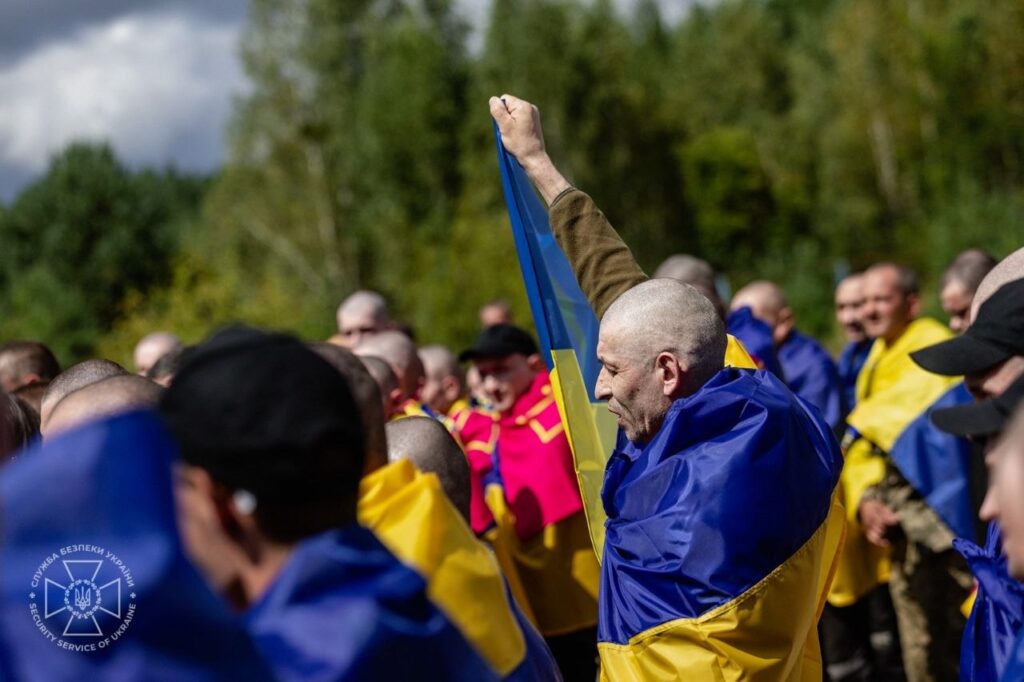
two officers 101 soldiers—ukraine's newest homecoming russian cells · post freed ukrainian defender raises fist among fellow released captives wrapped national flags 19 2026 4 pow exchange sbu5199714552638020898 ukraine news

Ukraine has brought another 103 servicemembers home from Russian captivity in the first stage of a new prisoner exchange, the Coordination Headquarters for the Treatment of Prisoners of War reported on 19 August 2026. Most of the returning defenders are wounded or seriously ill after captivity that, for some, reached back to 2022, the year of Russia's full-scale invasion. The United States and the United Arab Emirates helped organize the swap, the headquarters said.

Amid Moscow's full-scale invasion, prisoner swaps have become one of the few channels that still functions between Kyiv and Moscow, and each one hinges on how many enemy captives one side can put on the table for the next round. Thousands of Ukrainian soldiers and, separately, civilians remain in Russian hands, and each release still returns only a fraction of the people whose families are waiting for them.

Who came home

The freed group covers nearly every branch of Ukraine's forces. It includes members of the Armed Forces, the Navy, Territorial Defense, the National Guard and the State Border Guard Service. Alongside soldiers and sergeants, several officers were released.

The SBU said the return of the 103 Ukrainian defenders was coordinated by the Joint Center for the Search and Release of Prisoners of War, the Coordination Headquarters for the Treatment of POWs, and other authorized agencies.

📹SBU pic.twitter.com/nr5VabHYtQ

— Euromaidan Press (@EuromaidanPress) August 19, 2026

The Coordination HQ detailed the composition. The Defense Ministry accounted for 92 of those freed, and the Interior Ministry for 11. Two of the returnees are officers, the rest enlisted personnel and NCOs. Interior Minister Ivan Vyhivskyi said his ministry's 11 broke down into five National Guardsmen and six border guards.

The defenders had been captured across the Donetsk, Luhansk, Kharkiv, Zaporizhzhia, Dnipropetrovsk, Kherson and Sumy directions, as well as at Mariupol. The single largest share, 72, fell on the Donetsk front. The youngest freed defender was born in 2000, and the oldest is 59.

two officers 101 soldiers—ukraine's newest homecoming russian cells · post freed ukrainian prisoners war officials pose military flags after returning captivity 19 2026 1 pow exchange sbu5199714552638020893 ukraine news reports
Freed Ukrainian prisoners of war and officials pose with military flags after returning from Russian captivity, 19 August 2026. Photo: Security Service of Ukraine

Years behind Russian bars

The captures span the entire full-scale war. One of those freed had been held since 2022, 16 since 2023, and 48 since 2024. Another 31 were seized in 2025 and seven this year. By the same tally, the International Committee of the Red Cross had confirmed the captivity of 102 of the group before the handover, with a single case verified through other sources.

A previous swap in late June returned 160 defenders, all of them held since 2022.
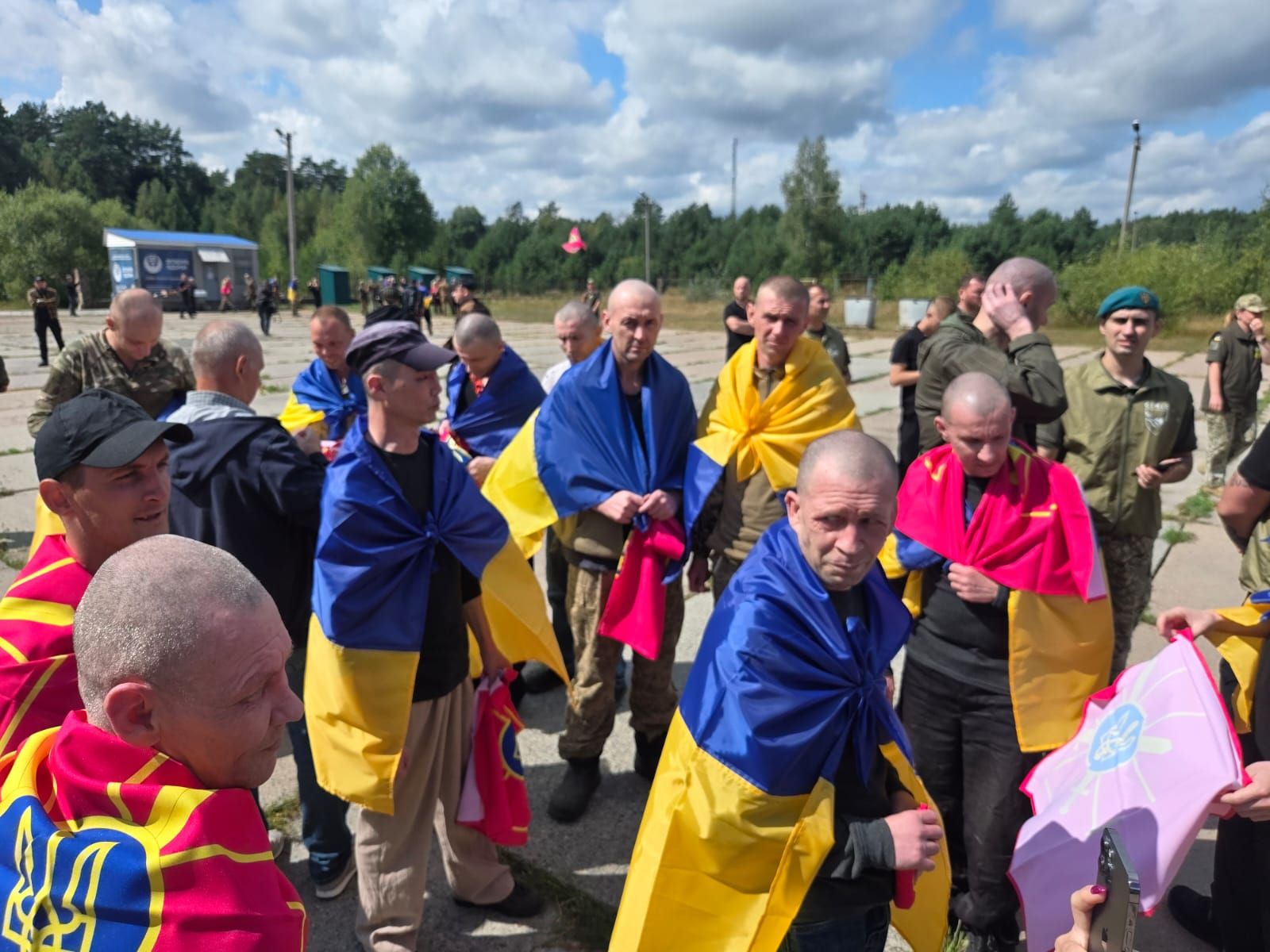
two officers 101 soldiers—ukraine's newest homecoming russian cells · post freed ukrainian servicemen wrapped national flags gather after returning captivity 19 2026 5 pow exchange координаційний штаб ukraine news reports
Freed Ukrainian servicemen wrapped in national flags gather after returning from Russian captivity, 19 August 2026. Photo: Coordination Headquarters for the Treatment of Prisoners of War

Wounded and ill

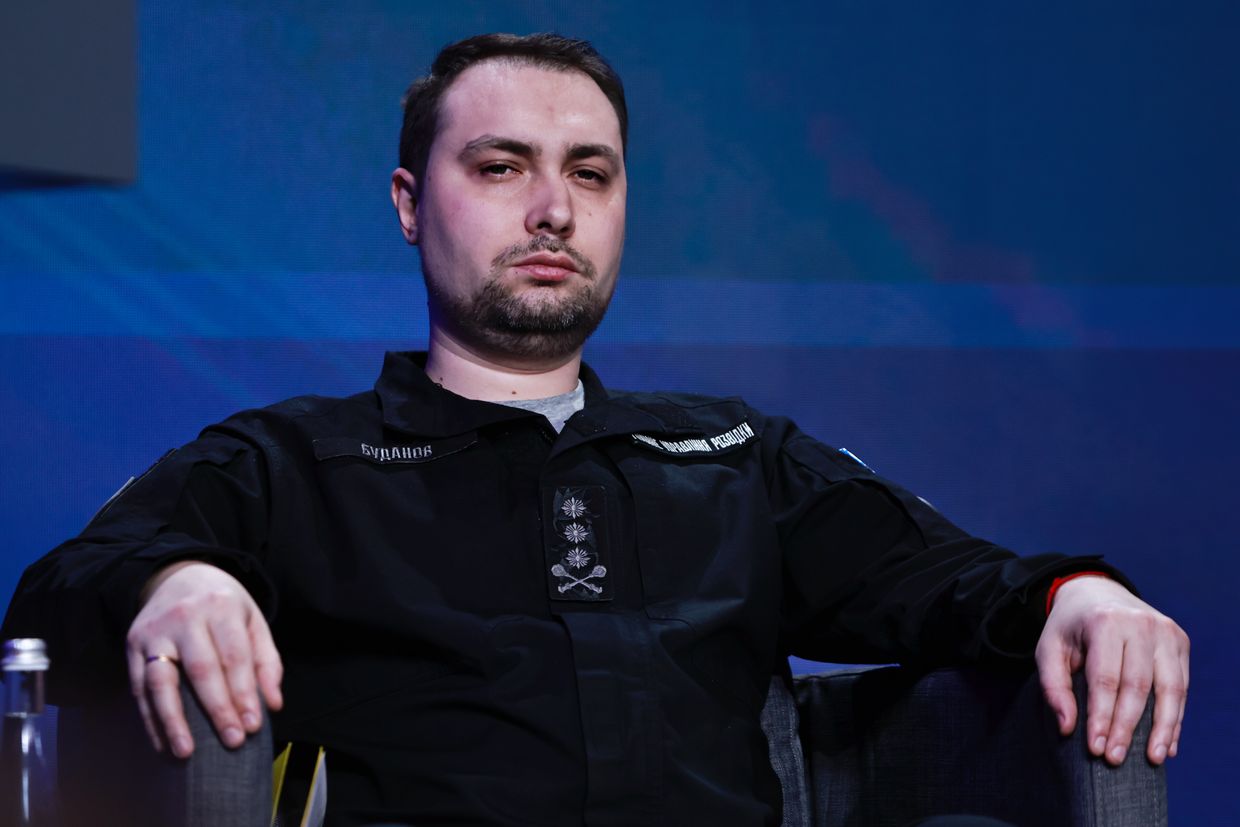
The released defenders will undergo full medical examinations, receive physical and psychological rehabilitation, and obtain the state payments provided by law. The head of the President's Office, Kyrylo Budanov, said doctors were already doing everything necessary for the returnees, most of whom came back with wounds and serious illness.

Their condition fits a wider pattern Ukrainian officials have described, in which Russia starves most captives and executes many surrendered soldiers on the battlefield.
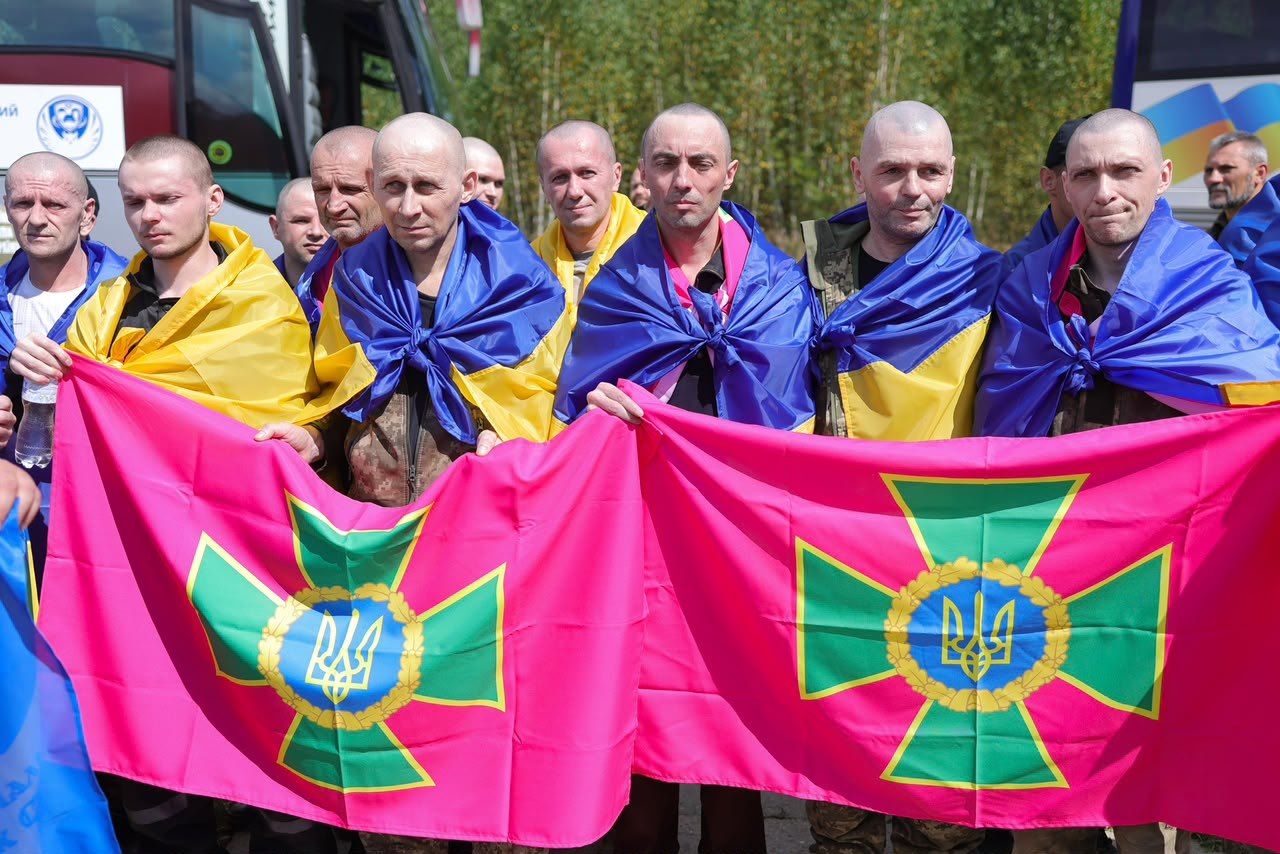
two officers 101 soldiers—ukraine's newest homecoming russian cells · post released ukrainian defenders hold state border guard service flags after return captivity 19 2026 2 pow exchange іван вигівський мвс5199720694441253107
Released Ukrainian defenders hold State Border Guard Service flags after their return from Russian captivity, 19 August 2026. Photo: Ivan Vyhivskyi / Interior Ministry

"We remember everyone still in captivity"

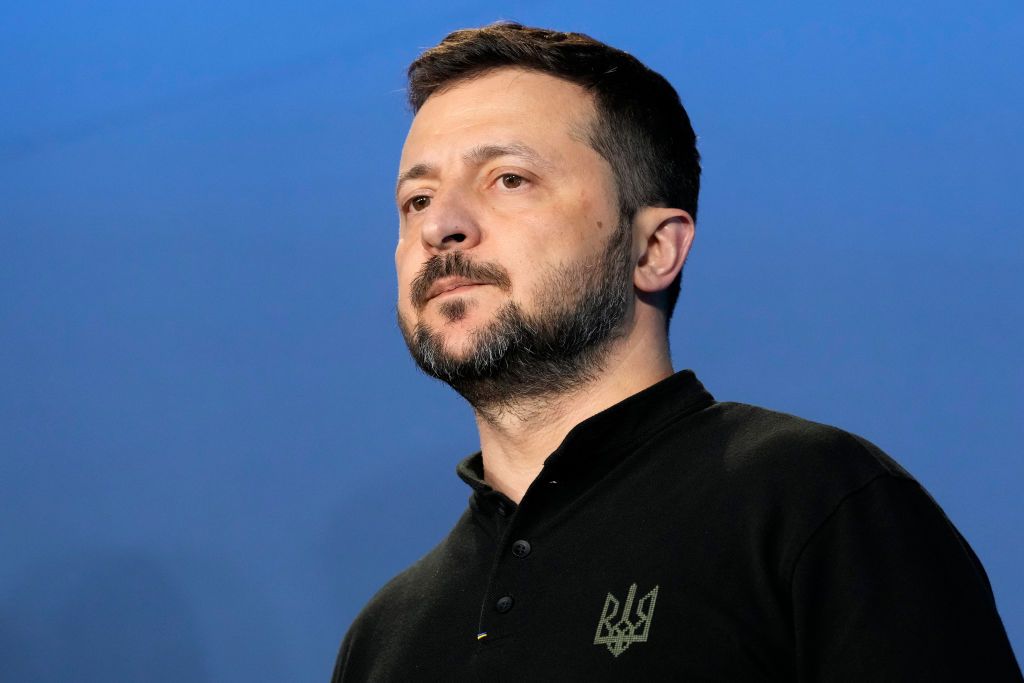
President Volodymyr Zelenskyy said the freed included men who had defended Mariupol. 

"We remember every man and every woman still held captive. We are doing everything possible to bring all our people home," he said.

two officers 101 soldiers—ukraine's newest homecoming russian cells · post freed ukrainian servicemen wrapped national flags gather after returning captivity 19 2026 5 pow exchange координаційний штаб ukraine news reports
Freed Ukrainian servicemen wrapped in national flags gather after returning from Russian captivity, 19 August 2026. Photo: Coordination Headquarters for the Treatment of Prisoners of War

The Security Service of Ukraine noted the swap ran through the joint center it operates to coordinate the search and release of prisoners. Oleh Ivashchenko, chief of the Main Directorate of Intelligence (HUR) and head of the Coordination Headquarters, met the returning defenders in person. 

  •  

He fought for Ukrainian independence until a Soviet chocolate-box bomb killed him. Now Ukraine plans to honor him permanently

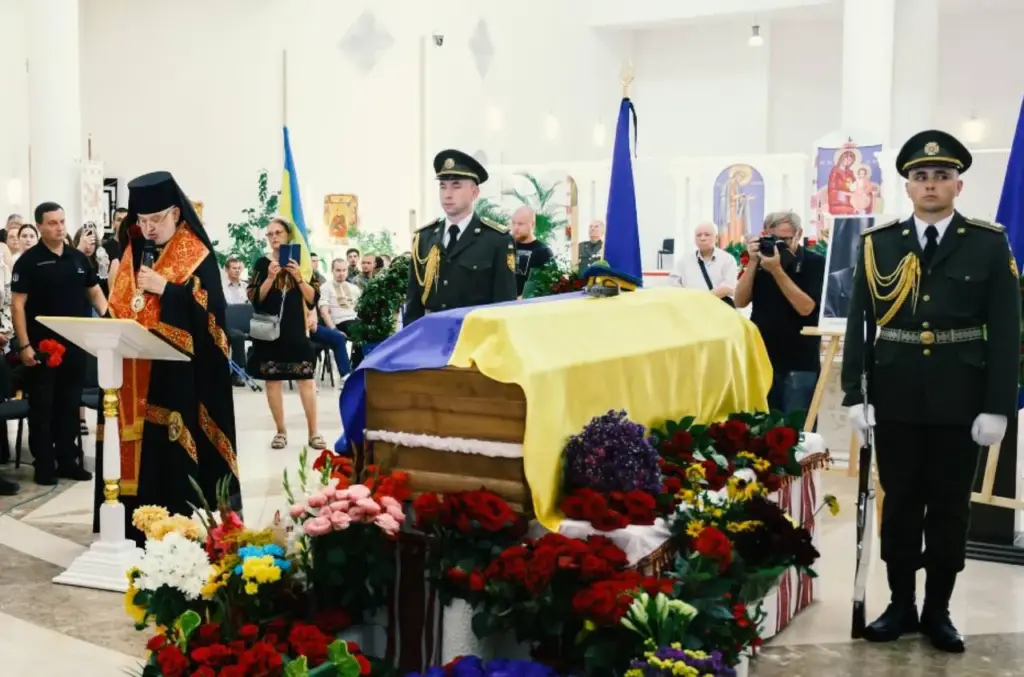
A priest conducts a memorial service beside Yevhen Konovalets’ flag-draped coffin, surrounded by flowers and an honor guard in Kyiv.

Ukraine plans to temporarily rebury Yevhen Konovalets, a leading Ukrainian nationalist between World Wars I and II, at its National Military Memorial Cemetery, President’s Office head Kyrylo Budanov wrote in a Telegram post.

His remains will later be transferred to the planned Ukrainian National Pantheon, Budanov said.

The National Pantheon is intended to honor political leaders, soldiers, and cultural figures who built or defended Ukraine. Responding to a citizen's petition, Zelenskyy described the memorial as a way to unite Ukrainians around defending their sovereignty and territorial integrity. Budanov cast Konovalets’ planned reburial as linking the current war against Russia with earlier struggles against foreign rule.

Budanov portrayed Konovalets as a threat to Ukraine’s enemies because he organized military and political resistance to Russian and Soviet rule. He said attempts had been made for decades to erase or distort Konovalets’ name and that returning his remains had long been considered “untimely.”

“The enemies of a free Ukraine feared the colonel during his lifetime—they still do,” Budanov wrote.

Konovalets’ remains were exhumed at Crooswijk Cemetery in Rotterdam, the Netherlands, on 11 August. They returned to Ukraine two days later, deputy head of the President’s Office Iryna Vereshchuk said.

A memorial service was held in Kyiv on 15 August. Officials have not announced when Konovalets will be temporarily reburied or when his remains will be transferred to the Pantheon.

Who was Yevhen Konovalets?

Born near Lviv in 1891, Konovalets commanded the Sich Riflemen, which defended the Ukrainian People’s Republic after the Russian Empire collapsed. The republic was proclaimed in 1917 and declared independence in 1918 before Bolshevik forces defeated it three years later.

Konovalets continued the struggle for independence from exile. He helped establish the Ukrainian Military Organization, an underground group preparing armed resistance to Polish and Soviet rule.

In 1929, Konovalets brought the organization together with other nationalist groups to found the Organization of Ukrainian Nationalists (OUN) in Vienna and became its first leader.

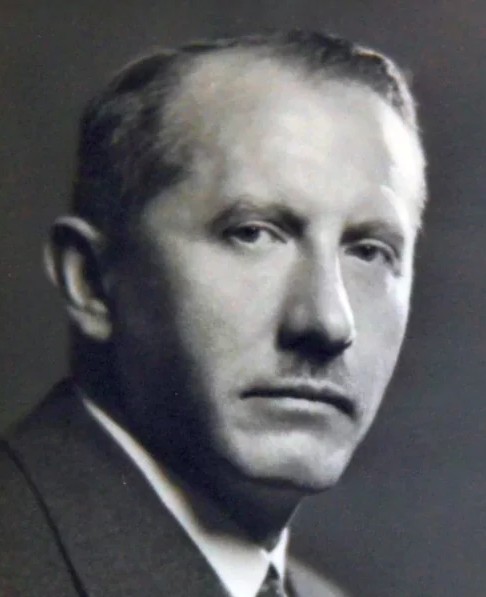
Portrait of Ukrainian military commander and nationalist leader Yevhen Konovalets
Yevhen Konovalets. Source: RFE/RL

He prepared the OUN for armed struggle and sought European support for Ukrainian independence.

On 23 May 1938, Soviet secret police operative Pavel Sudoplatov killed Konovalets in Rotterdam with a bomb concealed in a box of chocolates. Two years after his death, the OUN split into rival factions.

What is the National Pantheon?

Ukraine plans the National Pantheon as a permanent burial and memorial site for major figures in its history, including those buried abroad.

Parliament approved President Volodymyr Zelenskyy’s bill on 1 July. The government selected part of the Kyiv-Pechersk Lavra, a historic Orthodox monastery in the capital, as its site.

The Pantheon plan has raised concern in Poland over whether it could honor members of the Ukrainian Insurgent Army (UPA).

The UPA fought for Ukrainian independence during and after World War II. Poland holds it responsible for killing up to 100,000 ethnic Poles in Volhynia and Eastern Galicia between 1943 and 1945. Poland's parliament has declared the killings a genocide.

Konovalets was assassinated in 1938, before World War II, the OUN’s split, and the UPA’s formation. The Volhynia killings and the OUN factions’ wartime collaboration with Nazi Germany, therefore, postdated his leadership.

Even so, Ukraine’s broader effort to honor nationalist leaders has drawn criticism over the wartime records of Konovalets’ successors. Its May 2026 state reburial of Andrii Melnyk, who succeeded Konovalets as OUN leader, drew objections from Israel’s Foreign Ministry and Yad Vashem over Melnyk’s collaboration with Nazi Germany.

  •  

Zaluzhnyi, Fedorov, and Budanov lead Ukraine’s trust ranking as Zelenskyy places fourth – KIIS

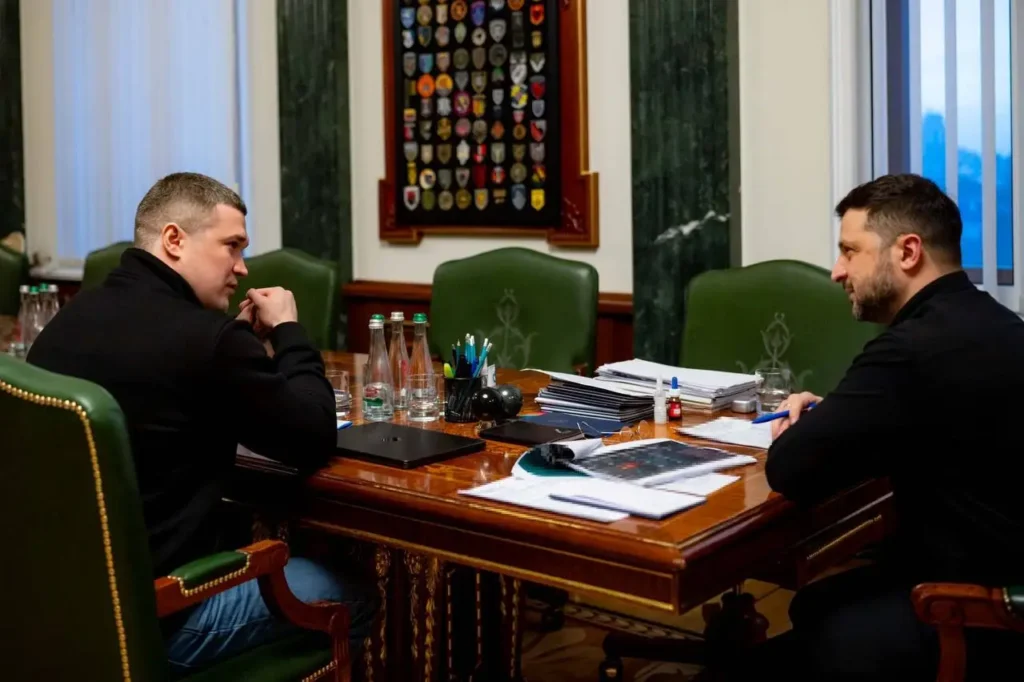
Zelenskyy Fedorov

Ukrainians place the most trust in Valerii Zaluzhnyi, Ukraine's ambassador to the United Kingdom and former commander-in-chief of the Armed Forces, according to a nationwide survey the Kyiv International Institute of Sociology (KIIS) conducted between 16 and 31 July. Some 66% of respondents said they trust him, against 24% who do not—a net balance of +42%.

Close behind sits Mykhailo Fedorov, the former defense minister who previously led the Ministry of Digital Transformation and launched the Diia app. Pollsters recorded 63% trust and 16% distrust for him, producing the strongest net balance in the survey at +46%.

Kyrylo Budanov, head of the President's Office and former chief of Ukraine's Defence Intelligence, rounded out the top three. He drew 61% trust and 22% distrust, for a balance of +39%.

Zelenskyy ranks fourth

President Volodymyr Zelenskyy followed the three military and government figures, trusted by 56% of respondents and distrusted by 38%, for a net balance of +18%. At the opposite end of the ten-name list, former president Petro Poroshenko drew the weakest result—20% trust against 76% distrust, a balance of −56%.

The institute also flagged a rise in confidence in Fedorov as the standout shift since its May 2026 telephone survey, the only change it called significant.

Firm trust versus tentative trust

Sociologists further split the responses into "completely" and "rather" trust. Across the leading figures, roughly half—or fewer—of those expressing trust chose the softer "rather" option rather than "completely," the institute noted, a distinction it argued carries political weight.

Those who "completely" trust Zelenskyy mostly want to see him as president after the war—while those who "rather" trust him mostly want someone else.
— Kyiv International Institute of Sociology

KIIS interviewed 1,808 respondents using a mixed-mode design, splitting the sample evenly between computer-assisted telephone interviews and face-to-face tablet interviews on territory controlled by Ukraine.

  •  

Zelensky's top adviser behind bid to replace prime minister, spy chief, sources tell Economist

Zelensky's top adviser behind bid to replace prime minister, spy chief, sources tell Economist

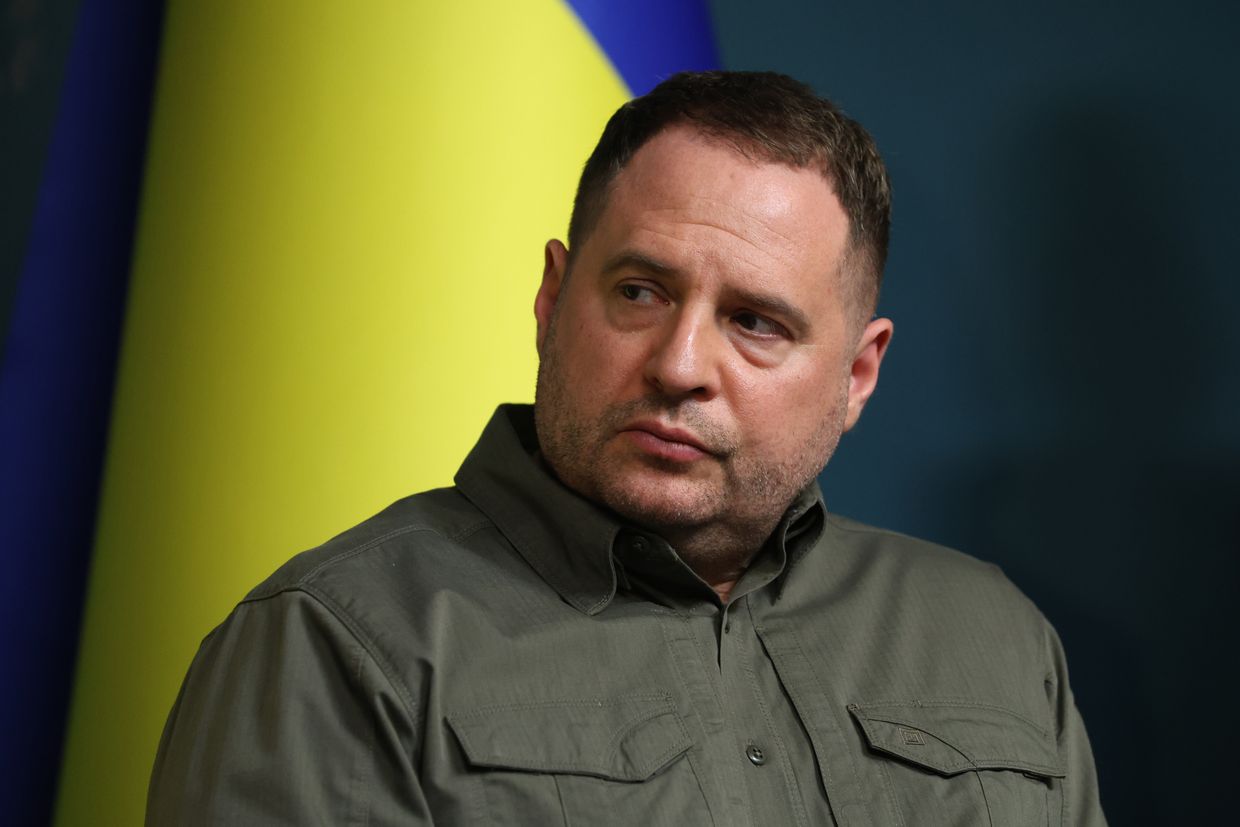
Andriy Yermak, head of Ukraine's Presidential Office, has been leading campaigns to supplant three top officials in the Ukrainian government, the Economist reported on July 6, citing multiple anonymous officials.

The story follows a corruption probe into Deputy Prime Minister Oleksii Chernyshov, the highest-ranking official in Ukrainian history to face such charges while still in office. According to the Economist's sources, Yermak was a driving force behind the investigation.

Yermak, President Volodymyr Zelensky's close friend and chief adviser, spurred on the Chernyshov probe while also renewing attempts to replace Kyrylo Budanov, head of Ukraine's military intelligence agency (HUR) , and Prime Ministery Denys Shmyhal, three unnamed officials told the Economist.

There is no evidence that Yermak ordered an investigation into Chernyshov, the Economist reports, but officials told the outlet that he influenced the case by allowing it to progress while freezing other investigations.

Chernyshov ran afoul of Yermak by offering himself as an alternative liaison to Washington, the officials claimed. His removal would also reportedly clear the way for Deputy Prime Minister Yuliia Svyrydenko, a Yermak protege, to assume the role of Prime Minister in the event of Shmyhal's dismissal.

Rumors of a government reshuffle unseating Shmyhal have circulated for months. Ukrainian media reported last summer that Zelensky was considering replacing the prime minister with Svyrydenko. While several key officials were replaced in a reshuffle in September 2024, Shmyhal kept his post.

Chernyshov, too, has said he will not step down from his role as deputy prime minister despite the ongoing corruption probe.  

Reports of imminent dismissal have also periodically surrounded Budanov, Ukraine's spy chief. Budanov has rejected such rumors as "Russian propaganda" in the past.

Sources told the Economist that Yermak was leading another effort to oust Budanov in June 2025. According to the outlet, warnings from the White House not to fire Budanov may have helped secure his position.

Politico reported in June that U.S. officials, particularly those working in the Trump administration, found Yermak's diplomatic style abrasive and off-putting, potentially risking U.S.-Ukrainian relations at a critical time.

Ukraine imposes sanctions on Russian financial, cryptocurrency schemes
Restrictions were imposed on 60 legal entities and 73 Russian citizens.
Zelensky's top adviser behind bid to replace prime minister, spy chief, sources tell EconomistThe Kyiv IndependentKateryna Hodunova
Zelensky's top adviser behind bid to replace prime minister, spy chief, sources tell Economist

  •  

North Korea already using Russian Pantsir missiles to defend Pyongyang, Ukraine's intelligence chief says

North Korea already using Russian Pantsir missiles to defend Pyongyang, Ukraine's intelligence chief says

North Korea is already using Russia Pantsir S-1 air defense systems in Pyongyang, Kyrylo Budanov, head of Ukraine's military intelligence (HUR), said in an interview with Hromadske Radio on July 1.

The arrival of Pantsir missiles is another sign that North Korea is improving its weapons technology and military might through cooperation with Russia. The two nations signed a defense treaty in June 2024, and North Korea has supplied arms and troops to Moscow in exchange for training and advanced military technology.

"I can tell you that, for example, the first Pantsir S-1 installations have already appeared in Pyongyang," Budanov told Hromadske Radio.

"They are already on combat duty there, guarding their capital. And the Russians are retraining Korean personnel, and soon the Koreans will be working autonomously on this technology."

The Pansir S-1 is the same air defense system Russia uses to guard its military-industrial facilities. It carries an estimated price tag of around $15 million.

North Korea is "currently significantly increasing its military power" through direct cooperation with Russia, Budanov said. It benefits from Russia's ongoing technology transfers and the "real combat experience" personnel gained by fighting alongside Russian troops against Ukraine.  

Budanov also said Ukraine expects "a significant increase" in the number of North Korean citizens in Russia. Some of these citizens will sign up for the Russian military, making it seem less like an official transfer of North Korean personnel and more like voluntary registration from invidivual citizens.

The day before Budanov's comments, North Korean leader Kim Jong Un publicly honored his country's soldiers who were killed fighting in Russia's war against Ukraine. The ceremony coincided with a visit by Russian Culture Minister Olga Lyubimova, illustrating the deepening military alliance between Moscow and Pyongyang continues.

Russia has also reportedly provided North Korea with advanced electronic warfare systems, helped the country build modern warships, and improved its KN-23 ballistic missiles.

In June, Budanov said that Moscow has agreed to assist Pyongyang in mass-producing Shahed-type attack drones.

Russia-Iran alliance wavers as Tehran suffers major blows
Tehran, Russia’s main ally in the Middle East, has been dealt a heavy blow as Israel dismantled its network of proxies and then struck targets in Iran. The recent Iranian-Israeli war, which ended with a ceasefire on June 24, showed that the regional balance of power has shifted in Israel’s favor. This could have a major impact on Russian-Iranian relations as Moscow will have to recalibrate its approach to the region. Russian-Iranian cooperation is likely to continue but Iran’s ability to help
North Korea already using Russian Pantsir missiles to defend Pyongyang, Ukraine's intelligence chief saysThe Kyiv IndependentOleg Sukhov
North Korea already using Russian Pantsir missiles to defend Pyongyang, Ukraine's intelligence chief says

  •  

Ukraine has evidence Russia prepares military operations in Europe, Zelensky says

Ukraine has evidence Russia prepares military operations in Europe, Zelensky says

Ukrainian intelligence has proof that Russia is preparing new military operations in Europe, said President Volodymyr Zelensky on June 22 after a report from military intelligence (HUR) chief Kyrylo Budanov.

"We are observing a continued intellectual decline within the Russian leadership and have evidence that they are preparing new military operations on European territory," Zelensky said on X.

Zelensky added that Ukraine will inform foreign partners regarding the information obtained by intelligence. The statement follows earlier warnings by Kyiv that Russia may be preparing aggression beyond Ukraine's borders.

The president did not provide further details on the planned Russian operations, their dates, or countries that might be targeted.

"We are preparing joint decisions for defense, in particular with the United Kingdom and the European Union," Zelensky wrote.

Zelensky confirmed that Ukraine will continue its efforts to weaken Russia's army.

"We’re aware of... (Russia's) key vulnerabilities and will strike accordingly to defend our state and people, as well as to significantly reduce Russia’s capacity for aggression," the president said.

Since its full-scale invasion of Ukraine in 2022, Russia has ramped up sabotage operations across Europe, aiming to destabilize the security situation in countries supporting Kyiv against Russian aggression.

Ukrainian foreign intelligence warned in May that Russia would be able to restore its combat capabilities and launch aggression against Europe between two and four years after hostilities in Ukraine ended.

Foreign officials and EU diplomats have increasingly called for the preparation for a potential full-scale conflict between NATO and Russia. On June 2, the United Kingdom announced its largest defense spending increase since the Cold War in the face of "the war in Europe," according to U.K. Prime Minister Keir Starmer.

Russia ‘afraid to admit’ scale of losses, trying to hide by dumping soldiers’ bodies on Ukraine, Zelensky says
Ukrainian authorities have confirmed that at least 20 of the bodies Russia returned as Ukrainian were actually Russian soldiers, President Volodymyr Zelensky said.
Ukraine has evidence Russia prepares military operations in Europe, Zelensky saysThe Kyiv IndependentTim Zadorozhnyy
Ukraine has evidence Russia prepares military operations in Europe, Zelensky says
  •  
❌