❌

Vue normale

  • ✇Euromaidan Press
  • Blackouts return to Kyiv as Russia prepares to freeze civilians over the winter
    Power outages have returned to Kyiv after Russian attacks damaged the energy infrastructure supplying the capital, with authorities warning that the situation could worsen as Russia intensifies its campaign against Ukraine’s energy system ahead of winter. Russia has repeatedly targeted Ukraine’s power, heating, and other critical infrastructure to disrupt the systems civilians depend on and create a humanitarian crisis during winter. Ukrainian officials have repeatedly warned that this
     

Blackouts return to Kyiv as Russia prepares to freeze civilians over the winter

8 octobre 2026 à 14:35

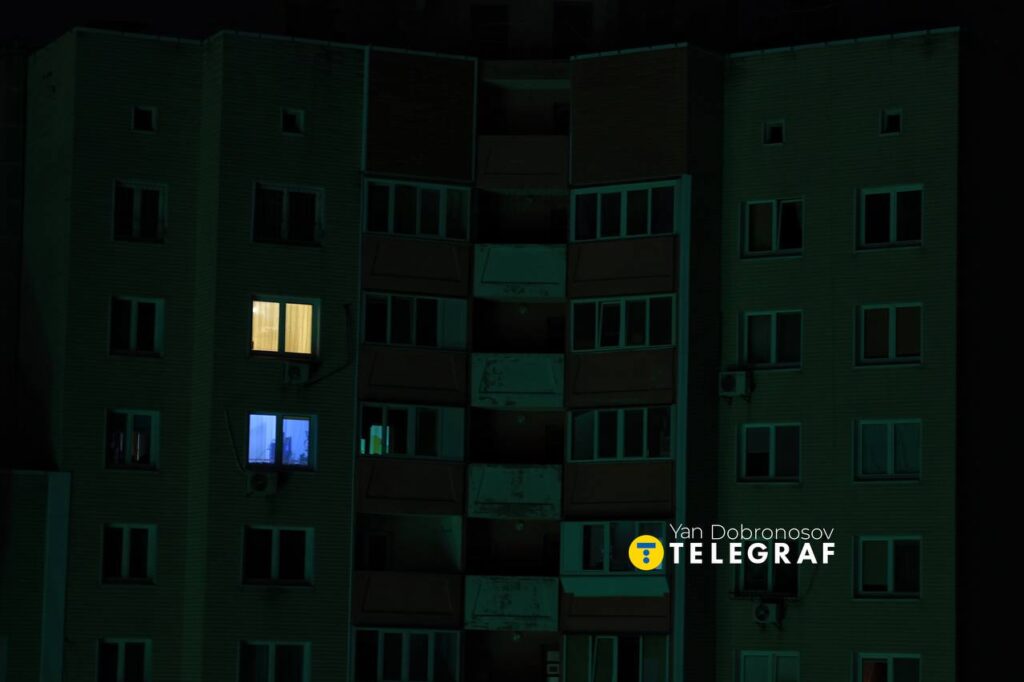
Kyiv building during a blackout following Russian attacks on energy infrastructure, 7 October 2026. Photo: Yan Dobronosov

Power outages have returned to Kyiv after Russian attacks damaged the energy infrastructure supplying the capital, with authorities warning that the situation could worsen as Russia intensifies its campaign against Ukraine’s energy system ahead of winter.

Russia has repeatedly targeted Ukraine’s power, heating, and other critical infrastructure to disrupt the systems civilians depend on and create a humanitarian crisis during winter. Ukrainian officials have repeatedly warned that this winter will be especially severe, as Russia has expanded its strike capabilities since the summer and Ukraine continues to face shortages of air-defense systems needed to protect its energy infrastructure.

Ukrenergo said on 8 October that emergency outages were being imposed in parts of Kyiv and Kyiv Oblast because of falling voltage in the high-voltage network. Previously announced hourly schedules were suspended, with predictable schedules to resume once the system stabilizes.

In the evening, further disruption came after a Russian attack on an energy facility important to Kyiv. Energy Minister Denys Shmyhal said that energy workers were working to restore power.

Kyiv has been under Russian attack throughout the day, with four people killed and 19 injured.

The attack continues into the evening of 8 October, with air raid alerts active across most of the country.

Kyiv loses power, water, and public transport

The damage throughout the day quickly spread beyond electricity.

The Kyiv City Military Administration said power disruptions temporarily halted metro trains and escalators. Part of the capital’s public transport system was also suspended because of the lack of electricity.

Reduced power to water infrastructure caused lower pressure on the right bank of the Dnipro, particularly in the Holosiivskyi, Sviatoshynskyi, Solomianskyi, and Shevchenkivskyi districts. Some buildings could temporarily lose water, the administration warned.

Russia is hitting the energy system as winter approaches

The outages come as Russia has stepped up attacks on Ukraine’s energy infrastructure ahead of the heating season.

Ukrenergo said Russian attacks had caused new power outages in Donetsk, Kharkiv, Sumy, and Zaporizhzhia oblasts. The company said damaged equipment was already limiting the grid’s ability to supply consumers and warned that further Russian strikes could rapidly change the situation.

For 9 October, Ukrenergo announced all-day power restrictions in affected regions, including hourly outages for some consumers. Industrial and business consumers will also face restrictions. The company urged Ukrainians to conserve electricity, particularly during the evening peak from 5 p.m. to 10 p.m.

Ukraine’s energy authorities have been warning about the consequences of repeated Russian attacks for months. In late September, Prime Minister Serhii Koretskyi said attacks on energy facilities had been occurring almost daily since the summer, with the September 29–30 attack marking the first massive combined strike on the energy system since the previous heating season.

The renewed strikes mark the beginning of Russia’s winter campaign against the energy system, with Russian missiles and drones increasingly targeting power-generation and transmission infrastructure in Kyiv and surrounding regions.
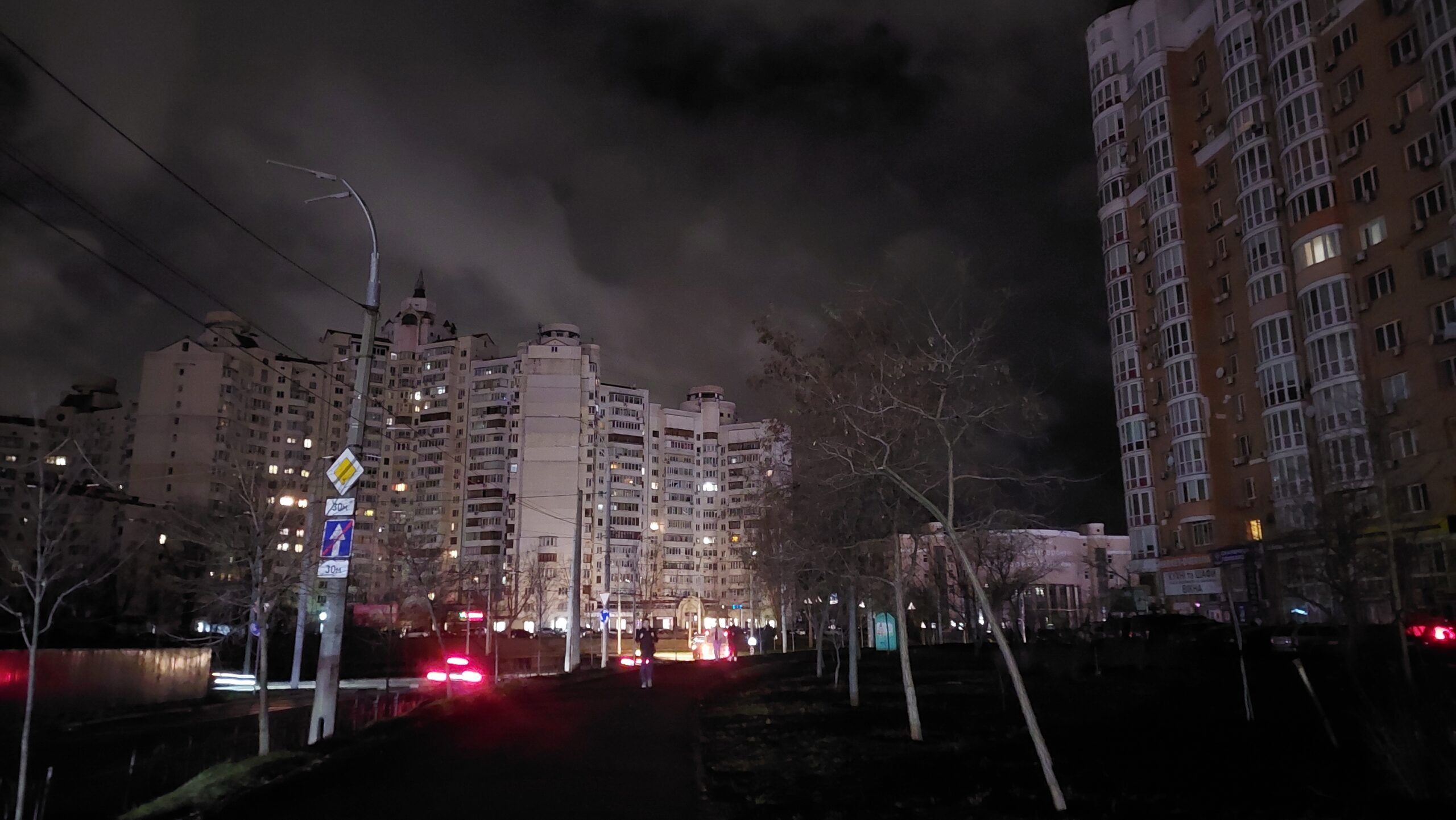
During blackouts, apartment blocks in Kyiv are mostly dark, with scattered lights from apartments with battery-powered sources. Generators power businesses on the ground floor. Street lights are largely off.
Explore further

Behind the black windows: How Kyiv survives a winter in the dark

Russia has openly threatened another winter of blackouts

The campaign follows years of Russian attacks aimed at disrupting the infrastructure that keeps Ukrainian homes heated and supplied with electricity and water during the winter.

In August, Russia’s Defense Ministry openly taunted Ukrainians over its attacks on energy-related infrastructure, posting images of attack drones with the message that Ukrainians would “get a freeze” in winter. 

Russia’s strategy has repeatedly linked attacks on electricity infrastructure to disruptions in heating and water supplies. This makes damage to the power grid particularly consequential as temperatures fall: a strike on an electrical facility can leave not only homes without lights, but also affect water pumps, heating systems, transportation, and other essential services.

The return of blackouts to Kyiv before the heating season is fully underway is an early indication of the pressure Russia’s renewed energy campaign is putting on Ukraine’s civilian infrastructure.

https://twitter.com/EuromaidanPress/status/2108182631217074459/

80% of Moldovans say country is unprepared for attack as Russian drones flow into its airspace, but few back NATO membership

8 octobre 2026 à 11:36

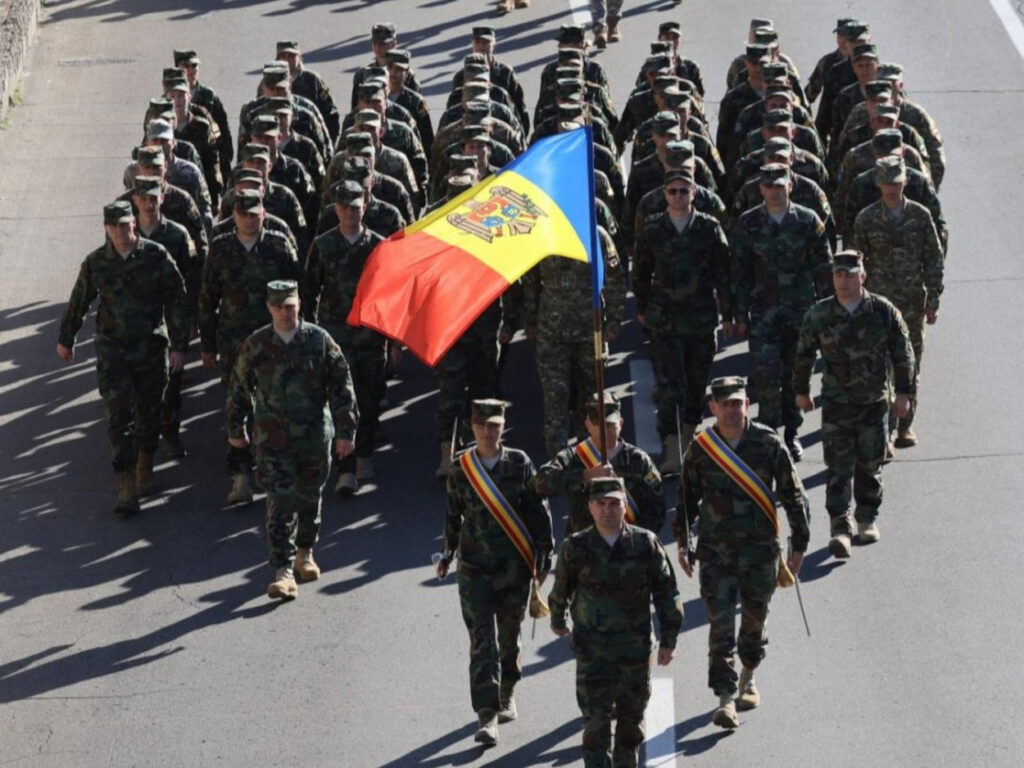
Moldovan soldiers. Photo: Moldovan Army via NewsMaker

More than 80% of Moldovans believe the country is not prepared to withstand external aggression, according to a CBS AXA poll presented ahead of the Moldova Security Forum 2026, NewsMaker reports. 

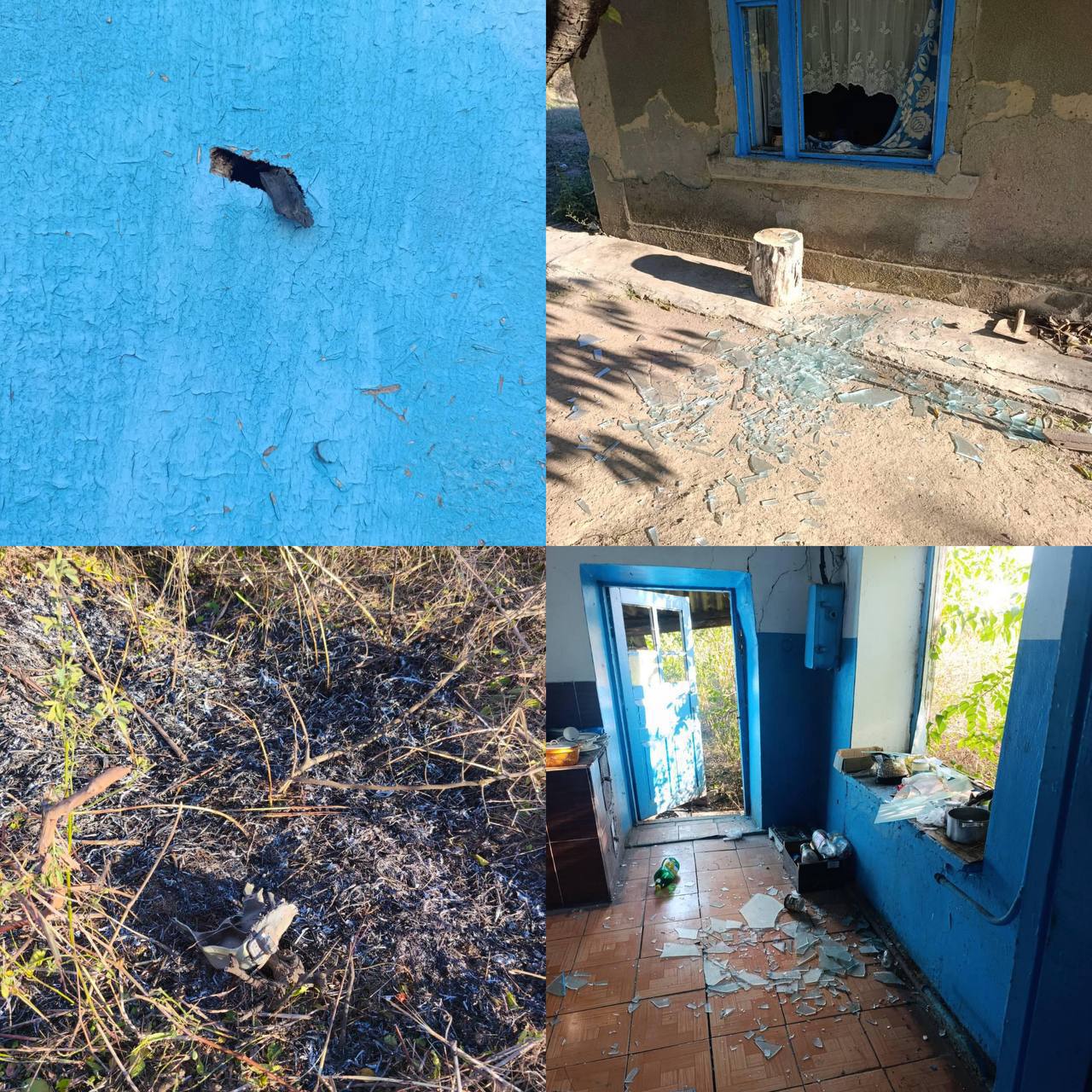
The findings come as Moldova has faced a sharp increase in Russian drone incursions linked to Russia’s war against Ukraine. Moldova recorded 44 airspace-violation incidents in the first nine months of 2026, compared with 17 in all of 2025. Authorities have reported Russian drones crossing Moldovan airspace, while drone and missile debris has also fallen on Moldovan territory.

According to NewsMaker, more than 60% of those surveyed said Moldova is completely unprepared for a possible armed attack, while nearly 24% described its preparedness as weak.

Moldovans see country as unprepared for attack

The survey found that 82% of respondents also do not feel sufficiently informed or prepared to know what to do in a major crisis. According to CBS AXA Deputy Director Vasile Cantarji, respondents tend to trust specialized emergency institutions more than Moldova’s main state institutions.

More than half said they trust Moldova’s General Inspectorate for Emergency Situations, while 35% expressed trust in the church. Trust in the government, parliament, and courts was much lower, at roughly 4–6%.

The findings come as Moldova faces a security environment shaped by Russia’s war against Ukraine, hybrid threats, energy dependence, and disinformation. Moldova’s government has supported Ukraine and strengthened security cooperation with European partners, while repeatedly condemning Russia’s war and its spillover effects.

The repeated drone incursions are now increasingly exposing Moldova to risks from the war next door.

Fragments of Russian drones or missiles that struck Moldovan territory on 3 October 2026. Photo: Moldovan Police via Newsmaker
Explore further

Three Russian missiles and two drones strike Moldovan territory in morning attacks on neighboring Ukraine. Moldova is increasingly exposed to the risks of Russia’s war next door

Most favor neutrality over NATO membership

Despite the widespread perception that Moldova is poorly prepared for external aggression, only about 4% of respondents said joining NATO would be the right way to make the country safer.

Around 45% instead favored maintaining Moldova’s neutrality. At the same time, six in 10 respondents said Moldova needs continued external support to strengthen its security and defense.

Nearly two-thirds considered cooperation with the European Union and Romania important for Moldova’s development.

Moldova’s constitution establishes permanent neutrality, while the country has been deepening security and defense cooperation with European partners.

EU seen as preferred source of emergency assistance

The poll also asked whom Moldova should turn to for help during a major disaster such as an earthquake or flood.

About 33% selected EU countries, followed by Russia at roughly 16% and Romania at 15%. The CIS, NATO, UN, and Ukraine each received support from 4% or fewer respondents.

War in Ukraine is one of several security concerns

Respondents identified a range of threats to Moldova’s security, with internal problems ranking alongside external risks.

Corruption was cited by more than 15% of respondents, while poverty was named by 13.5%. Just over 13.5% identified the war in Ukraine as a security risk. Energy dependence and disinformation were each cited by nearly 10%.

Other concerns included economic instability, crime, and external aggression.

CBS AXA conducted the survey from August 25 to September 9 among 2,009 Moldovans aged 18 and older. The reported margin of error is 2.2%. NewsMaker published the findings on October 7.

Moldova strengthens protection at Ukrainian border

Moldovan authorities are now responding to the Russian drone threat by creating protected areas at border crossings with Ukraine where border guards, officials, and civilians can shelter during potential drone attacks, Interior Minister Daniela Misail-Nikitin said on October 7, according to NewsMaker.

Authorities are also moving Moldovan personnel from joint checkpoints located on Ukrainian territory back to Moldova. The measures follow an incident at the Palanca–Maiaki–Udobne crossing in which a Moldovan border guard was injured by a falling projectile.

Transnistria adds another security challenge

Moldova also faces a longstanding security problem in Transnistria, a breakaway region along the country’s eastern border with Ukraine. The region declared independence from Moldova in 1990 and has remained outside Chisinau’s control since a brief war in 1992.

Transnistria is not internationally recognized as an independent state. Russia maintains a significant troop presence there and has long supported the separatist authorities, making the region a persistent source of tension between Chisinau and Moscow. 

  • ✇Euromaidan Press
  • Polish SIM cards found inside Russian drones in Poland, raising new questions over 2025 incursion
    Polish SIM cards were found inside some of the Russian drones that entered Polish airspace during a mass incursion in September 2025, Polish outlet RMF24 reported, citing findings from a Polish prosecution investigation. SIM cards can allow drones to connect to local cellular networks for functions such as communications, data transmission, telemetry, or navigation-related services. However, investigators have not said what the Polish SIM cards found in the Russian drones were used for.
     

Polish SIM cards found inside Russian drones in Poland, raising new questions over 2025 incursion

8 octobre 2026 à 10:50

sim cards downed drones expose russia's months-long plan target poland lithuania russian gerbera crashed 10 2025 @warnewspl1 defense express download ukraine news ukrainian reports

Polish SIM cards were found inside some of the Russian drones that entered Polish airspace during a mass incursion in September 2025, Polish outlet RMF24 reported, citing findings from a Polish prosecution investigation.

SIM cards can allow drones to connect to local cellular networks for functions such as communications, data transmission, telemetry, or navigation-related services. However, investigators have not said what the Polish SIM cards found in the Russian drones were used for. The details remain classified.

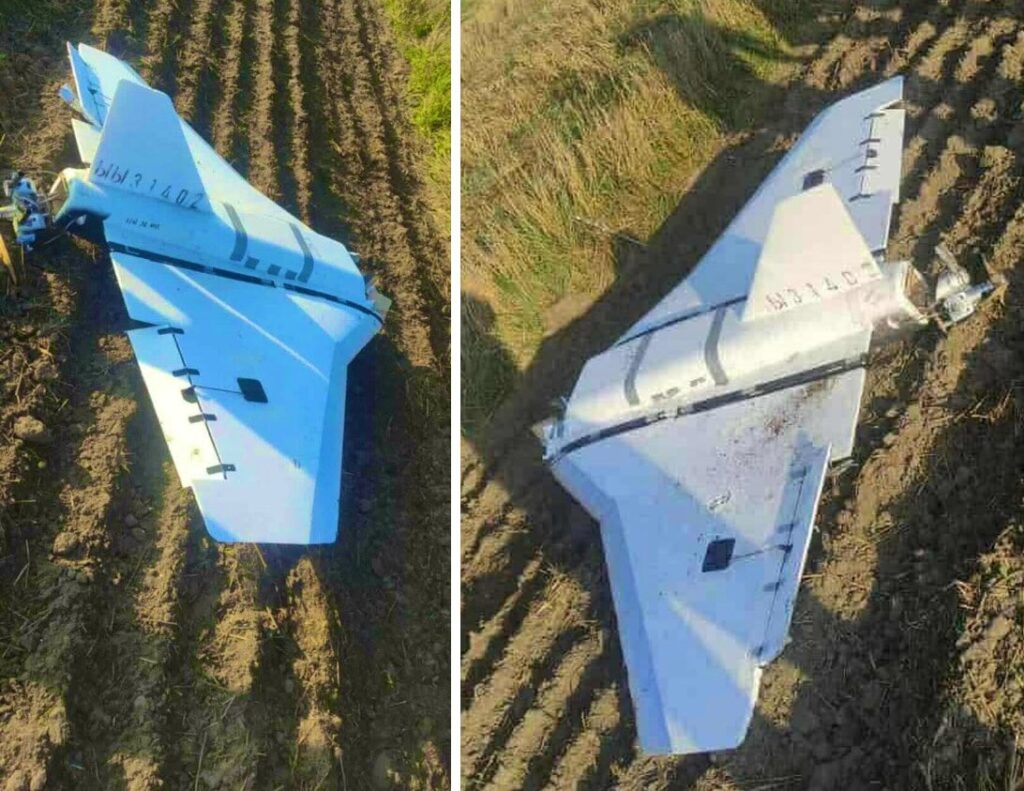
The SIM cards were discovered in some of the Russian Gerbera drones recovered after the incursion, RMF24 reported.

Investigators have not disclosed whether the SIM cards were stolen or obtained illegally.

The investigation into the September 9–10, 2025 incursion was ultimately closed after prosecutors failed to identify those responsible for violating Polish airspace.

More than 30 drones entered Poland

The incursion took place overnight on September 9–10, 2025, during a large Russian missile and drone attack on Ukraine. More than 30 Russian Gerbera drones entered Polish airspace from the east and came down at 27 locations across the country, according to RMF24.

Polish forces intercepted and shot down multiple drones, with the Territorial Defense Forces deployed to search for wreckage and other objects that came down on Polish territory. Poland also maintained contact with NATO command throughout the operation.

The incident prompted Poland to close four airports – Warsaw Chopin, Warsaw-Modlin, Rzeszów-Jasionka and Lublin – because of the military activity. 

Polish officials described the airspace violations as unprecedented and a serious threat to national security. The incident marked the first time since Russia's full-scale invasion of Ukraine that Polish forces had used weapons against Russian aerial objects that entered the country's airspace.

The mass incursion subsequently became the subject of a criminal investigation into the violation of Polish airspace and the threat to public safety.

Investigation closed without identifying perpetrators

After months of investigation, Polish prosecutors closed the case because they were unable to identify the perpetrators, according to Lublin District Prosecutor’s Office spokesman Marcin Kozak, as cited by RMF24.

Most of the case files, including the justification for the decision, are classified.

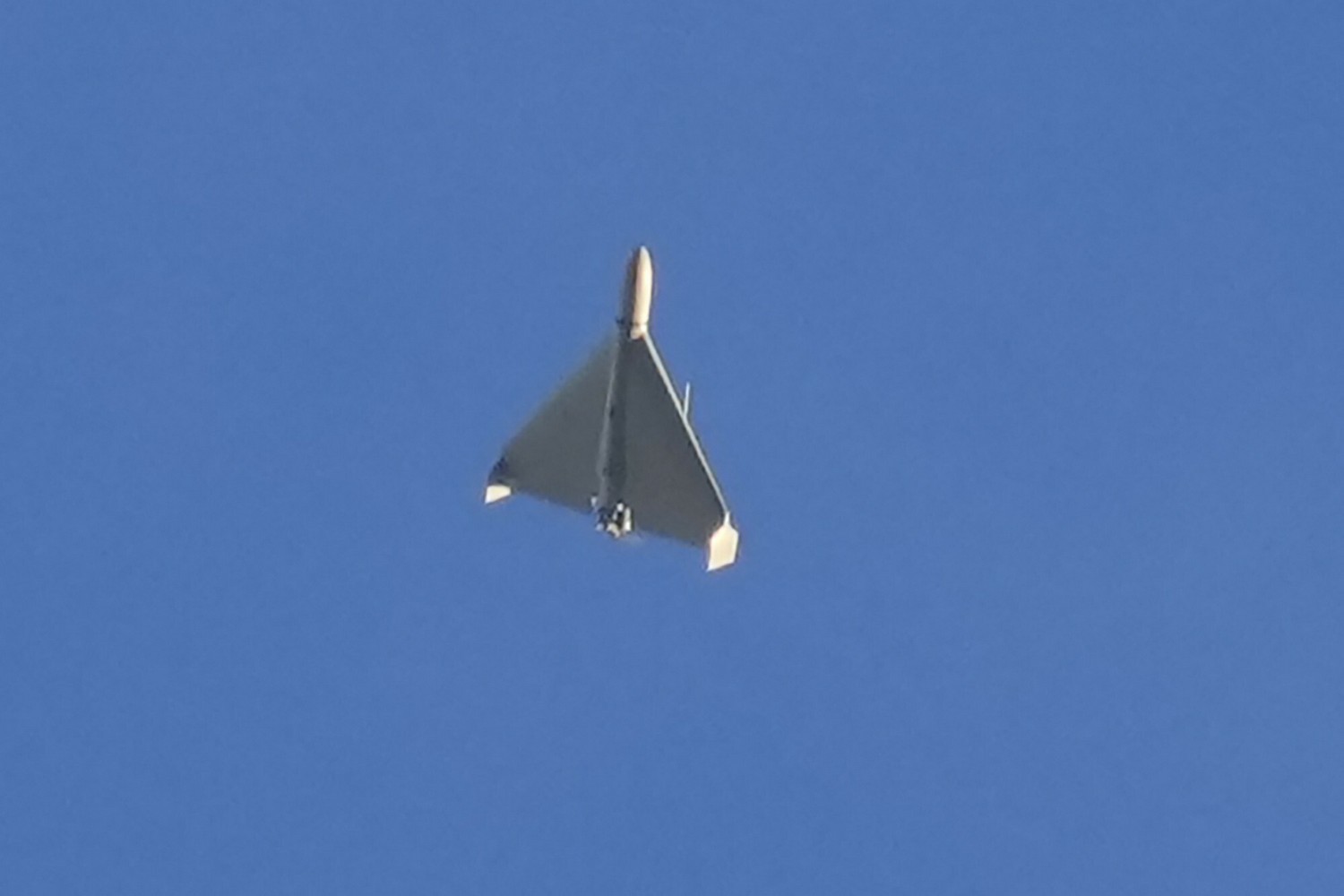
shahed-136 Geran-2 iranian airborne A drone is seen in the sky seconds before it attacked buildings in Kyiv, Ukraine, on Oct. 17, 2022. The Russian military has been using the Iranian Shahed exploding drones to strike Ukraine's vital infrastructure for more than a year. (AP Photo/Efrem Lukatsky/EastNews
Explore further

Last September, Poland downed four of 19 Russian drones. This September, drone reached NATO’s missile shield in Redzikowo, and troops guarding it called 112

Prosecutors cleared Poland's military response

Investigators also examined whether the Polish military had responded properly to the drone incursion.

According to RMF24, prosecutors concluded that the military acted in accordance with procedures. Polish troops had the right to use force and shoot down hostile objects, and prosecutors found no irregularities in their response.

The investigation was therefore closed both over the failure to identify the perpetrators and over the assessment of the Polish military's actions.

❌