❌

Vue normale

  • ✇Euromaidan Press
  • Russia retaliates after Hungary expels 10 diplomats, deepening Budapest-Moscow rift since Orbán’s ouster
    Russia has ordered Hungarian diplomatic staff to leave the country weeks after Hungary expelled 10 Russian diplomats over activities Budapest said were incompatible with their diplomatic status, Euronews reported.  The tit-for-tat expulsions mark a significant change in relations between Budapest and Moscow following Viktor Orbán’s 16-year rule as Hungarian Prime Minister. Russia’s Foreign Ministry summoned Hungary’s chargé d’affaires Gábor Gergics on 1 October and informed him that
     

Russia retaliates after Hungary expels 10 diplomats, deepening Budapest-Moscow rift since Orbán’s ouster

2 octobre 2026 à 13:44

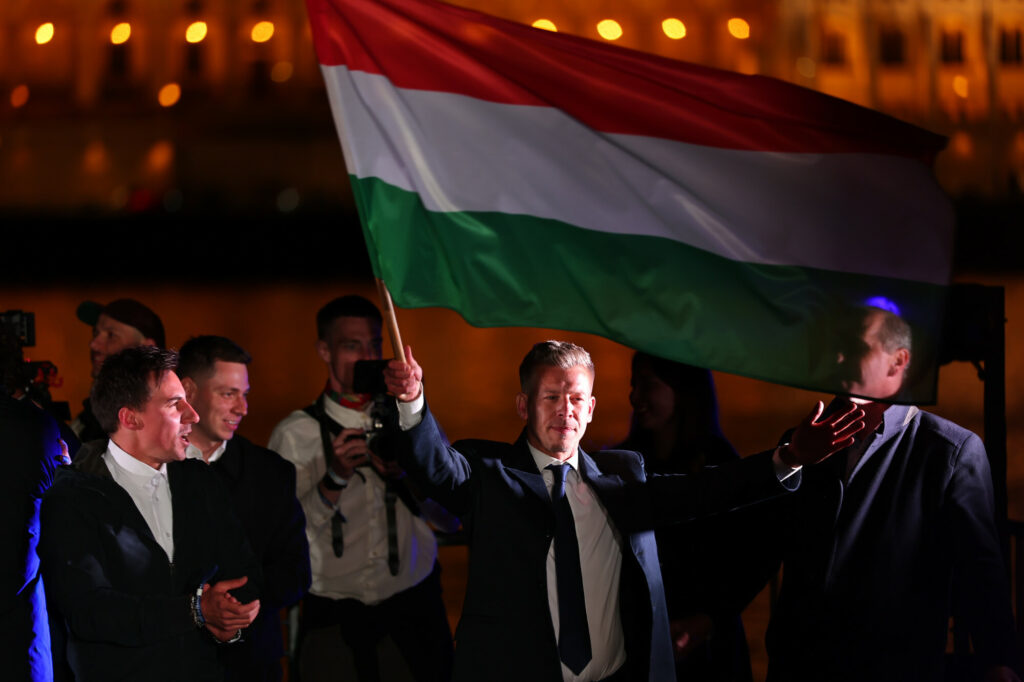
Péter Magyar waves the Hungarian flag at Tisza party's supermajority victory rally in Budapest, 12 April 2026

Russia has ordered Hungarian diplomatic staff to leave the country weeks after Hungary expelled 10 Russian diplomats over activities Budapest said were incompatible with their diplomatic status, Euronews reported. 

The tit-for-tat expulsions mark a significant change in relations between Budapest and Moscow following Viktor Orbán’s 16-year rule as Hungarian Prime Minister.

Russia’s Foreign Ministry summoned Hungary’s chargé d’affaires Gábor Gergics on 1 October and informed him that staff at the Hungarian embassy in Moscow and consulates in St Petersburg and Kazan would have two weeks to leave. Moscow described Hungary’s September expulsion as “baseless and openly unfriendly,” according to Euronews.

Hungary stands by expulsions

Hungary expelled 10 Russian diplomats on 8 September, citing activities it said were unacceptable for diplomats under the Vienna Convention. The government did not publicly provide details of the alleged activities.

Budapest said it was not seeking an escalation but would maintain its decision, while also saying its diplomatic missions in Russia would continue operating.

The expulsions come as Hungary’s foreign policy shifts under Prime Minister Péter Magyar, who took office after Viktor Orbán’s Fidesz lost the April election. Magyar’s government has moved to strengthen Hungary’s alignment with the EU and NATO while maintaining what it describes as pragmatic relations with Moscow.

A break with the Orbán era

Under Orbán, Hungary maintained unusually close relations with Russia compared with other EU members. Budapest continued cooperation with Moscow after Russia’s full-scale invasion of Ukraine, and Orbán repeatedly opposed or delayed EU measures related to Ukraine.

The new government has taken a different position. In September, Hungary expelled the 10 Russian diplomats, and its new foreign policy doctrine identified Russia as a threat to Hungary’s security. Earlier, the government’s guidance for its UN delegation condemned Russia’s war against Ukraine and affirmed Ukraine’s sovereignty and right to self-defense, according to Euronews.

The shift has not amounted to a complete break with Moscow. Magyar has said Hungary will pursue pragmatic relations with Russia, while Budapest continues to seek concessions from Kyiv over the rights of Hungary’s minority in Ukraine.

  • ✇Euromaidan Press
  • Ukraine files a minority-schooling bill, and Hungary agrees to unblock two of its EU-accession clusters
    Ukraine's parliament registered a bill on minority-language schooling on 1 October to lift Hungary's block on the country's European Union membership talks, Ukrinform reported. Kyiv acts first with the legislation. Budapest reciprocates by letting the EU push the stalled accession process forward. Hungary's government welcomed the text within a day. Ukraine's route into the European Union turns on unanimous votes, so one member state's leverage can stall the entire queue—and Kyiv is try
     

Ukraine files a minority-schooling bill, and Hungary agrees to unblock two of its EU-accession clusters

2 octobre 2026 à 09:10

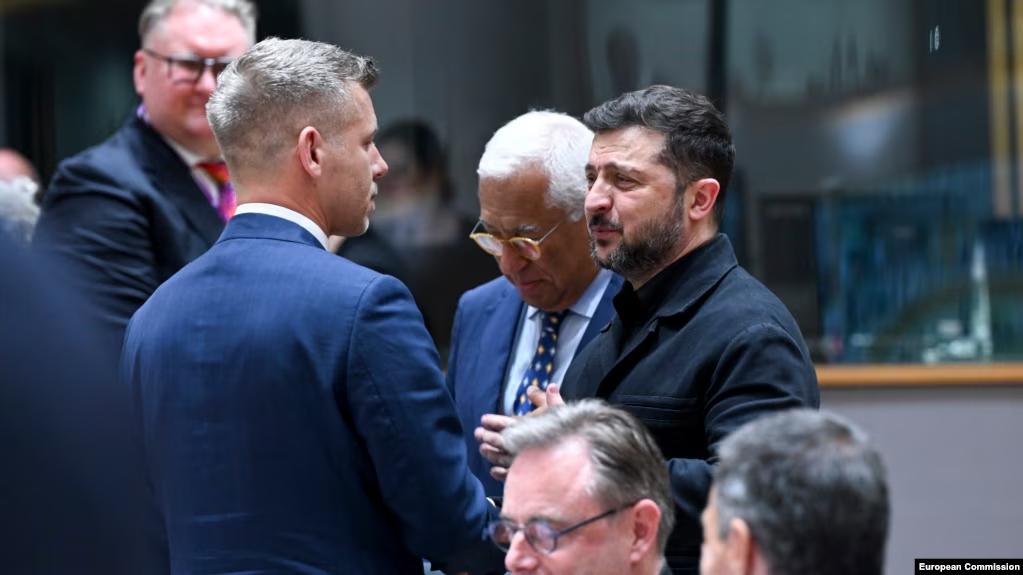
magyar zelensky

Ukraine's parliament registered a bill on minority-language schooling on 1 October to lift Hungary's block on the country's European Union membership talks, Ukrinform reported. Kyiv acts first with the legislation. Budapest reciprocates by letting the EU push the stalled accession process forward. Hungary's government welcomed the text within a day.

Ukraine's route into the European Union turns on unanimous votes, so one member state's leverage can stall the entire queue—and Kyiv is trying to pry the clusters open one bargain at a time before the window for this year's progress closes.

A tightly timed swap

European Pravda, citing unnamed sources, reported that the two capitals agreed to move in parallel after a public standoff, with neither side willing to go first on trust alone. Ukraine registers and passes the bill. In return, Hungary is to let the Council of the EU presidency send Kyiv, on 6 October, the requests needed to open two negotiating clusters—stages of the membership process. The Rada plans an extraordinary session on 12 October to adopt it, and European Pravda says the votes are there. A Council of the EU decision is due on 13 October, ahead of a European Council summit two days later. Deputy Prime Minister Vsevolod Chentsov said rebuilding trust will take concrete steps from both governments.

What the bill changes

Lawmakers filed Bill No. 16119, which creates a national minority school status: a school qualifies when over half its pupils—50% plus one—study in a national-minority language that is also an official EU language. By Education Ministry estimates, that fits about 149 schools, roughly 1.2% of Ukraine's general secondary institutions. Ukrainian stays the language of instruction, and the bill does not return Russian to classrooms.

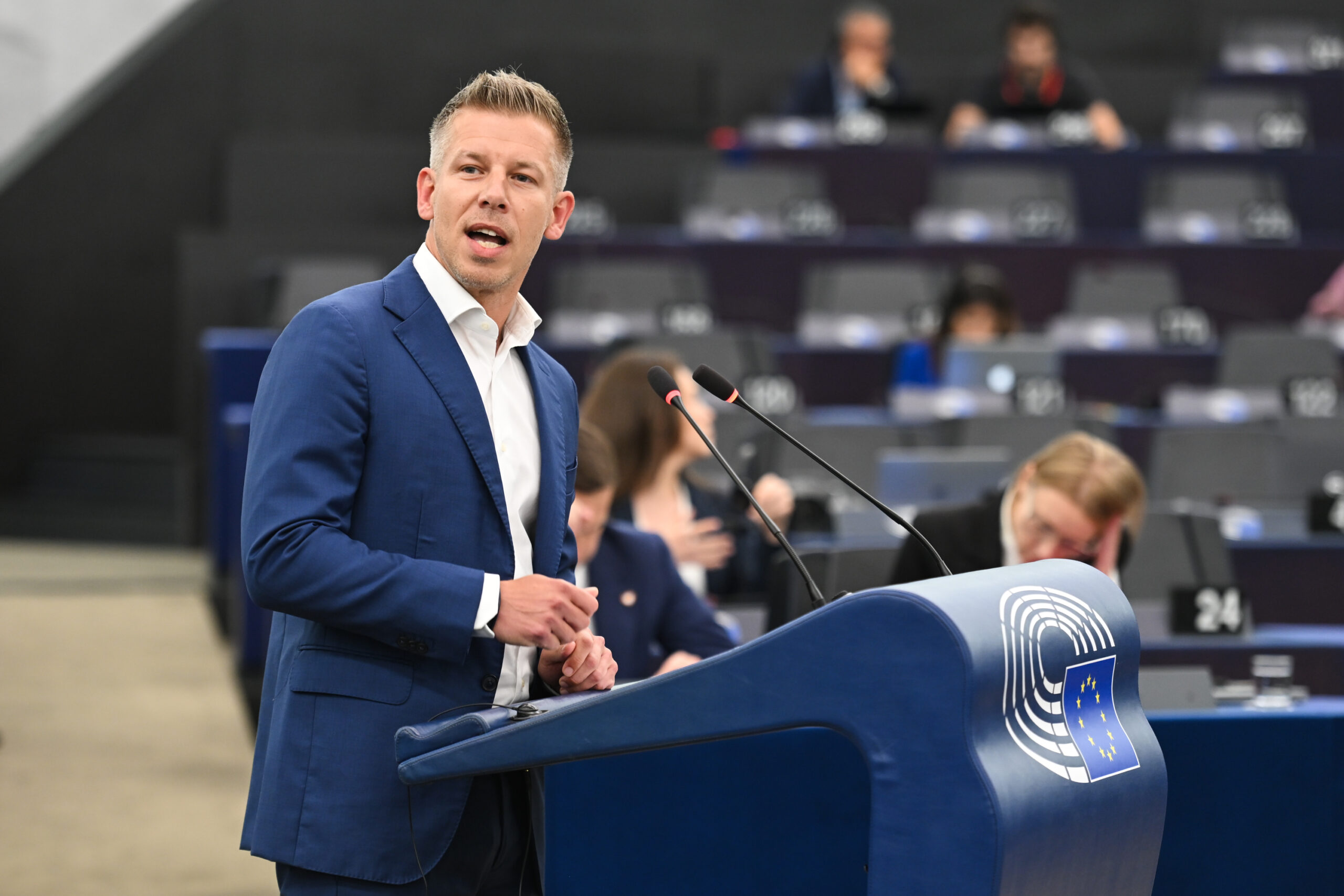
peter magyar speaking at the european parliament
Explore further

Sybiha hails new page in Ukraine-Hungary relations as Cyprus launches first EU cluster procedure

Pupils at qualifying schools could use the minority language with teachers and classmates, not only in lessons, and parents could petition to add subjects taught in Ukrainian. The text also covers Ukraine's indigenous peoples, such as Crimean Tatars, and drops a Ukrainian-language certificate requirement for the heads of 29 private schools for as long as they stay in their posts. Education committee head Serhii Babak said the solution protects Ukrainian while meeting an EU accession commitment.

What changed in Budapest

Hungarian Prime Minister Péter Magyar posted on Facebook that the bill strengthens legal guarantees for Hungarian-language education and the school network, and wrote that he expects those rights honored in practice. European Pravda framed the outcome as a win Magyar's own voters can read as delivering what the previous government never secured. Foreign Minister Anita Orbán said the new government had achieved more in a few months for the Hungarian minority in Zakarpattia than Viktor Orbán's cabinet managed in ten years. Under Magyar, Hungary agreed in June to open the first accession cluster but kept slowing the rest. Only in recent weeks, European Pravda wrote, did Budapest abandon Orbán-style unconditional blocking. This bill is meant to free the next two.

❌