Mistakes that led to the deaths of more than a hundred children “went beyond negligence,” investigators said. They also cited a separate strike the same day that killed a reported 22 civilians.
Mistakes that led to the deaths of more than a hundred children “went beyond negligence,” investigators said. They also cited a separate strike the same day that killed a reported 22 civilians.
Russia launched a large-scale missile and drone attack on Ukraine overnight on 17 September, striking Kyiv, Zaporizhzhia, and Odesa Oblast, among other regions.
The attack damaged civilian infrastructure in Kyiv, including apartment buildings and educational facilities, while water infrastructure was also affected. Kyiv mayor Vitali Klitschko reported 20 people injured, including at least two children.
Water infrastructure hit as winter concerns grow
The overnight strikes affected
Russia launched a large-scale missile and drone attack on Ukraine overnight on 17 September, striking Kyiv, Zaporizhzhia, and Odesa Oblast, among other regions.
The attack damaged civilian infrastructure in Kyiv, including apartment buildings and educational facilities, while water infrastructure was also affected. Kyiv mayor Vitali Klitschko reported 20 people injured, including at least two children.
Water infrastructure hit as winter concerns grow
The overnight strikes affected Kyiv’s water infrastructure, temporarily disrupting water supply on the left bank and reducing pressure in some areas on the right bank.
Kyivvodokanal said its specialists restored operations and that water supply is now fully functioning across the capital.
The damage comes as Ukrainian authorities have warned that Russia could target critical water infrastructure as winter approaches, potentially adding another major threat to civilians alongside attacks on Ukraine’s electricity and heating systems.
Russia has repeatedly used winter strikes to target Ukraine’s critical infrastructure, particularly electricity and heating, leaving civilians without power, heat, and basic services during freezing weather.
This winter is expected to bring a heavier campaign: Russia has intensified its attacks since the summer, increasingly targeting food-related infrastructure and supplies in addition to energy facilities.
No missiles intercepted, once again
Russia launched ballistic and cruise missiles alongside 157 Shahed-type attack drones and decoy drones, according to Ukraine’s Air Force.
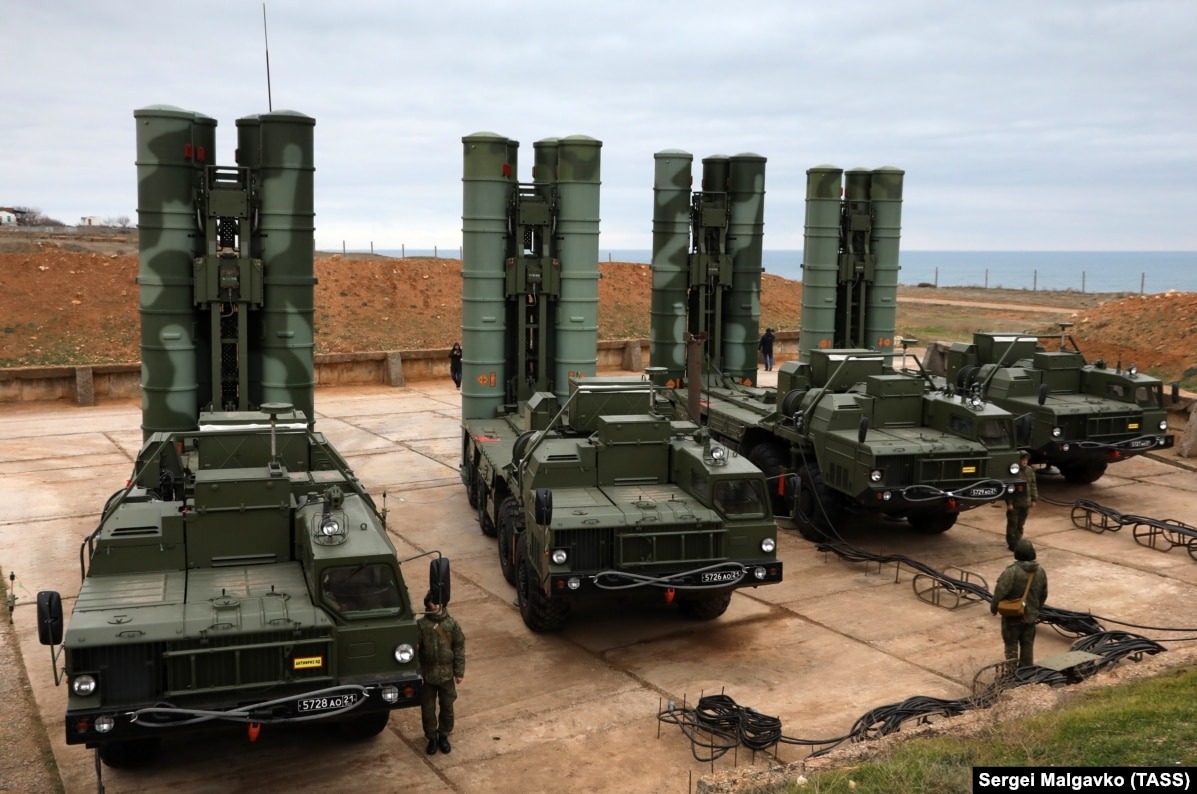
The ballistic missiles included Iskander-M, S-400 and North Korean KN-23 missiles launched from Russia’s Bryansk and Voronezh oblasts. Russia also launched four Kalibr cruise missiles and Oniks missiles.
Ukraine’s air defenses reported destroying or suppressing 131 aerial targets, but none of the ballistic weapons were among those intercepted. The 131 targets consisted of seven Bandеrol/Dan-T missiles and 124 Shahed, Gerbera, and other drones.
Once again, Ukraine intercepted none of the Russian ballistic missiles, underscoring the country’s shortage of high-end air-defense interceptors needed to defend against Russia’s increasing ballistic missile attacks.
However, Ukraine’s General Staff reported strikes on two of the S-400 systems that Russia uses to launch ballistic missiles from Bryansk Oblast.
Explore further
Ukraine strikes two Russian S-400 launchers in Bryansk. The same systems were used to attack Kyiv overnight.
Kyiv hit across several districts
Kyiv police reported damage in the Darnytskyi, Dniprovskyi, and Solomianskyi districts.
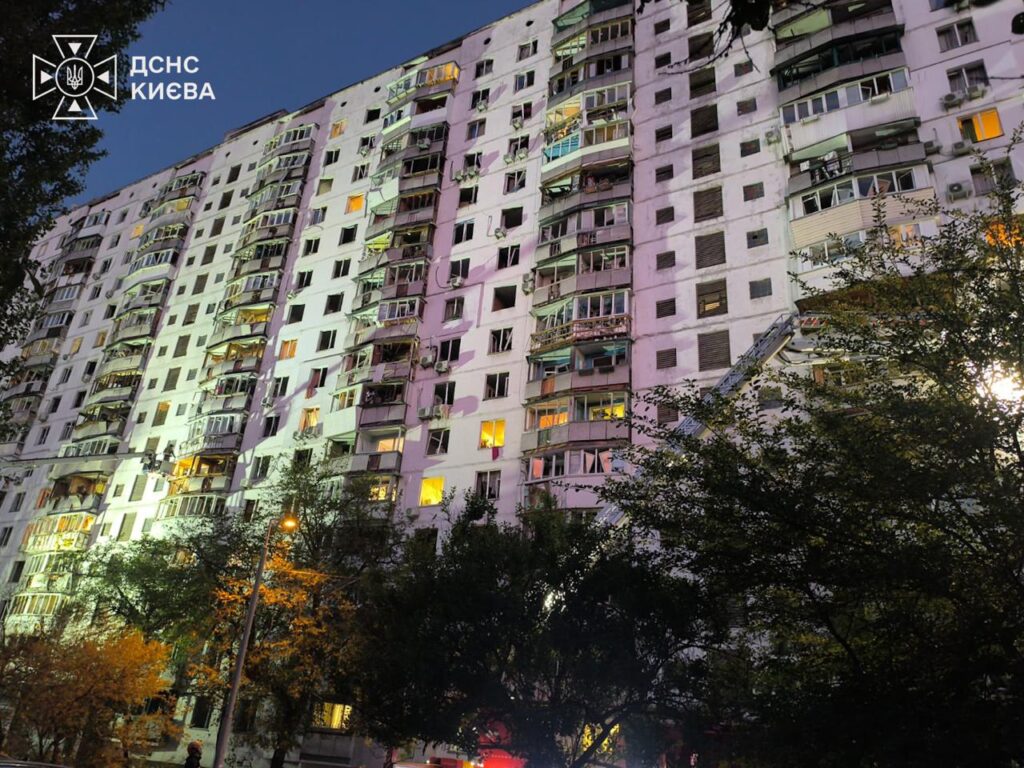
Apartment buildings, educational facilities, a municipal building, vehicles, and railway tracks were damaged. Most of the 16 injured people were residents of a damaged 16-story apartment building in Dniprovskyi district.
The victims included a 10-year-old girl and a 12-year-old boy.
Kyiv’s military administration also reported a strike on a warehouse building in Podilskyi district.
Russian attacks on Kyiv have injured 20 people today, with five hospitalized.
A blast wave damaged apartment buildings in the Dniprovskyi district, while a car caught fire at another location.
Scenes like these are becoming a daily occurrence in the capital.
The Air Force said Russian missiles and attack drones hit 36 locations across Ukraine, while debris from intercepted targets fell at five locations.
Russia damaged the Berestyn station building and a Kyiv commuter stop in an overnight strike on the railways
A Russian drone hit the station at Berestyn in Kharkiv Oblast before dawn on 17 September, and passengers and staff sat out the attack in shelters, Ukraine's national… pic.twitter.com/OaeAaO58eX
Russia’s overnight attack on Odesa Oblast continued for much of the night, injuring seven people, including children aged four and 13, Odesa Oblast Governor Oleh Kiper reported.
One Russian drone struck a high-rise apartment building in Odesa, destroying 10 apartments on the 14th–16th floors and damaging 11 cars. Three people were injured there, including the four-year-old child.
Other strikes damaged at least five residential buildings, a kindergarten, a dormitory, a restaurant’s outdoor area, warehouses, garages, and cars. An elderly woman and the 13-year-old child were among four other people injured.
A Russian overnight attack on Odesa Oblast injured 7 people, including 2 children, after a strike hit a 19-story apartment building.
A private home in the region was also destroyed, while a kindergarten, cars, garages, and warehouses were damaged.
Zaporizhzhia was also hit by Russian missiles, with three people injured – a woman and two men. The missiles struck industrial facilities, partially damaging buildings and causing a fire at one site.
Later in the day, Russia attacked the village of Storchove in Zaporizhzhia Oblast with guided aerial bombs. One bomb hit a private house and outbuildings, killing a 51-year-old woman and injuring a 70-year-old man. The strike destroyed property the family had accumulated over decades, according to the Zaporizhzhia Regional Military Administration.
Russia also struck a passenger bus in Zaporizhzhia with an FPV drone near a public transport stop. Five people were injured. A regional official said Russia had “once again chosen not a military target, but people who were simply traveling about their business.”
A Russian FPV drone struck a passenger bus carrying people in Zaporizhzhia, right near a public transport stop. Three people were reportedly injured.
“Russians once again chose not a military target, but people who were simply going about their daily lives,” a Zaporizhzhia… pic.twitter.com/VRZcch4PRH

 Connexion

 Ukraine’s State…