
 Connexion
Russia’s air war has cost the average Ukrainian mall 166.8 working days since 2022, about eight months of closed floors
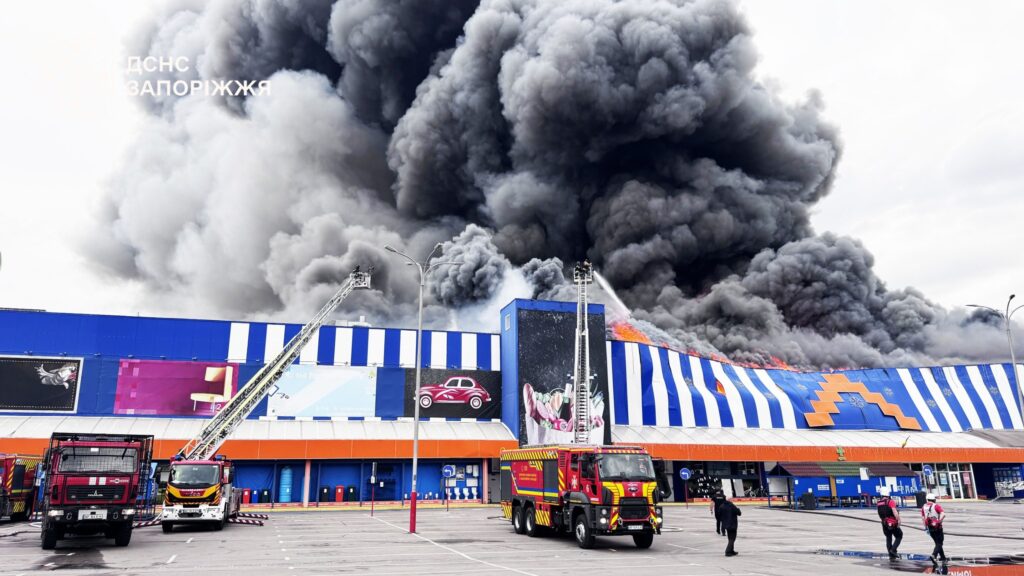
Air-raid alerts covered a record share of working hours at shopping centers across Ukraine in August. Sirens ran for 21.8 percent of the hours malls were open, the Ukrainian Council of Shopping Centers reported.
For more than a fifth of the hours malls were open to serve customers, sirens instead sent staff and shoppers to shelters. The share has more than doubled in a year. The climb is related to Russia's escalating air campaign: Moscow ran a seven-day barrage of ballistic missiles and jet-powered drones against Kyiv into early September, the kind of assault that keeps sirens running through the business day.
Every tracked measure rose
The council considers four figures: the number of alerts, the number during mall working hours, the total alert duration, and the duration during working hours. All four climbed from July to August, it says.
Five regions bear the worst of it
The five regions with the most daytime alert time, between 10 a.m. and 9 p.m., barely changed over the month, the council says. Donetsk Oblast led at 82.0 percent, followed by Sumy at 76.4, Zaporizhzhia at 71.4, Kharkiv at 60.3, and Chernihiv at 40.1.
The sharpest monthly jump fell in Kyiv and Kyiv Oblast.
Faster drones drive the sirens
Russia has switched to jet-powered drones that fly more than three times faster than the propeller Shaheds Ukraine spent three years learning to shoot down. The faster a drone reaches a city, the less time defenders have to catch it.
That is what fills the sirens. Alerts sound earlier and stay on longer, which is the shared council measure.
Ukraine races to answer them
Ukraine has four interceptor systems in field testing, built to take down jet drones, Defense Minister Yevhenii Khmara said on 30 August. The country now wants to bring them to standard and build them in the thousands.
Until that layer works, every jet-drone raid costs Ukraine a long air alert that empties a shopping center.
Downtime piles up over years
Since the full-scale war began, the average Ukrainian mall has lost 166.8 working days to air-raid alerts, according to the report. August 2026 alone accounted for 6.4 of them.
That is more than eight working months of shuttered trading floors, and it is still climbing.
Read also
-
Kazakh refinery deal could ease Russia’s front-line fuel pressure—but it covers just 0.3% of demand
-
Ukraine’s anti-corruption agencies target Prosecutor General’s Office official linked to fraudulent call centers
-
Ukraine adopts two-tier air raid alert system as Russia’s mass drone attacks become the new normal
Read also
-
Ukraine’s anti-corruption agencies target Prosecutor General’s Office official linked to fraudulent call centers
-
Ukraine adopts two-tier air raid alert system as Russia’s mass drone attacks become the new normal
-
Witkoff and Kushner to visit Kyiv and Moscow to revive peace talks as Russia ramps up attacks across Ukraine

