Vue normale

  • ✇Euromaidan Press
  • Frontline Rolls: Ukrainian soldiers document their lives at the front on film
    Frontline Rolls, a documentary photography project by Ukrainian photographer Serhii Melnychenko, began in February 2025, when Serhii started sending disposable film cameras to soldiers serving in different areas of the front line. He asked them to document their daily lives, routines, and work.The project has since been published as a standalone photobook and adapted into an exhibition, with photographs, handwritten letters, and artifacts returned by the participants. In 2
     

Frontline Rolls: Ukrainian soldiers document their lives at the front on film

26 août 2026 à 08:41

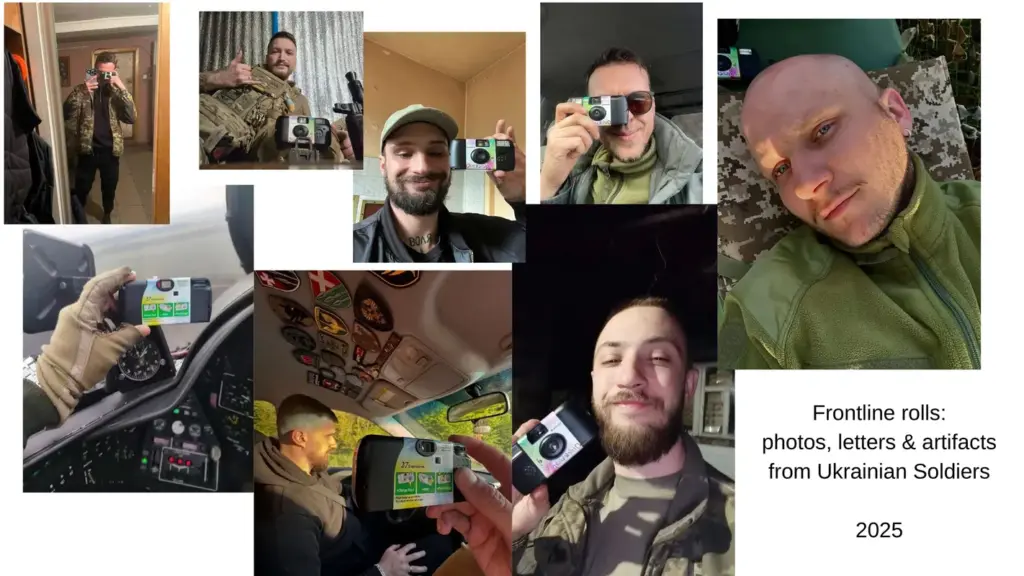
Ukrainian servicemembers pose with film cameras used to document their lives at the front. 2025. Collage: Serhii Melnitchenko

Frontline Rolls, a documentary photography project by Ukrainian photographer Serhii Melnychenko, began in February 2025, when Serhii started sending disposable film cameras to soldiers serving in different areas of the front line. He asked them to document their daily lives, routines, and work.

The project has since been published as a standalone photobook and adapted into an exhibition, with photographs, handwritten letters, and artifacts returned by the participants. In 2026, it won the PhMuseum 2026 Photography Grant Main Prize.

The Ukraine War Archive calls Russia’s war against Ukraine the most documented war in history. Frontline Rolls records it from the soldiers’ own perspective through their photographs, letters, and chosen objects.

How Frontline Rolls began

Serhii spent nearly all of 2024 working on Along the Dnipro. Since he did not have time to travel to soldiers’ positions but wanted to document their experiences, he began looking for alternative ways. He asked himself one question:

“Do I really have to be there in person to document this?” Serhii writes in the foreword to the book, the project’s print format.

The book Frontline rolls: Photos, Letters & Artifacts from Ukrainian Soldiers. Photo: Serhii Melnychenko.
The book Frontline Rolls: Photos, Letters & Artifacts from Ukrainian Soldiers. Photo: Serhii Melnychenko

The answer was for the soldiers themselves to document their lives for a period of time. Serhii reached out to Fotovramci, which agreed to provide him with disposable film cameras free of charge.
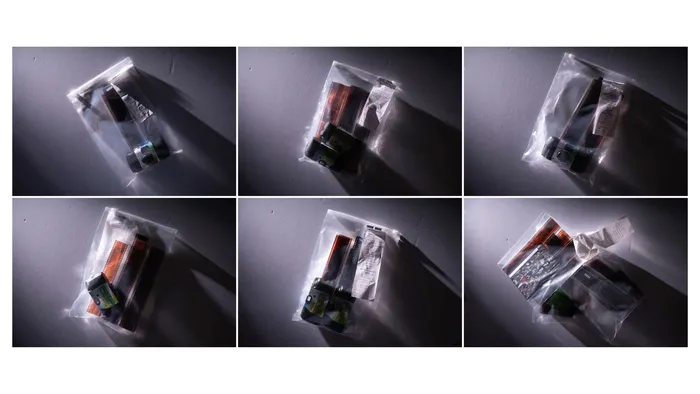
The bags contain film cameras along with the exposed film. Photo: Serhii Melnychenko.
The bags contain film cameras along with the exposed film. Photo: Serhii Melnychenko

The photographs that came back document the soldiers’ daily lives and the spaces in which they served.
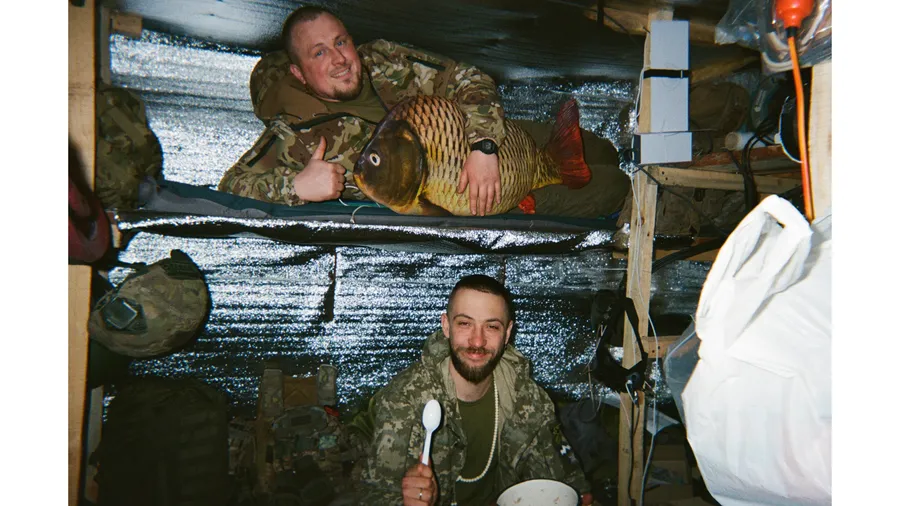
Ukrainian service members inside a dugout, 2025. Photo: project participant Andrii “Dronchik”

Project participants also shared their stories in the book:

“I joined because I have to protect my family from the orcs. Before the full‐scale invasion I was an artist–designer, worked in advertising. Now a tank commander and reconnaissance pilot on a Mavic. In my free time I decorate shell‐casings and send them to volunteers for help,” says Oleksii, a soldier and participant in the project who goes by the call sign “Lapa.”
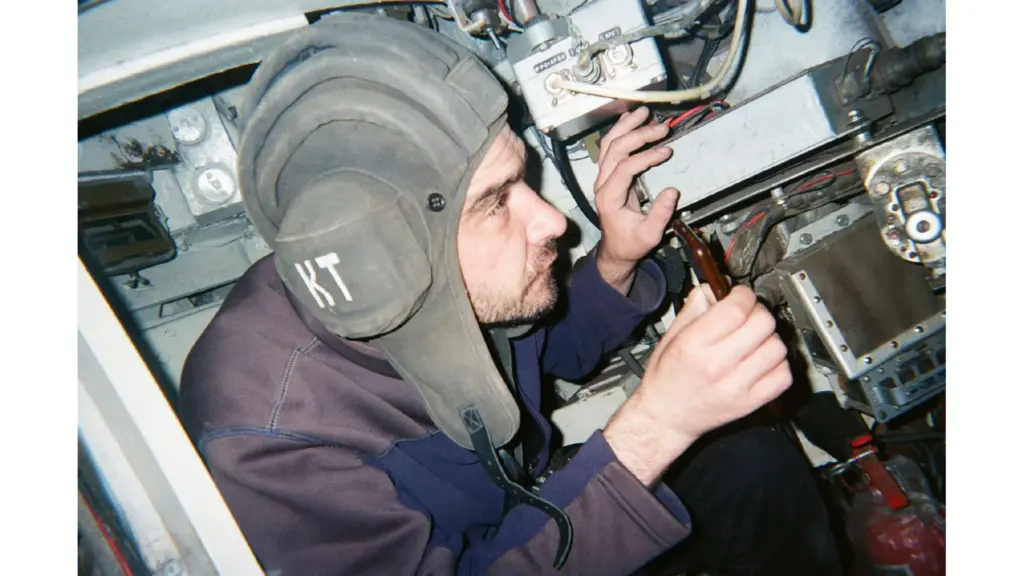
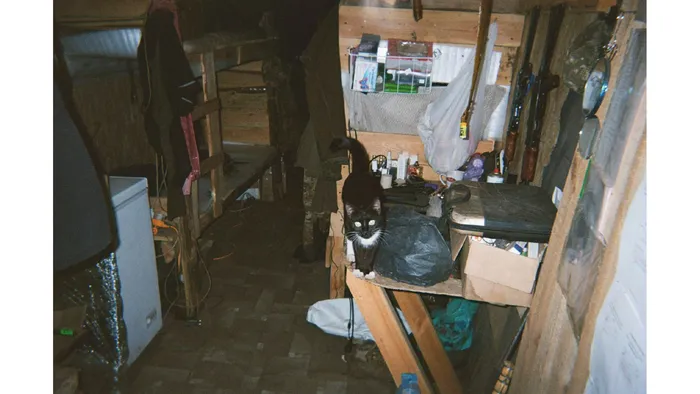
A Ukrainian serviceman works on equipment inside a military vehicle, 2025. Photo: project participant Oleksii “Lapa”
A cat sits inside a Ukrainian military dugout, 2025. Photo: project participant Oleksii “Lapa”

“For almost 3½ years I have remained in my soul a civilian. This system is very alien to me. In it I suffer a lot, in particular due to the huge restrictions on freedom. But I am here so that my country remains free. And for my values and convictions I have already paid a considerable price. If I had the option to choose another path—I would still choose this one,” says Oleksii “Photographer,” a soldier and project participant.
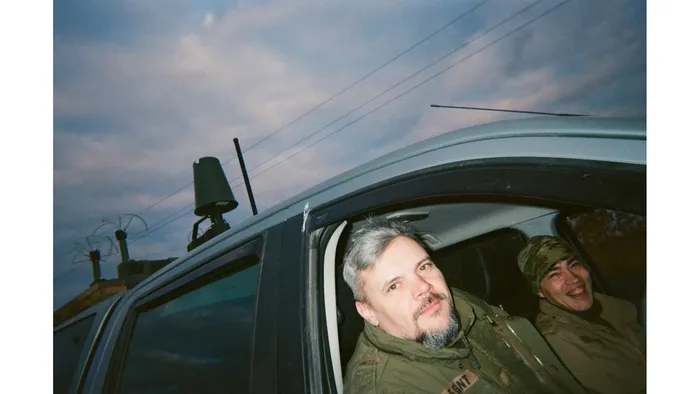
Ukrainian service members travel in a vehicle fitted with military communications or electronic equipment, 2025. Photo: project participant Oleksii “Photographer”

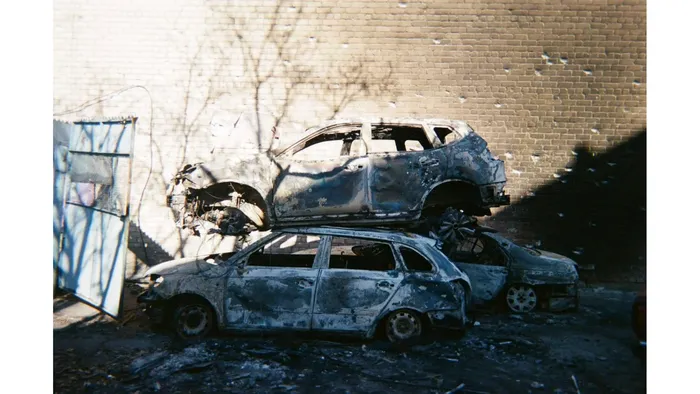
“I don’t have a callsign, because everyone knows me as Holikov. In the military since November 2023. From the very start of the full‑scale invasion I volunteered, but with each trip to the front I felt that I was doing not enough and decided to join the ranks of the 109th Separate Brigade of Territorial Defence,” says Viktor Holikov.
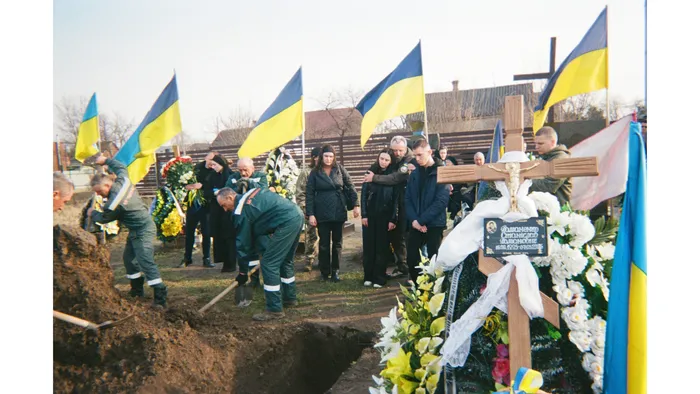
Mourners attend the funeral of a fallen Ukrainian service member, surrounded by Ukrainian flags and wreaths, 2025. Photo: project participant Viktor Holikov
Burned-out vehicles stand beside a damaged building after an attack, 2025. Photo: project participant Viktor Holikov

“In the army I... feel calmer. I have finally found a certain peace of mind during the full‐scale invasion, despite the difficulties. Partly I still feel that I’m doing not enough, but now it doesn’t haunt me like it used to,” says Kseniia, a servicewoman who goes by the call sign “Jane.”
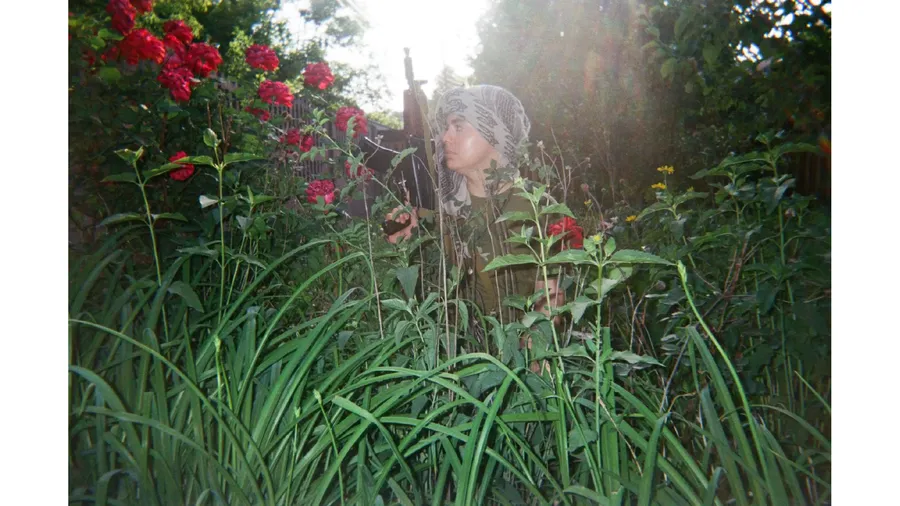
A Ukrainian servicewoman poses among tall grass and flowers near a frontline position, 2025. Photo: project participant Kseniia “Jane”

“The army for me is, first of all, what is called brotherhood. It is hard to describe—you can only understand it by being inside,” says Danylo “Doc.”
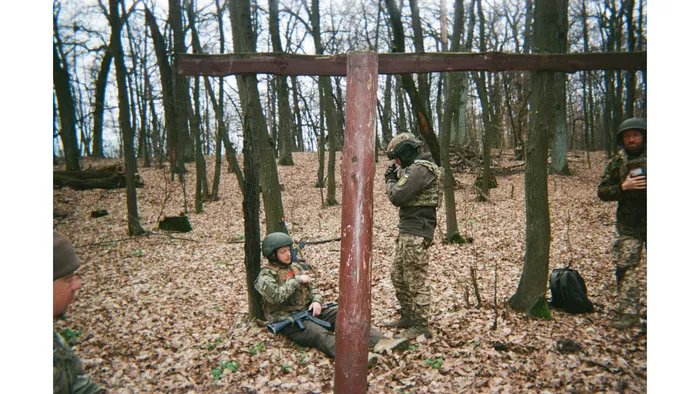
Ukrainian service members rest in a wooded area near the front, 2025. Photo: project participant Danylo “Doc”
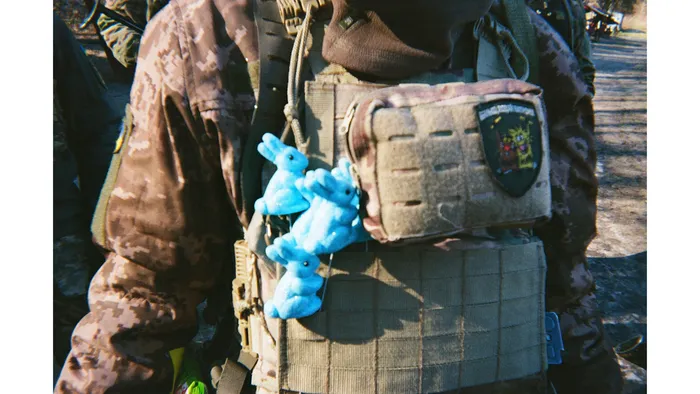
Small blue figurines are attached to a Ukrainian service member’s body armor, 2025. Photo: project participant Danylo “Doc”

The artifacts tell their own stories

Participants returned handwritten letters and personal objects with the exposed film. Serhii describes the resulting collection as a record of “personal experiences, struggles, and memories.”

“I collected artifacts that will remain part of our nation’s history after victory, reminding us of these challenging times,” Serhii says in the book.
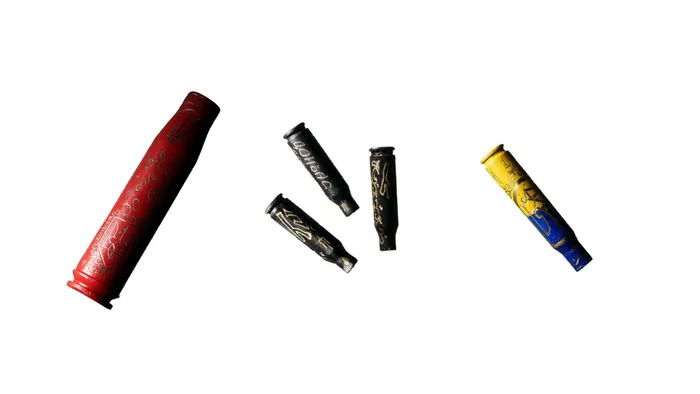
Decorated spent shell casings provided by project participant Oleksii “Lapa,” 2025. Photo: Serhii Melnitchenko
Decorated spent shell casings provided by project participant Oleksii “Lapa,” 2025. Photo: Serhii Melnychenko
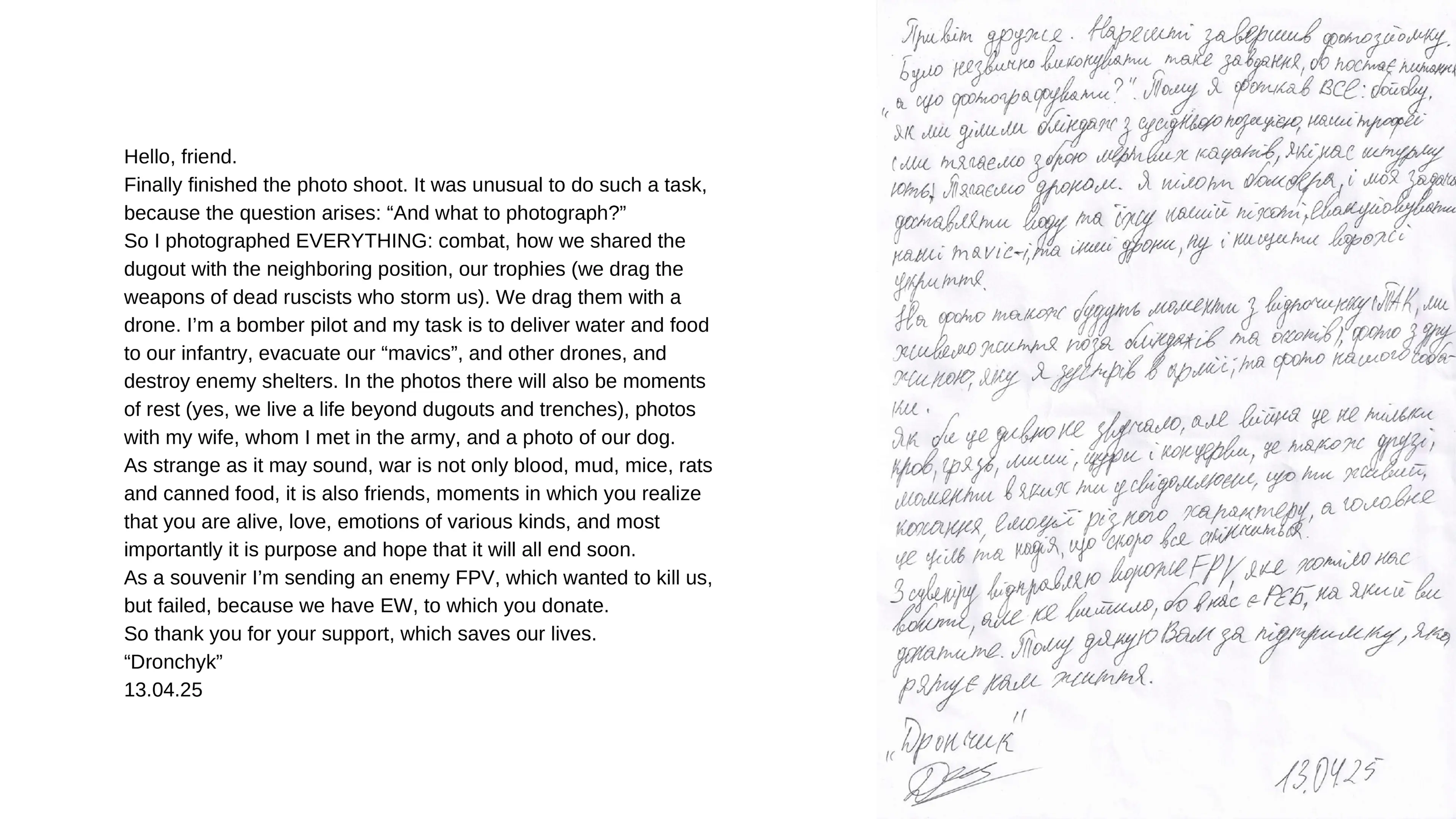
A handwritten letter from Ukrainian service member “Dronchik,” describing life at the front and thanking supporters for their help, 2025. Photo: Serhii Melnychenko

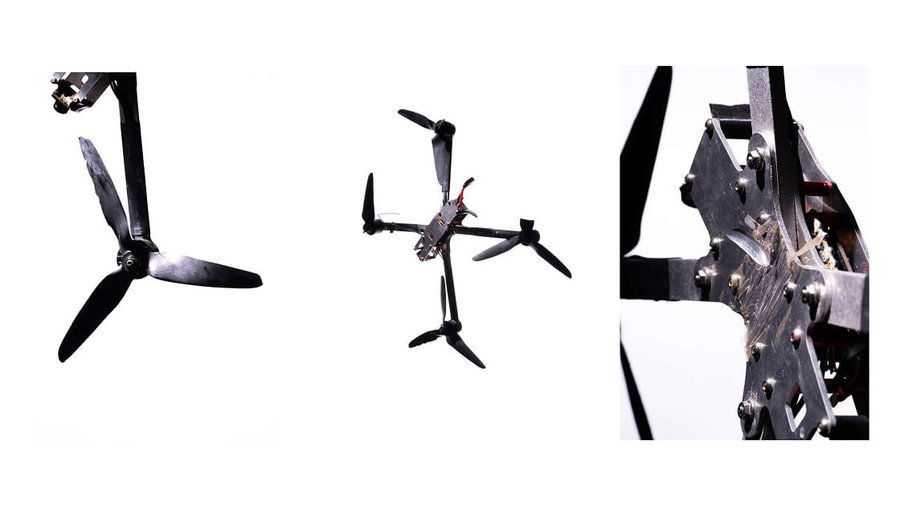
FPV drone — a drone remotely controlled by an operator using a live video feed, 2025. Photo: Serhii Melnychenko
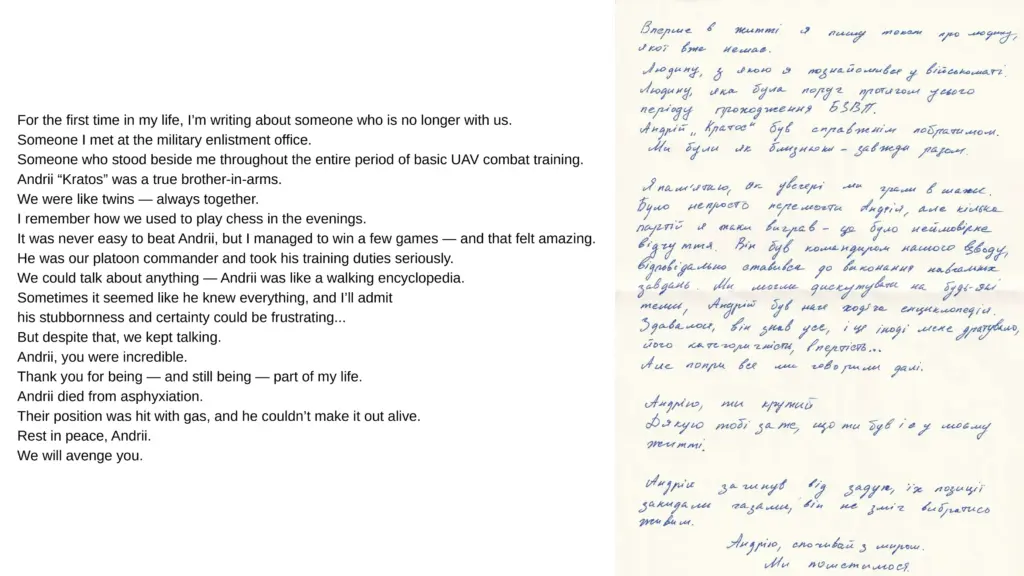
An FPV drone—a drone remotely controlled by an operator using a live video feed, 2025. Photo: Serhii Melnychenko
A handwritten remembrance by Roman 'Fjord' says Andrii 'Kratos' was killed after his position came under a gas attack, 2025. Photo: Serhii Melnychenko
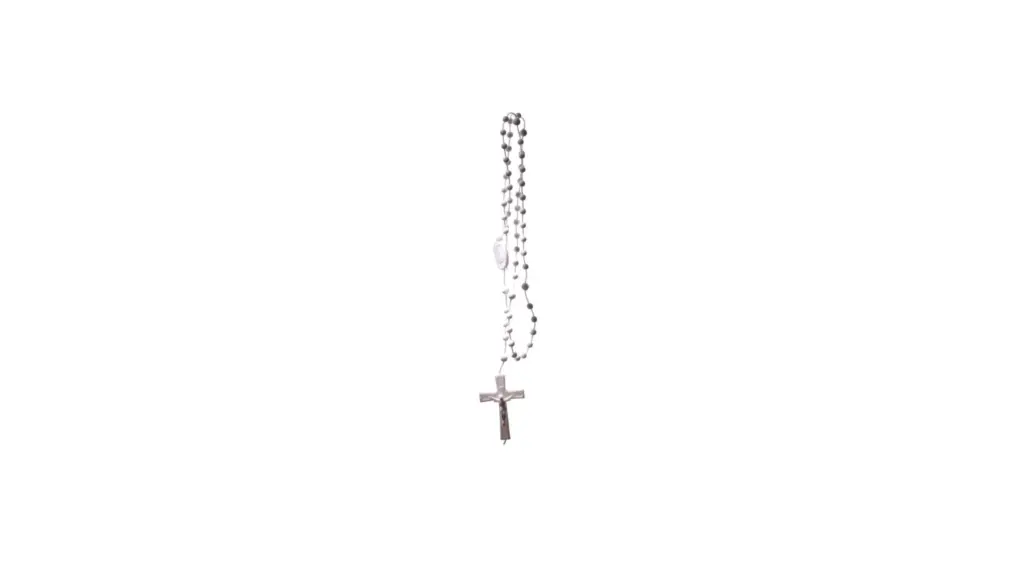
A rosary with a crucifix belonging to Andrii “VirtuoZ,” 2025. Photo: Serhii Melnychenko

Frontline Rolls travels beyond Ukraine

In 2026, Serhii also received the PhEST International Award in Italy, ex aequo with photographer Victorine Alisse.

The photographs were also presented in Copenhagen as part of The War They Live, an exhibition curated by The Kyiv Independent photo editor Irynka Hromotska together with Serhii. The project was also shown at the Athens Photo Festival in 2026. According to Serhii, the exhibition is also scheduled to open at Fotografiska Stockholm in October 2026.
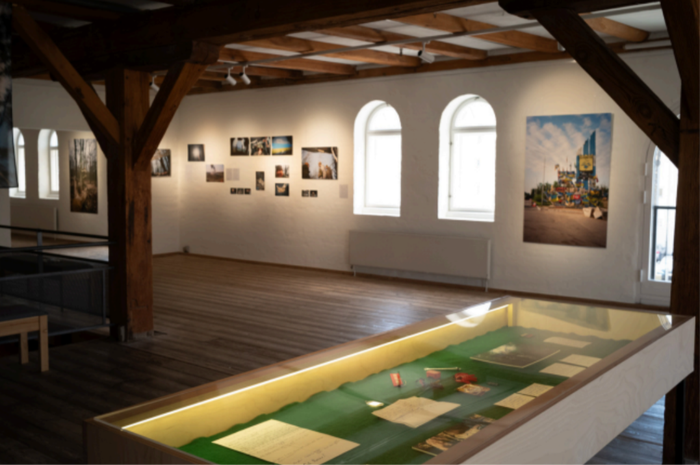
The Frontline rolls exhibition, featuring photographs, letters, and personal artifacts from Ukrainian soldiers. Ukraine House in Denmark, Copenhagen, 2026. Photo: Serhii Melnychenko

“I sincerely hope that when the war ends, every participant in this project will be alive. Because each of them has become much more to me than just a contributor—they’ve become true friends,” Serhii concludes the foreword to the book.
  • ✇Les carnets d'Anna Colin Lebedev
  • Russia and Ukraine: Societies transformed by war (article publié par The Brookings Institution)
    On pense souvent la guerre comme un moment profondément transformateur, qui modifie les logique sociales et rebat les cartes, modifiant les statuts sociaux, introduisant de nouvelles pratiques et de nouvelles relations avec l’État. Bien sûr, cela est vrai à bien des égards. Il n’y a rien d’ordinaire à vivre sous les bombardements, à prendre les armes ou à se mobiliser pour combattre. Cependant, la sociologie des sociétés en guerre démontre que les comportements en temps de guerre sont fortem
     

Russia and Ukraine: Societies transformed by war (article publié par The Brookings Institution)

26 août 2026 à 05:20

On pense souvent la guerre comme un moment profondément transformateur, qui modifie les logique sociales et rebat les cartes, modifiant les statuts sociaux, introduisant de nouvelles pratiques et de nouvelles relations avec l’État. Bien sûr, cela est vrai à bien des égards. Il n’y a rien d’ordinaire à vivre sous les bombardements, à prendre les armes ou à se mobiliser pour combattre. Cependant, la sociologie des sociétés en guerre démontre que les comportements en temps de guerre sont fortement ancrés dans les dynamiques sociales en temps de paix. Les transformations en temps de guerre sont enracinées dans les expériences sociales, l’histoire et les valeurs préexistantes.

Les analystes s’appuient souvent sur des schémas binaires familiers lorsqu’ils comparent la Russie et l’Ukraine : autoritarisme contre démocratie, cercle restreint vieillissant autour de Poutine contre jeune leadership ukrainien, agression contre résistance, et répression contre mobilisation. Mon analyse adopte une perspective différente, en explorant trois dimensions clés qui façonnent l’évolution des deux sociétés : l’importance de l’adaptation en tant que compétence sociale fondamentale ; la relation des citoyens à l’État ; et l’évolution des perceptions de soi et de l’autre.

A lire dans cet article (en anglais) pour lequel je remercie The Brookings Institution, et qui reprend les idées exprimées lors de la conférence que j’ai donnée dans le cadre de la 21e Raymond Aron Lecture à Washington DC le 5 juin dernier.

Ukraine’s Most Potent Weapon: The Software Orchestrating Its Drone Army

26 août 2026 à 11:38
The Delta system pulls together battlefield data to identify targets, creating a miles-wide “kill zone.” The technology is credited with helping to cut Russian advances to a near standstill.

© Tyler Hicks/The New York Times

Officers from Ukraine’s First Separate Assault Regiment looking at live battlefield footage from drones, displayed through the Delta system, at a command bunker in eastern Ukraine in 2025.
  • ✇Euromaidan Press
  • One tracked tank repairs, one marked artillery, one aimed bombs at civilians—all three got 15 years
    A Ukrainian court sentenced three Russian agents to 15 years each for guiding Russian strikes on Donetsk Oblast, the Security Service of Ukraine (SBU) said on 26 August. Each had been recruited to mark Ukrainian military sites or civilian targets in the east, and counterintelligence exposed them between spring 2025 and March this year. The court found all three guilty of treason committed under martial law. The SBU did not name the court or say which specific strikes th
     

One tracked tank repairs, one marked artillery, one aimed bombs at civilians—all three got 15 years

26 août 2026 à 04:20

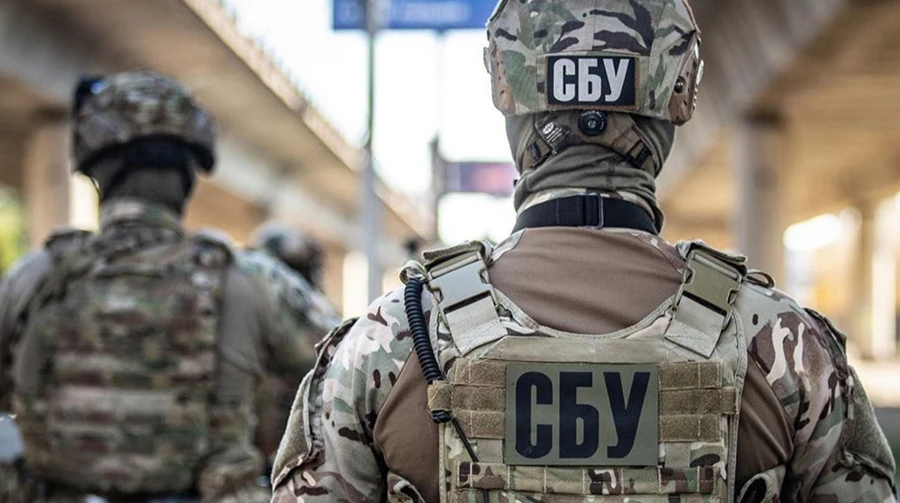
SBU officers in camouflage and tactical gear, seen from behind during an operation.

A Ukrainian court sentenced three Russian agents to 15 years each for guiding Russian strikes on Donetsk Oblast, the Security Service of Ukraine (SBU) said on 26 August. Each had been recruited to mark Ukrainian military sites or civilian targets in the east, and counterintelligence exposed them between spring 2025 and March this year. The court found all three guilty of treason committed under martial law. The SBU did not name the court or say which specific strikes the men enabled.

Russia has spent this war turning Ukrainian civilians into spotters for its bombs — reaching them through Telegram job and drug channels, forged official summonses, relatives in occupied areas, and promises of easy money — and the SBU has opened more than 3,800 treason investigations since 2022 as of February 2026, so any single verdict stands for a caseload far larger than what reaches the news.

The informer inside the armor repair base

One of the convicted men worked at a Defense Forces repair base, and the SBU detained him in the Kramatorsk sector in April 2025. Russian services noticed him through his brother, who lives in Russia and works for the Federal Security Service (FSB), the investigation established. Recruitment through relatives in Russia or the occupied territories is a method Ukrainian counterintelligence has documented before, including inside a marine brigade on the active front.

During his own shifts at the defense enterprise, he recorded the geolocations of repair shops used to restore heavy armored vehicles for Ukraine's Armed Forces. He tried to pass the photographs and building coordinates to his Russian handler through an anonymous chat in a messenger.

sbu arrests suspected russian spies foils sabotage plots lyman chernihiv kirovohrad vinnytsia detainment saboteurs security service says arrested agent aiding airstrikes 2 ukraine's reported multiple agents involved espionage across several
Explore further

SBU arrests suspected Russian spies, foils sabotage plots in Lyman, Chernihiv, Kirovohrad, Vinnytsia

The Dobropillia man who aimed 1.5-ton bombs near Pokrovsk

The second man was an unemployed resident of Dobropillia and an agent of Russian military intelligence, which noticed him through anti-Ukrainian comments in Telegram channel chats, the SBU said. The agency's counterintelligence detained him near Pokrovsk in March this year. Investigators established that he directed 1.5-ton guided aerial bombs at fortified areas and at artillery positions that keep Russian assault groups under fire control on the Pokrovsk axis. Russian forces have leaned more heavily on heavy glide bombs across this stretch of front this year, hitting fortifications and reducing towns to rubble their infantry then uses as cover.

The Kostiantynivka resident who marked his own city

The third man, recruited by the FSB, lived in Kostiantynivka, and SBU military counterintelligence exposed him in August 2025, according to the report. He approached Russian services through pro-Kremlin Telegram channels and offered them his help.

He directed Russian guided aerial bombs and small first-person-view drones at the civilian infrastructure of the front-line city, according to the case materials. He also tracked the positions of Ukrainian drone units carrying out combat tasks on the Kramatorsk axis. Russian strikes on that axis have repeatedly hit residential blocks, with prosecutors opening war-crimes investigations.

Ukrainian courts have handed down the same 15-year term in comparable cases, including for a locomotive depot engineer who mapped Ukrainian positions around Lyman.
❌