As the Democratic Senate nominee in Michigan seeks to overcome intraparty tensions, his opponent in the primary, Haley Stevens, said a PAC’s ad was “fearmongering about Israel.”
As the Democratic Senate nominee in Michigan seeks to overcome intraparty tensions, his opponent in the primary, Haley Stevens, said a PAC’s ad was “fearmongering about Israel.”
Seeking new elections, María Corina Machado will need to tread carefully to avoid offending the Trump administration, while also asserting her own leadership.
Seeking new elections, María Corina Machado will need to tread carefully to avoid offending the Trump administration, while also asserting her own leadership.
President Luiz Inácio Lula da Silva won another term on Sunday, with the help of a seismic social media campaign that convinced Brazilians to reject his rival.
President Luiz Inácio Lula da Silva won another term on Sunday, with the help of a seismic social media campaign that convinced Brazilians to reject his rival.
President Luiz Inácio Lula da Silva’s army of supporters, mobilized over a WhatsApp chat group, delivered an unexpected victory over Flávio Bolsonaro, the right-wing challenger.
Israel’s military chief resisted the prime minister, who then pressed in recent days for a separate action, short of an overt strike, according to an official and a person briefed on the matter.
Israel’s military chief resisted the prime minister, who then pressed in recent days for a separate action, short of an overt strike, according to an official and a person briefed on the matter.
The president of the National Electoral Institute, Guadalupe Taddei Zavala, resigned days after the nation’s top auditing and oversight authority announced it had opened an investigation based on irregularities in contracts awarded by the electoral agency.
Former Republican Gov. David Beasley and Democratic Gov. Jim Hodges recorded a joint video throwing their support to the Democrat in the tight Senate race.
Former Republican Gov. David Beasley and Democratic Gov. Jim Hodges recorded a joint video throwing their support to the Democrat in the tight Senate race.
In much of Europe, the advance of the right has been seen as unstoppable. But in the east, nationalists are being cast aside in places where they long governed.
In much of Europe, the advance of the right has been seen as unstoppable. But in the east, nationalists are being cast aside in places where they long governed.
Supporters of the electoral list “Student List-Students Win” celebrated after Serbia’s longtime leader Aleksandar Vucic conceded defeat in Belgrade on Monday.
The left says its populist message can attract moderates and conservatives in addition to liberals. That theory will be put to the test in a series of competitive races on Election Day.
The left says its populist message can attract moderates and conservatives in addition to liberals. That theory will be put to the test in a series of competitive races on Election Day.
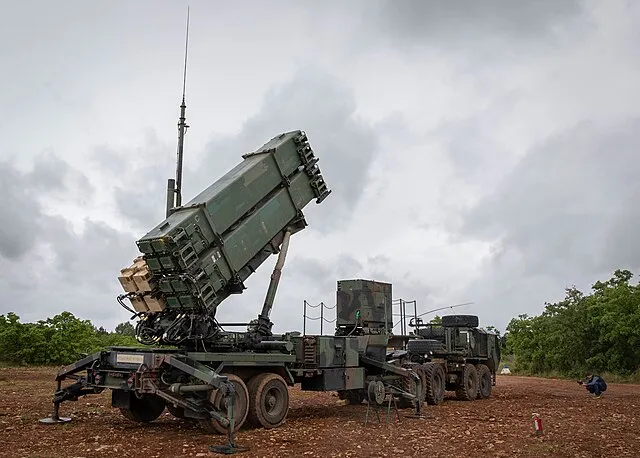
Ukraine has waited almost a month for US Defense Secretary Pete Hegseth to sign off on missiles for its Patriot and NASAMS air defense systems, Ukrainian President Volodymyr Zelenskyy said on 26 October. He ordered his team to raise it with Washington again. Two other US holds on Ukraine, on Starlink speeds and intelligence sharing, have been lifted, leaving the interceptors as the last one.
Russia keeps firing ballistic missiles at Ukrainian cities and the power grid before winter, and
Ukraine has waited almost a month for US Defense Secretary Pete Hegseth to sign off on missiles for its Patriot and NASAMS air defense systems, Ukrainian President Volodymyr Zelenskyy said on 26 October. He ordered his team to raise it with Washington again. Two other US holds on Ukraine, on Starlink speeds and intelligence sharing, have been lifted, leaving the interceptors as the last one.
Russia keeps firing ballistic missiles at Ukrainian cities and the power grid before winter, and Patriots are the only systems in Ukraine that reliably stop Iskander-M, Kinzhal, and Zircon missiles. Zelenskyy has told EU leaders Ukraine needs 300 interceptors to get through winter, diplomatic sources told Radio Svoboda. The holds came as Washington pressed Kyiv to stop striking Russian refineries, which Trump blames for high US fuel prices before the midterms.
Zelenskyy: almost a month waiting for Hegseth’s signature
Zelenskyy held a meeting on weapons supplies with Ukraine’s defense minister, foreign minister, and commander-in-chief. They reported on interceptors for air defense, above all for Patriot systems. Afterward, Zelenskyy wrote:
“We are working in several directions: with the United States, Europe, and other partners that have stocks of PAC-2 and PAC-3 missiles. In particular, for almost a month we have been waiting for Mr. Hegseth’s signature on missiles for Patriots and NASAMS. I have instructed the team to discuss this with the American side once again.”
Talks with other countries continue, he added. The meeting also covered preparations for November’s Ramstein meeting of Ukraine’s allies, where Zelenskyy wants decisions already on the table carried out faster.
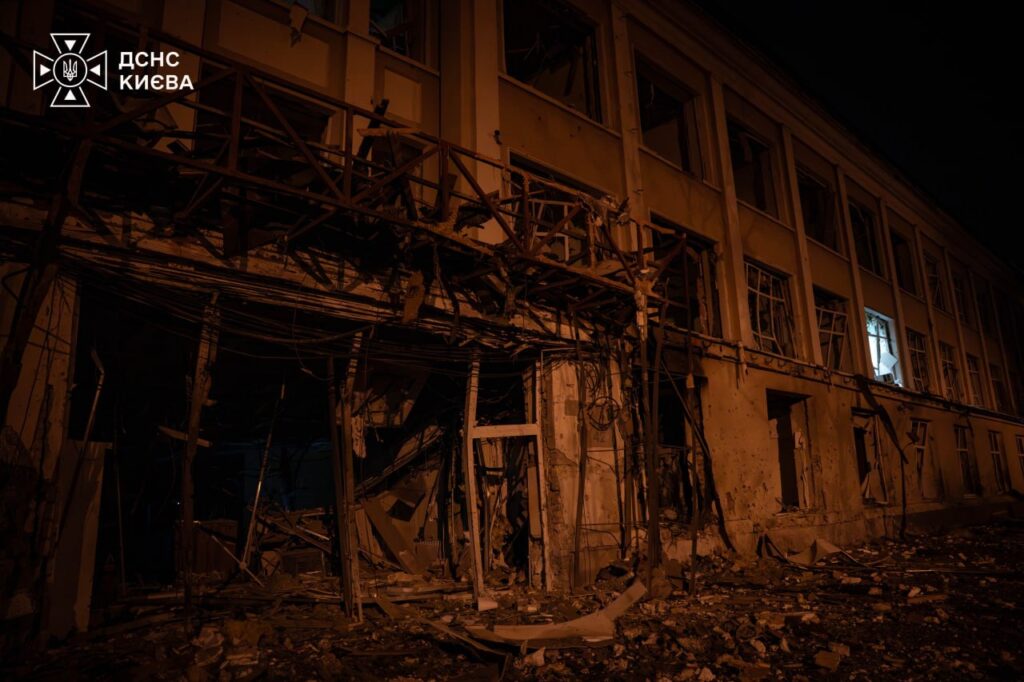
Aftermath of a Russian ballistic missile attack on Kyiv, 19 October 2026. Photo: State Emergency Service of Ukraine
Allies’ missiles need US approval
Some of the transfers come from friendly countries and need Hegseth’s approval, because the US must sign off on any re-transfer of its missiles, a US official and three people familiar with the matter said on 19 October. Hegseth has neither refused nor approved them.
Explore further
The Starlink hot potato: Musk points to Trump, Trump points to nobody, then credits Musk with the fix. The speed limit stays
A Ukrainian official said in mid-October that only “a couple” of interceptors were left. Hegseth has said the US wants “our guys” to have “the most possible” interceptors, and Secretary of State Marco Rubio insisted nothing was “being deliberately denied to Ukraine.”
Two of three US holds lifted
In an interview aired on 25 October, Zelenskyy listed three problems from his Oslo talks with the Americans: air defense, Starlink limits, and limits on US intelligence sharing. Full Starlink speeds returned on 24 October, and missile warnings resumed after his 20 October call with Rubio. Progress on Patriot missiles is “very slow,” he said, “slower than the flight of Russian missiles.”
Kyiv has also tried to trade for the missiles. Zelenskyy told US senators he had offered US envoys a 30-day pause in strikes on Russian refineries in return for Patriot interceptors. The envoys showed no openness to the idea.
Trump has called those refinery strikes a disgrace that only pushes oil prices higher. He said it days after striking a deal with Putin to bring Russian diesel back to the US ahead of the midterm elections on 3 November.
Trump treats Ukraine as the weak link to squeeze and wants a visible win partly with US domestic politics in mind, Ukrainian diplomat Oleksandr Khara has argued.
President Luis Inácio Lula da Silva’s victory ended a string of presidential election wins by right-wing candidates in Latin America. His opponent has refused to accept defeat.
President Luis Inácio Lula da Silva’s victory ended a string of presidential election wins by right-wing candidates in Latin America. His opponent has refused to accept defeat.
As political fights over artificial intelligence accelerate, there is now a super PAC aligned with the data center industry. Its first bet is on Ms. Graham, a Republican in an unexpectedly tight race.
As political fights over artificial intelligence accelerate, there is now a super PAC aligned with the data center industry. Its first bet is on Ms. Graham, a Republican in an unexpectedly tight race.
Senator Darline Graham of South Carolina has been friendlier toward the data center industry than her Democratic opponent, trying to walk a line between backing the centers’ development as a national security necessity while stressing the need for community involvement.
The left says its populist message can attract moderates and conservatives in addition to liberals. That theory will be put to the test in a series of competitive races on Election Day.
The left says its populist message can attract moderates and conservatives in addition to liberals. That theory will be put to the test in a series of competitive races on Election Day.
Gadi Eisenkot has emerged as Benjamin Netanyahu’s main opponent in the upcoming elections. The New York Times Jerusalem bureau chief, David Halbfinger, describes why Mr. Eisenkot is resonating with Israeli voters.
Gadi Eisenkot has emerged as Benjamin Netanyahu’s main opponent in the upcoming elections. The New York Times Jerusalem bureau chief, David Halbfinger, describes why Mr. Eisenkot is resonating with Israeli voters.
The president contended that Dr. Abdul El-Sayed, a Muslim, would “invite hordes of jihadis to our shores” as he sought to bolster the G.O.P. candidate in a tight Senate race.
The president contended that Dr. Abdul El-Sayed, a Muslim, would “invite hordes of jihadis to our shores” as he sought to bolster the G.O.P. candidate in a tight Senate race.
President Trump’s comments, coming in a key midterm battleground nine days before the elections, underscored the dark themes and personal vilification he and his allies have embraced as part of their closing pitch.
Supporters of the right-wing presidential candidate Flávio Bolsonaro waved American flags and brandished a blowup doll of President Trump clutching an imprisoned President Luiz Inácio Lula da Silva at a rally last month in São Paulo, Brazil.
On Sunday, Brazilians will choose between a beleaguered left-wing incumbent and a right-wing challenger. Trade, security and democracy are on the table.
On Sunday, Brazilians will choose between a beleaguered left-wing incumbent and a right-wing challenger. Trade, security and democracy are on the table.
A lawsuit by the Justice Department challenging a potential narrow loss by the G.O.P. Senate incumbent in Alaska reflects a new tactic by the president to try to shape the election results.
A lawsuit by the Justice Department challenging a potential narrow loss by the G.O.P. Senate incumbent in Alaska reflects a new tactic by the president to try to shape the election results.
Democratic candidates are ahead in two, hold a narrow edge in a third and are tied in a fourth, new polling shows. The seats embody the fights playing out nationwide in the midterms.
Democratic candidates are ahead in two, hold a narrow edge in a third and are tied in a fourth, new polling shows. The seats embody the fights playing out nationwide in the midterms.
Luiz Inácio Lula da Silva, the leftist incumbent, and Flávio Bolsonaro, the right-wing challenger, face off in a narrow race that could redefine the future of Latin America.
Luiz Inácio Lula da Silva, the leftist incumbent, and Flávio Bolsonaro, the right-wing challenger, face off in a narrow race that could redefine the future of Latin America.
The return of thousands of Israeli expats to vote in their country’s tight election has set off debate over their political influence. We traveled to Tel Aviv to find out why.
The return of thousands of Israeli expats to vote in their country’s tight election has set off debate over their political influence. We traveled to Tel Aviv to find out why.
Our politics reporter Kellen Browning walks through the four Senate races that progressive Democrats are closely watching in the upcoming midterm elections.
Our politics reporter Kellen Browning walks through the four Senate races that progressive Democrats are closely watching in the upcoming midterm elections.
Israelis head to the polls on Tuesday for an election that will determine the country’s next prime minister. But it can take weeks, months or longer to form a new government.
Israelis head to the polls on Tuesday for an election that will determine the country’s next prime minister. But it can take weeks, months or longer to form a new government.
Senator Roger Marshall was slow to recognize the steep challenge he faced in his solidly conservative state. Now he is confronting dissent among voters with deep economic worries.
Senator Roger Marshall was slow to recognize the steep challenge he faced in his solidly conservative state. Now he is confronting dissent among voters with deep economic worries.
Rick Jackson’s run for governor as a political nobody was his latest gamble. The campaign has brought scrutiny to the businesses that made him a fortune.
Rick Jackson’s run for governor as a political nobody was his latest gamble. The campaign has brought scrutiny to the businesses that made him a fortune.
The 44th president sharply criticized Mr. Trump, who hit back later in the day. Mr. Obama also assailed Vivek Ramaswamy, the Republican nominee for governor of Ohio.
The 44th president sharply criticized Mr. Trump, who hit back later in the day. Mr. Obama also assailed Vivek Ramaswamy, the Republican nominee for governor of Ohio.
Ana Ionova examines how the Brazilian presidential candidate Flávio Bolsonaro is making crime and safety the center of his campaign, following a right-wing playbook from other Latin American countries.
Ana Ionova examines how the Brazilian presidential candidate Flávio Bolsonaro is making crime and safety the center of his campaign, following a right-wing playbook from other Latin American countries.
The Oct. 7 attacks marred Prime Minister Benjamin Netanyahu’s image as Mr. Security. Ahead of elections, he’s trying to sell Israelis on the new, hawkish version of himself.
The Oct. 7 attacks marred Prime Minister Benjamin Netanyahu’s image as Mr. Security. Ahead of elections, he’s trying to sell Israelis on the new, hawkish version of himself.
No obvious legal authority supports a pre-emptive effort to block the certification of Alaska’s Senate election if the Republican incumbent narrowly loses.
No obvious legal authority supports a pre-emptive effort to block the certification of Alaska’s Senate election if the Republican incumbent narrowly loses.
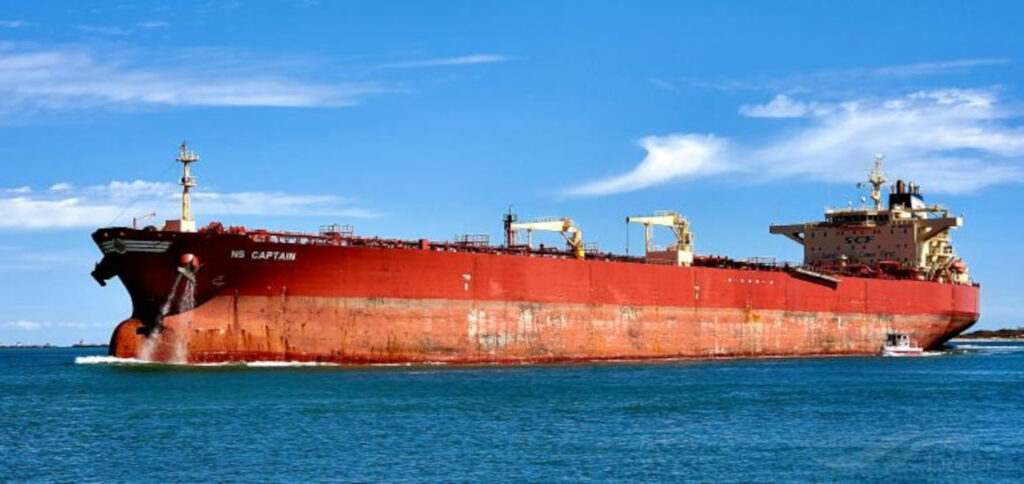
A Malta-flagged tanker carrying Russian diesel is heading for New York after the fuel deal between US President Donald Trump and Russian President Vladimir Putin, Reuters reported in an exclusive on 23 October, citing LSEG shipping data. Two weeks earlier, the US Treasury temporarily waived sanctions on Russian diesel.
The tanker is due in the US on 7 November, four days after Americans vote in the midterms. So the first US-bound cargo cannot reach American pumps before the election. En
A Malta-flagged tanker carrying Russian diesel is heading for New York after the fuel deal between US President Donald Trump and Russian President Vladimir Putin, Reuters reported in an exclusive on 23 October, citing LSEG shipping data. Two weeks earlier, the US Treasury temporarily waived sanctions on Russian diesel.
The tanker is due in the US on 7 November, four days after Americans vote in the midterms. So the first US-bound cargo cannot reach American pumps before the election. Energy analysts also doubt the deal will lower diesel prices meaningfully. US fuel prices rose mainly because the war with Iran disrupted shipping through the Strait of Hormuz. Trump, however, has blamed Ukraine’s strikes on Russian refineries.
Loaded on the day Moscow promised
The medium-sized tanker Agioi Fanendes took on 40,000 metric tons of ultra-low sulfur diesel at the Baltic port of Primorsk on 22 October, shipping data showed. In March, Ukraine’s General Staff said its drones hit the Transneft oil terminal at that same port.
A day before the loading, Russian Deputy Prime Minister Alexander Novak announced that the first tanker would sail for the US on 22 October. He pledged more shipments and said Russia would meet US needs within its capabilities.
Explore further
Russia resumes diesel exports to Türkiye, Brazil, after Trump lifts sanctions on fuel supplies, boosting Moscow’s war revenue – Reuters
From a pledge to a partial lift
On 9 October, Trump wrote that Russia would immediately supply over 300,000 tons of diesel “to the American and Global Marketplace.” Another 500,000 tons would follow in November, then 1 million tons “immediately thereafter.”
Moscow had banned diesel exports on 8 July, after Ukrainian drone strikes shut down refineries and caused fuel shortages inside Russia. The Russian government stated on 10 October that it had partially lifted the ban, clearing 500,000 tons for the world market at this stage. Russian diesel shipments to Türkiye and Brazil have since resumed, boosting Moscow’s war revenue.
Trump has made other moves to cut diesel prices before the vote, Reuters reported. He waived parts of a new sanctions law against Russia. He also threatened Europe with a US diesel export ban unless countries released more fuel from their emergency reserves.
President Trump says Venezuela is not ready for elections, and he focuses instead on its oil. But Secretary of State Marco Rubio is nudging talks between opposing politicians.
President Trump says Venezuela is not ready for elections, and he focuses instead on its oil. But Secretary of State Marco Rubio is nudging talks between opposing politicians.
Dinorah Figuera, left, Delcy Rodríguez and Jorge Rodríguez during a meeting at the Miraflores presidential palace in Caracas on Thursday, in a photo released by the Venezuelan presidency.

 Connexion