Residents of the province were asked if they wish to remain in Canada or to hold another vote on breaking away, in a referendum that left both sides unhappy.
Residents of the province were asked if they wish to remain in Canada or to hold another vote on breaking away, in a referendum that left both sides unhappy.
Prime Minister Mark Carney said the “violent, fast-moving” fire on Saturday in Alberta was one of the worst tragedies for Canada’s armed forces in peacetime on Canadian soil.
Prime Minister Mark Carney said the “violent, fast-moving” fire on Saturday in Alberta was one of the worst tragedies for Canada’s armed forces in peacetime on Canadian soil.
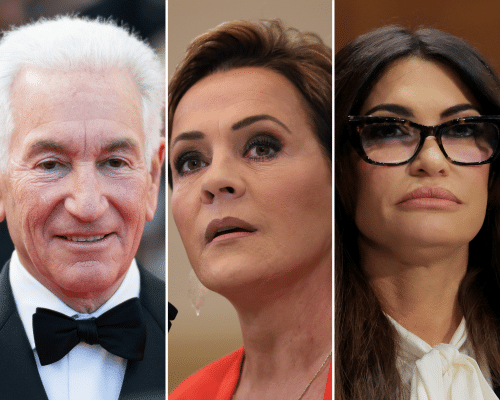
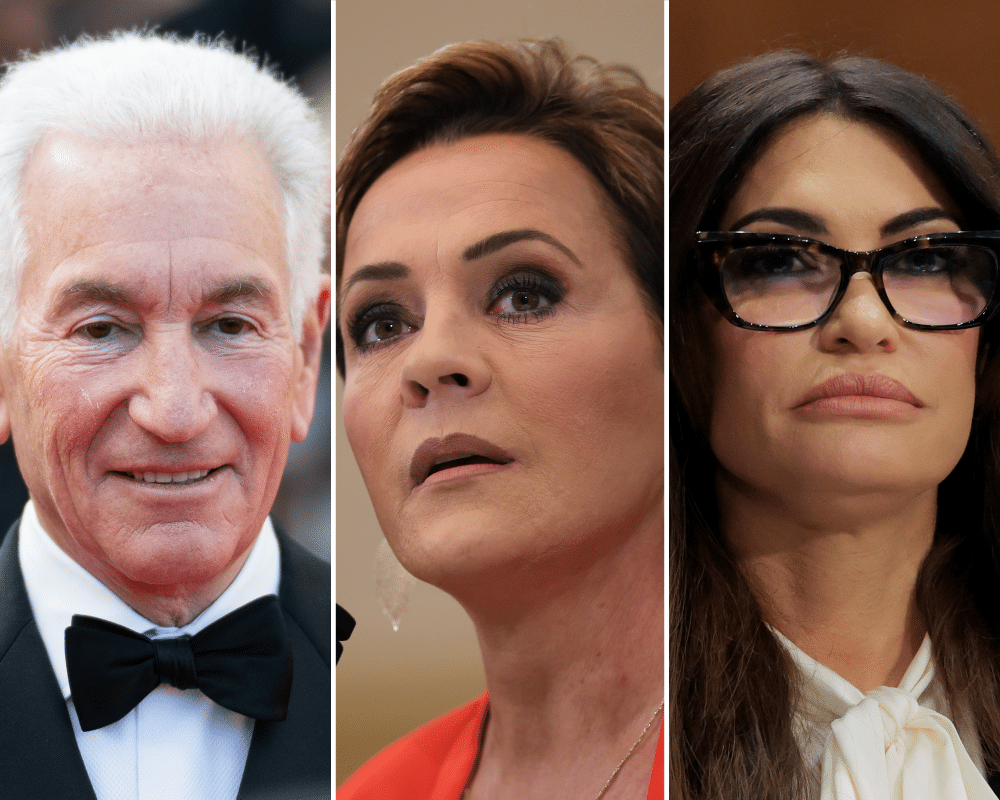
Kimberly Guilfoyle’s departure has renewed scrutiny of the president’s picks for diplomatic posts, from France to JamaicaDonald Trump has appointed family members, friends and loyal political allies to represent the US on the world stage, dispatching an extraordinary array of characters to embassies across the world.While presidents of both parties have long rewarded donors and allies with plum ambassadorships, Trump has chosen loyalists willing to go to bat for him regardless of the implication
While presidents of both parties have long rewarded donors and allies with plum ambassadorships, Trump has chosen loyalists willing to go to bat for him regardless of the implications for US-foreign relationships.
Russia fired 39 ballistic missiles and more than 120 drones at Ukraine’s energy system overnight into 14 October, President Volodymyr Zelenskyy said. The barrage came three days after US President Donald Trump announced an energy ceasefire, which the Kremlin never confirmed, saying on 12 October only that contacts were continuing.
Ukraine held off strikes on Russian energy for two days after the announcement, Zelenskyy wrote on 13 October. Russia’s barrage opened that evening with a bal
Russia fired 39 ballistic missiles and more than 120 drones at Ukraine’s energy system overnight into 14 October, President Volodymyr Zelenskyy said. The barrage came three days after US President Donald Trump announced an energy ceasefire, which the Kremlin never confirmed, saying on 12 October only that contacts were continuing.
Ukraine held off strikes on Russian energy for two days after the announcement, Zelenskyy wrote on 13 October. Russia’s barrage opened that evening with a ballistic strike on Kyiv. For the second time in two days, it came without a launch warning from partners.
How the night unfolded
The Air Force described one massive combined strike that began at 18:00 on 13 October. By 09:00 the next day, it had counted 39 missiles on ballistic trajectories and 128 drones, aimed mainly at Kyiv, Kyiv Oblast, and Kharkiv Oblast. Air defenses downed or suppressed four missiles and 115 drones, but missiles and drones hit 22 locations, the Air Force said.
Explore further
Russian ballistic missiles hit Kyiv before sirens, gap that lands hard amid fears that Washington could cut data that warns of launches
The first wave hit Kyiv late on 13 October. Its primary target was CHP-4, a key power plant in the city, and there were hits, Zelenskyy said. Ukrainian systems spotted the missiles only on approach, with no warning from partners. After a call with Canadian Prime Minister Mark Carney, Zelenskyy wrote that Ukraine had not been warned for the second time. On 13 October, Trump said the US was still sharing intelligence with Ukraine.
A Russian strike also hit a high-rise in Desnianskyi district. Rescuers saved 16 residents, the State Emergency Service reported, and three women were killed there, the Kyiv City Prosecutor’s Office said. The prosecutor’s office counted 19 injured in the building, including a girl officials described as seven or eight, and five more hurt by shattered windows next door. Across Kyiv, the evening and morning attacks killed four people and injured 25, the prosecutor’s office said, while Suspilne counted 32 injured.
A rescuer helps a person evacuate a building in Kyiv after Russia’s 13–14 October 2026 attack. Photo: Kyiv State Emergency Service
The second wave came early on 14 October and hit several of the capital’s energy facilities, Kyiv Mayor Vitali Klitschko reported. It killed one person in Holosiivskyi district, he added. Russia attacked all three of Kyiv’s combined heat and power plants and key facilities in Kyiv Oblast that power the capital, Prime Minister Serhii Koretskyi said. Energy company DTEK reported emergency outages in five Kyiv districts.
Damage and demands
Zelenskyy reported damage to facilities and equipment at 26 elements of the power system and at four oil and gas facilities. At least 600,000 people lost electricity, he said, and outages could grow. He called the strike deliberate and said Russia had never before shown such demonstrative disrespect toward America.
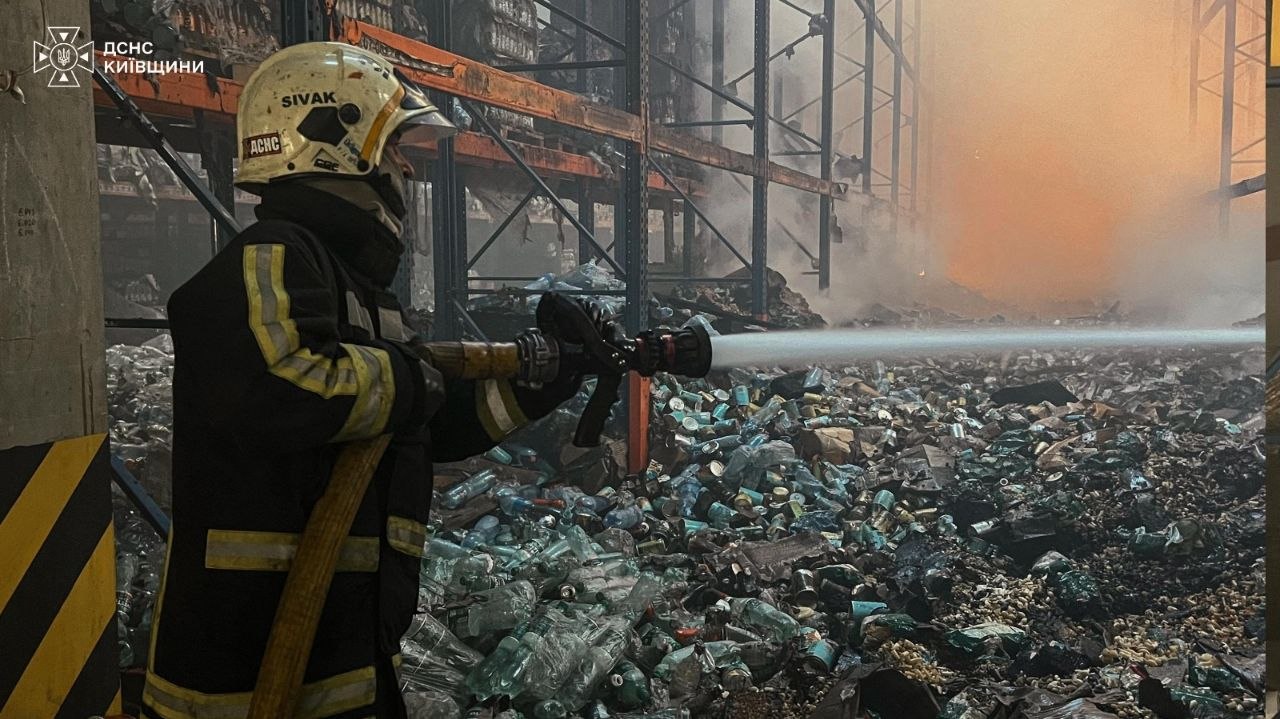
A rescuer at the site of a Russian strike in Kyiv, 13–14 October 2026. Photo: Kyiv State Emergency Service
He asked Trump for strong sanctions under the Lindsey Graham sanctions law, which he said was recently passed and signed. He also asked for additional Patriot interceptors.
Breaking a weekslong silence, Thélyson Orélien, a Haitian-Canadian writer, still rejected accusations about his new novel, ‘It Was Either That or Die.’
Breaking a weekslong silence, Thélyson Orélien, a Haitian-Canadian writer, still rejected accusations about his new novel, ‘It Was Either That or Die.’
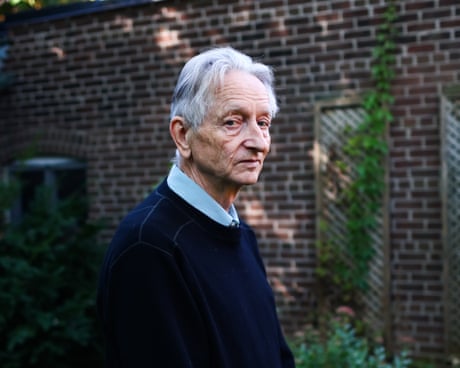
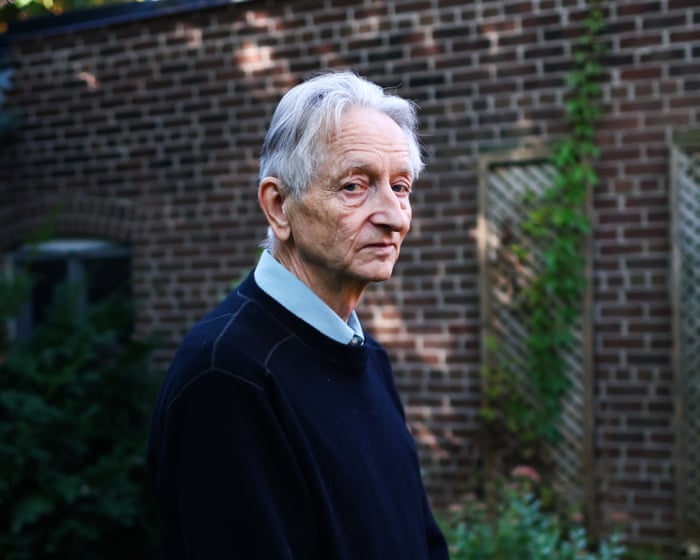
Pioneering computer scientist on why Trump is using ‘superintelligence’ wrong, whether AI could wipe out humanity – and how our biggest challenge will be accepting we’re not the only intelligent beingsDonald Trump is a “corrupt, senile felon” whose fixation on the term superintelligence proves he knows nothing about AI, said Geoffrey Hinton, “godfather” of the technology, in a wide-ranging interview where he doubled down on recent warnings that AI models pose an existential threat to humanity an
Pioneering computer scientist on why Trump is using ‘superintelligence’ wrong, whether AI could wipe out humanity – and how our biggest challenge will be accepting we’re not the only intelligent beings
Donald Trump is a “corrupt, senile felon” whose fixation on the term superintelligence proves he knows nothing about AI, said Geoffrey Hinton, “godfather” of the technology, in a wide-ranging interview where he doubled down on recent warnings that AI models pose an existential threat to humanity and scoffed at claims the industry could regulate itself.
The pioneering computer scientist, whose work helped lay the foundations of modern AI, has since become one of the technology’s most vocal critics. His latest remarks come after a tumultuous month during which a growing list of senior AI scientists and researchers havejoined Hinton in ringingthealarm about how the technology he helped create could ultimately escape human control, sparking an industry crisis, the hasty assembly of congressional meetings and a rare global consensus that something must be done.
In Iqaluit, the only city in Canada’s Arctic, a new generation of Inuit writers and artists is turning questions of language, land and identity into books, films and even tattoos.
In Iqaluit, the only city in Canada’s Arctic, a new generation of Inuit writers and artists is turning questions of language, land and identity into books, films and even tattoos.

 Connexion