 Connexion
Theodore Ushev - ONF
15 octobre 2026 à 19:28
Films réalisés par Theodore Ushev accessible pour visionnage en ligne sur ONF.ca.
— Permalien
— Permalien


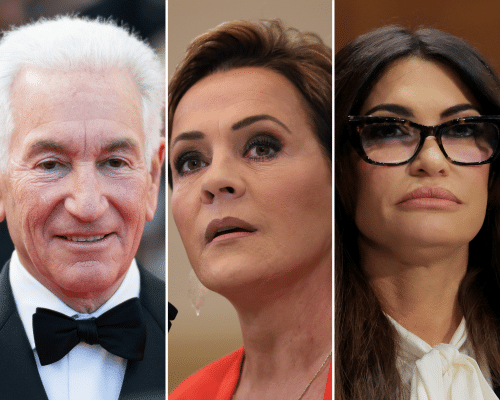
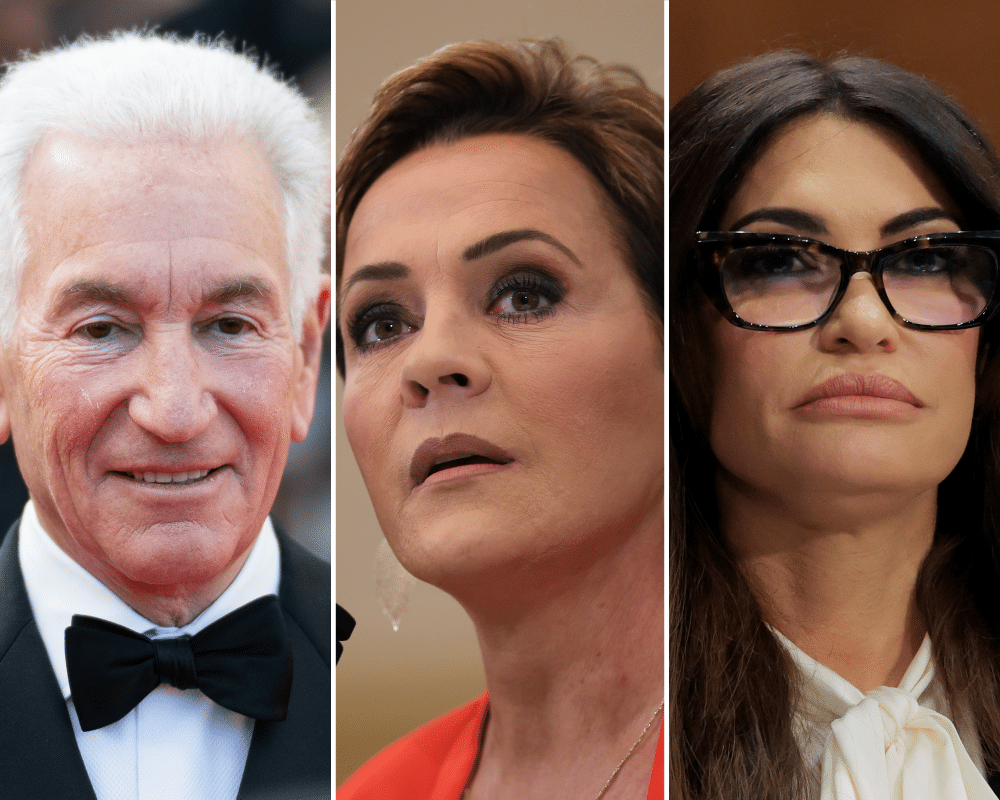
Kimberly Guilfoyle’s departure has renewed scrutiny of the president’s picks for diplomatic posts, from France to Jamaica
Donald Trump has appointed family members, friends and loyal political allies to represent the US on the world stage, dispatching an extraordinary array of characters to embassies across the world.
While presidents of both parties have long rewarded donors and allies with plum ambassadorships, Trump has chosen loyalists willing to go to bat for him regardless of the implications for US-foreign relationships.
Continue reading...
© Photograph: Getty Images
© Photograph: Getty Images
© Photograph: Getty Images

Russia fired 39 ballistic missiles and more than 120 drones at Ukraine’s energy system overnight into 14 October, President Volodymyr Zelenskyy said. The barrage came three days after US President Donald Trump announced an energy ceasefire, which the Kremlin never confirmed, saying on 12 October only that contacts were continuing.
Ukraine held off strikes on Russian energy for two days after the announcement, Zelenskyy wrote on 13 October. Russia’s barrage opened that evening with a ballistic strike on Kyiv. For the second time in two days, it came without a launch warning from partners.
The Air Force described one massive combined strike that began at 18:00 on 13 October. By 09:00 the next day, it had counted 39 missiles on ballistic trajectories and 128 drones, aimed mainly at Kyiv, Kyiv Oblast, and Kharkiv Oblast. Air defenses downed or suppressed four missiles and 115 drones, but missiles and drones hit 22 locations, the Air Force said.
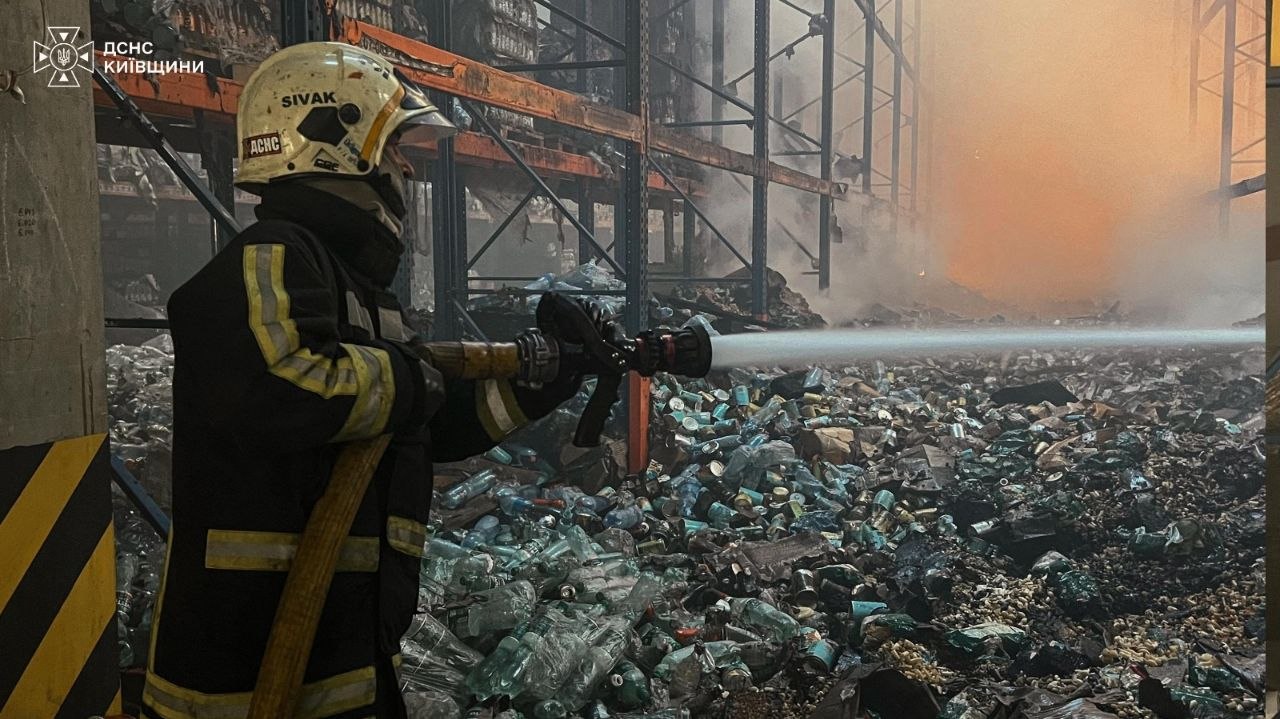
The first wave hit Kyiv late on 13 October. Its primary target was CHP-4, a key power plant in the city, and there were hits, Zelenskyy said. Ukrainian systems spotted the missiles only on approach, with no warning from partners. After a call with Canadian Prime Minister Mark Carney, Zelenskyy wrote that Ukraine had not been warned for the second time. On 13 October, Trump said the US was still sharing intelligence with Ukraine.
A Russian strike also hit a high-rise in Desnianskyi district. Rescuers saved 16 residents, the State Emergency Service reported, and three women were killed there, the Kyiv City Prosecutor’s Office said. The prosecutor’s office counted 19 injured in the building, including a girl officials described as seven or eight, and five more hurt by shattered windows next door. Across Kyiv, the evening and morning attacks killed four people and injured 25, the prosecutor’s office said, while Suspilne counted 32 injured.

The second wave came early on 14 October and hit several of the capital’s energy facilities, Kyiv Mayor Vitali Klitschko reported. It killed one person in Holosiivskyi district, he added. Russia attacked all three of Kyiv’s combined heat and power plants and key facilities in Kyiv Oblast that power the capital, Prime Minister Serhii Koretskyi said. Energy company DTEK reported emergency outages in five Kyiv districts.
Zelenskyy reported damage to facilities and equipment at 26 elements of the power system and at four oil and gas facilities. At least 600,000 people lost electricity, he said, and outages could grow. He called the strike deliberate and said Russia had never before shown such demonstrative disrespect toward America.

He asked Trump for strong sanctions under the Lindsey Graham sanctions law, which he said was recently passed and signed. He also asked for additional Patriot interceptors.

© Nasuna Stuart-Ulin for The New York Times
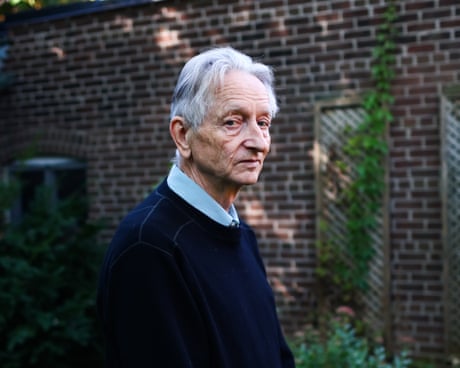
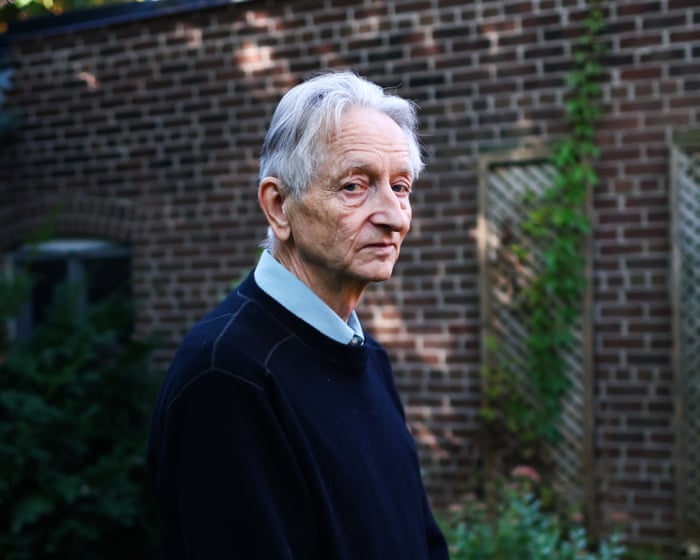
Pioneering computer scientist on why Trump is using ‘superintelligence’ wrong, whether AI could wipe out humanity – and how our biggest challenge will be accepting we’re not the only intelligent beings
Donald Trump is a “corrupt, senile felon” whose fixation on the term superintelligence proves he knows nothing about AI, said Geoffrey Hinton, “godfather” of the technology, in a wide-ranging interview where he doubled down on recent warnings that AI models pose an existential threat to humanity and scoffed at claims the industry could regulate itself.
The pioneering computer scientist, whose work helped lay the foundations of modern AI, has since become one of the technology’s most vocal critics. His latest remarks come after a tumultuous month during which a growing list of senior AI scientists and researchers have joined Hinton in ringing the alarm about how the technology he helped create could ultimately escape human control, sparking an industry crisis, the hasty assembly of congressional meetings and a rare global consensus that something must be done.
Continue reading...
© Photograph: Cole Burston/The Guardian
© Photograph: Cole Burston/The Guardian
© Photograph: Cole Burston/The Guardian

© Renaud Philippe for The New York Times

© Patrick Doyle/Reuters

© Alex Kent/The New York Times
Lithuania and Canada were also pressured to withdraw, and days before #Disinfo2026, logos were wiped off website
The Trump administration pressured multiple countries to withdraw their sponsorship of a leading European conference on disinformation, with Canada, Lithuania and the EU’s diplomatic service subsequently agreeing to do so, the Guardian understands.
The conference, #Disinfo2026, taking place Wednesday and Thursday, is the annual meetup of Europe’s counter-disinformation community and has drawn hundreds of researchers, journalists, technologists and policymakers to a hotel in Vilnius, Lithuania. It is run by an independent Brussels non-profit, EU Disinfo Lab.
Continue reading...
© Photograph: Brendan Smialowski/AFP/Getty Images
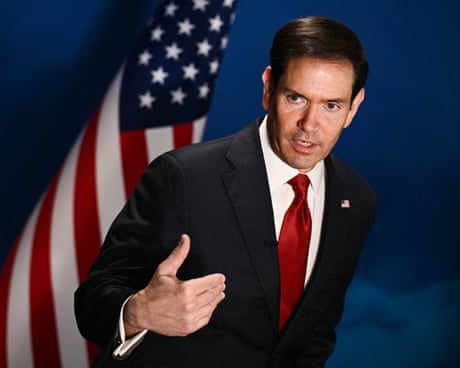
© Photograph: Brendan Smialowski/AFP/Getty Images
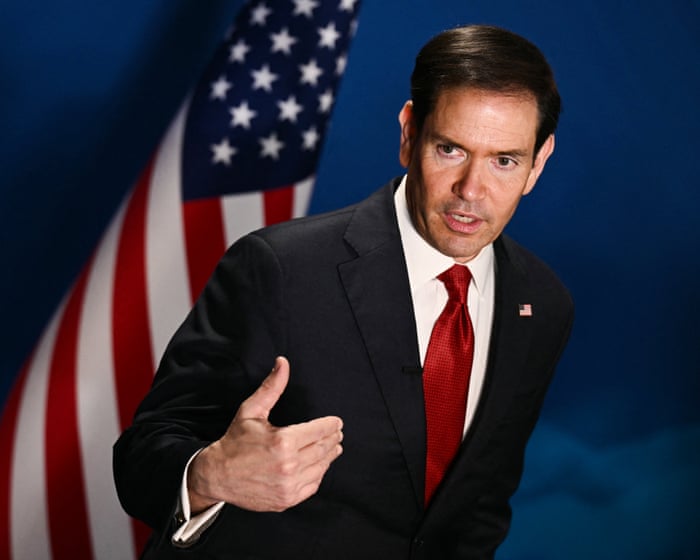
© Photograph: Brendan Smialowski/AFP/Getty Images

© Blair Gable/Reuters

© Cole Burston for The New York Times
A chippy and at times ugly friendly nonetheless gave Mauricio Pochettino’s side four wins out of four, with another young player making the difference.
Before 1878, a referee trying to get players’ attention was left to waive a white handkerchief in the air. It was an imperfect practice, asking an infractor to be self-aware enough to look for a doffed doily after hard contact. The game forever changed when Joseph Hudson, a Birmingham-bred tool maker who founded Acme Whistles, showed up to an FA Cup match in 1878 with his signature product in tow.
On Tuesday, nearly 150 years after Hudson’s innovation, referee Steven Madrigal paid the architect a hearty tribute.
Continue reading...
© Photograph: Abbie Parr/AP
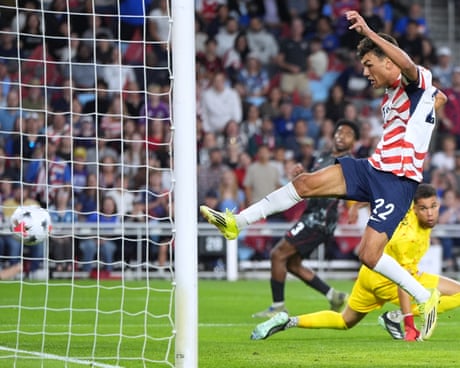
© Photograph: Abbie Parr/AP
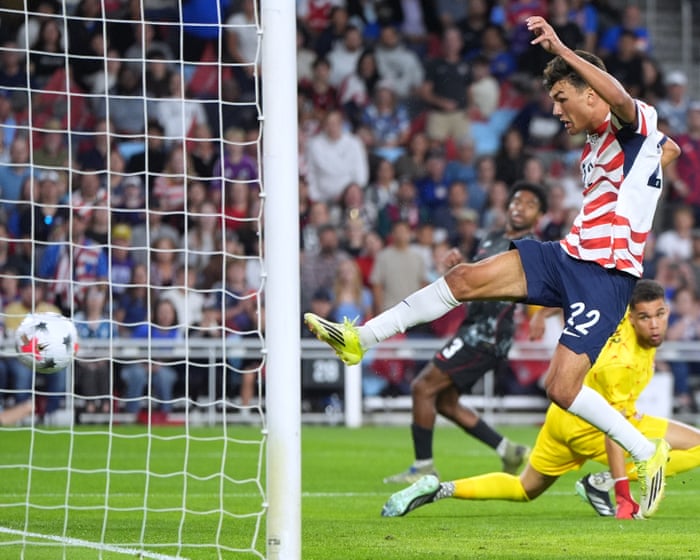
© Photograph: Abbie Parr/AP

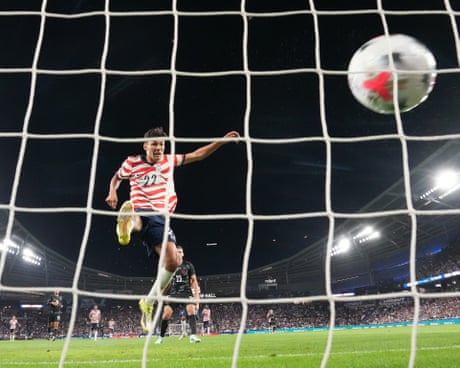
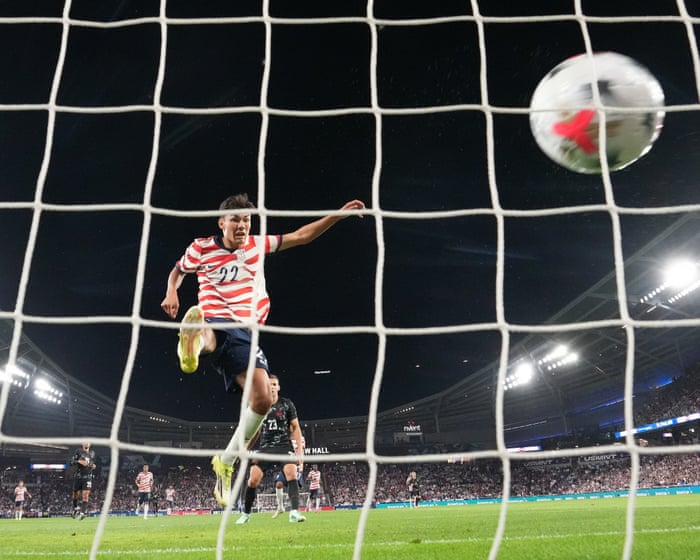
Justin Ellis scored in the first half to cap a perfect elongated international window for Mauricio Pochettino’s side.
Jeff is at the game.
Meanwhile, Pablo Maurer is following the Messi farewell:
Goalkeeper feels like a re-opened competition after shaky halves from World Cup incumbents Matt Freese and Chris Brady, while Diego Kochen shone bright in his first start against Mexico. Brian Schwake will try to make his case from the opening whistle, looking to carry his fine form with Nashville into his second appearance.
I was hoping to see Auston Trusty partner with Chris Richards, as he seems like the best partner in a post-Tim Ream US side, but he looks set to deploy at left-back. That said, Alex Freeman will likely advance further up the right, and Trusty could deputize as a wide center-back in build-up phases.
Mathis Albert may not yet be a regular with Dortmund’s B-team, much less the senior side, but his dynamism throughout this camp earned him a surprise start over the more polished and proven Zavier Gozo. A fascinating chance to get a long look at another star of the program’s future.
Continue reading...
© Photograph: Abbie Parr/AP
© Photograph: Abbie Parr/AP
© Photograph: Abbie Parr/AP
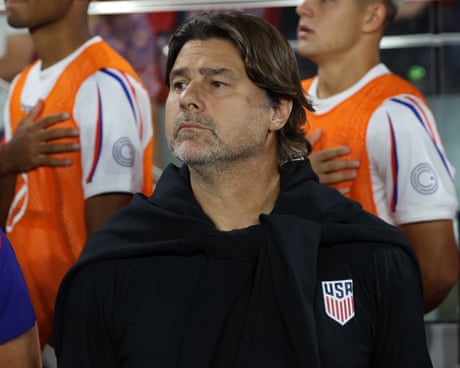
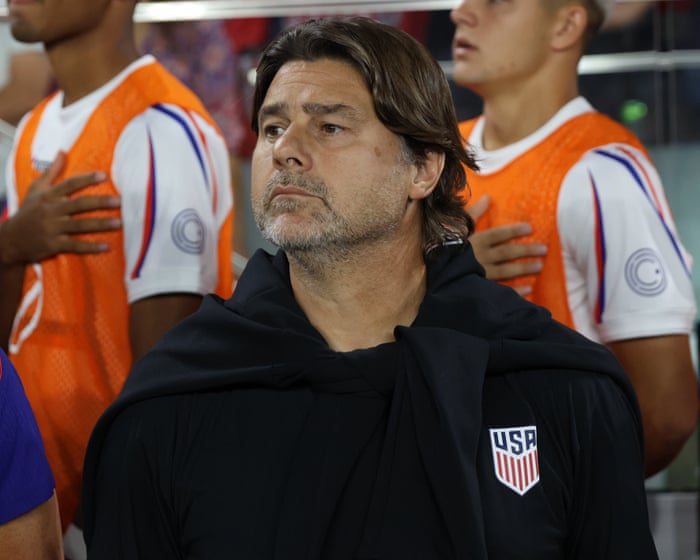
How will the USA and Canada fare today? Here is what to know, including kick-off time, TV channels and live stream options
Basking in the glow of a 3-0 win over Mexico on Saturday, the US men’s national team are in a good place right now. A fourth straight win would make this window a resounding success for Mauricio Pochettino and his players.
Canada, however, have won their last two encounters with the USMNT, and are fresh from back-to-back victories over Chile and Peru. Jesse Marsch’s side have good reason to believe they can leave Minnesota with a third successive win.
Continue reading...
© Photograph: Taylor Nickerson/ZUMA Press Wire/Shutterstock
© Photograph: Taylor Nickerson/ZUMA Press Wire/Shutterstock
© Photograph: Taylor Nickerson/ZUMA Press Wire/Shutterstock

Military families say Trump officials ‘owe us an apology’ after disparaging remarks by JD Vance, Pete Hegseth and others
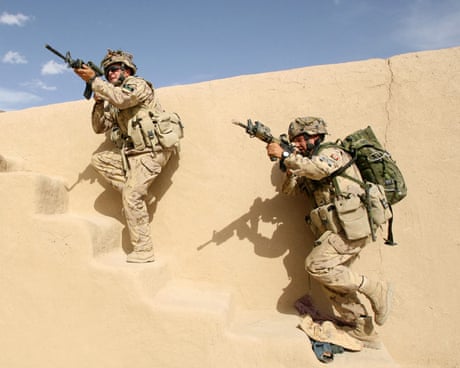
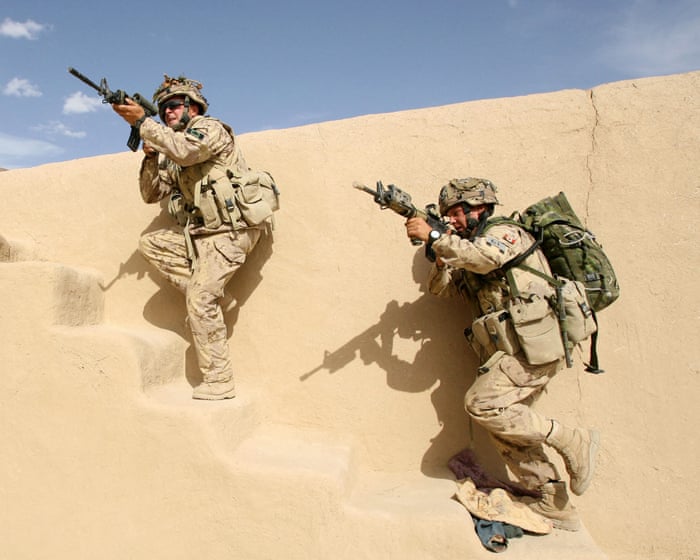
On the morning of 11 September 2001, Perry Chalmers was running drills for the Royal Canadian Regiment’s specialised mortar platoon in New Brunswick when he heard the news: America was under attack. Word quickly spread across the base. “I went inside to watch the news,” the former corporal recalls. “And there was a huge feeling of – and you’re going to have to excuse me – holy shit. What the fuck just happened?”
Chalmers called his wife, who informed him that, just before 10:30am, the second of the World Trade Center towers had fallen. With that, his battalion was put on notice: dispatched to nearby airports to assist in the forced landings of commercial aircraft after the shutdown of North American airspace.
The Canadian troops went to retrieve their rucksacks and any other necessities, should they need to spring into action at a moment’s notice. As Chalmers recalls: “Things started to happen really quickly.”
Continue reading...
© Photograph: John D Mchugh/AFP/Getty Images
© Photograph: John D Mchugh/AFP/Getty Images
© Photograph: John D Mchugh/AFP/Getty Images

© Andrej Ivanov/Agence France-Presse — Getty Images

© Andrej Ivanov/Agence France-Presse — Getty Images

© U.S. Coast Guard

© Justin Tang/The Canadian Press

© Renaud Philippe for The New York Times
