Connexion

Ukrainian marines cleared about 6 km² near Pokrovsk without losses. The Russians they faced got a can of meat a week
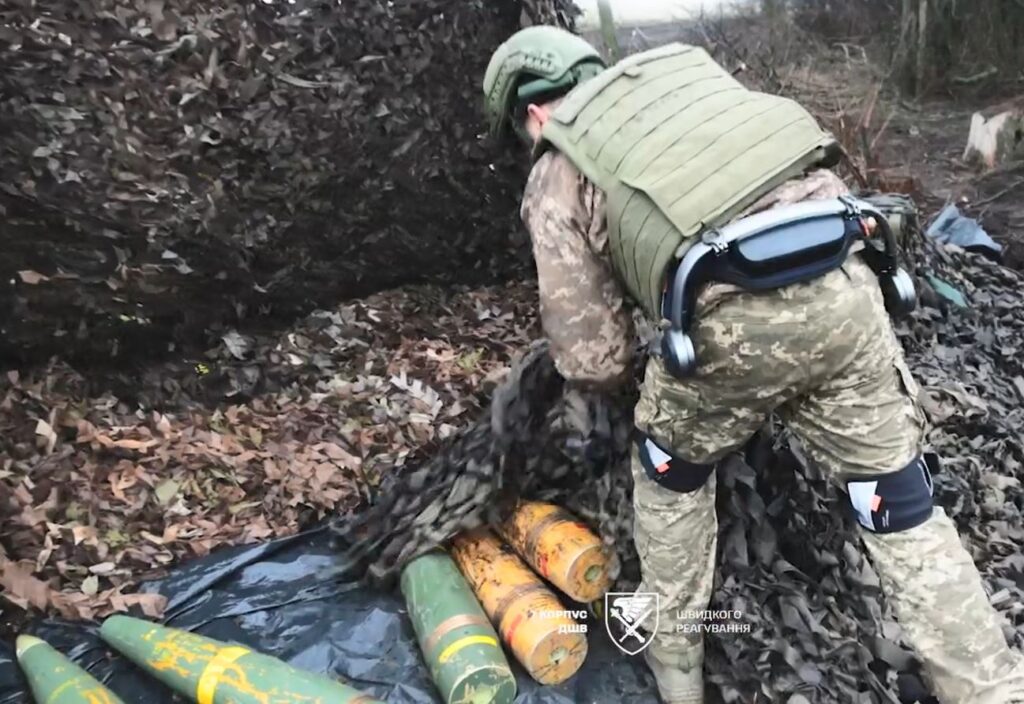
Ukrainian marines planned a clearing operation near Pokrovsk for about a month, their deputy commander said in remarks relayed by Army Inform. The Defense Ministry’s news agency published them on 12 October. He also described the Russian infantry the marines captured as barely trained, hungry, and unwilling to fight.
Russia seized Pokrovsk by seeping small infantry groups into the city a few at a time. Beyond the city, Russian advances stayed limited. ISW assessed on 25 February that the capture brought no further operationally significant gains. Small advances continued, and DeepState mapped one near Bilytske in Donetsk Oblast on 7 October. Every stretch where Ukrainian units stop that infiltration closes the route Russia used to take the city.
What the operation produced
Karyi, the 40th Separate Marine Brigade’s deputy commander, said that Operation Audit cleared about 6 km². The marines suffered no losses while inflicting them on the Russians, he said, and gathered a lot of intelligence. He promised the enemy many more surprises.

The brigade had announced an operation by the same name on 26 September. It said then that the marines had cleared 5 km² and captured two Russian soldiers. The brigade also said they had stopped the flow of Russian infiltration on that stretch of the Pokrovsk direction.
Two weeks of training, then the front
Karyi called the two prisoners typical of the Russian infantry now sent against the marines, with all of two weeks’ training behind them. He said Russian recruits spend a month on transfers and paperwork before going into battle. They then walk to their positions for one or two weeks.
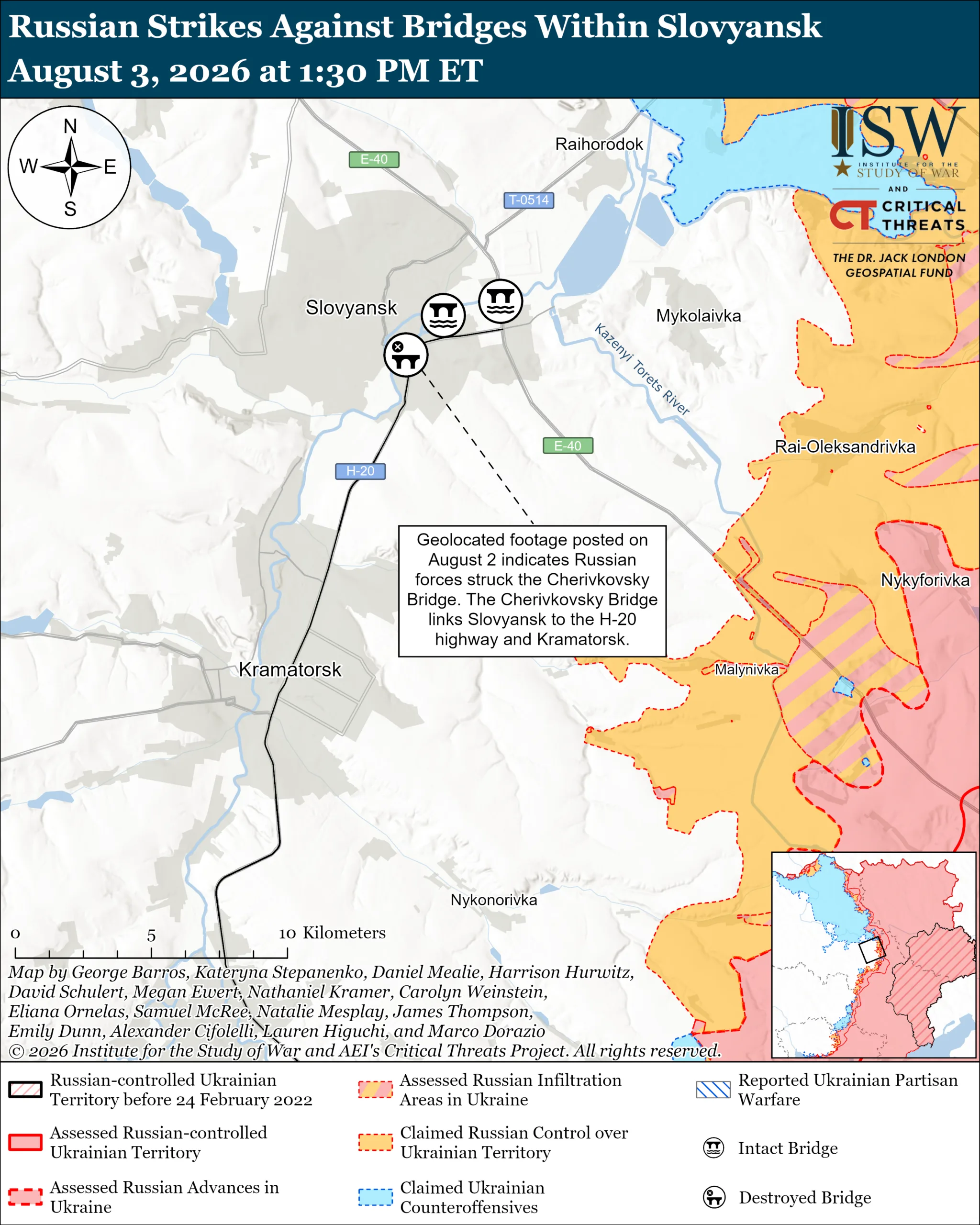
ISW: First Pokrovsk, then Huliaipole—now Russia points its logistics-killing air campaign at the Fortress Belt
If drones or Ukrainian ground groups don’t kill them first, he said, they surrender because they no longer want to fight. They are not fed or given water. He described one parcel a week with a can of stewed meat, and water drunk from the ground underfoot. That, Karyi said, is why the Russian troops facing the marines are demoralized and untrained.
Read also
-
Russia lost 2026-record 46,230 troops in September by Ukraine’s count, as fighting around Donetsk fortress cities grinds on
-
Drones now cause about 96% of Russia’s battlefield losses. Ukraine’s drone force says it has hit more than 100,000 Russian troops this year alone
-
Ukraine reruns its Vivaldi playbook outside Kramatorsk and pushes Russia back across the Siverskyi Donets, ISW says