La Russie a livré pour 320 milliards de dollars d'hydrocarbures à l'Europe depuis 2022


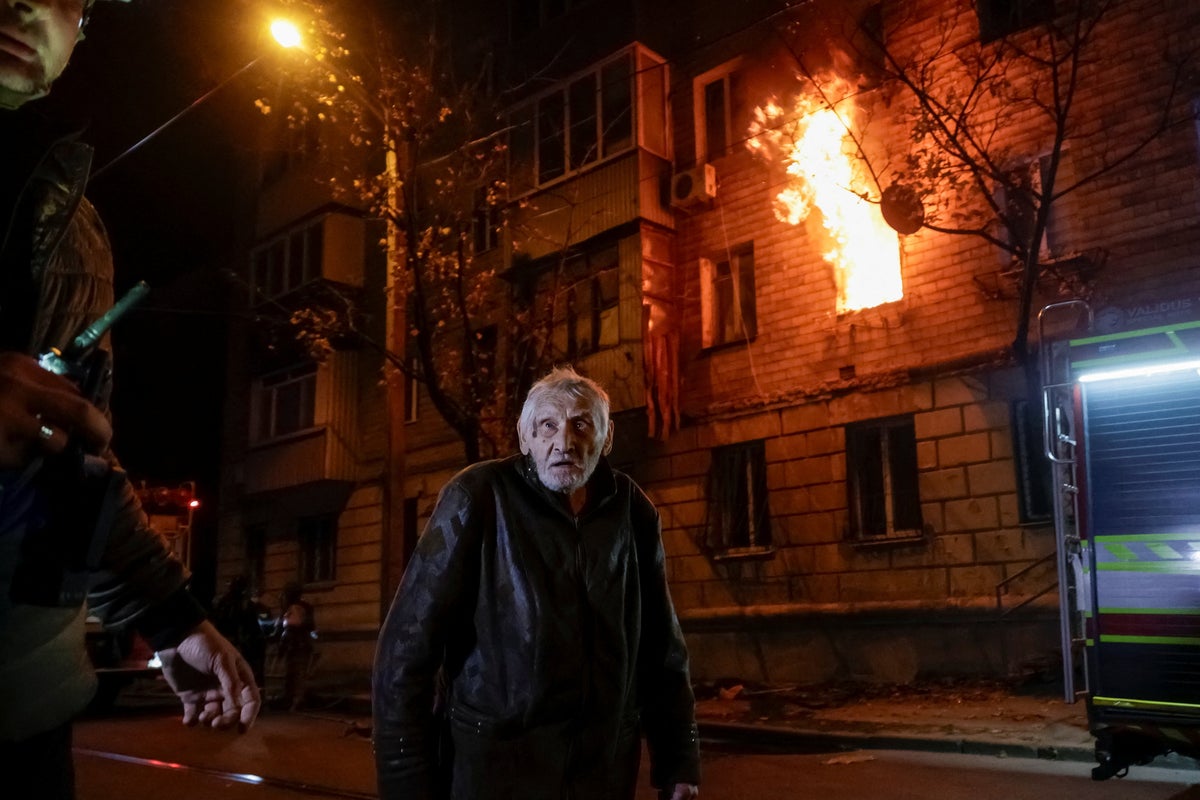
© Valentyn Ogirenko/Reuters


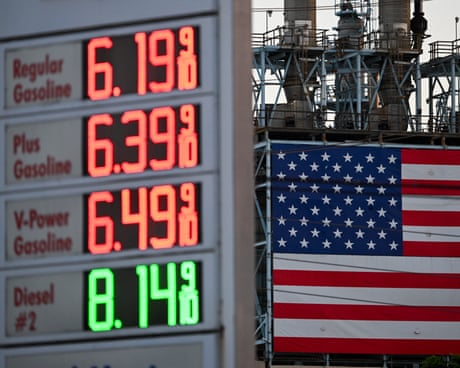
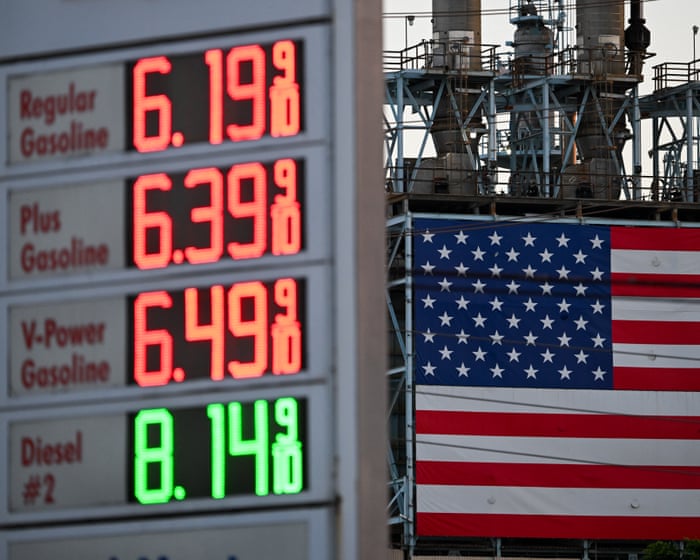
© Omar Marques/Getty Images


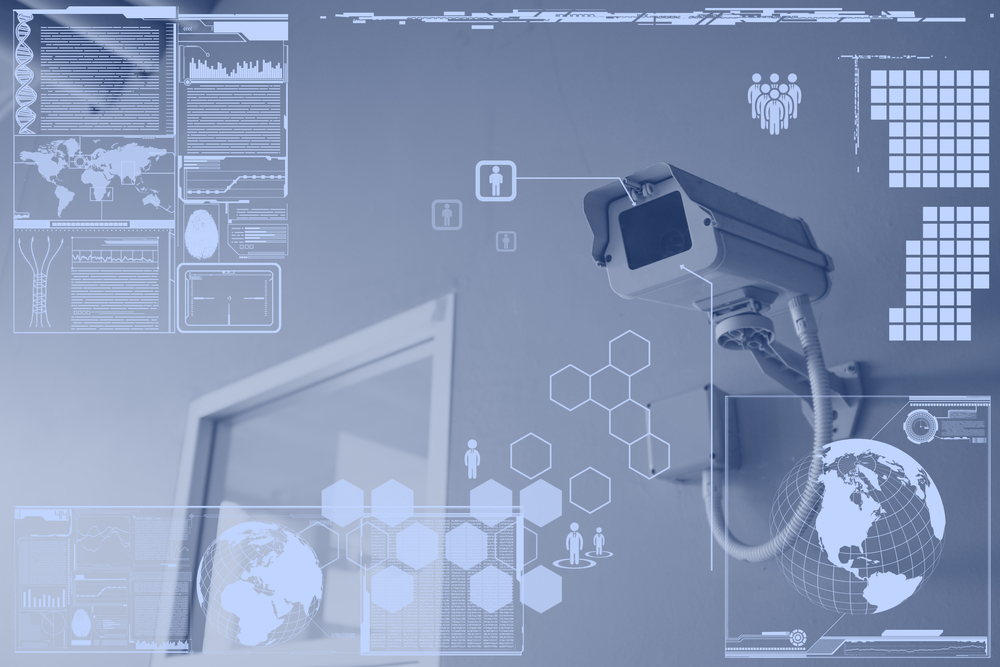
The ordinary security camera watching a street or a parking lot has quietly become a weapon of war. Ukraine’s Security Service has identified about 40,000 surveillance cameras since Russia’s 2022 invasion that Russian forces and spy agencies could have used to snoop, find targets and correct strikes, and has protected, reoriented or blocked them, The Wall Street Journal reported.
The discovered threat reaches well beyond Ukraine: Dutch intelligence warned in July that Russian state actors are systematically hacking cameras across Europe to track arms deliveries to Ukraine and the whereabouts of Ukrainian troops.
About 1.2 billion internet-connected cameras now watch the world, in doorbells, traffic lights, and baby monitors, and almost any of them can be hacked, the journalists found.
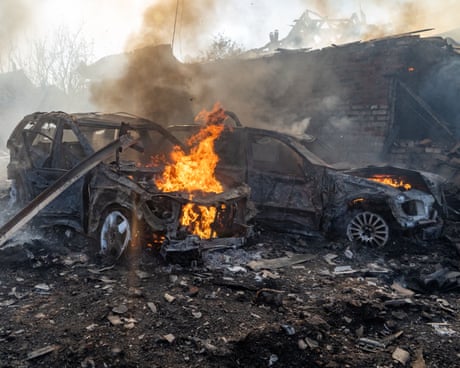
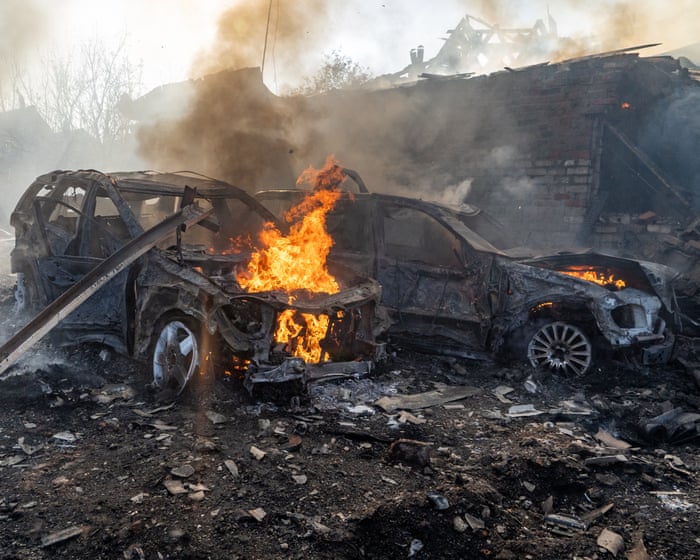
In Ukraine, the danger is lethal. In 2024, Russian hackers took over residential webcams in Kyiv, including one that a condominium association had installed, to find targets and adjust missile strikes on the capital, Ukraine's Security Service says.
Evidence of European reach keeps surfacing. Cybersecurity firm CloudSEK has recently uncovered an exposed server it suspects belongs to a Russian-speaking hacker, containing hundreds of webcam images of Ukrainian defense, government, energy, and communications sites, as well as scenes of daily life.
Many of the images came from locations near Ukraine’s border with NATO member Romania, CloudSEK says.
The Dutch warning and the server point the same way: cameras far from the front line are feeding Russia data on how the West arms Ukraine.
Ukraine also uses the same tactic inside the occupied territory. The international hacker group Team OneFist took control of a camera in Sevastopol, in occupied Crimea, and used it to watch Russian ships, submarines, and helicopters, spotting a previously unknown air base that Ukraine later struck, damaging planes and air defenses.
Team OneFist also reached cameras on the Kerch Strait Bridge, learning that Russia had installed motion sensors beneath the bridge to guard against waterborne attacks. Penetrating a well-placed camera gets analysts closer to targets at less risk than any secret agent.


The speech is expected to outline Nato’s response to a Russian attack in detail to deter Moscow
© Getty

Ukrainian leader says he was surprised by Trump’s ‘energy ceasefire’ announcement, posted as Russian drones hit Kyiv
Volodymyr Zelenskyy has vowed to respond to Russia’s continuing attacks on the Ukrainian power grid as European leaders rally around Kyiv amid a feud with Donald Trump over Ukraine’s strikes on oil refineries.
Speaking to a gathering of European security officials in Warsaw on Monday, the Ukrainian president said Kyiv would retaliate if strikes on its power grid continued: “If Russia does not agree to an energy ceasefire this winter, we will respond.”
Continue reading...
© Photograph: Andrii Marienko/AP

© Photograph: Andrii Marienko/AP

© Photograph: Andrii Marienko/AP


© AP

In a recent visit to Greece, the secretary of state suggested that Europe must rediscover the values of conquest and expansion
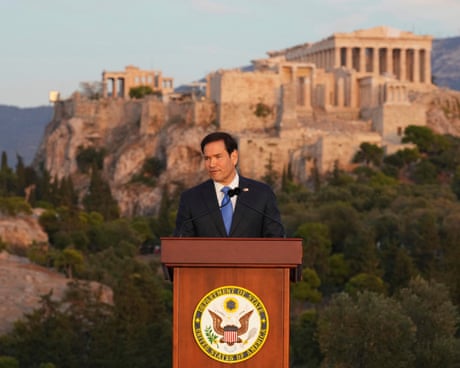
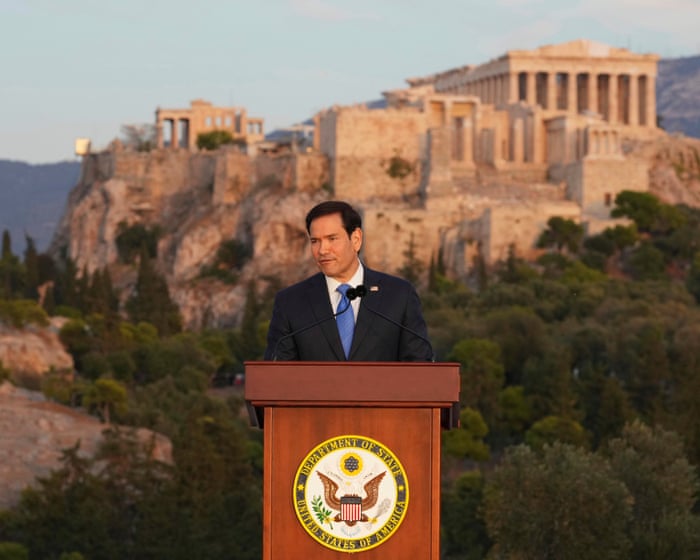
They had obviously worked hard on the backdrop – and it was magnificent. On 7 October, the US secretary of state, Marco Rubio, delivered a major speech in Athens, outdoors, with the Acropolis behind him. The sun was setting, bathing the ancient scene, including the Parthenon, in the light of the golden hour.
The golden hour, but yet not quite the golden age. This was not Pericles defending democracy. Instead, Rubio offered a haunting vision of the choices facing the west, arguing that the US and Europe must rediscover the values of exploration and conquest that once drove centuries of expansion, or face decline and irrelevance.
Continue reading...
© Photograph: Mark Schiefelbein/Pool AP/AP

© Photograph: Mark Schiefelbein/Pool AP/AP

© Photograph: Mark Schiefelbein/Pool AP/AP


© Tomas Munita for The New York Times
Moscow says it is ready to increase diesel output to pre-war levels, but Ukraine's allies say this will only fuel Vladimir Putin's war
© Reuters


Analysts say fuel will take weeks to ship and quantity is too small to affect prices, while full deal is unlikely to be met given damage to Russian refineries
Donald Trump’s deal with Vladimir Putin to temporarily lift sanctions on US imports of Russian diesel will have little “meaningful” effect on motorists and businesses in the US and overseas, energy and foreign policy analysts have predicted.
The US president infuriated Volodymyr Zelenskyy when he announced the deal on Friday, writing on Truth Social that the agreement with his Russia counterpart to supply millions of tonnes of diesel was essential to reduce fuel prices in the US, which have soared after his decision to go to war against Iran.
Continue reading...
© Photograph: Patrick T Fallon/AFP/Getty Images

© Photograph: Patrick T Fallon/AFP/Getty Images

© Photograph: Patrick T Fallon/AFP/Getty Images


Russia is expanding efforts to target European defense industry leaders as part of a broader campaign of sabotage and hybrid operations aimed at weakening support for Ukraine, the Financial Times reported on 11 October, citing officials from five European intelligence agencies.
The warnings come amid a wider increase in Russia-linked sabotage and other covert operations targeting European defense companies and critical infrastructure. Moscow is expanding its so-called hybrid warfare campaign against European countries as they continue to support Ukraine, using covert networks, intimidation, and suspected sabotage to undermine security and deter further assistance to Kyiv.
The FT reported that assassinations of civilian targets in Europe, once considered "taboo" even within Russian intelligence services, are becoming an increasingly prominent part of the Kremlin’s plans.
European intelligence officials told the FT that Russian operatives are targeting chief executives and senior employees at defense companies, including smaller firms manufacturing drones and drone components.
The campaign comes as Russia seeks to undermine European backing for Ukraine amid a battlefield stalemate and mounting pressure on the Russian economy.
The warnings have prompted defense companies to strengthen security around senior executives. Some have increased personal protection, while others have relocated production sites in response to suspected Russian threats, according to the FT.
Germany's domestic intelligence service, the BfV, has stepped up contact with employees and management at German defense companies and recommended that some use privately contracted close-protection teams, an agency official told the newspaper.
BfV chief Sinan Selen warned German lawmakers that Russia was deliberately planning acts of violence against individuals through state or state-controlled actors. He said the operations were evolving in their targets, methods, and use of organized crime networks.
According to the intelligence officials cited by the FT, Russia's military intelligence agency, the GRU, has adapted its methods by working more closely with criminal groups and dividing surveillance, logistics, planning, and execution among different operatives.
Officials said some plots had been disrupted, while other cases involved surveillance of targets at home and at work.
The campaign's intended effect extends beyond any individual attack. One European intelligence official told the FT that the threat is psychological, designed to make people reconsider doing business with Ukraine.
Although some Russian operations remain amateurish and have been detected early, the resulting uncertainty forces companies to devote more resources to security. Smaller firms, which may have fewer resources to protect their personnel and facilities, could be particularly vulnerable.
European defense executives have been on heightened alert since 2024, when US and German intelligence agencies uncovered a Russian plot against Rheinmetall CEO Armin Papperger, a prominent advocate of supplying weapons to Ukraine.
Papperger has said he now receives round-the-clock protection from private security personnel and police.
The FT reported that European intelligence agencies now view threats against defense industry leaders as part of a broader effort to disrupt the production and supply of weapons to Ukraine, rather than isolated plots against individual executives.


US president suggests Ukrainian president, Volodymyr Zelenskyy, has not done enough to end war
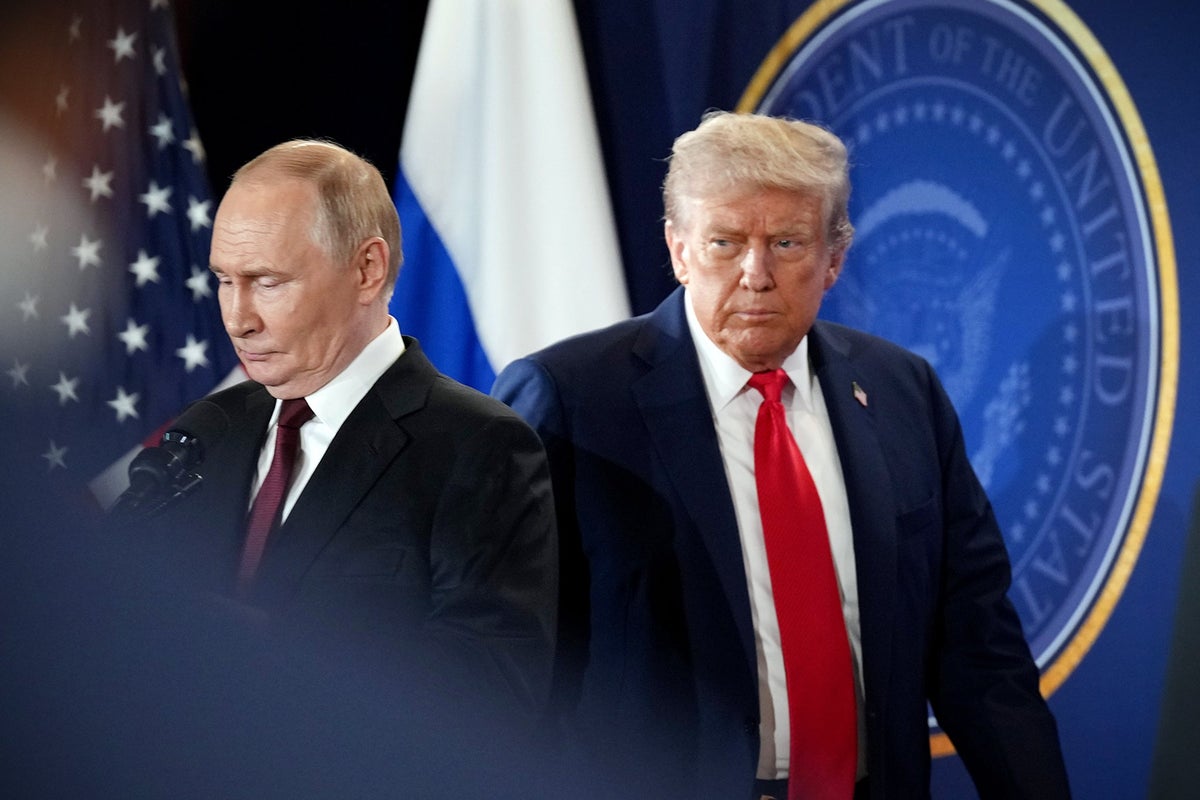
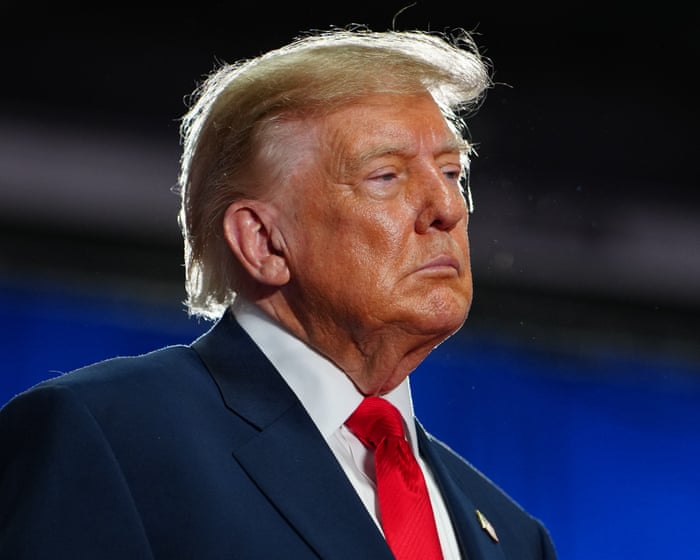
Donald Trump has said Ukraine needs “a new leader”, a day after making a deal with Vladimir Putin to buy large quantities of Russian diesel.
The US president suggested Volodymyr Zelenskyy has not done enough to end the war with Russia and blamed him for high diesel prices in the US.
Continue reading...
© Photograph: Reuters

© Photograph: Reuters

© Photograph: Reuters

Trump has announced a deal with Putin to increase Russian diesel supplies to the US

© Getty

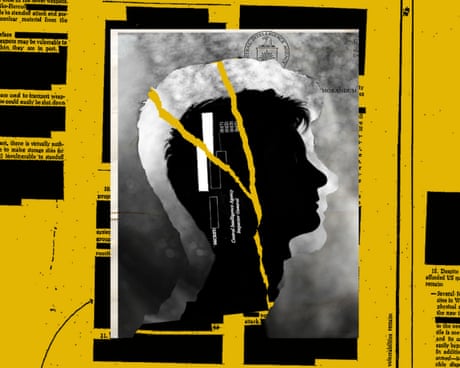
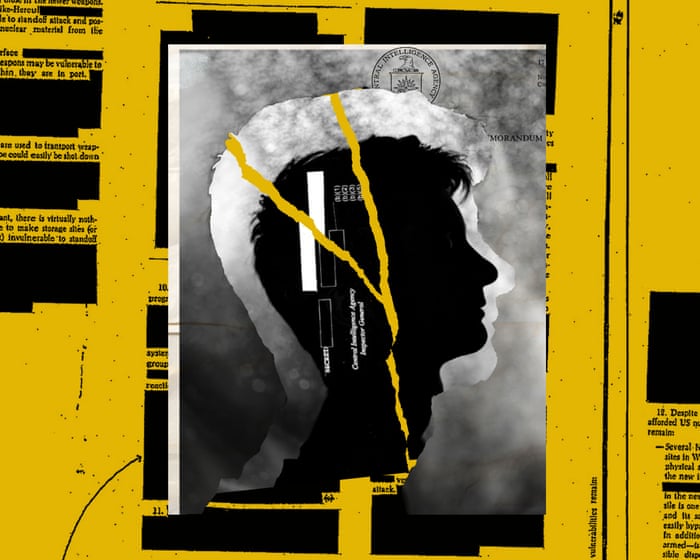
Dozens of CIA officers have been afflicted by debilitating symptoms over the past decade. Are they the result of ‘mass hysteria’? Or are they from attacks with an energy weapon and, if so, who is responsible? And has there been a cover-up?
Shortly after 1am one night in April 2019, a CIA officer on a work trip to London was jolted awake in his hotel room by the most intense head pain he had ever experienced. His body was soaked with sweat and he felt like his eyes were spinning in their sockets. He manoeuvred his way out of bed, hoping to make it to the bathroom to vomit, but found his sense of balance had deserted him. Eventually, he fell back into a fitful, shallow sleep.
The next day, arriving at the work meeting he had travelled for, the officer found he could not remember the names of colleagues in the room, people he knew well. As the meeting got under way, he could barely follow the discussion. Initially, he chalked it up to a terrible – if rather odd – case of food poisoning. But over subsequent weeks, worrying symptoms persisted: brain fog, loss of balance and increasingly harsh tinnitus.
Continue reading...
© Composite: Alex Mellon for the Guardian : Getty Images

© Composite: Alex Mellon for the Guardian : Getty Images

© Composite: Alex Mellon for the Guardian : Getty Images


President complains about not winning prize in year he started war with Iran and says: ‘We will not forget, Norway’
Donald Trump complained Friday about not winning the Nobel peace prize for 2026, a year in which he started a war with Iran.
At what was supposed to be a rally for other Republican candidates in Syracuse, New York, the US president devoted a long portion of his speech airing his grievances with the Nobel committee.
Continue reading...
© Photograph: Julia Demaree Nikhinson/AP

© Photograph: Julia Demaree Nikhinson/AP

© Photograph: Julia Demaree Nikhinson/AP

US president says agreement needed to lower fuel prices, but move likely to create fresh crisis with Ukraine and Nato allies
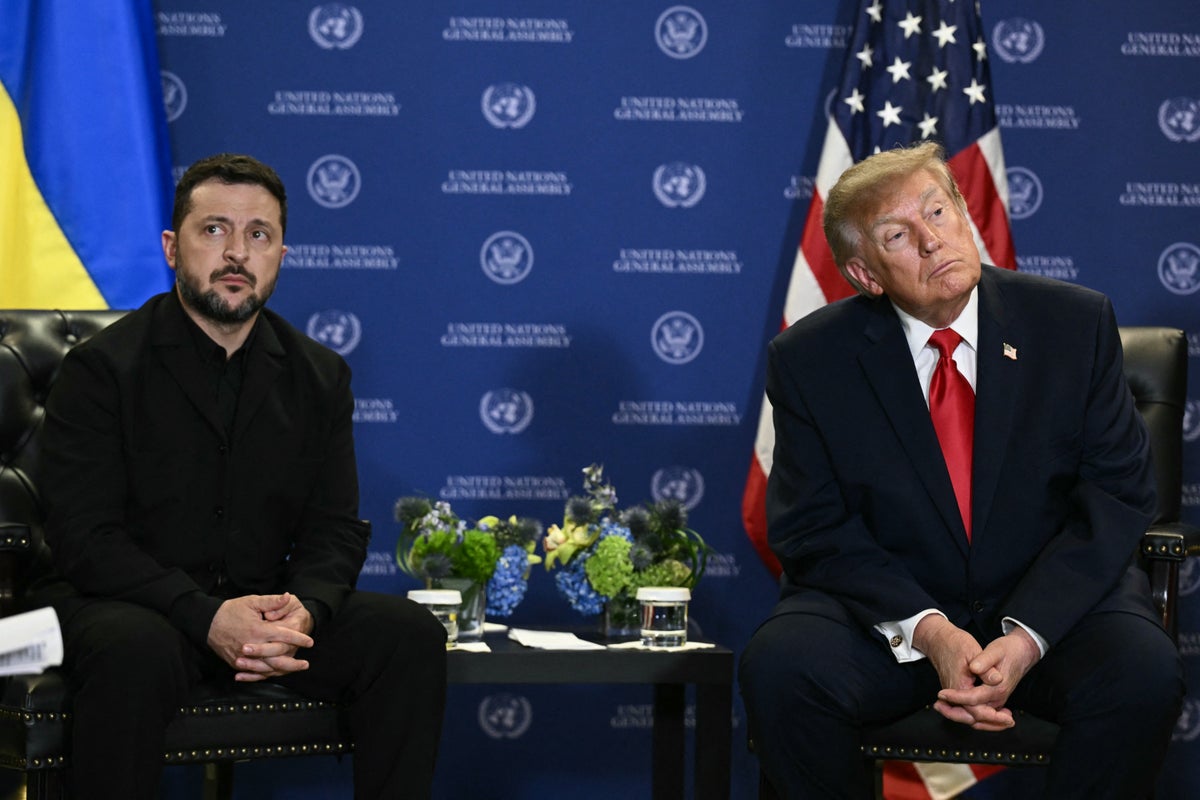
Donald Trump is on a fresh collision course with Volodymyr Zelenskyy and European allies after his stunning agreement to buy Russian diesel upended years of US and western pressure on the Kremlin to end its war against Ukraine.
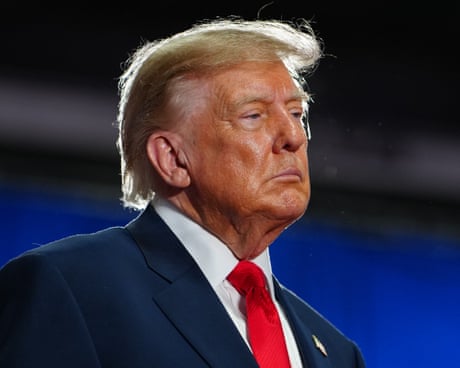
Zelenskyy reacted furiously to Trump’s announcement of the deal with Vladimir Putin on Friday, calling it “absolutely terrible” and “not fair and not honest”.
Continue reading...
© Photograph: Kent Nishimura/AFP/Getty Images

© Photograph: Kent Nishimura/AFP/Getty Images

© Photograph: Kent Nishimura/AFP/Getty Images


Student protests across France, Russian strikes on Kyiv, wildfires in Indonesia and Comic-Con in New York – the past seven days as captured by the world’s leading photojournalists
Continue reading...
© Photograph: Matthias Oesterle/Shutterstock

© Photograph: Matthias Oesterle/Shutterstock

© Photograph: Matthias Oesterle/Shutterstock


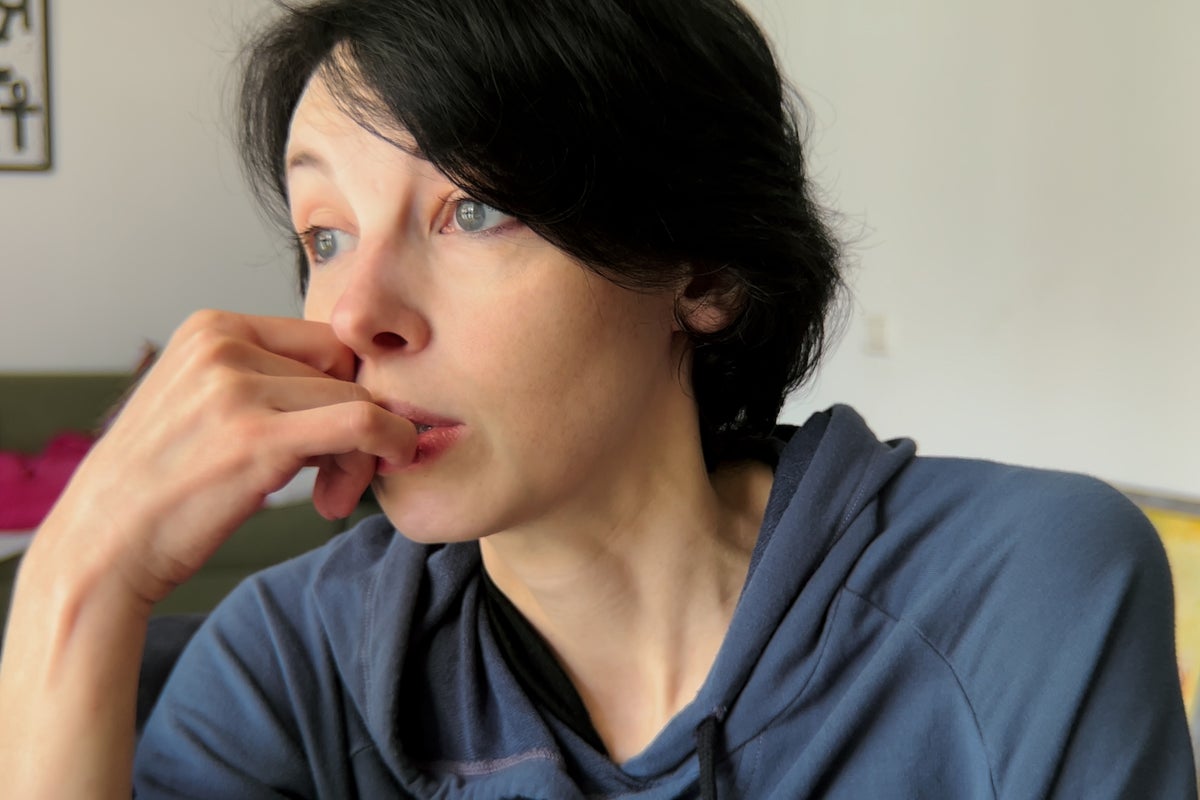
Julia Loktev has released a new film, ‘My Undesirable Friends: Part II — Exile,’ capturing the lives of Russian journalists who fled the country after the invasion of Ukraine

© Julia Loktev via AP

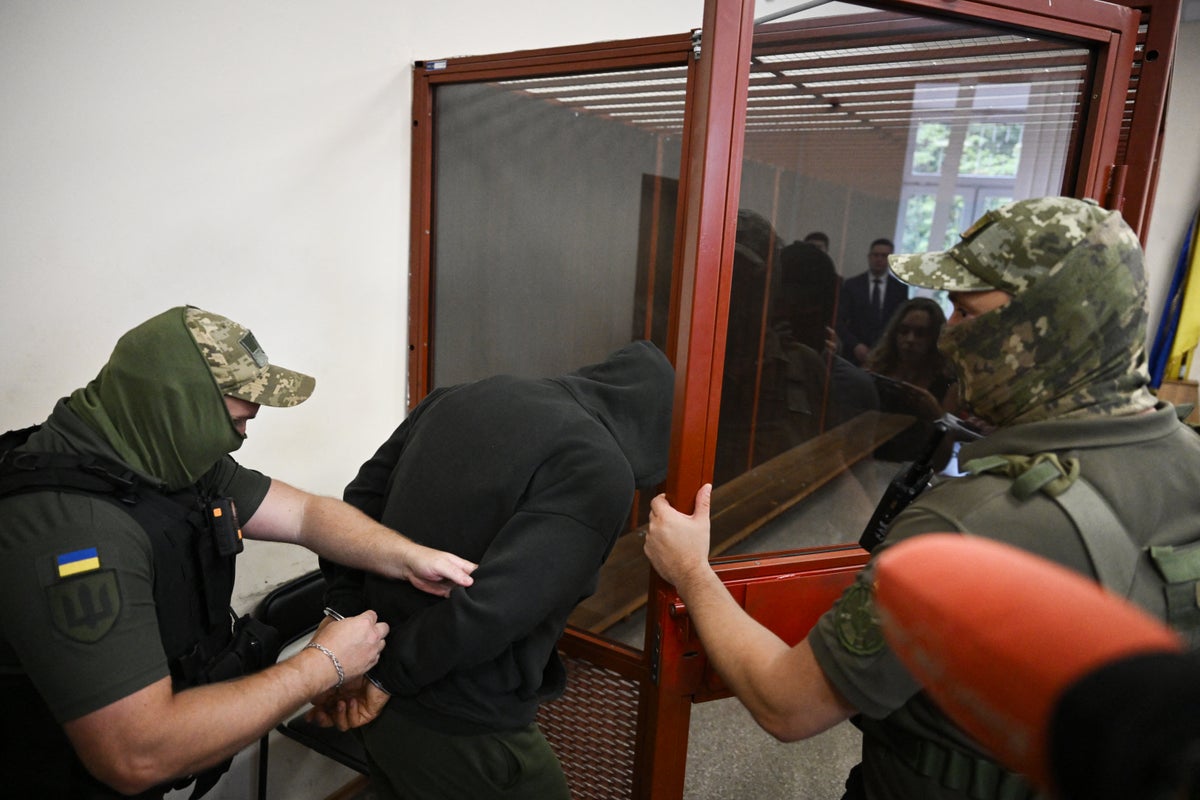
Former Ukrainian security service officer was accused of killing woman who allegedly planted bomb
© AFP/Getty
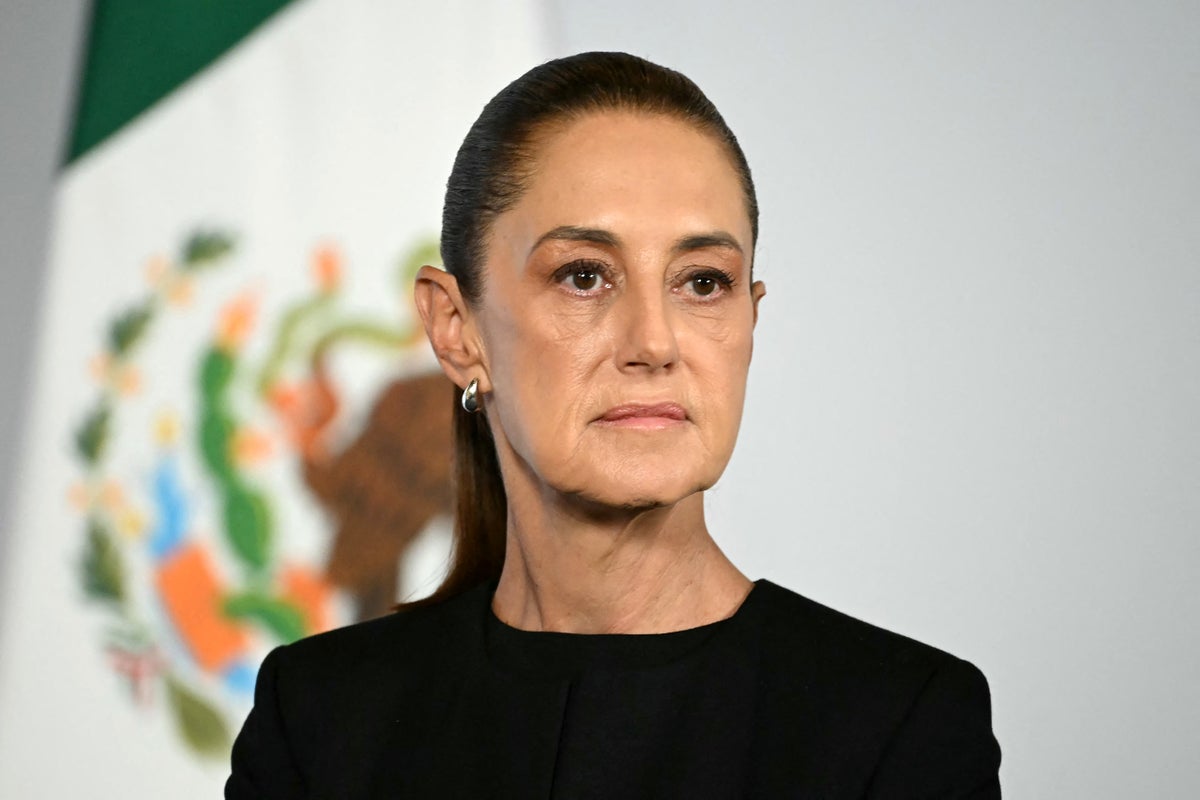
President Claudia Sheinbaum said the government is now reviewing the footage
© AFP/Getty


© Axel Schmidt/Reuters
Last year, Venezuelan opposition leader María Corina Machado won the Nobel Peace Prize
© Getty
The deal has not yet been confirmed by Ukraine or Russia
© AFP/Getty