❌

Vue normale

From making interceptors to guarding sky: Ukrainian drone maker gets its own private air defense unit and will pay for it from weapon sales
5 octobre 2026 à 15:28

ukraine spent three years learning catch russian drones—so russia made fly faster · post geran-3 jet-powered attack drone wild hornets c1c840787fca380485636007cf683d71 news ukrainian reports

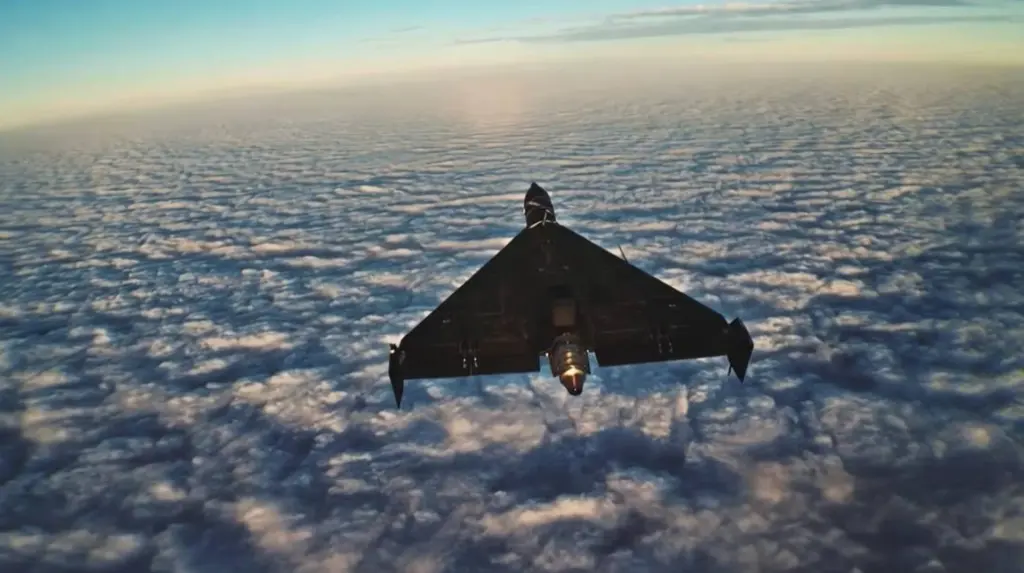
A Ukrainian drone maker just got its own air defense unit, and says it has already downed Russian jet-powered drones. Ukraine's Defense Ministry has issued an order granting the Night Hornets, the anti-Shahed unit of interceptor maker Wild Hornets, the status of a private air defense, and the company announced it is starting to build its own network of remotely launched interceptor drones.

Russia has sharply increased its use of jet-powered Shahed drones, which cuts the reaction time of Ukraine's mobile fire groups from about a minute to as little as six seconds. Now, a private company joins the air defense line, while Ukrainian military intelligence says Russia is producing up to 500 Geran-4 and Geran-5 jet drones a month.

The planned network will combine remote-control centers, a grid of remote interceptor launches built on the company's Hornet Vision Ctrl technology, and field positions. Wild Hornets will not sell protection for individual sites and will pay for the unit from drone sales profit.

"The unit has more than 50 downed Shaheds to its name, including jet-powered ones. We create technologies that work. We use them ourselves to protect our country," the company says.

Air Force commanders will direct the crews

The crews already go on daily combat duty alongside the military and will take orders from the Air Force command. The unit draws on Wild Hornets instructors and test pilots, including veterans of the war and pilots who rose from beginners to instructors. The company wants to fold private air defense into the country's overall system, including over Kyiv.

Air alerts now swallow nearly a third of mall hours

Due to Russia's jet-powered drones, air-raid alerts covered 30.8 percent of shopping-center operating hours across Ukraine in September, a record, up from 22 percent in August and 14.1 percent a year earlier, the Ukrainian Council of Shopping Centers reports. The average mall has now lost 176.5 working days since the full-scale invasion, including 9.6 in September alone.

Kyiv shows the sharpest jump. The share of alert time during mall hours in the capital rose from 11.6 percent in August to 32.7 percent in September, the council said.

The damage reaches well beyond the malls. Ukraine's Economy Ministry expects losses from Russian strikes to reach up to $10 billion this year, Economy Minister Oleksandr Kravchenko said on 12 September.
  • ✇Euromaidan Press
  • Russia’s secret drone math: one Tatarstan plant could yield 28,000 more drone bodies a year
    Russia is quietly moving to expand the capacity of the plant behind its long-range attack drones, a step that could sharply raise how many it launches at Ukraine, according to Politico. The plan turns on a single carbon fiber factory in Russia's Tatarstan region and runs to the end of the decade. These files add something narrower than Russia's known intent to fight on: they identify carbon fiber as a critical material capping how many drones it can build. To break that cap, the Kremli
     

Russia’s secret drone math: one Tatarstan plant could yield 28,000 more drone bodies a year

21 septembre 2026 à 09:31

axios cuba has acquired over 300 russian iranian military drones · post russia's drone factory tatarstan shahed_plant alabuga video ukraine news ukrainian reports

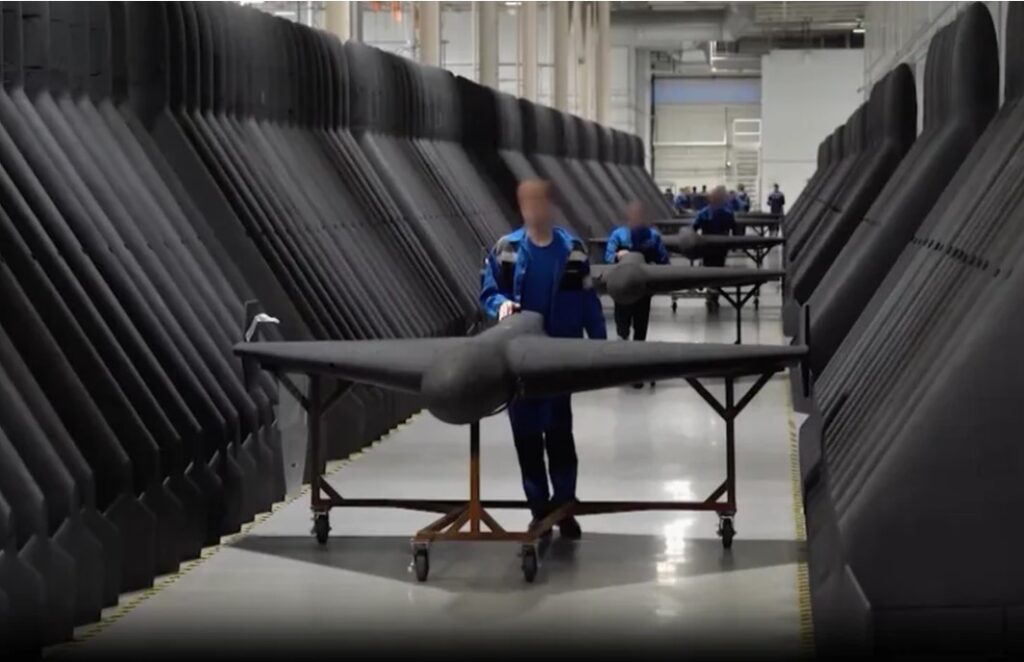
Russia is quietly moving to expand the capacity of the plant behind its long-range attack drones, a step that could sharply raise how many it launches at Ukraine, according to Politico. The plan turns on a single carbon fiber factory in Russia's Tatarstan region and runs to the end of the decade.

These files add something narrower than Russia's known intent to fight on: they identify carbon fiber as a critical material capping how many drones it can build. To break that cap, the Kremlin is funding production lines that will not run until the decade's end—a bet on winning by out-building Ukraine, even as the strikes grind on.

The bottleneck Russia wants to break

Politico obtained internal documents from Russian state nuclear corporation Rosatom showing its Alabuga-Volokno plant would add 500 tons of military-grade aerospace carbon fiber a year by 2029. Rosatom declined to comment. Weapons expert David Albright, who heads the Institute for Science and International Security, estimated that volume could yield airframes for about 28,000 more attack drones a year—a 78% jump.

Ukraine already estimates Russia can build more than 36,000 Shahed/Geran kamikaze drones a year. Carbon fiber is the choke point: it keeps the airframes light and strong, and Russia has no cheap substitute.

"Without the carbon fiber, they can't make the drone. Can't substitute for the carbon fiber in the drone and keep its weight down," Albright said.

Moscow is investing in the raw material, not just more assembly halls—the fiber, not floor space, is what caps output.

Ground already cleared in Tatarstan

Documents gathered by the Ukrainian Security and Cooperation Center describe a new factory on the site designed to produce UMT42S-3K aerospace-grade fiber. Satellite images from May to July show land cleared for construction. Albright's own August imagery shows foundations going in. He said the stated 2027 completion date "requires rapid construction." Russia has spent the past year adding new assembly halls at the same site.

The plant and its parent, Rosatom's Umatex Group, already sit under US, UK, and other Western sanctions. The US House Select Committee on China and the Ukrainian government both verified the documents, officials told Politico.

The push comes as Russia leans harder on jet-powered Shaheds, which Ukraine's Air Force says are hard to down with conventional defenses. Kyiv has fielded its first jet interceptor and tested a new one in September—but the plant is a bid to out-build those defenses faster than Ukraine can scale them.

❌